

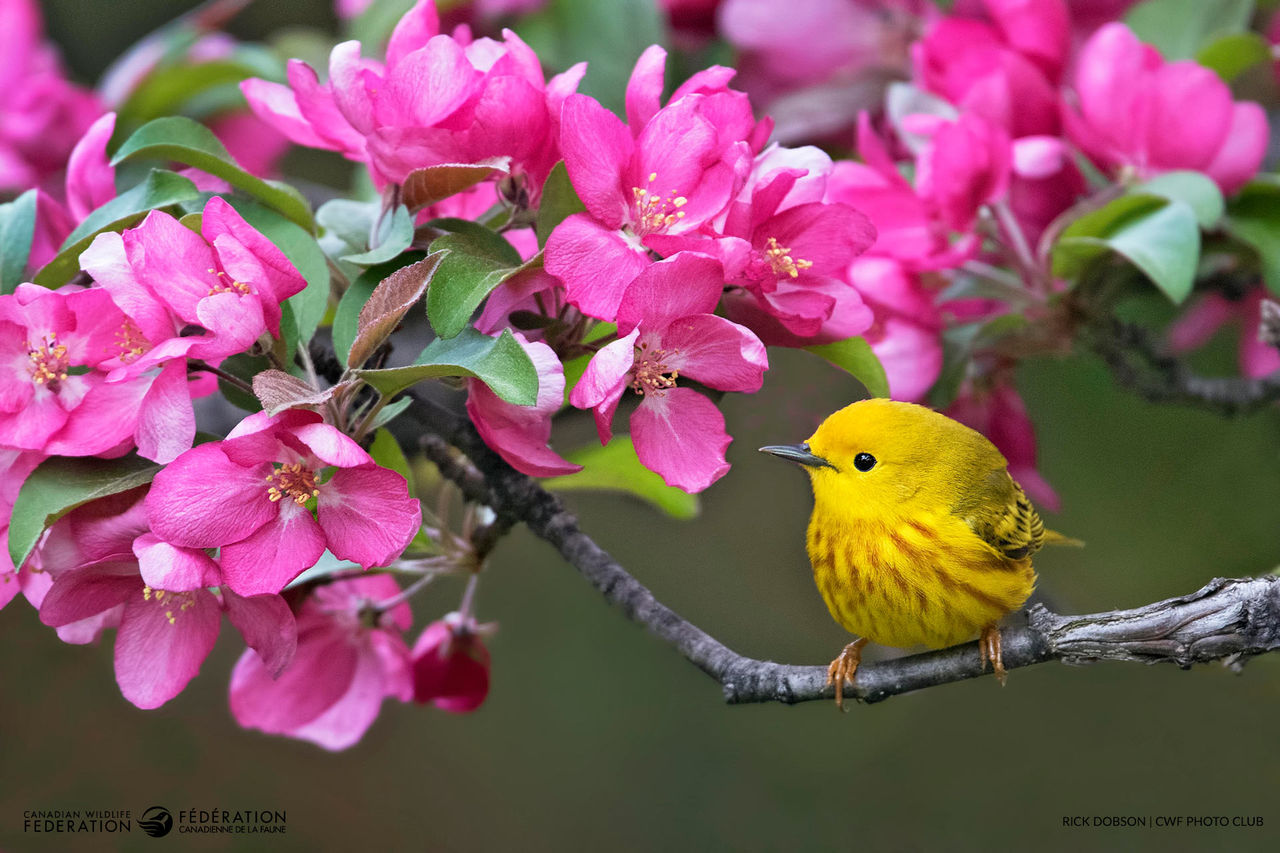


-
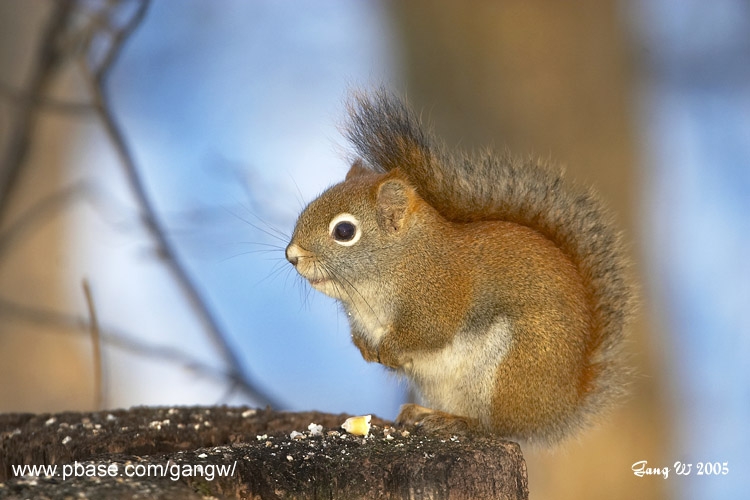 Backyard Wildlife FAQs
Backyard Wildlife FAQs
Do robins overwinter? How do I deal with unwanted wildlife in my house? Get answers and tips to some common questions about animals.
More -
 Beneficial Insects
Beneficial Insects
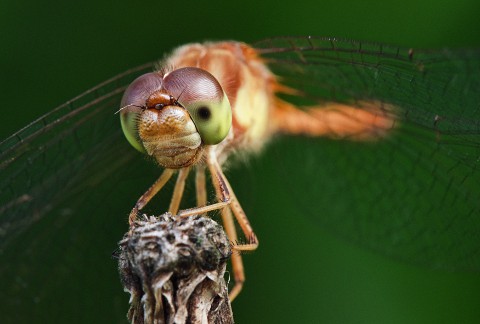
Insects perform a whole host of activities beneficial to our gardens and the environment as a whole. Find out more and how you can support them.
More -
 Pollinators
Pollinators
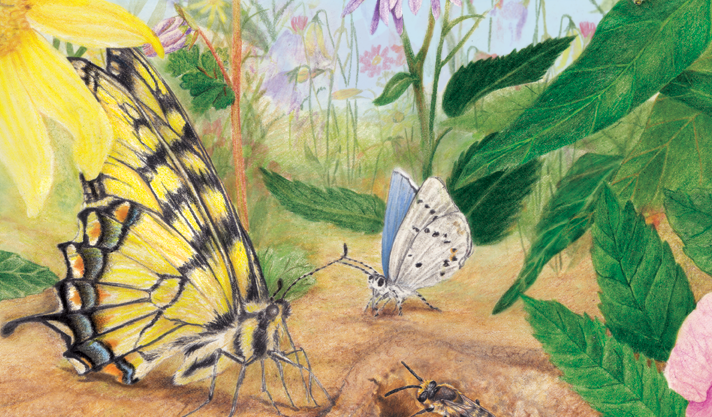
Pollination is one of the most important ecological processes on the planet. But our pollinators are in trouble due to a loss of habitat, toxic chemicals, parasites, diseases and climate change. Learn more about these remarkable animals and how you can help.
More -
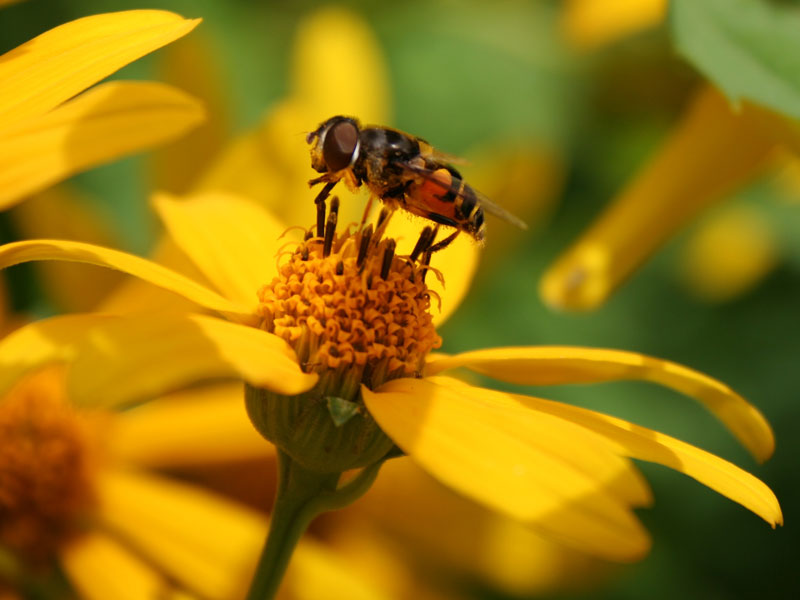 Fabulous Flies
Fabulous Flies
Flies are very important pollinators. They also help with decomposition and pest control as well as contribute to the health of some water bodies. Learn more about some of Canada’s flies here.
More
Feature Animals
-
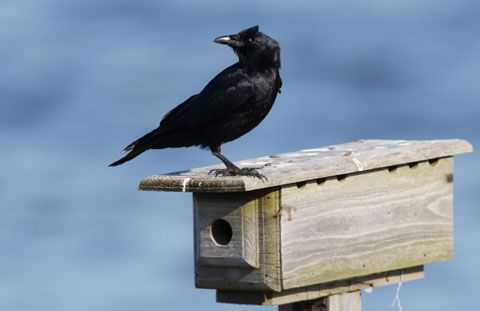
American Crow
2025-12-05
Crows and their kin are very interesting birds, members of what may be the most intelligent avian family — the Corvidae. The crow’s cousins include magpies, blue jays, jackdaws, rooks, nutcrackers and ravens. Many people use the terms crow and raven interchangeably but the two birds are actually quite different. Ravens are larger than crows (on average about the size of a hawk), have a heavier bill, and a wedge-shaped tail. Crows are approximately the size of a pigeon with a fan-shaped tail.
-
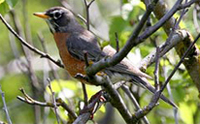
American Robin
2026-02-26
The American robin is the largest thrush in North America. Males are not only more vocal than females, but also slightly larger and more brightly coloured. Adult American robins have grey-brown backs, characteristic reddish breasts, white bellies, white chins, yellow bills and throats with dark streaks. Juveniles have dark speckles on their backs and on their cinnamon-coloured breasts.
-
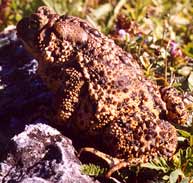
American Toad
2025-12-05
The American toad is a medium sized, squat toad which averages 5-9 cm in length. Its colour can change depending on humidity, temperature, and stress level, though it is typically brown, reddish or olive skinned with dark blotches containing one or two spots or "warts". The belly tends to be white or yellow with dark spots.
-
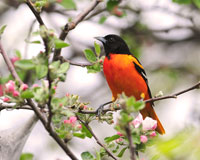
Baltimore Oriole
2025-12-05
Smaller than a robin, the male oriole displays a brilliant orange breast, shoulder patch and rump contrasted with a black head, back, wings and tail. The female resembles the male, but is paler in colour, displaying a dull orange breast with a dark brown olive colour on its head and back. The male has a beautiful flute-like song, which he performs throughout the summer. The female’s song, in comparison, is shorter and simpler. While songs vary slightly from one bird to the next, they always have the recognizable “hew-li” sound.
-
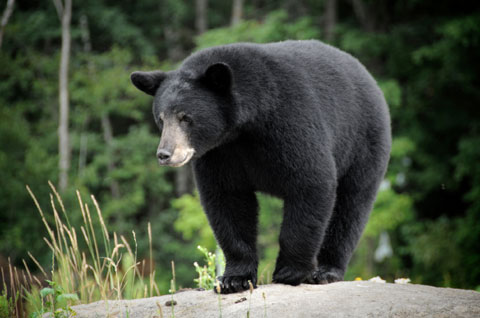
Black Bear
2026-02-26
The black bear Ursus americanus is one of the most familiar wild animals in North America today. The black bear is a bulky and thickset mammal. Approximately 150 cm long and with a height at the shoulder that varies from 100 to 120 cm, an adult black bear has a moderate-sized head with a rather straight facial profile and a tapered nose with long nostrils. The ears are rounded and the eyes small. The tail is very short and inconspicuous. A black bear has feet that are well furred on which it can walk. Each foot has five curved claws, which the bear cannot sheathe, or hide. These are very strong and are used for digging and tearing out roots, stumps, and old logs when searching for food.
-
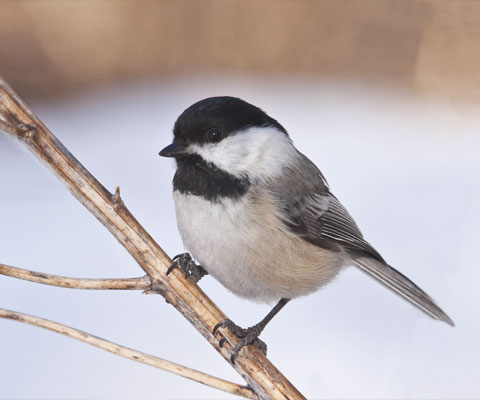
Black-capped Chickadee
2025-12-05
Black-capped Chickadees are small birds that measure 12 to 15 centimetres long. They have grey backs, a black cap that covers their eyes, white cheeks and a black triangular bib on the throat. Their stomachs are white with buff along the sides and their wings and tail are dark grey with white edging.
-
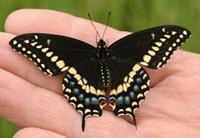
Black Swallowtail
2025-12-05
The blackness of its body and wings is embellished with two rows of yellow spots. The female’s yellow spots, while not as bold as the male’s, are adorned with a more distinctive blue band between the pale bands of yellow. In contrast, the male is garnished with more yellow tones than blue. Both sexes have two prominent orange eyespots on their hind wings close to their tails.
-
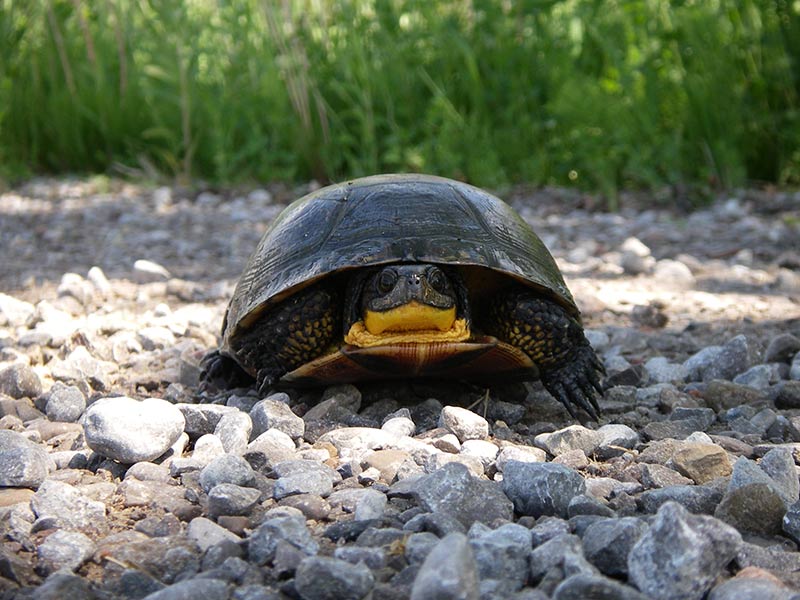
Blanding's Turtle
2026-02-25
The Blanding’s Turtle has a highly domed, upper shell with light-coloured flecks. The chin and neck are bright yellow.
-
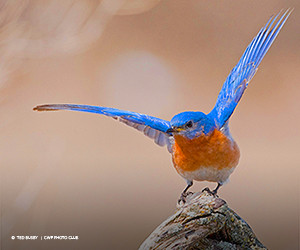
Bluebirds
2025-12-05
Canada has three species of bluebirds. They are in the Thrush family, the same family as the American Robin. Bluebirds are a little smaller than our robins, averaging about 7 inches in length and 13-14 inches in width. All bluebirds have blue heads, wings, backs and tails, which gives them their name. All species also have a black bill, legs and eyes. The differences between species come mainly from the colouring of the throat, breast and belly. The male Mountain Bluebird is mainly blue with a pale blue breast and white belly. The male Western Bluebird is a darker blue with orange-red on the upper and side portions of its chest and dull blue-white on the lower middle portion. The male Eastern Bluebird is similar to the Western Bluebird, but the orange also covers its throat and the front sides of its neck. Another distinction is that its white belly is brighter. The females and juveniles of these species have similar colouring to the adult males but a much paler version.
-
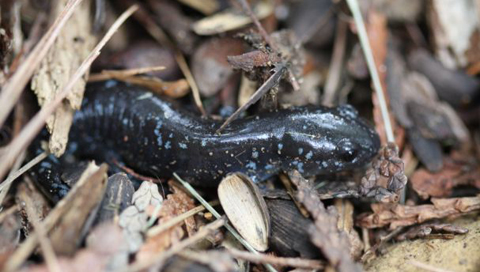
Blue-Spotted Salamander
2025-12-05
The Blue-spotted Salamander is a small, cold-blooded, nocturnal animal. A large adult will only be about 12 cm long, 40% of that is tail and its body is only about 1 cm wide. It is shiny-black with dusty blue spots mainly on the sides and belly.
-
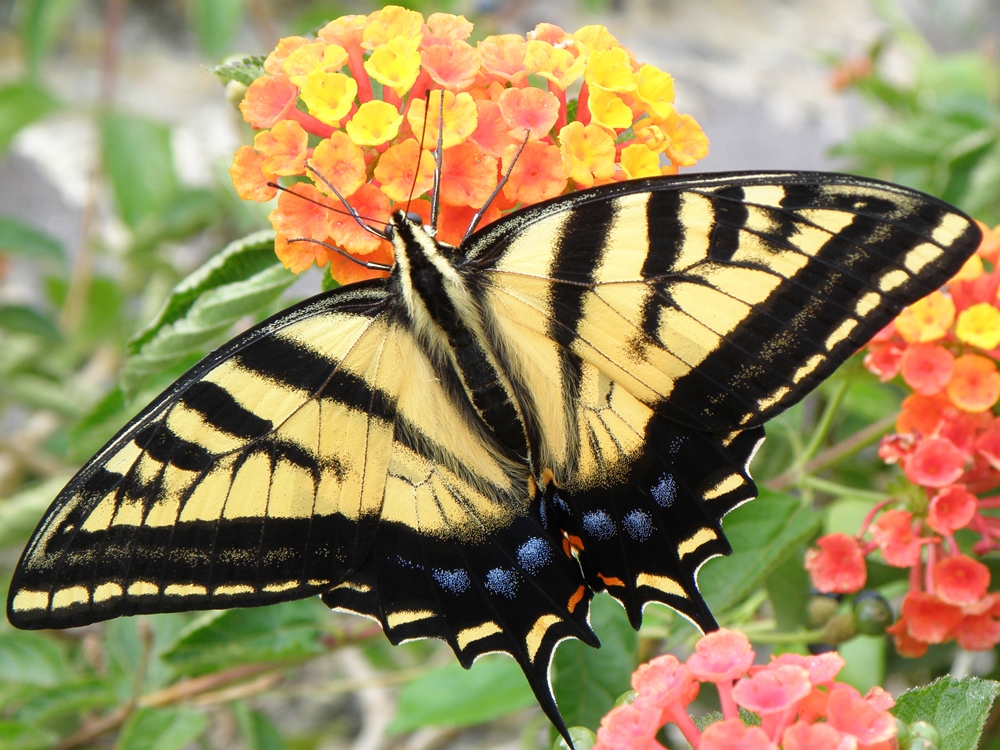
Canadian Tiger Swallowtail
2025-12-05
Adult wingspan is 53–90mm. Adults (butterflies) are yellow with thick black bands coming down from the top of the forewing and some black lines/veins across the hind wings. There are thick black bands along the edge of both the forewing and hind wing, with yellow spots along the forewing and yellow and orange spots on the jagged hind wing. There is a softer band of blue patches on the hind wing. Near the bottom of the hind wing is an extension that, when you look at both wings together, resemble the long, forked tails of some swallows. <p> Young (larvae/caterpillars), when immature, are brown and white and resemble bird droppings. Older caterpillars are large and green. Their body is fatter just behind the head and has two yellowish spots that look like eyes and a yellow band farther back, giving the impression of a much larger head, which is thought to deter predators. </p>
-
Cedar Waxwings
2025-12-05
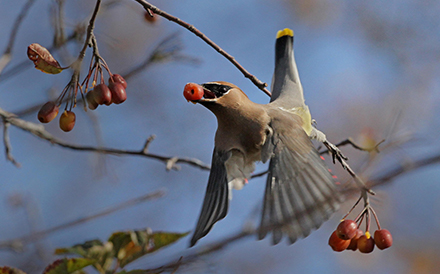
Cedar Waxwings are creamy yellow below, have light brown colouring on their heads and upper backs, grey on their lower backs and wings and a black mask across the top of their bills that extends around their eyes. They also have feathers on their heads that form a crest. They have a bright yellow band at the end of their tails. Sometimes you can see a thin red strip on the edge of their secondary wing feathers.
-
Checkered Beetle
2025-12-05
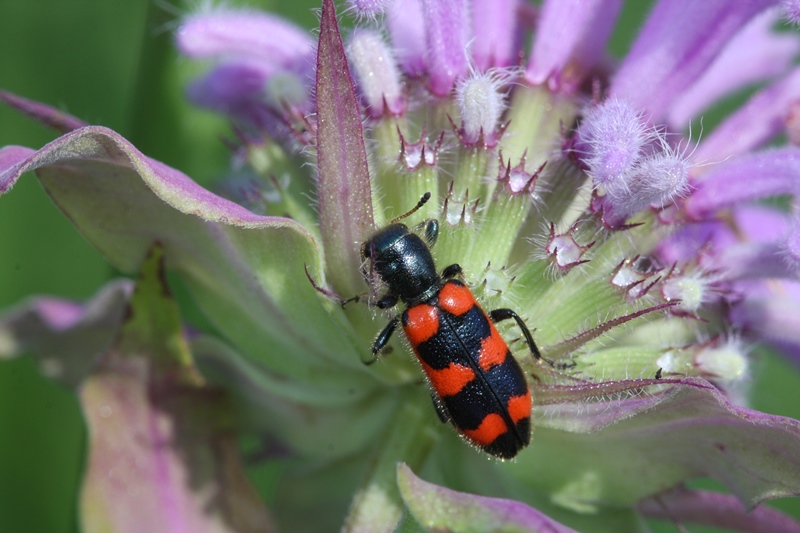
Approximately 8–11 mm long. All-over colour is dark blue, green-blue or purple. The elytra (wings) have three crossbands that can be yellow, orange or red. All checkered beetles (family <em>Cleridae</em>) have a wide head and a long, narrow body with a short thorax and a long abdomen. They have long hairs along their bodies and legs, which pollen can stick onto.
-
Chipmunk
2026-02-26
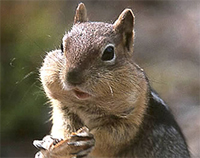
Chipmunks are easily recognized by the light and dark stripes on the back and head. They can be confused with some of the striped ground squirrels, but chipmunks are smaller, and have facial markings and five dark stripes on their backs, including a distinct, central line that extends forward onto the head. Ground squirrels do not have markings on the head.
-
Common Garter Snake
2025-12-05
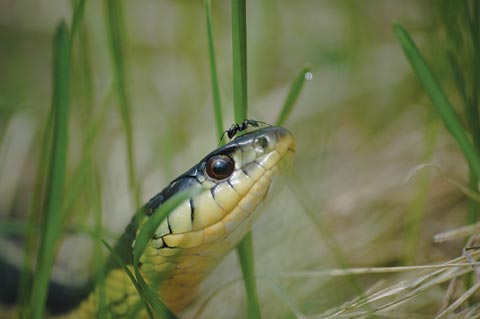
Garter snakes are typically 60 centimetres long. While their colouring varies greatly, they are generally recognized by a dark body with three light-coloured stripes down their back and sides (usually shades of yellow, red or orange). Some have speckled markings along the lighter coloured stripes and some small populations are all dark with no stripes.
-
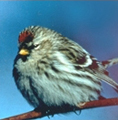
Common Redpoll
2025-12-05
At only 11-14 cm, the common redpoll is a small bird. A member of the finch family, this streaked bird can be difficult to distinguish from pine siskins. Redpolls are named for their red forehead but this is not always obvious, so look instead for the black patch on their chin to recognize them. To identify the sex of common redpolls look for the slight tinge of rose on the breasts of the males.
-
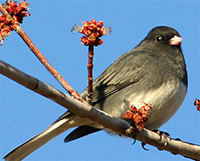
Dark-Eyed Junco
2025-12-05
Dark-eyed juncos vary geographically in terms of their colouration. Depending on the region, the backs and sides of dark-eyed juncos can vary from dark grey to reddish-brown. In all regions, however, adults can typically be identified by their dark grey to black coloured head and breast (known as their hood), white outer tail feathers and white undersides. Females are typically smaller than males and are often lighter in colour. Juveniles differ markedly from adults with their streaked appearance and brownish plumage. Dark-eyed juncos can be identified by their sounds as well. Their most familiar call is a musical trill that’s performed on the same pitch. Depending on predation, dark-eyed juncos typically live anywhere from three to 11 years in the wild. Their common predators are hawks, owls, cats, squirrels, chipmunks and weasels.
-
-
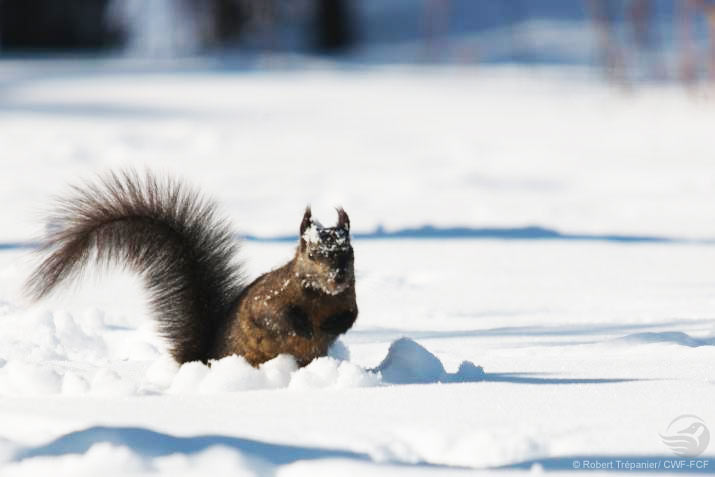
Eastern Grey Squirrel
2026-02-26
Eastern grey squirrels commonly occur in two colour phases, grey and black, which leads people to think—mistakenly—that there are two different species. The most notable physical feature of the eastern grey squirrel is its large bushy tail. The tail has many important functions. It acts as a rudder when the animal jumps from high places, as a warm covering during the winter, as a signal to other eastern grey squirrels indicating an individual’s mood.
-
Ermine
2025-12-05
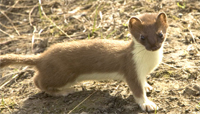
Ermines have features common to the weasel family like a long body, short legs, a long neck and a triangular-shaped head. They are a small weasel; males average 27 cm and females measure up at 24 cm with their tail adding another 7.5 cm to their length. Males are larger than females and weigh on average 80 g while females weigh an average of 54 g. Ermines change the colour of their coats seasonally. In the summer, their backs are brown, their undersides are white and their tails sport a black tip. In the winter, they are completely white except for their black tipped tail.

Learn More
- 0
- 1