Sixty per cent of our bodies are comprised of water.
It’s no wonder that we’re intrinsically linked to this sacred element, relying on it for our very survival. Without it, we wouldn’t last more than a few days.
But water is more than just a necessity for our bodies; it’s a source of solace. Researchers have found that simply viewing blue space (water) can lower stress levels.
Our connection to water runs deep, look no further than our cherished childhood memories. Think back to all the adventures you had — leaping off a dock into a cold lake, giggling with siblings as you watched frogs leaping on lily pads at the cottage, regularly visiting your local river, seeing the ocean waves crashing onto the beach, or learning to paddle a canoe with your parent as a guide. These moments are etched into our hearts, a testament to the exhilaration and wonder that water brings to our lives.
Throughout history, humans have been drawn to water. Ancient civilizations were formed along shorelines and many modern-day communities tend to nestle near rivers and oceans. Not much changes. Today, more than half of the world’s population resides less than three kilometres away from freshwater.
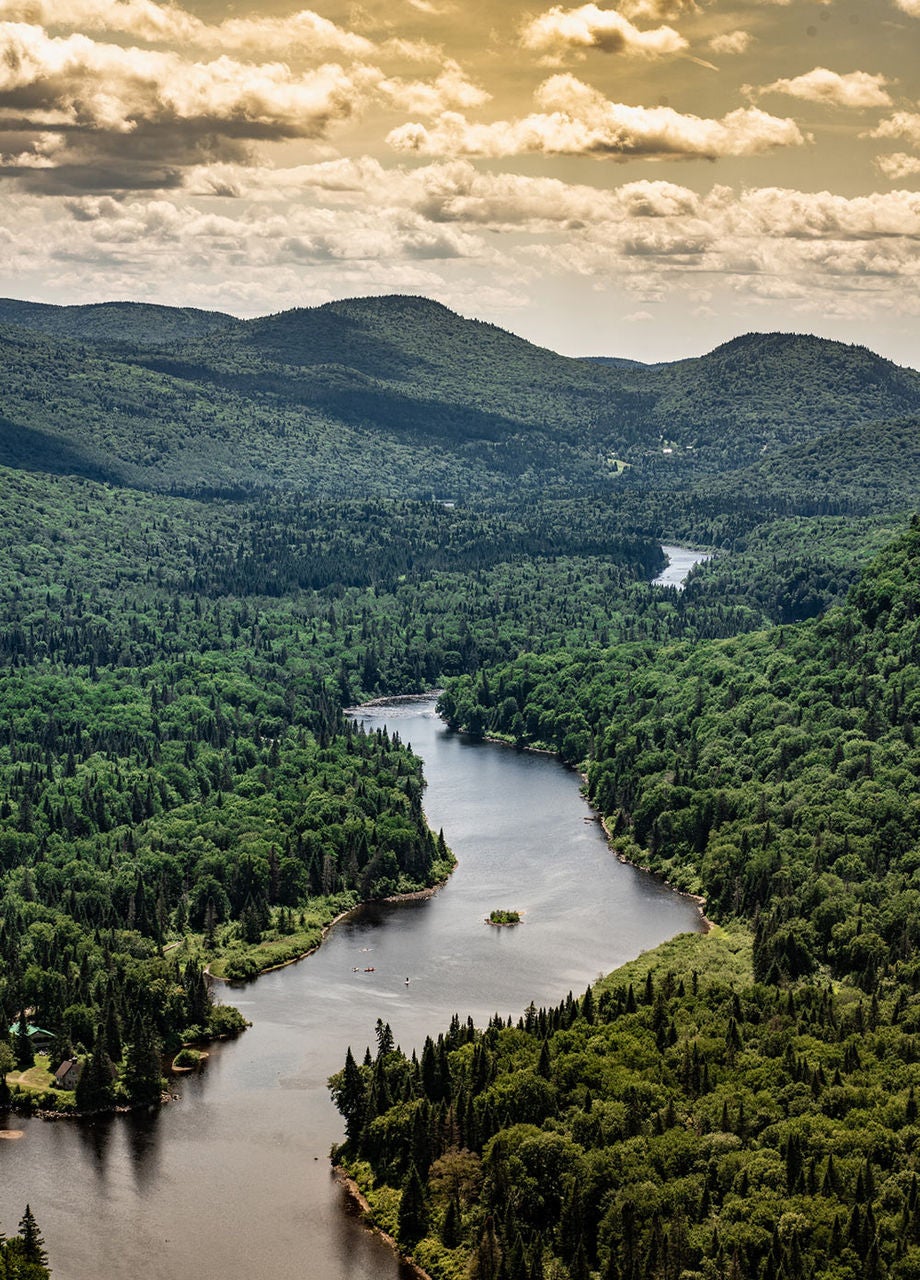
No matter where you live in Canada, from the North to the Prairies to the East Coast, water unites us all. Common sense dictates that we must safeguard our waterways and the creatures that call them home.
7 Days, 7 Issues, 7 Pledges
From habitat destruction to urban runoff, there are a myriad of threats facing our wild species and spaces that call our waterways home.This Rivers to Oceans Week we encourage you to learn about seven very real issues facing our aquatic wildlife. Every day from June 8 to 14, you’ll be challenged to take a pledge that will help turn the tide on the threats facing our oceans, rivers, lakes, streams and more.
Are you up for the challenge?
Speak Up for Water & Wildlife
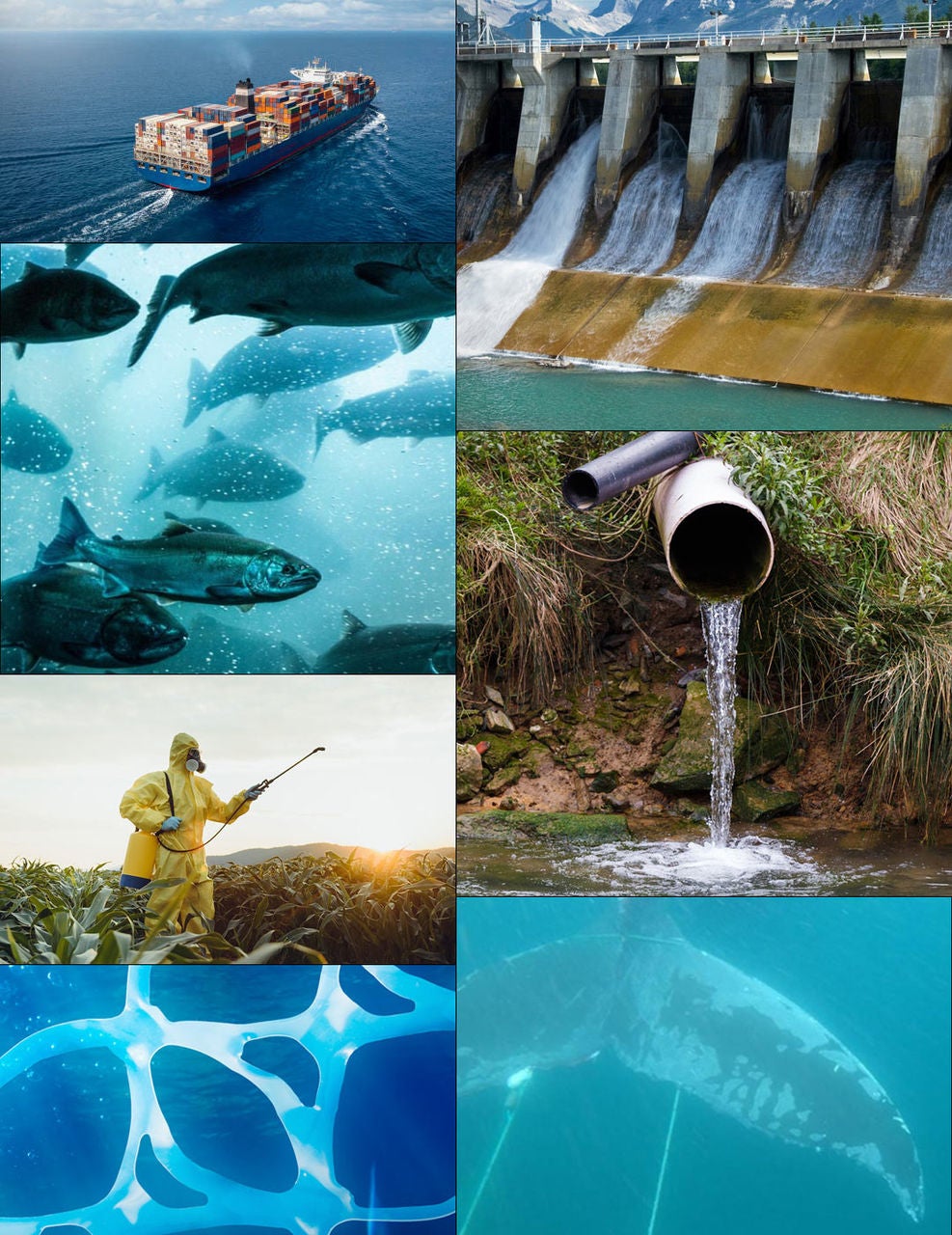
The Standing Committee on Fisheries and Oceans will be reconvening soon. We would like members to review the effectiveness of the Fisheries Act. We at the Canadian Wildlife Federation believe that the Fisheries Act needs to be more effective on how it protects water and wildlife, particularly in these critical areas:
- The impact of commercial fishing gear on marine mammals
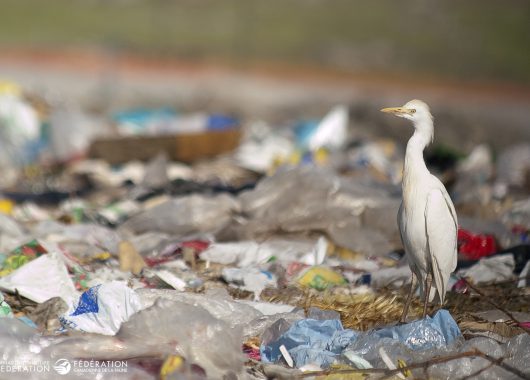
- The toll urban runoff takes on our waterways
- The loss of habitat and population declines caused by barriers to the migration of fish
- The imminent threat posed by pesticides to our aquatic environments
- The destruction of freshwater habitats for growth in infrastructure and industry
- The dangerous spread of diseases to wild fish populations through open-pen finfish aquaculture
Compliance with the Fisheries Act should be required when it comes to the harm caused by aquatic barriers. It should be implemented to hold past owners of aquatic barriers accountable for both mitigation or removal, and for restoration of fish habitat at the end of the structure’s life. The Act should be revised to ensure future projects don’t obstruct fish passage, unless they are granted special permission from DFO that is accompanied by plans to mitigate and offset harm to fish and their habitat. This should be accompanied by transparent enforcement and compliance efforts.
As a concrete objective, CWF recommends that the existing Fisheries Act be applied to require passage at 2,500 structures currently blocking fish migration. This commitment would pull Canada in line with the international community making similar conservation commitments.
In the Fall, CWF went before the Parliamentary Committee on Fisheries and Oceans and pushed for better implementation of the Fisheries Act during its five-year review. We fought against the cumulative effects caused by thousands of small projects and the need for better enforcement. We will continue this work and to be a leading voice on fish habitat.
Canada’s wildlife can’t speak for themselves, so it’s up to us to speak up for them. We urge you to join us in demanding urgent action from the Parliamentary Committee on Fisheries and Oceans. We will collect your name along with thousands of other caring people just like you to show the Parliamentary Committee that the protection of our waterways and wildlife cannot wait.
Add Your Voice Today
Add your name to our letter to the Fisheries Committee
Dear Honourable Members of the Parliamentary Committee on Fisheries and Oceans,
We are writing to you with a sense of urgency regarding the upcoming meeting to review the effectiveness of the Fisheries Act. As representatives entrusted with the stewardship of Canada’s abundant water resources, we urge you to prioritize the conservation of our precious waterways and the diverse wildlife that relies on them.
We believe the Fisheries Act needs to be more effective on how it protects water and wildlife, particularly in these critical areas:
- The impact of commercial fishing gear on marine mammals
- The toll urban runoff takes on our waterways
- The loss of habitat and population declines caused by barriers to the migration of fish
- The imminent threat posed by pesticides to our aquatic environments
- The destruction of freshwater habitats for growth in infrastructure and industry
- The dangerous spread of diseases to wild fish populations through open-pen finfish aquaculture
As stewards of Canada’s fresh and marine waters, we call upon you to exercise due diligence and take decisive action to conserve these natural resources.
Thank you for your attention to this urgent matter.
Sincerely,
The Canadian Wildlife Federation and [YOUR NAME]
 All Caught Up
 Disease can spread from one species to another relatively easily via open-pen finfish aquaculture (OPFA). Many species of fish, shellfish and seaweed are raised for consumption through aquaculture, but Atlantic salmon species are the most common. When raised within net pens or cages that are open to the natural environment, so many issues can arise, including the spread of disease and parasites.
June 12: Fishing Gear
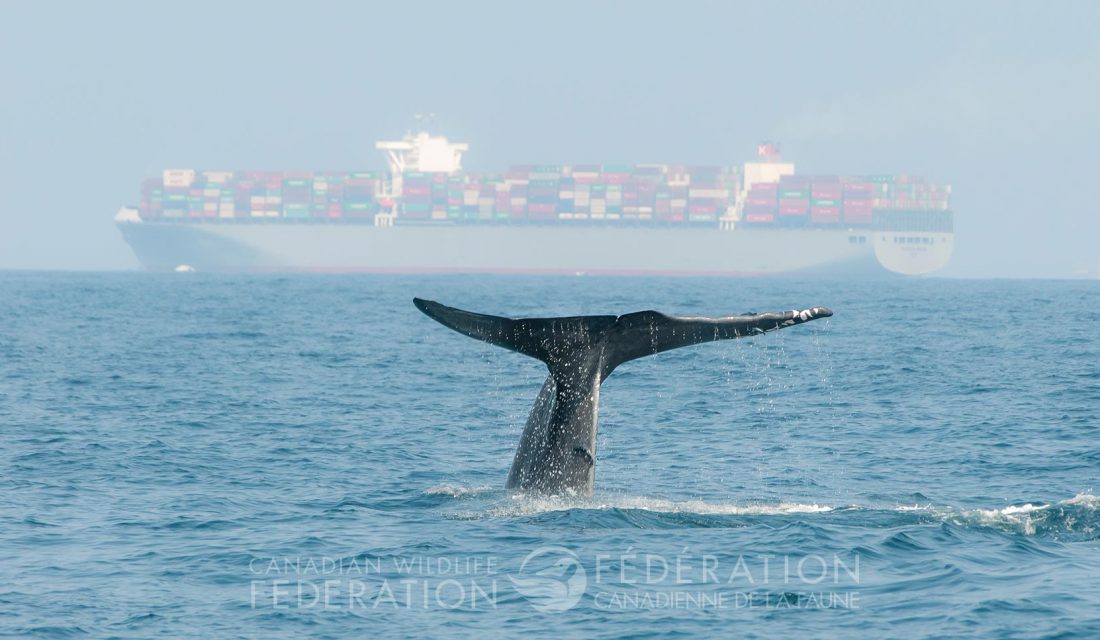
June 8: Vessels Strikes
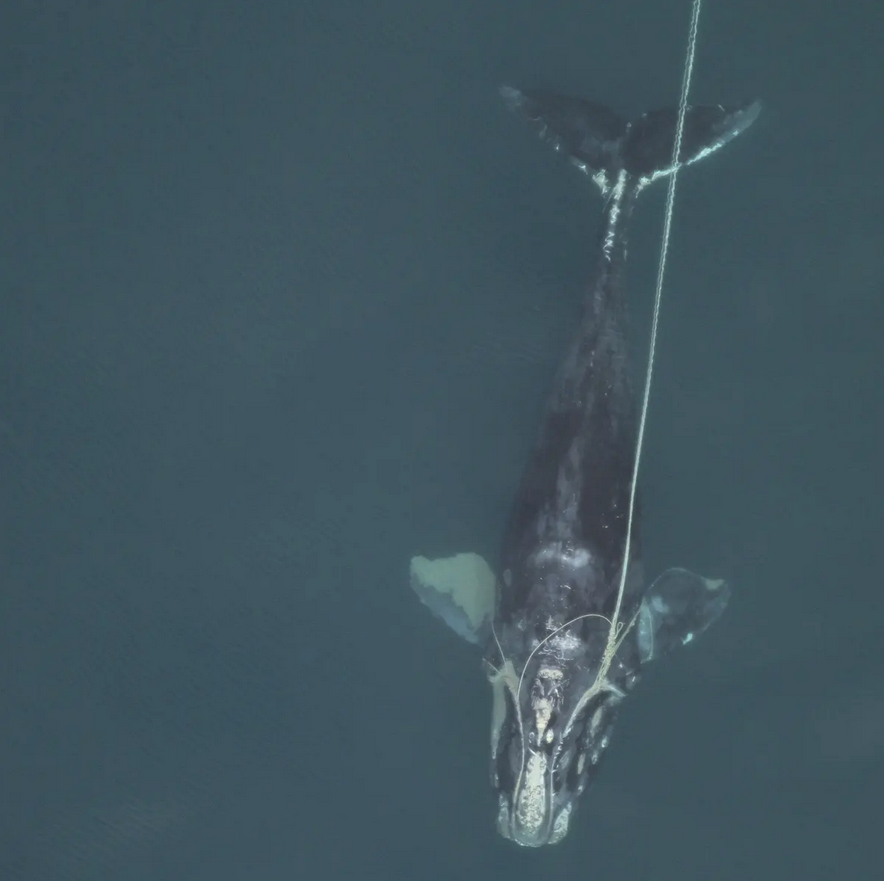
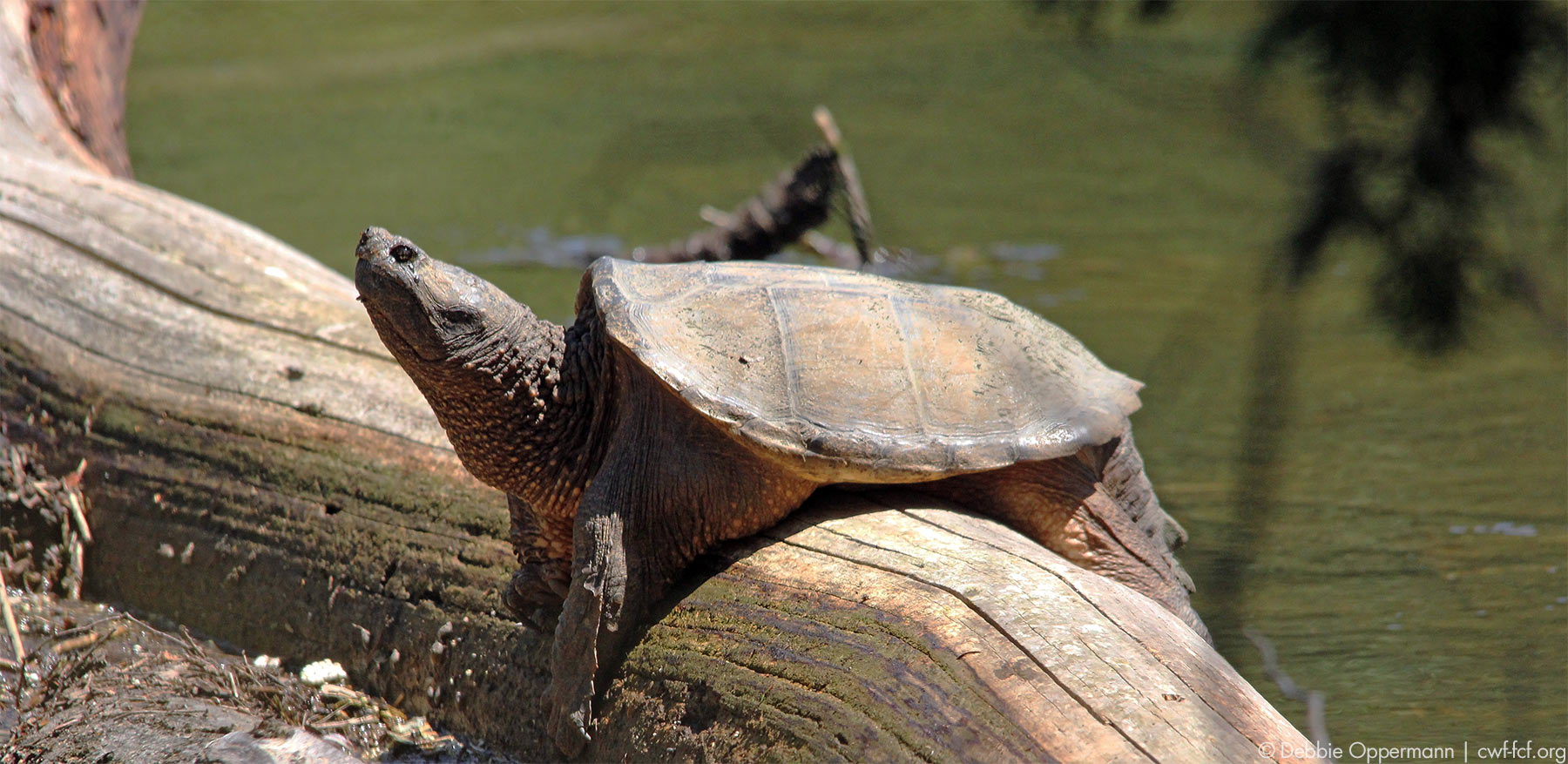
Fishing gear can harm so many kinds of aquatic animals – from North Atlantic Right Whales to freshwater turtles. That said it is important to note that anglers and commercial fisheries are not intending to harm wildlife. For commercial fish harvesters, they are simply trying to make a living while supporting other sectors like seafood buyers and processors, restaurants, and more! Moreover, both anglers and commercial fish harvesters are not oblivious to these problems and most recognize the need to address them, in the interest of being good stewards, good business, and ensuring the sustainability of the natural resource. Sadly, accidents happen.
Climate Change
Climate change is affecting our marine and freshwater bodies as well as the species that call them home.
Oceans
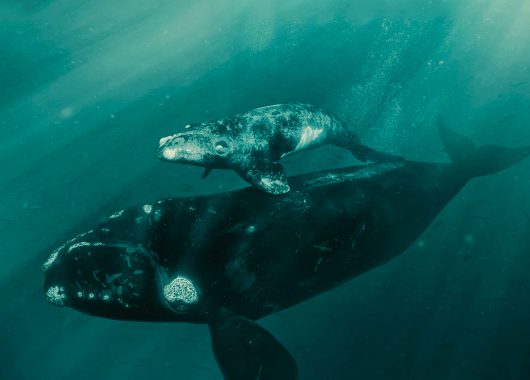
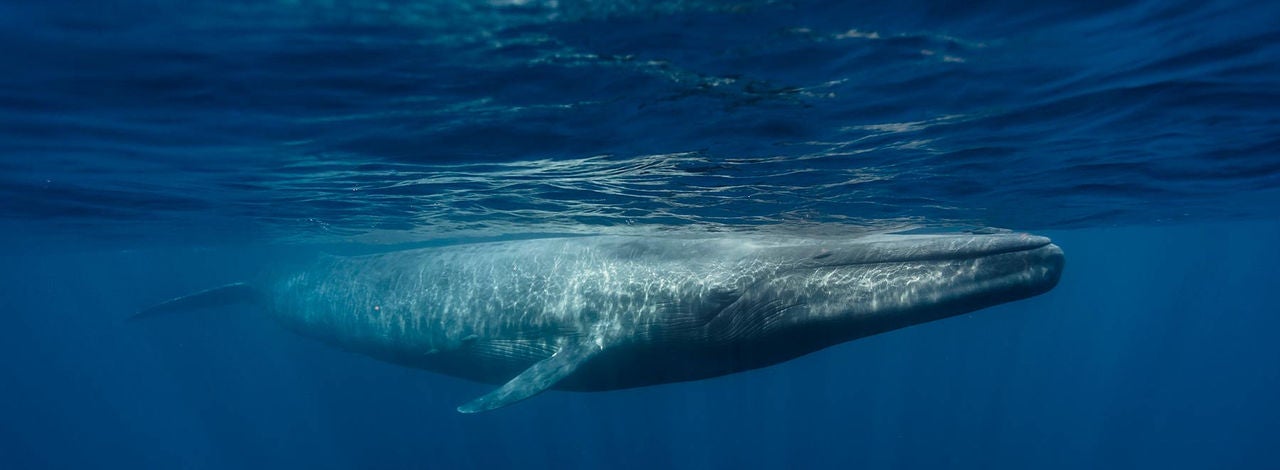
The ocean is warming at unprecedented rates from human-driven climate change. The ocean is our planet’s greatest carbon sink – it absorbs excess heat and energy from the atmosphere. Current levels are leading to cascading effects in our marine ecosystem, ranging from melting sea-ice and sea-level rise to increasing water temperatures around the world. These changes have far reaching impacts on marine life and biodiversity, including Canada’s large whales. Climate change disrupts marine ecosystems by affecting species distributions, migration patterns, reproductive cycles, and interactions among organisms. Shifts in ocean temperature, currents, and nutrient availability can lead to changes in species abundance, distribution, and productivity, with cascading impacts on marine food webs and biodiversity.
Freshwater
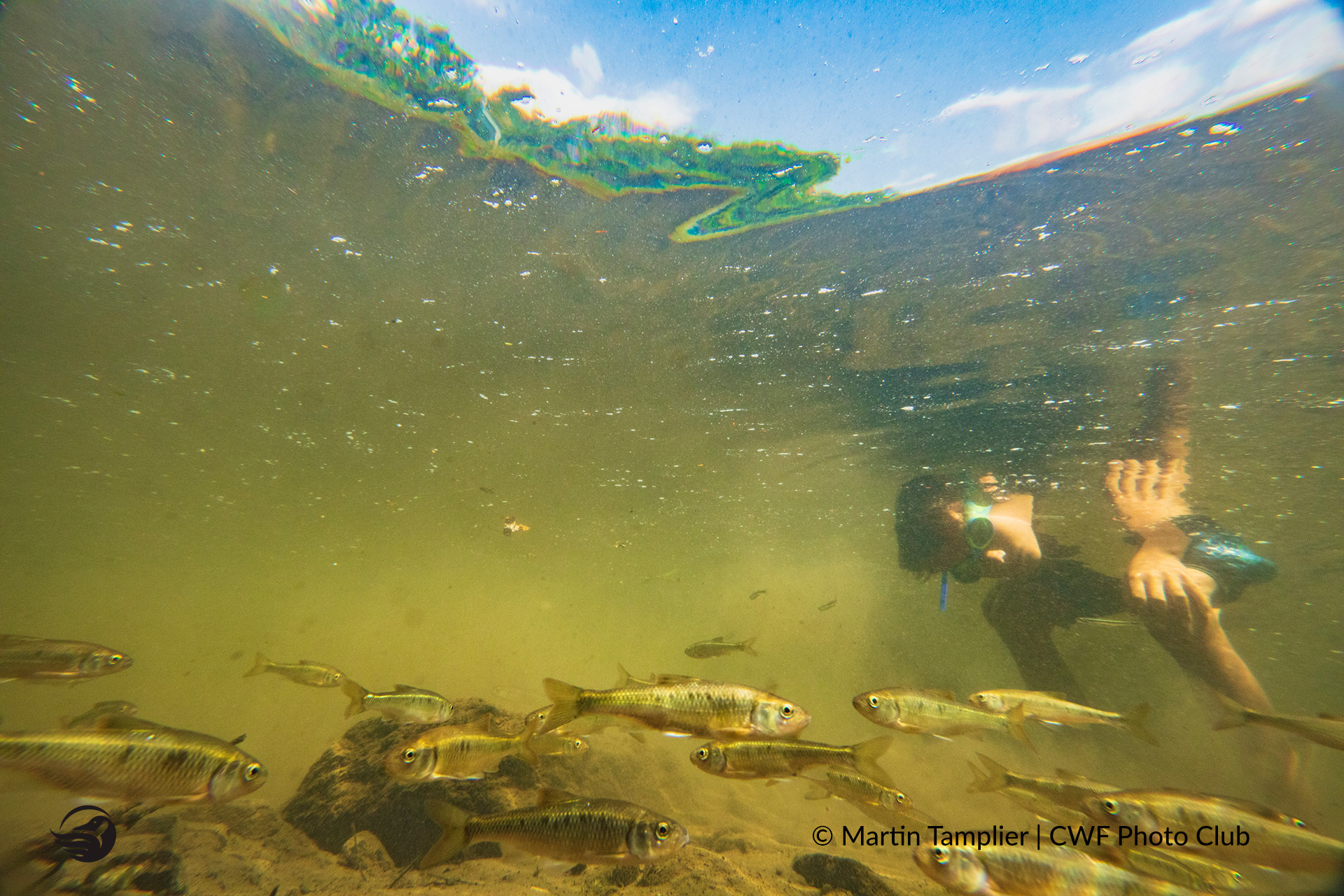
With an increase in extreme weather events, many areas are seeing an increase in temperatures, drought, or heavier rainfall. All of this can take a toll on our lakes and shorelines resulting in an increase in erosion, more runoff, more algal blooms, higher lake temperatures, and changes in water levels. Warmer air temperatures result in elevated water temperatures in lakes, rivers, and streams. This can affect aquatic ecosystems by disrupting thermal stratification, reducing oxygen levels, and altering habitat suitability for freshwater species, including fish, turtles and macroinvertebrates. Climate change can cause shifts in the distribution and composition of aquatic ecosystems, including changes in species abundance, biodiversity, and community structure. Some species may migrate to cooler habitats, while others may face habitat loss or increased competition and predation.
About Rivers to Oceans Week
From wetlands, ground water and springs to creeks, streams, lakes, rivers, estuaries, tidal flats, fjords and oceans, our water is connected through watersheds.
Rivers to Oceans Week, celebrated from June 8 to 14, recognizes this connectivity and reminds us that taking care of our water is a shared responsibility. Oceans Day, June 8, was declared in 1992 at the UN Earth Summit in Rio de Janeiro. It raises awareness about the importance of the Earth’s oceans and inspires us to take better care of them. Canadian Rivers Day, celebrated since 2003 on the second Sunday in June, gives Canadians a chance to honour our rivers for the important place they occupy at the heart of our history and natural heritage. Since 2007, Oceans Day and Canadian Rivers Day have been celebrated together by CWF during Rivers to Oceans Week, which honours themes central to Canada’s watersheds.
Rivers to Oceans Week reminds us that safeguarding the health of all water — local springs, creeks, streams, lakes, rivers, wetlands and even groundwater — flowing through our watersheds also improves the quality of Canada’s oceans. It is an activity in which everyone can play a role regardless of where they live.
Join CWF in celebrating Rivers to Oceans Week and help us turn the tide on the threats to Canada’s waterways and the life they sustain.