




From easy-to-use apps designed as tools for your citizen science projects to picturesque wallpaper images for your computer, CanadianWildlifeFederation.ca offers a variety of useful downloads for your PC and mobile devices.
-
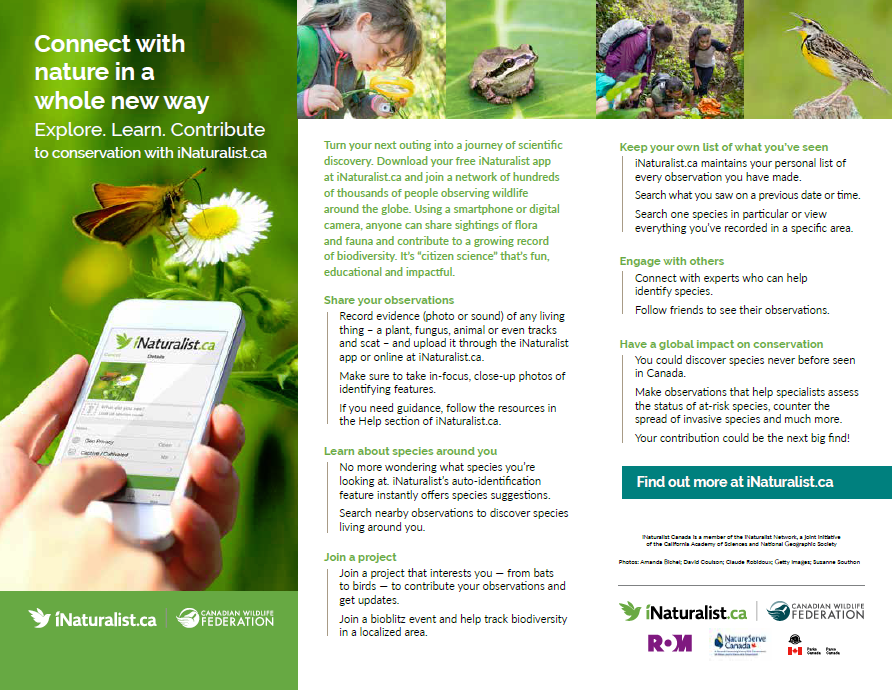
About iNaturalist.ca
2021-03-01
Turn your next outing into a journey of scientific discovery. Download your free iNaturalist app at iNaturalist.ca and join a network of hundreds of thousands of people observing wildlife around the globe. Using a smartphone or digital camera, anyone can share sightings of flora and fauna and contribute to a growing record of biodiversity. It’s “citizen science” that’s fun, educational and impactful.
-
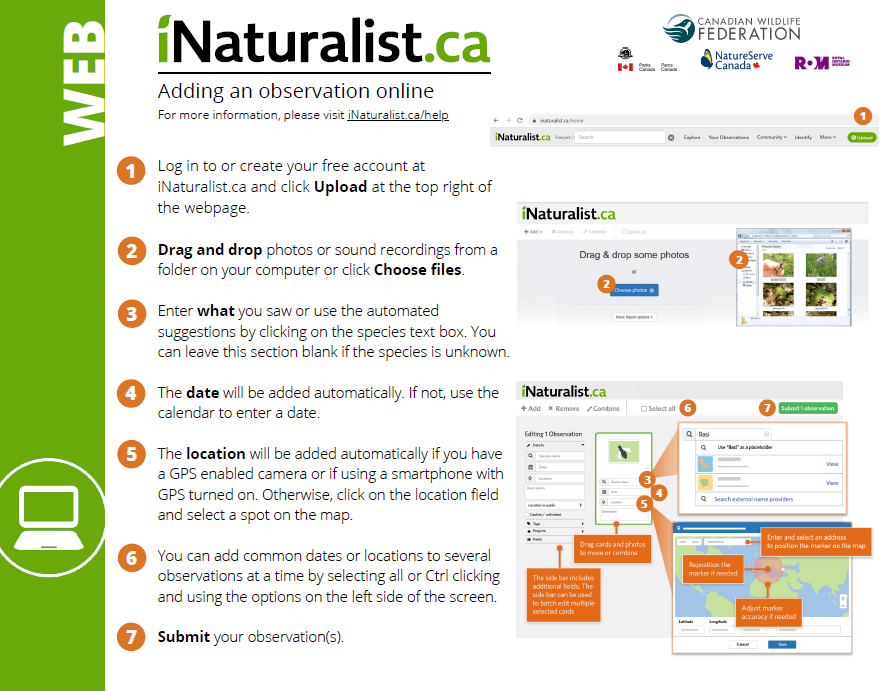
Adding an observation online
2021-04-13
-
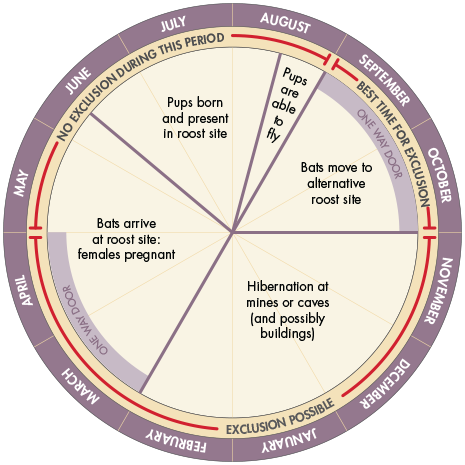
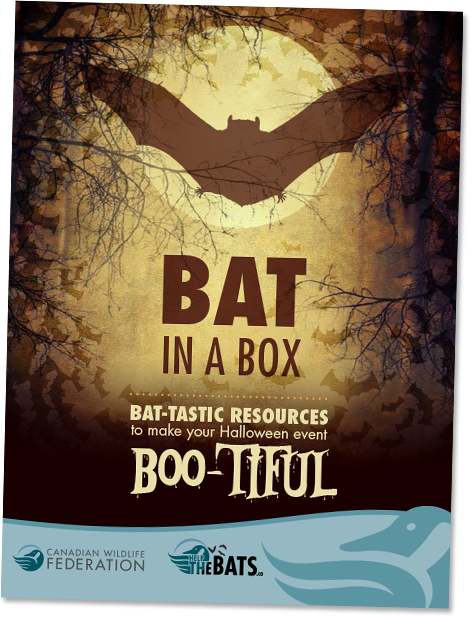
Bat Exclusion Calendar
2016-03-13
If you must exclude bats from your property, take a look at this calendar which outlines the most and least desirable times to do so.
-
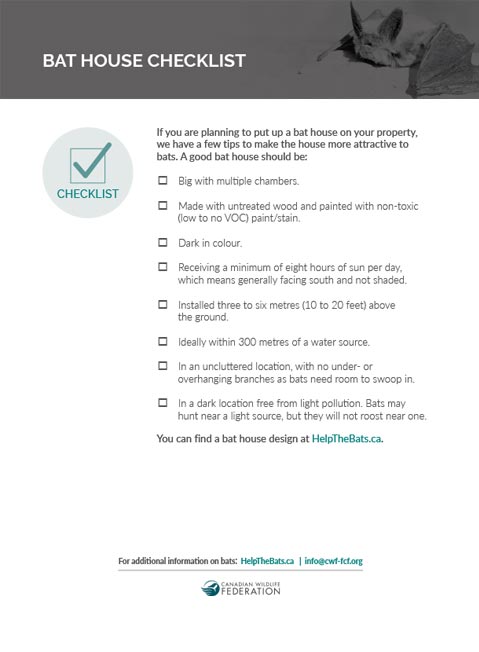
-

-
-
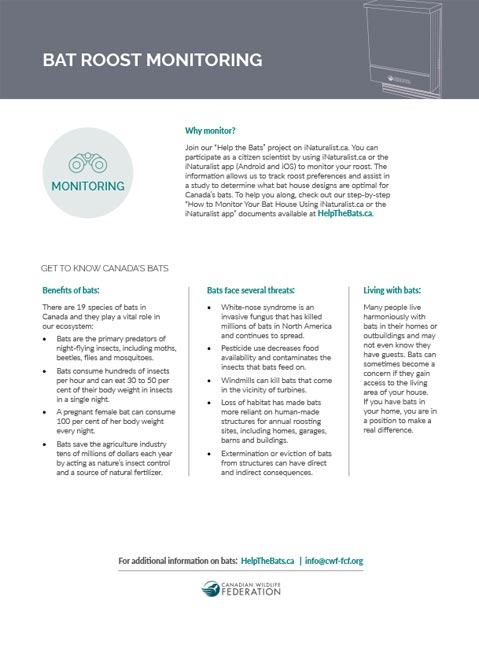
BAT ROOST MONITORING
2026-07-03
oin our “Help the Bats” project on iNaturalist.ca. You can participate as a citizen scientist by using iNaturalist.ca or the iNaturalist app (Android and iOS) to monitor your roost. The information allows us to track roost preferences and assist in a study to determine what bat house designs are optimal for Canada’s bats. To help you along, check out our step-by-step “How to Monitor Your Bat House Using iNaturalist.ca or the iNaturalist app” documents available at HelpTheBats.ca
-
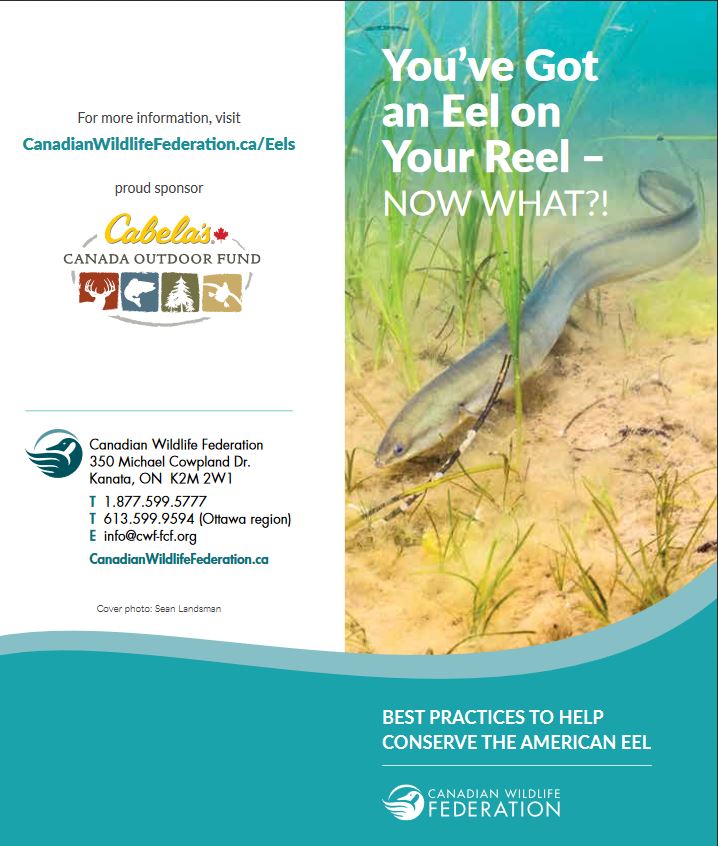
BEST PRACTICES TO HELP CONSERVE THE AMERICAN EEL
2019-05-31
You’ve Got an Eel on Your Reel – NOW WHAT?!
-

Bioblitz in a Box
2021-09-24
Bioblitz-in-a-box is a lasting legacy from the Bioblitz Canada 150 project that took place in 2017, made possible in part by the Government of Canada, as a Canada 150 Signature Project. These tips and tools for organizing a bioblitz were compiled by the Canadian Wildlife Federation based on various online bioblitz guides, and professional and personal experiences. Feel free to browse around to find something to help with your own bioblitz plans!
-
-

Certify Your Garden Handout
2026-07-03
Whether you are limited to a small patio or have hectares of land, CWF would like to acknoledge your efforts in welcoming wildlife to your garden.
-
-
-
-
-
-
Creating Monarch and Pollinator Habitat
2026-07-03
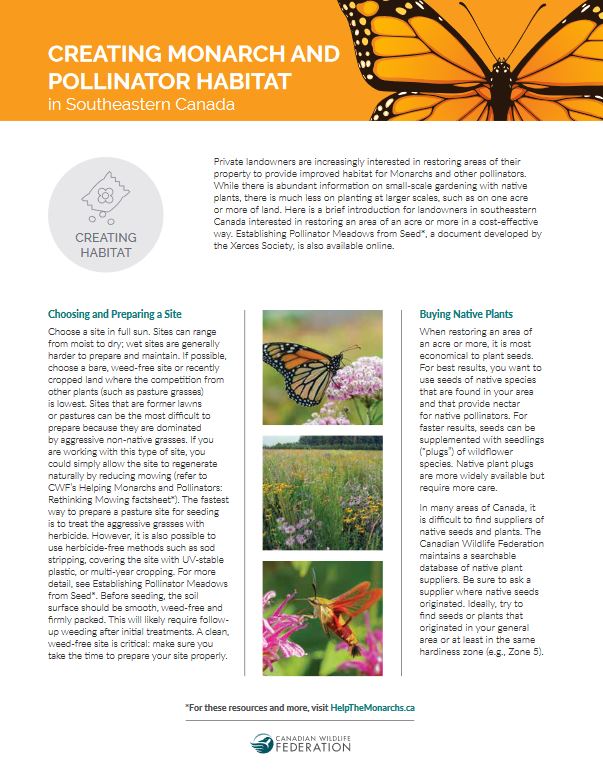
Private landowners are increasingly interested in restoring areas of their property to provide improved habitat for Monarchs and other pollinators. While there is abundant information on small-scale gardening with native plants, there is much less on planting at larger scales, such as on one acre or more of land. Here is a brief introduction for landowners in southeastern Canada interested in restoring an area of an acre or more in a cost-effective way. Establishing Pollinator Meadows from Seed*, a document developed by the Xerces Society, is also available online
-

-
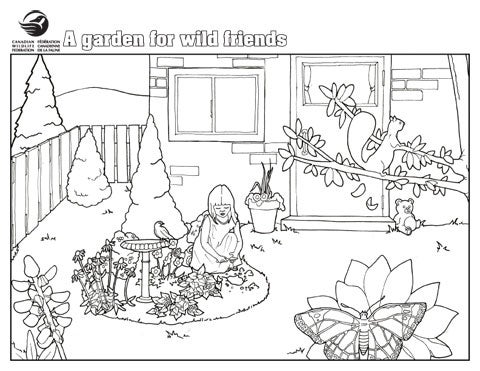
CWF Kaleidoscopes Monarch Colouring Page
2026-07-03
-
-

-

-
-

Gardening for Butterflies Handout
2026-07-03
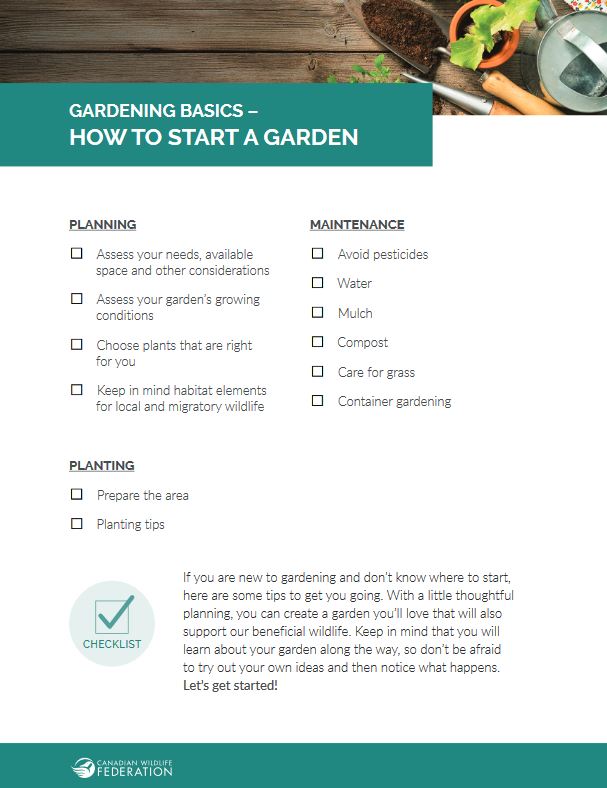
Nearly 300 species of butterflies inhabit Canada, some cloaked in brilliant colours, others less noticeable. The presence of these graceful creatures in our gardens is a blessing of vibrancy and beauty.
-

-
Gardening for Wildlife Handouts and Posters
2026-07-03
Download a variety of handouts including Gardening for Pollinators and Natural Insect Control. Or order a poster on Canada’s birds, bees, butterflies and much more!
-
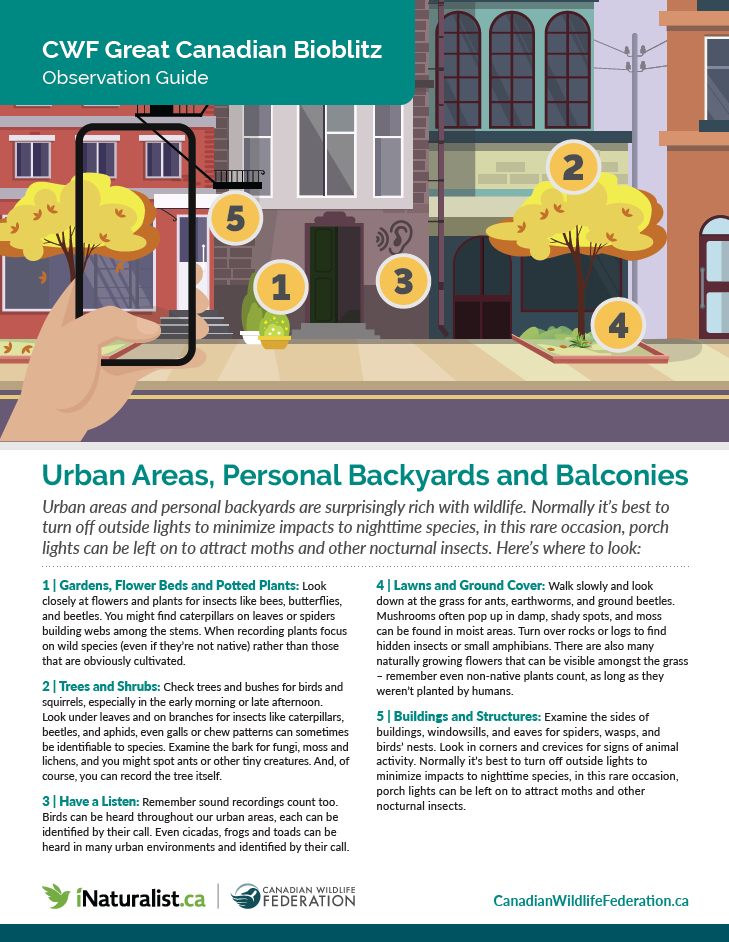
Great Canadian Bioblitz Observation Guide
2026-07-03
-
-
-
-
Helping Canada’s Pollinators in The Garden
2026-07-03
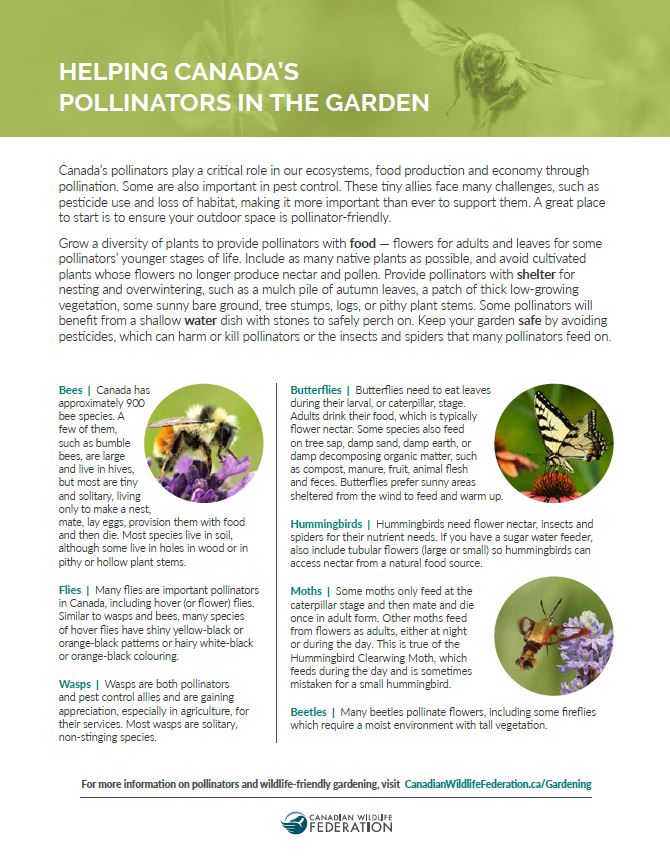
Canada’s pollinators play a critical role in our ecosystems, food production and economy through pollination. Some are also important in pest control. These tiny allies face many challenges, such as pesticide use and loss of habitat, making it more important than ever to support them. A great place to start is to ensure your outdoor space is pollinator-friendly.
-
Helping Monarchs and Pollinators: Rethinking Mowing
2019-05-07
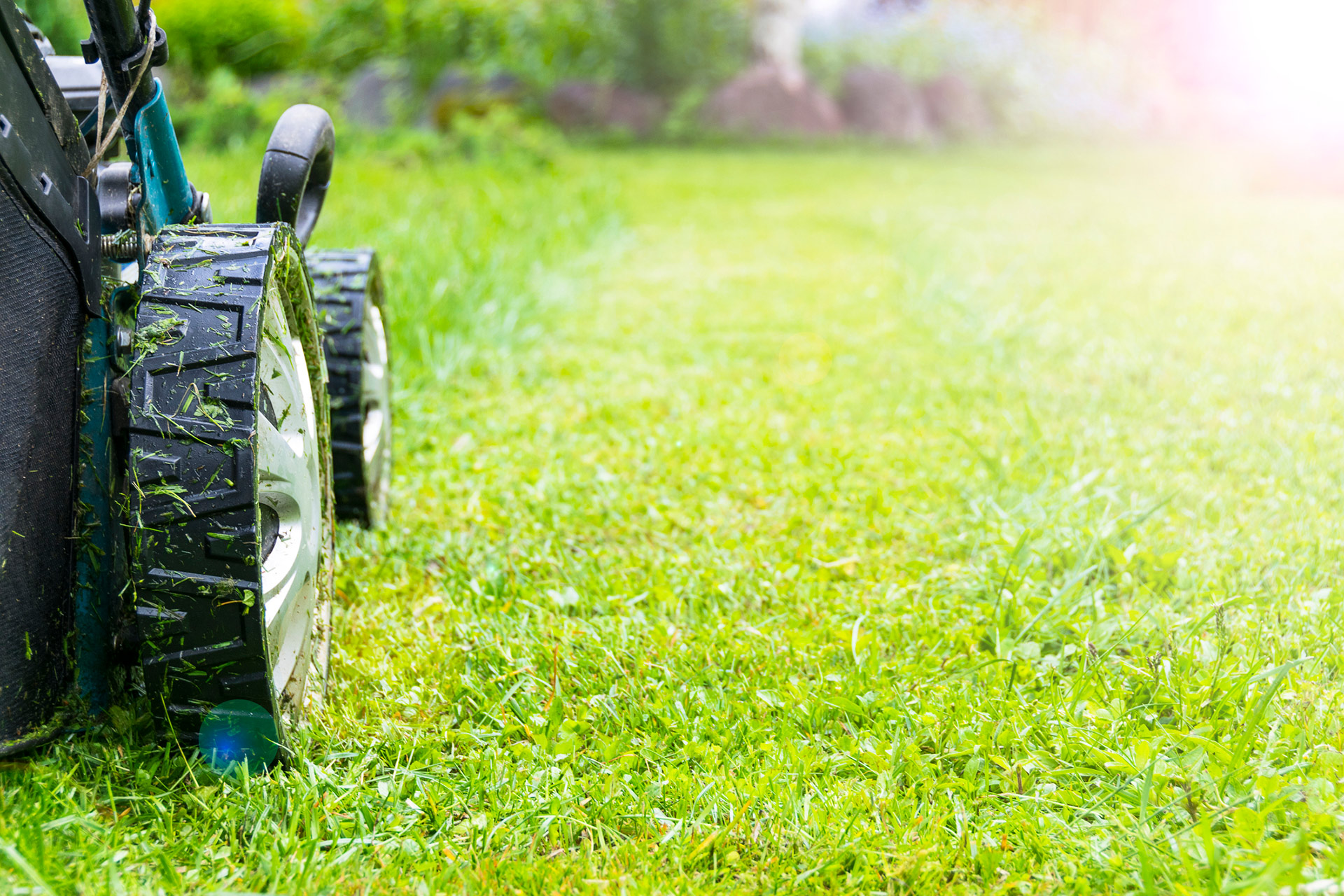
Pollinators are a priority resource concern for many conservationists and farmers. The Xerces Society conducted field trials throughout the Easter, Midwestern and Western United States to inform best practices.
-
Hinterland Who's Who Fact Sheets
2026-07-03
Check out the facts for amphibians and reptiles, birds, fish, mollusks, insects, pollinators and mammals! We’ve even got information specific to species at risk, the boreal forest species, and species affected by climate change! So why not learn a little bit more about these Canadian creatures
-

-

How To Build a Turtle Nesting Site
2026-07-03
Sometimes turtles nest in problem areas like gardens, driveways or compost piles. To encourage turtles to nest elsewhere, or to create nesting habitat if it is lacking, consider building a nesting site. Keep in mind that turtles will often return to sites where they have nested before, so it may take a few seasons before a new site is used. We also recommend having nest protectors ready to protect any nests laid.
-
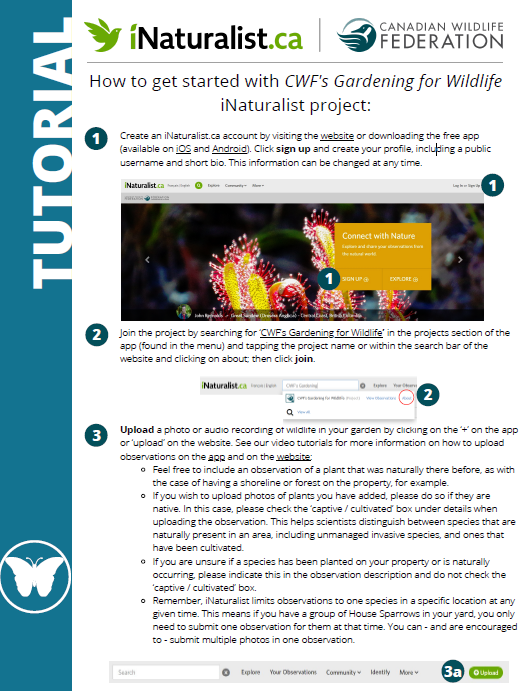
How to get started with CWF's Gardening for Wildlife iNaturalist project
2021-04-09
Create an iNaturalist.ca account by visiting the website or downloading the free app(available on iOS and Android ). Click sign up and create your profile, including a publicusername and short bio. This information can be changed at any time.
-
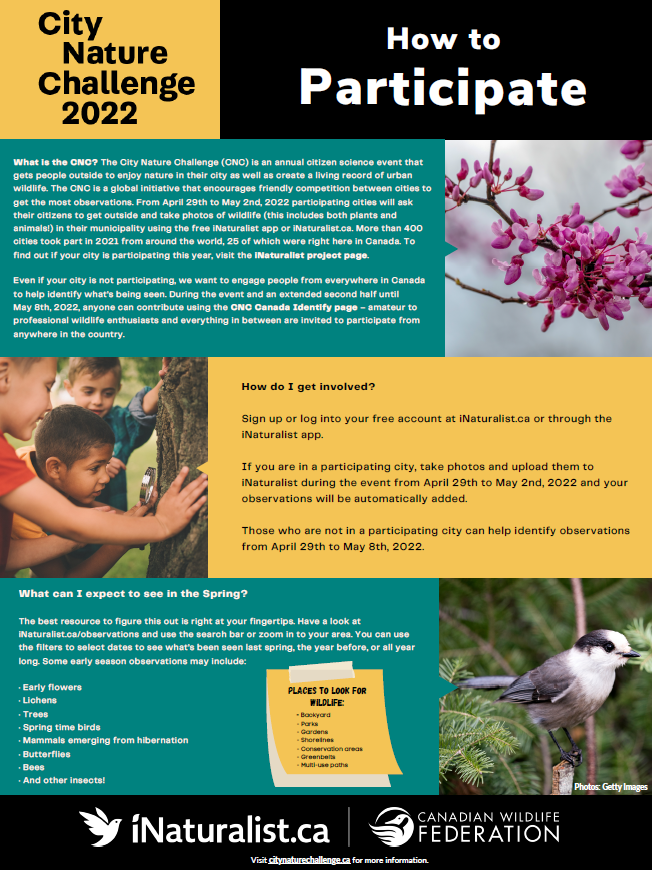
How to Participate in the City Nature Challenge
2026-07-03
What is the CNC? The City Nature Challenge (CNC) is an annual citizen science event thatgets people outside to enjoy nature in their city as well as create a living record of urbanwildlife. The CNC is a global initiative that encourages friendly competition between cities toget the most observations. From April 29th to May 2nd, 2022 participating cities will asktheir citizens to get outside and take photos of wildlife (this includes both plants andanimals!) in their municipality using the free iNaturalist app or iNaturalist.ca. More than 400cities took part in 2021 from around the world, 25 of which were right here in Canada. Tofind out if your city is participating this year, visit the iNaturalist project page .
-
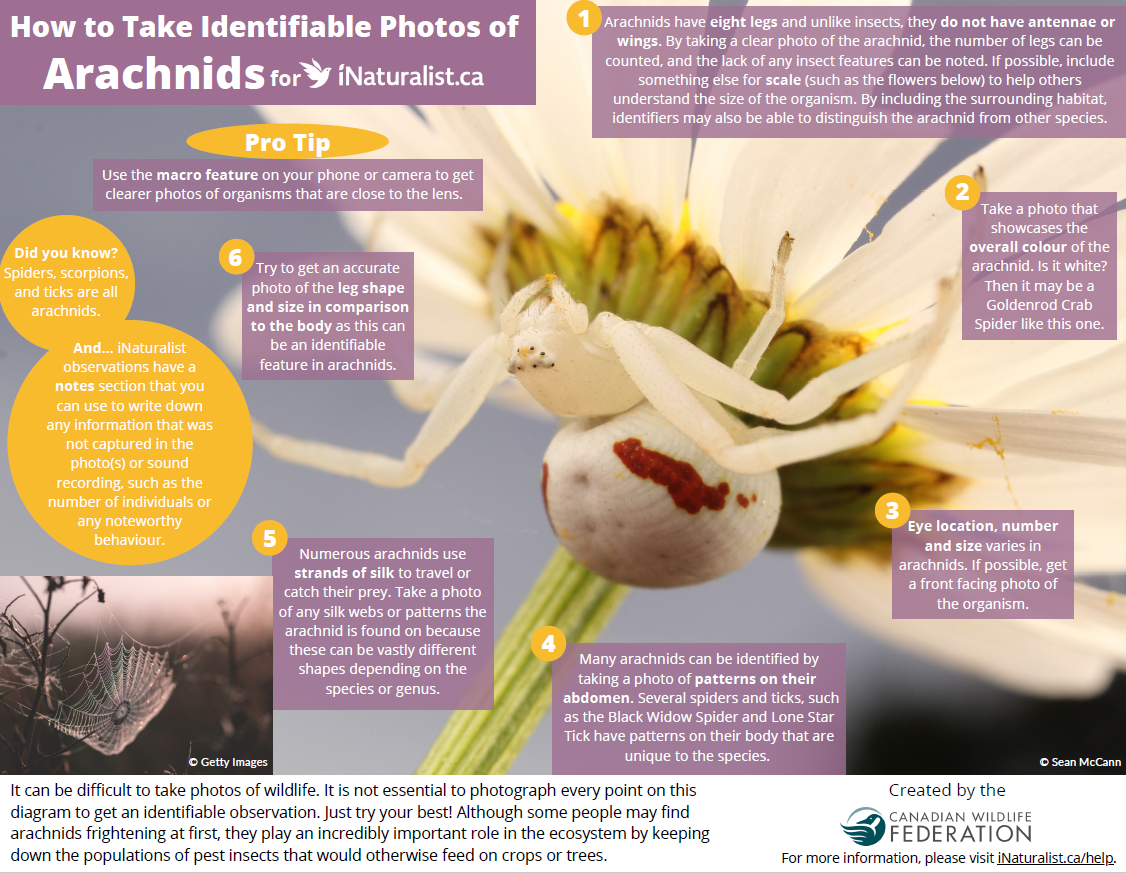
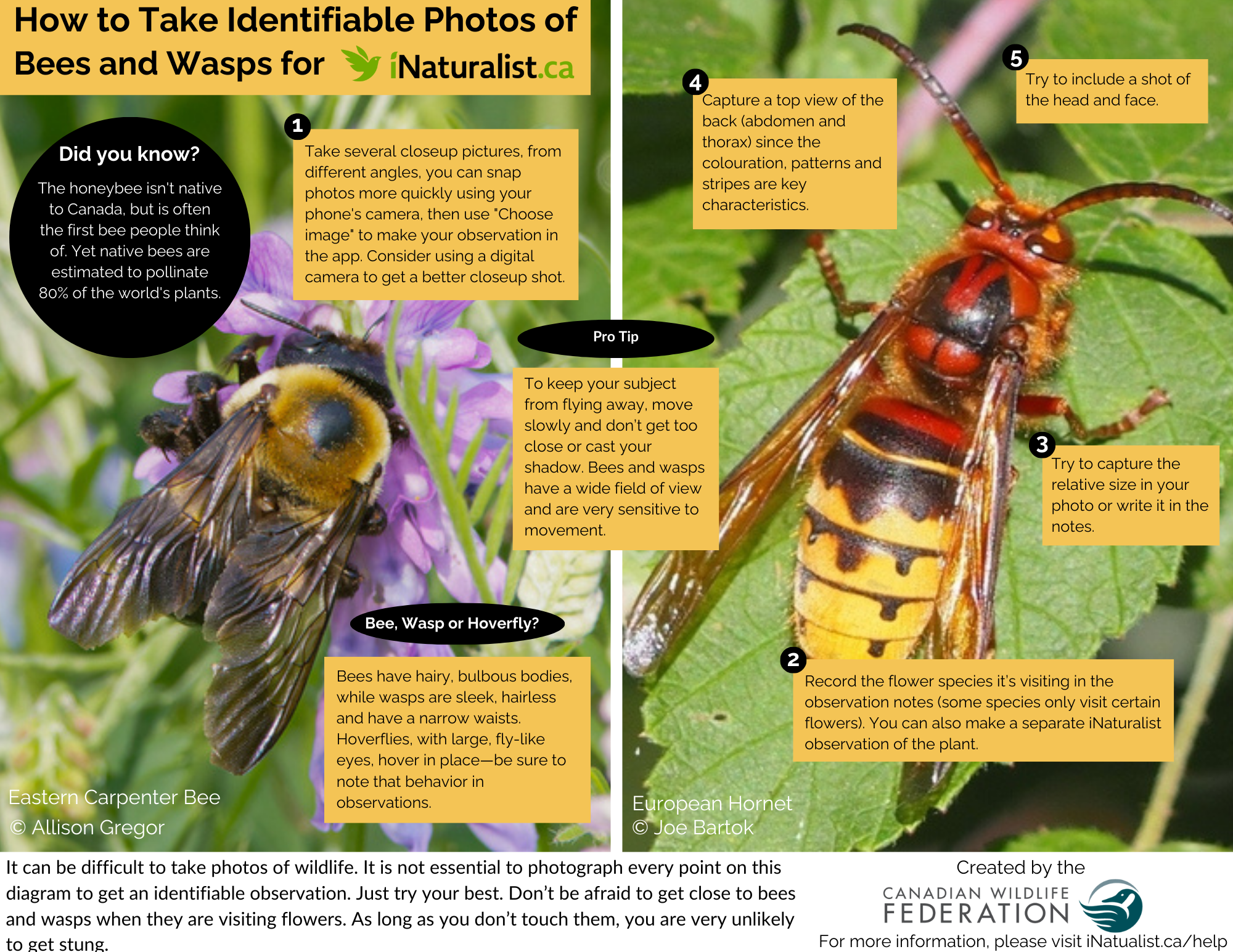
How to Take Identifiable Photos of Arachnids
2026-07-03
It can be difficult to take photos of wildlife. It is not essential to photograph every point on this diagram to get an identifiable observation. Just try your best! Although some people may find arachnids frightening at first, they play an incredibly important role in the ecosystem by keeping down the populations of pest insects that would otherwise feed on crops or trees.
-
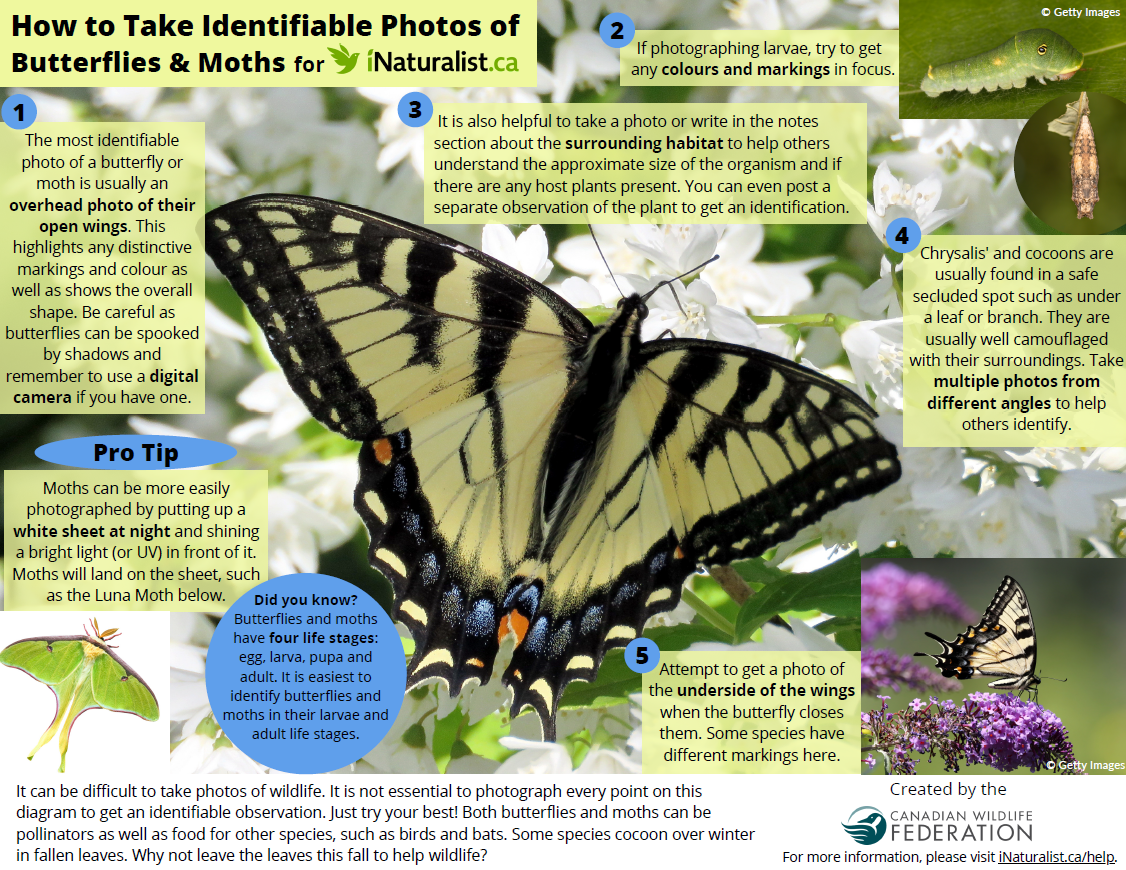
How to Take Identifiable Photos of Butterflies & Moths
2026-07-03
It can be difficult to take photos of wildlife. It is not essential to photograph every point on this diagram to get an identifiable observation. Just try your best! Both butterflies and moths can be pollinators as well as food for other species, such as birds and bats. Some species cocoon over winter in fallen leaves. Why not leave the leaves this fall to help wildlife?
-
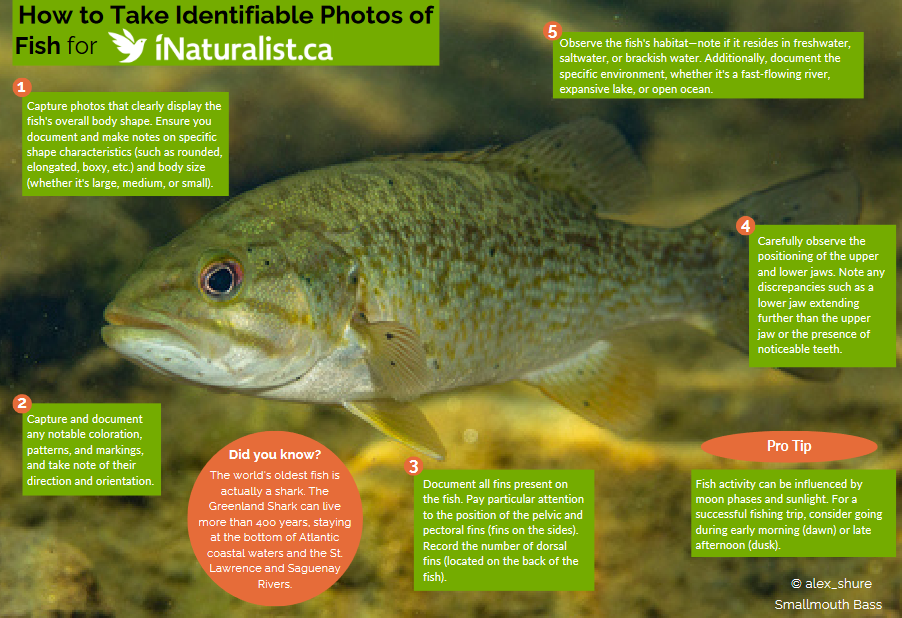
How to Take Identifiable Photos of Fish
2026-07-03
Taking photos of wildlife can be challenging. It is not essential to photograph every point on this diagram to get an identifiable observation. Just try your best! When photographing fish, minimize air exposure by taking an underwater photo whenever possible, allowing them to breathe freely. If taking a picture outside the water, keep the fish near the water and lift it briefly for the photo, limiting air exposure to 10 seconds or less. Be sure to follow local fishing guidelines and regulations.
-
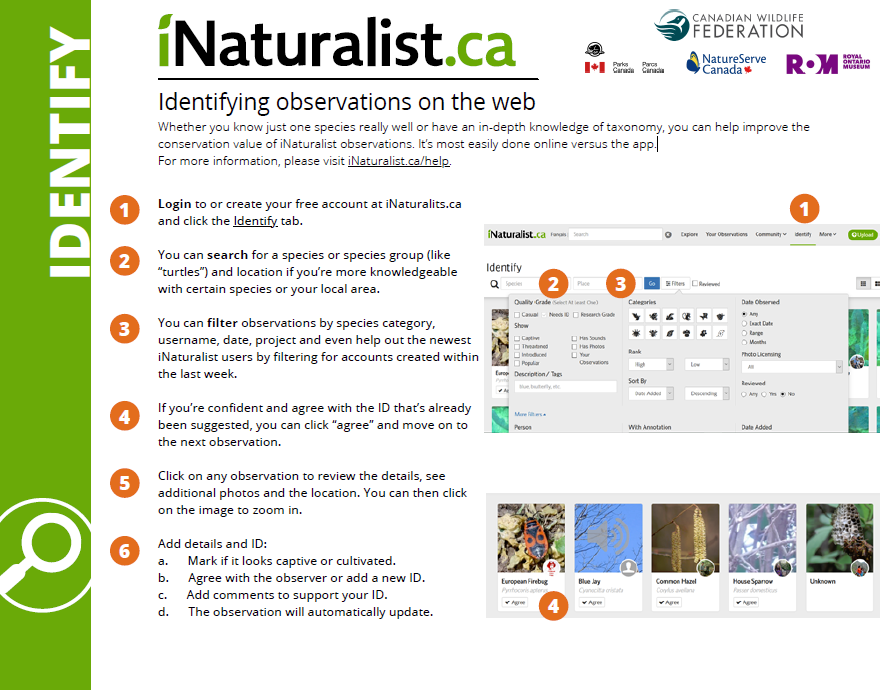
Identifying observations on the web
2021-04-13
Whether you know just one species really well or have an in-depth knowledge of taxonomy, you can help improve theconservation value of iNaturalist observations. It’s most easily done online versus the app.
-
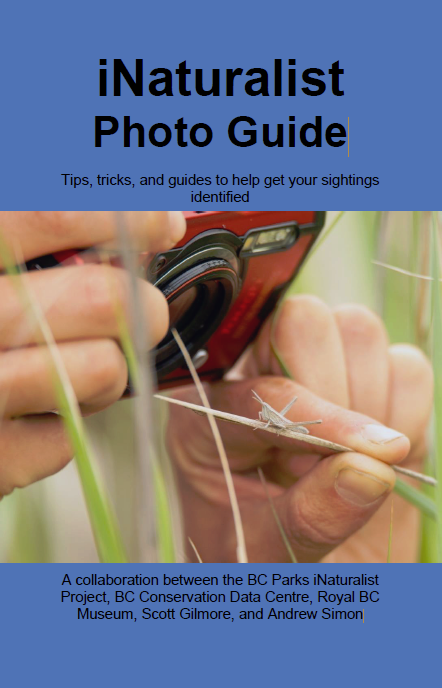
iNaturalist Guide to Taking Photos
2021-04-13
Tips, tricks, and guides to help get your sightings identified
-
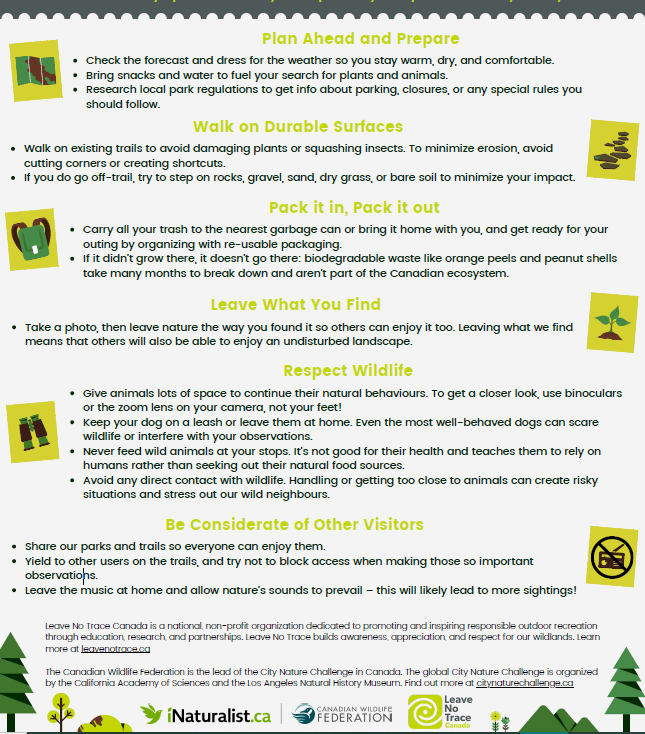
Leave No Trace
2026-07-03
-
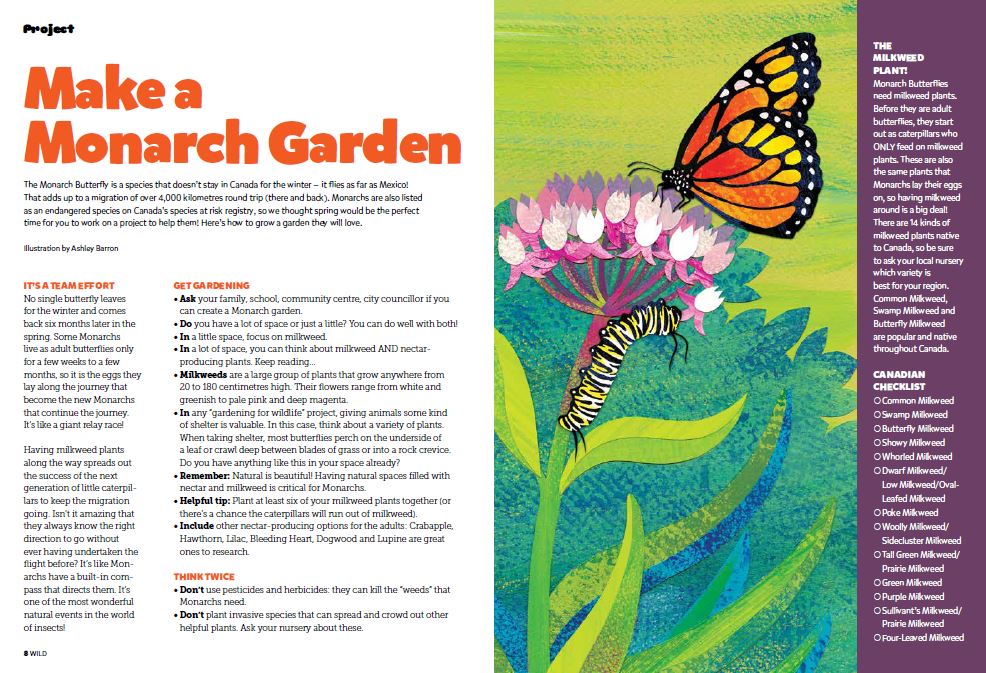
Make a Monarch Butterfly Garden
2020-04-01
The Monarch Butterfly is a species that doesn’t stay in Canada for the winter — it flies as far as Mexico! That adds up to a migration of over 4,000 kilometres round trip (there and back). Monarchs are also listed as an endangered species on Canada’s species at risk registry, so we thought spring would be the perfect time for you to work on a project to help them! Here’s how to grow a garden they will love.
-
-

Monarch Butterfly Activity Sheet
2026-07-03
Did you know that Monarch Butterfly caterpillars can only eat milkweed leaves, the adults pollinate flowers, and in the fall they migrate thousands of kilometres to Mexico for the winter? See if you can spot an adult butterfly sipping nectar from a flower or a caterpillar on a milkweed plant in your garden or local park this year.
-
-
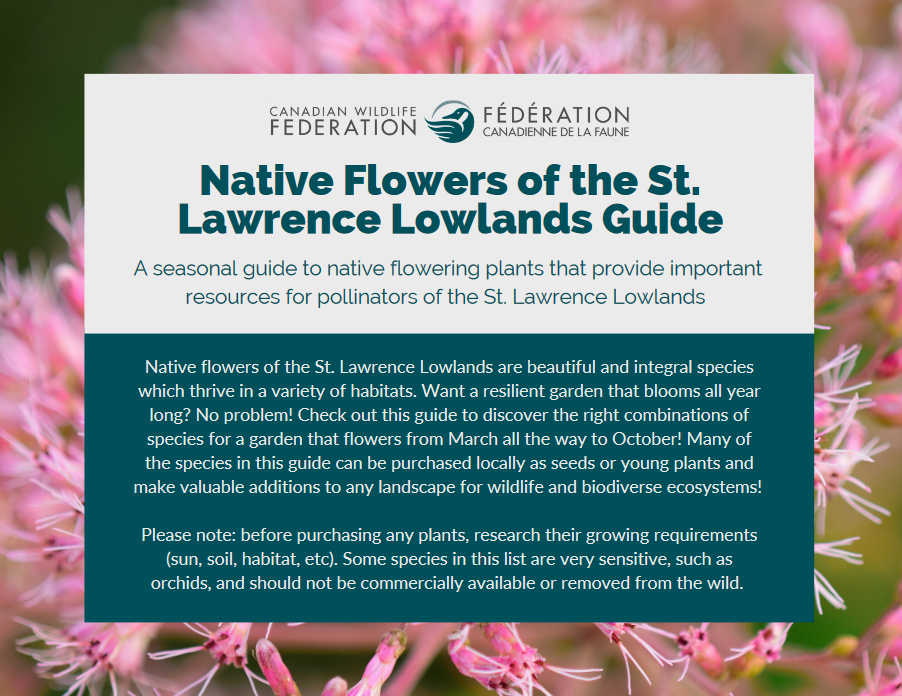
Native Flowers of the St. Lawrence Lowlands Guide
2026-07-03
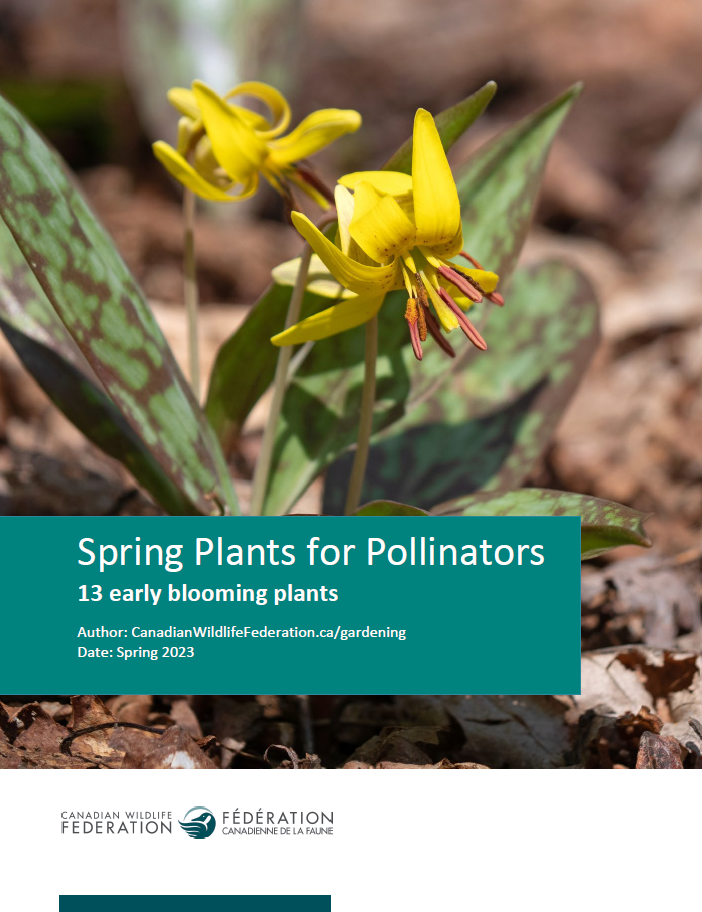
A seasonal guide to native flowering plants that provide important resources for pollinators of the St. Lawrence Lowlands
-
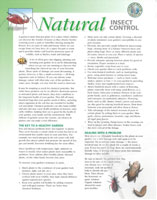
Natural Insect Control Handout
2026-07-03
A garden is more than just plants. It may be tempting to reach for chemical pesticides. But while these products can be an effective short-term answer, they don't contribute to the long-term health of your garden.
-
-
-

-
Pulling for Bats
2017-09-13
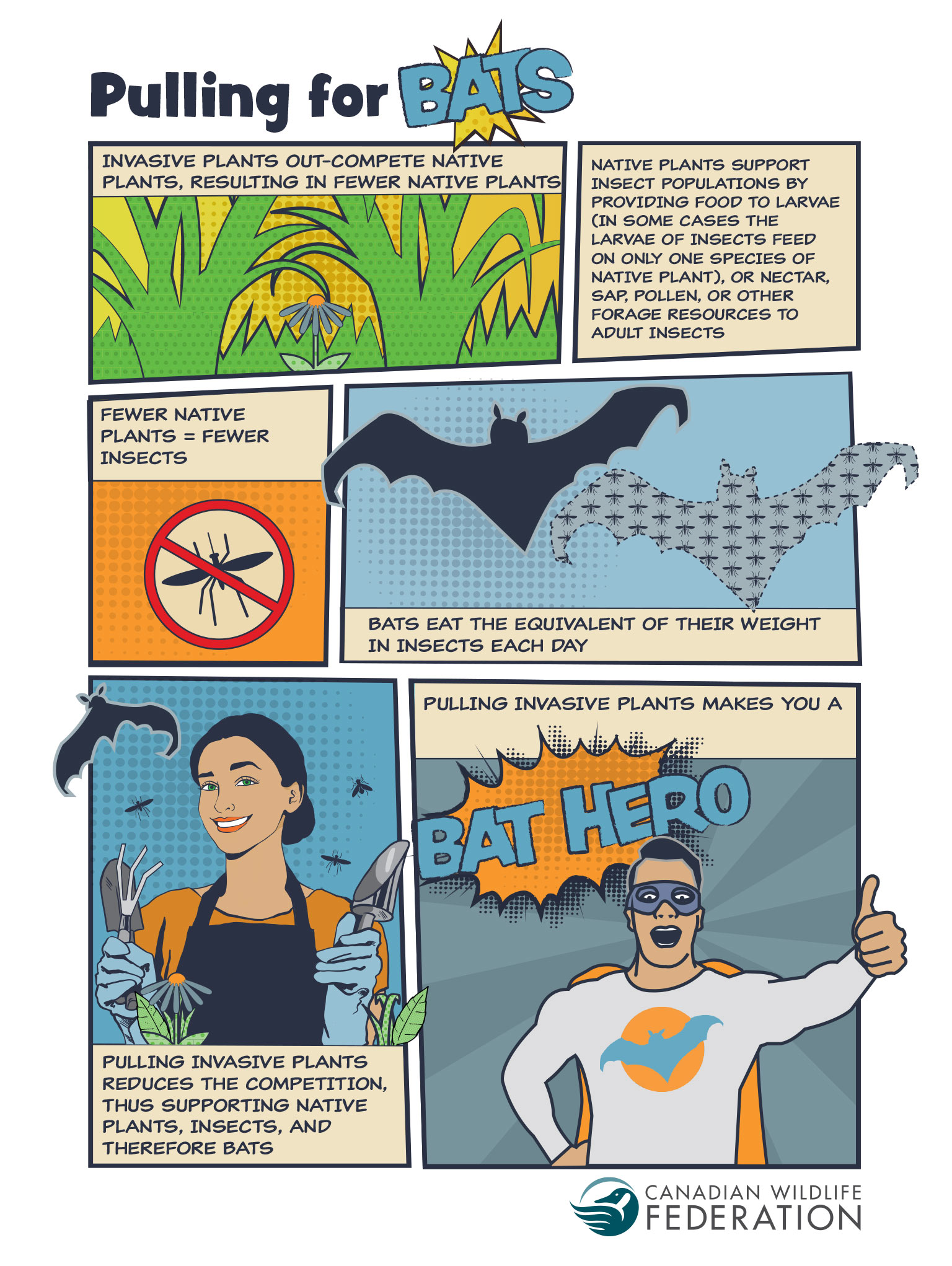
Native plants support diverse insect populations by providing food for adults and larvae. Insects will feed on nectar, pollen or leaves and some will forage on only one species of native plant!
-

-
Simple, Fun Ideas to Get Kids Outside
2026-07-03
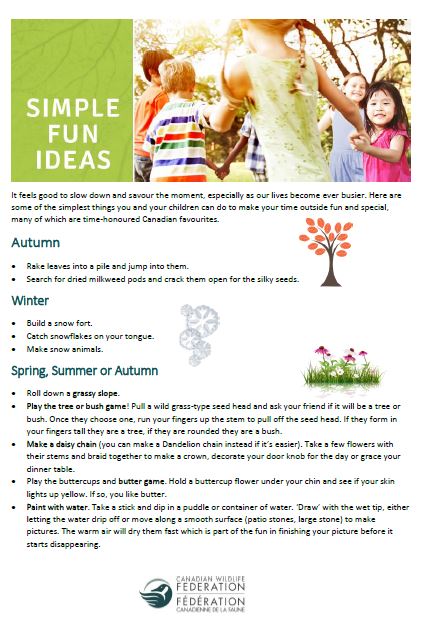
It feels good to slow down and savour the moment, especially as our lives become ever busier. Here are some of the simplest things you and your children can do to make your time outside fun and special, many of which are time-honoured Canadian favourites.
-
Six Simple Steps to iNaturalist
2021-04-19
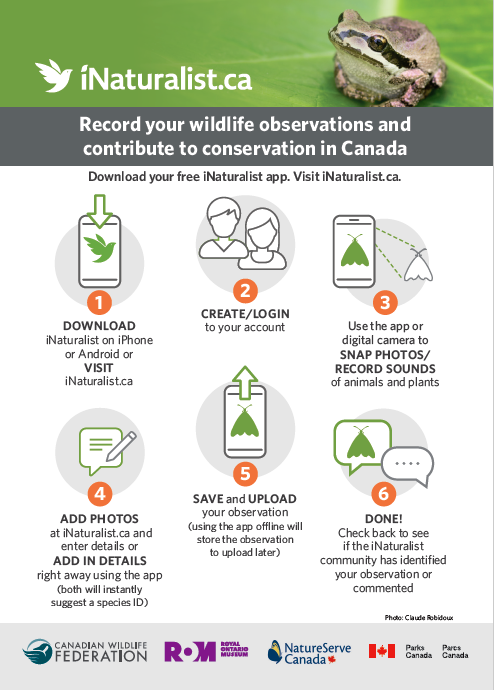
Record your wildlife observations and contribute to conservation in Canada
-
Spring Monarch Mowing Map
2022-05-01
-
-
-
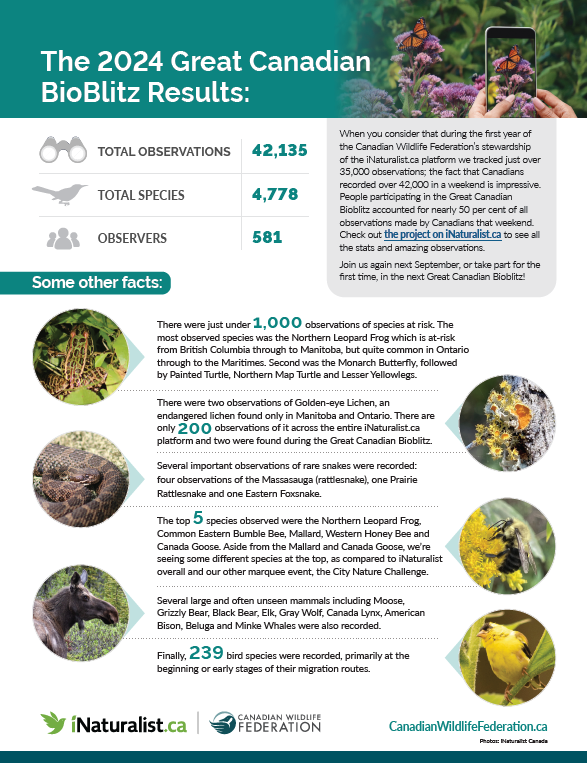
The 2024 Great Canadian Bioblitz Results
2024-10-01
-
The Basics of Wildlife-friendly Gardening
2026-07-03
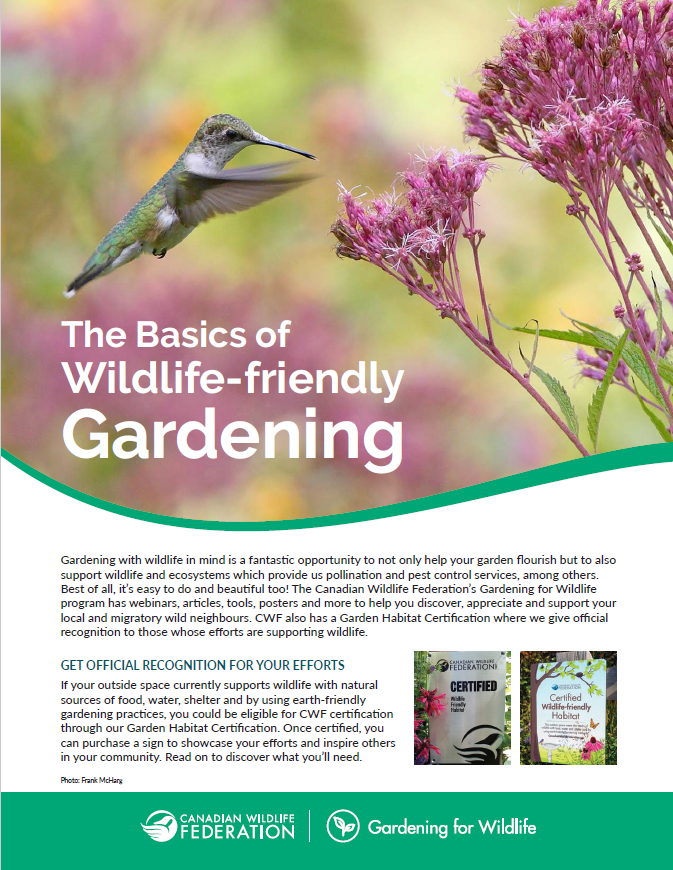
Gardening with wildlife in mind is a fantastic opportunity to not only help your garden flourish but to also support wildlife and ecosystems which provide us pollination and pest control services, among others. Best of all, it’s easy to do and beautiful too! The Canadian Wildlife Federation’s Gardening for Wildlife program has webinars, articles, tools, posters and more to help you discover, appreciate and support your local and migratory wild neighbours. CWF also has a Garden Habitat Certification where we give official recognition to those whose efforts are supporting wildlife.
-
The Basics of Wildlife-friendly Gardening (printer-friendly version)
2026-07-03
Gardening with wildlife in mind is a fantastic opportunity to not only help your garden flourish but to also support wildlife and ecosystems which provide us pollination and pest control services, among others. Best of all, it’s easy to do and beautiful too! The Canadian Wildlife Federation’s Gardening for Wildlife program has webinars, articles, tools, posters and more to help you discover, appreciate and support your local and migratory wild neighbours. CWF also has a Garden Habitat Certification where we give official recognition to those whose efforts are supporting wildlife.
-
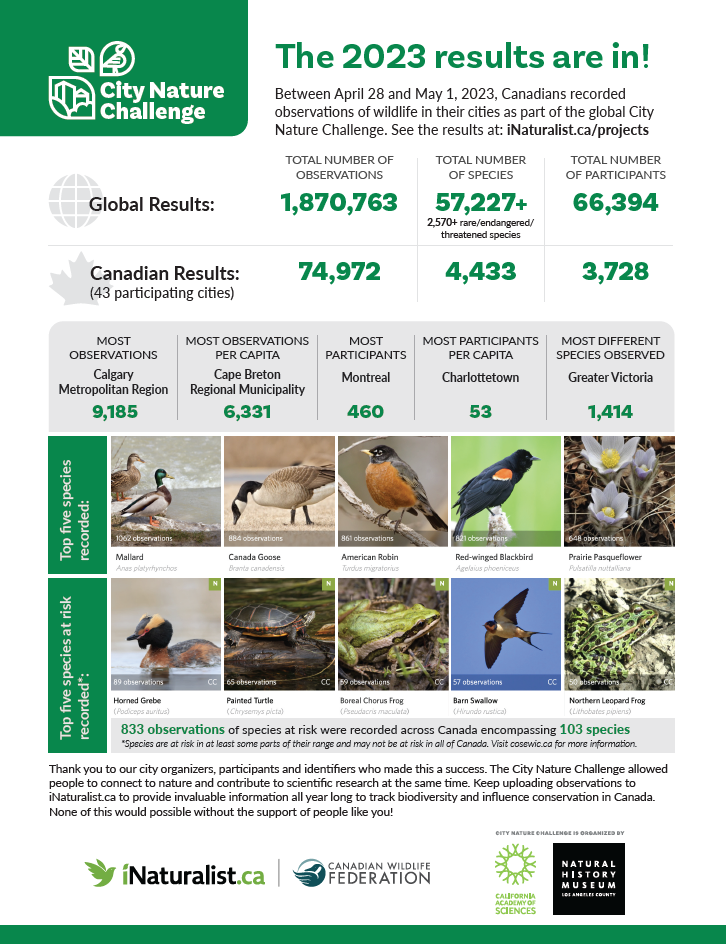
The City Nature Challenge 2023 Results
2023-05-10
Between April 28 and May 1, 2023, Canadians recorded observations of wildlife in their cities as part of the global City Nature Challenge. See the results at: iNaturalist.ca/projects
-

The City Nature Challenge 2024 Results Are In!
2024-05-07
-
-
-
-
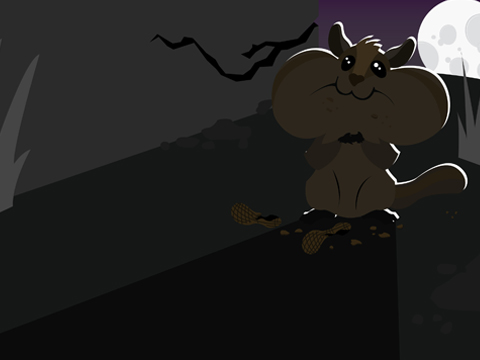
Trick or Treat!
2026-07-02
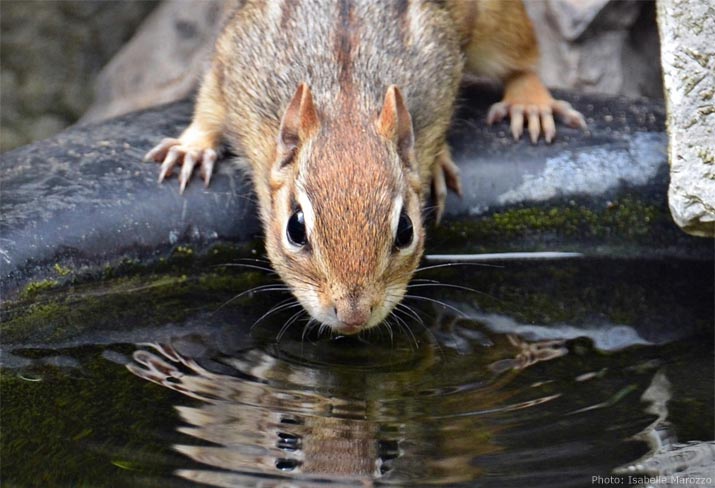
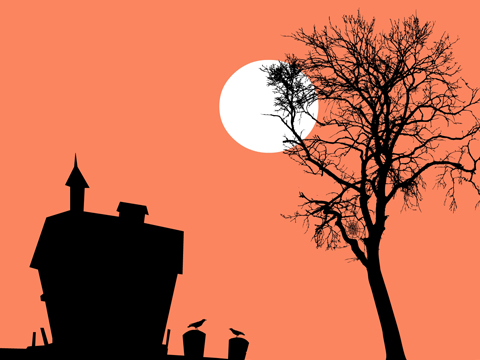
Trick or treat! For Halloween, we’re featuring this illustration of a gobbling chipmunk!
-

-
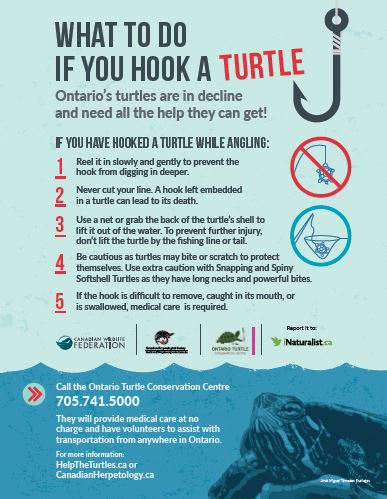
What to do if you hook a turtle
2019-05-30
Ontario’s turtles are in decline and need all the help they can get!
-
-
-
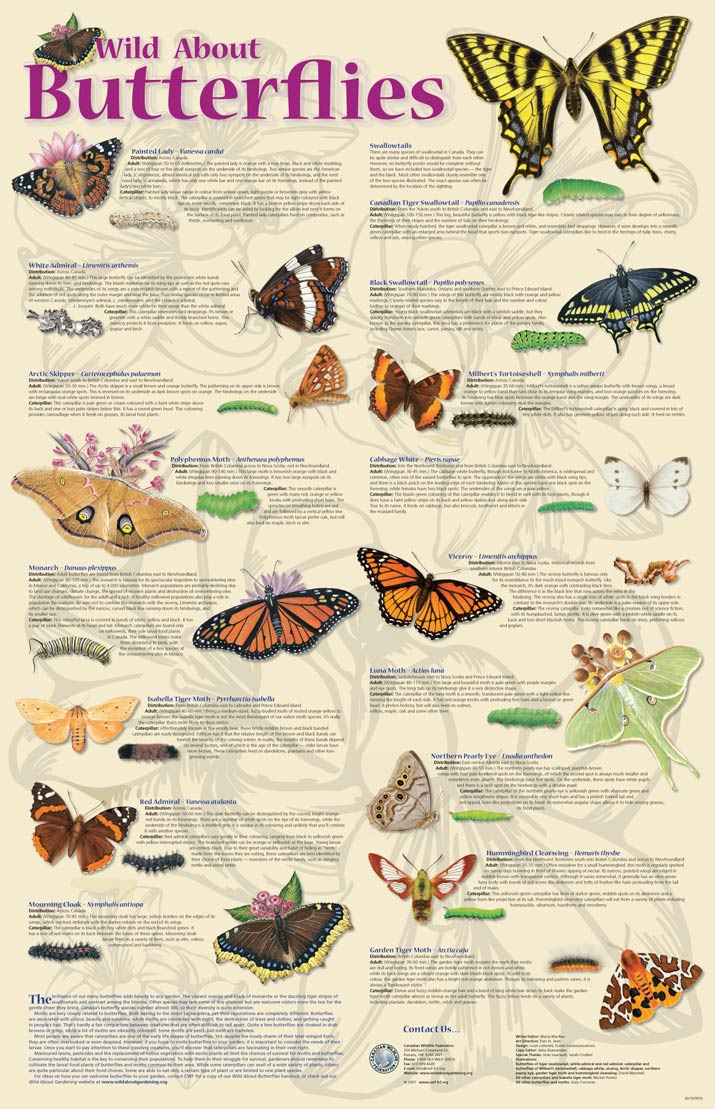
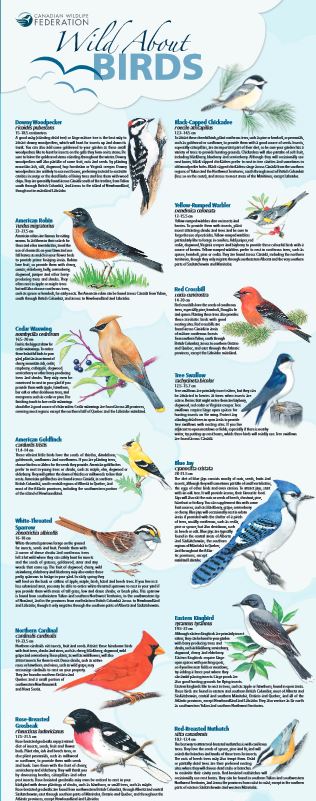
Wild About Butterflies Poster
2026-07-03
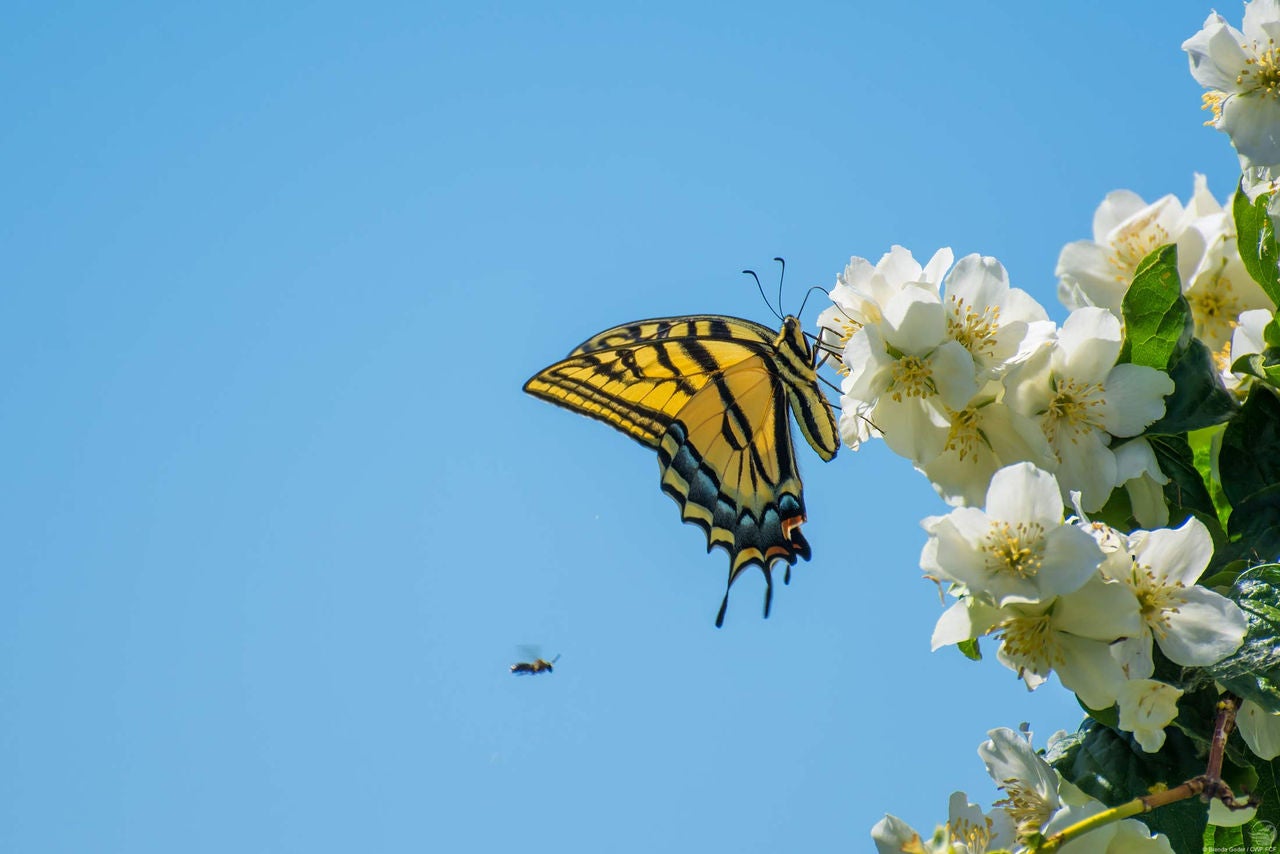
The brilliance of our many butterflies adds beauty to any garden. The vibrant orange and black of monarchs or the dazzling tiger stripes of swallowtails add contrast among the blooms. Other species may lack some of this glamour but are welcome visitors none the less for the gentle cheer they bring.
-
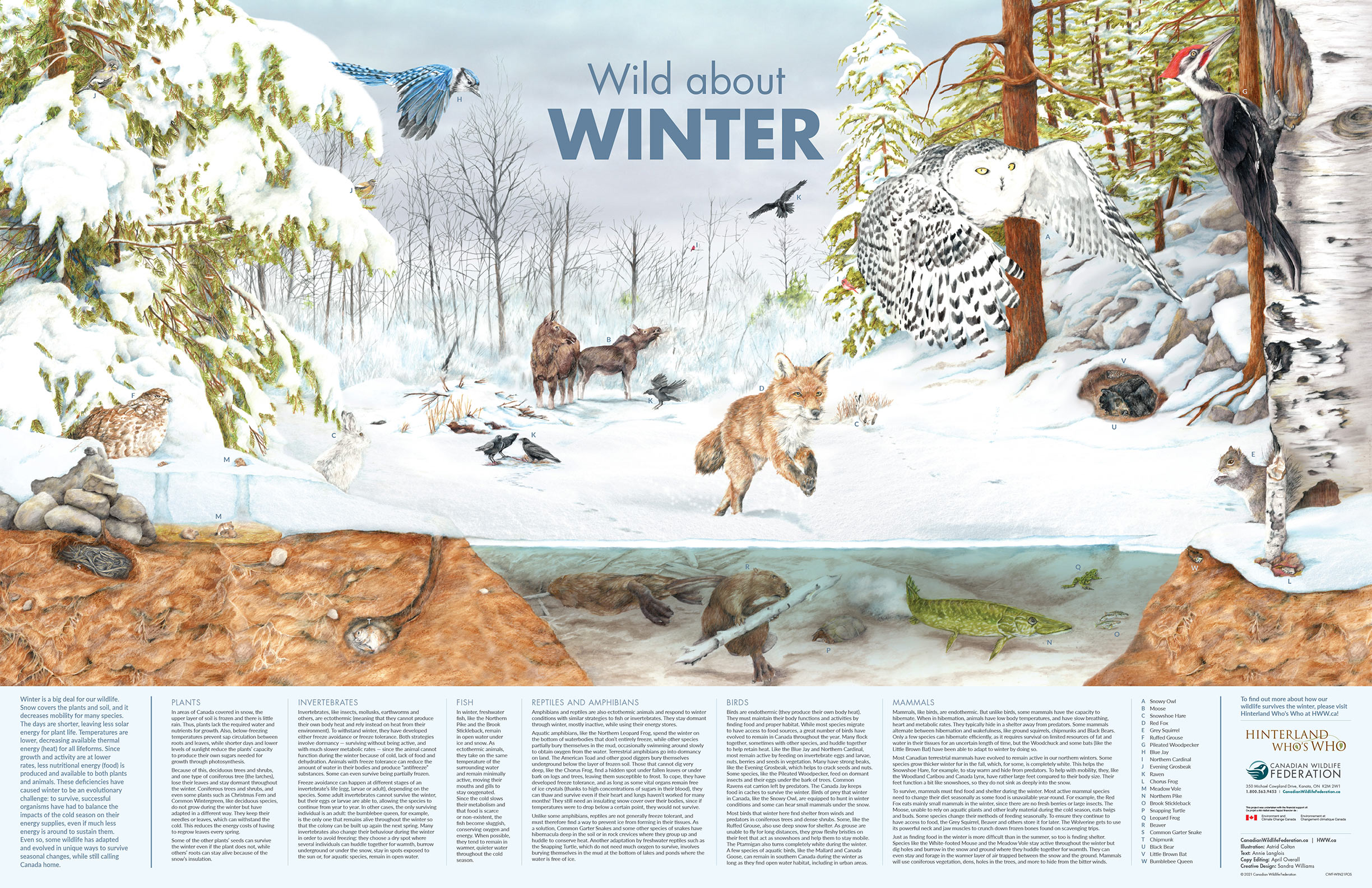
Wild About Winter Poster
2026-07-03
Winter is a big deal for our wildlife. Snow covers the plants and soil, and it decreases mobility for many species. The days are shorter, leaving less solar energy for plant life. Temperatures are lower, decreasing available thermal energy (heat) for all lifeforms. Since growth and activity are at lower rates, less nutritional energy (food) is produced and available to both plants and animals. These deficiencies have caused winter to be an evolutionary challenge: to survive, successful organisms have had to balance the impacts of the cold season on their energy supplies, even if much less energy is around to sustain them. Even so, some wildlife has adapted and evolved in unique ways to survive seasonal changes, while still calling Canada home.
-

Learn More

- 0
- 1
- 2
- 3