


Animals At-A-Glance
Browse through a few of our Canadian species in these "At A Glance" fact sheets. Each page has basic information on some of our Canadian wildlife, with links to detailed, reputable sources such as Hinterland Who's Who and the Government of Canada. Don't see a species you need? Comments or questions? Let us know!
By Type:
Amphibians & Reptiles | Bees | Birds | Fish | Insects | Mammals | Marine Animals | Pollinators | Backyard Wildlife
-
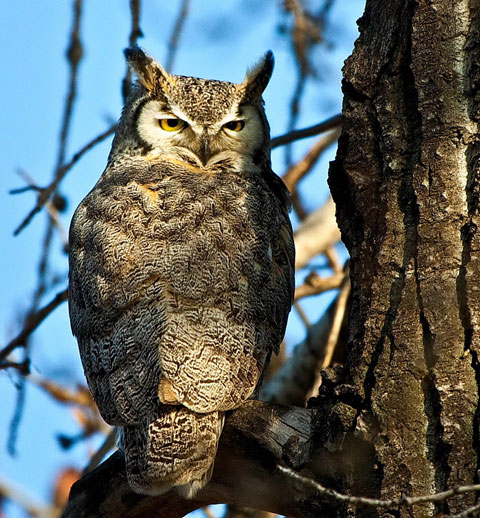
Great Horned Owl
2026-05-21
The Great Horned Owl is one of Canada’s commonest large birds of prey. The most notable physical attributes are its large size and prominent ear tufts or "horns." A predator that hunts at night, this owl has enormous yellow eyes set in a broad face, a curved beak and claws, and long fluffy feathers. Its coloration tends mainly toward brown or grey-brown, with conspicuous barring. This bird’s legendary hooting sounds like a soft yet vibrant whoo-hoo-ho-o-o.
-
Green Frog
2026-05-21
Green frogs are relatively large frogs, 6 - 9 cm in length. They can be distinguished from the similar bullfrog by the ridges that run down each side of their back. To determine the sex of the green frog, look at its eardrum - if it is significantly larger than its eye it's a male, if it's the same size as its eye, it's a female. During the breeding season, you can also tell the males by their yellow throats.
-
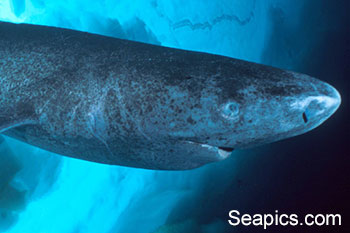
Greenland Shark
2026-05-21
Greenland sharks are very large, heavy fish. They have a thick body with a blunted snout, tiny eyes, small pectoral fins, and two spineless, nearly equally small dorsal fins. Greenland sharks are uniformly blackish, coffee brown, or slaty or purplish grey; sometimes with white flecks or indistinct dark crossbars. They average 2.5 to 5 metres in length with a maximum of 7.5 metres, and weigh up to one tonne. There is no reliable information on their lifespan.
-
Green Snake
2026-05-21
Often called grass snakes, smooth green snakes, as their name implies, are an emerald green colour with a white or yellow underside. This small- to medium-sized snake has smooth scales and ranges in size from 30 to 60 cm.
-
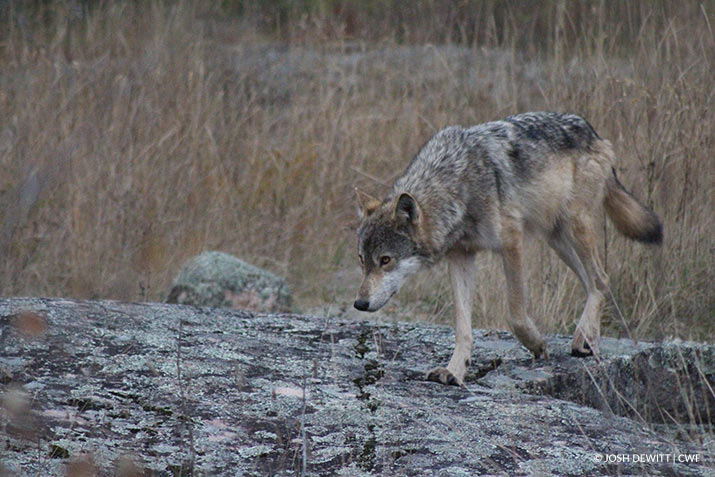
Grey Wolf
2026-05-21
Wolves of northern North America and Eurasia vary in colour. A single pack may contain animals that are black, shades of grey-brown, and white. Wolves in the heavily forested areas of eastern North America are more uniform in colour. They are often a grizzled grey-brown, similar to some German shepherd dogs. Male wolves can weigh between 20 to 70 kilograms while the female weighs in at 18 to 55 kilograms. In the wild their lifespan can be from 8 to 16 years.
-
Groundhog
2026-05-21
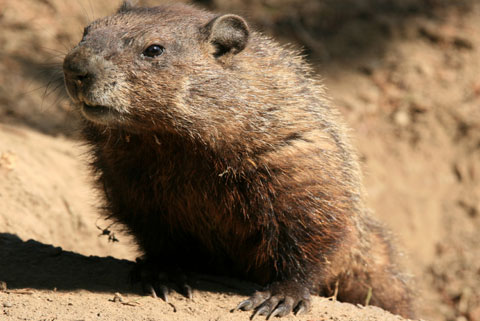
The groundhog is normally brown in colour but can be completely black or completely white. It is one of Canada’s largest true hibernators. The groundhog is the major hole-digging mammal over much of eastern North America, and in some places in the west, providing all sorts of animals with shelter. The groundhog it spends much of its time eating and sunning when not hibernating or caring for young.
-
Hammerhead Shark
2026-05-21
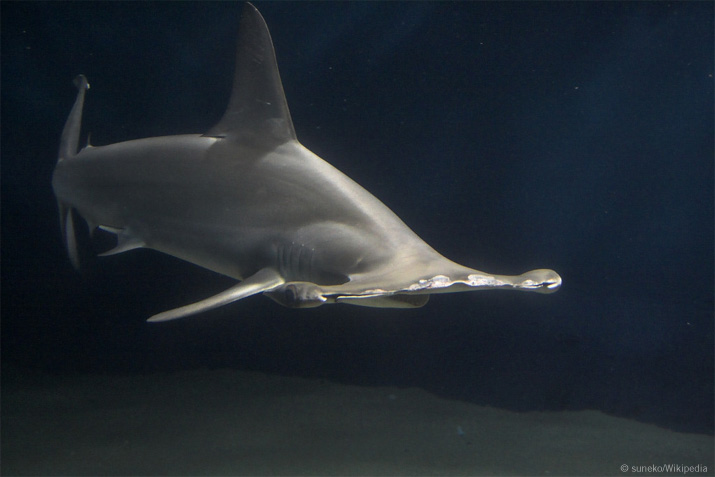
Hammerheads are easily recognized by the unique shape of their head, which resembles a flattened, double-sided hammer. They have a U-shaped mouth filled with triangular teeth and eyes on the sides of their head. They are olive-brown or grey-brown on their dorsal surface and white below. Sometimes their pectoral fins have dark tips. Hammerheads can grow to over four metres in length and weigh more than 400 kilograms.
-
Hoary Squash Bees
2026-05-21
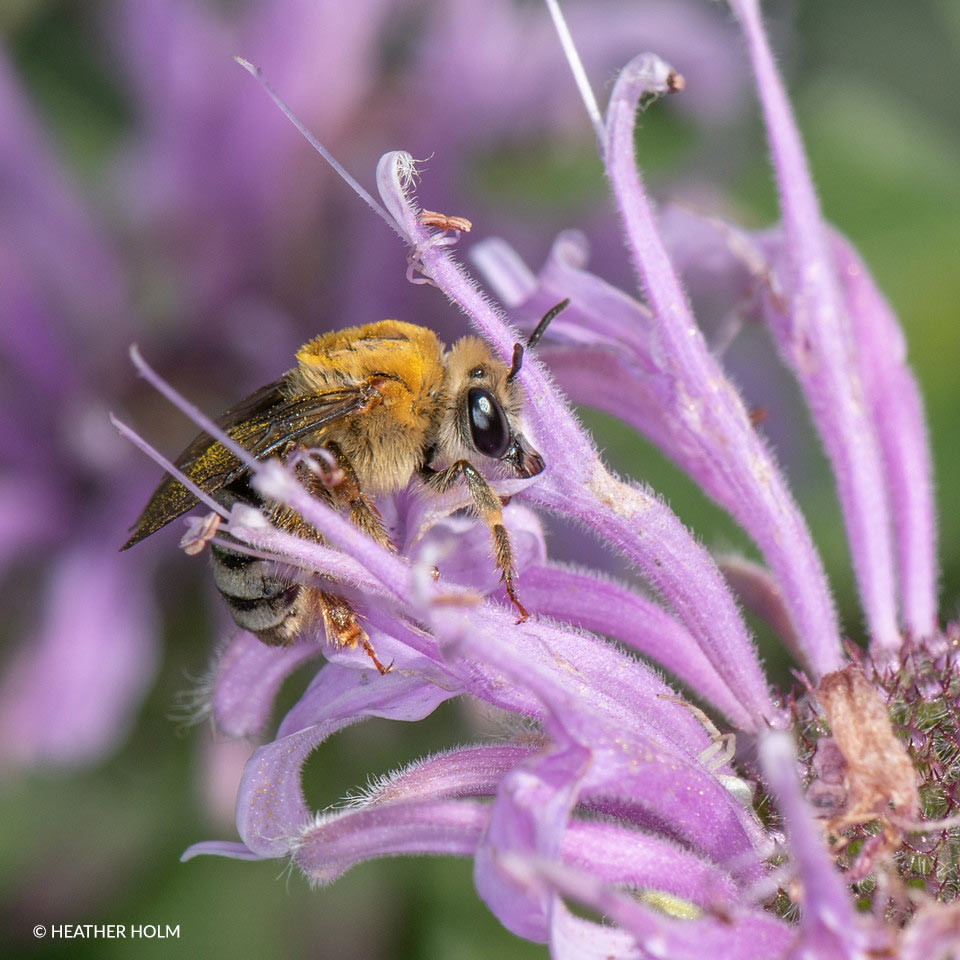
There are multiple species of squash bees but only one—Eucera pruinosa—is found in Canada and it is mainly present in the east. Its scientific name has changed recently as it used to be part of the genus Peponapis and now are part of the genus Eucera. Peponapis is now considered their subgenus and is written in parenthesis.
-
Honey bees
2026-05-21
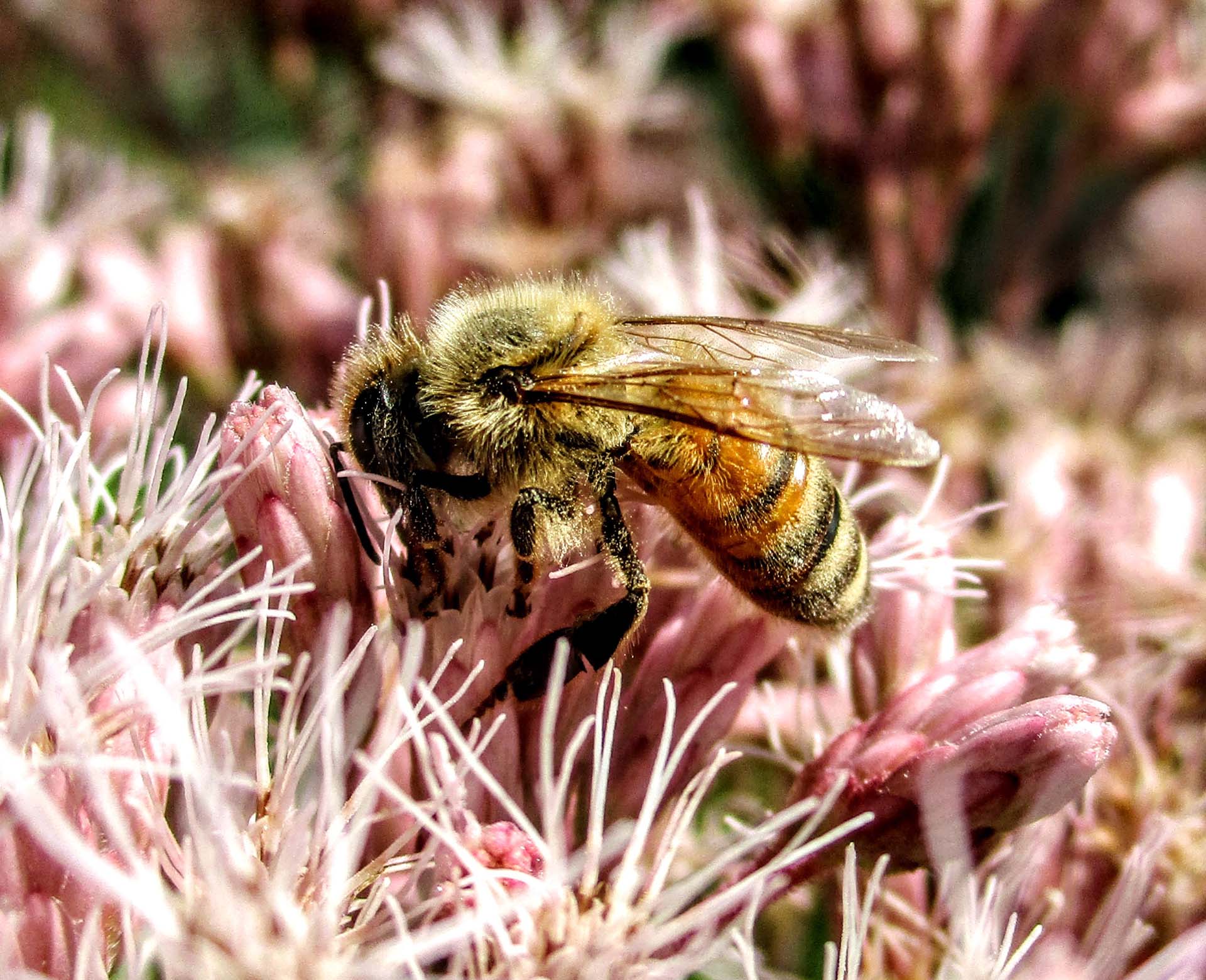
The European Honey Bee (also known as the Western Honey Bee) was imported in Canada long ago for their honey-making services.
-
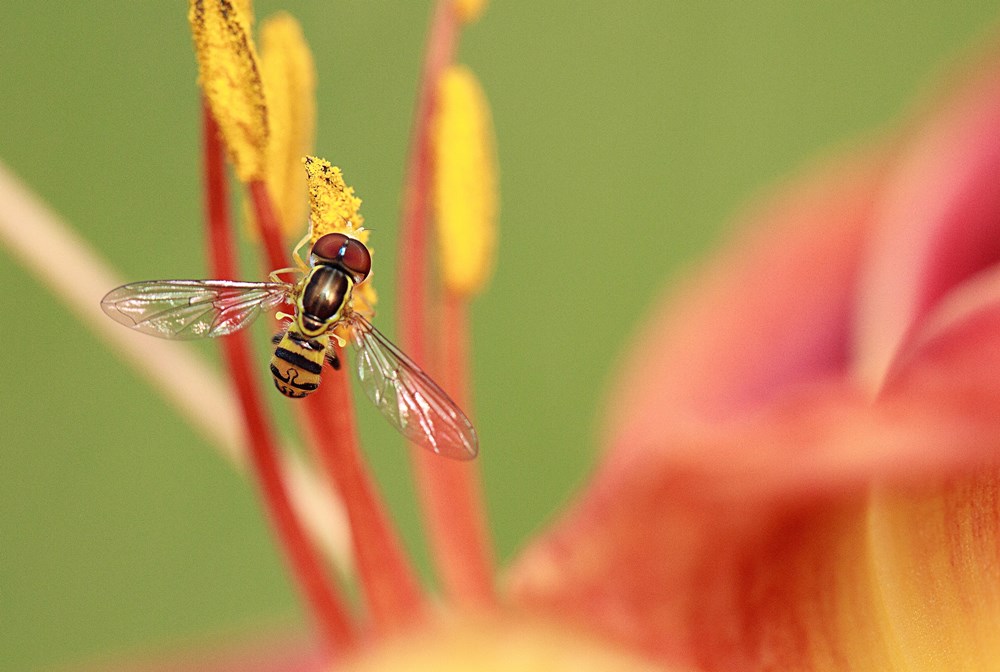
Hover Fly
2026-05-21
This very large family has great variation in looks. The most commonly seen ones, however, tend to be approximately 8–12 mm long with yellow and/or orange and black on the abdomen. All members of the Syrphidae family have a distinctive squiggle or false vein (spurious vein) running through the middle of the wing.
For more species, visit Hinterland Who's Who, a joint program of the Canadian Wildlife Federation and Environment Canada.

Learn More
- 0
- 1
- 2
- 3
- 4
- 5


