


Animals At-A-Glance
Browse through a few of our Canadian species in these "At A Glance" fact sheets. Each page has basic information on some of our Canadian wildlife, with links to detailed, reputable sources such as Hinterland Who's Who and the Government of Canada. Don't see a species you need? Comments or questions? Let us know!
By Type:
Amphibians & Reptiles | Bees | Birds | Fish | Insects | Mammals | Marine Animals | Pollinators | Backyard Wildlife
-
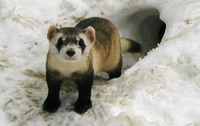
Black-Footed Ferret
2026-05-21
Of the three species of ferret in the world, the Black-footed ferret is the only one native to North America. They are impeccably cute: cat-like whiskers sprouting from a white muzzle, plush round ears above eyes set into a bandit’s black mask and sturdy legs in black stockings, supporting a sinuous, sandy-coloured body crowned by a black-tipped tail.
-
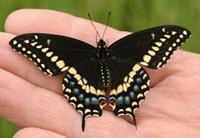
Black Swallowtail
2026-05-21
The blackness of its body and wings is embellished with two rows of yellow spots. The female’s yellow spots, while not as bold as the male’s, are adorned with a more distinctive blue band between the pale bands of yellow. In contrast, the male is garnished with more yellow tones than blue. Both sexes have two prominent orange eyespots on their hind wings close to their tails.
-
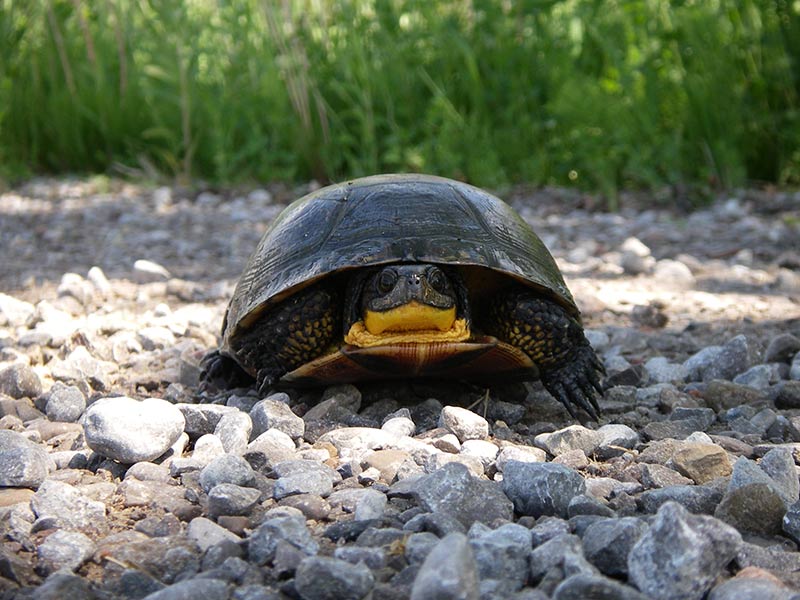
Blanding's Turtle
2026-05-21
The Blanding’s Turtle has a highly domed, upper shell with light-coloured flecks. The chin and neck are bright yellow.
-
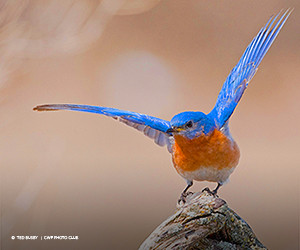
Bluebirds
2026-05-21
Canada has three species of bluebirds. They are in the Thrush family, the same family as the American Robin. Bluebirds are a little smaller than our robins, averaging about 7 inches in length and 13-14 inches in width. All bluebirds have blue heads, wings, backs and tails, which gives them their name. All species also have a black bill, legs and eyes. The differences between species come mainly from the colouring of the throat, breast and belly. The male Mountain Bluebird is mainly blue with a pale blue breast and white belly. The male Western Bluebird is a darker blue with orange-red on the upper and side portions of its chest and dull blue-white on the lower middle portion. The male Eastern Bluebird is similar to the Western Bluebird, but the orange also covers its throat and the front sides of its neck. Another distinction is that its white belly is brighter. The females and juveniles of these species have similar colouring to the adult males but a much paler version.
-
Blue Shark
2026-05-21
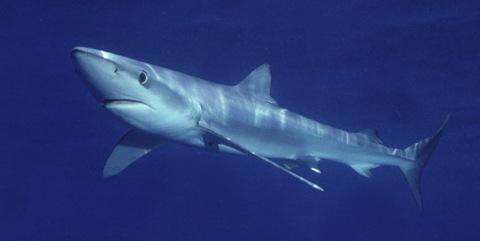
Blue sharks are recognizable for their exceptionally slender body and bright blue coloration. They are dark blue on the back, bright blue on the sides, and white on the underside. The colour quickly changes to a uniform dark grey if the shark is removed from the water. They have a long snout, large eyes, and narrow pointed pectoral fins. Adults range in size from about 2 – 3 m (6 – 10 feet).
-
Blue-Spotted Salamander
2026-05-21
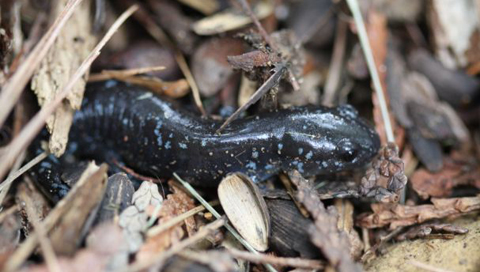
The Blue-spotted Salamander is a small, cold-blooded, nocturnal animal. A large adult will only be about 12 cm long, 40% of that is tail and its body is only about 1 cm wide. It is shiny-black with dusty blue spots mainly on the sides and belly.
-
Blue Whale
2026-05-21
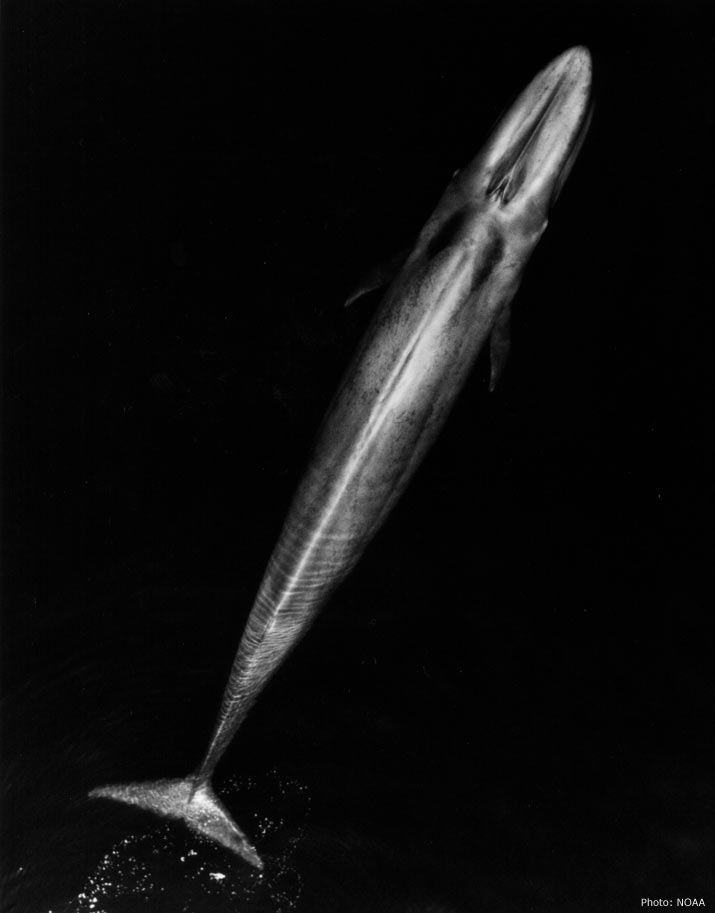
The blue whale has a long body with a mottled gray colour pattern that appears light blue when seen through the water. It is the largest animal ever known to exist on earth. It can weigh up to 200 tons and it approximately 80 to 100 feet in length.
-
Bumble bees
2026-05-21
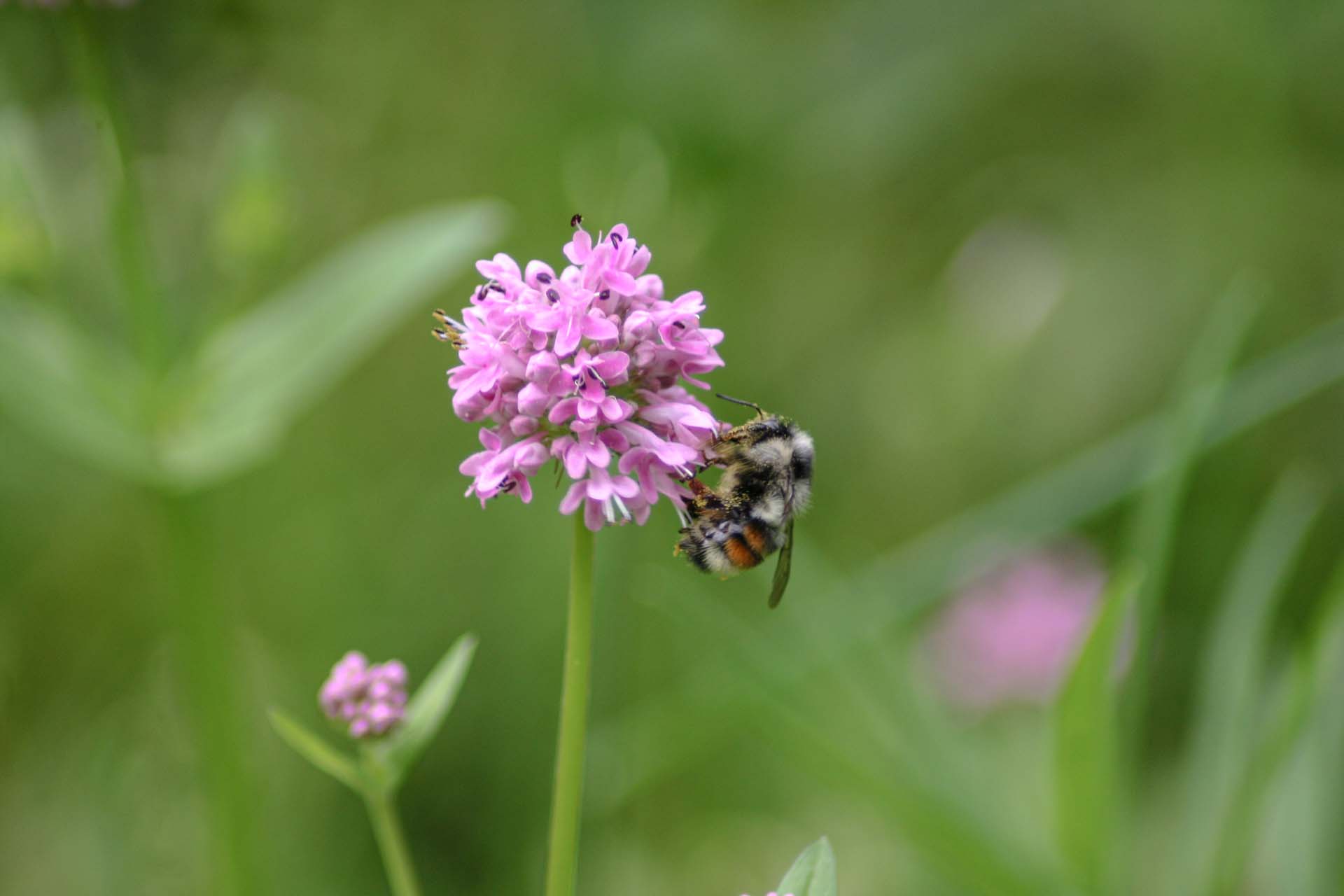
Bees from the genus Bombus are large and fluffy and quite recognizable with their buzzy sound. They typically have bright (yellow, cream or grey) and black patterns although some species also have orange or white stripes/spots. Workers vary in size depending on species, smaller ones are eight to 13 mm and larger ones are 21 to 25 mm.
-
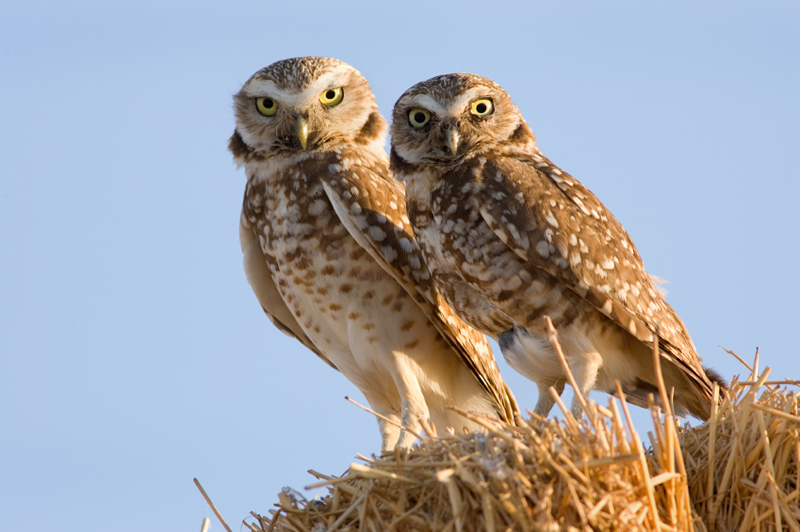
Burrowing Owl
2026-05-21
Once a common sight in portions of Manitoba, Saskatchewan, Alberta, and British Columbia, the burrowing owl is now much more rare. The Canadian population of this little bird of prey has declined over 95 per cent since 1987, and now occupies a mere 36 per cent of its original distribution in Canada. This alarming rate of decline has motivated scientists to list the species as endangered under the Species at Risk Act.
-
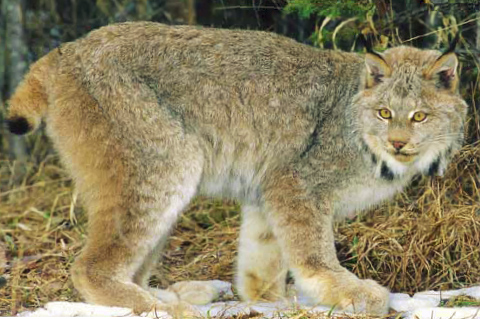
Canada Lynx
2026-05-21
This secretive, hard-to-spot resident of Canada’s boreal forest is likely a descendant of the Eurasian lynx and resembles a very large domestic cat. It has a short tail, long legs, large feet and prominent ear tufts. Its winter coat is light grey and slightly mottled with long guard hairs; the under-fur is brownish, and the ear tufts and tip of the tail are black. The summer coat is much shorter than the winter coat and has a definite reddish-brown cast. The average weight of a lynx is 8 to 14 kilograms, measuring around 90 centimetres in length. The average lifespan is 15 to 20 years.
For more species, visit Hinterland Who's Who, a joint program of the Canadian Wildlife Federation and Environment Canada.

Learn More
- 0
- 1
- 2
- 3
- 4
- 5


