Welcome, 

Downloads

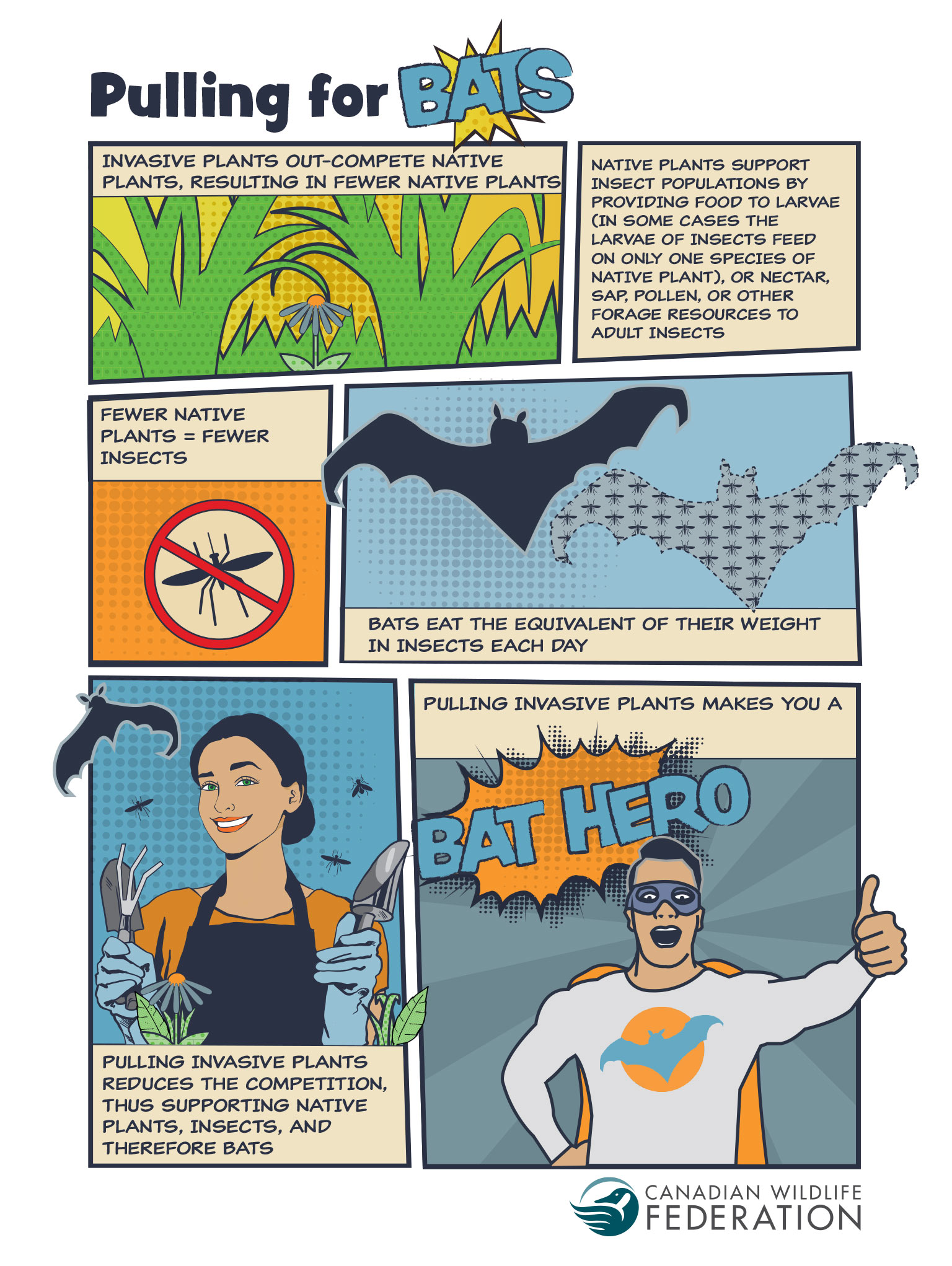
  • Guides, Infographics & Posters

    Guides, Infographics & Posters

    Take a closer look at the ways in which we’ll help you access the facts about wildlife. Whether it’s discovering the Hinterland Who’s Who animal fact sheets, or ordering our handy field guide to Canada’s prevalent shoreline species. This content is available to our CWF Supporters and online members. Please sign in to order your free materials.

    More
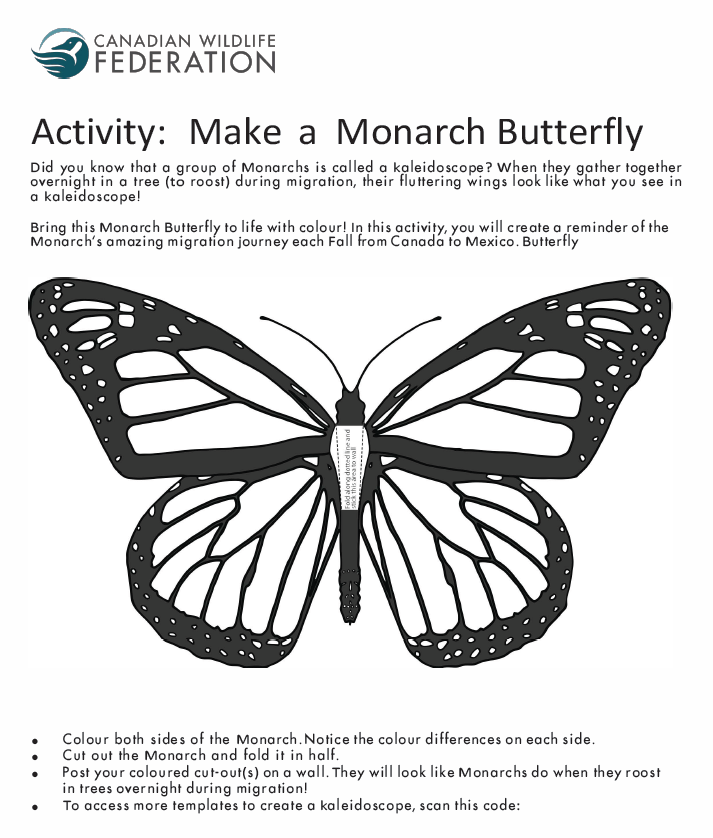
  • Colouring Pages

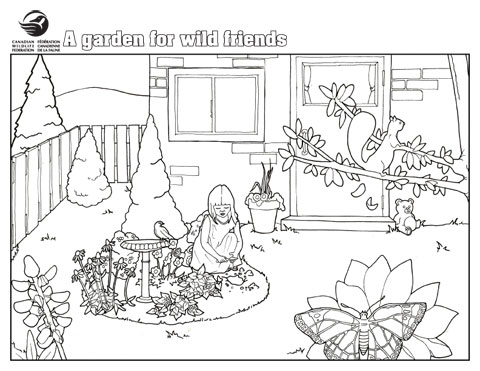
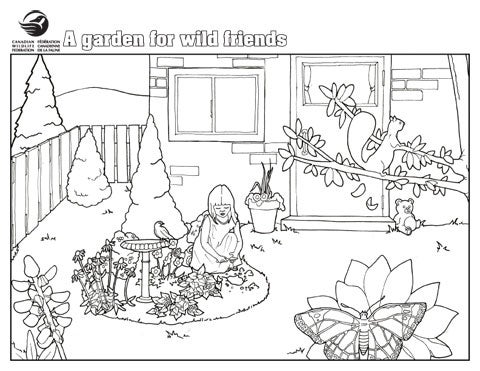
    Colouring Pages

    More
  • Wildlife E-cards

    Wildlife E-cards

    Send Dad a wildlife e-card! You cherish our wonderful wildlife and now you can send e-greetings that reflect your love of nature.  We have developed a wide array of wildlife ecards for every occasion for you to share with your family and friends!

    More
  • Podcasts

    Podcasts

    Listen to podcasts on all sorts of topics relating to wildlife-friendly gardening, from its benefits, including children, soil health and more.

    More
  • CWF Wallpapers

    CWF Wallpapers

    Your desktop is the perfect habitat for this wild wallpaper. Download CWF wallpapers!

    More
  • WILD Webinars

    WILD Webinars

    With topics relating to conservation, wildlife and habitat, we provide a relevant online learning platform, typically for grades four to six but of benefit to any age.

    More

From easy-to-use apps designed as tools for your citizen science projects to picturesque wallpaper images for your computer, CanadianWildlifeFederation.ca offers a variety of useful downloads for your PC and mobile devices.

  • Conservation Work

    2026-07-02

    The Canadian Wildlife Federation is a charitable organization that works with Canadians to make a difference to the kind of legacy we leave behind … not just for wildlife, but also for our children. See how our work helps us toward this goal.

  • Explore

    2026-07-02

Coasts & Oceans

  • Ocean Habitats and Wildlife Webinar

    2013-02-27

    Dr. Sean Brillant continues his webinar series, talking to classes about Ocean Habitats and Wildlife as they relate to the Africa to America's row, crossing the Atlantic ocean right now!

  • Marine Protected Areas — Who Owns the Ocean?

    2013-11-21

    Dr. Sean Brillant of CWF talks about Marine Protected Areas - Who Owns the Ocean?

  • The Build

    2026-07-02

    Join the Canadian Wildlife Federation and friends for a Totally Wild Webinar. Sail away with us to the Gaspé Peninsula, where high school students are building sail boats as part of an exciting new initiative that teaches science, math, history, geography and best practices on the water.

  • Adventure Mississippi

    2014-09-26

    Students will appreciate this opportunity to connect with Ottawa canoeist Max Finkelstein and OAR Northwest rowers Jordan Hanssen, Markus Pukonen, Pat Fleming and Greg Spooner. The Adobe Connect webinar, hosted by CWF Education Manager Randy McLeod, will provide an insight into why the adventurers are canoeing and rowing from Minnesota to Louisiana.

  • Leatherback Sea Turtle Live Q&A Session

    2016-04-22

    Celebrate Earth Day with CWF on Friday, April 22nd at 1pm EST with a 30 minute live Q&A session about Leatherback Sea Turtles. Your class will be able to ask the Canadian Wildlife Federation’s Marine Manager, Sean Brillant and Kathleen Martin, from the Canadian Sea Turtle Network, anything they’ve ever wanted to know about endangered Leatherback Sea Turtles!

Connecting With Nature

  • iNaturalist Guide to Taking Photos

    2021-04-13

    Tips, tricks, and guides to help get your sightings identified

  • BAT ROOST MONITORING

    2026-07-02

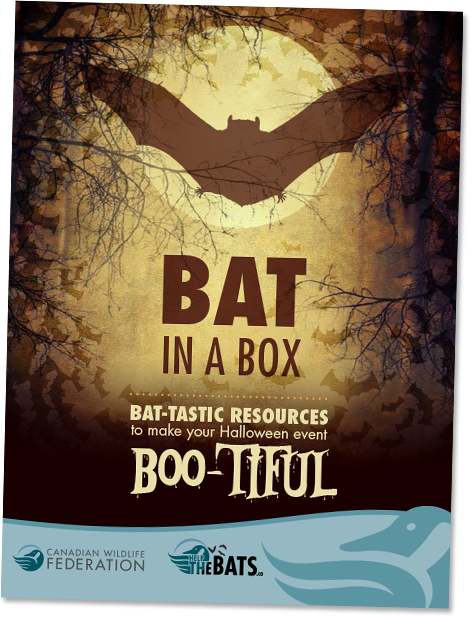
    oin our “Help the Bats” project on iNaturalist.ca. You can participate as a citizen scientist by using iNaturalist.ca or the iNaturalist app (Android and iOS) to monitor your roost. The information allows us to track roost preferences and assist in a study to determine what bat house designs are optimal for Canada’s bats. To help you along, check out our step-by-step “How to Monitor Your Bat House Using iNaturalist.ca or the iNaturalist app” documents available at HelpTheBats.ca

  • How to Take Identifiable Photos of Butterflies & Moths

    2026-07-02

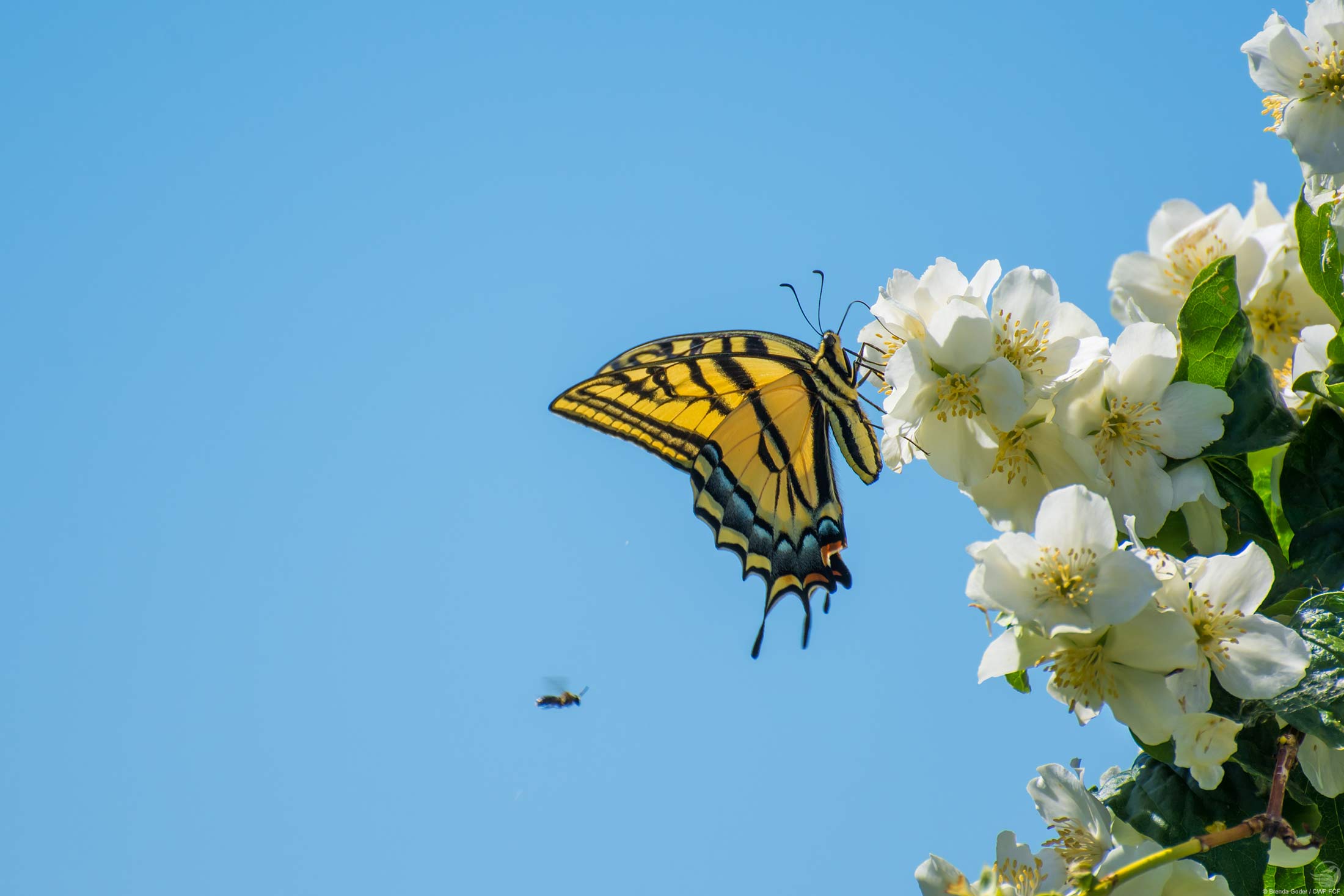
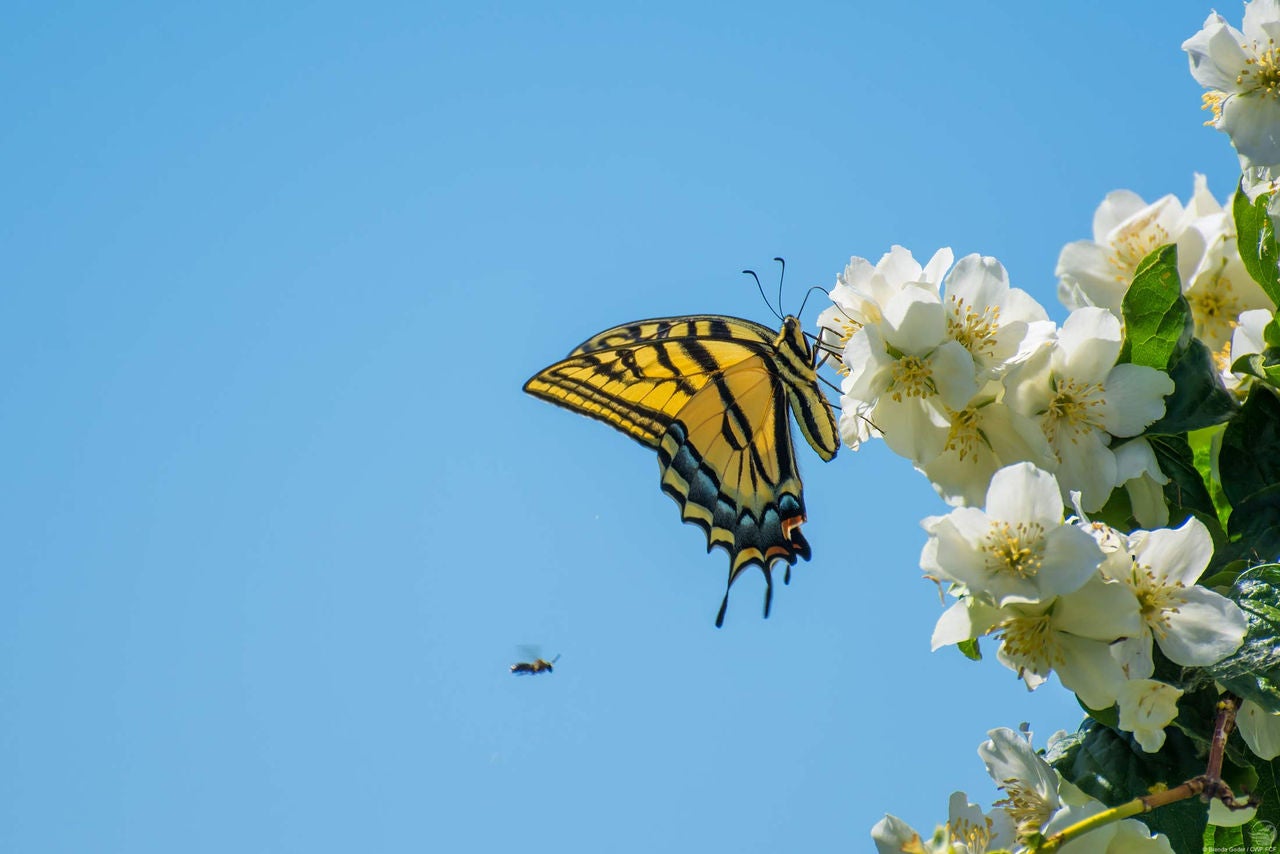
    It can be difficult to take photos of wildlife. It is not essential to photograph every point on this diagram to get an identifiable observation. Just try your best! Both butterflies and moths can be pollinators as well as food for other species, such as birds and bats. Some species cocoon over winter in fallen leaves. Why not leave the leaves this fall to help wildlife?

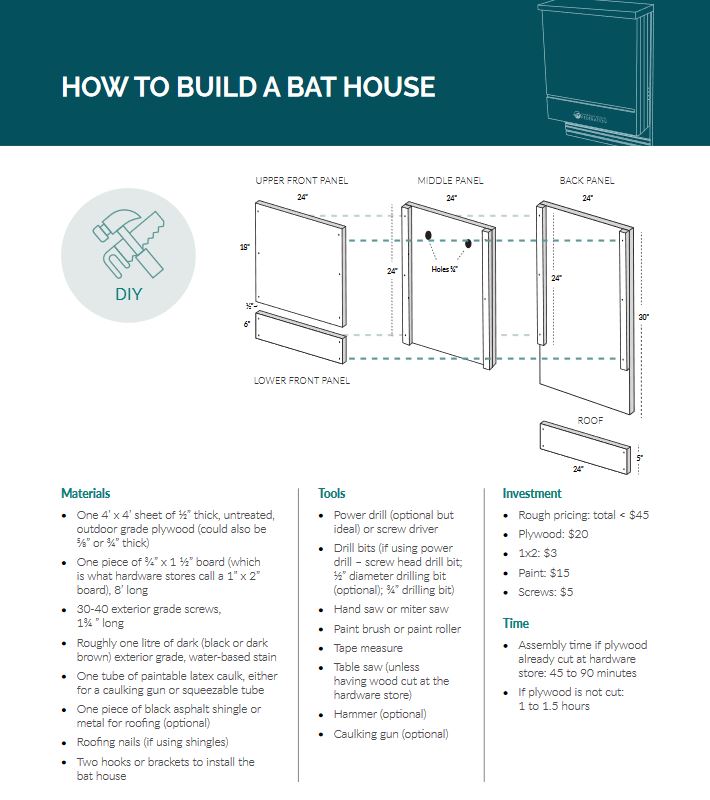
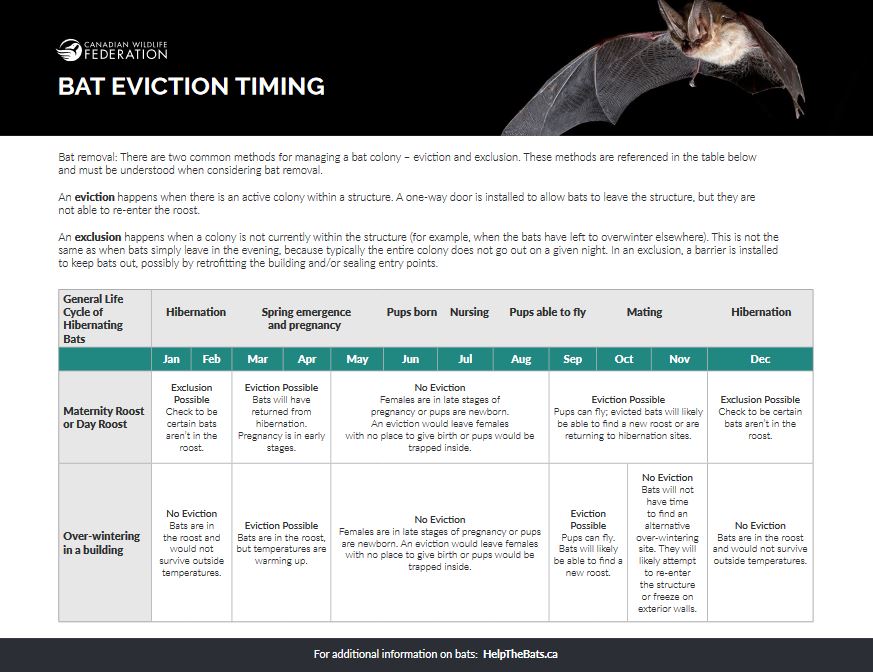
  • Bat House Checklist

    2018-03-13

    A few tips to make your bat house more attractive to bats!

Education & Leadership

  • WILD Webinars

    2026-07-02

    With topics relating to conservation, wildlife and habitat, we provide a relevant online learning platform, typically for grades four to six but of benefit to any age.

  • Hummingbirds With Sarah Coulber

    2025-04-09

    Sarah’s love of nature led to several environmental jobs with municipalities and naturalist volunteer roles before joining the Canadian Wildlife Federation over 20 years ago. Sarah runs the Gardening for Wildlife program where she helps Canadians discover, appreciate and support the incredible nature that surrounds us. Join Sarah to discover the migration, nesting, and feeding habits of Canada’s hummingbird species, and explore simple ways you can help hummingbirds at home or school!

  • Flower Flies: The prettiest flies you'll ever see in your garden

    2023-04-25

    Join CWF Tuesday, April 25th at 7:00 p.m. ET to discover the wonderful world of flower flies with our guest entomologist, Gil Miranda. When talking about pollinators in your garden, you might immediately think of a bee going about its business to feed its colony. But often overlooked, if not mistaken for a bee, are the beautiful flower flies. These colorful and variably shaped flies are common flower visitors and can be as abundant and important as bees when it comes to pollinating your flowers. Please join us as Gil gives you some tips on how to spot and identify some common flower flies that might be around your gardens!

  • Embrace the Chill: Lessons from Winter Wildlife

    2025-02-05

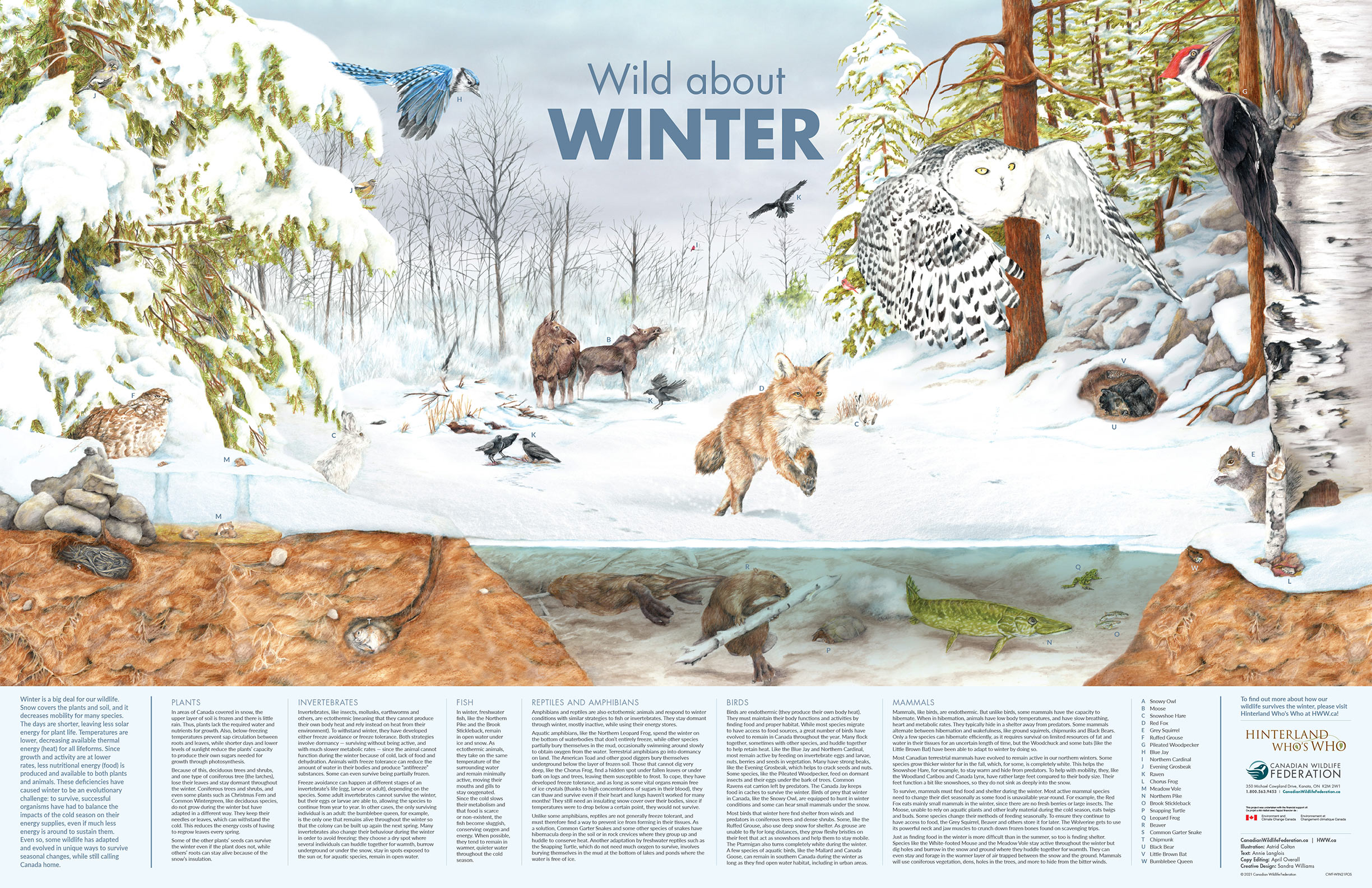
    Ever wondered what animals do when the temperature drops? Join us as we dive into the fascinating world of winter wildlife! From hibernation to migration to adaptation, we’ll explore the strategies our furry friends use to thrive in the cold. As humans, we don’t hibernate or migrate (well, some of us do!), but we do adapt to winter conditions in our own unique ways. Get inspired to bundle up and head outside through this interactive lesson with the Canadian Wildlife Federation! All registrants will receive a Winter Resource Kit containing activities to inspire further outdoor exploration!

  • Birding for Families

    2020-07-29

    Looking for new ways to get outside with your family this summer? Birdwatching offers a great opportunity for you and your kids to connect with nature close to home. The best part? Birds can be found everywhere! Whether you live in a downtown high-rise or in the country, you’ve likely seen or heard one of our feathered friends close by. Join Birds Canada and the Canadian Wildlife Federation for a family-friendly introduction to the world of birds and gain practical tips and resources to help you get started with birding. All that you need is a keen eye, a few basic resources, and your curiosity! Both adults and children are welcome to attend!

Endangered Species & Biodiversity

Forests & Fields

Lakes & Rivers

  • Learning and Engagement Dialogue: Cumulative Effects under the Fisheries Act

    2021-04-14

    This 1:00 p.m. ET event is hosted by Aquatic Habitat Canada, a national network supporting aquatic habitat protection and restoration. This webinar series is based on the consultation topics of the current Fisheries and Oceans Canada’s Fish and Fish Habitat Protection Program (FFHPP) development process. For this first event, we will be hosting expert speakers from multiple sectors to present their involvement and perspectives on cumulative effects. The webinar will also include an open panel discussion and a Q&A period. This outreach event is intended to be informative and educational, while allowing public engagement. We welcome all perspectives and experiences to the event and hope to host productive discussions for those planning to make submissions to the FFHPP consultation process.

  • Turtle Talks Webinar

    2021-04-20

    April 20, 2021, 12:00-1:00 p.m. ET Who doesn’t love turtles?! They’re cute, they’re interesting and they come in so many shapes and size. They’re also one of the most endangered groups of species in Canada. Join us for a webinar all about turtles, and discover what the Canadian Wildlife Federation is doing to help them and what you can do to help, too!

  • Water We Without Oceans?

    2021-06-08

    June 8, 2021, at 1:00 pm ET /10:00 am PT Join us for a free, educational webinar as we explore our connection to the ocean. Our blue planet is powered by a water cycle that sustains life. Together we’ll dive deep into this cycle to discover how we are all connected to the ocean through our local watersheds.

  • The Canadian Aquatic Barriers Database: an improved tool to support fish habitat connectivity in Canada

    2024-09-18

    The Canadian Aquatic Barriers Database (CABD) is a standardized, curated, central, and open repository for barrier and connectivity data in Canada. The CABD is an important tool to support work in a variety of fields and sectors related to freshwater connectivity and aquatic barriers. The vision for the CABD is all of Canada’s barrier and connectivity information in one place – easily and openly accessible! CWF is proud to announce new updates to the CABD, adding even more aquatic barrier information and providing new tools to allow Canadians across the country to help us fill information gaps. With the new release, in addition to dams, waterfalls, and fishways, the CABD now includes information on stream crossings nationally, which affords us a more complete picture of the effect these structures are having on fish and fish habitat. We’re also introducing a feature that allows anyone to click on a barrier in CABD webtool and provide us with information updates based on their local knowledge, thereby helping the CABD improve over time and fill data gaps.

  • The Canadian Aquatic Barriers Database

    2021-06-14

    June 14, 2021, 12:00 – 1:00 p.m. ET. A Tool to Support Fish Passage and Connectivity Work in Canada. Please join the Canadian Wildlife Federation as we introduce to you the Canadian Aquatic Barriers Database (CABD) — an open web tool to identify, explore and map potential barriers to aquatic connectivity. You will learn how the CABD will support policy and reporting, restoration planning and prioritization, infrastructure management, research and education and outreach.