



-
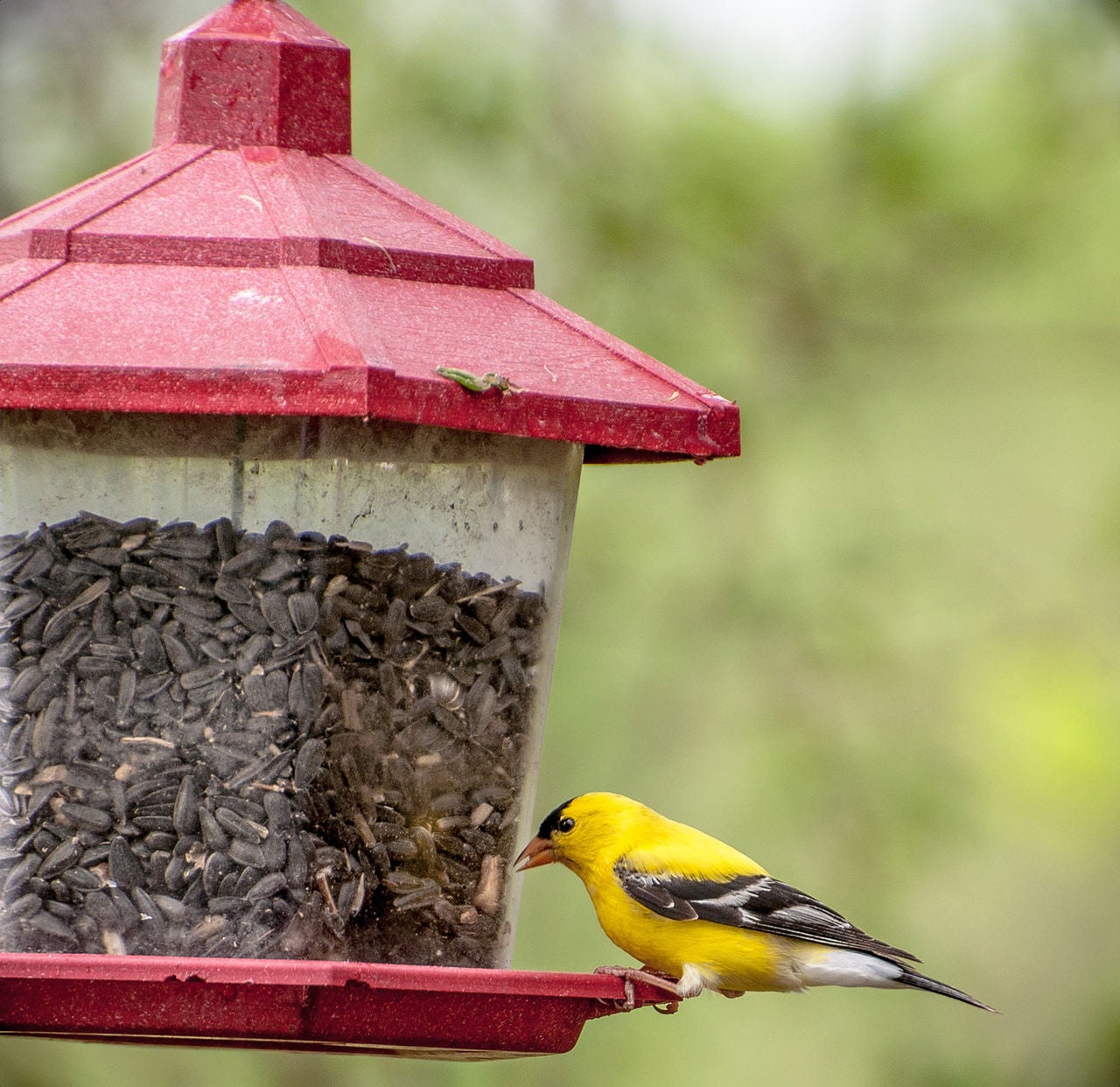
Bird Feeder Bullies
2010-02-07
During winter, pigeon's starlings and crows scare off the other species at the bird feeders. How can I discourage these larger birds?
-
Feathered Allies
2026-07-02
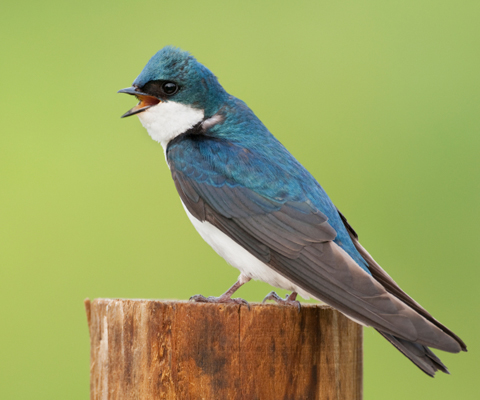
Q. What sort of birds should I be trying to attract to control mosquitoes and wasps?
-
I love the northern lights, but I heard they can be bad for wildlife. Is that true?
2026-11-03
Northern lights, also known as aurora borealis, are beautiful, some might even say awe-inspiring. But it isn’t the northern lights themselves that can impact wildlife, it’s the associated solar storms. That’s because solar storms can disturb the Earth’s magnetic field. This not only intensifies those beautiful northern lights but may also affect animals that use the Earth’s magnetic field to help them navigate, like various species of birds and whales. Research is pointing to the idea that changes in the Earth’s magnetic field could impact bird migration and may contribute to some whale strandings. However, it is a difficult area to research. Really large geomagnetic storms only occur a handful of times during an 11-year solar cycle and if it doesn’t align with migration then the opportunity for further research is missed. It’s also difficult to attribute whether animal behaviour changes are because of changes in the geomagnetic environment or if it’s due to other factors such as wind, clouds, rain, injury or illness. And it could be that some animals are compensating for the magnetic disturbance without showing any visible behaviour changes. It’s definitely an area where more research is needed!
-
The Early Bird Gets the Grill
2026-04-13
-
There is so much algae in my lake, what can I do?
2026-09-15
Algae gets a bad rap and while there are certainly times it deserves it, other times it doesn’t. In fact, algae are a natural part of lake ecosystems, often microscopic and in low enough concentrations that we don’t even notice them, with many posing no risks to people and animals. Not only are they naturally present but they are extremely important to lakes. They form the base of aquatic food webs, oxygenate the water and turn nutrients into organic matter.
-
Why do wolves and coyotes howl at the moon?
2026-10-01
It isn’t uncommon to see pictures of wolves and coyotes howling at a full moon, but it turns out their howling has nothing to do with the moon. That’s right! Wolves and coyotes do not howl at moons; the moon just happens to be visible when they’re typically most active. And while their snouts may be tilted upwards toward the sky, that’s just because it helps them project their howl further.

Learn More
- 0
- 1
- 2