

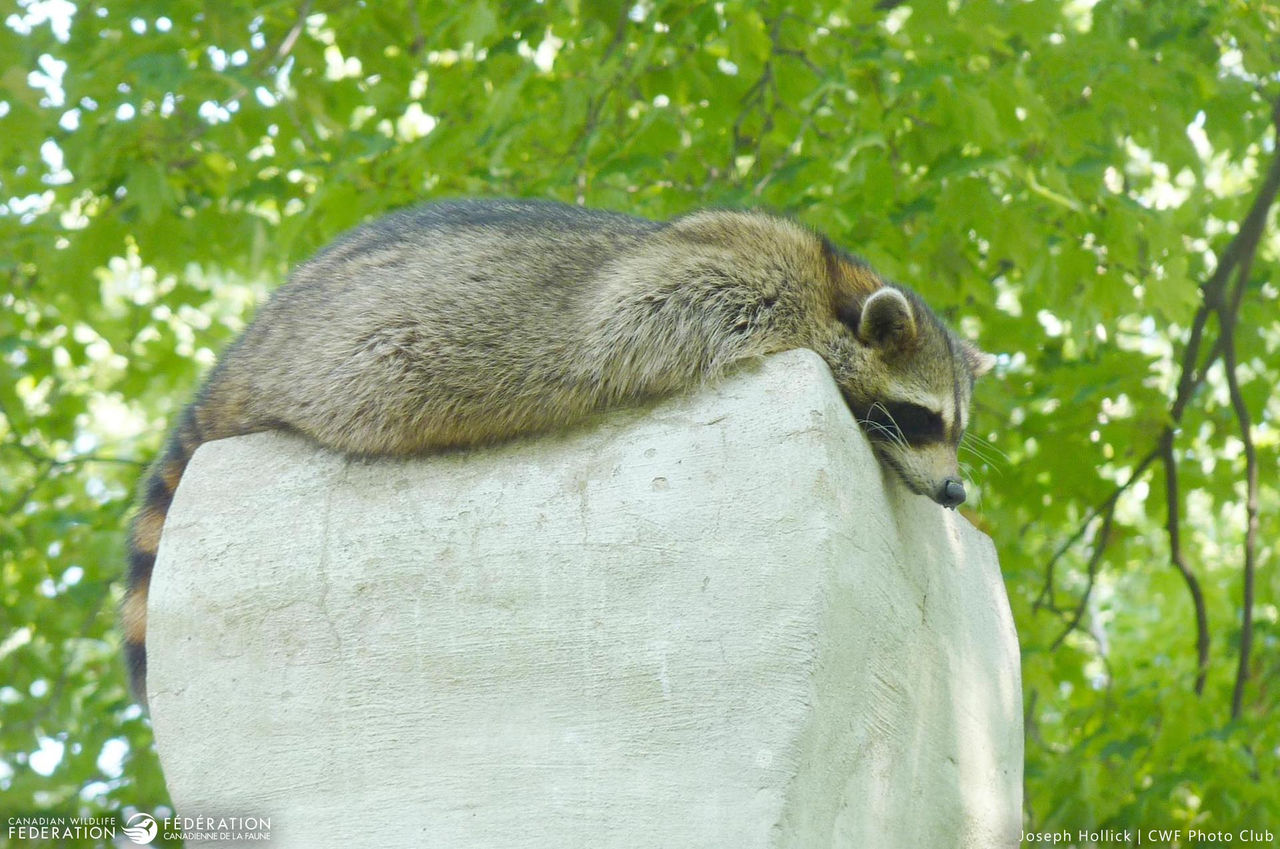
A. It isn’t uncommon for birds and other animals, especially raccoons and squirrels, to make their way into chimneys - sometimes on purpose, sometimes by accident. If the animal is trapped, the noises you hear will generally come from one area inside the chimney and are more likely to be frantic and constant in nature, unless the animal has been in there for a while and is getting tired. There may also be lots of scratching or wing flapping.
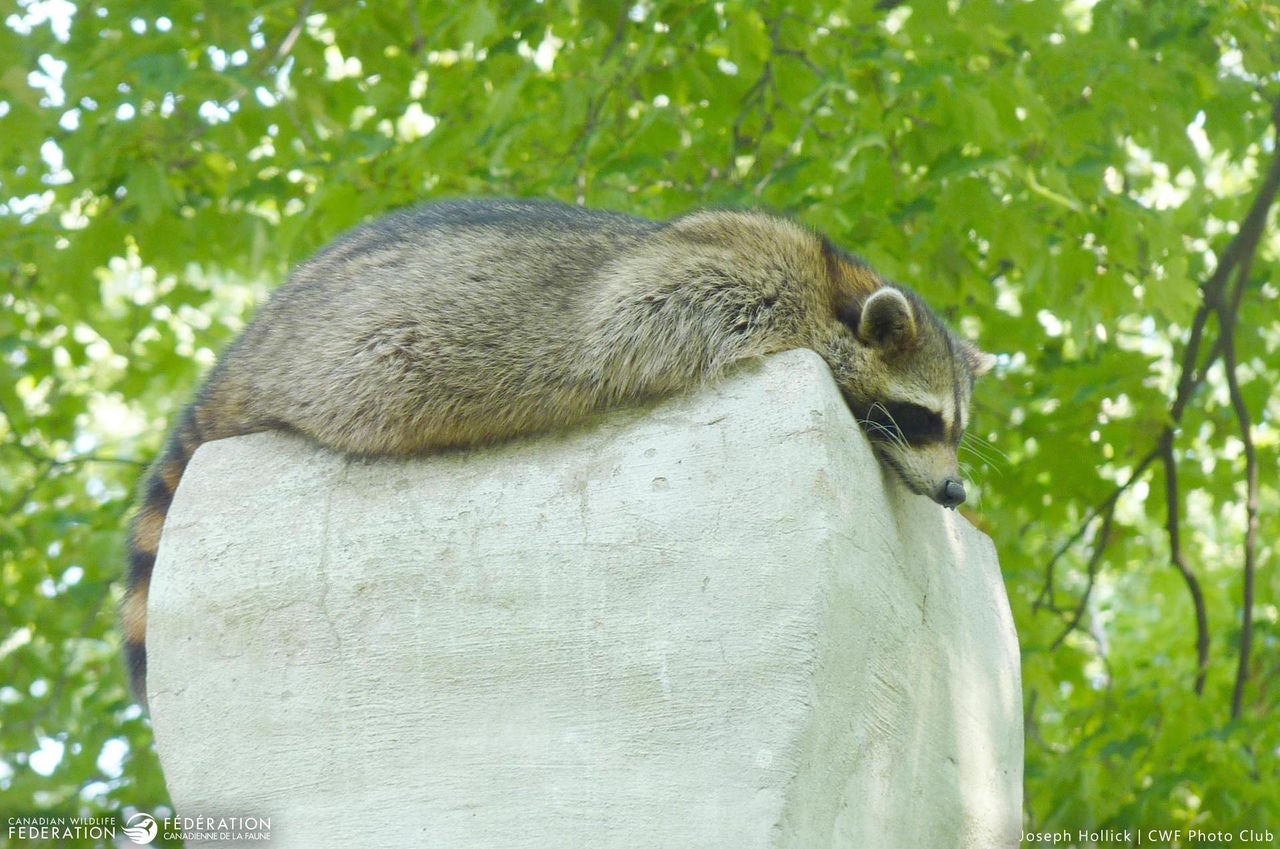
If the animal has chosen your chimney as a den site to nest and raise their young, the noises won’t be frantic and are often heard at certain times of the day or night. If you hear baby animals, for example young raccoons make trilling and purring noises, you have an animal den in your chimney.
If you think your chimney is being used as a den – don’t take any action until you have spoken with your local wildlife rehabilitation centre.
If the animal is stuck, there are a few options:
1. If you are comfortable on a ladder and getting on your roof, attach a thick rope to the chimney and lower it down so that it reaches the animal, probably either a raccoon or a squirrel. To make it easier for the animal to climb the rope, tie knots in the rope about every 30 centimetres. You can watch from a distance to see if the animal leaves. If the animal hasn’t left after several hours, it’s time to remove the rope and go to plan B.
2. Plan B, or if you are not comfortable on a ladder, is to let the animal out through the fireplace. You may want to contact a wildlife rehabilitation centre for what to do here. For squirrels, some people suggest the following, depending on your degree of comfort:
- Remove all pets from the room.
- Open one door (to the outside) or window that is closest to the fireplace, making sure that all other windows and doors are closed.
- Close curtains and blinds on all other windows/doors so that the squirrel is drawn to the light of the open window/door.
- To make it easier for the squirrel to leave through a window, you can use boxes to create stairs. You can even use boxes or furniture to guide the squirrel out.
- You can lay old sheets or blankets on the floor if you are concerned about soot. - Sprinkle some flour by the window/door – later if footprints are present this will be an indication the squirrel has left.
- If the squirrel is not in the hearth of the fireplace, carefully open the damper.
- Now it’s time for everyone to leave the room. The squirrel will not come out if it doesn’t feel it is safe to do so.
- While it may be difficult, wait about an hour before checking to see if there are any footprints in the flour.
What If It’s a Bird?
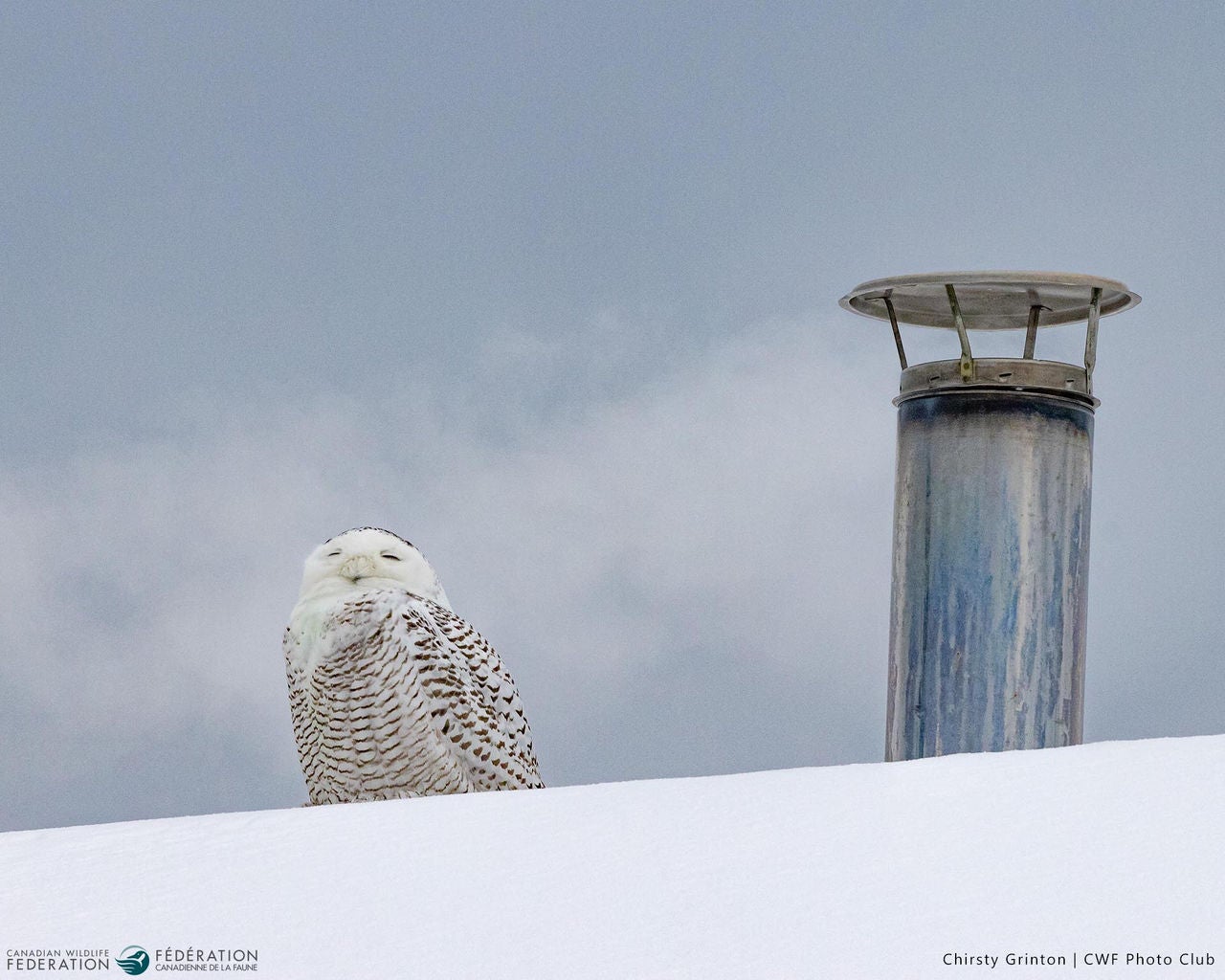
If one bird has made its way into your chimney and is unable to fly out the top:
- Make sure the room is quiet.
- Find a flashlight and a large box.
- From the fireplace, place the open end of the box inside the chimney, making sure there are only minimal gaps.
- Turn on the flashlight and aim it so that it shines against the side of the box. You don’t want to shine the light directly at the bird. The bird should be attracted to the light.
- Now you wait for the bird to make its way into the box. Once the bird goes in the box, use a piece of cardboard to slide over the opening.
- Carefully take the box outside and release the bird away from any windows.
- If the bird is injured, contact a wildlife rehabilitation centre.
If one bird is in the fireplace:
This involves a little bit of prep.
- In case the bird gets loose in the house, close all doors that lead to other rooms.If your house is an open-concept design, use tacks to hang sheets to block the bird from going to other areas of your home.
- Carefully open the fireplace and quickly, but gently, use a small towel to place over the bird.
- Take it outside and release it away from any windows.
- If you notice the bird is injured, call a local wildlife rehabilitation centre.
If the bird does get loose in the room:
- Open one window or a door to the outside.
- Close curtains and blinds on all other windows.
- You can use a sheet to gently guide the bird to the open window/door or if you can ,put a small towel over it – gently pick it up and release it outside.
What If It Sounds Like Multiple Birds in Your Chimney?
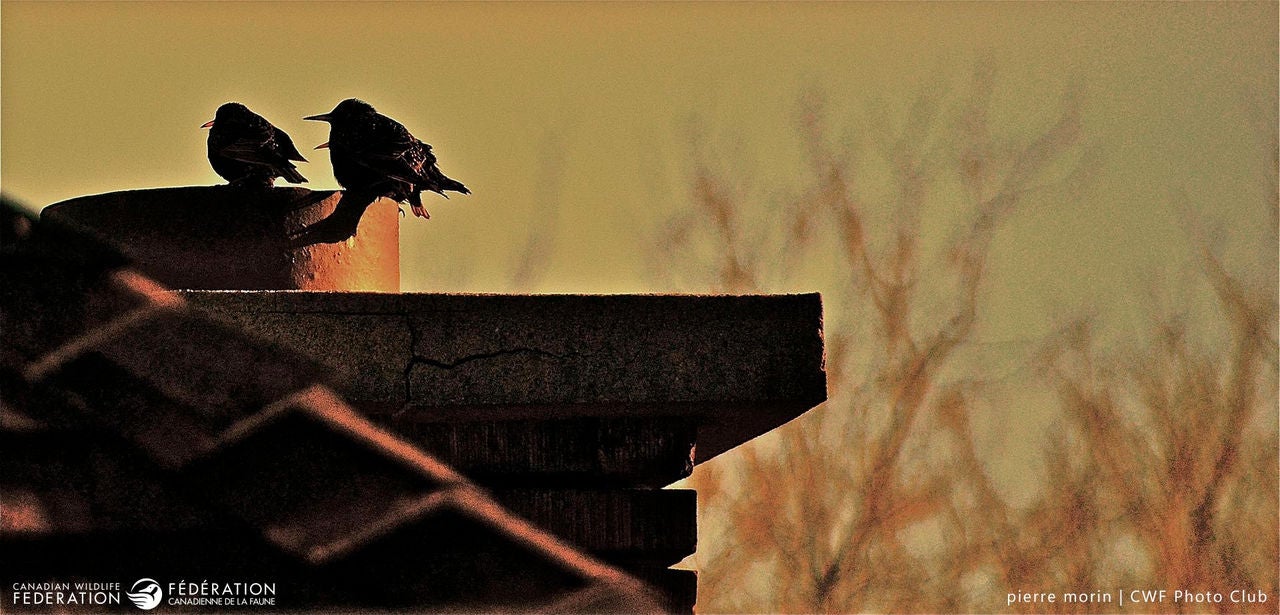
There are several species that build nests inside chimneys. A likely suspect could be Chimney Swifts. Their nesting period typically lasts between the middle of May and the middle of August. They are protected under the Species at Risk Act which means they cannot be killed, harmed, harassed or captured. They are also protected under the Migratory Birds Convention Act, 1994 and the Migratory Birds Regulations which prohibits the harassment or killing of juvenile and adult migratory birds as well as the disturbance or destruction of their nests and eggs.
If you have Chimney Swifts nesting in your chimney, you may be interested in joining SwiftWatch – a citizen science monitoring and conservation program. If interested, be sure to visit Birds Canada.
If Chimney Swifts are nesting on your property, in some provinces you may be eligible for stewardship programs for this species at risk. Contact your provincial wildlife or natural resources department.
As always, call your local bird rehabilitation centre with any questions.
What if it’s a Bat?
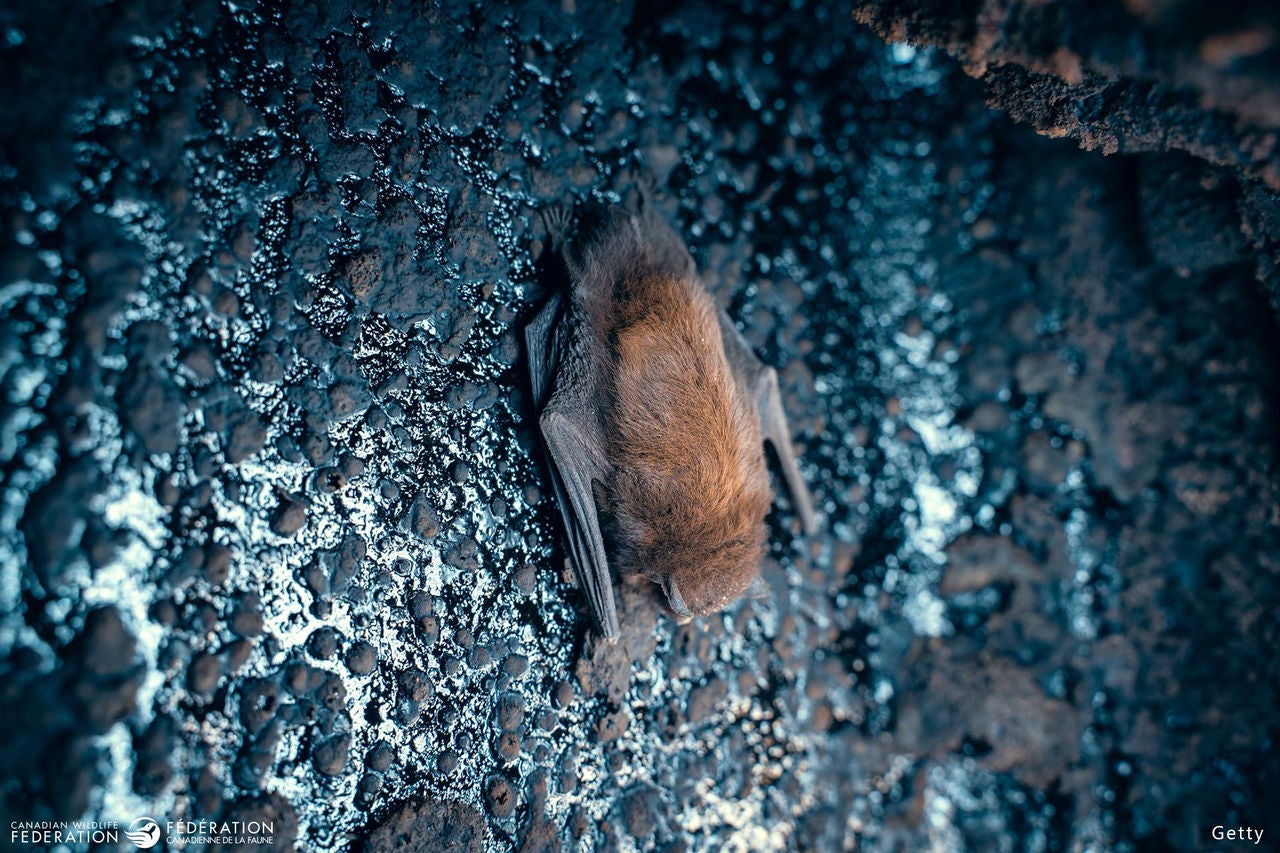
Bats can roost in chimneys and while it isn’t as common, they can also hibernate in unused chimneys. If hibernating, they’ll make very little noise. For these two situations you’ll find lots of information at Canadian Wildlife Federation: What Should I Do If A Bat Is Roosting In My House? (cwf-fcf.org). If a bat is in your fireplace, you can find some helpful tips at What to do if you find a bat in your house | Neighbourhood Bat Watch. You can always call a reputable wildlife control company who can safely remove and release the bat for you.
The Animal is Gone, Now What?
Once the animal has left and no other animals are in the chimney or fireplace, you should contact a reputable company to clear out any material the animal(s) may have brought in and to place a spark arrestor screen and chimney cap on the chimney.
What Not to Do
One thing you should never do is smoke the animal out. If the animal is trapped, a fire will not magically un-trap the animal. Instead, you will now have a dead animal in your chimney that may be difficult to reach. If the animal is denning, the mother will not have enough time to remove all her young and once again you have burned animals in your chimney.
Call Your Wildlife Rehabilitation Centre
If at anytime you are unsure of what to do, call your local wildlife rehabilitation centre. Every situation is unique and birthing seasons may differ depending on where you live. They will have the information to guide you through your specific situation.


