

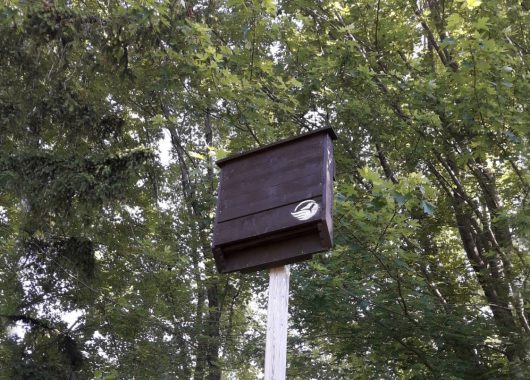
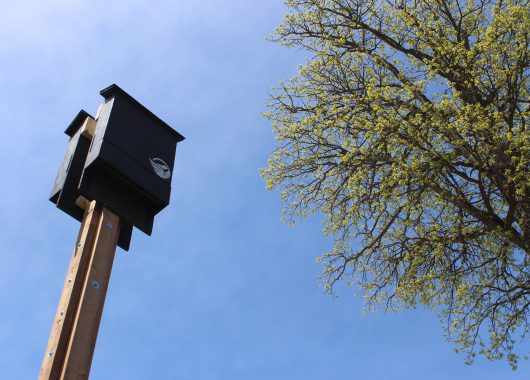
Artificial Roosts: Bat Houses
The Canadian Bat Box Project: What makes an ideal home for bats
You’ve probably heard from us that installing a bat box is something people can do to help Canada’s bats. But we’ve also said that not all bat boxes are created equal, and the effectiveness of different designs is not fully known in Canada…until now. Bat houses are often installed to provide habitat for bats, but if built or installed improperly they can lead to lethal temperatures during hot summer months. However, when done properly bat houses can be a good investment to provide habitat that is more likely to be used by bats.
Partnering with the Wildlife Conservation Society Canada, and Post Doctoral Fellow, Karen Vanderwolf (Lead researcher and CWF’s frequent guest bat blogger), we have completed a three-year study, the first ever nationwide initiative engaging community scientists and biologists to determine the factors that make the ideal bat house.
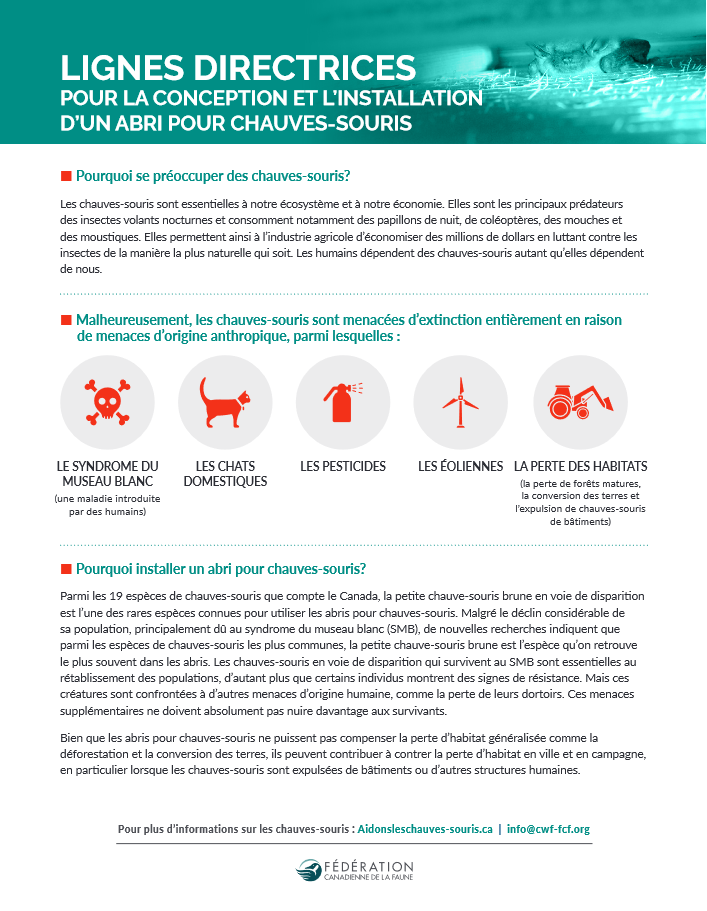
The results of the Canadian Bat Box Project were incorporated to develop our new and improved bat house DIY designs and create a guideline for everything you need to know about bat house construction and installation, all of which can be found in full below.
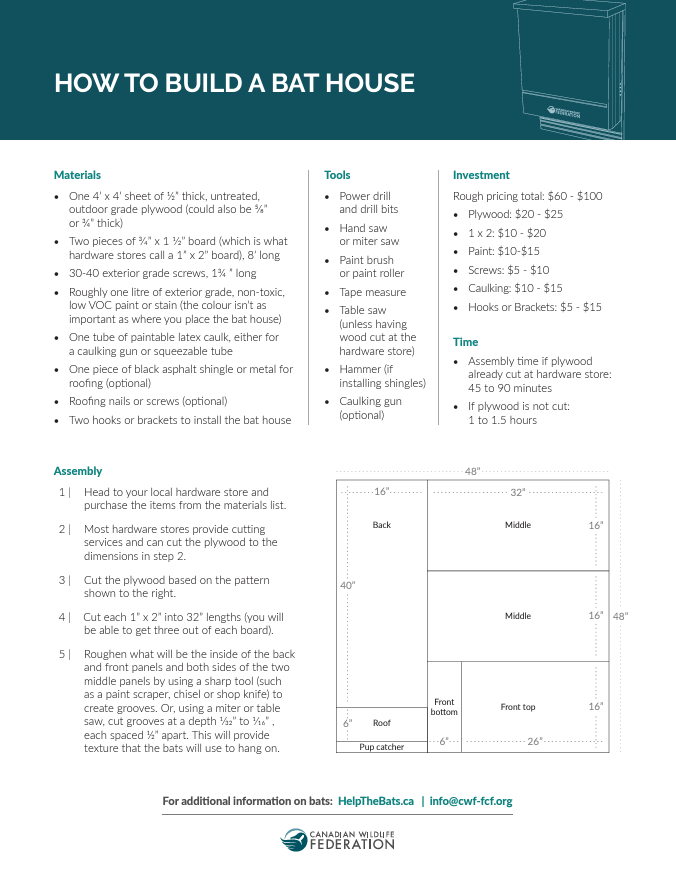
Build Your Own Bat House (and Pup Catcher!)
Provide a roosting site for a female bat and her pup! Based on results from the Canadian Bat Box Project, we have a new and improved bat house design, including the addition of a pup catcher to help prevent a dangerous fall. The Canadian Wildlife Federation is here to guide you through every step. Begin by downloading these free DIY instructions. Having a bat house available during these crucial months (April through June) will provide a roosting site for a female bat to have her pup. Bats only have one pup per year, so providing them safe haven is vital to their survival. Bats also make great neighbours; they help control insects through spring and summer.
What to Look For in a Bat House
- A minimum length (aka height) of 45 cm (18 inches), but 60 cm (24 inches) or more is better.
- A minimum width of 25 cm (10 inches), although 38 cm (15 inches) or more is better.
- Three or more chambers.
- A landing pad that has textured grooves to increase grip.
- The colour of the bat house can affect internal temperature depending on sun exposure.
- Decisions on colour should be made with decisions about placement and number of boxes.
For more information on construction and installation, check out our full Bat House Design and Installation guidelines.

Looking for a place to buy an ideal bat house?
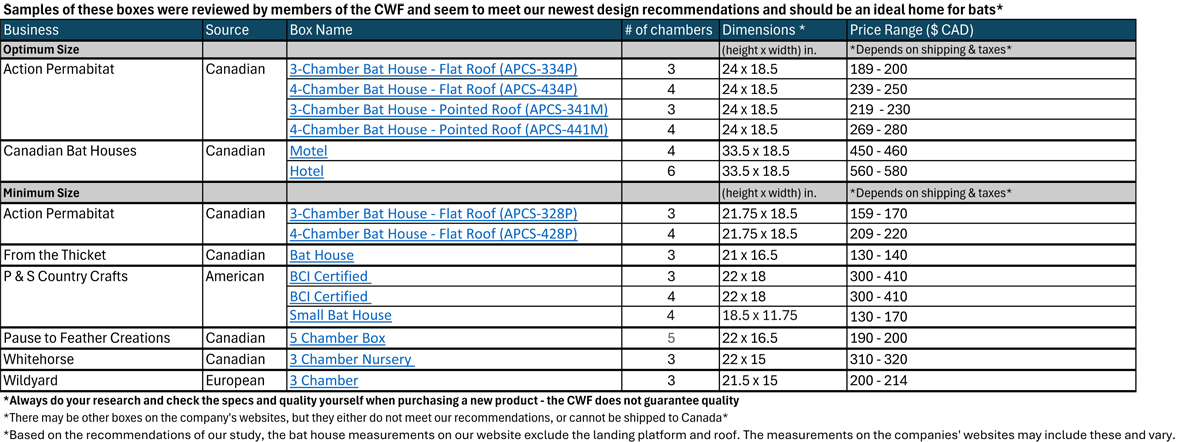
Based on our study results, bat houses in the table below will make an ideal home for bats. Click through to find links to builders' websites, ordering information as well as a list of other bat houses that meet our newest minimum design recommendations (according to specifications stated by the company) but have not been inspected by CWF.
Do you have a Rocket Box?
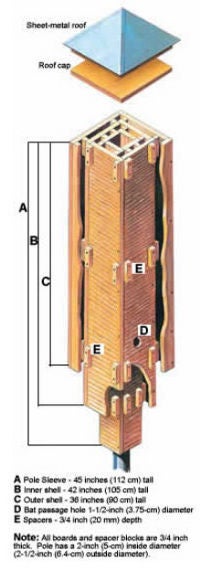
Studies elsewhere show that these can be as or more effective than flat, chamber-style bat boxes placed on poles.
The Canadian Bat Box Project didn't have enough rocket boxes in our sample size to dig into this question, but we're continuing to collect data on it. If you have a rocket box, please register and monitor it to help us answer this critical question.
If you're looking to purchase a rocket box:
- BatGuy.org, based in southern Ontario
If you want to build your own, you can follow these DIY designs from Bat Conservation International.
Go a Little Further and get a Condo
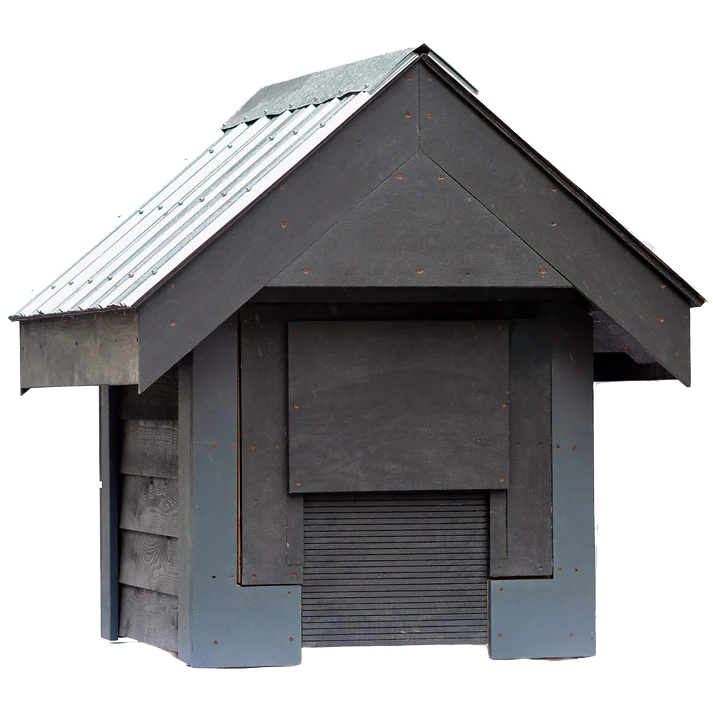
A condo, which is a shed-type bat house erected on stilts, may be more of an investment, but they are thought to be more effective for larger colonies (100+ bats), and especially beneficial when evicting a colony. As compared to a singular bat house, the condo creates a more diverse yet stable microclimate which is similar to a human-occupied building such as an attic.
If you are thinking of purchasing a condo you can find various designs from:
- Action Permabitat, based in Quebec.
- BatGuy.org, based in Southern Ontario
* Always do your research and check the specs and quality yourself when purchasing a new product. The CWF does not guarantee quality.
If you want to build your own condo you can follow these DIY plans from BC Bats.
Artificial Bark
Bats rely on the natural structural defects in trees (ex. cavities and crevices), more commonly found in large, mature trees. Older trees are often lacking in many areas, and younger trees have less of the necessary features to provide appropriate habitat for bats.
Wildlife Conservation Society Canada researchers are currently looking into artificial bark as a solution, which mimics natural bark and comes in a flexible sheet that can be wrapped around a young tree to create an alternative roost.
The artificial bark is wrapped around the tree, snag (dead standing tree) or large pole and secured with screws. Like a bat house, the bark should be installed a minimum of 9 to 10 feet above the ground (higher is better).
In areas where they have installed the bark, they have found, through guano analysis, that 7-8 species of bat are using it. Considering only 2-3 species are known to use bat houses, these initial results are very promising.
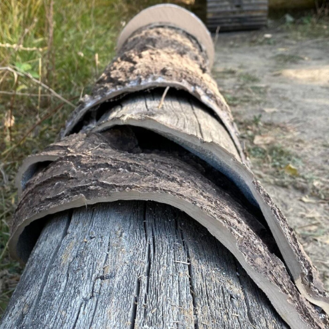
BrandenBark used for bat roost; Photo: WCS Canada
Install Your Bat House
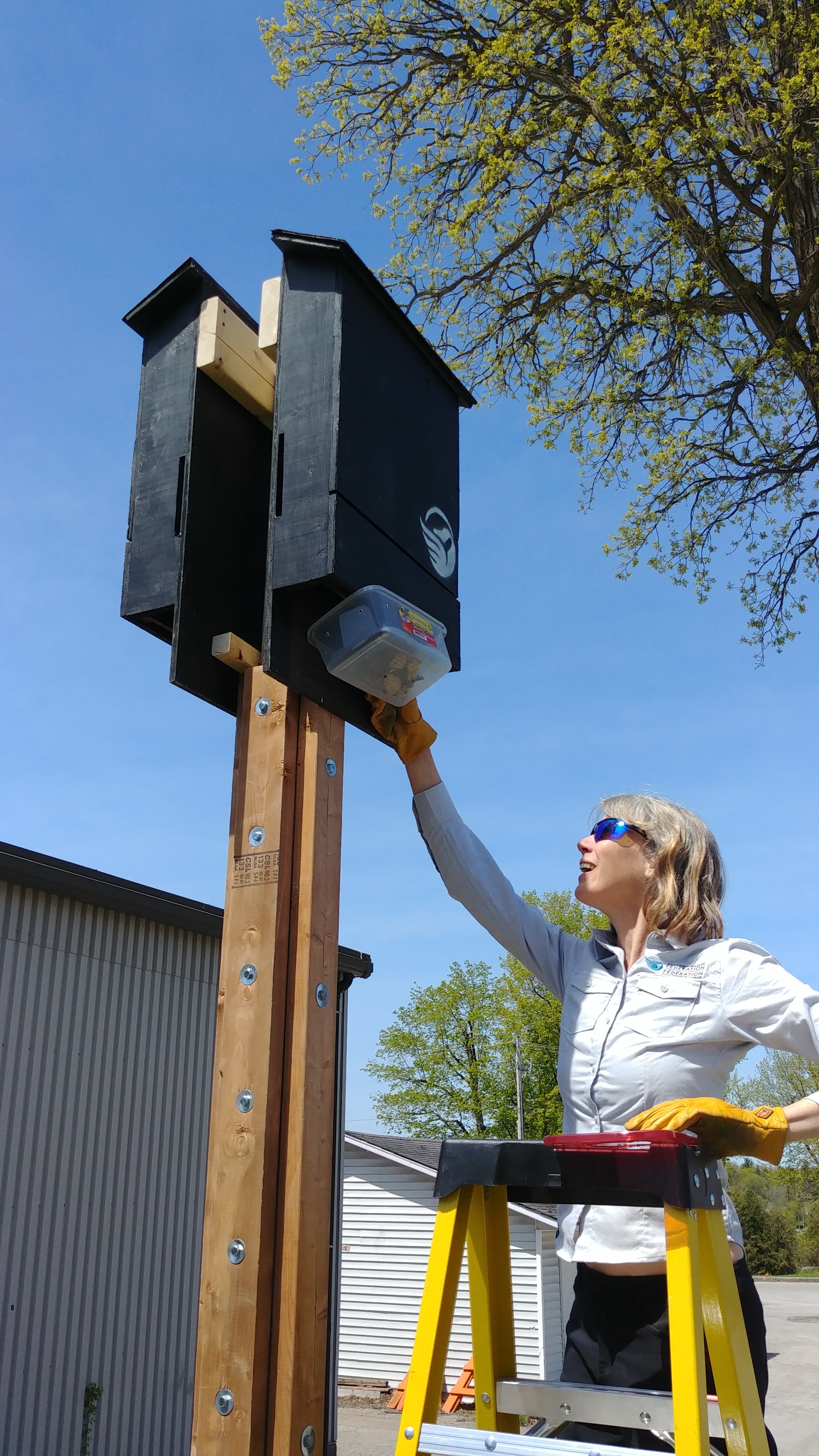
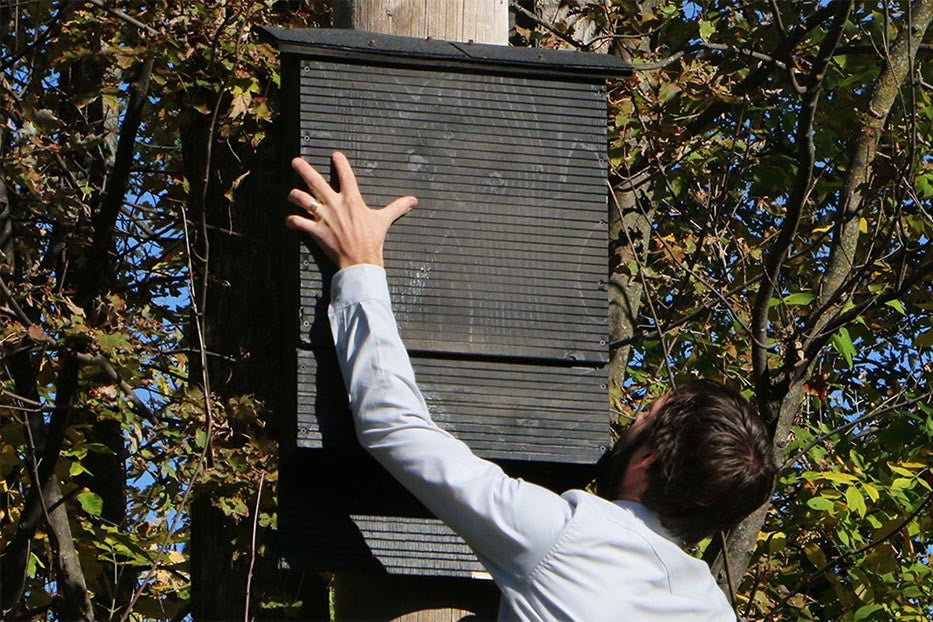
After either purchasing a new bat house using the guidelines above or building your own, it's time to properly install the bat house. When installing your bat box, do your best to stick to several or all of the following guidelines:
- Height is important. Install the bat box 9 to 10 feet above the ground.
- Install multiple houses, if possible. This provides more options for bats to choose from.
- Bats like it hot, but not too hot. Install in partial sun (six to eight hrs/day)
- If you are installing multiple houses, place them so that there is a range of sun exposure.
- If the house is black, do not place it in full sun or make sure there is a light coloured box nearby.
- Install by water. Bats will find the box more easily if there is a water source nearby.
- Attach your box to the side of a building.
- If a building is not available then a pole is the next best option.
- Leave the bat house up long term. The longer a house remains up, the more likely it will be used by bats.
- Install away from light sources and tall vegetation.
Download our full guideline for the ideal bat house dimensions and installation.
Monitor Your Bat House
Check each month to see if the box is being used. Here are some tips.
- Fecal matter and urine stains around the box are telltale signs that bats are using the box .
- Listen for sounds.
- Once a month, shine a light into the box to see if it’s being used. Note: Don’t do this more than once a month as it may disturb the bats.
- Watch the box for an hour or so during sunset when bats would be leaving the box to feed.
- NOTE: Never ever shake your bat house to see if there are bats inside.
Report Your Bat Sighting
Whether a single bat or after monitoring a roost site, reporting the results is extremely valuable to conservation of Canada’s bat species.