


Browse through a few of our Canadian species in these "At A Glance" fact sheets. Each page has basic information on some of our Canadian wildlife, with links to detailed, reputable sources such as Hinterland Who's Who and the Government of Canada. Don't see a species you need? Comments or questions? Let us know!
-
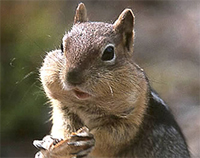
Chipmunk
2026-05-21
Chipmunks are easily recognized by the light and dark stripes on the back and head. They can be confused with some of the striped ground squirrels, but chipmunks are smaller, and have facial markings and five dark stripes on their backs, including a distinct, central line that extends forward onto the head. Ground squirrels do not have markings on the head.
-
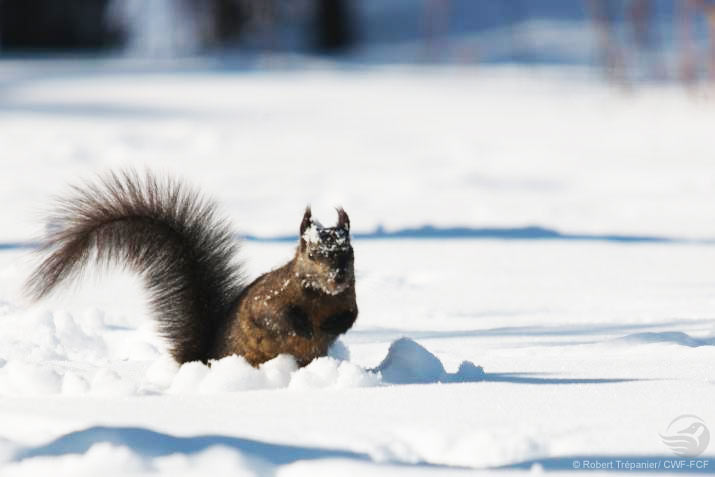
Eastern Grey Squirrel
2026-05-21
Eastern grey squirrels commonly occur in two colour phases, grey and black, which leads people to think—mistakenly—that there are two different species. The most notable physical feature of the eastern grey squirrel is its large bushy tail. The tail has many important functions. It acts as a rudder when the animal jumps from high places, as a warm covering during the winter, as a signal to other eastern grey squirrels indicating an individual’s mood.
-
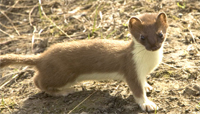
Ermine
2026-05-21
Ermines have features common to the weasel family like a long body, short legs, a long neck and a triangular-shaped head. They are a small weasel; males average 27 cm and females measure up at 24 cm with their tail adding another 7.5 cm to their length. Males are larger than females and weigh on average 80 g while females weigh an average of 54 g. Ermines change the colour of their coats seasonally. In the summer, their backs are brown, their undersides are white and their tails sport a black tip. In the winter, they are completely white except for their black tipped tail.
-
-
Grey Wolf
2026-05-21
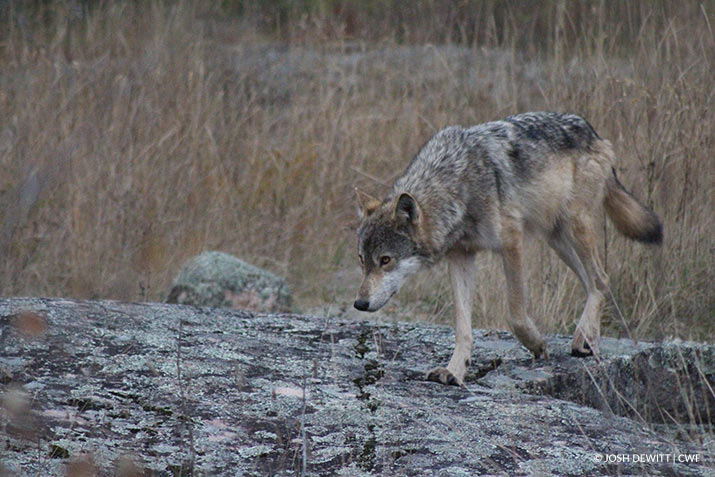
Wolves of northern North America and Eurasia vary in colour. A single pack may contain animals that are black, shades of grey-brown, and white. Wolves in the heavily forested areas of eastern North America are more uniform in colour. They are often a grizzled grey-brown, similar to some German shepherd dogs. Male wolves can weigh between 20 to 70 kilograms while the female weighs in at 18 to 55 kilograms. In the wild their lifespan can be from 8 to 16 years.
-
Groundhog
2026-05-21
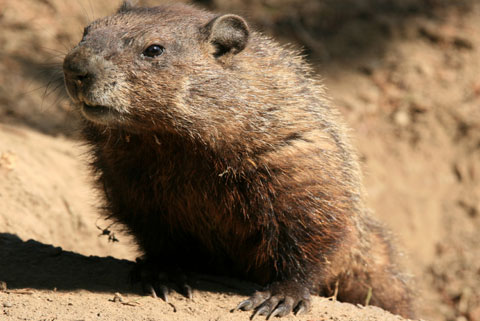
The groundhog is normally brown in colour but can be completely black or completely white. It is one of Canada’s largest true hibernators. The groundhog is the major hole-digging mammal over much of eastern North America, and in some places in the west, providing all sorts of animals with shelter. The groundhog it spends much of its time eating and sunning when not hibernating or caring for young.
-
Killer Whale
2026-05-21
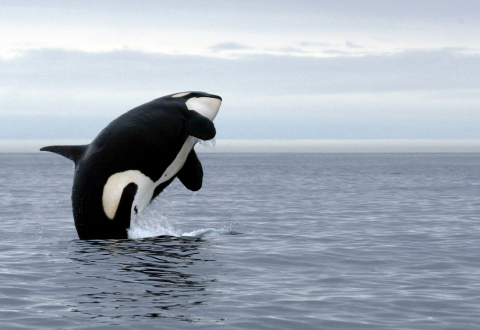
Without a doubt, the killer whale is one of the most distinctive marine mammals in the world. Its size — seven to nine metres long and between four and five tones in weight — and its striking black-and-white colouring, and long, rounded body make it unmistakable.
-
Little Brown Bat
2026-05-21
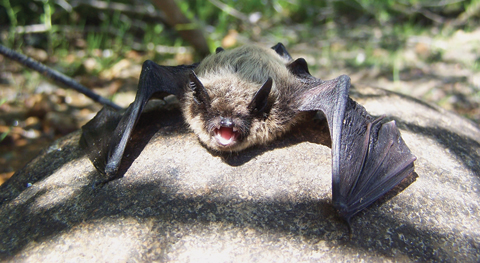
The little brown bat is the most common and widespread of Canada's nineteen species of bats. They are found across Canada to the northern edge of the boreal forest. Little brown bats weigh only seven to fourteen grams and have a wingspan of 22-27 centimetres. This species of bat is the one most closely associated with humans, as it is the most likely to take up residence in buildings.
-
marine
2025-11-20
-
Marine Animals in Canada
2026-02-25
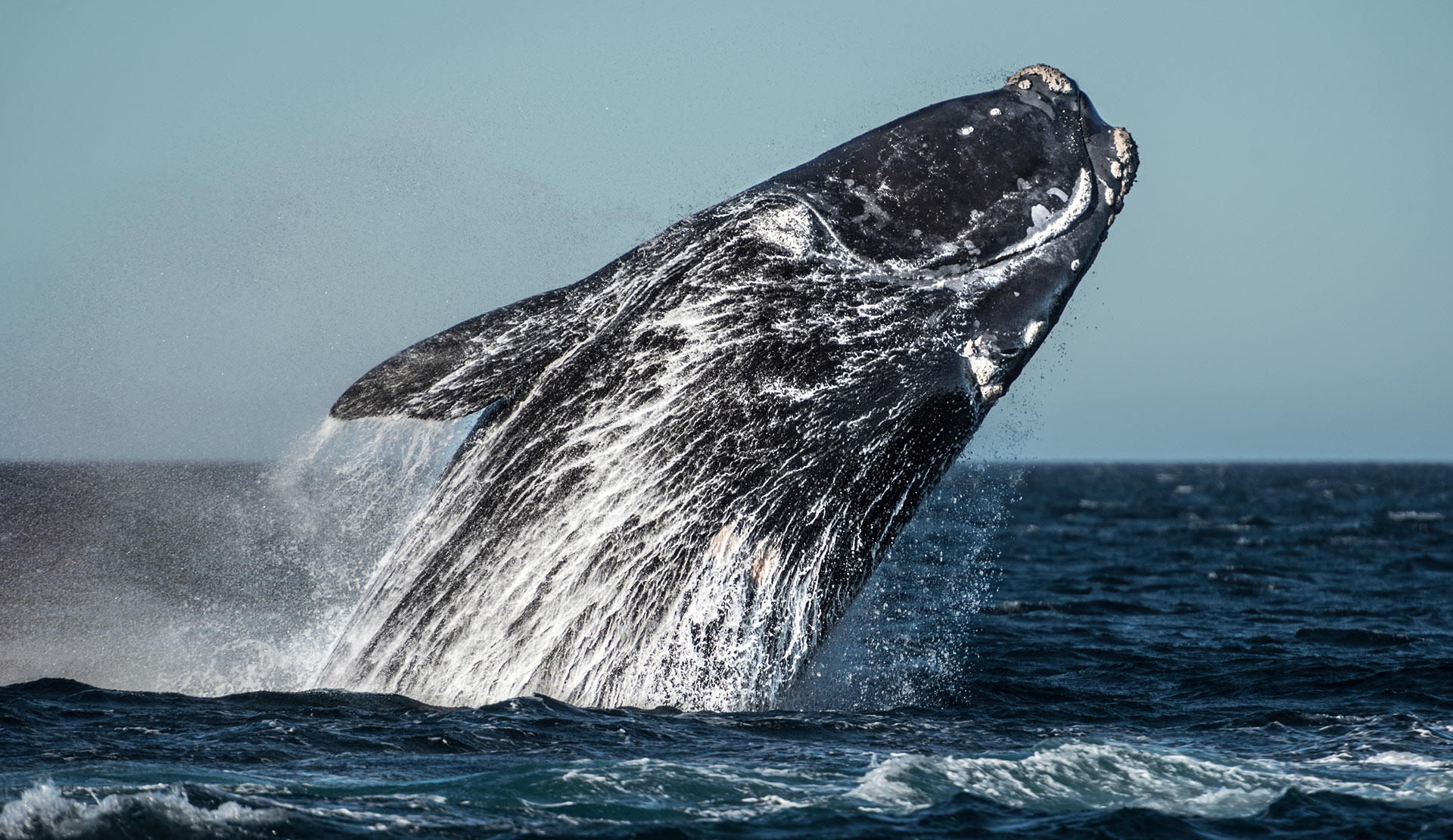
Canada’s wildlife is not only within our borders but also on our coasts and oceans. Learn more about the species that live in Canada’s three oceans.
For more species, visit Hinterland Who's Who, a joint program of the Canadian Wildlife Federation and Environment Canada.


