

SCIENTIFIC NAME
Bombus
DESCRIPTION
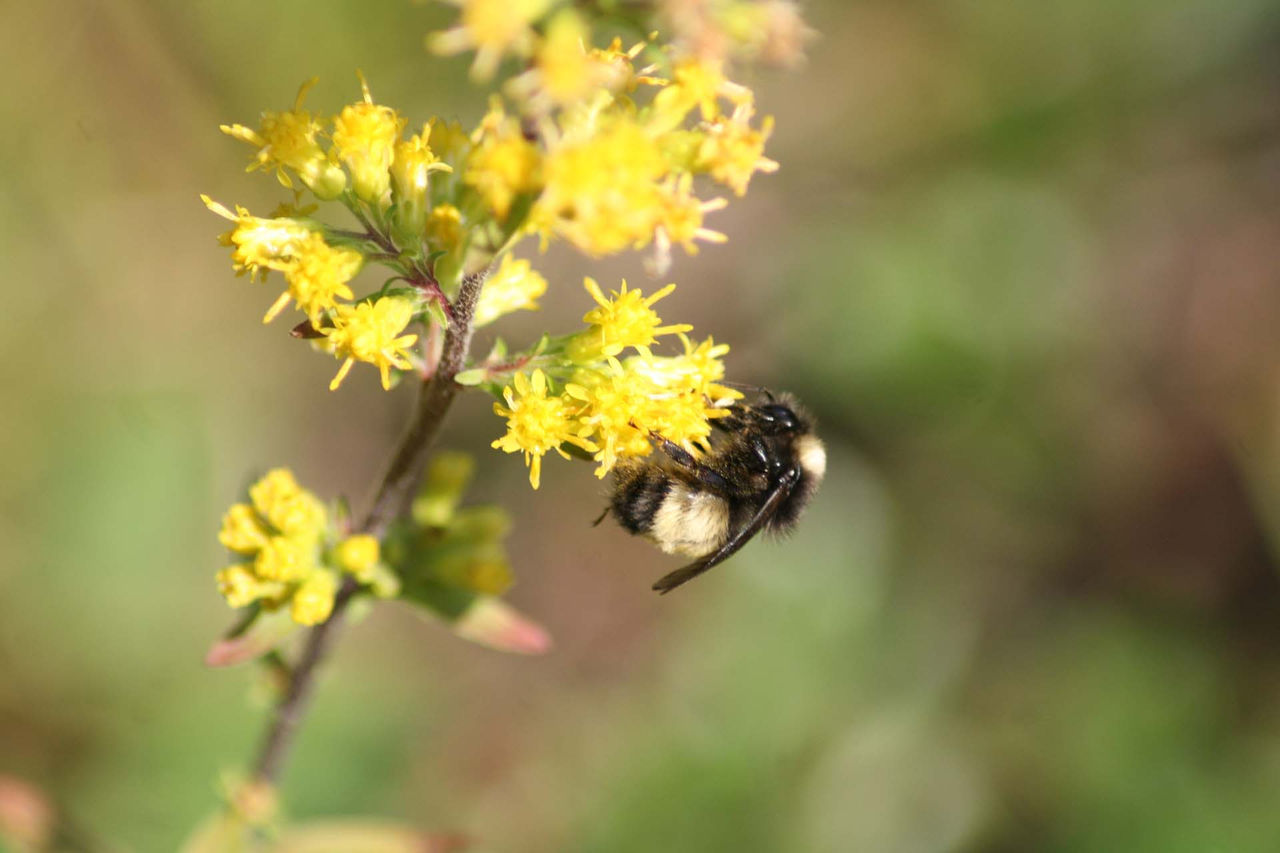
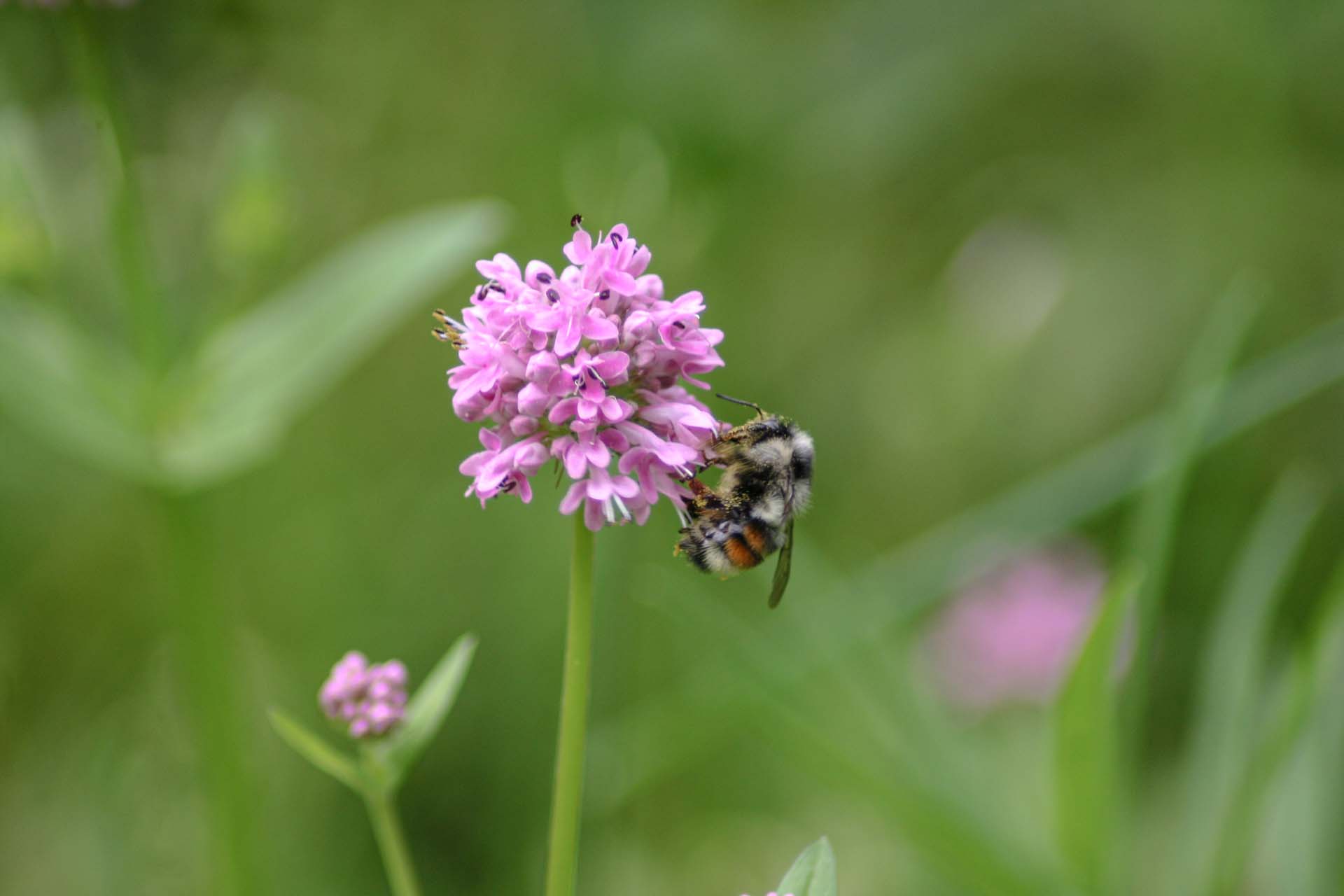
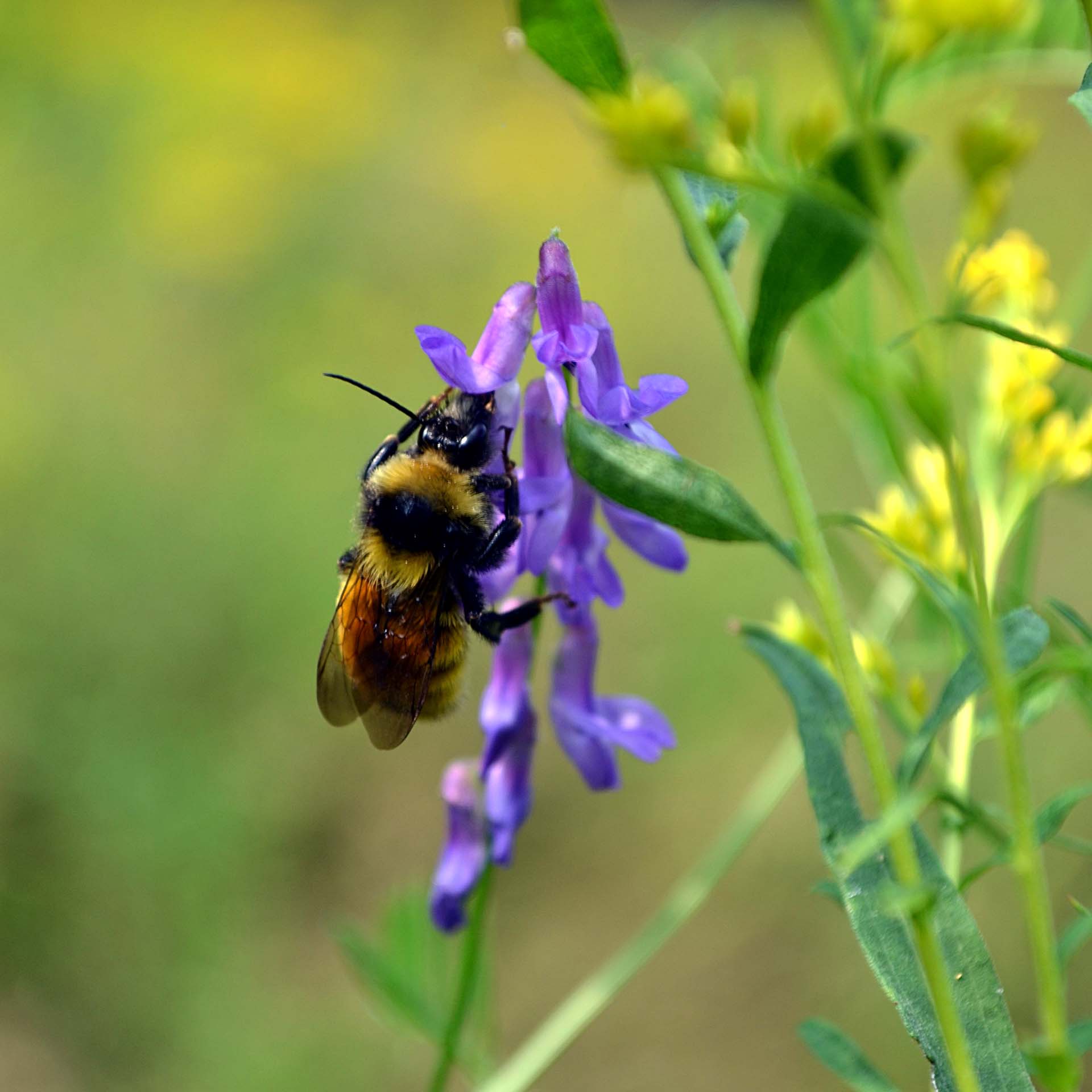
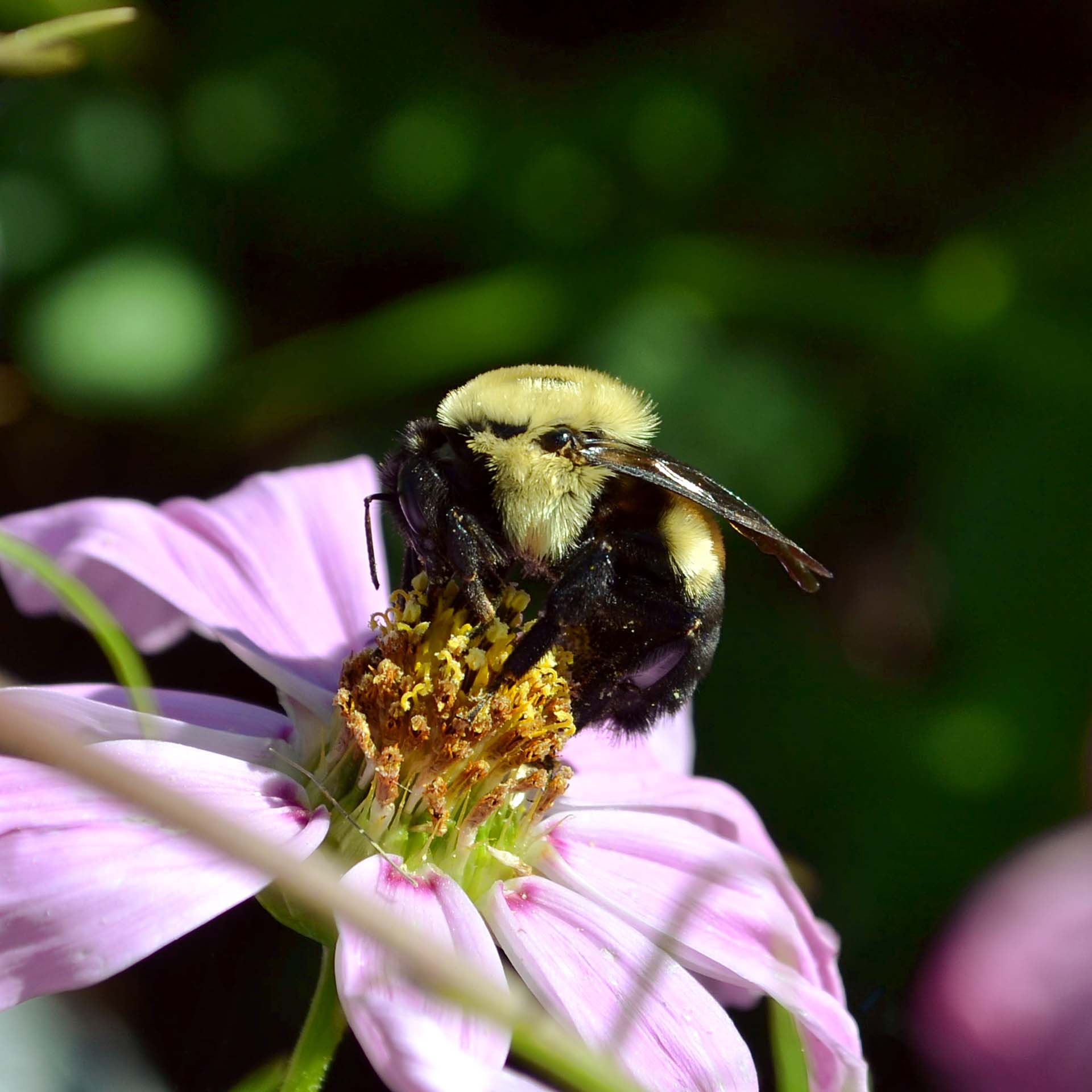
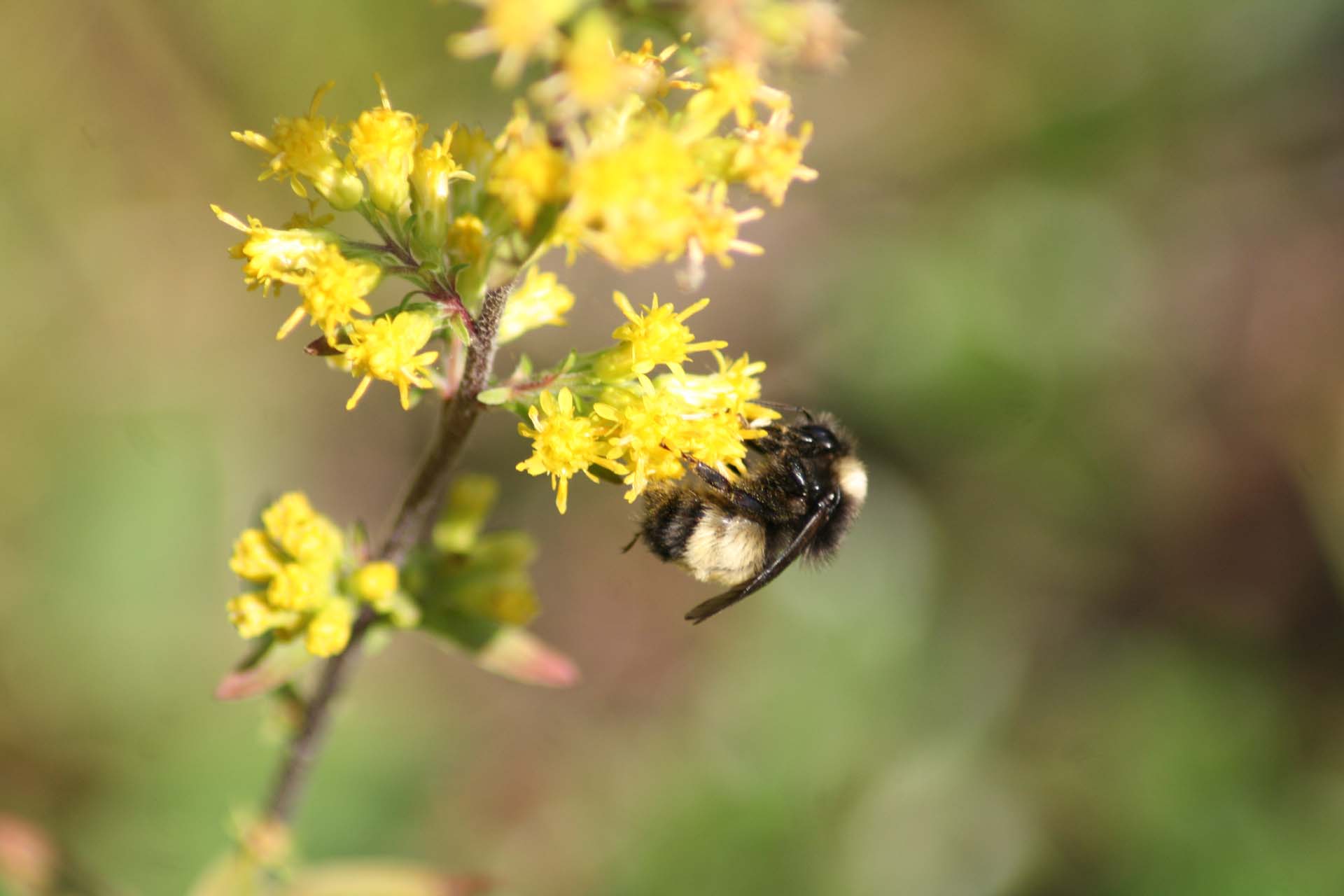
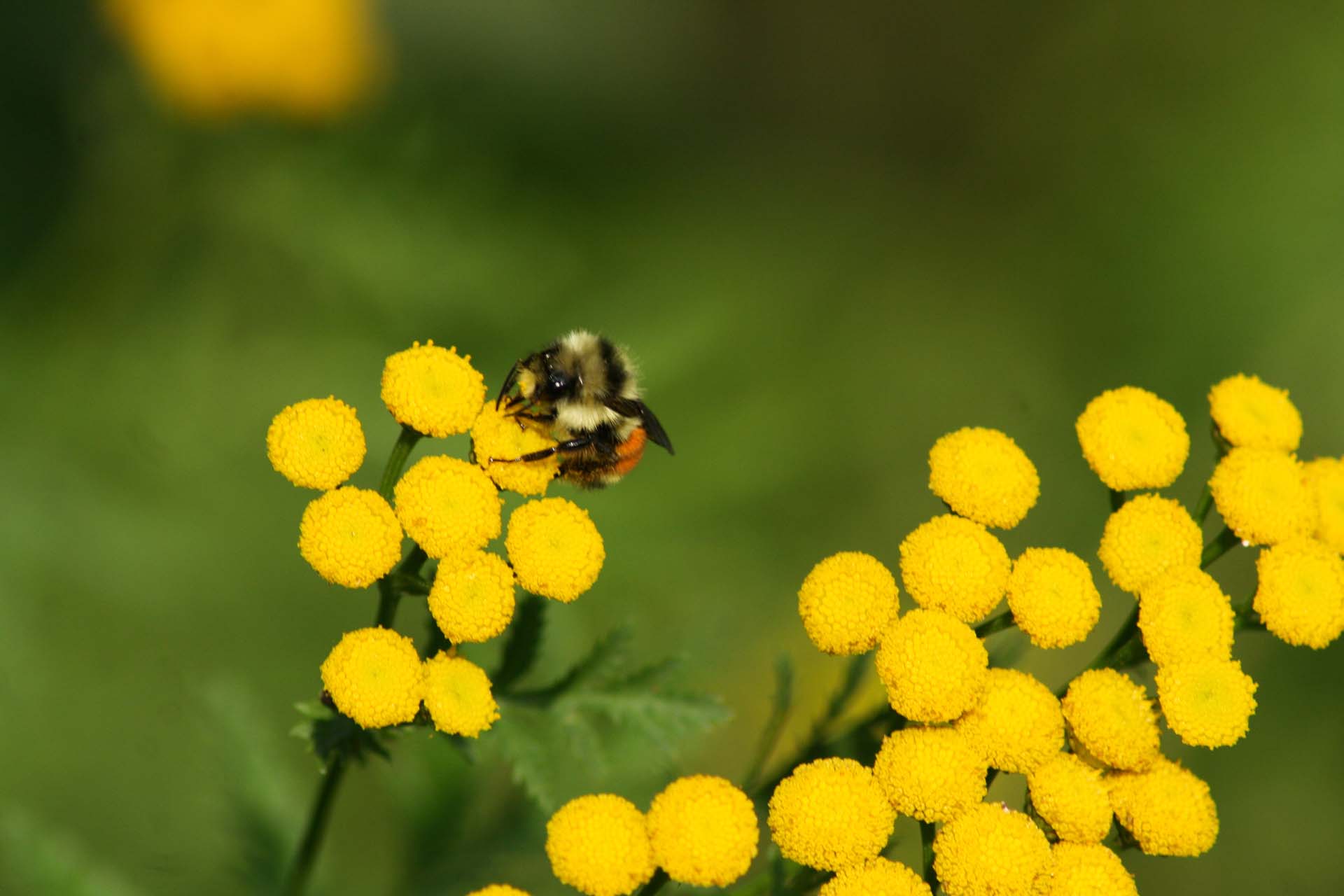
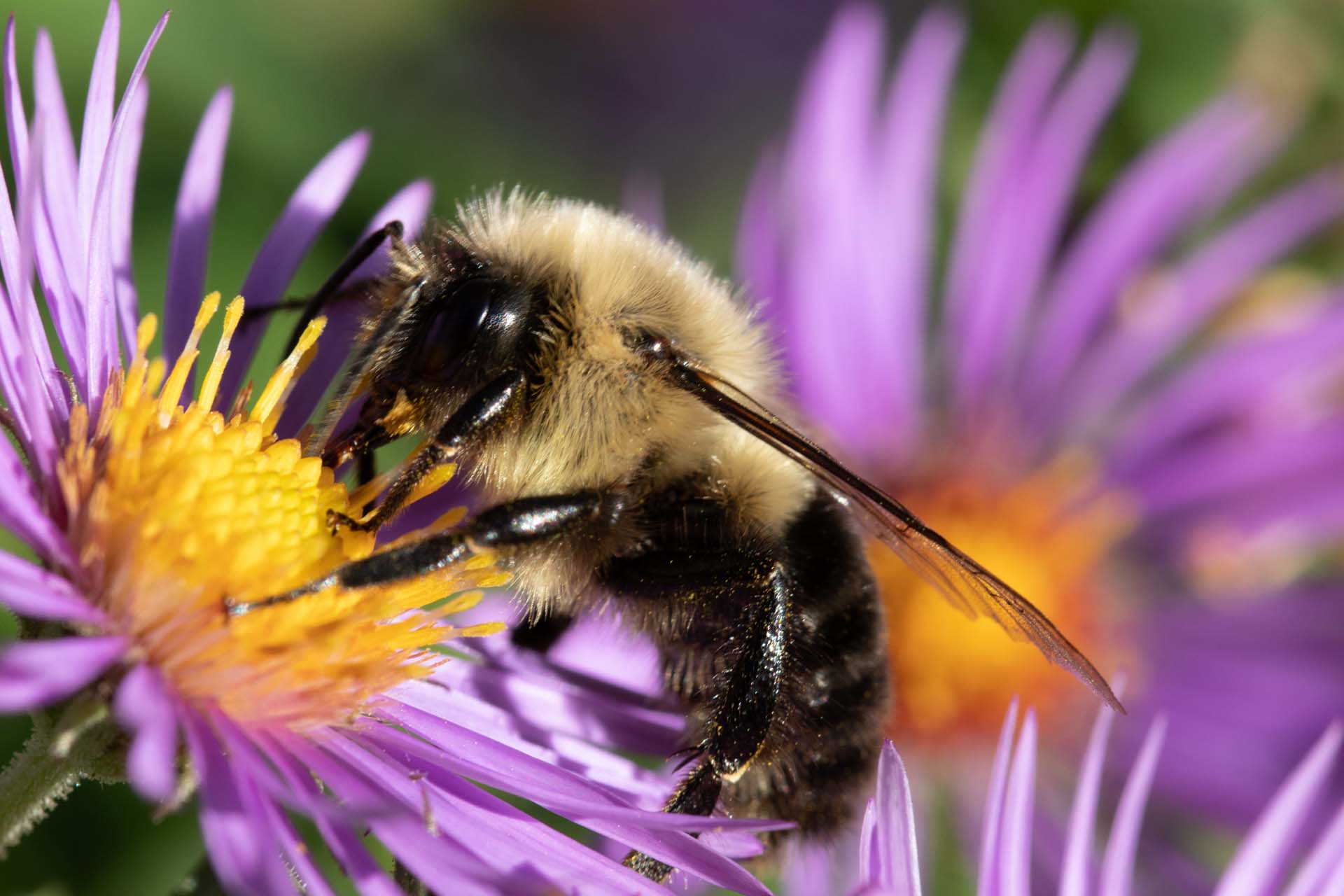
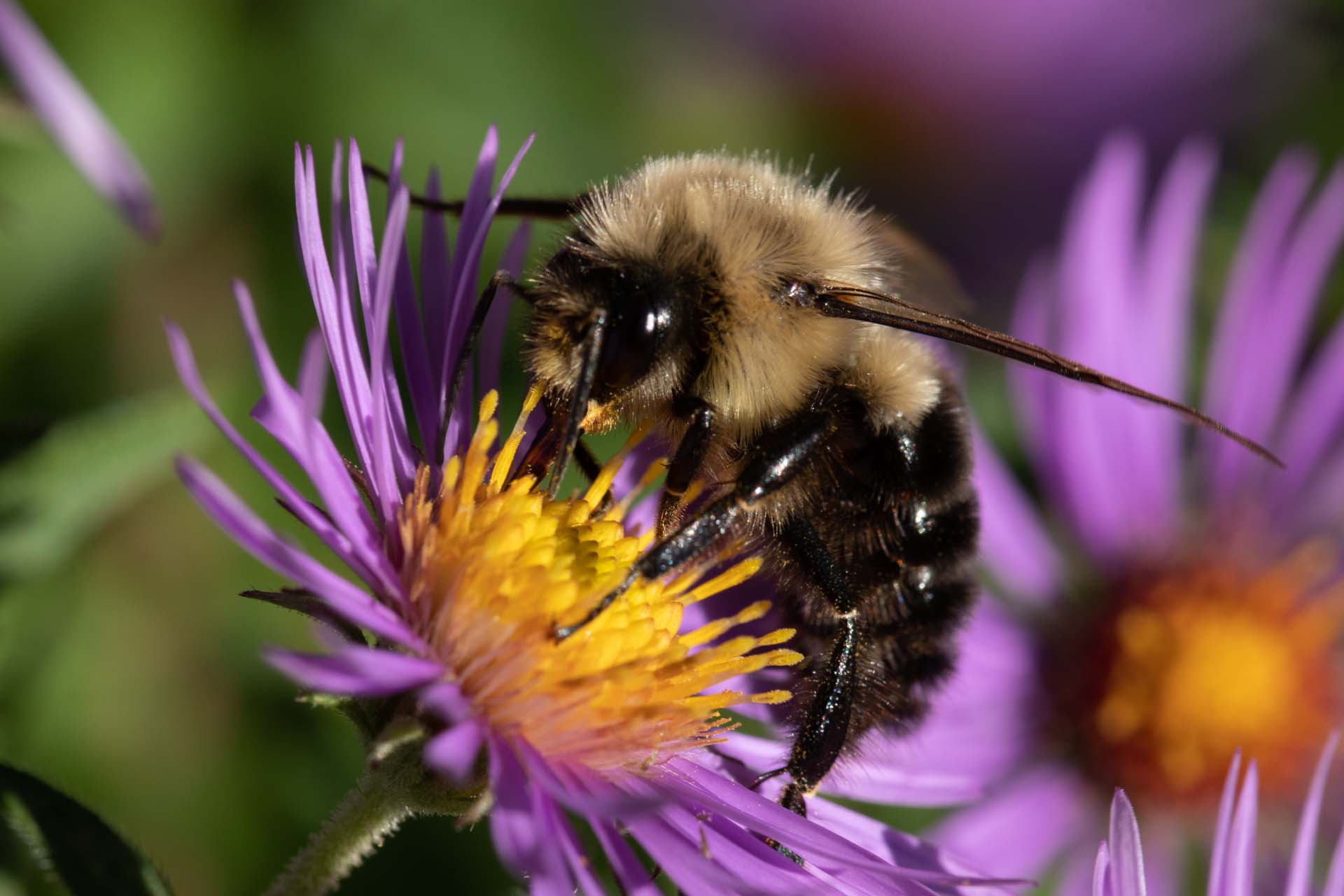
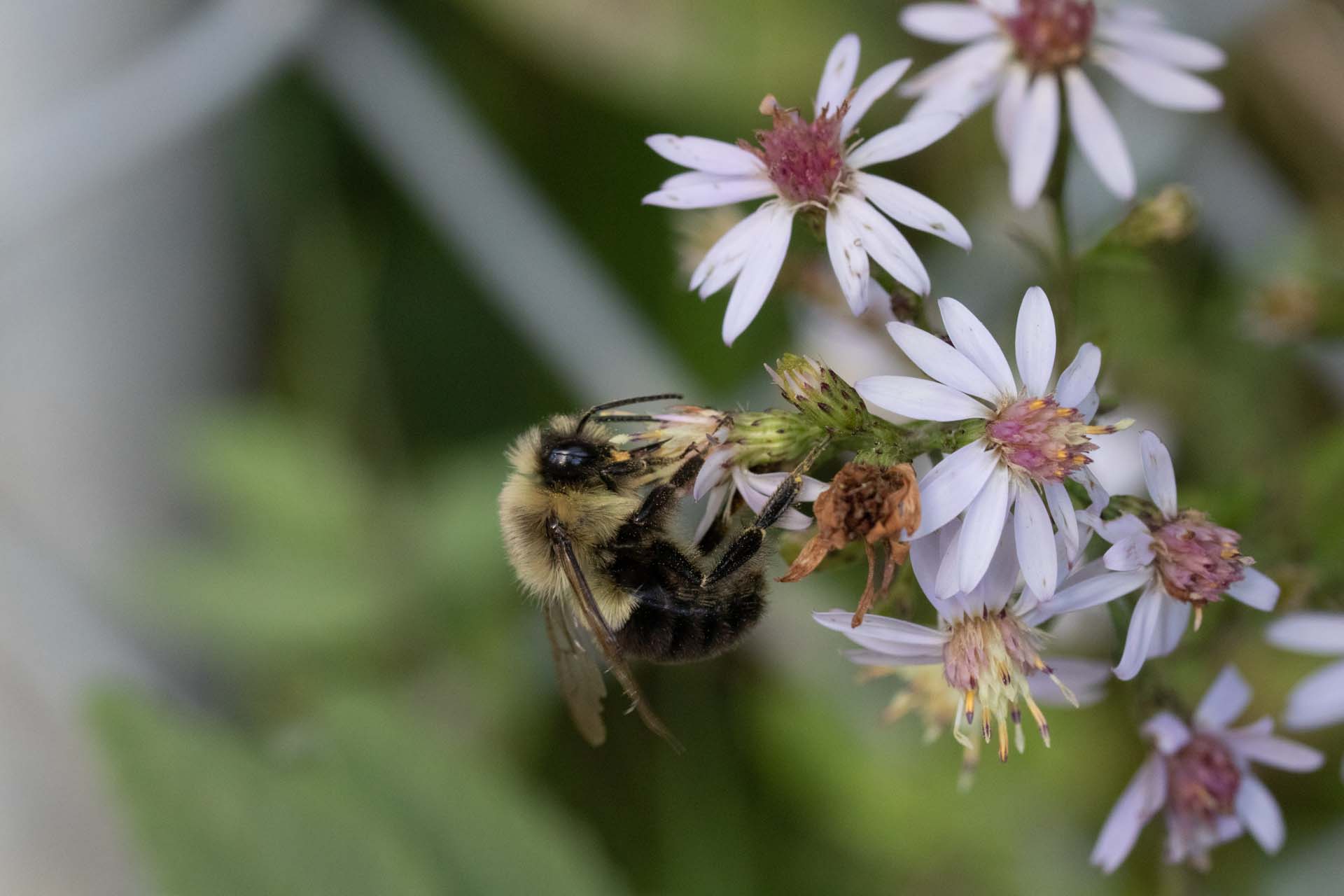
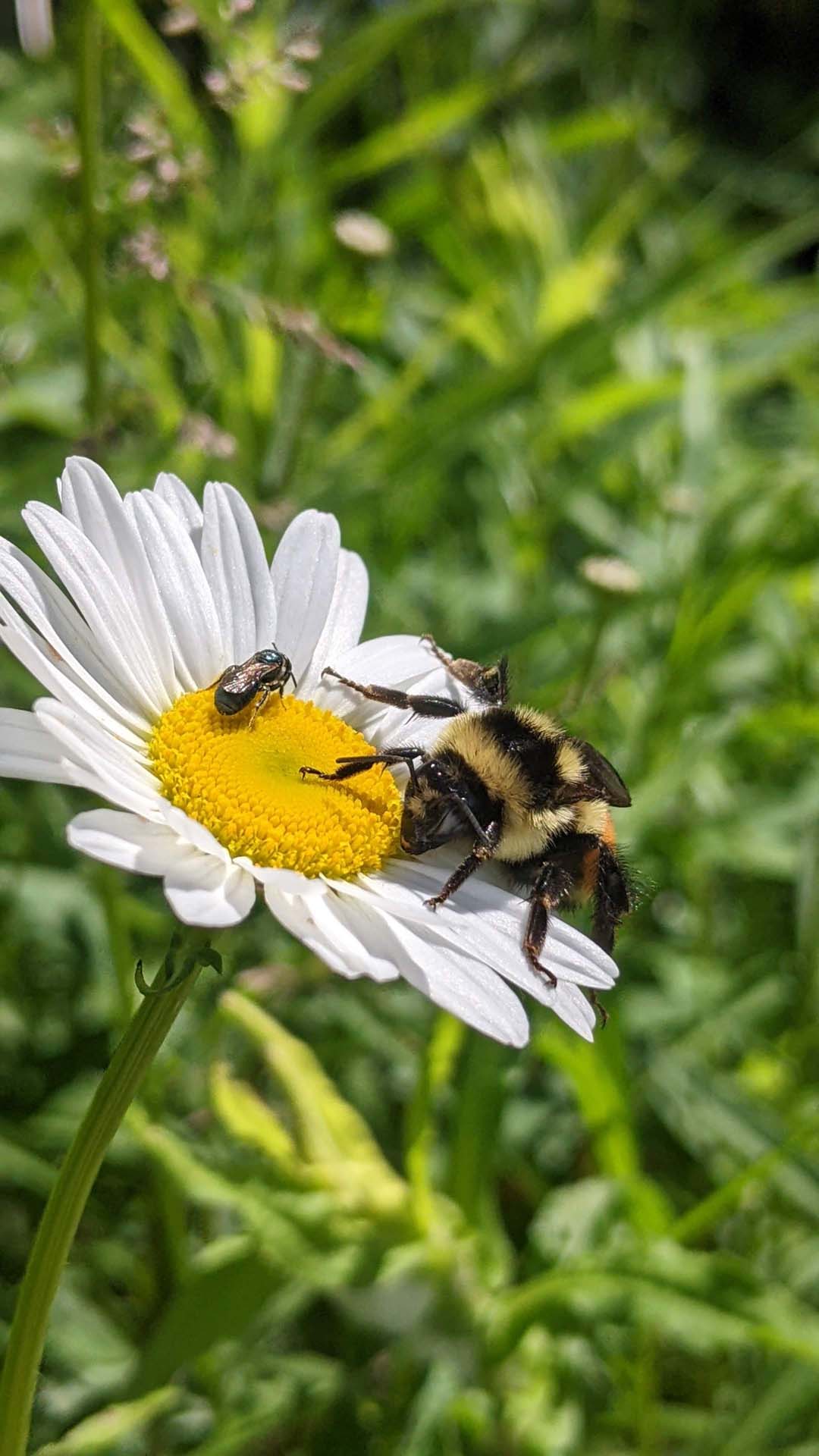
Bees from the genus Bombus are large and fluffy and quite recognizable with their buzzy sound. They typically have bright (yellow, cream or grey) and black patterns although some species also have orange or white stripes/spots. Workers vary in size depending on species, smaller ones are eight to 13 mm and larger ones are 21 to 25 mm.
PHOTO GALLERY
 |  |  |
 |  |  |
 | |  |
Feeding Habits
Bumble bees are active from early spring—when the queen emerges to start her colony—through to the autumn. In the summer, it is the workers that are most active in bringing food back to the colony. They are generalists, feeding on many plant families. Thanks to their long tongues, bumble bees visit all sorts of native flowers, from the small flat heads of asters to large tubular flowers like bellworts and columbines.
Bombus bees have the ability to move their wings rapidly to create a vibration that causes the flower to release the pollen. This process is called buzz pollination and is key for pollinating crops like tomatoes, eggplants, cranberries and blueberries.
Nesting
Bumble bees are social bees that usually nest underground in abandoned rodent burrows but can also nest in tree cavities or holes in the walls of houses or stone walls.
The colony lives from spring to autumn but members—except the queen—tend to live a shorter period of that time. In the fall, the new queens born that year leave the nest to mate with male bees from other hives and then find a place to overwinter in the ground. In the spring, the queens emerge to feed from early spring flowers and build up their storehouse of nectar and pollen to feed their young. The queen lays a few eggs and feeds them until these new individuals grow and are able to take over tending the duties of foraging, raising young and defending the colony. There are approximately 50 to 200 workers that make up the colony. These workers live for one season.
Neat Facts
Bumble bees also store nectar to feed their young, but because their colonies are smaller and do not last over the winter, they don’t keep large amounts in their nests (unlike Honey Bees).
Some bumble bees are parasitic (cuckoo) species living in other bumblebee species’ nests and using their resources to raise their own young. The queen cuckoo bee will kill the host bee queen and enslave its workers!
Bumble bees are very well adapted to resist cold temperatures (unlike other bees), as they are able to shiver their flight muscles to warm up. Some species can even be found in the Arctic!

Learn More
- 0
- 1
- 2


