


-
Make Way for Wild Migrants
2025-12-05
Sometimes called the lifeblood of the Earth, migration is like a vast circulation system that pumps blood toward the Earth's poles in spring and back toward the equator in fall.
-
Make Your Project Happen
2025-12-05
Creating habitat for migrants is simple if you develop your project in stages and if it is driven by student initiative.
-
Making Maps for Birds
2025-12-05
There are endless ways to make maps that will help our feathered friends as well as help students learn about them.
-
Map that Habitat
2025-12-05
Students select an area to map with birds in mind. They will map bird-friendly physical features, such as cavity nesting trees, food sources, sheltering trees, and water, as well as threats such as cats, pesticide-treated grass, and polluted water.
-
Microhabitat Projects
2025-12-05
With a little planning, physically and mentally challenged students can help bring habitat back to health.
-
Mighty Migrators
2025-12-05
Students draw murals showing caribou migration routes and the possible consequences of a pipeline being laid across the route.
-
Migrators
2025-12-05
Students discuss various ways in which birds have adapted to winter, with emphasis on migration. Students will choose several migrators common to their area, then draw maps or murals tracing the migration routes.
-
-
Migratory Species Need Migratory Spaces
2025-12-05
Everywhere, from the Arctic to Antarctica, finned, furred, fanged, and feathered travellers are on the go.
-
Mind a Micro-Migration
2025-12-05
You too can give safe passage to rambling reptiles and ambulatory amphibians.
-
Monitor Marine Migrants
2025-12-05
Students can leam a lot about marine migrants — and how they depend on healthy habitats to survive — by monitoring them both in real space and in cyberspace.
-
-
My Grampa’s Tall Tales
2025-11-28
-
National Parks and Wilderness Reserves
2025-12-05
Climate is Changing... Help Wildlife Weather the Storm
-
Native Friends, Invasive Foes
2025-12-05
Students compare and classify native and alien species, then research and hold a classroom debate about the differences between indigenous and exotic species, their positive and negative effects, and whether their populations should be conserved or controlled.
-
Natural Inquirer
2025-12-05
Students use interview techniques to research and write about an animal or plant affected by climate change.
-
Net Gain, Net Effect
2025-12-05
To describe the evolution of fishing and interpret the possible effects of changes in technology on fish populations.
-
Nurture Wildlife Habitat
2025-12-05
It's time we stopped treating our soil like dirt. This living resource may seem like pretty passive stuff, but there's a lot more to it than meets the eye.
-
-
Ocean Life on the Move
2025-12-05
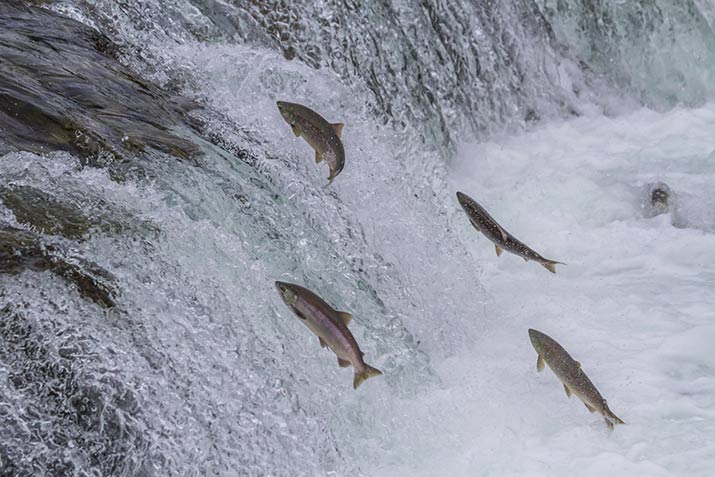
Life is a highway for billions of creatures that live, breed, eat, and play in the ocean.
-
-
Oceans are Indispensable
2025-12-05
The Earth needs oceans because all the elements on the planet are carefully balanced, including water, air, soil, and living things.
-
Oceans… Closer than you think
2025-12-05
You may live thousands of kilometres from the nearest coast, but the health of our oceans matters to all of us. And what each of us does affects their health.
-
-
On the Seashore
2025-12-05
Combining land and sea, fresh and salt water, these transitional environments are in a constant state of change.


