


-
 Native Plant Encyclopedia
Native Plant Encyclopedia
Growing regionally native plants supports your local and migratory wildlife and can be as rewarding as any of your current favourites. Use our quick or detailed search to find plants native to your province that match the growing conditions of your garden.
More
Focus on Flora
Plants At-A-Glance
Browse through a few of our Canadian species in these "At-A-Glance" fact sheets. Each page has basic information on some of our Canadian wildlife, with links to detailed, reputable sources such as Hinterland Who's Who and the Government of Canada. Don't see a species you need? Comments or questions? Let us know!
-
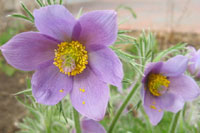
Pasque Flower
2026-05-21
Pasque flower grows up to 30 centimetres tall and forms a rounded clump, which increases yearly. It never gets out of hand, making it a desirable plant in any gardener’s flower bed. It has one flower with purple petals and yellow stamens, on top of each stem.
-
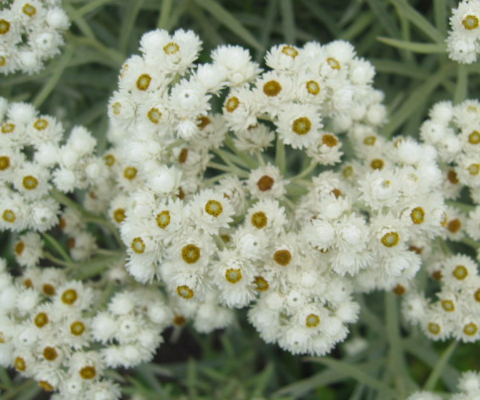
Pearly Everlasting
2026-05-21
Pearly everlasting can grow to up to nearly a metre tall and can eventually bush out equally as wide. The clusters of white flowers have yellow centres and bloom for many weeks from mid-summer through to early fall. The leaves are long and narrow with a silvery hue, thanks to the fine hairs that cover its leaves and stems.
-
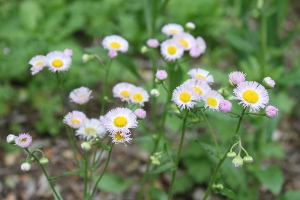
Philadelphia fleabane
2026-05-21
The Philadelphia fleabane stands about 30 to 100 centimetres tall. Its leaves are lanceolate and hairy measuring 5 to 15 centimetres long. The flowers are clusters of pinkish, pale purple or white blossoms that can be seen in bloom from May to October. Each blossom is 1 to 2.5 centimetres across and has up to 400 narrow ray florets around a yellow centre.
-
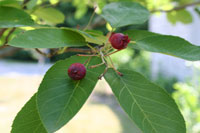
Serviceberries
2026-05-21
White flowers usually bloom before leaves are fully grown. Each flower has five long bright white petals. The flowers usually grow in clusters at the end of new growth, although at least one Canadian species has flowers growing from the leaf axils. They bloom anywhere from March to June, depending on the species and its location. The red or dark purple fruit are typically sweet and juicy, although some, like Amelanchier arborea are drier and don’t have as much flavour. They are all edible although, with local conditions such as soil and weather dictating their exact taste and juiciness.
-
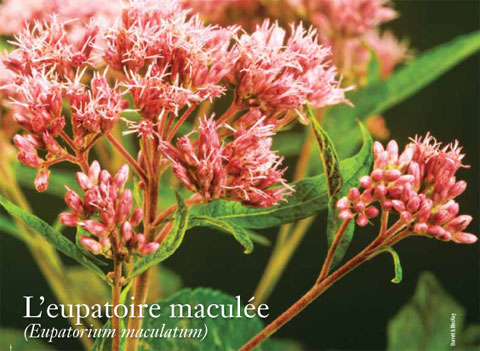
Spotted Joe-pye weed
2026-05-21
The Spotted Joe-pye weed stands between 60 centimetres and 1.8 metres tall. The leaves, which are six to 20 cm long, are also short-stalked, lanceolate, sharp-toothed and occur in whorls of three to five. The flowers are pinkish-purple tubular florets and occur in flat-topped clusters 10 to 14 cm wide. They can be seen in bloom from July to September. Their fruit are seed-like achenes with tuft of soft hair.
-
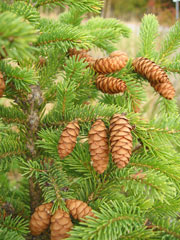
Spruce Trees of Canada
2026-05-21
Spruce trees are sometimes confused with other evergreens like pine and fir trees. Pine needles are longer, even those of the Jack pine, and both pine and fir needles tend to be gentler on your fingers than spruce needles when you approach from the tips. The needles of a spruce tree are arranged all around the twig. Spruce needles are four-sided except for the flattened Sitka needles, which have a little dip at the bottom, like the keel of a boat. Another clue that you’re looking at a spruce is if there are little pegs protruding from the twig at the point where the needle attaches.
-
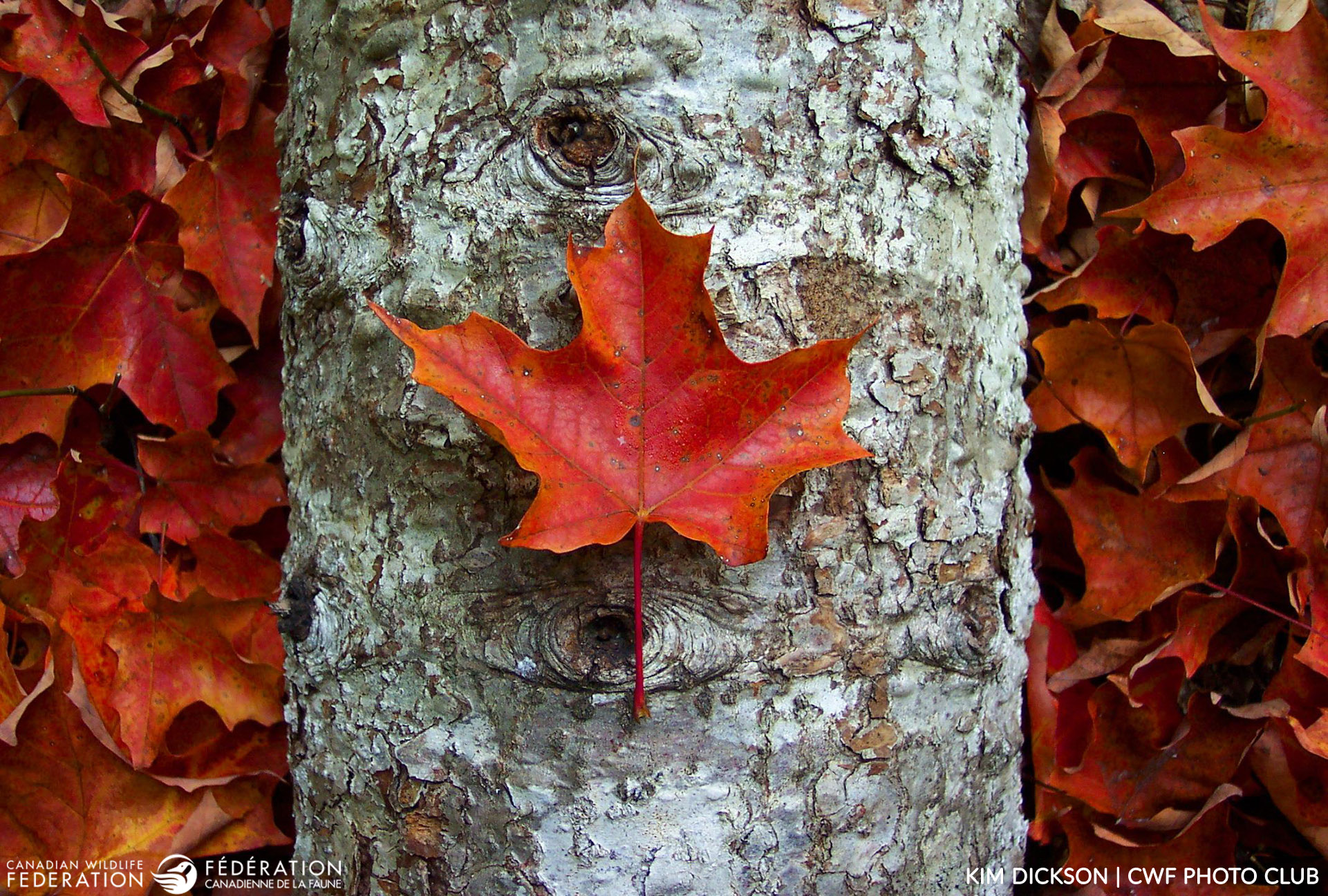
The Maples of Canada
2026-05-21
-

The Staghorn Sumac and Its Canadian Cousins
2026-05-21
This large shrub typically grows to six to nine metres and has compound leaves, meaning each leaf is composed of several leaflets. These leaflets hang down, have serrations (teeth) along the edges and turn a radiant red or orange in the fall. The thick branches are downy and resemble the velvety antlers of a male deer (stag), hence the common name of “staghorn.” Clusters of small greenish flowers form an upright cone that later form crimson red berries covered in fine hairs.
-
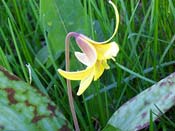
Trout Lily
2026-05-21
Trout lilies are low-growing plants that form colonies of plants of different ages. The youngsters are flowerless and have only one leaf, while older plants produce two leaves and a single flower. A plant’s corm has to reach sufficient depths (10 to 20 centimetres below ground) before it will devote energy to making the additional parts.
-
Understanding Botanical Names
2025-12-03


