


-
 Native Plant Encyclopedia
Native Plant Encyclopedia
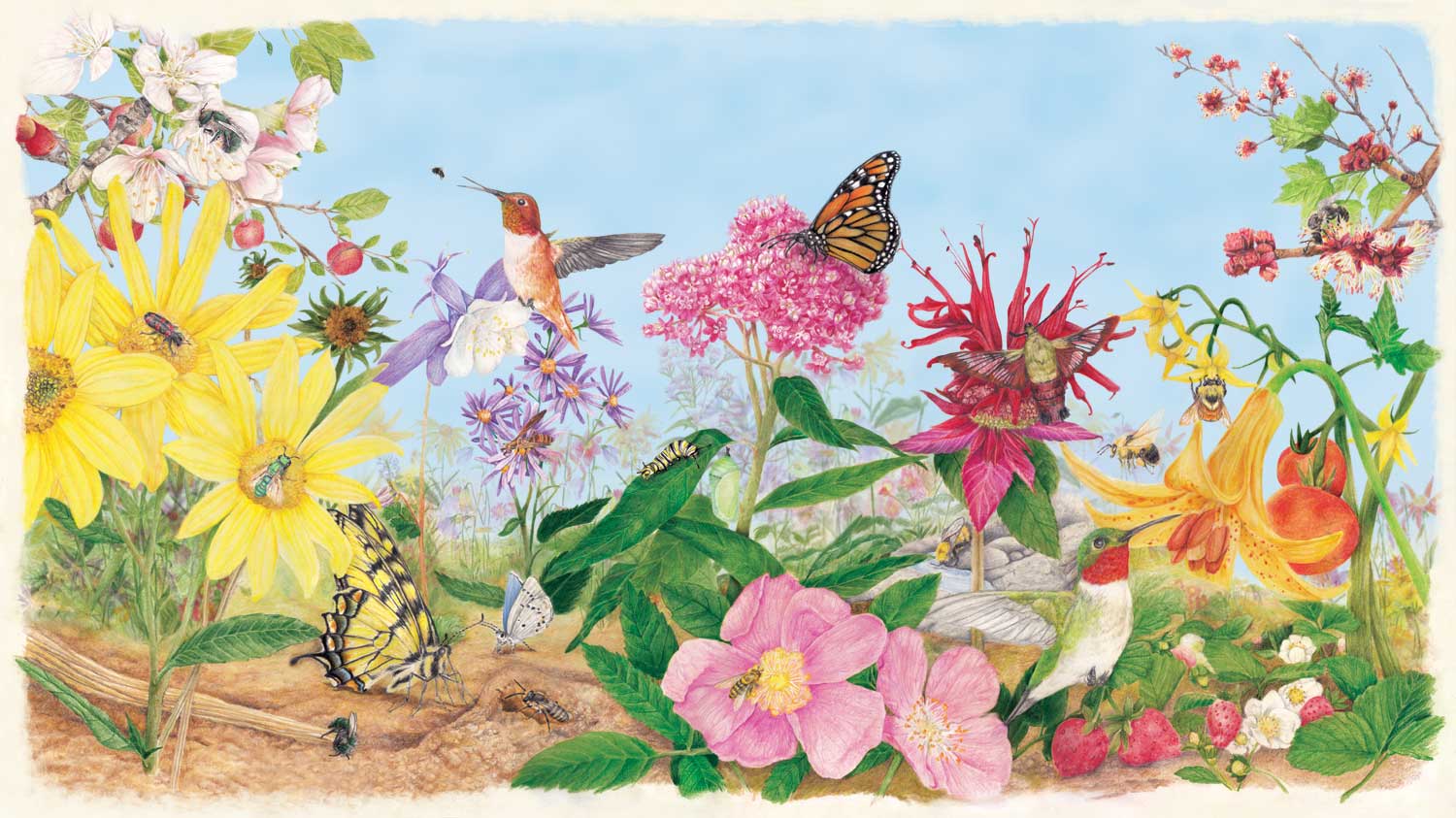
Growing regionally native plants supports your local and migratory wildlife and can be as rewarding as any of your current favourites. Use our quick or detailed search to find plants native to your province that match the growing conditions of your garden.
More
Focus on Flora
Plants At-A-Glance
Browse through a few of our Canadian species in these "At-A-Glance" fact sheets. Each page has basic information on some of our Canadian wildlife, with links to detailed, reputable sources such as Hinterland Who's Who and the Government of Canada. Don't see a species you need? Comments or questions? Let us know!
-
Virginia Creeper
2026-05-21
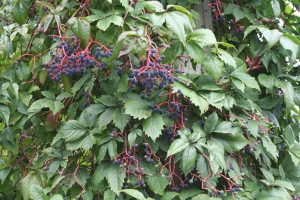
This vine has a woody stem and leaves composed of five leaflets, arranged palmately — like fingers that spread out from the palm of your hand. Its white flowers bloom by the end of the summer producing dark yet bright blue fruit in the early fall. This is in striking contrast to the brilliant red of its fall leaves.
-
Wild Ginger
2026-05-21
-
Wild Roses
2026-05-21
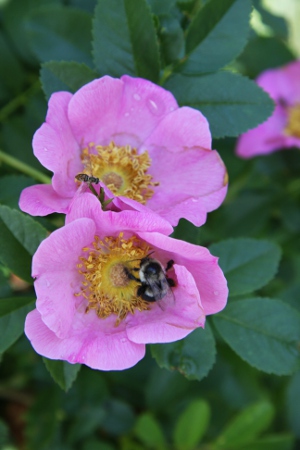
Wild roses have been used by people for centuries, provide food for pollinators, birds and mammals and are even the provincial flower of Alberta. Discover more about the uses, growing requirements and learn all about some Canadian species of this much-loved plant. <p>Native roses have pink blossoms, ranging from very pale to deep tones. They typically bloom around the end of June or early July. Their stems usually have thorns and their compound leaves (comprising several small leaflets) are arranged alternately along the stem. They often have a bushy appearance and interesting fall colour.</p>
-
Wood poppy
2026-05-21
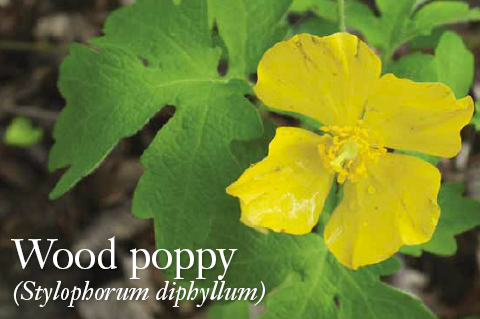
The wood poppy stands up to 40 centimetres tall. The leaves are mainly basal and up to 15 cm long and 6 cm across with a paler underneath with five to seven deeply divided, irregular lobed or toothed segments. The flower is deep yellow with four petals each 2 to 5 cm long; occur in clusters of up to four, blooming in May and early June. The fruit is a greyish hairy seed pod capsule divided into three or four longitudinal segments. All parts have a bitter yellow sap.


