


What’s in a Name?
For many of us, botanical names (aka scientific or Latin names) can be intimidating. After all, they are in Latin or sometimes Greek, both of which are unfamiliar languages to most of us. They can be hard to pronounce, let alone understand or remember. But once we take the pressure off and have a closer look, we start to see that the botanical names can be an insight to how that plant was perceived when given its official name which, at times, can be a help in identifying, choosing, talking about and caring for our plants.
Common names vs botanical names
But why not just use common names? While they may seem obvious to us, common names can mean different things to different people even within the same language and region but becomes even harder once you deal with someone in a different language. This makes it confusing and misleading if you are wanting to buy a plant, learn how to care for it or simply tell a neat story about it as the person at the other end might think you are talking about a completely different species.
- For instance, some plants have multiple common names like Aquilegia brevistyla which is called Blue Columbine, Yukon Columbine and Small-flowered Columbine. At least they all have columbine in their name, but then there is Asclepias tuberosa which is also called Butterflyweed, Orange milkweed and Pleurisy root!
- On the other hand, the same common name can also be used for very different plants, such as Brown-eyed Susans that could refer to a huge variety of different plants that happen to have yellow petals and dark centres. Goatsbeard could refer to Aruncus dioicus, a bushy native perennial (which also has other names like bride’s feathers and buck’s beard!) or Tragopogon dubius, a non-native plant found growing at the side of the road (also known as Yellow Salsify, Yellow Goatsbeard, Western Salsify and Wild Oysterplant).
- In addition to this, even if you are familiar with the common name, it can be written different ways, such as Brown-eyed Susans that sometimes drop the ‘d’ to just be ‘eye’ or drop the hyphen or simply use ‘black’ instead of ‘brown’. Other examples include Goat’s Beard/Goatsbeard and Butterflyweed/Butterfly Weed/Butterfly Milkweed
Botanical names were created so that each plant can be clearly identified with one official name that is recognized worldwide. That said, as helpful as they are, be warned that botanists tend to change names over time due to regrouping plants from time to time!
The parts of a botanical name
Botanical names typically have two words. The first refers to the genus (genera for plural) which is a group that the
plant belongs to thanks to characteristics those plants share.
The second word, called a specific epithet, indicates the actual species.
Both words are always written in italics, with the genus capitalized and the epithet in lowercase.
For example, the Rose Family (families are a higher level of grouping) has several genera including:
⦁ Rubus (raspberries and blackberries)
⦁ Prunus (plums and cherries) and
⦁ Amelanchier (serviceberries)
Each of those genera have species like:
⦁ Rubus occidentalis (Black Raspberry)
⦁ Prunus virginiana (Choke Cherry) and
⦁ Amelanchier alnifolia (Saskatoon Serviceberry)
Botanical names as clues
The terms here refer to the specific epithet of a botanical name to shed a bit of light as to why a plant was given its
name. They can sometimes be clues to let you know what others have seen in them – their growth style, their appearance
or region they were found in. Sometimes the name, however, relates to the person who gave the plant its official name,
as in ‘lewisii’ after a scientific explorer named Meriwether Lewis.
The characteristic is not always obvious to the observer and further down, in the “Country where found” section, keep in
mind that the plant’s native range may extend beyond the word in their name, as some implying Canada are also found in
America and vice versa.
To demonstrate the terms, plants are listed below each term. All are native with the exception of Echinacea purpurea which
is a popular plant that was introduced but not considered invasive.
Colour or shading
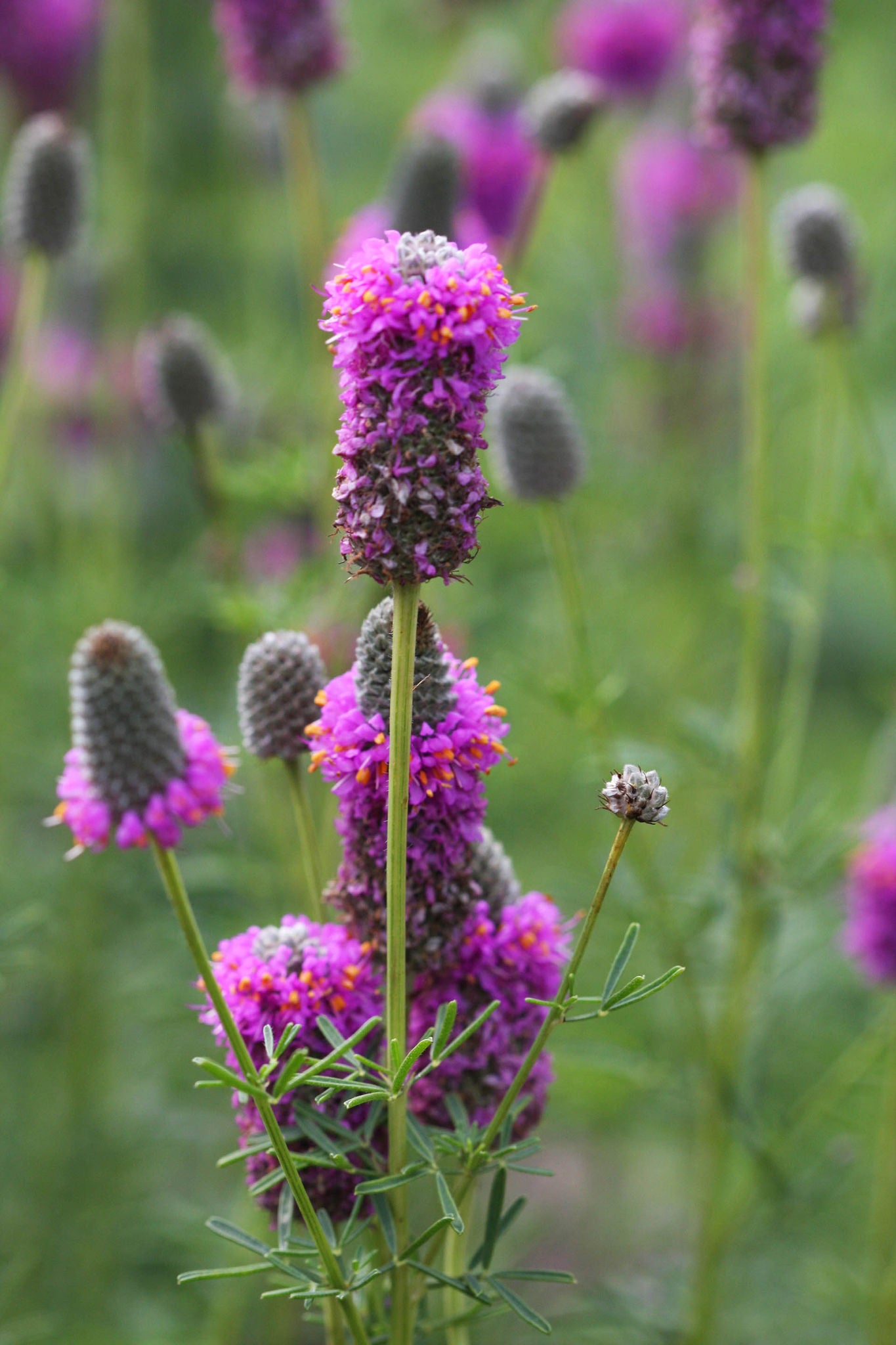
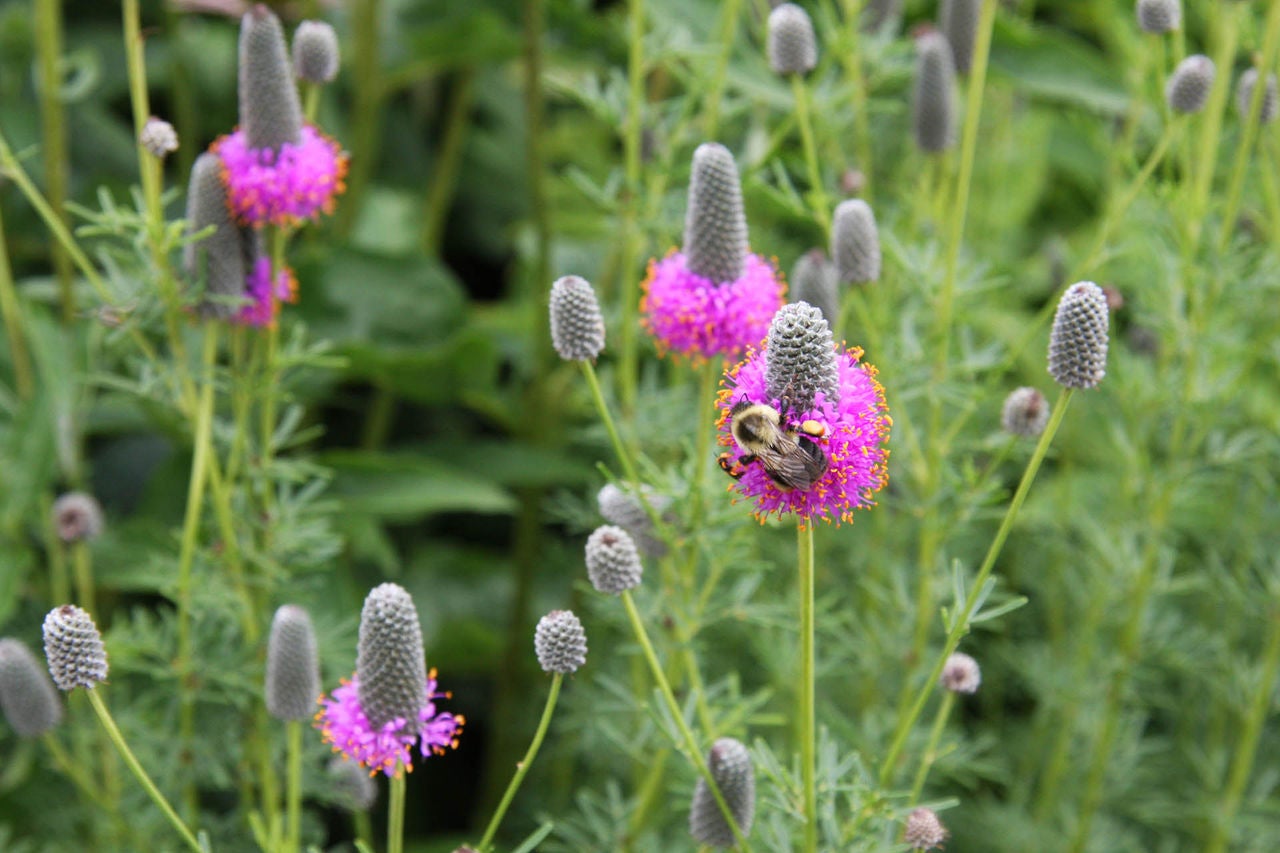
Overall appearances or specific features:
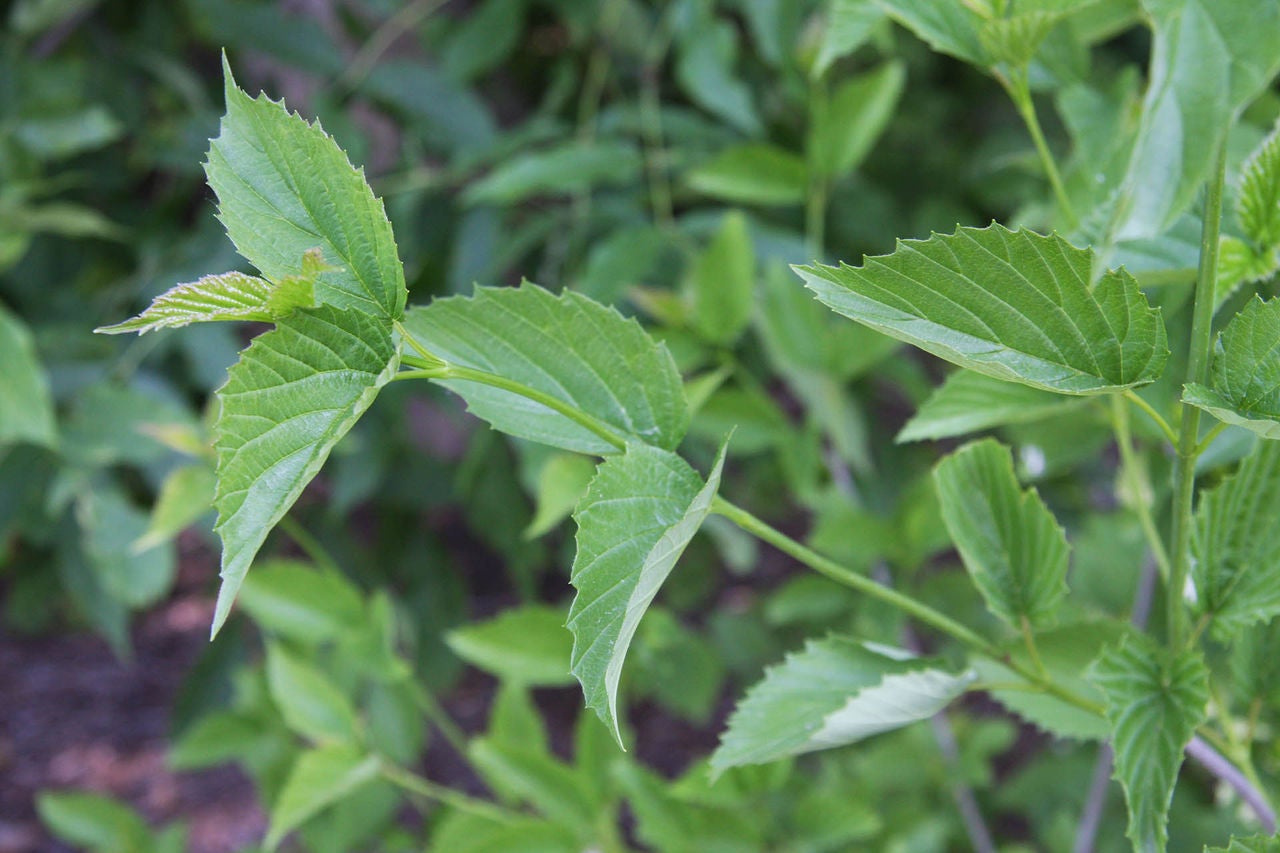
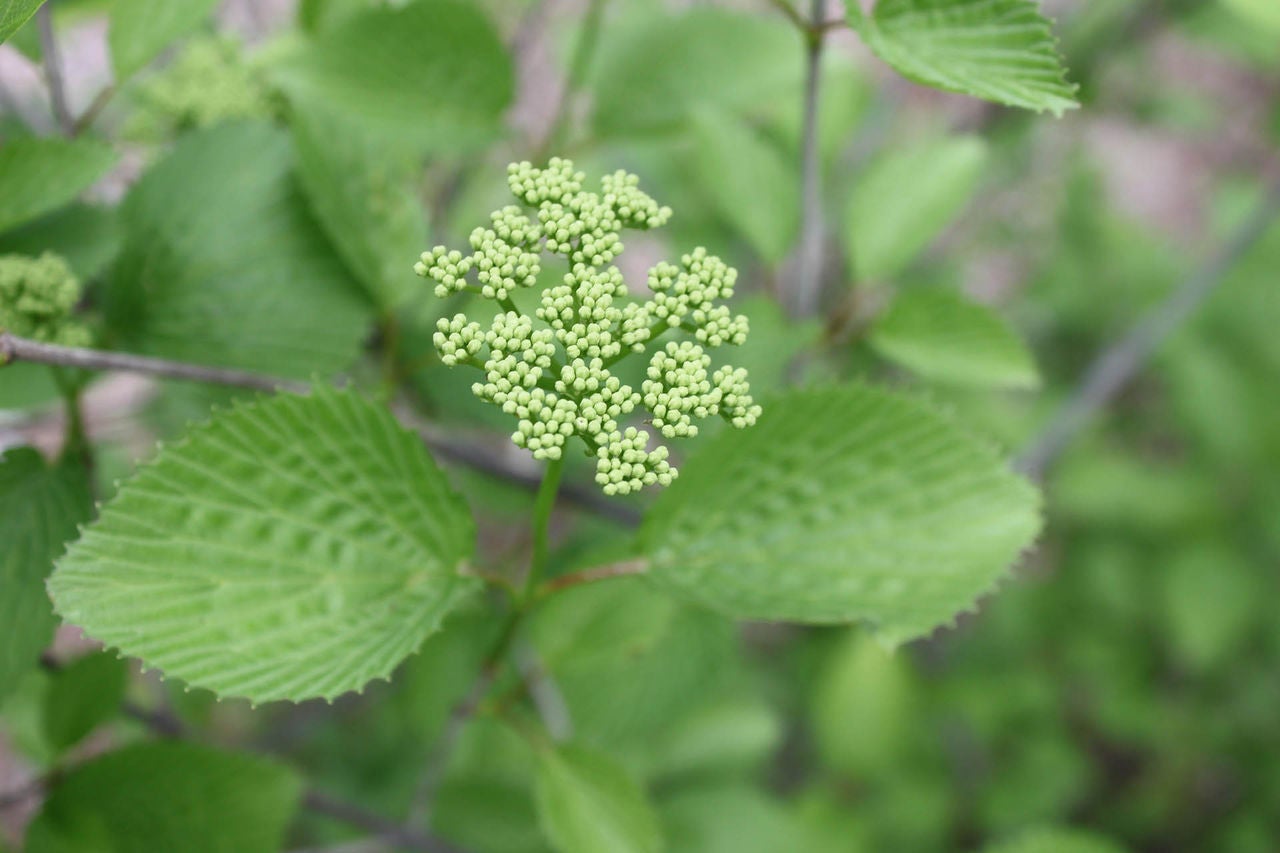
Country where found, region where it grows:

Learn More


