


-
 Native Plant Encyclopedia
Native Plant Encyclopedia
Growing regionally native plants supports your local and migratory wildlife and can be as rewarding as any of your current favourites. Use our quick or detailed search to find plants native to your province that match the growing conditions of your garden.
More
Focus on Flora
Plants At-A-Glance
Browse through a few of our Canadian species in these "At-A-Glance" fact sheets. Each page has basic information on some of our Canadian wildlife, with links to detailed, reputable sources such as Hinterland Who's Who and the Government of Canada. Don't see a species you need? Comments or questions? Let us know!
-
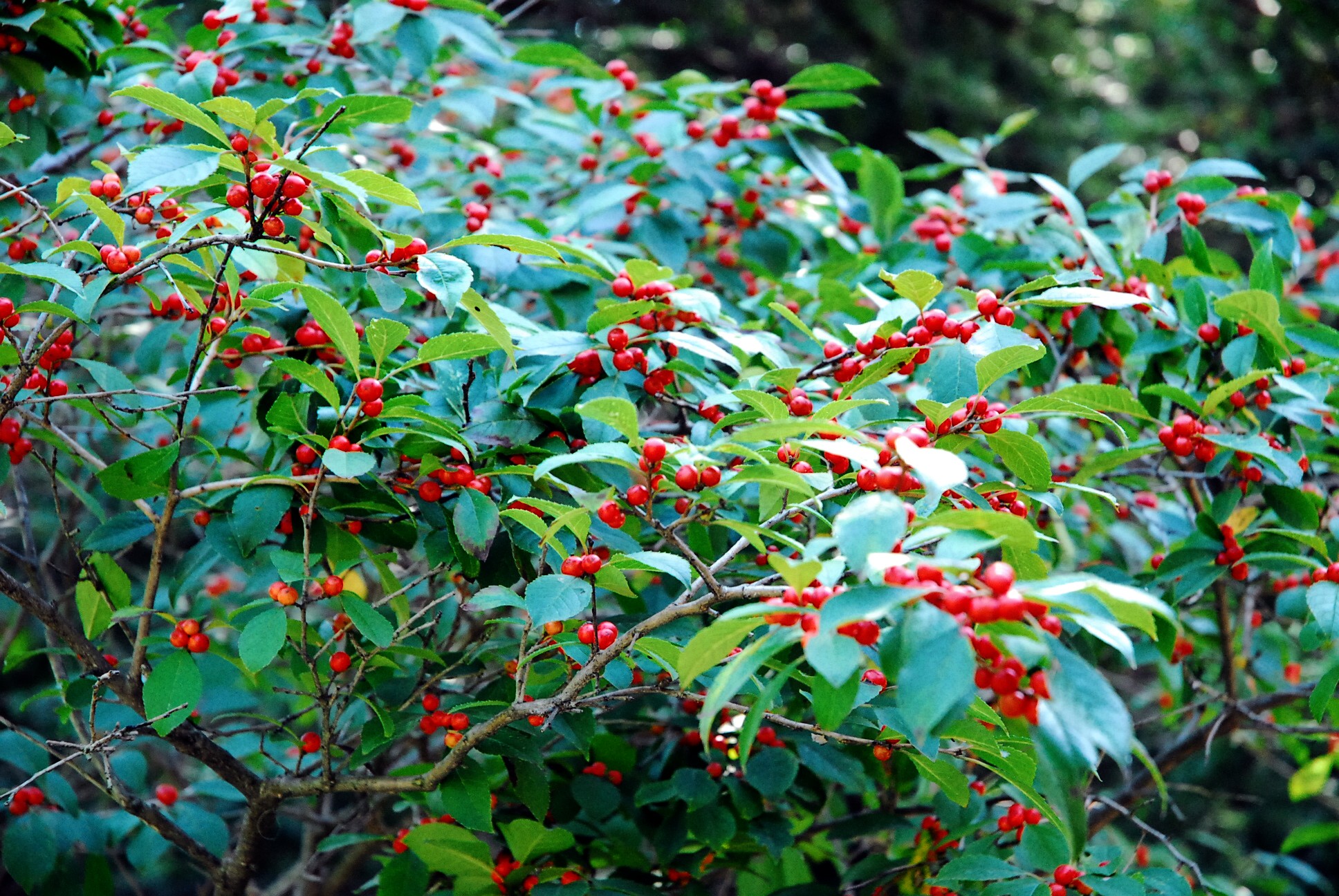
Canadian Holly
2026-05-21
Winterberry typically grows to three or four metres tall. Its leaves are widest above the middle with a pointed tip with fine teeth along the edges. Flowers are small and white and either male or female, with only one flower type per plant. Winterberry fruit is bright red-orange and stay on the tree long after the leaves have fallen. They tend to be plump for the beginning of winter but shrivel up by the end of the season.
-
-
Christmas fern
2026-05-21
The Christmas fern reaches 10 to 60 cm long with fronds (leaves) that have approximately 20 to 40 pairs of pinnae (leaflets). The pinnae are pointy at the tip, while the base has an upward pointing lobe that resembles a thumb in a very long mitten or toes in a sock. The upper pinnae of several fronds are fertile and much smaller, bearing the sori (spore clusters, similar to seeds) on their undersides.
-
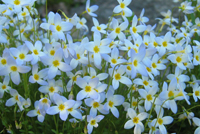
Common Bluet
2026-05-21
Bluets are low-growing perennials whose mound of leaves may reach one or two centimetres while the stalked flowers take the plant height up to 10 or 15 centimetres. There are numerous basal leaves and a few small opposite leaves along the stem. The tubular flowers have four petal-like lobes and appear singly atop a thin stem. They are blue with varying degrees of white, and have bright yellow centres.
-
Copy of Ozone Layer 101
2025-12-05
By Sara Chesiuk<br />We’ve all heard about the ozone layer. We know it’s a gas in the sky and that it protects the Earth from harmful UV rays. We’ve heard a little something about a hole, a little something about CFCs and a little something about depletion. But knowing “a little” isn’t enough, especially since the ozone layer is vital to our world’s well being.
-
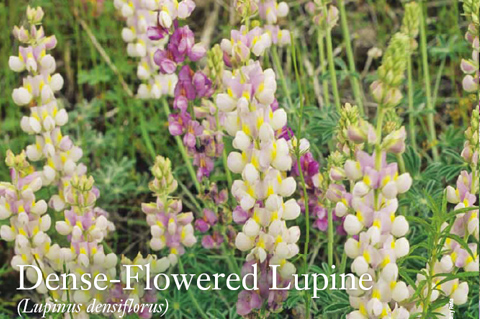
Dense-Flowered Lupine
2026-05-21
This plant can stand 20 to 30 centimetres tall with a stem that is hairy. The elliptical small leaves, which are smooth on top and hairy on the bottom, are usually in a group of 8 to 10 measuring 1.5 to 3 centimetres in length. They are attached to the stem by very hairy stalks. Each axis carries several pealike blooms which are white but can be tinged with pink or yellow colours and can be seen in bloom from May to October. This plant carries 2 centimetre long hairy egg-shaped pods that contain one or two brownish seeds which are 4 to 6 centimetres long.
-
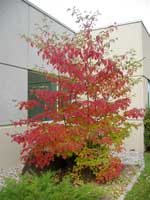
Dogwood
2026-05-21
Our native dogwoods have four-season appeal. With spring come flowers, sometimes showy, sometimes fragrant. Summer brings berries that contrast nicely with the leaves. Autumn leaves are eye-catching, with shades of red and orange and, for some species, a late show of bright berries. For one species, at least, snowy winter affords a stunning contrast of bright red branches against the white snow.
-
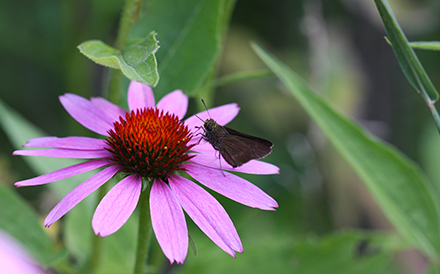
Echinacea
2026-05-21
Herbaceous perennial that can grow to 70 centimetres. Large pink flowers bloom atop hairy stems for several weeks in the summer. It has long narrow leaves, mainly at the base of the plant, that are covered in fine hairs.
-
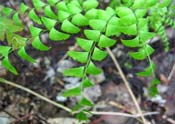
Ferns
2026-05-21
Ferns are known for their lacy look, with leaves (called fronds) divided into leaflets (pinnae). Some species’ leaflets are divided just once, as with the common polypody and Christmas ferns, while others, such as the lady fern, are divided twice (bipinnate).
-

Fir Trees of Canada
2026-05-21
Firs, like spruces, are noticeable from a distance because of a conical form whose base is wider than its crown. Balsam and subalpine firs that grow in the open, they have something of a triangular look with a very pointed crown. When growing in dense stands, lower branches may be absent or without needles, having died off from reduced sun exposure and so having changed the shape of the tree.


