


-
 Monarchs
Monarchs
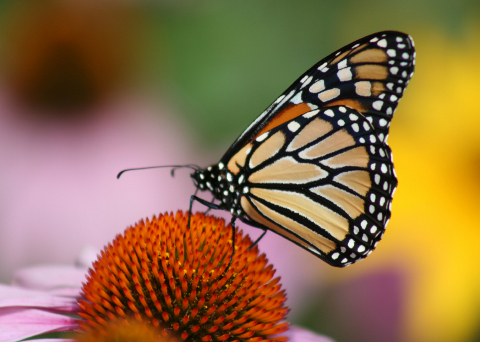
Across North America, populations of the iconic Monarch Butterfly are in steep decline. The brilliantly-coloured Monarch is a summer breeder in many areas of southern Canada, and most Canadian-born adults head to the highlands of central Mexico to overwinter. It takes four to five generations of Monarchs to make it to Canada during the spring migration. In 2016, the Committee for the Status of Endangered Wildlife in Canada (COSEWIC) listed the Monarch Butterfly as Endangered.
More -
 Fabulous Flies
Fabulous Flies
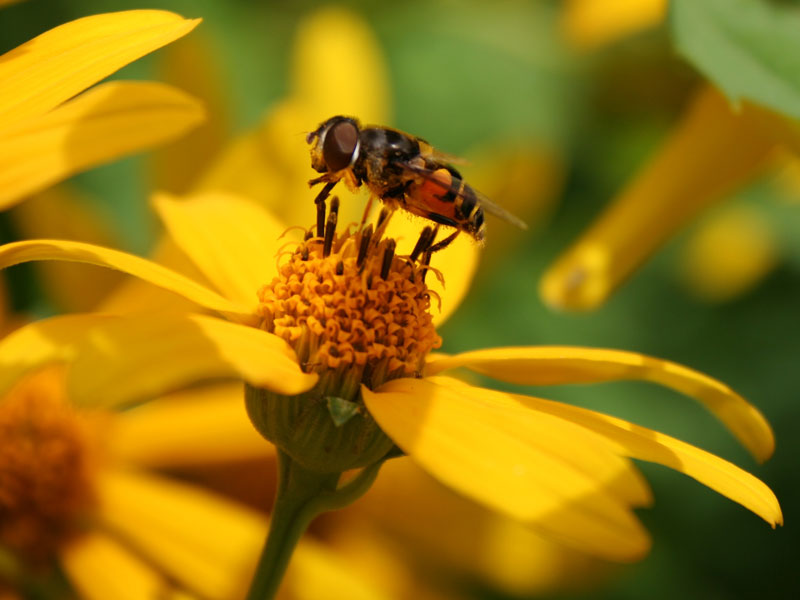
Flies are very important pollinators. They also help with decomposition and pest control as well as contribute to the health of some water bodies. Learn more about some of Canada’s flies here.
More

Browse through a few of our Canadian species in these "At A Glance" fact sheets. Each page has basic information on some of our Canadian wildlife, with links to detailed, reputable sources such as Hinterland Who's Who and the Government of Canada. Don't see a species you need? Comments or questions? Let us know!
-
Fireflies, Lightning Bugs
2025-12-05
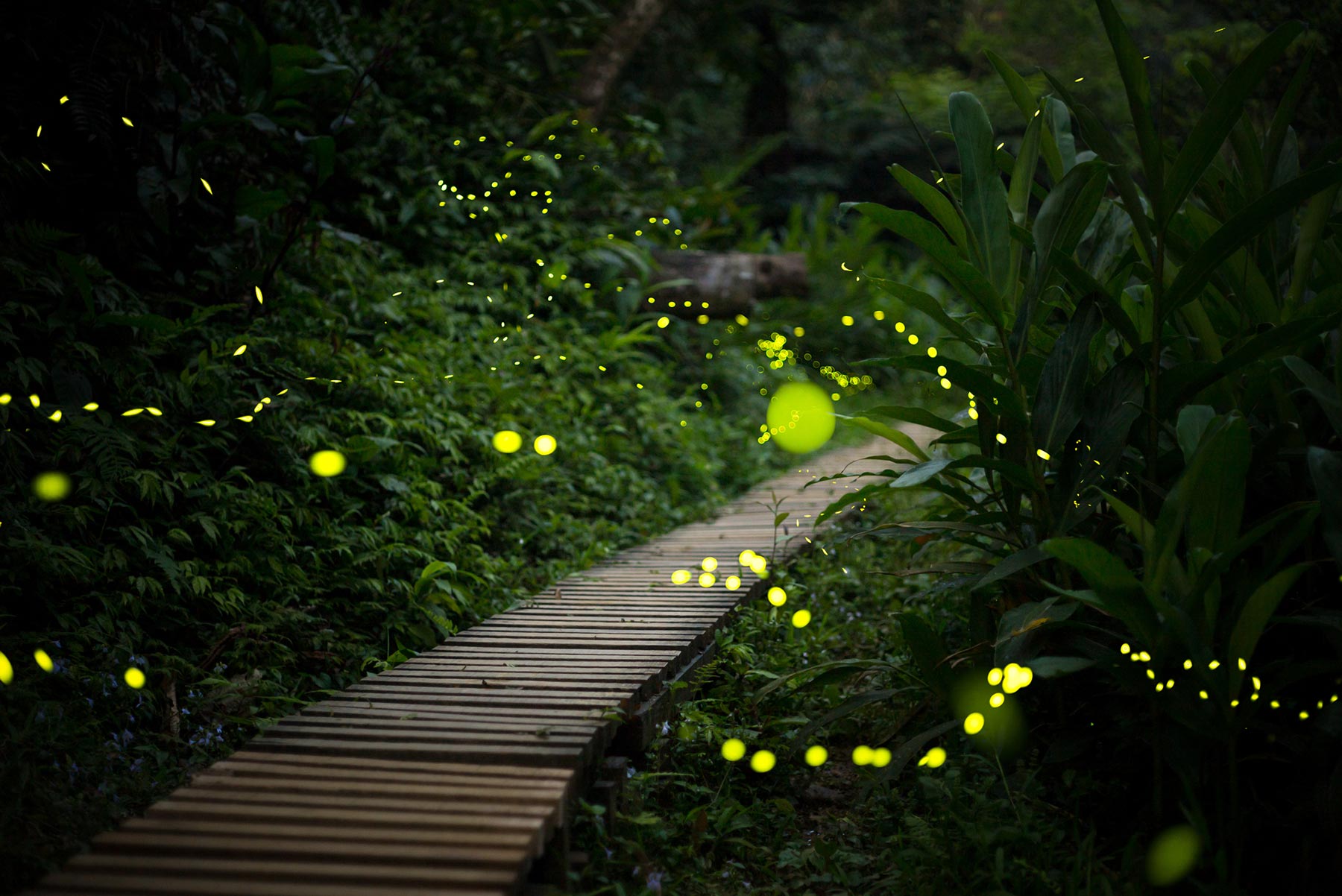
Despite their name, these insects are not flies. They’re actually beetles. There are 29 species believed to be native to Canada, but there is a lot about this group of insects that is still being discovered, including the various species. Fireflies have elongated bodies and their heads have a “pronotum”, which is a cover that protects the top of their heads although, when viewed from the side, you can see their heads. Their upper pair of wings are hard and also serve as protection, similar to ladybugs, aka ladybeetles, which are in the same Coleoptera family. Their larval, or immature, form resembles a grub or millipede. Some live on land (terrestrial), some live in water (aquatic) and others are semi-aquatic.
-
flies
2025-11-20
-
flies
2025-11-20
-
-
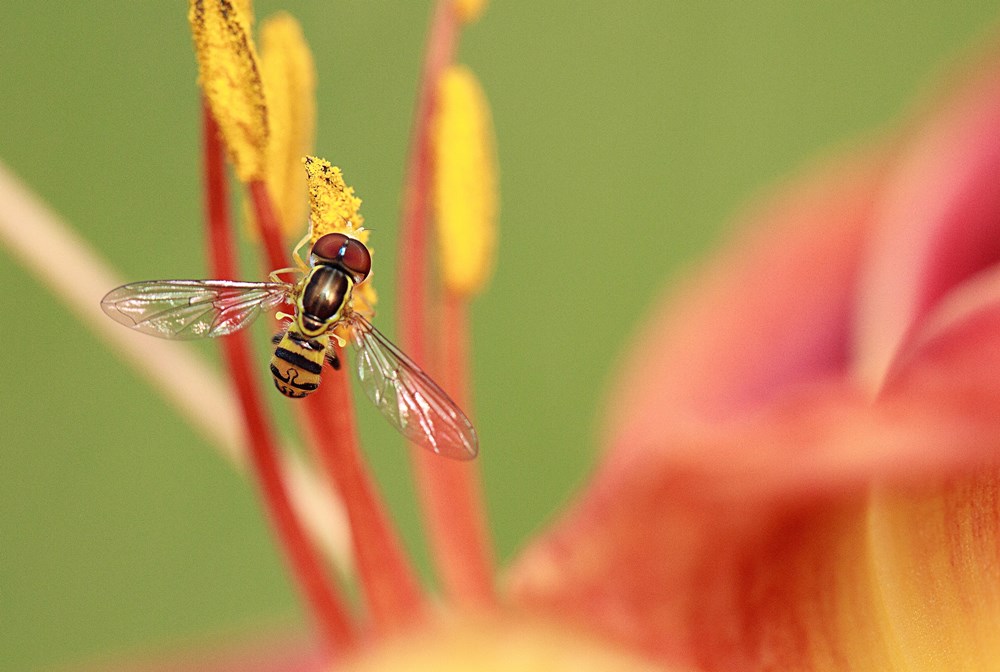
Hover Fly
2025-12-05
This very large family has great variation in looks. The most commonly seen ones, however, tend to be approximately 8–12 mm long with yellow and/or orange and black on the abdomen. All members of the Syrphidae family have a distinctive squiggle or false vein (spurious vein) running through the middle of the wing.
-
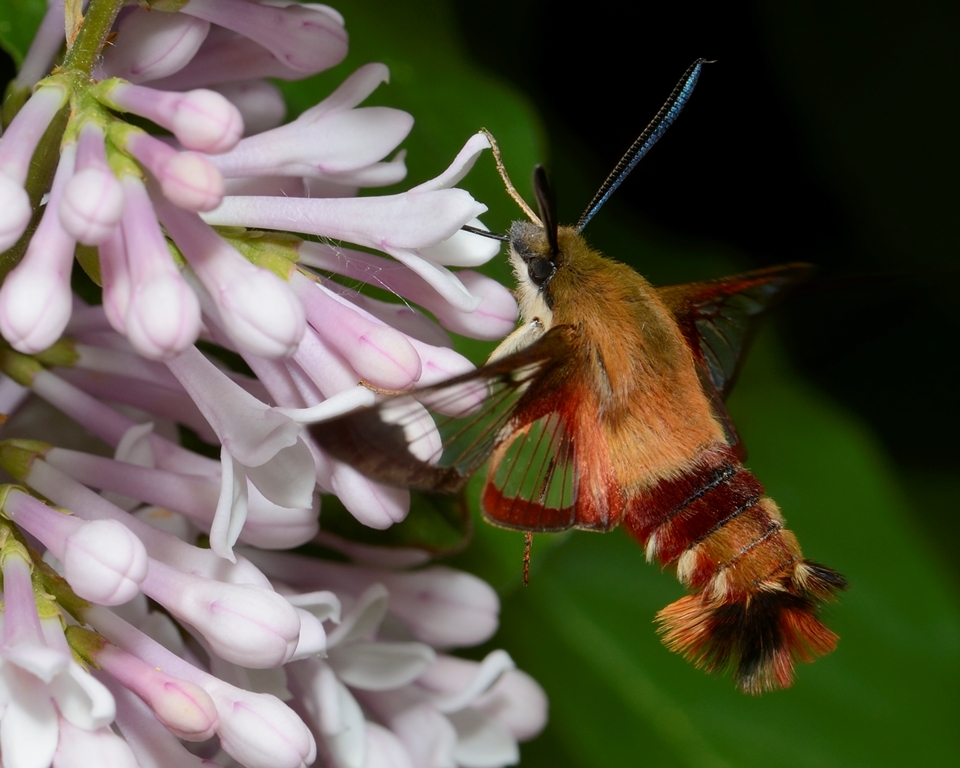
Hummingbird Clearwing Moth
2025-12-05
Adult wingspan is approximately 4–5.5 cm. The adult (moth’s) head and upper back area (thorax) is olive to tan, and the chest area (thorax) is cream or white. Their lower back and belly (abdomen) are dark reddish-brown or black (though the lower portion of the lower back can be lighter in colour). Their wings are clear with a reddish-brown border and veins. Young (larvae/caterpillars) are bright green with a line of white dots that end in a fleshy, pointy extension resembling a tail. There are also small reddish spots along its side.
-
Ladybug 101
2025-12-05
The ladybug is one of Canada’s most beloved insects. Many people believe that there is only one species of ladybug native to North America and that you can tell how old ladybugs are by counting the spots on their backs. In reality, North America had has over 450 native species of ladybug, also known as lady birds or lady beetles.
-
-
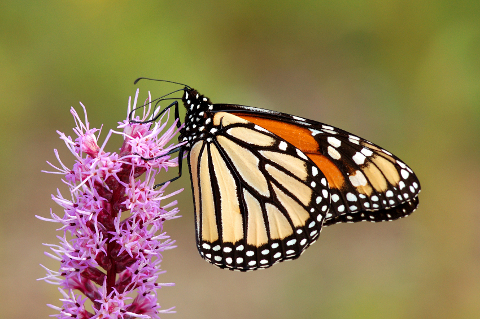
Monarch Butterfly
2025-12-05
Adult wingspan is approximately 9–10 cm. Adult (butterfly) wings are orange with black veins. The hind and forewings have a double row of white spots within a thick black border. There are pale orange and white spots near the tip of the forewing (apex). The underside is similar, though the hind wing is a paler orange. Its black body also had white spots. Newly hatched caterpillars (larvae) are pale green with a dark head. Mature caterpillars have black, white and yellow bands. They have a pair of black filaments (thin fleshy parts that resemble antennae) at the head and tail. The longer pair is at the head.
-
Mosquito
2025-12-05
Mosquitoes are thin, long-legged, two-winged insects and are typically six to 12 millimetres in length. Both males and females have antennae and an elongated "beak" or proboscis three to four times longer than its head.
For more species, visit Hinterland Who's Who, a joint program of the Canadian Wildlife Federation and Environment Canada.


