


-
 Monarchs
Monarchs
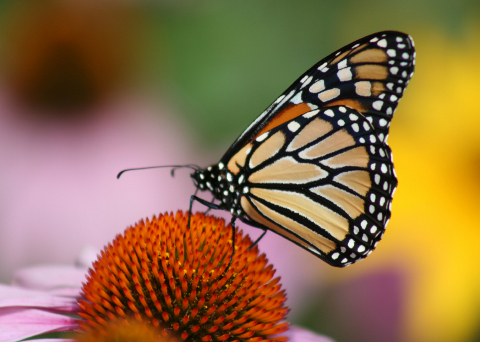
Across North America, populations of the iconic Monarch Butterfly are in steep decline. The brilliantly-coloured Monarch is a summer breeder in many areas of southern Canada, and most Canadian-born adults head to the highlands of central Mexico to overwinter. It takes four to five generations of Monarchs to make it to Canada during the spring migration. In 2016, the Committee for the Status of Endangered Wildlife in Canada (COSEWIC) listed the Monarch Butterfly as Endangered.
More -
 Fabulous Flies
Fabulous Flies
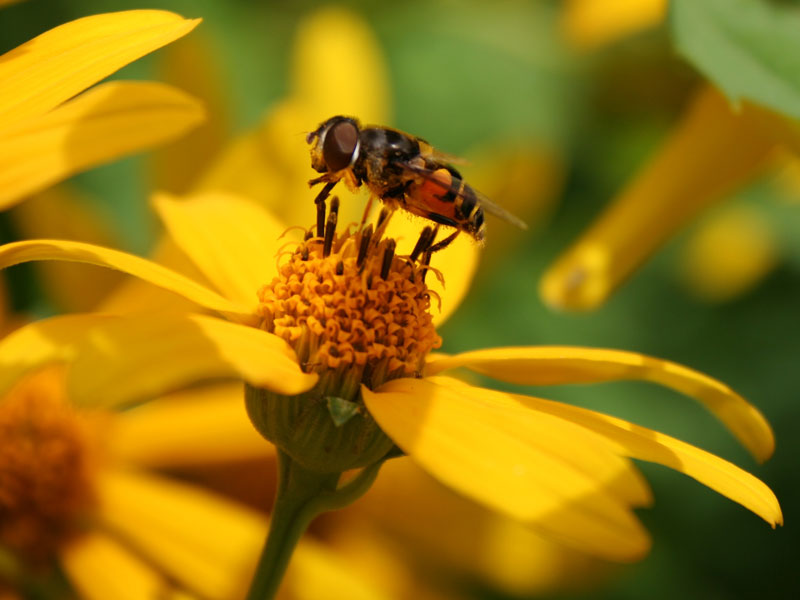
Flies are very important pollinators. They also help with decomposition and pest control as well as contribute to the health of some water bodies. Learn more about some of Canada’s flies here.
More

Browse through a few of our Canadian species in these "At A Glance" fact sheets. Each page has basic information on some of our Canadian wildlife, with links to detailed, reputable sources such as Hinterland Who's Who and the Government of Canada. Don't see a species you need? Comments or questions? Let us know!
-
Mourning Cloak Butterfly
2025-12-05
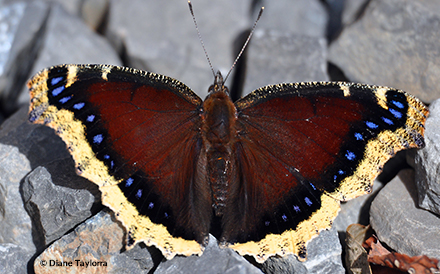
Adults - The upper wings of the Mourning Cloak Butterfly are red-brown with a thick yellow border along the edge. On the inside edge of this border are bright blue elongated spots. The underside of their wings are dark with thin irregular lines. The border is duller than the upper side and the blue spots are more V shaped. Their wingspan can range from approximately five to ten centimeters. The more north they are found the smaller they tend to be. Caterpillars – The caterpillar is black with tiny white dots and black-branched spines. It has a row of red marks on its back between the bases of these spines.
-
Paper Wasp
2025-12-05
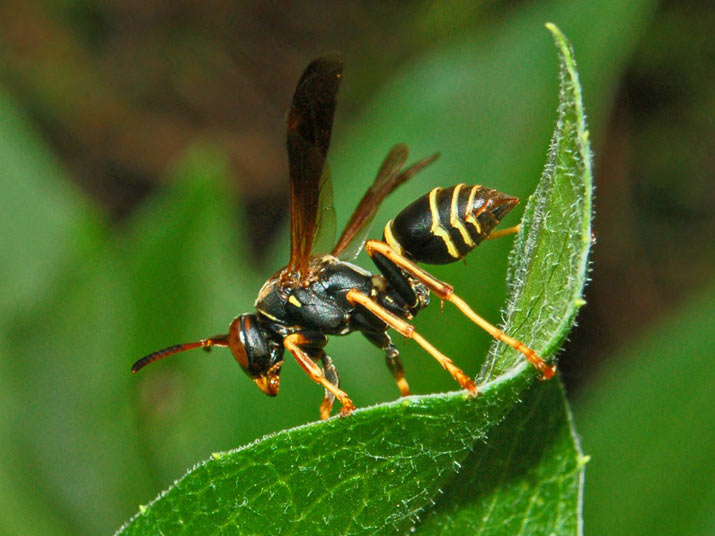
Approximately 17–22 mm. Paper wasps are fairly large. They have long bodies with a broad thorax and abdomen and a tiny, constricted waist. When at rest, their wings fold lengthwise, parallel to the body. The head and thorax are black to brown in colour, while the abdomen is dark with yellow stripes, sometimes with reddish-brown to yellow colouration between the stripes.
-
-
Pollinators
2025-12-05
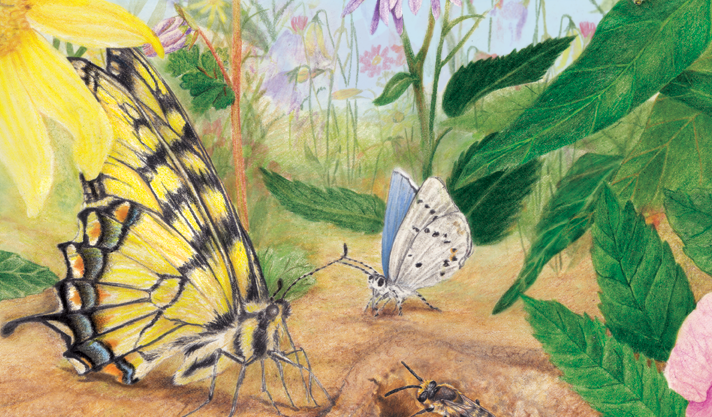
Pollination is one of the most important ecological processes on the planet. But our pollinators are in trouble due to a loss of habitat, toxic chemicals, parasites, diseases and climate change. Learn more about these remarkable animals and how you can help.
-
Silvery blue butterfly
2025-12-05
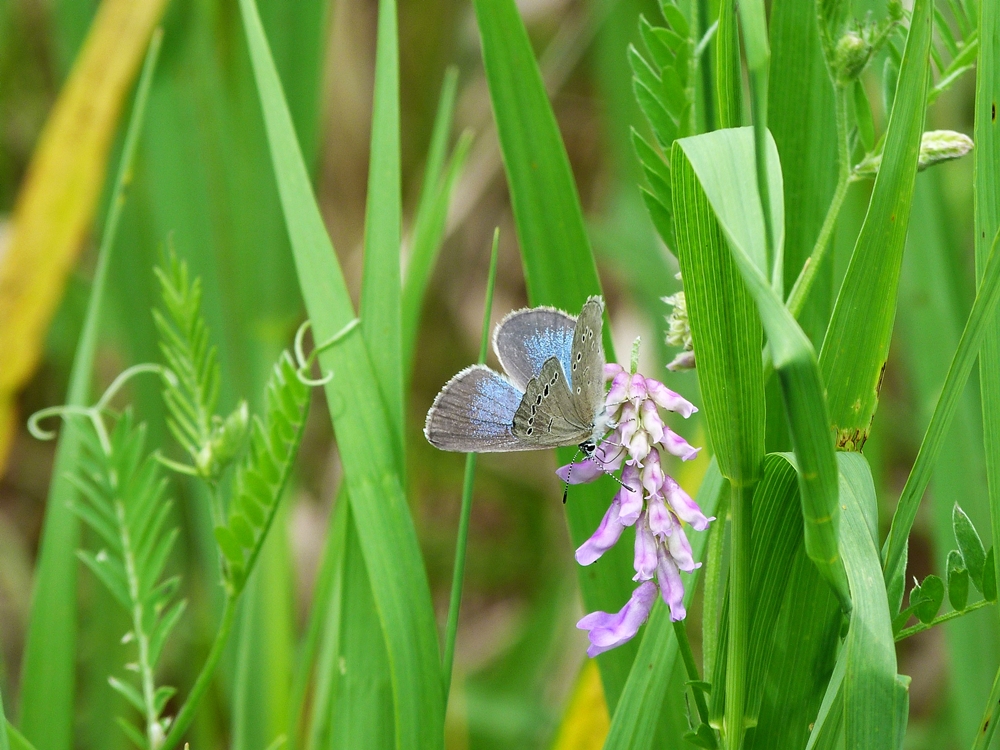
Adult wingspan approximately 2–3 cm. Adults (butterflies) have a light blue upperside with a thin, light grey border and a dark grey border within that. The dark grey border in the female is wider and fades into a pale blue to varying degrees. Their underside is grey with one row of black white-rimmed spots on both the forewing and hind wing.
For more species, visit Hinterland Who's Who, a joint program of the Canadian Wildlife Federation and Environment Canada.


