




-
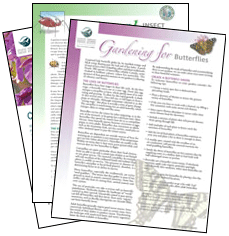 Guides, Infographics & Posters
Guides, Infographics & Posters
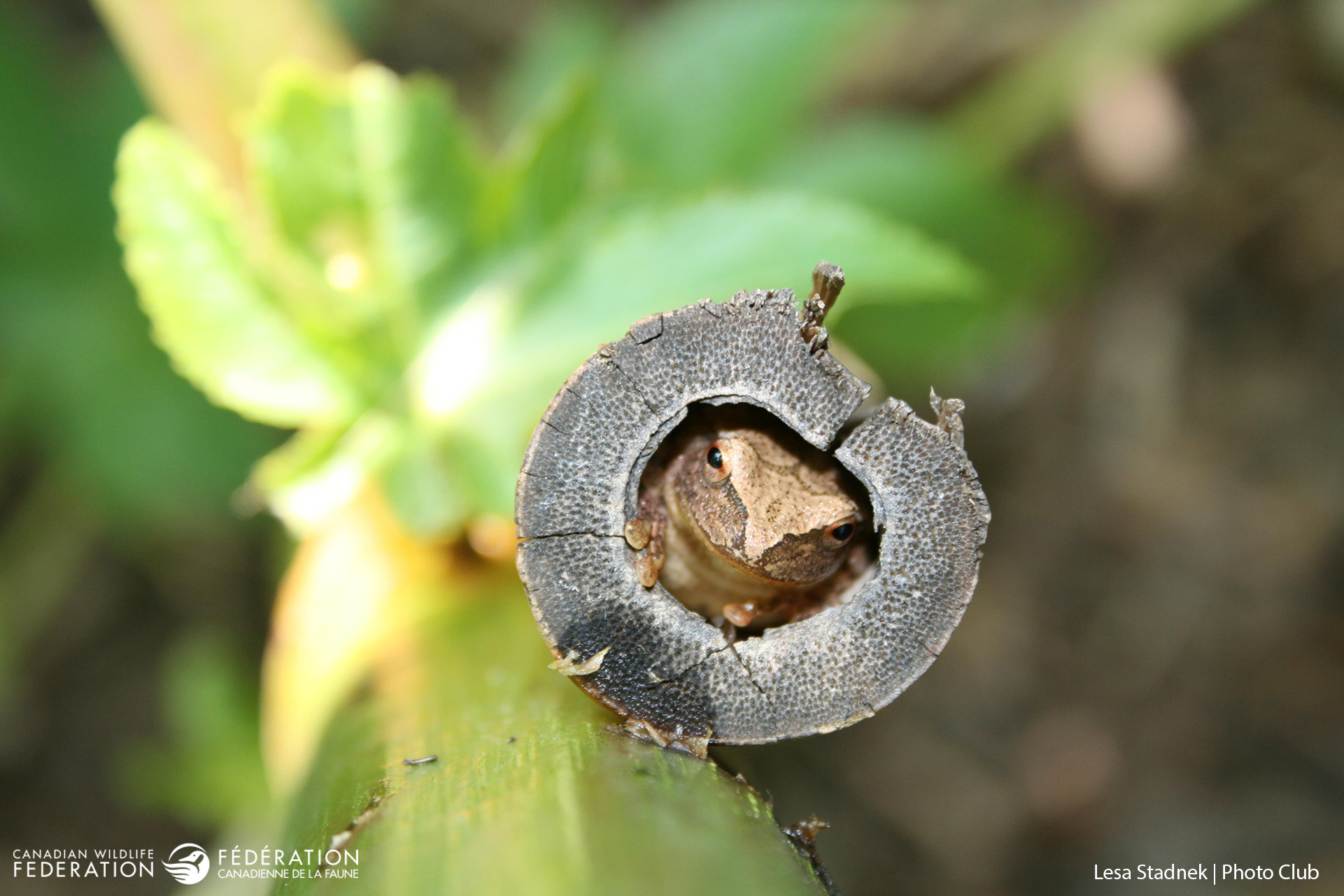
Take a closer look at the ways in which we’ll help you access the facts about wildlife. Whether it’s discovering the Hinterland Who’s Who animal fact sheets, or ordering our handy field guide to Canada’s prevalent shoreline species. This content is available to our CWF Supporters and online members. Please sign in to order your free materials.
More -
-
Wildlife E-cards
Wildlife E-cards
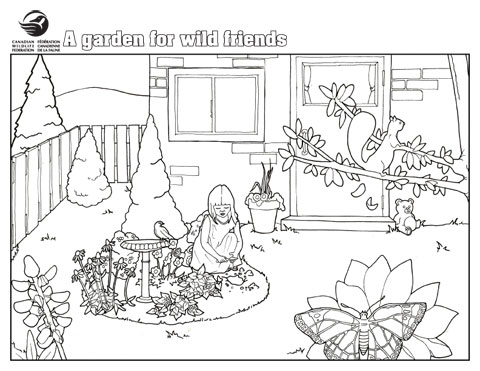
Send Dad a wildlife e-card! You cherish our wonderful wildlife and now you can send e-greetings that reflect your love of nature. We have developed a wide array of wildlife ecards for every occasion for you to share with your family and friends!
More -
 CWF Wallpapers
CWF Wallpapers
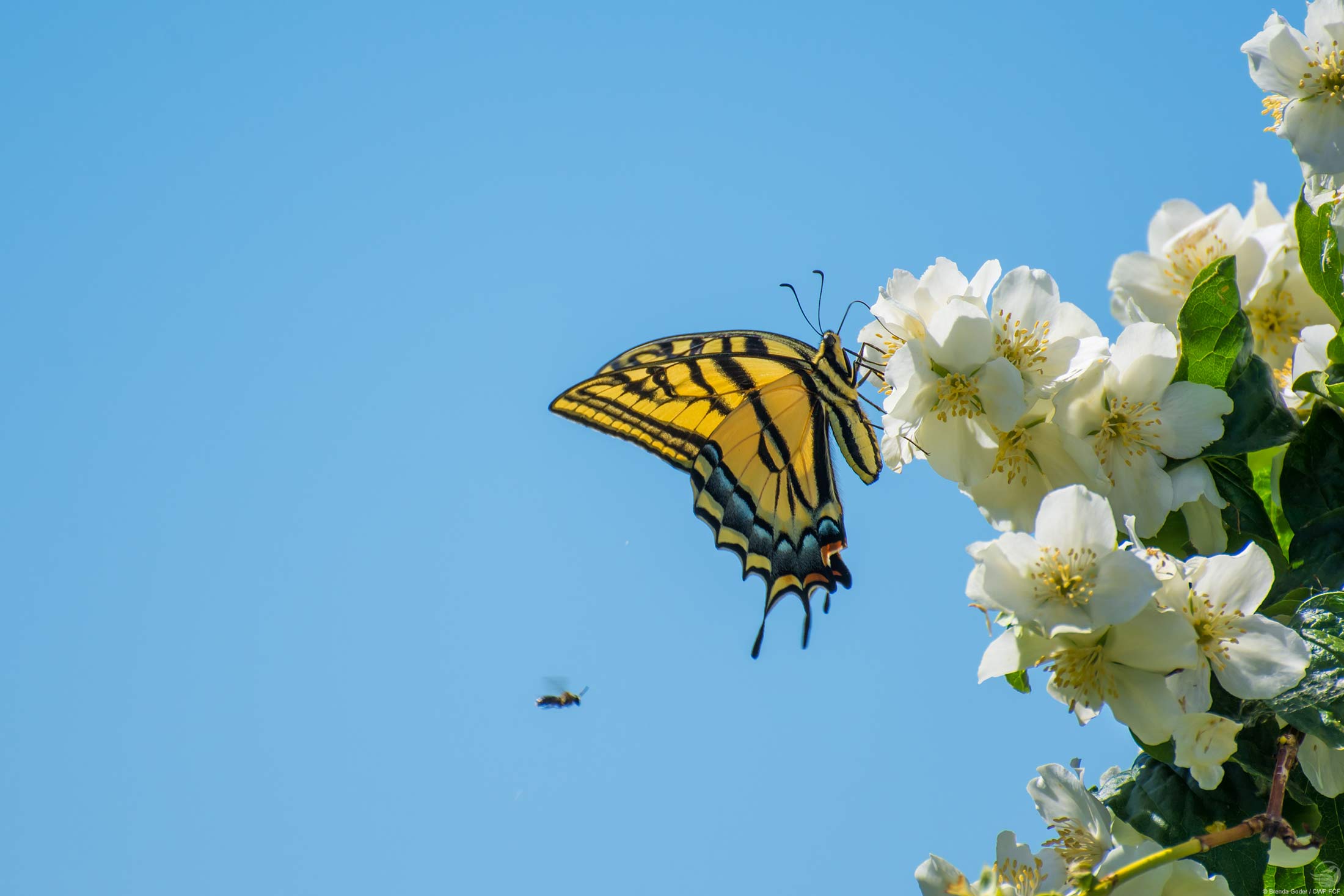
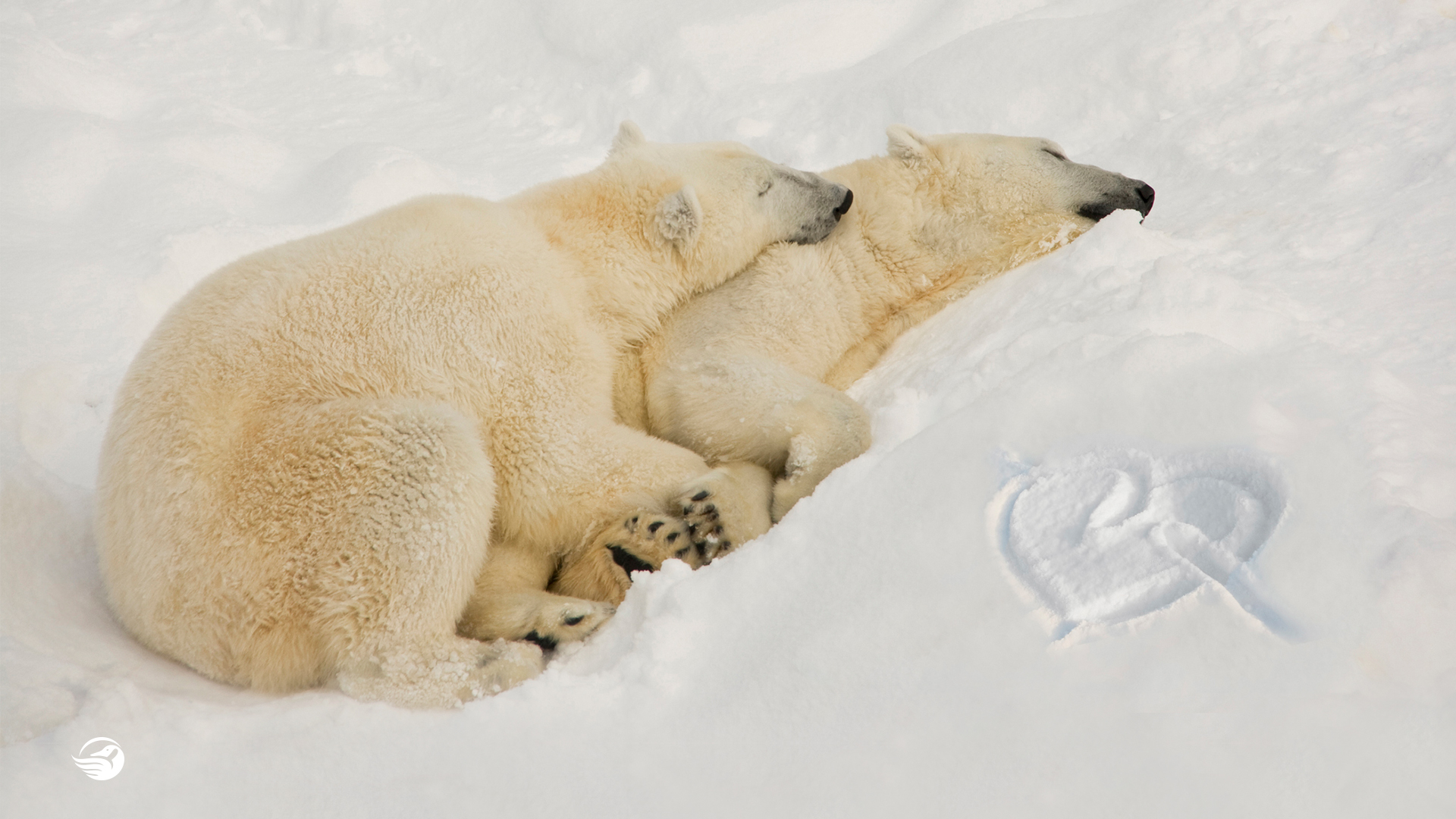
Your desktop is the perfect habitat for this wild wallpaper. Download CWF wallpapers!
More -
 WILD Webinars
WILD Webinars
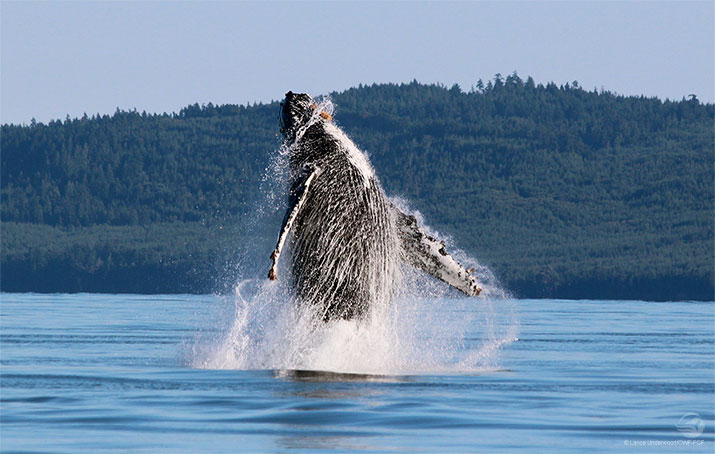
With topics relating to conservation, wildlife and habitat, we provide a relevant online learning platform, typically for grades four to six but of benefit to any age.
More

From easy-to-use apps designed as tools for your citizen science projects to picturesque wallpaper images for your computer, CanadianWildlifeFederation.ca offers a variety of useful downloads for your PC and mobile devices.
Coasts & Oceans
Connecting With Nature

Education & Leadership
Endangered Species & Biodiversity
Forests & Fields
-
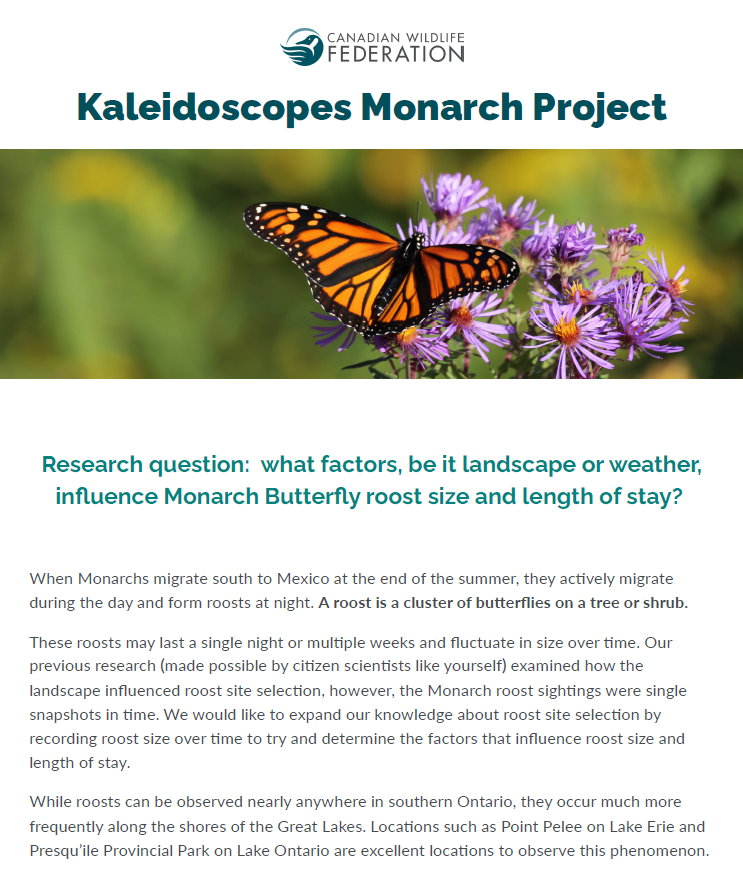
Monarch Roost Data Guide
2026-04-21
-
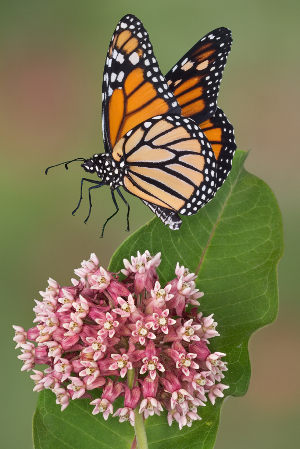
Native Seed Calculator and Companion Guide
2023-02-01
When beginning a pollinator habitat restoration project, selecting a native seed mix appropriate to your project region and site conditions is crucial. But how do you know what species to include, and how much of each species? How can you estimate how much seed you might need and what it might cost? Join Botanist and Restoration Ecologist, Stefan Weber, as he leads us through a new tool—a seed calculator that will assist rights-of-way managers conducting pollinator habitat restoration projects.
-
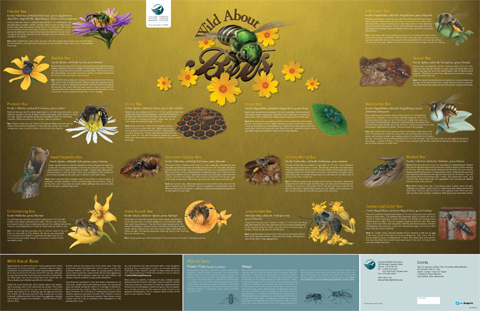
Wild About Bees Poster
2026-04-21
Approximately one-third of all human food is prepared from plants that depend on animal pollinators — and bees make the biggest contribution. The most familiar bee is the honey bee (Apis mellifera), which was introduced from Europe almost 400 years ago. Although we may first picture the honey bee when we think of pollinators, our native bees, such as the bumble bee or the mason bee, are often actually more effective and efficient pollinators. Unlike the social honey bee, which shares labour and caretak-ing of its young, most of our native bees are solitary. This means that each female prepares her own nest, provisions it with food (nectar and pollen) for her offspring, lays her eggs and provides little further care.
-
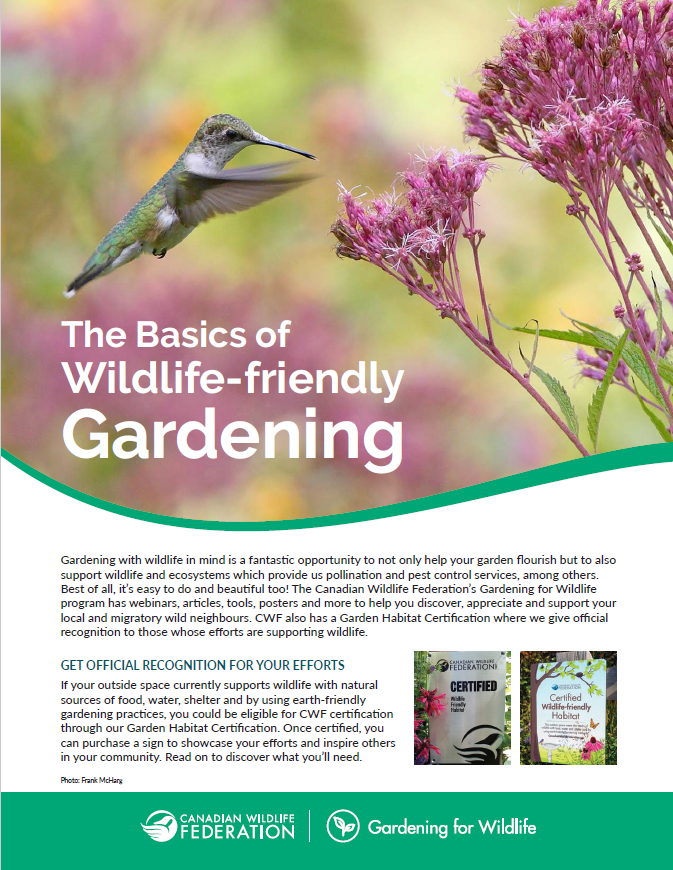
The Basics of Wildlife-friendly Gardening (printer-friendly version)
2026-04-21
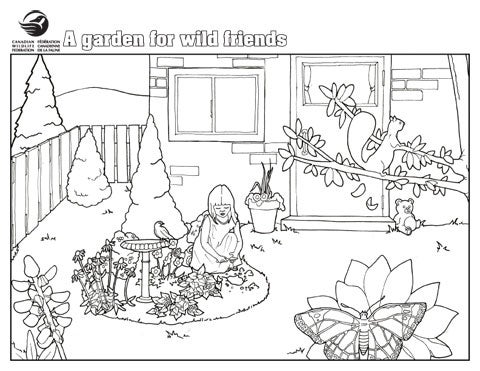
Gardening with wildlife in mind is a fantastic opportunity to not only help your garden flourish but to also support wildlife and ecosystems which provide us pollination and pest control services, among others. Best of all, it’s easy to do and beautiful too! The Canadian Wildlife Federation’s Gardening for Wildlife program has webinars, articles, tools, posters and more to help you discover, appreciate and support your local and migratory wild neighbours. CWF also has a Garden Habitat Certification where we give official recognition to those whose efforts are supporting wildlife.
-
Leafsnap
2026-02-26
Leafsnap is a free mobile app that helps identify tree species from photographs of their leaves. It contains beautiful high-resolution images of their flowers, fruits, petioles, seeds, and bark. The app was created by Columbia University, the University of Maryland, and the Smithsonian Institution.
Lakes & Rivers

Learn More

- 0
- 1
- 2
- 3