




-
 Guides, Infographics & Posters
Guides, Infographics & Posters
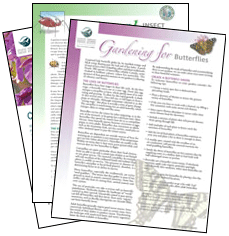
Take a closer look at the ways in which we’ll help you access the facts about wildlife. Whether it’s discovering the Hinterland Who’s Who animal fact sheets, or ordering our handy field guide to Canada’s prevalent shoreline species. This content is available to our CWF Supporters and online members. Please sign in to order your free materials.
More -
-
Wildlife E-cards
Wildlife E-cards
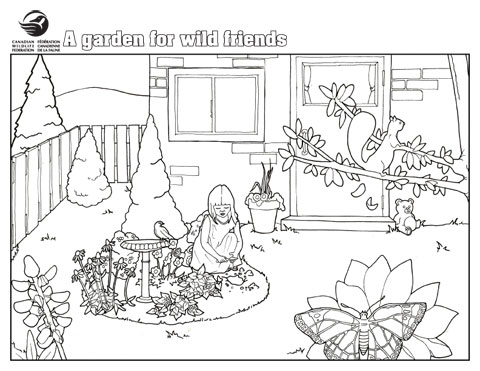
Send Dad a wildlife e-card! You cherish our wonderful wildlife and now you can send e-greetings that reflect your love of nature. We have developed a wide array of wildlife ecards for every occasion for you to share with your family and friends!
More -
 CWF Wallpapers
CWF Wallpapers
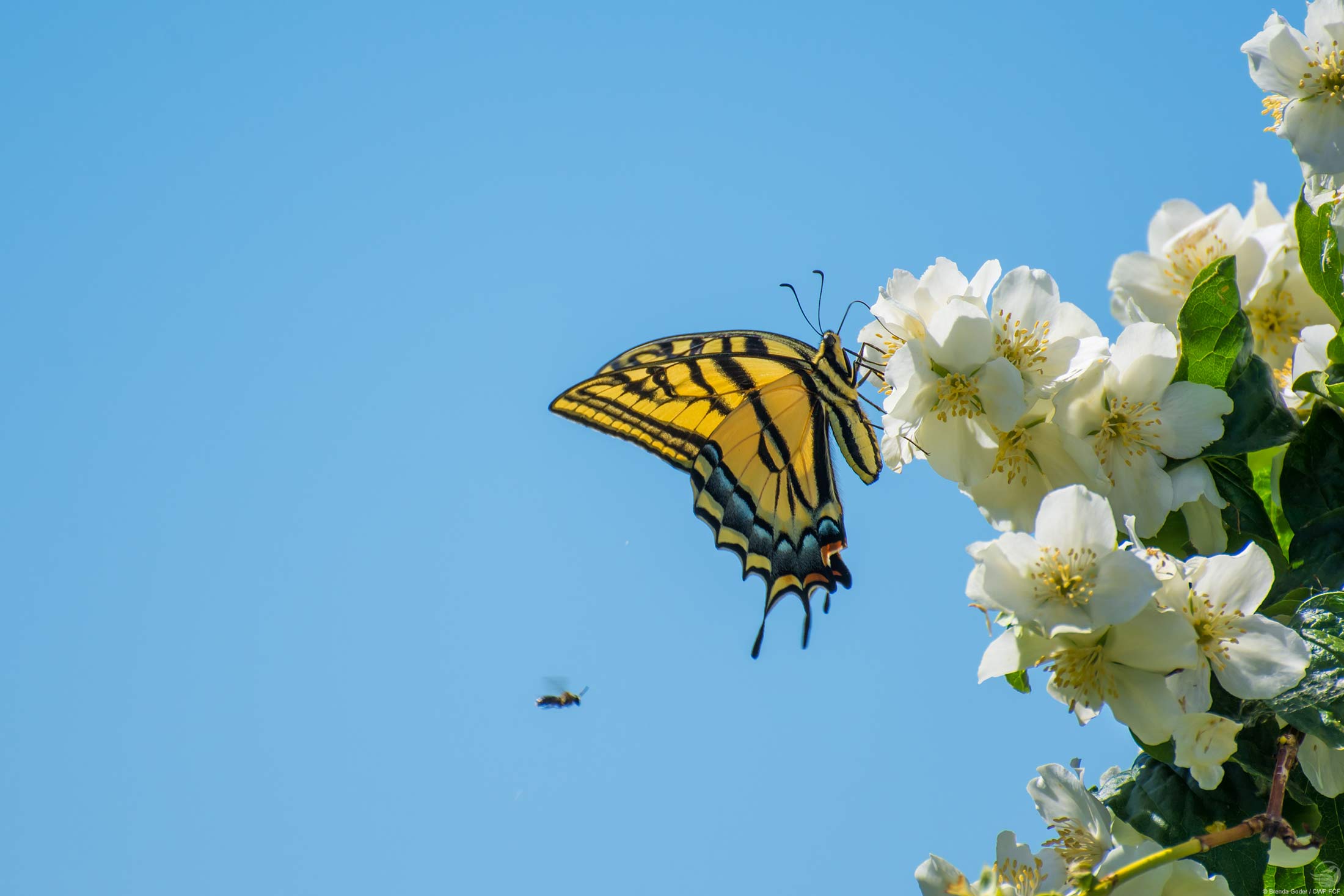
Your desktop is the perfect habitat for this wild wallpaper. Download CWF wallpapers!
More -
 WILD Webinars
WILD Webinars
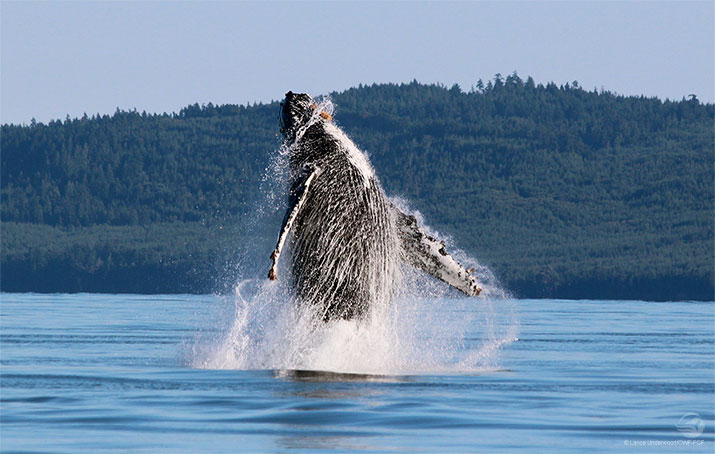
With topics relating to conservation, wildlife and habitat, we provide a relevant online learning platform, typically for grades four to six but of benefit to any age.
More

From easy-to-use apps designed as tools for your citizen science projects to picturesque wallpaper images for your computer, CanadianWildlifeFederation.ca offers a variety of useful downloads for your PC and mobile devices.
-
Blog
2025-11-12
-
Magazine
2025-11-12
-
Shop
2025-11-12
-
stella-english
2025-11-20
-
testing
2025-11-20
Coasts & Oceans
-
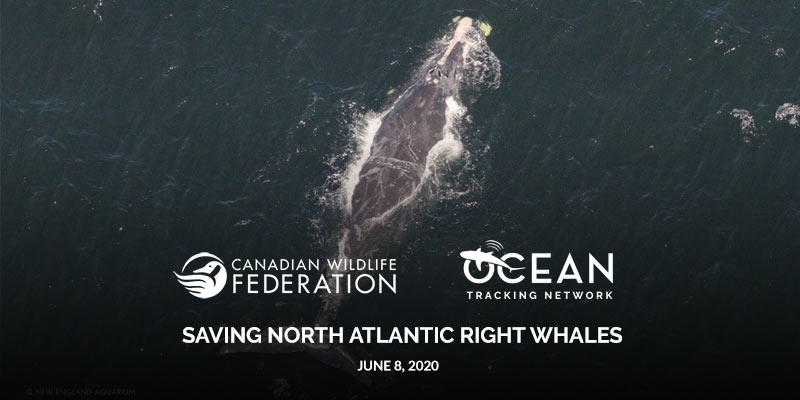
Saving North Atlantic Right Whales
2020-06-08
Join the Ocean Tracking Network (OTN) and the Canadian Wildlife Federation (CWF) on World Oceans Day for a talk on the North Atlantic right whale—one of the most endangered whales in the world—that relies on the plankton-rich waters of the Maritimes, and faces dire threats from ship strikes, fishing entanglements and climate-driven changes in food sources and habitat. Historically found throughout the Atlantic Ocean, today North Atlantic right whales overwinter and calve in the south between Georgia and Northern Florida, and move north to Canada to feed in the plankton-rich waters of the Bay of Fundy, off the Scotian Shelf, and in the Gulf of St. Lawrence in the summer. After centuries of whaling, populations of some whale species have rebounded, but entanglements and ship strikes remain a serious problem for the conservation of large baleen whales, including for North Atlantic right whales. Due to human-induced stressors as well as lower calving rates since 2010, experts predict that right whales could become extinct in as little as 20 years. Tune in to learn more from Canadian Wildlife Federation’s right whale expert Sean Brillant about how we can work together to ensure a future for this iconic and critically endangered species.
-
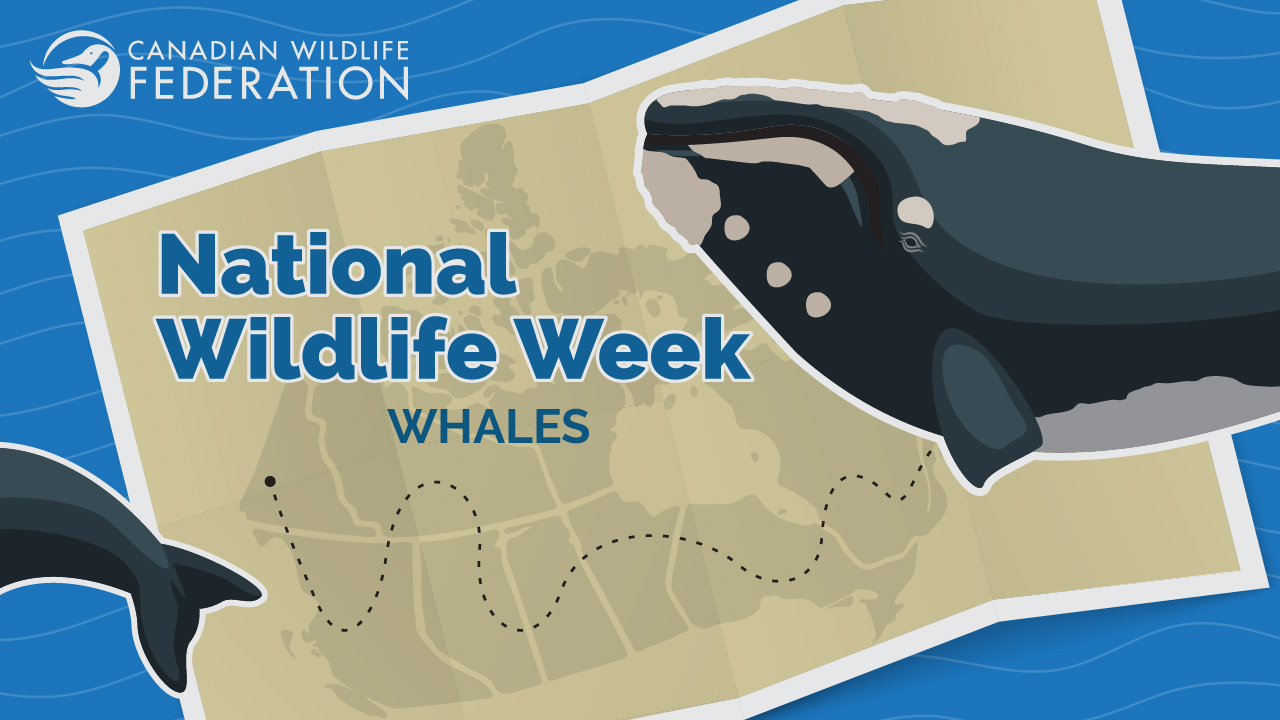
All About Whales With Rhyl Frith
2024-04-12
As part of the Canadian Wildlife Federation’s marine team, Rhyl Frith is the Field Trial Coordinator responsible for organizing and testing acoustic on-demand and low breaking strength fishing gear – two innovative types of fishing gear that are helping prevent whales and other marine species from becoming entangled in ropes and lead lines when they pass through an area. Join Rhyl for a deep dive into marine conservation, as we learn about the endangered North Atlantic Right Whale and explore CWF’s efforts to work collaboratively with fisheries to support their conservation through the application of new fishing technology.
-
-
How do we use the ocean?
2013-02-28
Dr. Sean Brillant continues his webinar series, talking to classes about how we use the ocean, and relating that information to the Africa to America's row, crossing the Atlantic ocean right now!
-
OAR Northwest: Wind, Waves and Wildlife
2013-05-24
In this webinar, Dr. Sean Brillant and Adam Kreek talk about wind, waves and wildlife with some attention on the waves that caused the OAR Northwest boat to capsize.
Connecting With Nature
-
Managing Rural Roadsides for Pollinator Habitat
2020-03-10
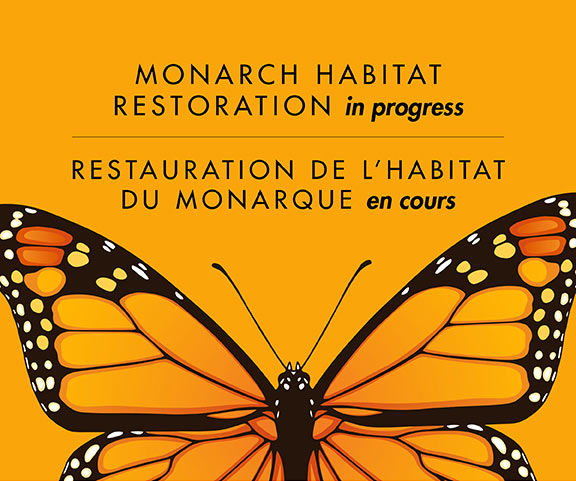
Lanark County Lanark County is a rural municipality in eastern Ontario – to the west of Ottawa, Ontario – managing approximately 600 kilometres of county roads. Since 2016, Lanark County has followed an integrated vegetation management (IVM) plan to control invasive plants, especially wild parsnip, that encroach on pollinator habitat. In addition to controlling invasive plants, the goal of the IVM plan was also to re-establish desirable native vegetation along roadsides. To achieve these goals, Lanark County changed mowing practices, implemented integrated control measures to reduce impact to desirable vegetation (i.e. targeted spot spraying, hand control of invasives, reseeding disturbed sites, etc.), and improved hydroseeding practices with native seed to promote pollinators. Lanark County has been successful in reducing invasive plant infestations and improving pollinator habitat on almost 450 hectares of rural roads, and now has the opportunity to share some lessons learned with other municipalities about how they can help improve pollinator habitat along roadsides.
-
iNat CSI: HOW TO IDENTIFY & PHOTOGRAPH BIRDS
2022-09-27
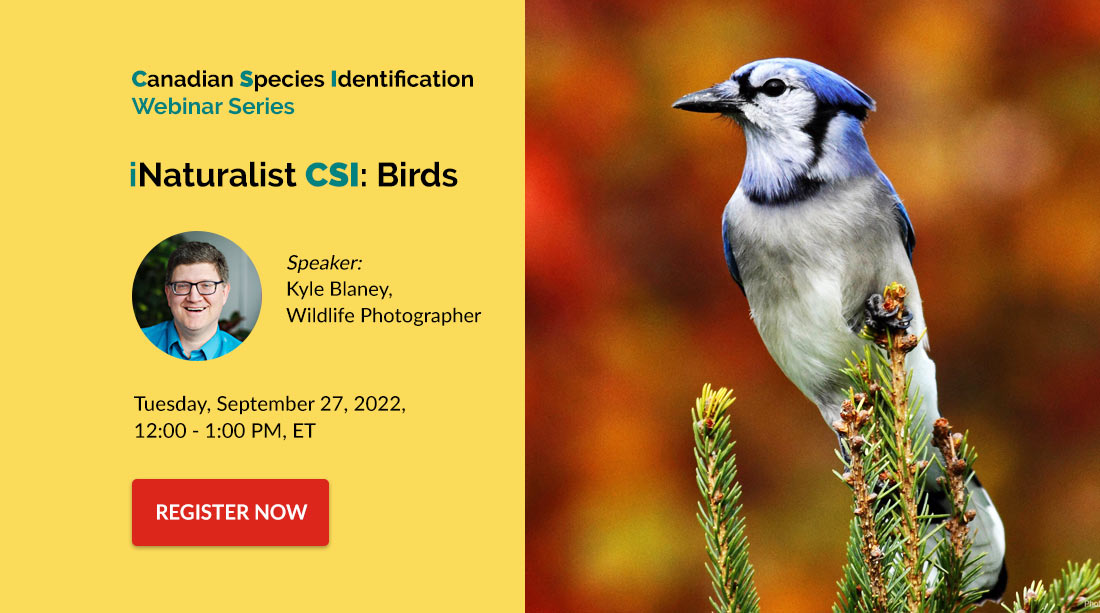
In this presentation, Kyle will discuss how factors such as size, shape, seasonality, habitat, and field marks can help identify birds. He will use his images of common species to provide examples and specify what to be wary of. Finally, he will give tips and tricks that can lead to better bird photos. Tuesday, September 27, 12-1pm ET.
-

City Nature Challenge Canada Info Session For Potential City Organizers
2023-10-19
Are you an organization, city, or group with a passion for nature and community engagement? Are you interested in hosting a City Nature Challenge (CNC) event in 2024? If so, this is your chance to discover how you can be part of an exciting initiative that celebrates biodiversity, citizen science, and community collaboration. This session is hosted by James Pagé, Species at Risk Specialist, David DeRocco and Acacia Frempong-Manso, iNaturalist Engagement Coordinator. In this engaging and informative session, the Canadian Wildlife Federation (CWF), the leading organization for CNC in Canada, guides you through the City Nature Challenge. By attending this information session, you will gain a deeper understanding of the City Nature Challenge, discover the potential it holds for your organization or city, and learn how you can make a meaningful impact on biodiversity conservation. This session is tailored for potential organizers, not just participants, so you can gain the knowledge and resources needed to successfully host a CNC event in 2024.
-
Embrace the Chill: Lessons from Winter Wildlife
2025-02-05
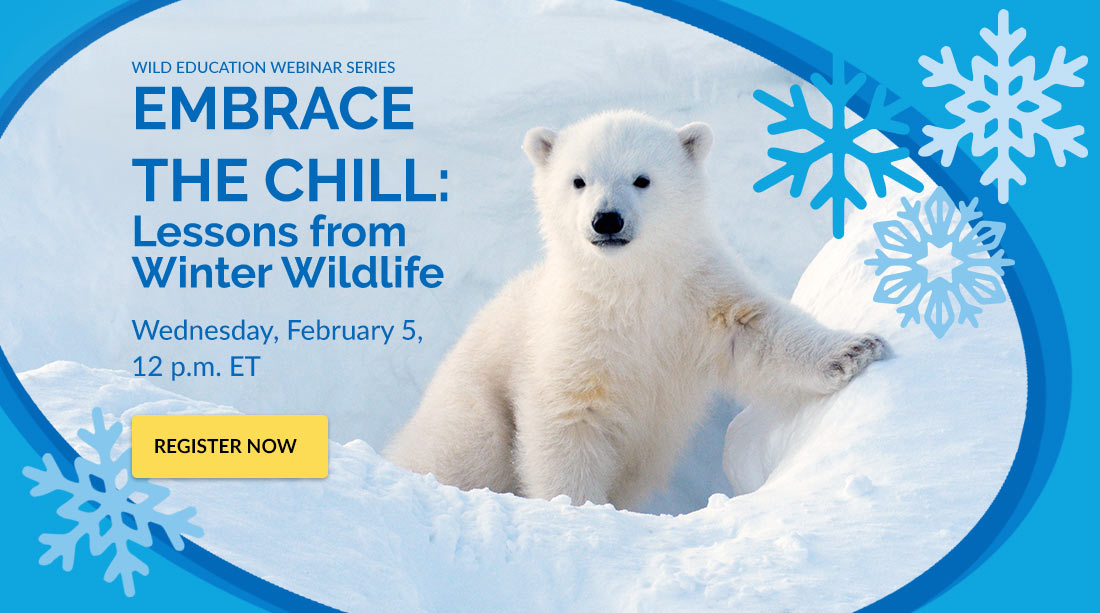
Ever wondered what animals do when the temperature drops? Join us as we dive into the fascinating world of winter wildlife! From hibernation to migration to adaptation, we’ll explore the strategies our furry friends use to thrive in the cold. As humans, we don’t hibernate or migrate (well, some of us do!), but we do adapt to winter conditions in our own unique ways. Get inspired to bundle up and head outside through this interactive lesson with the Canadian Wildlife Federation! All registrants will receive a Winter Resource Kit containing activities to inspire further outdoor exploration!
-
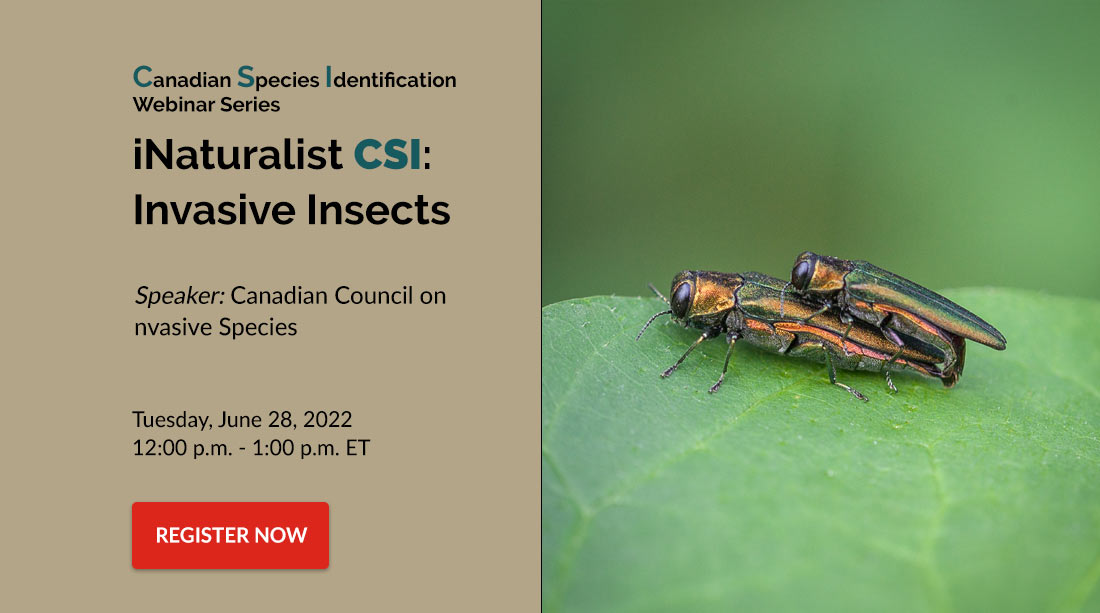
iNaturalist CSI: Invasive Insects
2022-06-28
Join the Canadian Wildlife Federation (CWF) for a webinar on how to photograph and identify Canada’s top 10 invasive insects using iNaturalist.ca, presented by the Canadian Council on Invasive Species (CCIS). Nearly one-fifth of the Earth’s surface is at risk of plant and animal invasions. Invasive species are threatening Canada’s ecosystems, economy and communities. Climate change is also exacerbating this issue and can make ecosystems more vulnerable to invasive species, and invasive species can worsen the impacts of climate change. The good news is - you can help! Learn how to ID Canada’s top 10 invasive insects so you can report them, helping to stop their spread. Every report helps scientists track and protect Canada’s natural spaces and biodiversity from the negative impacts of invasive species. iNaturalist has become one of the world’s most popular nature apps and the Canadian Wildlife Federation has led the charge in bringing it to the forefront of Canadian citizen science. Date: June 28th, 12:00-1:00 Eastern Host: Kellie Sherman, Operations Supervisor at CCIS presenting, James Pagé to host.
Education & Leadership
-
-
How do we use the ocean?
2013-02-28
Dr. Sean Brillant continues his webinar series, talking to classes about how we use the ocean, and relating that information to the Africa to America's row, crossing the Atlantic ocean right now!
-
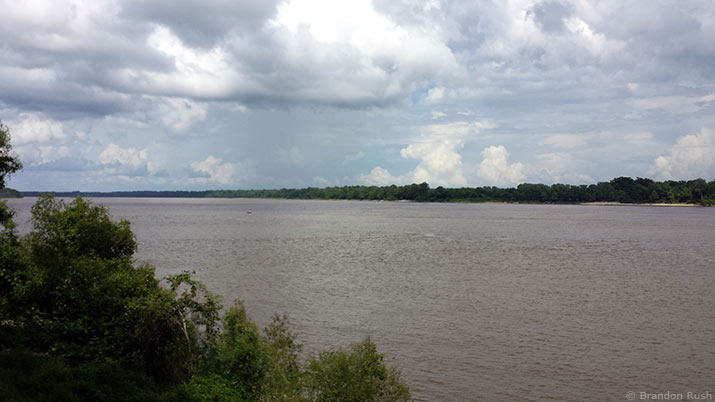
What does the Mississippi look like?
2015-11-02
What does the Mississippi look like? Exploring the river from top to bottom. Author and Adventurer, Jordan Hanssen, will take students on a journey beyond the part of the Mississippi most familiar with students, showing them the diversity of its 2,350 miles. From a trickle at its headwaters to its mighty mouth bringing in the story of the river and how it appears in almost everything they will study in the classroom and labs.<strong><br>Nov.2, 2015<br>1pm</strong>
-

Bike for Wildlife Webinar
2013-11-20
CWF Athlete Ambassador Angella Goran biked over 7,500km across Canada raising awareness for wildlife conservation. Departing in Victoria, BC on August 14th, Angella just concluded this incredible journey October 30th in Halifax, NS. Along her trek, Angella visited schools and shared stories of the ride where she highlighted the importance of getting outside and connecting with nature. CWF and Angella invite classrooms across Canada to join her in a live webinar where students can learn about the Bike for Wildlife and have the opportunity to interact with Angella. During the webinar, Angella will be speaking about the following: • Bike for Wildlife and her experience • How the Bike for Wildlife supports wildlife conservation in Canada • The importance of being outside • The importance of connecting with nature • Q&A Suggested audience: Grades 3 through 8
-
Ocean Habitats and Wildlife Webinar
2013-02-27
Dr. Sean Brillant continues his webinar series, talking to classes about Ocean Habitats and Wildlife as they relate to the Africa to America's row, crossing the Atlantic ocean right now!
Endangered Species & Biodiversity
-

Going to Bat for Canada's Bats
2022-10-28
Are you afraid of bats? Many myths and misinformation exist about bats, but did you know they play a vital role in helping control insect populations? Join the Canadian Wildlife Federation just in time for Halloween as we shed some light on this amazing nocturnal creature, and highlight how you can "go to bat” for bats in your own school or community! Don't forget to come dressed as your favourite creepy crawley!
-
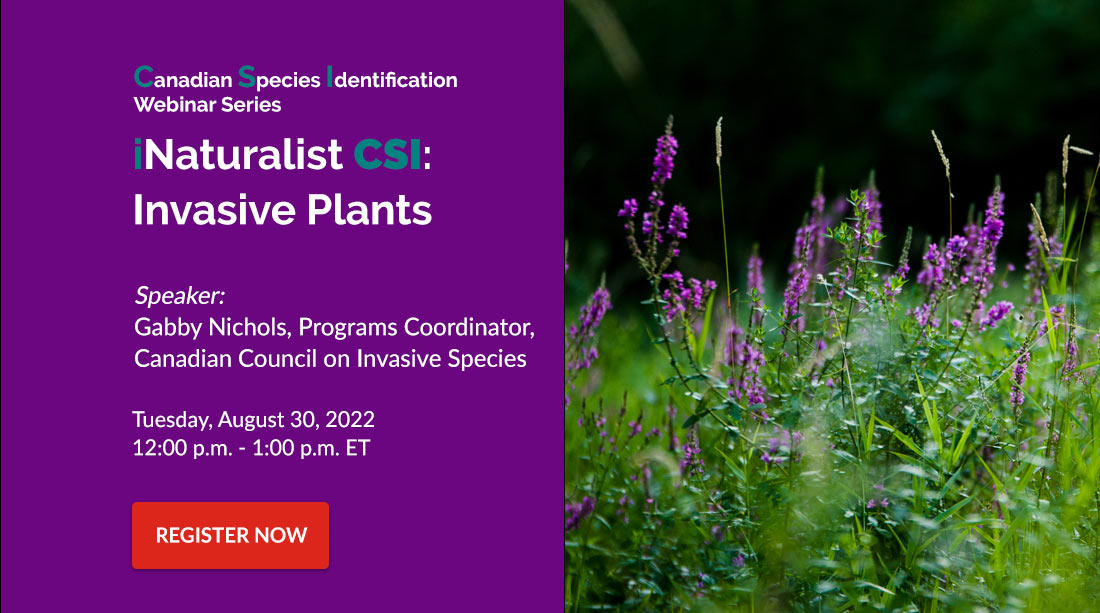
iNaturalist CSI: Invasive Plants
2022-08-30
Join the Canadian Wildlife Federation (CWF) for a webinar on how to photograph and identify Canada’s top 10 invasive plants using iNaturalist.ca, presented by the Canadian Council on Invasive Species (CCIS). Nearly one-fifth of the Earth’s surface is at risk of plant and animal invasions. Invasive species are threatening Canada’s ecosystems, economy and communities. Climate change is also exacerbating this issue and can make ecosystems more vulnerable to invasive species, and invasive species can worsen the impacts of climate change. The good news is - you can help! Learn how to ID Canada’s top 10 invasive plants so you can report them, helping to stop their spread. Every report helps scientists track and protect Canada’s natural spaces and biodiversity from the negative impacts of invasive species. iNaturalist has become one of the world’s most popular nature apps and the Canadian Wildlife Federation has led the charge in bringing it to the forefront of Canadian citizen science. Date: August 30th, 12:00-1:00 Eastern
-
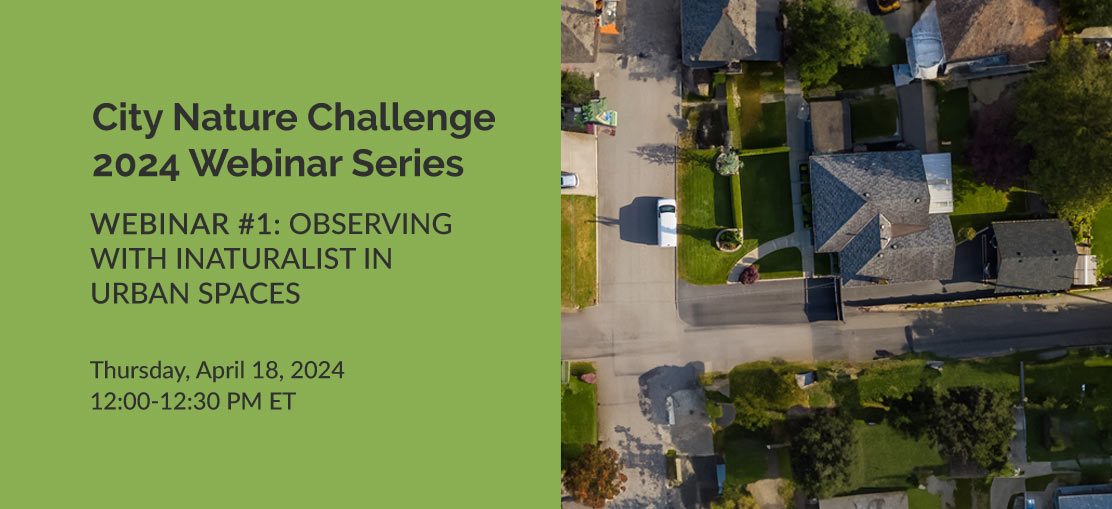
City Nature Challenge 2024 Webinar Series: #1 - Observing with iNaturalist in Urban Spaces
2024-04-18
Explore the vibrant biodiversity thriving in our urban landscapes during our City Focus webinar. Discover the diverse array of species, from plants to birds and mammals, that call the city home. Learn tips and techniques for capturing images to showcase the urban wildlife in the upcoming City Nature Challenge.
-
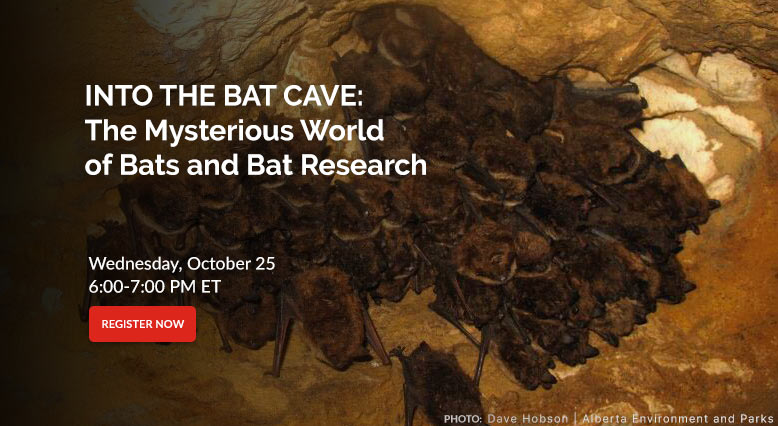
Into the Bat Cave: The Mysterious World of Bats and Bat Research
2023-10-25
As Halloween approaches bats are often depicted as terrors of the night. But the real threat is that bat populations are in steep declines in Canada… and humans are mostly to blame. Bats are much more terrorized by us than we are by them. Join CWF’s Bat Researcher Bailey Bedard to lean about the different Canadian bat species, the amazing abilities they have and the benefits they provide humans and the ecosystem. You will also be able to find out more about CWF’s bat research and how humans, while the primary threat to bats, can also be part of the solution to helping them recover. Date, Time, Time Zone:Wednesday October 25, 6 pm Eastern Time Host: Bailey Bedard, Bat Researcher, James Pagé Species at risk and Biodiversity Specialist, Emily Becker, Bat Researcher
-
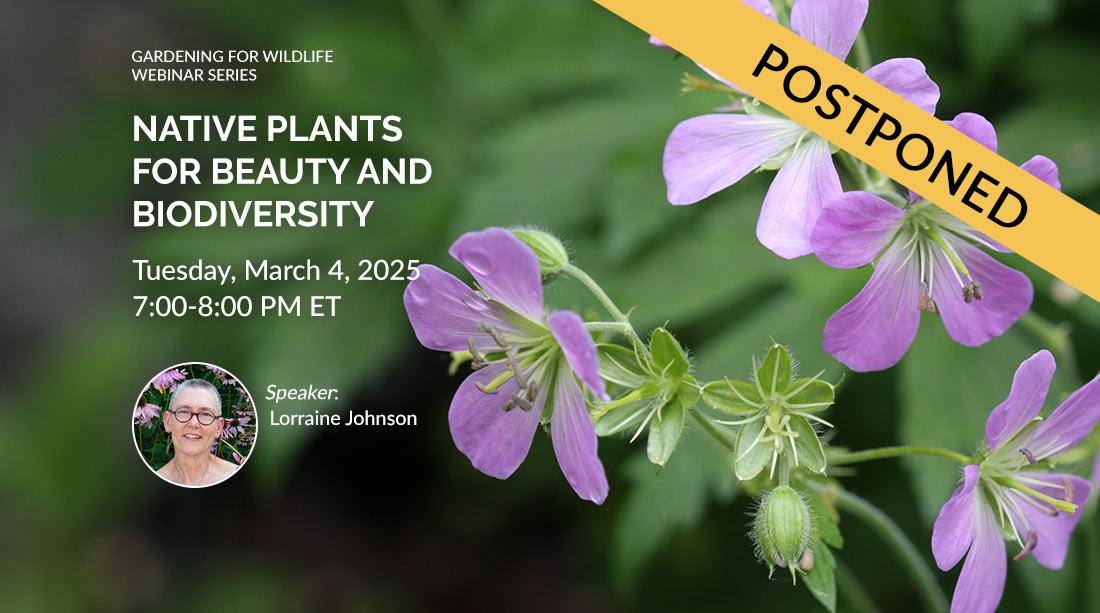
Native Plants for Beauty and Biodiversity
2026-01-23
***Thank you for registering for Native Plants for Beauty and Biodiversity with special guest Lorraine Johnson. Unfortunately, due to unforeseen circumstances, this webinar must be postponed until further notice. We are very sorry for any inconvenience. Once we know if and when it can be rescheduled, we will send you an email with all the details. Please note that we have other webinars coming up that may interest you ***** Join the Canadian Wildlife Federation and special guest, Lorraine Johnson, Tuesday, March 4, 2025 at 7 p.m. ET to discover some of Canada’s beautiful native plants, why they are so important and get great tips on growing them at home. Lorraine is a highly respected Canadian author and longtime native plant and sustainability expert. During our hour together, Lorraine will share the benefits of introducing native plants to the home landscape and community spaces as well as the best tips on how to introduce them to your property. She will focus on easy-to-grow species for conditions from shade to sun, dry to moist and more. Highlights include how to incorporate native plants into existing gardens and gorgeous plant combinations. We hope you can join us!
Forests & Fields

Lakes & Rivers
-
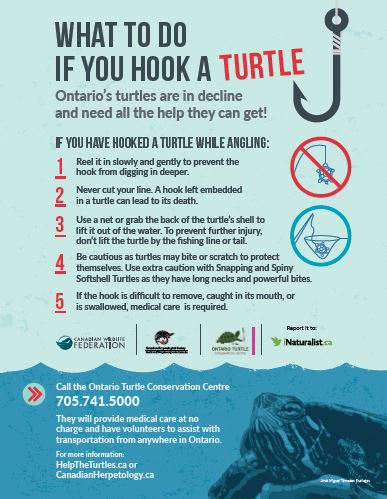
What to do if you hook a turtle
2019-05-30
Ontario’s turtles are in decline and need all the help they can get!
-
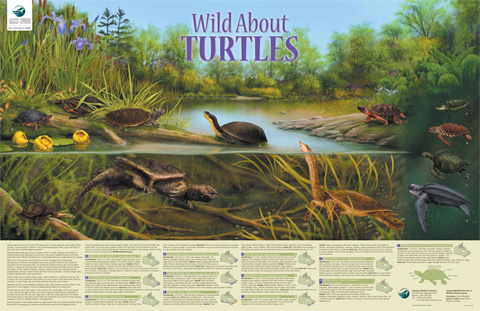
Wild About Turtles Poster
2026-04-21
Turtles have been around for over 200 million years and look nearly the same today as they did then. They are unique creatures - the only living vertebrates with a bony shell which is their main line of defense against predators.Currently, twelve turtle species live in Canada or off of our coasts. Eight are found inland, in wetland areas and the remaining four are at sea. In the past an additional species, the Pacific pond turtle, lived in British Columbia but is now Extirpated and can no longer be found in Canada.
-

Reduce Plastic in Your Home Checklist
2026-04-21
How can you reduce your plastic footprint in your home? Take it one room at a time
-

STOP Habitat Loss NOW! Infographic
2026-04-21
EACH YEAR THOUSANDS OF SMALL PROJECTS ACROSS CANADA DESTROY AQUATIC HABITAT AND KILL FISH AND OTHER WILDLIFE
-
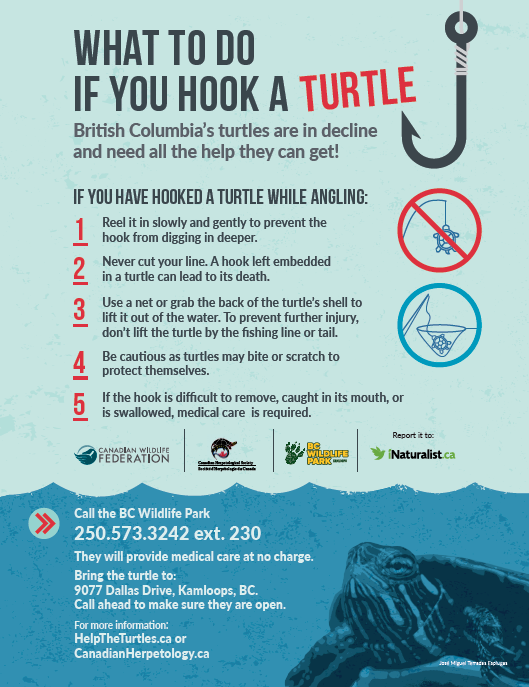
What to do if You Hook a Turtle in B.C.
2020-04-27
British Columbia’s turtles are in decline and need all the help they can get!

Learn More

- 0
- 1
- 2
- 3