




-
 Guides, Infographics & Posters
Guides, Infographics & Posters
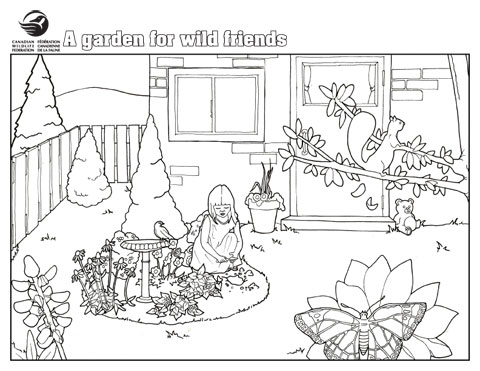
Take a closer look at the ways in which we’ll help you access the facts about wildlife. Whether it’s discovering the Hinterland Who’s Who animal fact sheets, or ordering our handy field guide to Canada’s prevalent shoreline species. This content is available to our CWF Supporters and online members. Please sign in to order your free materials.
More -
-
Wildlife E-cards
Wildlife E-cards
Send Dad a wildlife e-card! You cherish our wonderful wildlife and now you can send e-greetings that reflect your love of nature. We have developed a wide array of wildlife ecards for every occasion for you to share with your family and friends!
More -
 CWF Wallpapers
CWF Wallpapers
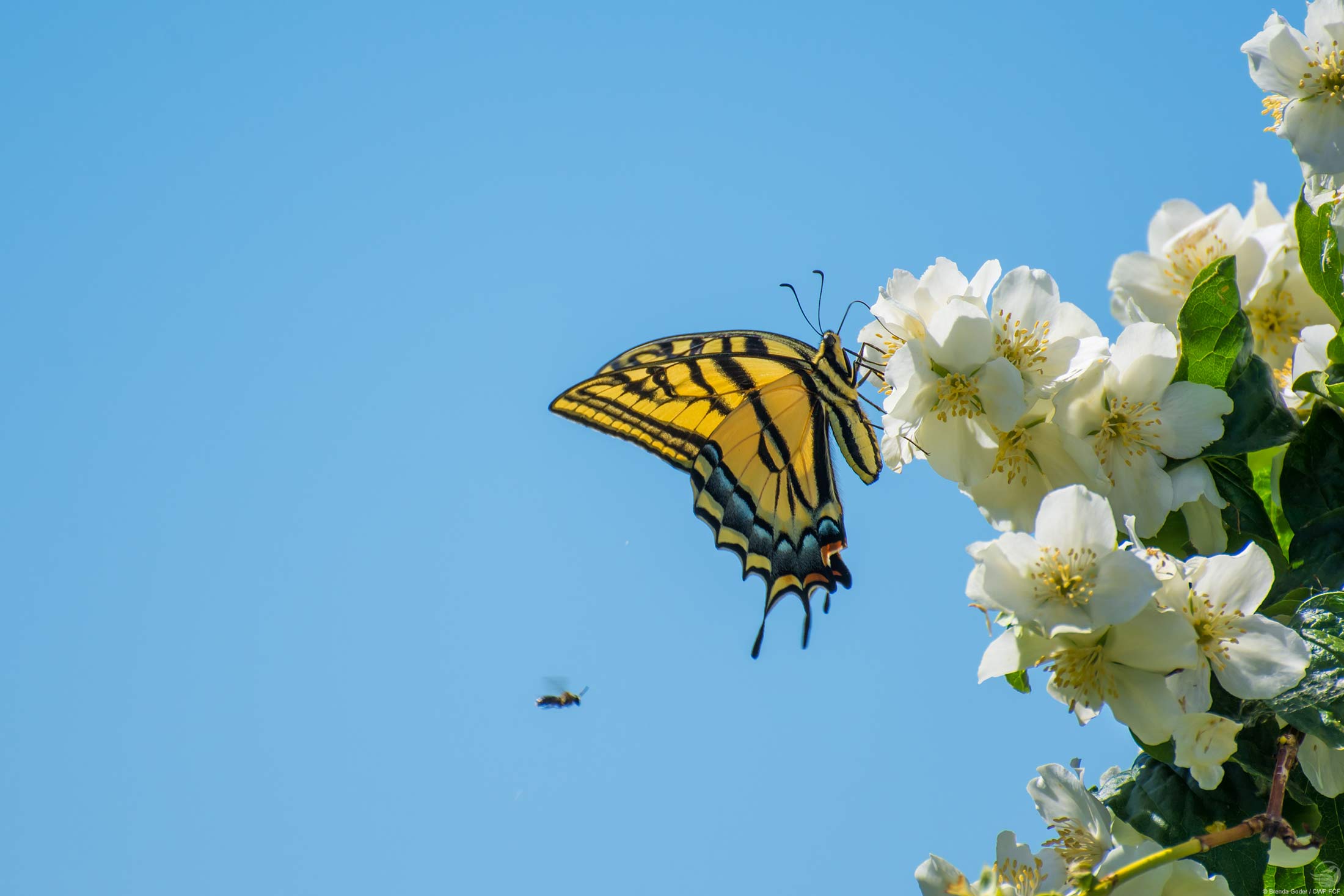
Your desktop is the perfect habitat for this wild wallpaper. Download CWF wallpapers!
More -
 WILD Webinars
WILD Webinars
With topics relating to conservation, wildlife and habitat, we provide a relevant online learning platform, typically for grades four to six but of benefit to any age.
More

From easy-to-use apps designed as tools for your citizen science projects to picturesque wallpaper images for your computer, CanadianWildlifeFederation.ca offers a variety of useful downloads for your PC and mobile devices.
Coasts & Oceans
Connecting With Nature
-
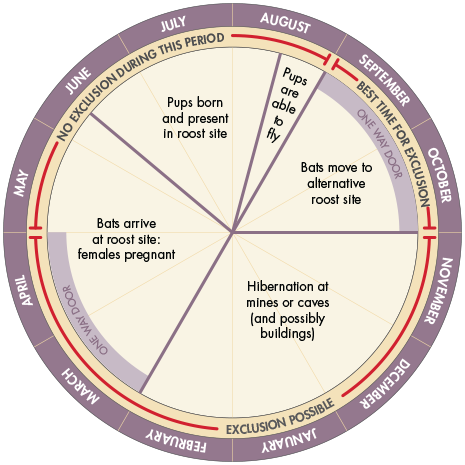
Bat Exclusion Calendar
2016-03-13
If you must exclude bats from your property, take a look at this calendar which outlines the most and least desirable times to do so.
-

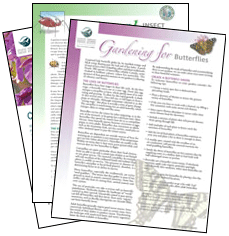
Gardening for Butterflies Handout
2026-04-21
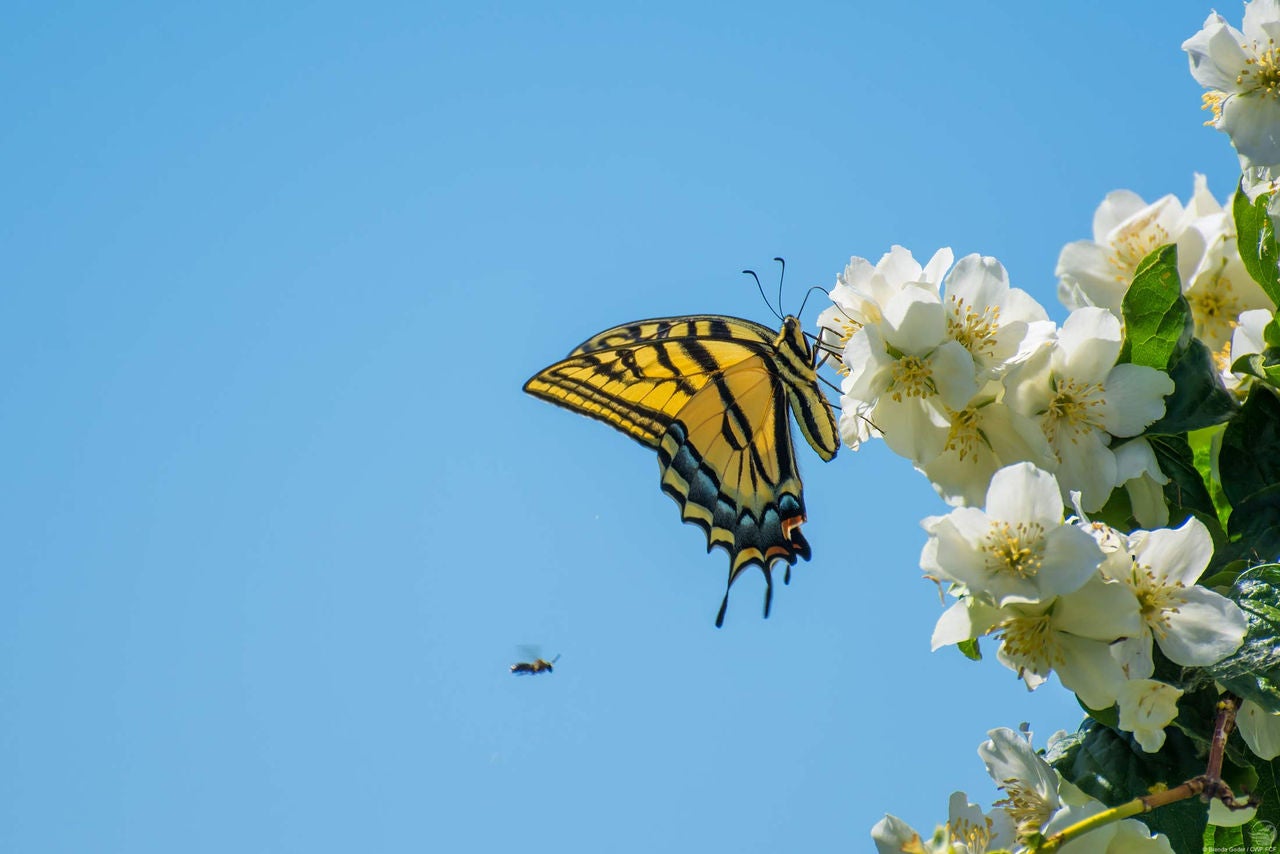
Nearly 300 species of butterflies inhabit Canada, some cloaked in brilliant colours, others less noticeable. The presence of these graceful creatures in our gardens is a blessing of vibrancy and beauty.
-

How To Build a Turtle Nesting Site
2026-04-21
Sometimes turtles nest in problem areas like gardens, driveways or compost piles. To encourage turtles to nest elsewhere, or to create nesting habitat if it is lacking, consider building a nesting site. Keep in mind that turtles will often return to sites where they have nested before, so it may take a few seasons before a new site is used. We also recommend having nest protectors ready to protect any nests laid.
-
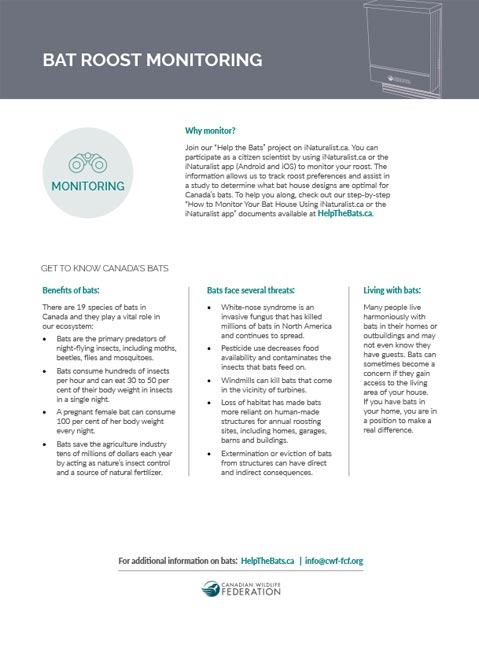
BAT ROOST MONITORING
2026-04-21
oin our “Help the Bats” project on iNaturalist.ca. You can participate as a citizen scientist by using iNaturalist.ca or the iNaturalist app (Android and iOS) to monitor your roost. The information allows us to track roost preferences and assist in a study to determine what bat house designs are optimal for Canada’s bats. To help you along, check out our step-by-step “How to Monitor Your Bat House Using iNaturalist.ca or the iNaturalist app” documents available at HelpTheBats.ca
-
Education & Leadership
Endangered Species & Biodiversity
-
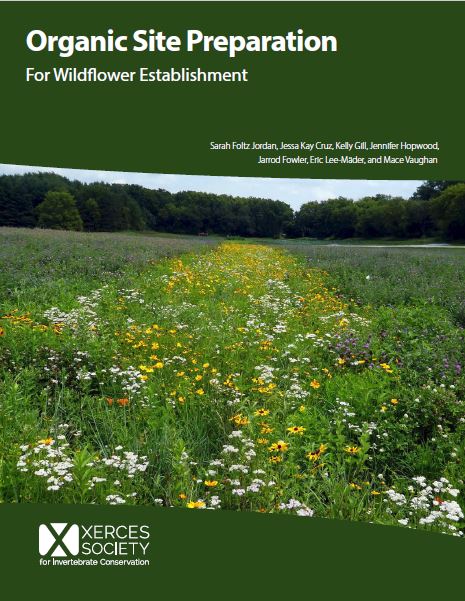
Organic Site Preparation for Wildflower Establishment
2019-05-07
Pollinators are a priority resource concern for many conservationists and farmers. The Xerces Society conducted field trials throughout the Easter, Midwestern and Western United States to inform best practices.
-
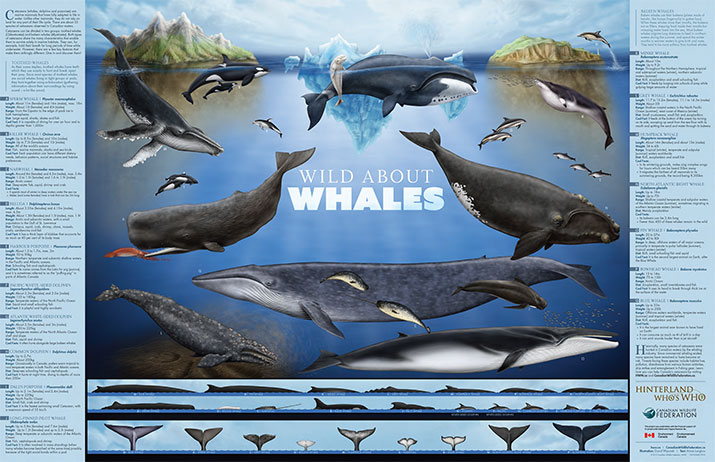
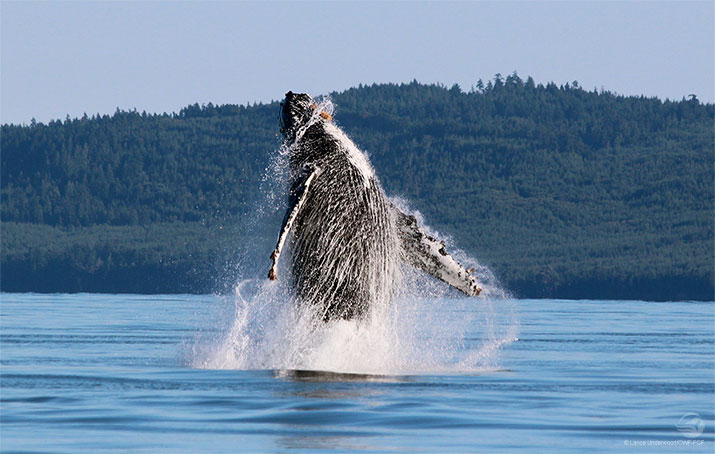
Wild About Whales Poster
2026-04-21
Cetaceans (whales, dolphins and porpoises) are marine mammals that have fully adapted to life in water. Unlike other mammals, they do not rely on land for any part of their life cycle. There are about 33 species of cetaceans observed in Canadian waters.Cetaceans can be divided in two groups: toothed whales (Odontocetes) and baleen whales (Mysticetes). Both types of cetaceans share the many characteristics that enable them to survive solely in marine habitats. They can, for example, hold their breath for long periods of time while underwater. However, there are a few key features that make them strikingly different. Dive in and discover them!
-
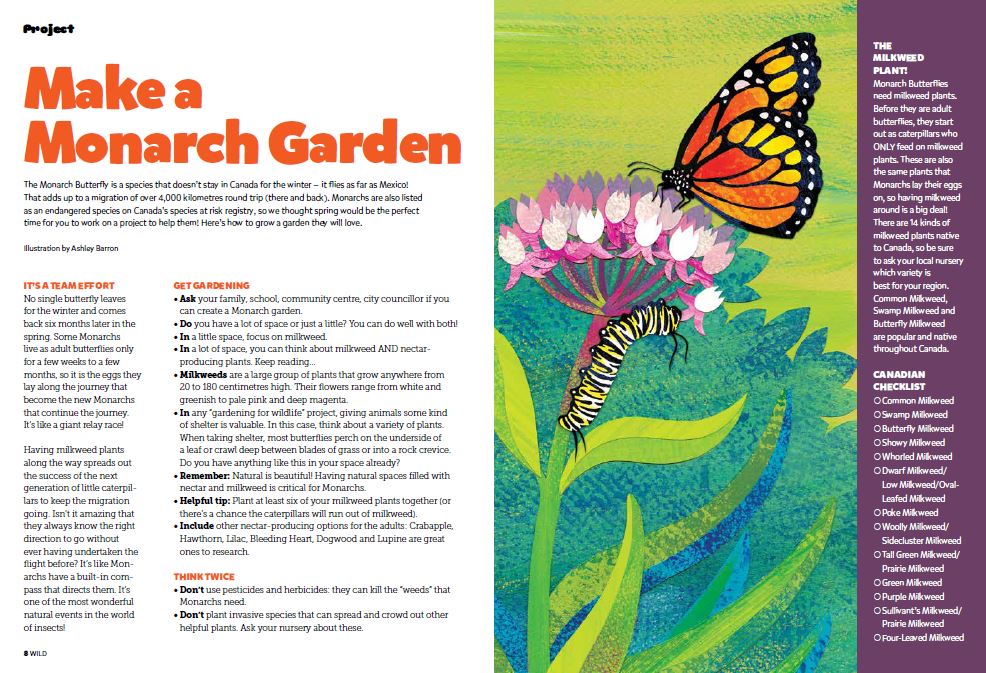
Make a Monarch Butterfly Garden
2020-04-01
The Monarch Butterfly is a species that doesn’t stay in Canada for the winter — it flies as far as Mexico! That adds up to a migration of over 4,000 kilometres round trip (there and back). Monarchs are also listed as an endangered species on Canada’s species at risk registry, so we thought spring would be the perfect time for you to work on a project to help them! Here’s how to grow a garden they will love.
-
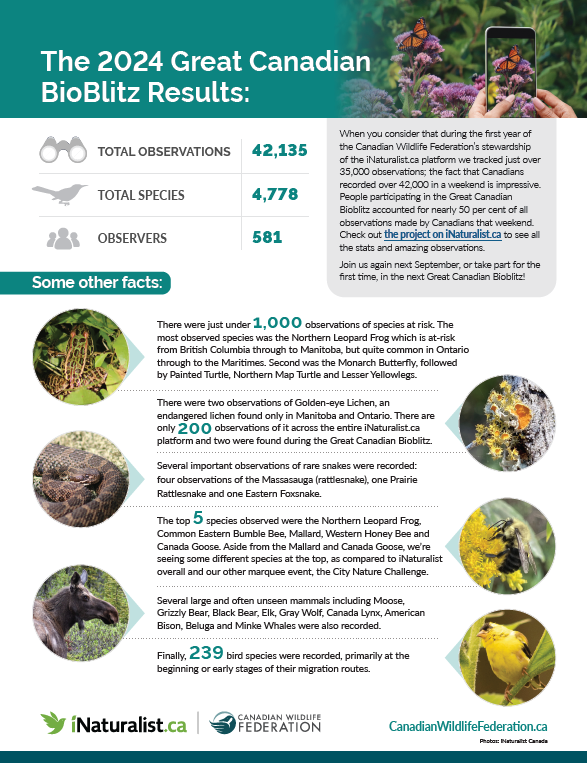
The 2024 Great Canadian Bioblitz Results
2024-10-01
-
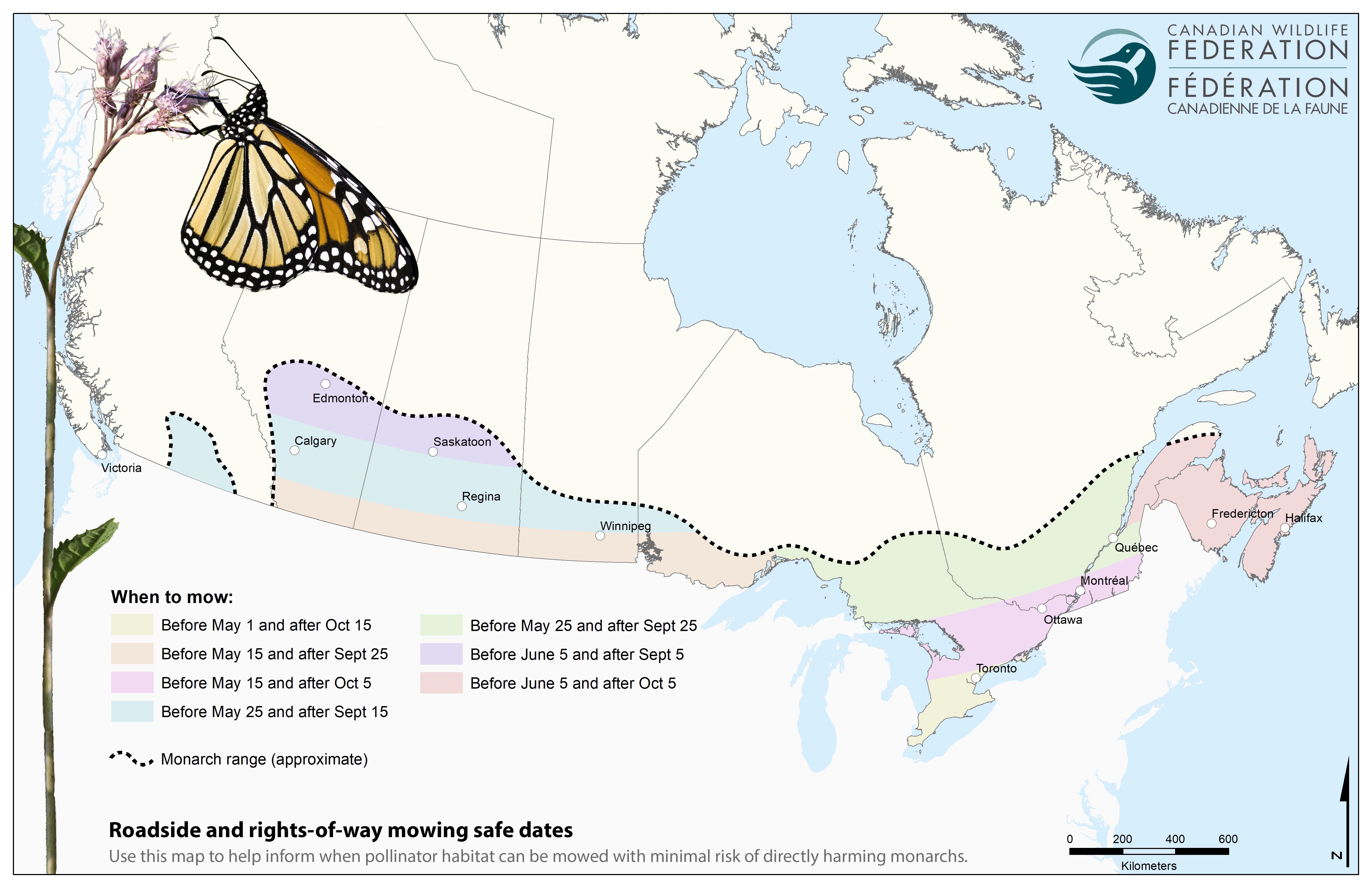
Spring Monarch Mowing Map
2022-05-01
Forests & Fields
-
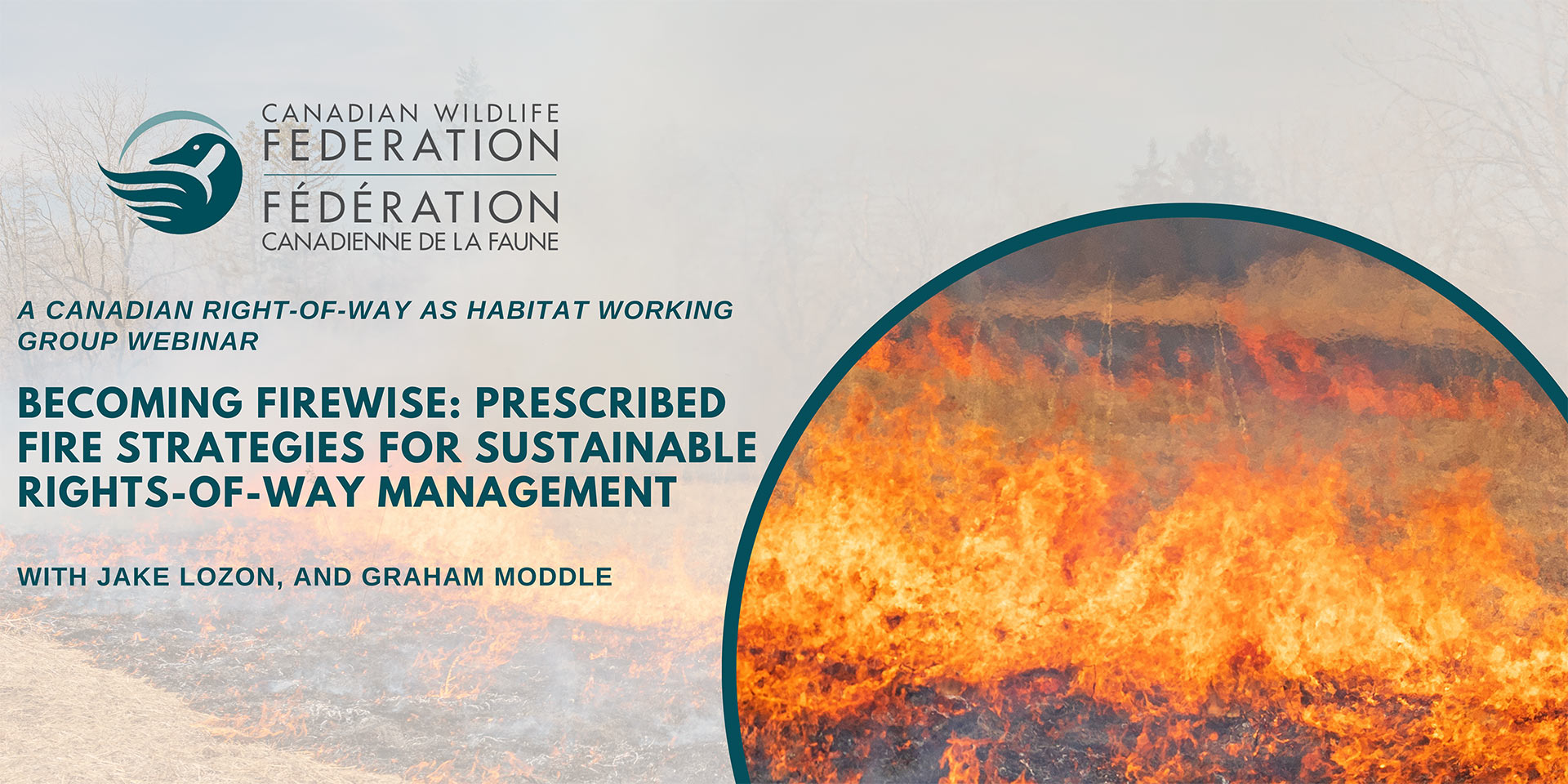
Becoming Firewise: Prescribed Fire Strategies for Sustainable Rights-of-Way Management
2024-02-28
Delve into prescribed fire as a method of rights-of-way management. Discover the strategic use of controlled fires with consideration of invasives species, rejuvenating meadow vegetation, biodiversity and safety. Gain insights from practitioners, explore case studies and equip yourself with the knowledge to navigate the balance between fire management and habitat restoration. Ignite a new understanding of responsible stewardship during this fireside chat.
-
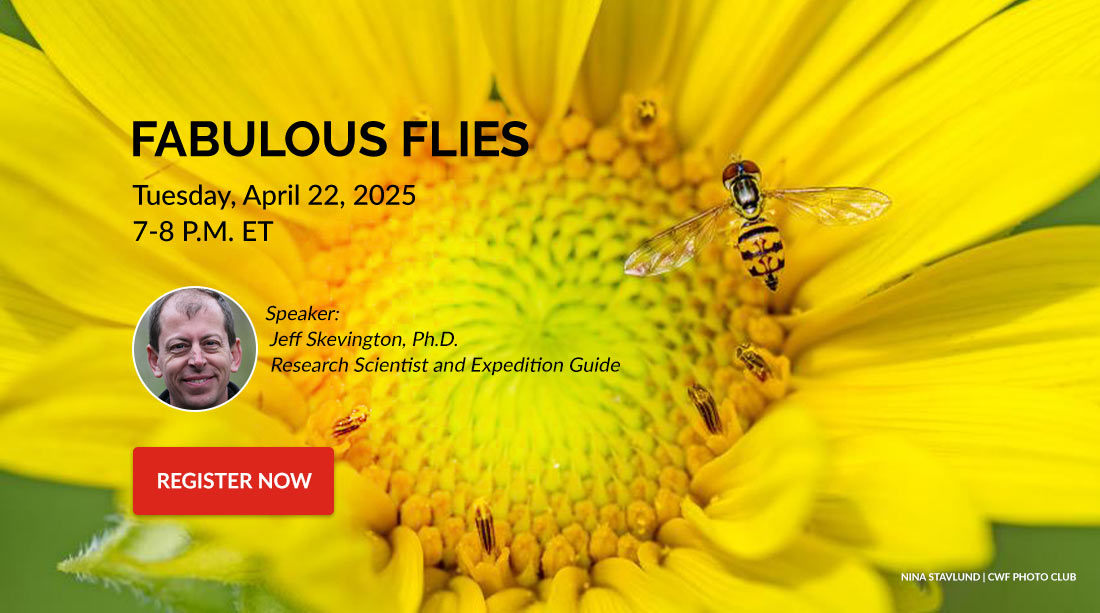
Fabulous Flies
2025-04-22
Join the Canadian Wildlife Federation on Tuesday, April 22 at 7:00 p.m. ET to discover the fascinating world of flies and their critical role on our planet. From pollination to pest control and decomposition services, flies are one of the most diverse and important groups on the planet. Our special guest presenter will be Jeff Skevington, Ph.D., a Research Scientist and Expedition Guide and co-author of a field guide on flower flies. Jeff will speak about fly biology, how they live and their many important ecosystem roles. He will also highlight some of the more easy-to-spot Canadian flies that may be in your yard. We hope you can join us!
-
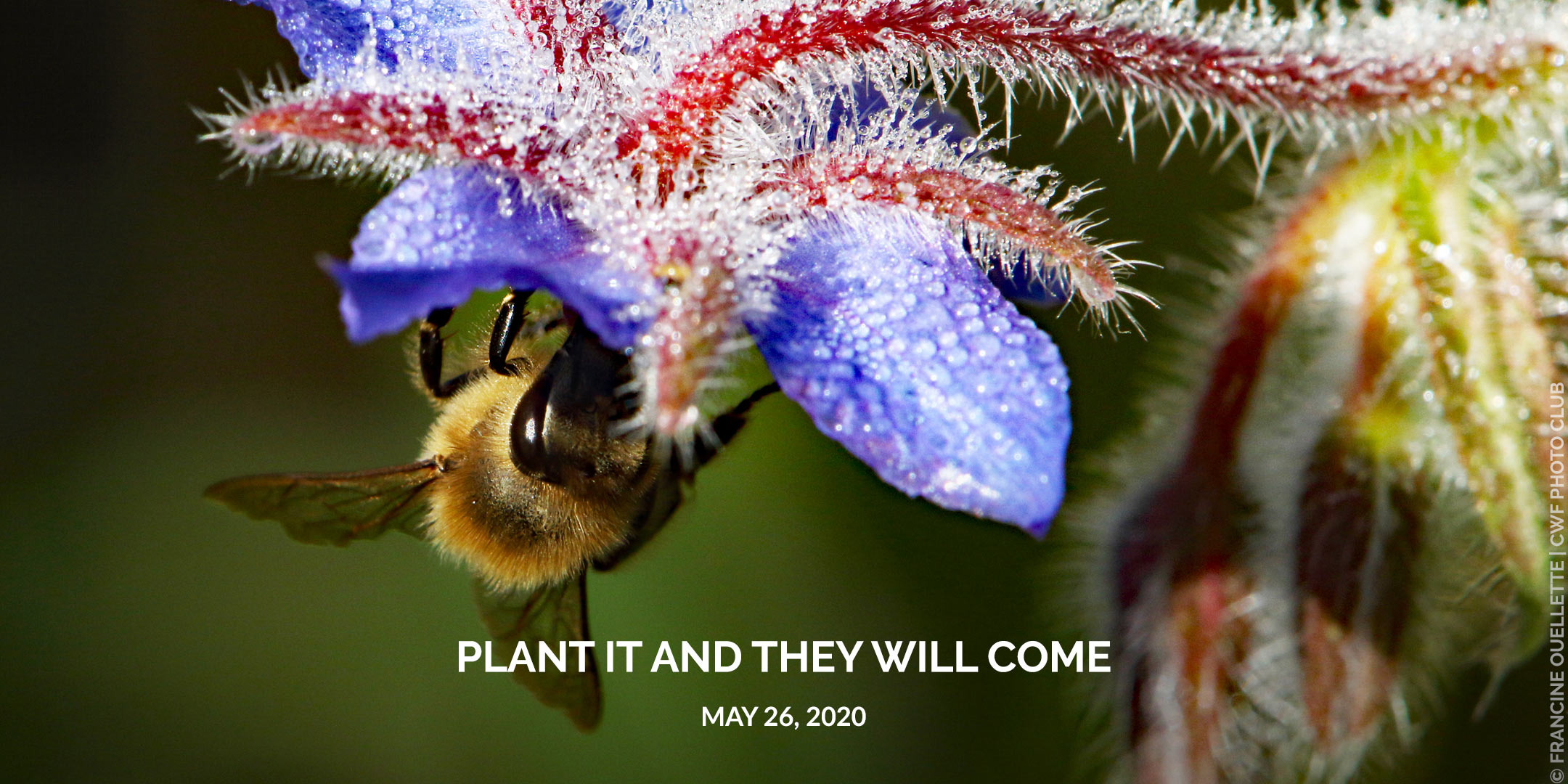
Plant It and They Will Come
2020-05-26
How one woman discovered the joys of creating a wildlife-friendly garden. Join CWF as Berit Erickson, pollinator garden blogger, shares her urban garden’s transformation from ornamental to wildlife-friendly. Discover how much easier it was than she thought and all the benefits she and her family now enjoy. So if the idea of creating a wildlife-friendly garden is daunting to you or you just want to get some new ideas, join us for this informative and inspiring webinar.
-
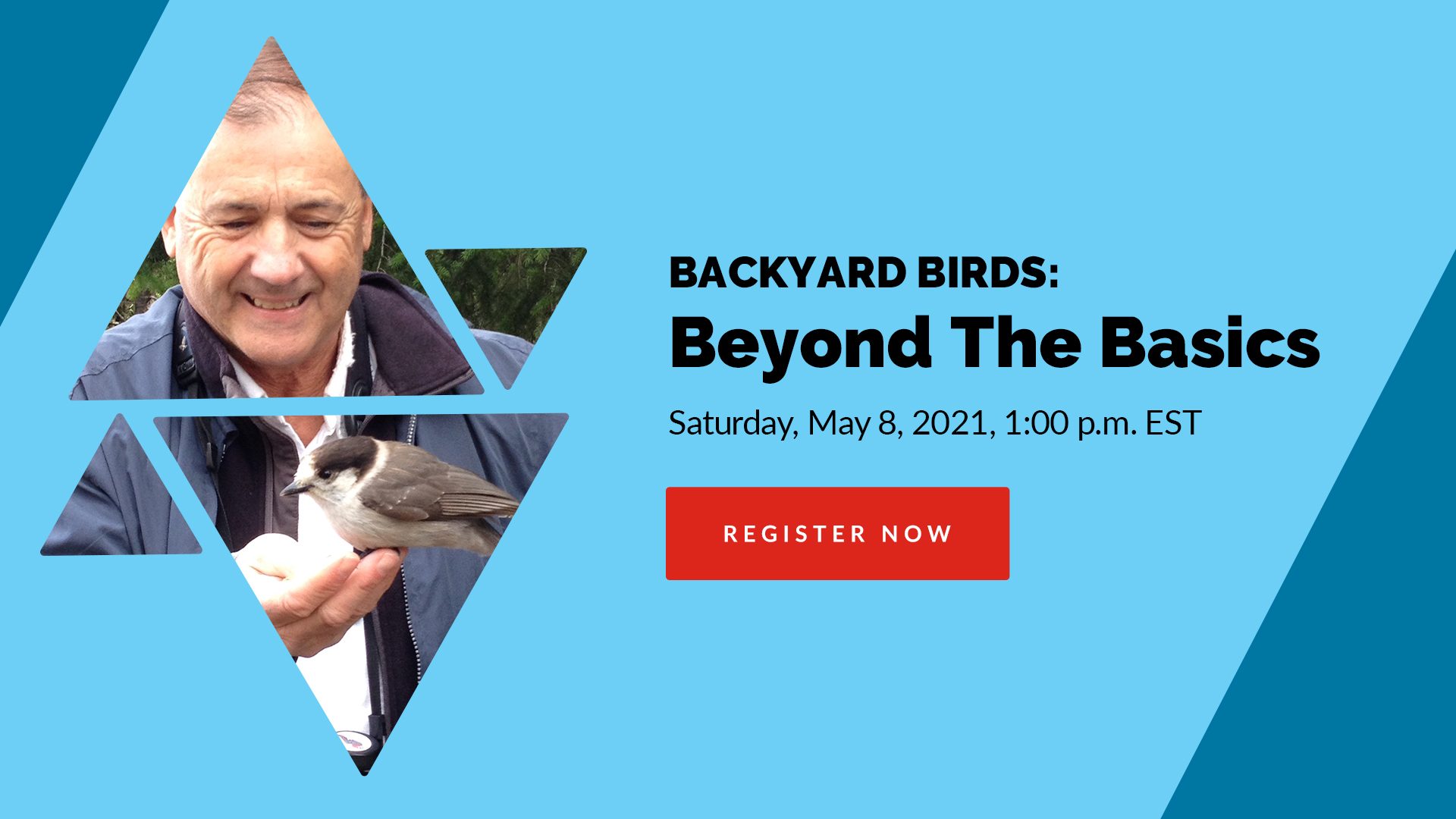
Backyard Birds: Beyond the Basics
2021-05-08
he number of folks deriving pleasure from the birds in their yards is increasing exponentially and they want to know more about these incredible creatures. For example, where do birds sleep at night? How do they deal with extreme cold? However, it is also fair to say that not all interactions with birds are positive. How do you stop birds from hitting windows or woodpeckers from damaging your home? And while a large number of informational books and websites focused on how to attract birds to the backyard does exist, this fun hobby sometimes creates new and vexing problems. Should you provide bath water in the winter? What you should do if you find a baby bird? How shoudl you deal with hawks? Should you offer peanut butter and what things can you add to suet? With at least three decades of experience in teaching ornithology, feeding birds, and writing and lecturing on backyard bird biology and challenges, enjoy a visual presentation by Dr. David M. Bird as he attempts to provide answers to these thought-provoking questions and many more. Please note that this webinar will NOT be recorded.
-
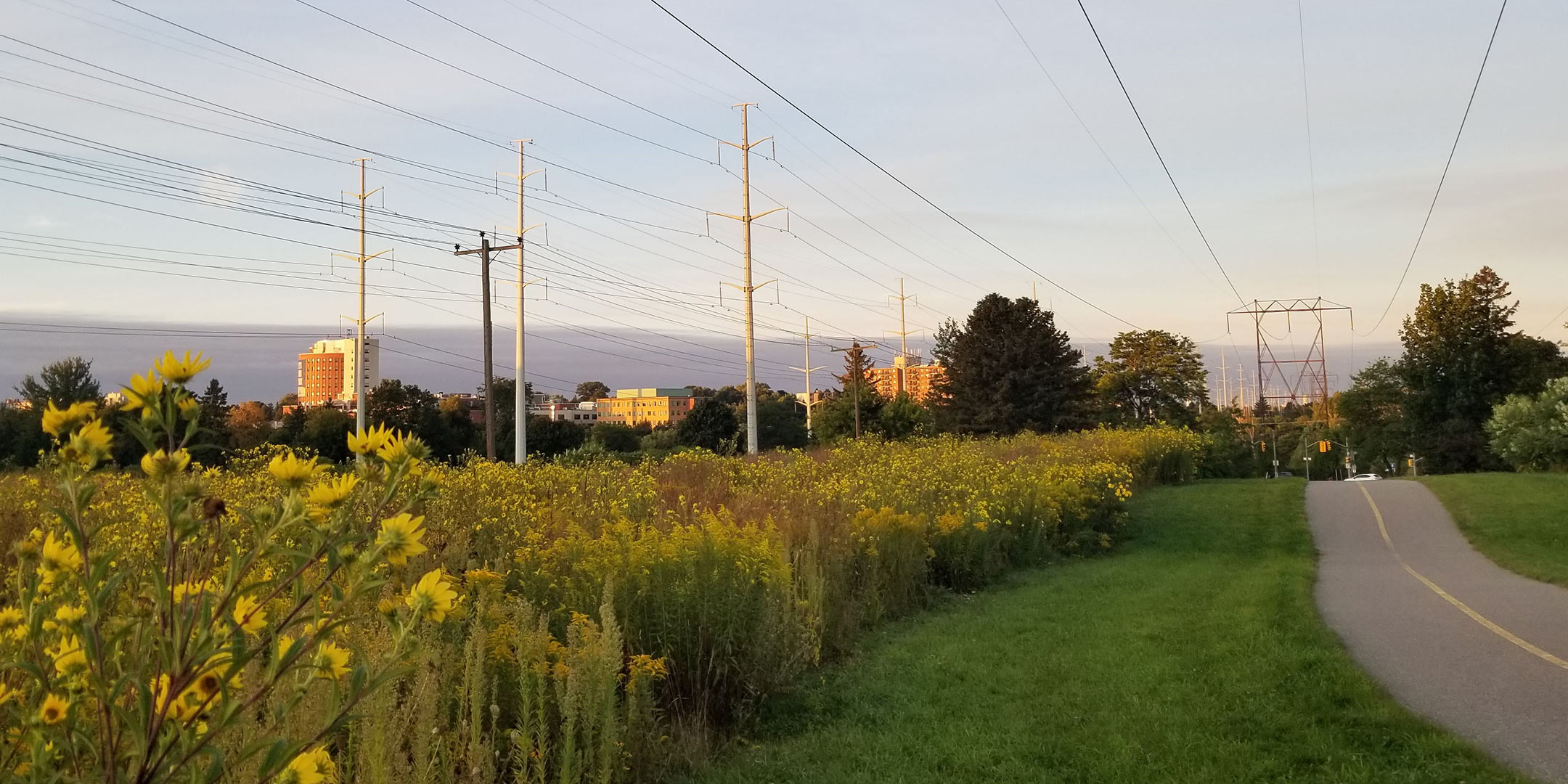
The Meadoway: Planning and Restoring Pollinator Habitat in a utility corridor in Toronto, Ontario
2020-01-30
The Meadoway is transforming a hydro corridor in Scarborough, ON into a vibrant sixteen-kilometre stretch of urban greenspace and meadowlands that will become one of Canada’s largest linear urban parks. Cyclists and pedestrians will soon be able to travel from the heart of downtown Toronto to Rouge National Urban Park without ever leaving nature. Over the next seven years, this site will become a place filled with butterflies, birds and wildflowers – a rich meadow landscape realized on a scale never before seen in Toronto. This webinar will help to showcase and walk you through the overall planning, permits/policies, education/outreach, communication and meadow restoration needed to create a project similar to The Meadoway.
Lakes & Rivers

Learn More

- 0
- 1
- 2
- 3