




-
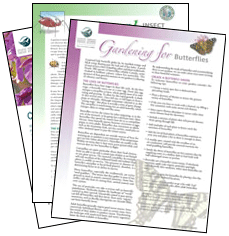 Guides, Infographics & Posters
Guides, Infographics & Posters
Take a closer look at the ways in which we’ll help you access the facts about wildlife. Whether it’s discovering the Hinterland Who’s Who animal fact sheets, or ordering our handy field guide to Canada’s prevalent shoreline species. This content is available to our CWF Supporters and online members. Please sign in to order your free materials.
More -
-
Wildlife E-cards
Wildlife E-cards
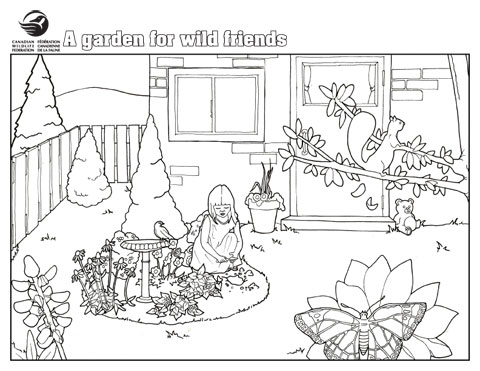
Send Dad a wildlife e-card! You cherish our wonderful wildlife and now you can send e-greetings that reflect your love of nature. We have developed a wide array of wildlife ecards for every occasion for you to share with your family and friends!
More -
 CWF Wallpapers
CWF Wallpapers
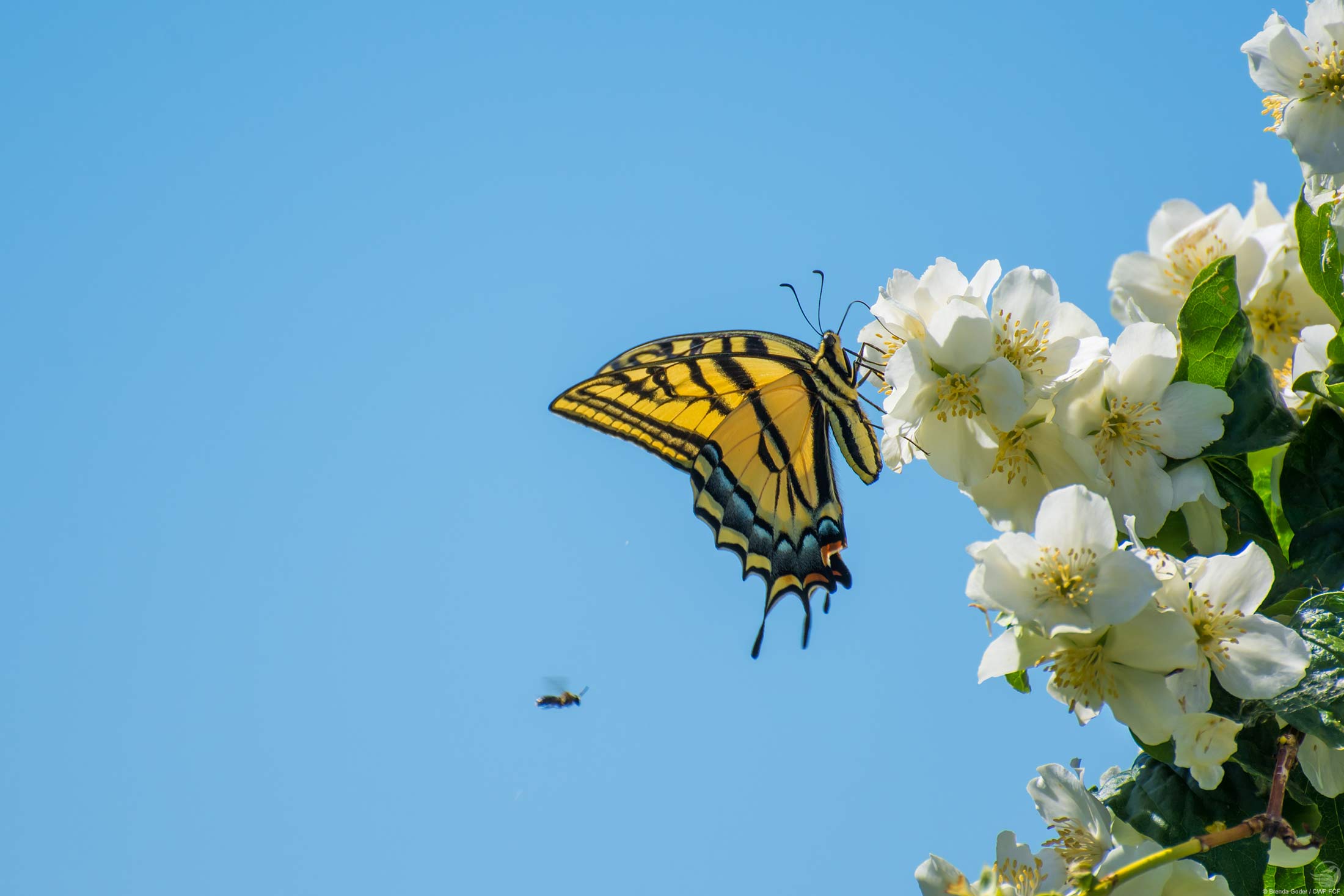
Your desktop is the perfect habitat for this wild wallpaper. Download CWF wallpapers!
More -
 WILD Webinars
WILD Webinars
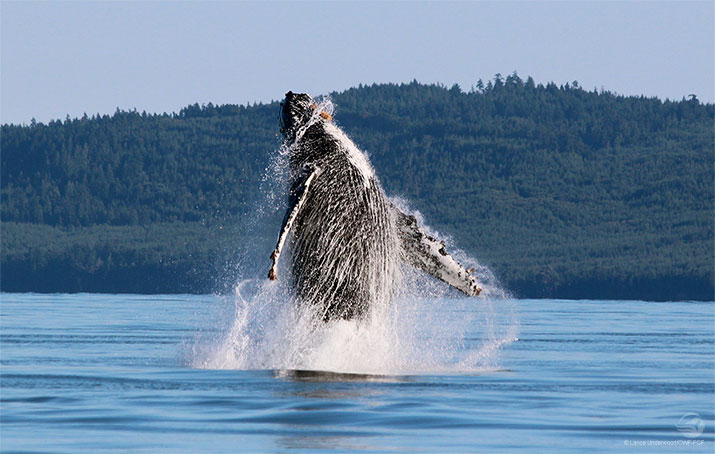
With topics relating to conservation, wildlife and habitat, we provide a relevant online learning platform, typically for grades four to six but of benefit to any age.
More

From easy-to-use apps designed as tools for your citizen science projects to picturesque wallpaper images for your computer, CanadianWildlifeFederation.ca offers a variety of useful downloads for your PC and mobile devices.
Coasts & Oceans
Connecting With Nature
-
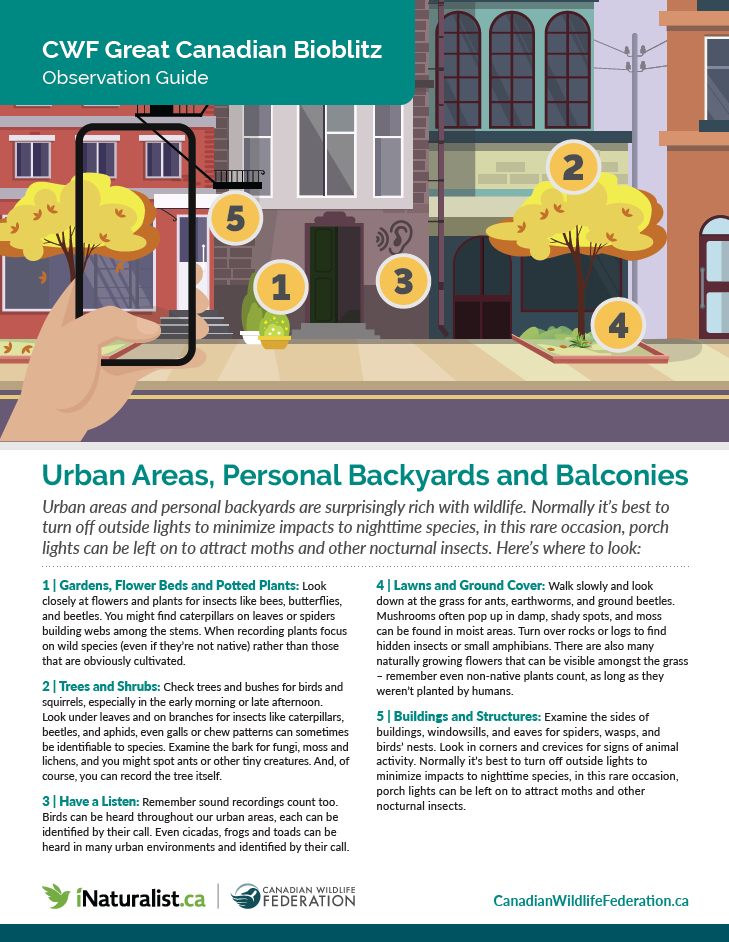
Great Canadian Bioblitz Observation Guide
2026-04-21
-
-
-

-
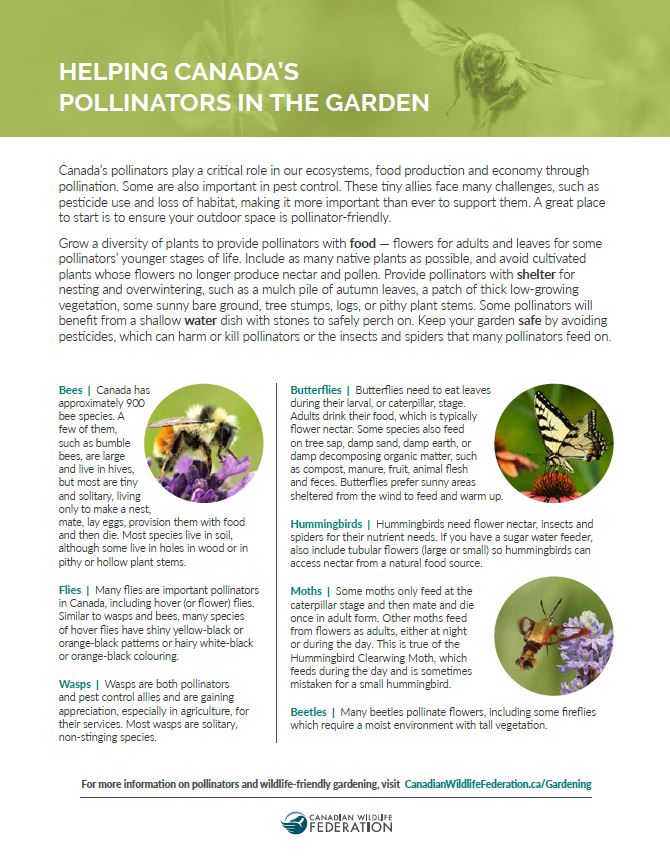
Helping Canada’s Pollinators in The Garden
2026-04-21
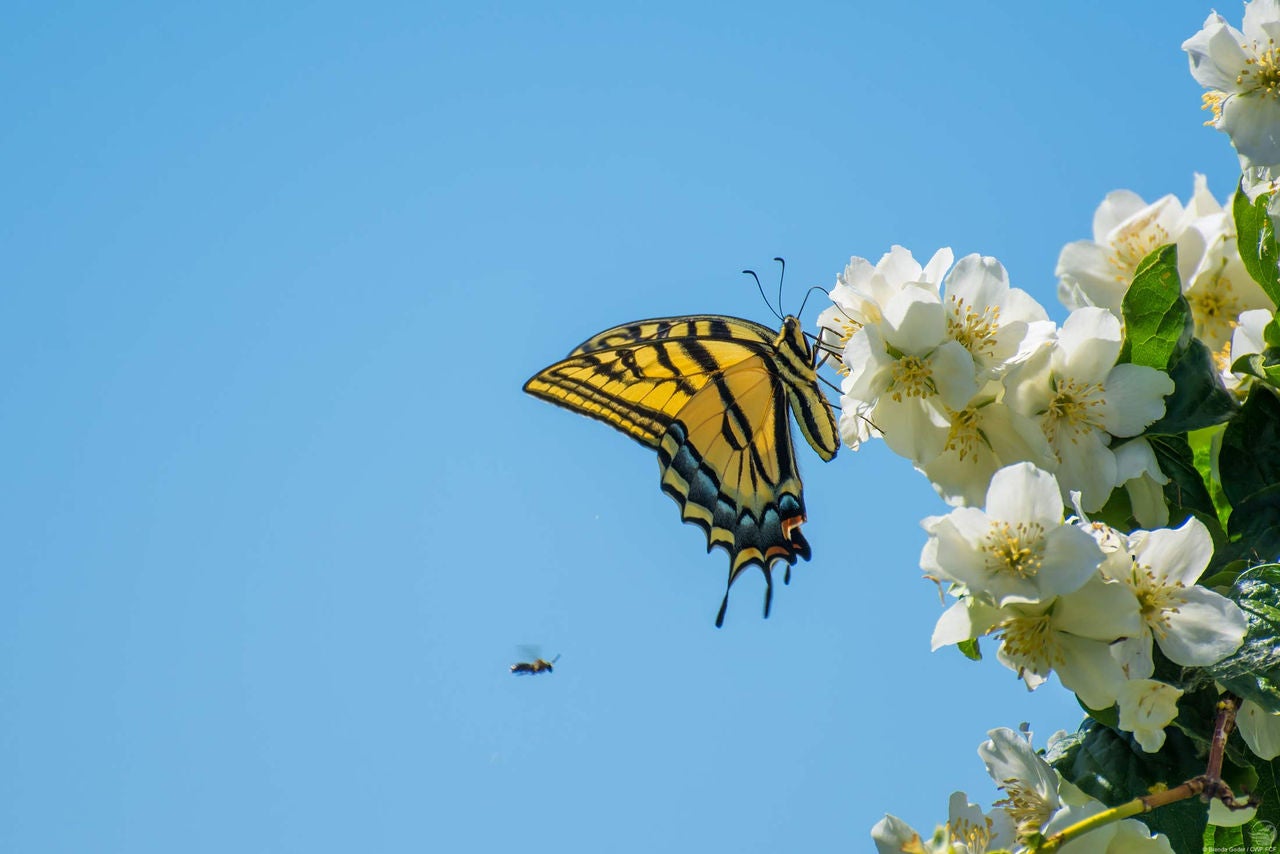
Canada’s pollinators play a critical role in our ecosystems, food production and economy through pollination. Some are also important in pest control. These tiny allies face many challenges, such as pesticide use and loss of habitat, making it more important than ever to support them. A great place to start is to ensure your outdoor space is pollinator-friendly.
Education & Leadership
Endangered Species & Biodiversity
-
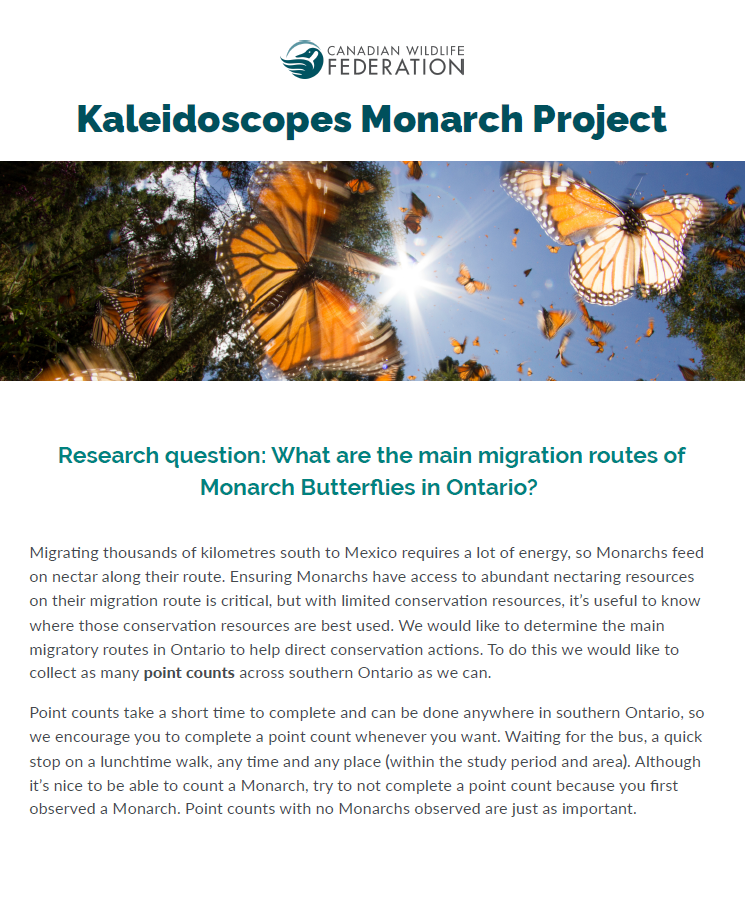
Monarch Point Count Data Guide
2026-04-21
-
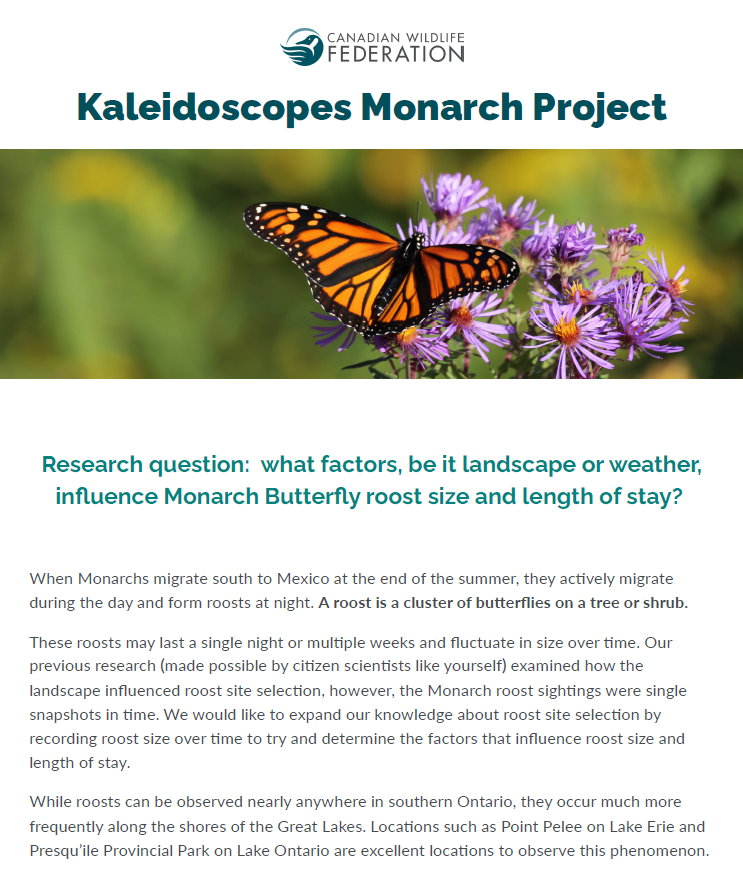
Monarch Roost Data Guide
2026-04-21
-
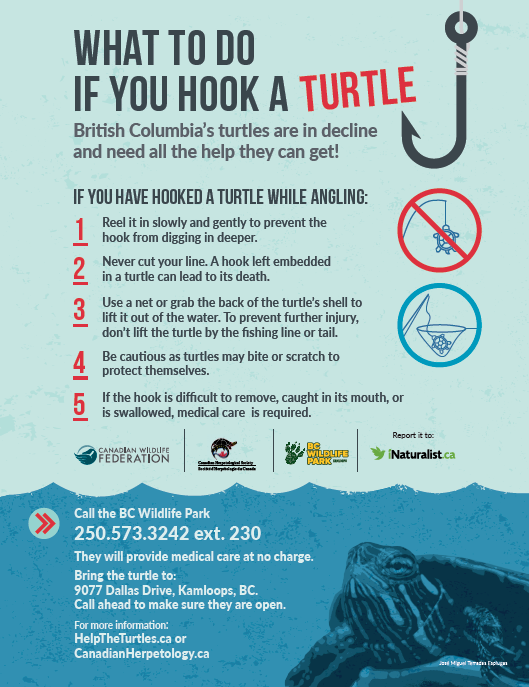
What to do if You Hook a Turtle in B.C.
2020-04-27
British Columbia’s turtles are in decline and need all the help they can get!
-
Hinterland Who's Who Fact Sheets
2025-12-05
Check out the facts for amphibians and reptiles, birds, fish, mollusks, insects, pollinators and mammals! We’ve even got information specific to species at risk, the boreal forest species, and species affected by climate change! So why not learn a little bit more about these Canadian creatures
-
Wild About Bees Poster
2026-04-21
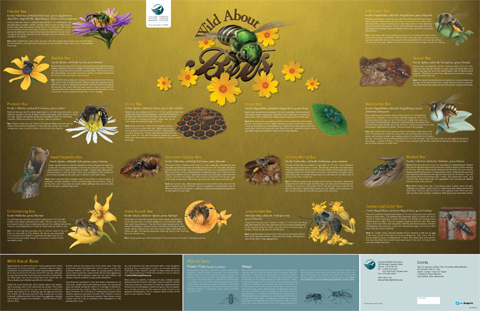
Approximately one-third of all human food is prepared from plants that depend on animal pollinators — and bees make the biggest contribution. The most familiar bee is the honey bee (Apis mellifera), which was introduced from Europe almost 400 years ago. Although we may first picture the honey bee when we think of pollinators, our native bees, such as the bumble bee or the mason bee, are often actually more effective and efficient pollinators. Unlike the social honey bee, which shares labour and caretak-ing of its young, most of our native bees are solitary. This means that each female prepares her own nest, provisions it with food (nectar and pollen) for her offspring, lays her eggs and provides little further care.
Forests & Fields
-

Going to Bat for Canada's Bats
2022-10-28
Are you afraid of bats? Many myths and misinformation exist about bats, but did you know they play a vital role in helping control insect populations? Join the Canadian Wildlife Federation just in time for Halloween as we shed some light on this amazing nocturnal creature, and highlight how you can "go to bat” for bats in your own school or community! Don't forget to come dressed as your favourite creepy crawley!
-
Living Earth and the Life Beneath Our Feet Webinar
2023-04-19
Join CWF Wednesday, April 19th at 7:00 p.m. ET for an eye-opening webinar with Vivian Kaloxilos, soil ecologist and founder of DocTerre, on the incredible interactions between soil organisms and plants. We live on planet Earth, but many people don't understand what soil is and how it functions. We will explore the living ecosystem in the soil and how it supports all life on Earth. You will also discover simple ways you can enhance your plants’ vitality and production in your own outdoor space. We hope you can join us!
-
Grassland Migrations With John Wilmshurst
2025-04-08
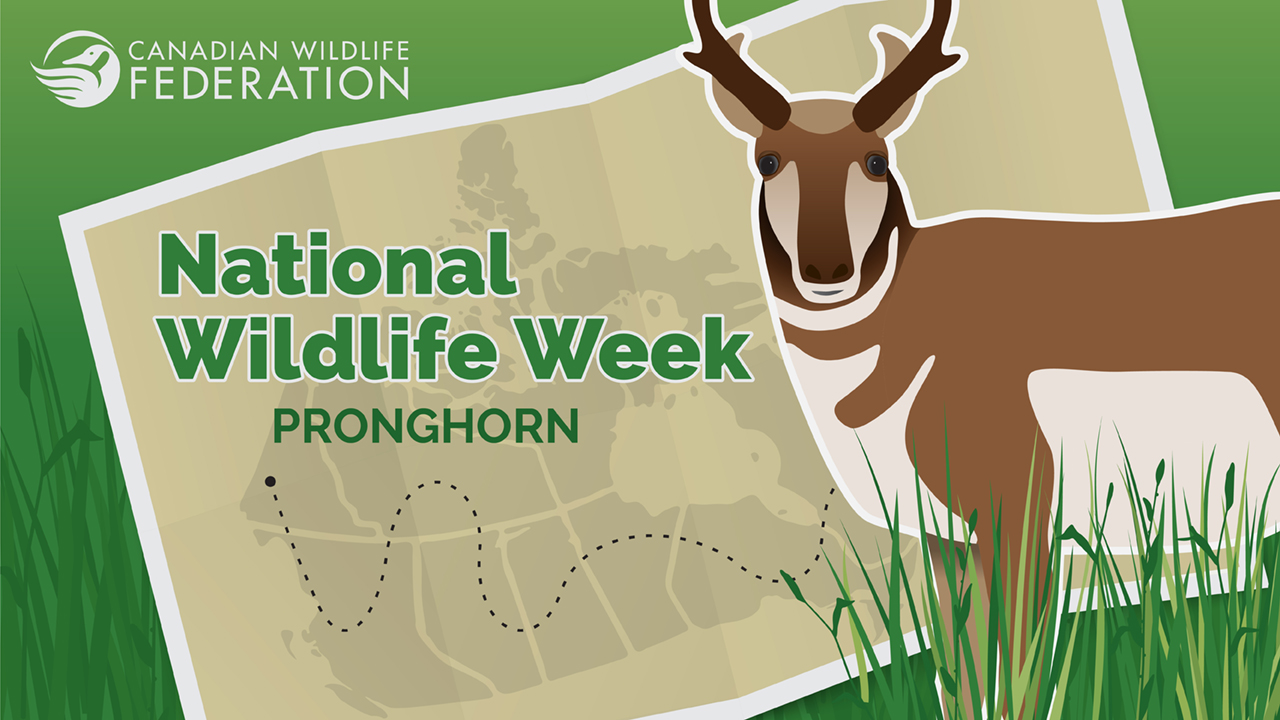
John is the Native Grassland Conservation Manager for the Canadian Wildlife Federation (CWF). With 35 years’ experience in grassland science and conservation, he’s worked in Canada, Africa, and Europe. John has also studied and collaborated at universities across Canada and worked with Parks Canada as both a grassland ecologist and manager. His current research and conservation focus is on the rangeland ecosystem in southwestern Saskatchewan, partnering with agricultural producers and ecologists to measure interactions among plants, insects, and grassland birds. Join John to learn about the importance of migrations in grassland ecosystems and some of the world’s largest bird and mammal migrations, including Canada’s lesser-known pronghorn!
-
Native Shrubs for Beauty and the Birds (and Pollinators, too!)
2021-09-27
Join the Canadian Wildlife Federation and our guest presenter, Colleen Cirillo, to discover the beauty and functionality of Canada's native shrubs. Delicate flowers, showy fruit and colourful fall leaves make these smaller woody plants ideal additions to any garden. But you will get so much more than beauty. These plants will also attract and support a diversity of native insects and birds, thereby helping you counter biodiversity loss right outside your door.
-
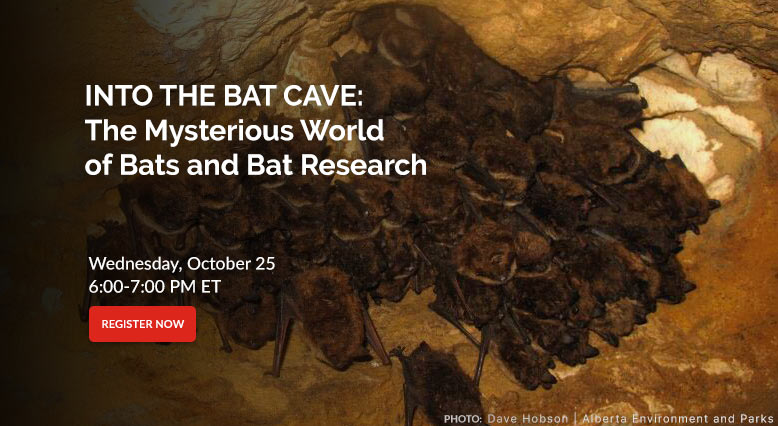
Into the Bat Cave: The Mysterious World of Bats and Bat Research
2023-10-25
As Halloween approaches bats are often depicted as terrors of the night. But the real threat is that bat populations are in steep declines in Canada… and humans are mostly to blame. Bats are much more terrorized by us than we are by them. Join CWF’s Bat Researcher Bailey Bedard to lean about the different Canadian bat species, the amazing abilities they have and the benefits they provide humans and the ecosystem. You will also be able to find out more about CWF’s bat research and how humans, while the primary threat to bats, can also be part of the solution to helping them recover. Date, Time, Time Zone:Wednesday October 25, 6 pm Eastern Time Host: Bailey Bedard, Bat Researcher, James Pagé Species at risk and Biodiversity Specialist, Emily Becker, Bat Researcher
Lakes & Rivers

Learn More

- 0
- 1
- 2
- 3