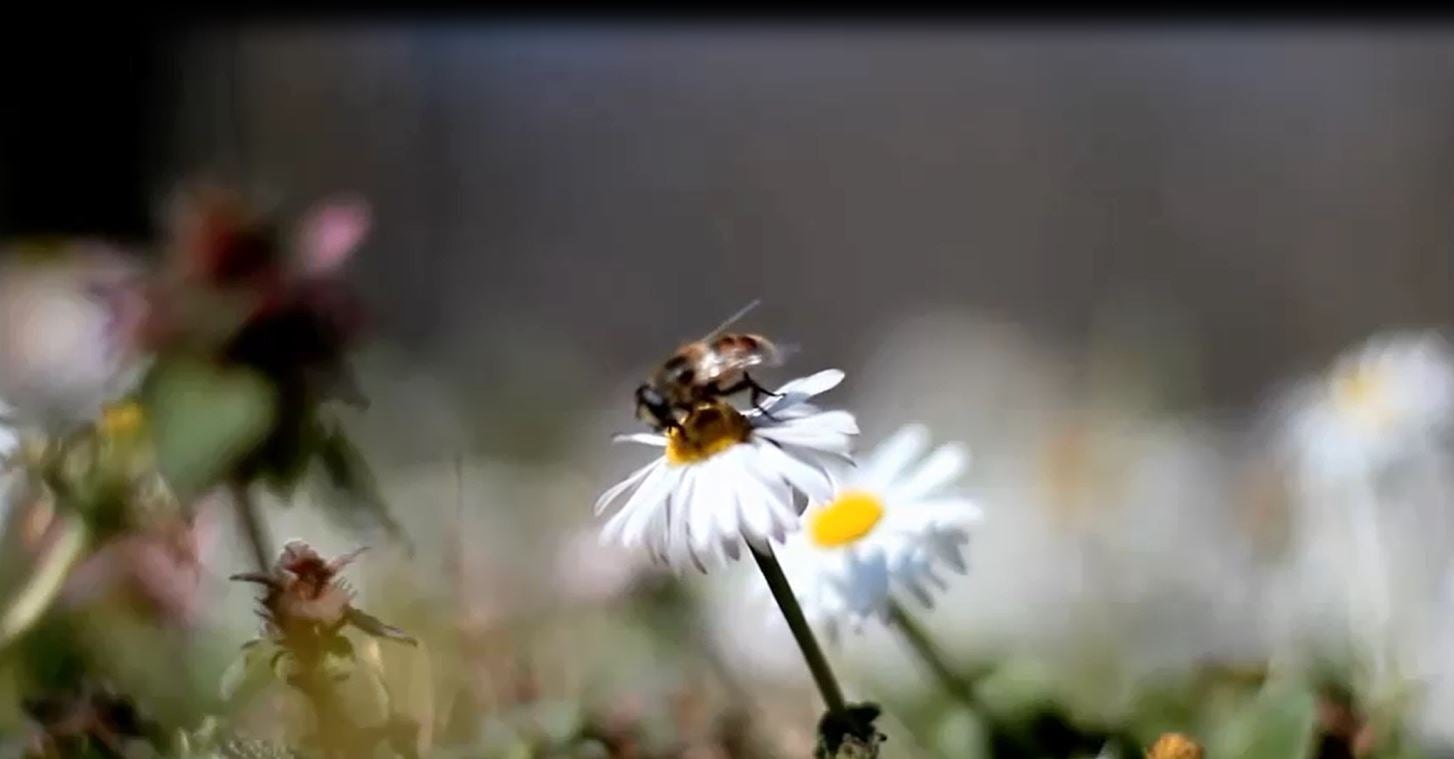
Not All Heroes Have Capes; Some Have Wings!
When it comes to nature, pollinators are the real marvel. Canada’s smallest and most diligent superheroes work 24/7 to put food on our tables and bring life to our ecosystems. From fuzzy native bees to master-of-disguise hoverflies, our pollinators are super, man.
Each day, millions of pollinators move from flower to flower, collecting nectar and pollen. While foraging, their bodies are dusted with pollen, and as they move between flowers of the same species, they transfer the microscopic pollen grains between plants, enabling fertilization and seed production. This seemingly simple exchange underpins the reproduction of flowering plants across forests, grasslands, farms and gardens worldwide. Occurring millions of times each day, pollination sustains ecosystems and contributes to the production of roughly one‑third of the food we eat. From hard-working bees and colourful butterflies to hummingbirds, moths, beetles, wasps and flies, an astonishing variety of creatures takes part in this hidden wonder of nature.
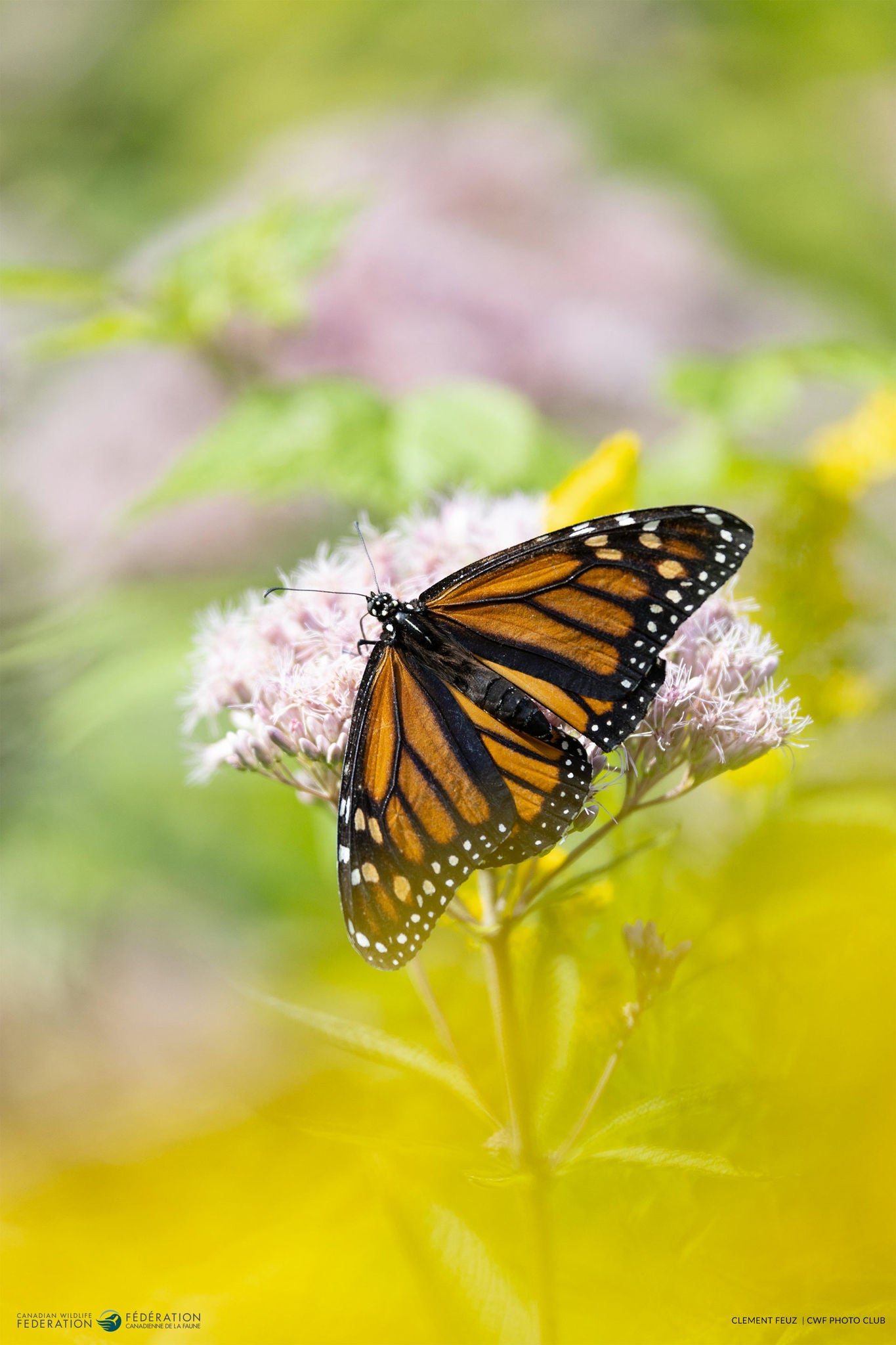
© Clement Feuz | CWF Photo Club
Celebrate Pollinator Week
Be part of the magic of Pollinator Week (June 22 to 28), an annual global celebration that brings people together to recognize and protect the extraordinary pollinators that keep our world blooming, thriving and alive with beauty. Make observations and upload them during pollinator week.
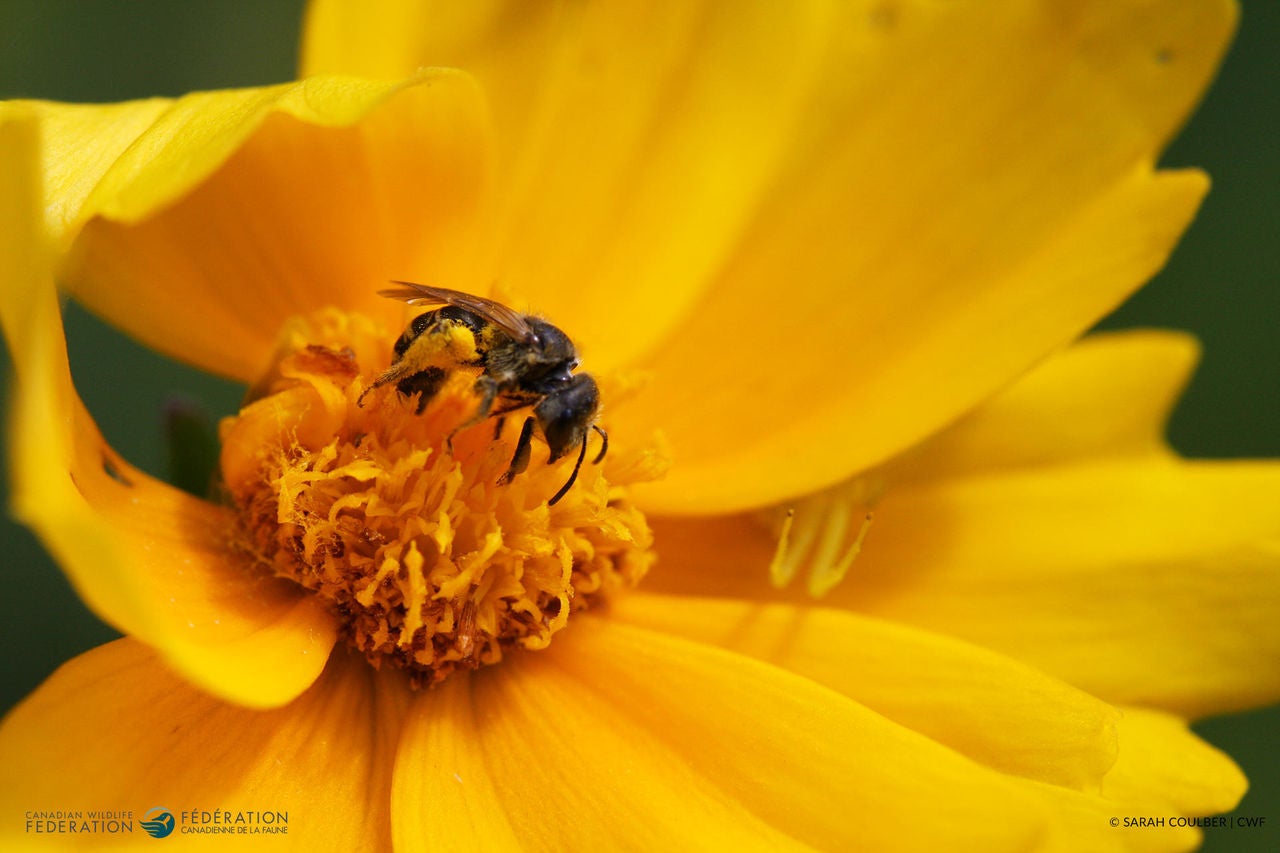
Coreopsis with pollinator and lurking spider. © Sarah Coulber | CWF
Why Do Pollinators Need Our Help?
Pollinators and insects in general are declining globally in abundance and diversity, with long term studies reporting losses ranging from a gradual annual decreases (approximately one to two per cent each year) to severe local declines exceeding 75 per cent over recent decades. Threats to pollinators include habitat loss and agricultural intensification, pesticide use, climate change, light pollution and invasive species. Together, these pressures are undermining the ecological functions that insects support, including the essential service of pollination.


How Is CWF Helping Pollinators?
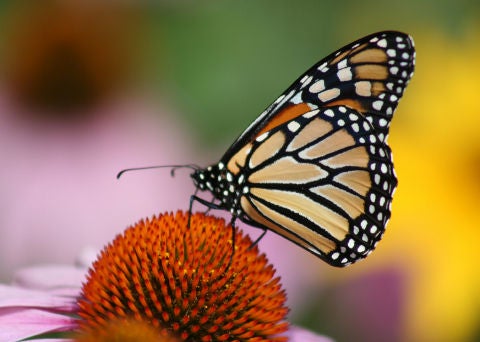
The Monarch Butterfly is officially listed as Endangered in Canada. The eastern population has declined by 80 per cent in the last 25 years, and the western population has declined by more than 99 per cent. By restoring meadow habitat along rights-of-way and conservation lands which become rich with native grasses and flowers, including some of the 14 species of milkweed in Canada that are the Monarch's larval host plant, we are ensuring that Monarch can feed, breed, and continue their remarkable journey along the eastern migratory route. Across the landscapes of Ontario and Quebec, new generations of Monarch Butterflies return each spring to the restored meadows to feed, breed and lay eggs for the next generation, which will ultimately produce the super generation of butterflies that make one of nature’s most extraordinary migrations to Mexico. Working alongside partners throughout these regions, the Canadian Wildlife Federation brings together funding, knowledge and restoration efforts to restore habitats that support this iconic butterfly and our other important pollinators.
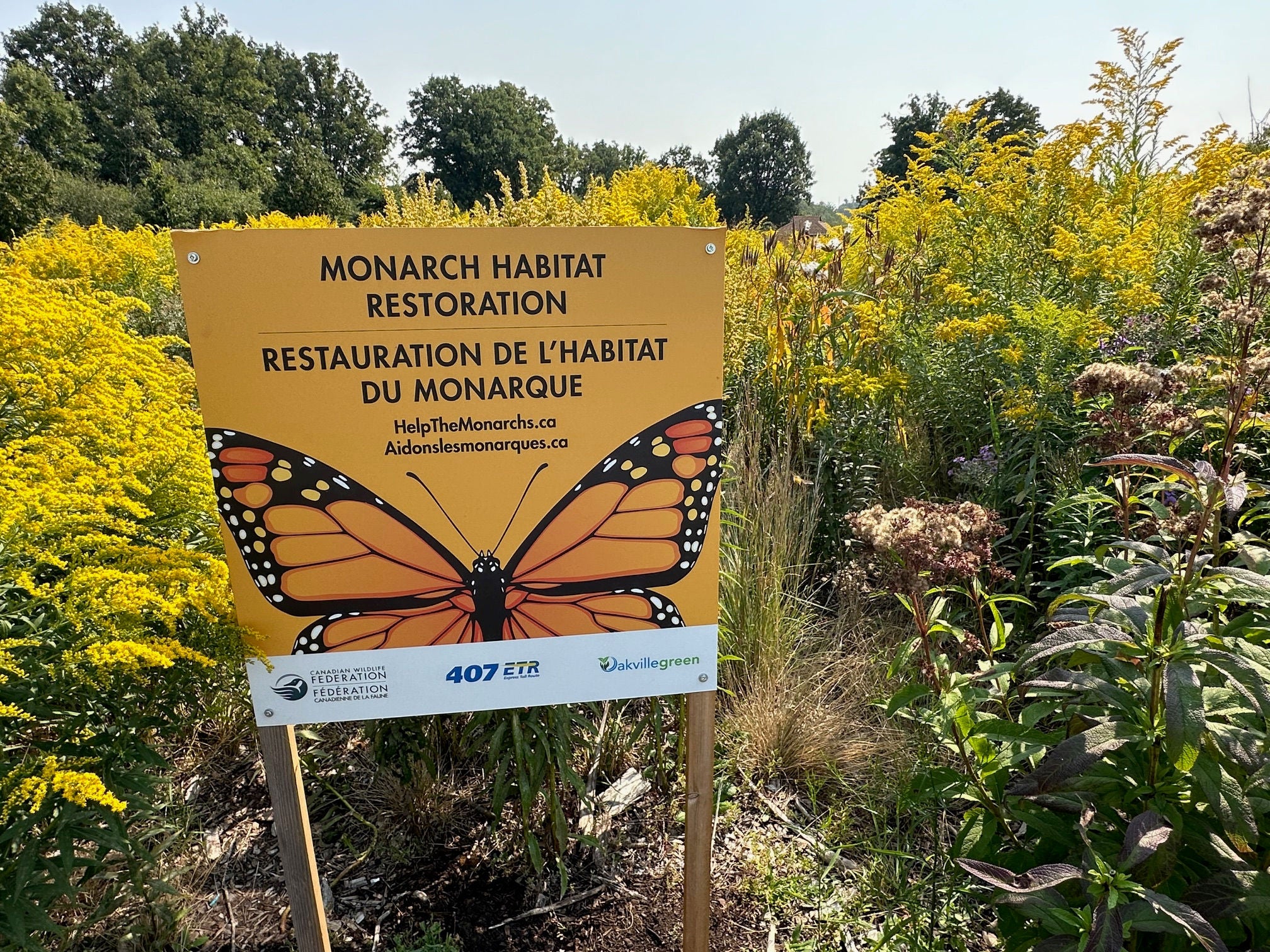
Project site located in Oakville. © Oakvillegreen
Collaboration With the 407ETR
The impact of this work reaches far beyond Monarchs. Every restored roadside, hydro corridor and conservation land becomes a vibrant sanctuary alive with wildflowers, sheltering and nourishing hundreds of species of pollinators. CWF has collaborated with rights-of-way managers and conservation land managers across Eastern Ontario, Southwestern Ontario, the Greater Toronto and Hamilton Area (GTHA) and Southwestern Quebec to transform overlooked rights-of-way into flourishing pollinator habitat that are living pathways filled with colour, movement and life. With support from the 407 ETR, the rights-of-way program has restored a total of 14.75 hectares of habitat… and counting!
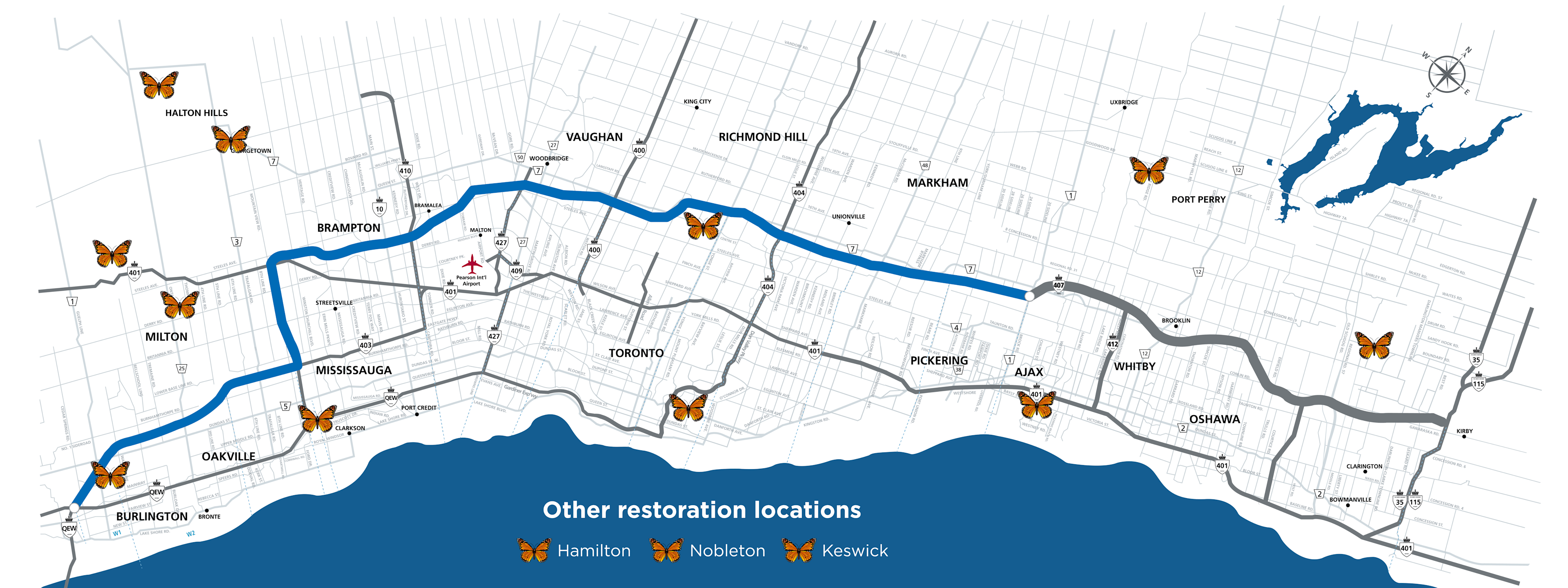
Map of planted sites along the 407 ETR
How Can You Help Pollinators?
Be part of the magic of Pollinator Week (June 22 to 28), an annual global celebration that brings people together to recognize and protect the extraordinary pollinators that keep our world blooming, thriving and alive with beauty. Here are a few ways you can contribute throughout this week and beyond!
Garden With Wildlife in Mind
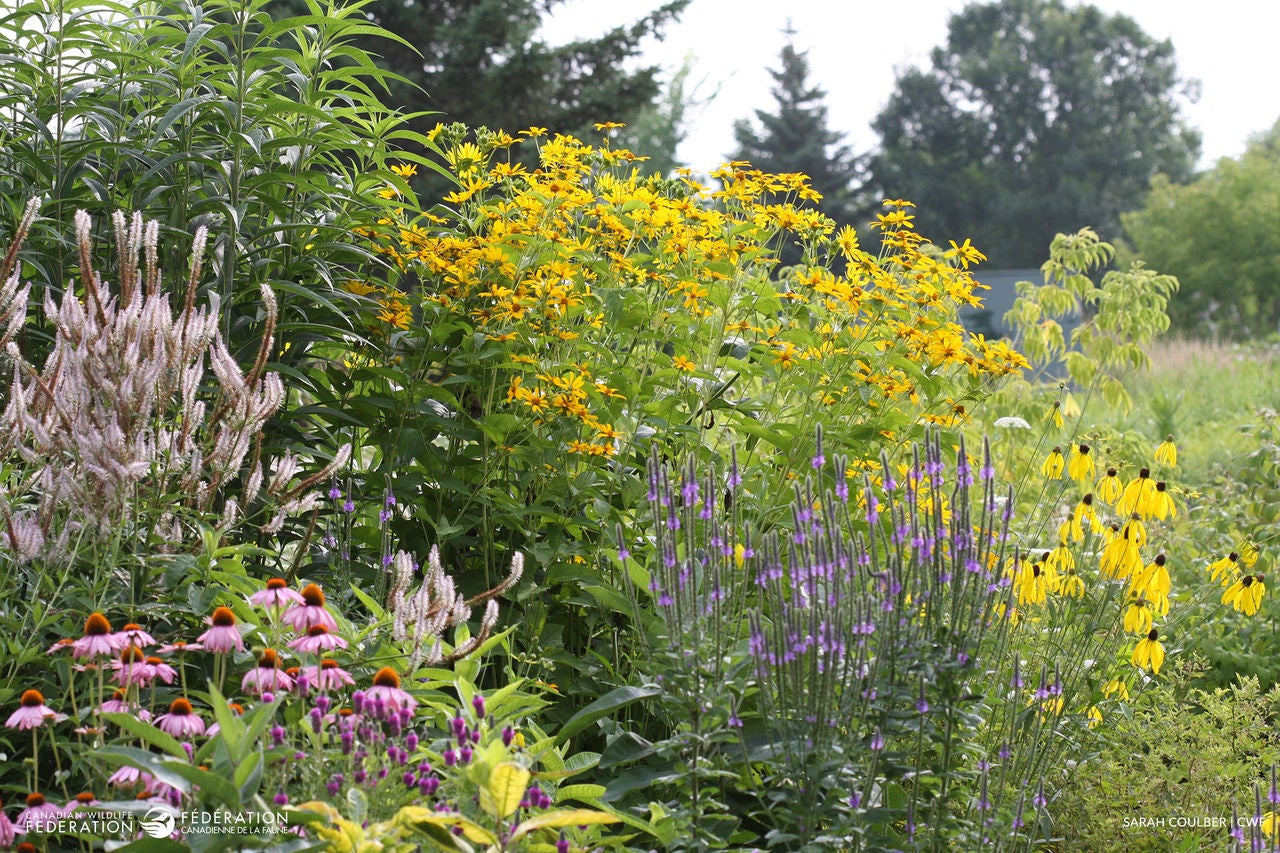
Create a wildlife-friendly habitat in your outdoor space, whether you have a patio or an acre of land, to provide native plants for pollinators to nest, rest and feed!
Get Certified
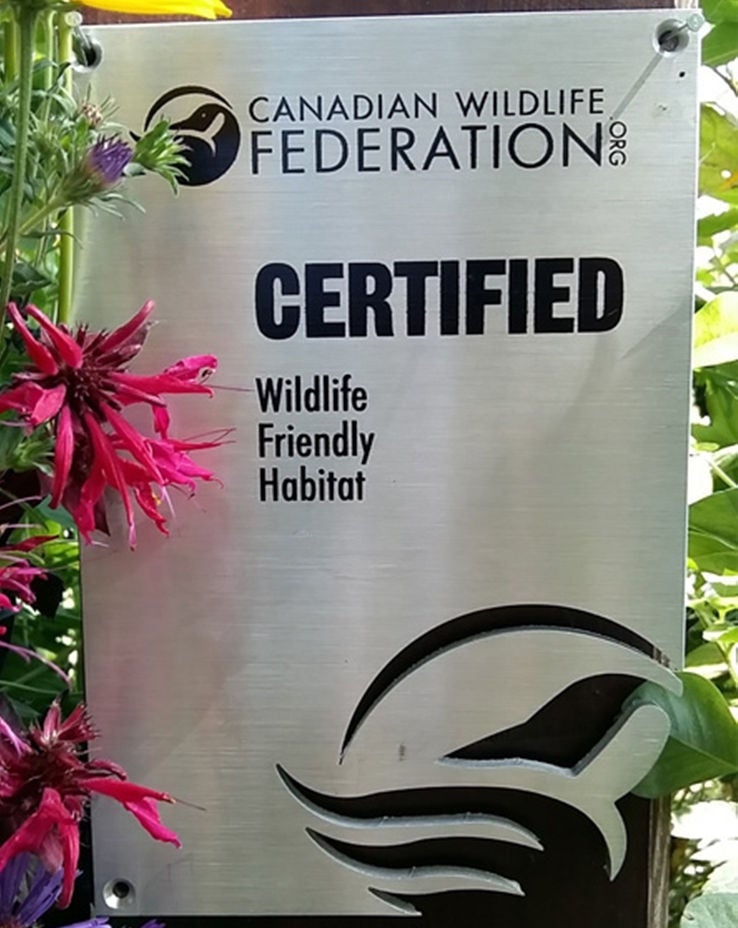
Our Garden Habitat Certification recognizes the actions Canadians are taking to meet the habitat needs of wildlife. Plant with purpose to attract wildlife and earn official designation for your garden.
Document With iNaturalist

Use the iNaturalist.ca app to record your observations. Join CWF's Gardening for Wildlife project for gardeners where you can share photos and get help identifying the wildlife and native plants on your property.
Restore Rights-of-Way
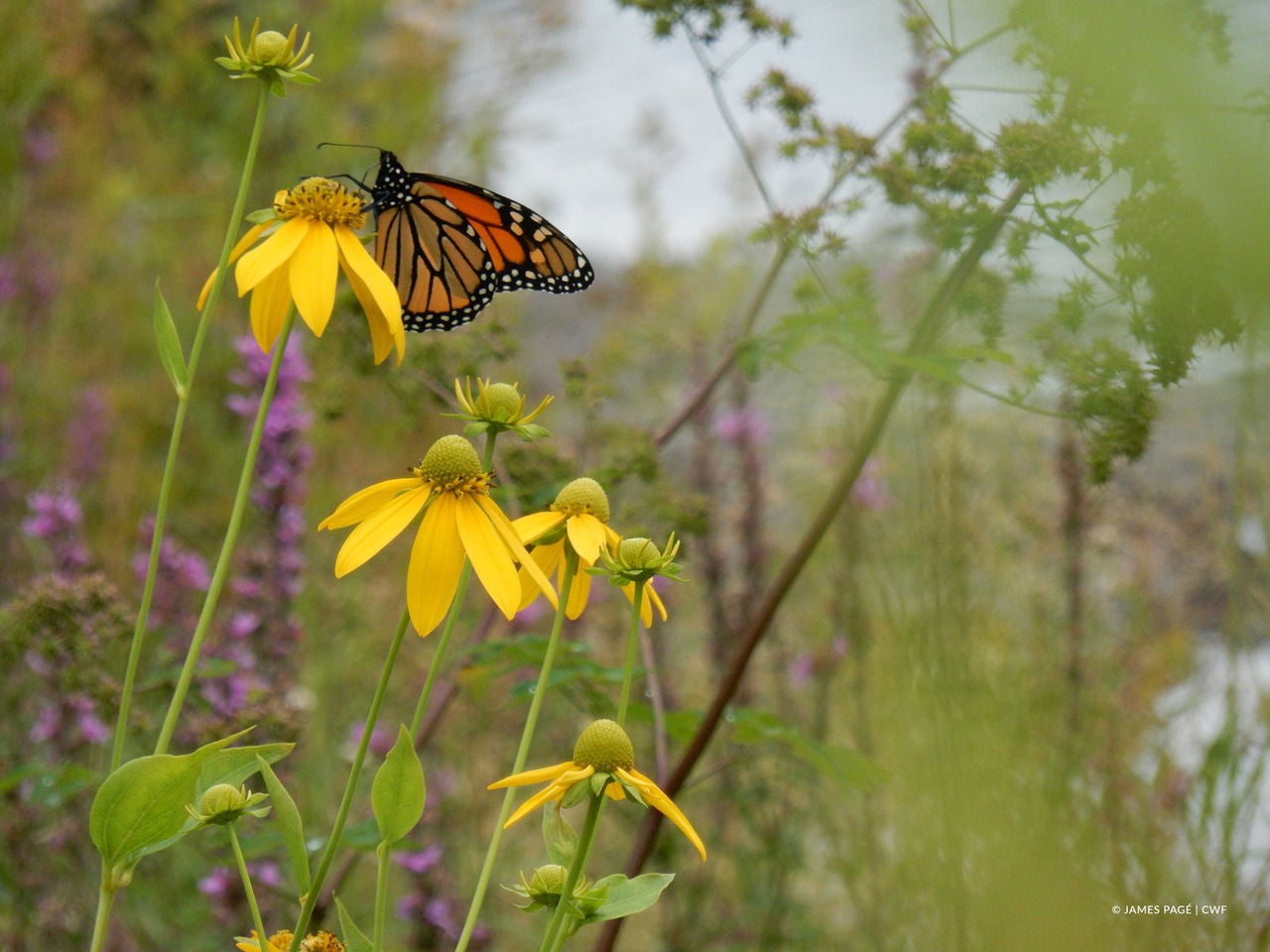
Support efforts to restore native meadow habitats along roadsides, utility corridors and trail edges to create connected habitat networks for pollinators like the migratory Monarch Butterfly.
Check Out Our Native Plant Encyclopedia
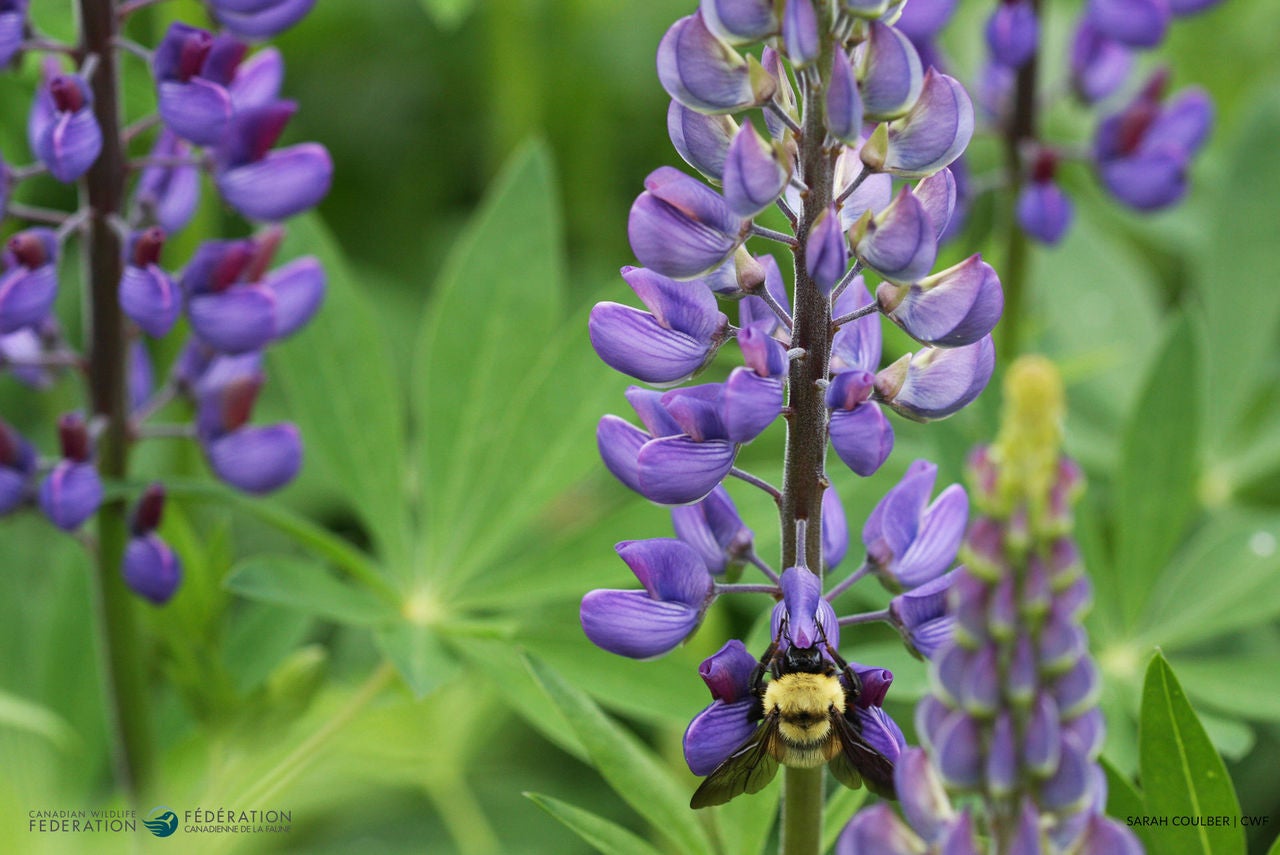
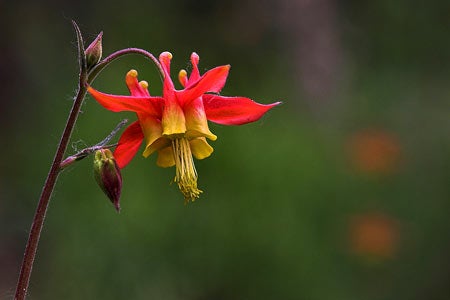
Growing native plants can be as rewarding as any of your current favourites. Those native to your region tend to be more pest and weather resistant which can save you time and money. They are also beneficial to your local wildlife.

Which Species Do You Most Relate To?
Take our Biodiversity + Me Quiz and see which ecosystem you fit into and what species call this ecosystem home!

Learn More
- 0
- 1
- 2