Background
Native plants are the foundation of all terrestrial food-chains, and so ecosystem restoration necessarily relies on revegetating the landscape with native plants. Native plants are sacred medicine, and kin to Indigenous peoples, and CWF acknowledges that native plants and their habitats continue to be destroyed through colonial attitudes and practices. Some plants and habitats can regenerate on their own from seeds lying dormant in the soil, but in highly damaged landscapes, where does the seed needed to restore the land come from? Can we help the right seeds disperse and germinate?
Native plants help filter water, improve soil fertility, and provide shade, all while supporting pollinators and other beneficial insects. By making their living off carbon capture, native plants are superior in providing nature-based solutions to climate change. However, as the desire to restore habitat increases, so does the demand for native seeds. Currently, the supply of local native seeds cannot meet the demand. It is crucial that we focus on the cultivation of native plants to improve supply for restoration, but it is even more crucial that we do this in a way that is sustainable, respectful and ultimately beneficial to the plants that we choose to cultivate. These challenges require coordinated action.

Objectives
With support from Environment and Climate Change Canada, the Canadian Wildlife Federation is developing an ethical, efficient, and effective National Native Seed Strategy (NNSS). The NNSS will identify key actions to better meet the increasing need for nature-based solutions provided by native plants while also supporting Indigenous leadership in conservation, upholding Indigenous rights and sovereignty. We aim to address opportunities and challenges in four key areas related to native plants: decolonization and reconciliation, conservation and restoration, green jobs and circular economy, as well as knowledge building and knowledge transfer.
As a first step, CWF partnered with Carolinian Canada to co-develop the Southern Ontario Seed Strategy (SOSS) in a multi-sectoral collaboration that included Indigenous leadership, conservation organizations, native seed producers, native plant growers, industry organizations, planning and policy professionals, academics, restoration ecologists and more. The SOSS continues to evolve as a process grounded in the exploration of working in ethical space to reflect an approach that embraces Indigenous Knowledge and Conservation Science equally. To learn more about the SOSS visit caroliniancanada.ca/seed.
Current Projects
Following an extensive engagement phase, CWF is currently finalizing the NNSS. The NNSS describes the state of the native seed sector in Canada, highlights case studies to demonstrate impactful native seed initiatives, identifies challenges to native seed sector growth, and presents recommendations to support scaling up of the sector. The NNSS will be published here in the coming months.
We have begun to transition into the NNSS implementation phase. In this phase, we are providing support to the native seed sector and facilitating connections nationally and regionally. We are also engaging with the international native seed community to share resources and best practices. More information about these implementation activities is provided below.
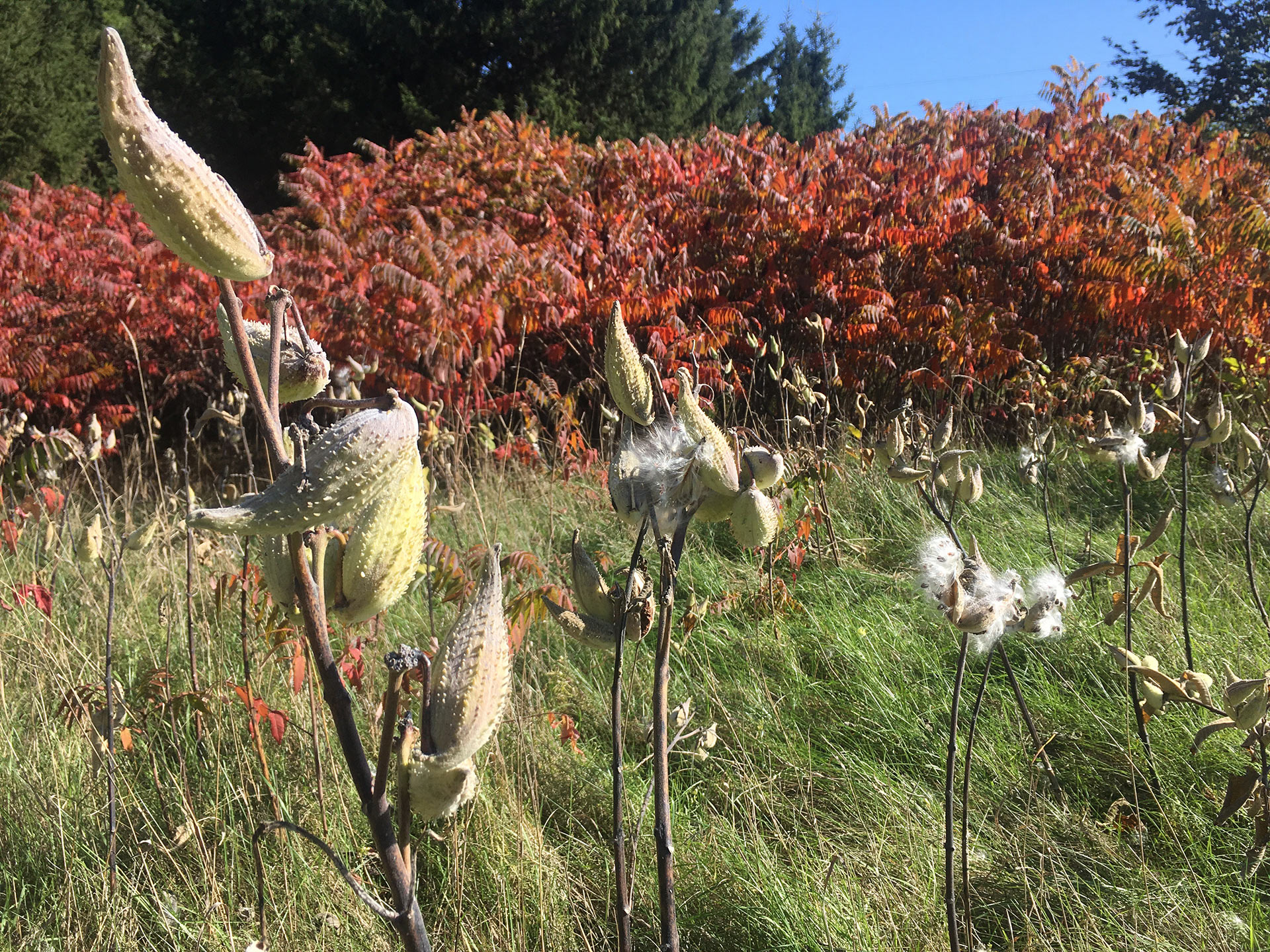
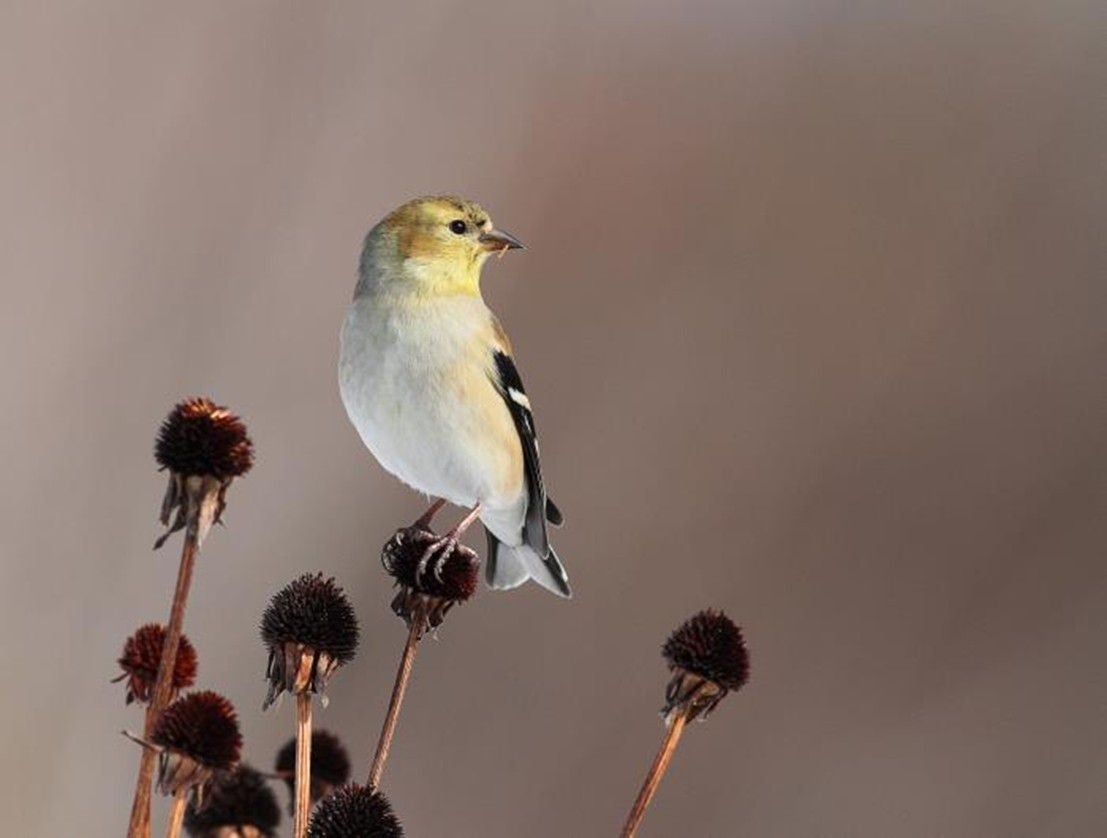 Photo: Bill McCullen
Strategy Implementation: Catalyzing National Collaboration
To bring together native seed stakeholders from across the country, catalyze collaborative action, and share resources, CWF hosted a webinar entitled “Strengthening the National Native Seed Sector”. This webinar hosted eight speakers who highlighted innovative and impactful native seed and plant initiatives from across Canada. Presentations highlighted common challenges, solutions, and opportunities including the need for coordinated long-term funding to support scaling up of the sector, and the immense potential of the native seed sector to enhance local green economies.
The goal of the NNSS is to support scaling up of the native seed sector across the country to ensure Canada can meet its international restoration commitments, reverse biodiversity loss, provide habitat suitable for species recovery, mitigate climate change impacts, and enhance local green economies. To receive updates and information about the NNSS and related activities and opportunities, please sign up below.
Strategy Implementation: Supporting and Facilitating Regional Partnerships
In 2025, CWF launched the Eastern Ontario Native Seed Partnership (NSP). This partnership intends to strengthen the regional native seed sector and scale up regional native seed production; foster relationships and bring together native seed users, producers, and stakeholders; and facilitate knowledge and resource sharing. Participants include native seed and plant producers; conservation authorities; land trusts; restoration practitioners; Indigenous communities; representatives from municipal, provincial, and federal government; and more. Through the partnership, we coordinate events including virtual meetings and webinars, and share information about local native seed-related opportunities, events, and resources.
In November 2025, the Eastern Ontario Native Seed Partnership hosted a webinar in which Jenny Fortier, President of the Native Seed Producers of Canada and owner and CEO of Northern Wildflowers Inc, delivered a presentation designed to boost your confidence in navigating the native seed world. She explored how native seed is produced and shared resources to help plan seed-based restoration projects, best practices for working with native seed producers, and what to look for in seed mix design and sourcing.
To become a member of the Eastern Ontario Native Seed Partnership, and to get involved, please sign up below.
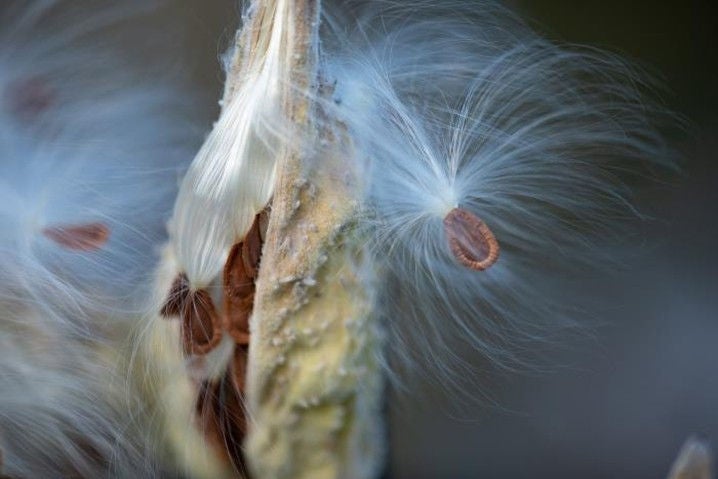 Photo: Nicole Watson
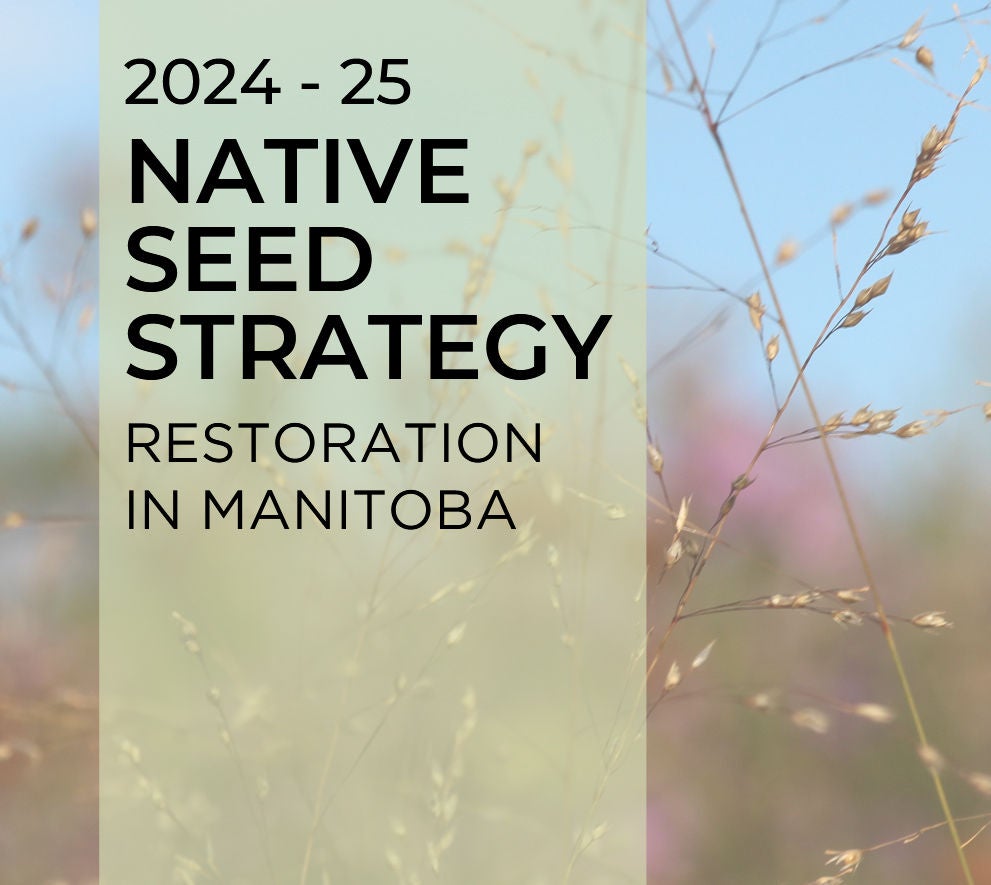
Native Seed Strategy for Restoration in Manitoba
The Native Seed Strategy for Restoration in Manitoba was developed by Stephanie Murray, Rachael Lazarus, and Natalie Desmaris, with funding provided to the Nature Conservancy of Canada from the Manitoba Habitat Conservancy and Weston Family Prairie Grasslands Initiative. Drawing on insights from experts across the native seed and restoration sectors, the strategy identifies key challenges, opportunities, and recommendations to support the broader use of native seeds in ecological restoration throughout Manitoba. Organized around seven strategic themes, the document provides a collaborative roadmap for strengthening native seed systems through education, partnerships, research, policy, and sustainable practices.
We are thrilled to see regional initiatives like this taking shape and hope this strategy helps inspire continued action, collaboration, and the development of similar regional resources across Canada.
Post-wildfire Restoration
The native seed supply chain plays a critical role in the recovery following a wildfire. As communities respond to the processes of and impacts on Earth’s natural spheres — air, water, land, life, people — they need to develop recovery plans and actions. A key part of recovery will likely be a reliable and available source of native seeds for restoration — where appropriate.
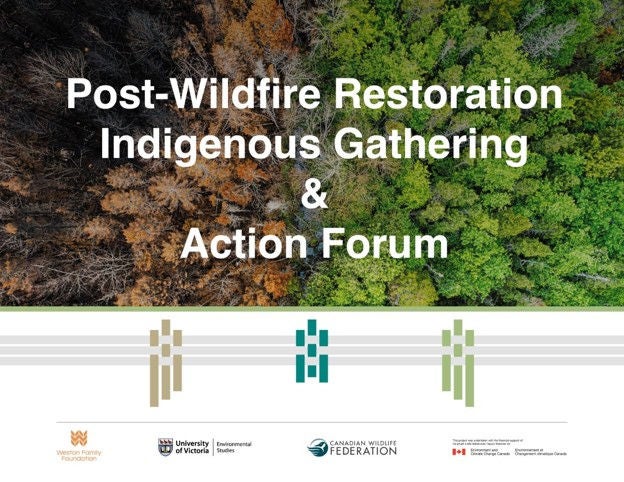
In February 2025, the Canadian Wildlife Federation and the University of Victoria, with funding from Mrs. Gretchen Bauta, the Weston Family Foundation and Environment and Climate Change Canada, teamed up with Indigenous, Canadian and international wildfire recovery experts during a two-day workshop at the University of Victoria campus. The focus was post-wildfire restoration. A gathering for Indigenous participants was held on day one of the workshop. The Indigenous participants led the proceedings on day two with reflections from their gathering. Workshop discussions were framed around the five spheres as we shared experiences and lessons learned from community and landscape wildfire recovery in British Columbia, Alberta, Washington State and Spain.
Following this workshop we have been preparing reports for diverse audiences, which will be posted to spread the knowledge shared.
Did You Know?

The Need for Seed
Restoring 1 hectare of grassland and meadow habitat requires up to 15 kilograms of seed.
Native Plant Diversity
Canada is home to over 4,000 species of native plants, not including mosses and lichens.

Local First
Native plant species that represent local ecosystems are best for restoration, though fragmented populations are not always healthy enough to regenerate the landscape alone.
Post-wildfire resiliency action plan
As wildfires become increasingly common, the need for strategic and actionable plans for habitat restoration is vital to community and ecological resilience. Our project aims to develop a comprehensive strategy and action plan for restoring landscapes devastated by wildfires in Canada. Currently, there is an inadequate supply of native plant seeds and limited capacity for local seed production, which are essential for the effective restoration of burned landscapes.
To address these challenges, we hosted a workshop with the University of Victoria in February 2025. This two-day workshop began by gathering Indigenous fire-keepers and community members from across the country to share knowledge and discuss their needs and solutions. On Day two, we united restoration specialists, native seed experts, researchers, and other communities impacted by wildfires from across Canada, Australia, Europe, and the USA. The workshop focused on weaving indigenous knowledge with global wildfire restoration research to develop a strategy and action plan that addresses post-fire revegetation needs and outlines best practices, infrastructure requirements, and funding strategies.
Following the workshop, we will facilitate case studies on post-wildfire preparedness at the community level. The outcomes of this project will inform policies across all levels of government and contribute to improved preparation and recovery efforts for future wildfires.
The work is undertaken with generous financial support from Environment and Climate Change Canada, the Weston Family Foundation, and Mrs. Gretchen Bauta.
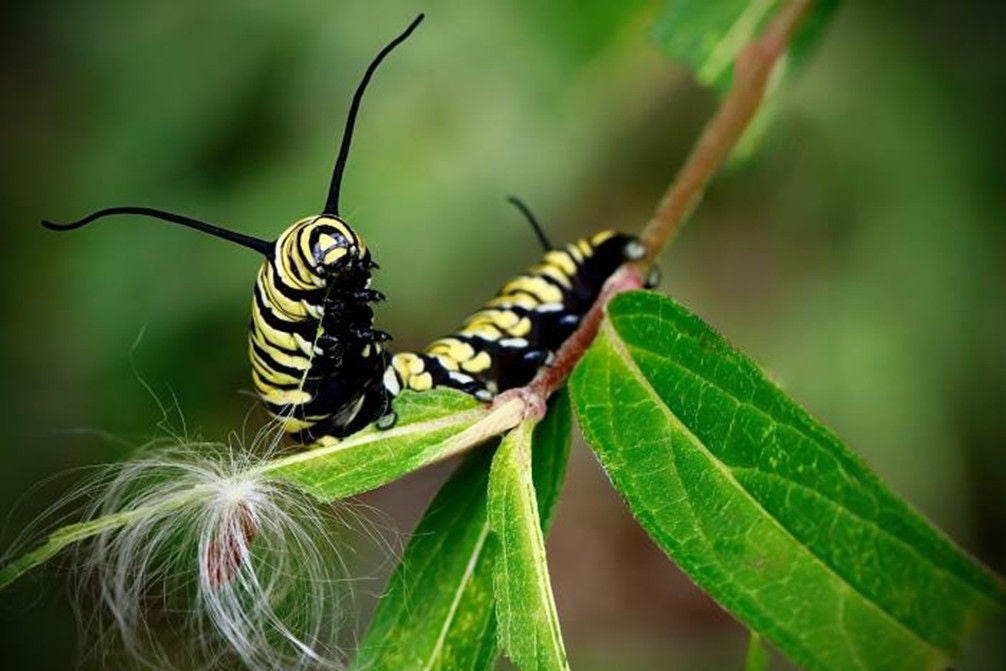 Photo: Brenda Doherty
Videos

Learn More
- 0
- 1
- 2