


Wondering where to buy plant(s) native to your area? Click on the interactive map for a list of nurseries that sell these beautiful and beneficial plants.
Want to look up a specific nursery? The map has a search feature. Here’s how to search:
- Enlarge the map by clicking in the top right corner. On this symbol

- In the top left corner click on the search icon.

Benefits of native plants
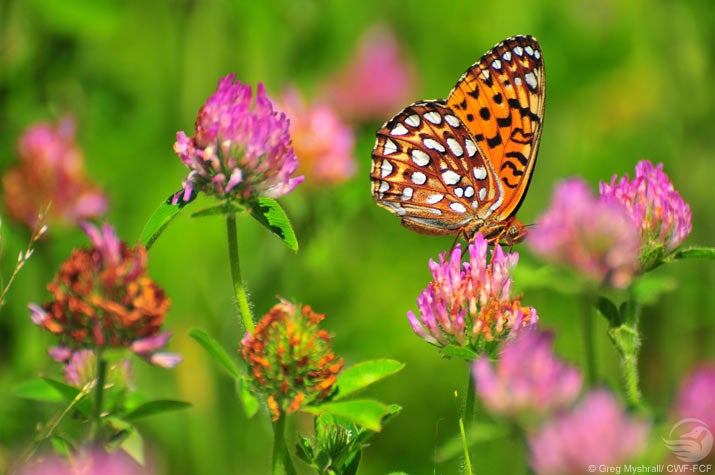
Regionally native plants are critically important food and shelter sources for many species of wildlife including the birds and butterflies we love. Native plants can suit any garden style, are often more hardy than non-native plants and stunningly beautiful, too. Click here to learn more.
Not listed? Let us know!
If you know of a native plant source not listed here, please let us know! And if you are one yourself, please fill in our online Canadian native plant supplier form or download the printable form and send it to us! Please allow a few weeks for your information to be posted online. If you have changes to make over the years, or if you have any questions, feel free to contact gardencertification@cwf-fcf.org . You can also call us at 1-877-599-5777 or (613) 599-9594.
Disclaimer
The businesses and organizations included here supplied the information on this list. The inclusion of any supplier should not be seen as an endorsement by the Canadian Wildlife Federation.
Also note that nurseries have varying percentages of native plants carried where some businesses are highly specialized in them.
Shopping Tips:
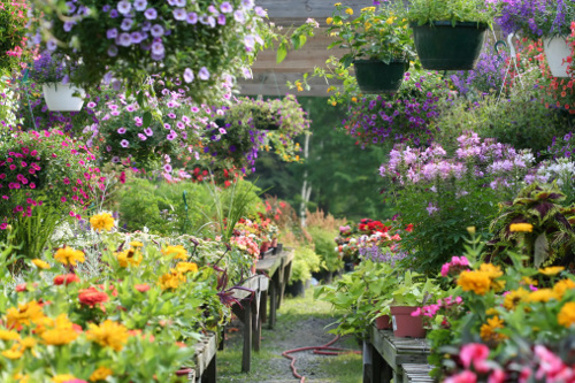
- To help you find out which plants are native to your region of Canada and would be a good fit in your garden, check out our Native Plant Encyclopedia , talk with members of local nature clubs (sometimes called “field naturalists”) or look through books on the subject.
- Feel free to ask suppliers about the origin of their stock if you aren’t sure about its source. Look for those who do not dig plants from the wild, where seeds harvested are from local populations (which are more resilient than seed from afar) and that only a small portion of seed was taken from a small portion of the patch.
- If possible, learn more about cultivars as they are often chosen for their abnormal characteristics which can reduce or eliminate their food value to the wildlife you wish to support. For instance, some plants have had their small inconspicuous flowers replaced with the showy but sterile petal-like structures that are often on the edge of the flower head, making what food there is harder to find or rendering the whole flower head, and therefore the plant, sterile. You can sometimes tell by doing research online, asking at the nursery, or simply observing the plants at open air nurseries to see if insects are feeding from the flowers of some cultivars but not others.
- Ask if plants are neonic-free. Neonicotinoids, as they are formally called, are a group of pesticides that can be so tenacious that even when sprayed on the seed can stay with the plant contaminating the pollen and nectar of the plant, harming or killing pollinators.

Learn More
- 0
- 1