In 1962, 21 people from seven provinces gathered in Ottawa for the first meeting of the newly-created Canadian Wildlife Federation.
It didn’t take long for CWF to start engaging with some of the biggest conservation issues of the time. Within a year, CWF tackled its first challenge: understanding how the prolific use of insecticides endangered Canadian wildlife.
We urged the Canadian government to increase research on the effect these harmful chemicals had on wildlife. Within a decade, Dichlorodiphenyltrichloroethane, commonly known as DDT, was banned in Canada and the United States.
Pesticides still pose a major threat to our wild pollinators and other beneficial insects and CWF remains a leading voice for the ban of dangerous neonicotinoid pesticides (neonics) that are harming these vital species. CWF is also working with municipalities and industry to create and restore breeding and feeding habitat for Monarch Butterflies and other pollinators along public roadsides and rights-of-way such as hydro-lines and pipelines.
National Wildlife Week
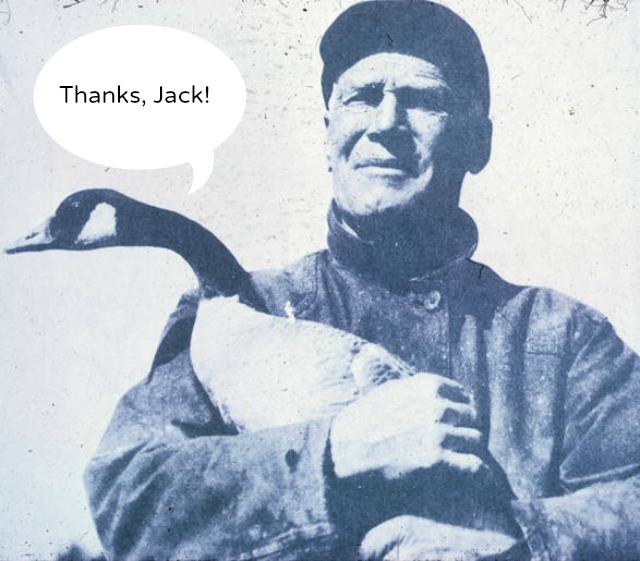
Education and awareness quickly became pillars for CWF. In 1963, we began sponsoring National Wildlife Week in cooperation with federal and provincial wildlife agencies, an event that was proclaimed in Parliament in 1947. CWF proudly continues to lead this national annual celebration of our natural heritage that takes place during the week of April 10, the birthdate of Jack Miner, one of the founders of Canada’s conservation movement.


There are plenty of ways we can all #DoMoreForWildlife
- Welcome wildlife to your backyard! Whether you’re a novice gardener or a true green thumb, we’ve got tips and guides to help you create your own pollinator pathway right in your backyard. Find out how >
- Missed CWF’s spring gardening course? Check out our gardening How To videos to learn more about the food, shelter and water needed to create your own wildlife friendly garden. Watch them for helpful ideas for your garden oasis >
- Go neonic free! Neonicotinoids (neonics) and other harmful pesticides are wreaking havoc on our pollinators, birds and other wildlife. Make a pledge to reduce or eliminate pesticides from your garden. Read these suggested for alternatives >
- Make a plan to add the CWF Medallion Plant Collection to your garden this spring. Choose from Blooms for Hummingbirds, Blooms for Butterflies, Blooms for Bees, Blooms for Monarchs or Wild About Birds Trees and Shrubs. Available at select Home Depot Canada locations starting in May. View the collection >
- Get your garden certified! Is your garden wildlife-friendly? The Canadian Wildlife Federation’s Garden Habitat Certification recognizes Canadians who make their home, school, business or community gardens suitable for wildlife by certifying their outdoor space as a “Wildlife-friendly Habitat”. Learn more >
- Register for our iNaturalist webinar, April 22, 2022. Learn how >
You can also enter our 60 Days of Conservation Contest for a chance to win one of six exciting CWF #DoMoreForWildlife prize bundles or our grand prize.
Signature Species:
Monarch Butterfly

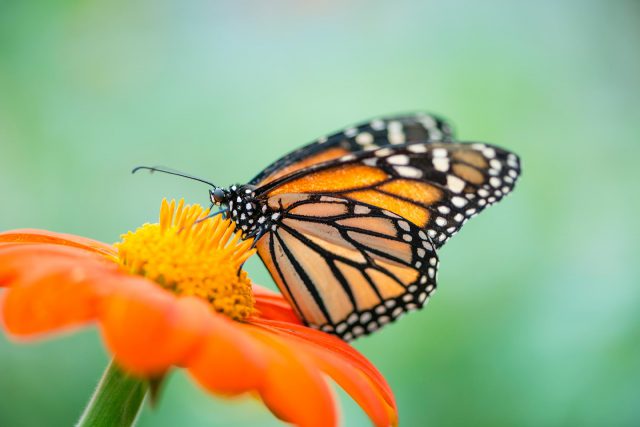
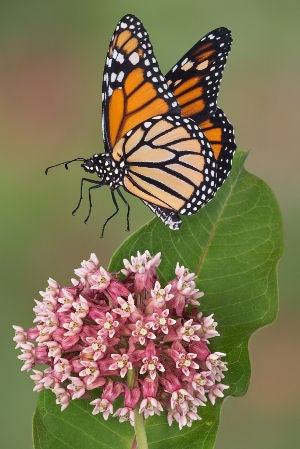
With its bright colours, large size, and slow powerful flight, the Monarch (Danaus plexippus) is probably the most widely recognized of all North American butterflies. The bright orange wings, which span 93 to 105 milimetres, have a thick black border containing two rows of white spots. Male Monarchs also have two highly visible black spots on their hind wings. The bands of black on the wing veins are wider on the female Monarch.
The Monarch is widely distributed across North America, from Central America northwards to southern Canada, and from the Atlantic to the Pacific coasts. Within Canada, the Monarch has been recorded in all 10 provinces and in the Northwest Territories.
Monarchs can exist wherever milkweeds grow. Monarch larvae, or caterpillars, feed exclusively on milkweed leaves.
The Monarch is unique among North American butterflies in performing an annual two-way migration in vast numbers from one area of the continent to another. Probably no other insect among the millions of species on earth performs a similar migration.
The Monarch Butterfly population has declined by more than 70 per cent over the past 20 years.
Monarchs are an umbrella species. When you create habitat for Monarchs, you are also creating habitat for hundreds of pollinator species, including bees, flies, moths and other butterflies.
Excerpts compliments of Hinterland Who’s Who
Indigenous Teachings
Check out the traditional Indigenous storytelling series hosted by Toronto Zoo First Nations Conservation Steward, Taylor Tabobondung. He shares The Story of the First Butterflies.
Please visit The Toronto Zoo online to access more educational resources through the Toronto Zoo Turtle Island Conservation program. Thank you to the Toronto Zoo for sharing this resource with CWF.
What is National Wildlife Week?
In 1947, Canadian Parliament officially proclaimed the week of April 10 as National Wildlife Week. April 10 is the birthday of the late Jack Miner, a Canadian conservationist known by some as the "father" of North American conservationism. "Wild Goose Jack,” as he was often referred, was one of the first conservationists to determine the migratory paths of North American birds and is credited with helping to save the iconic Canada Goose from the brink of extinction.
While we won’t all save an animal from extinction, we can all have a positive impact on our wildlife and the places they call home when we #DoMoreForWildlife.