

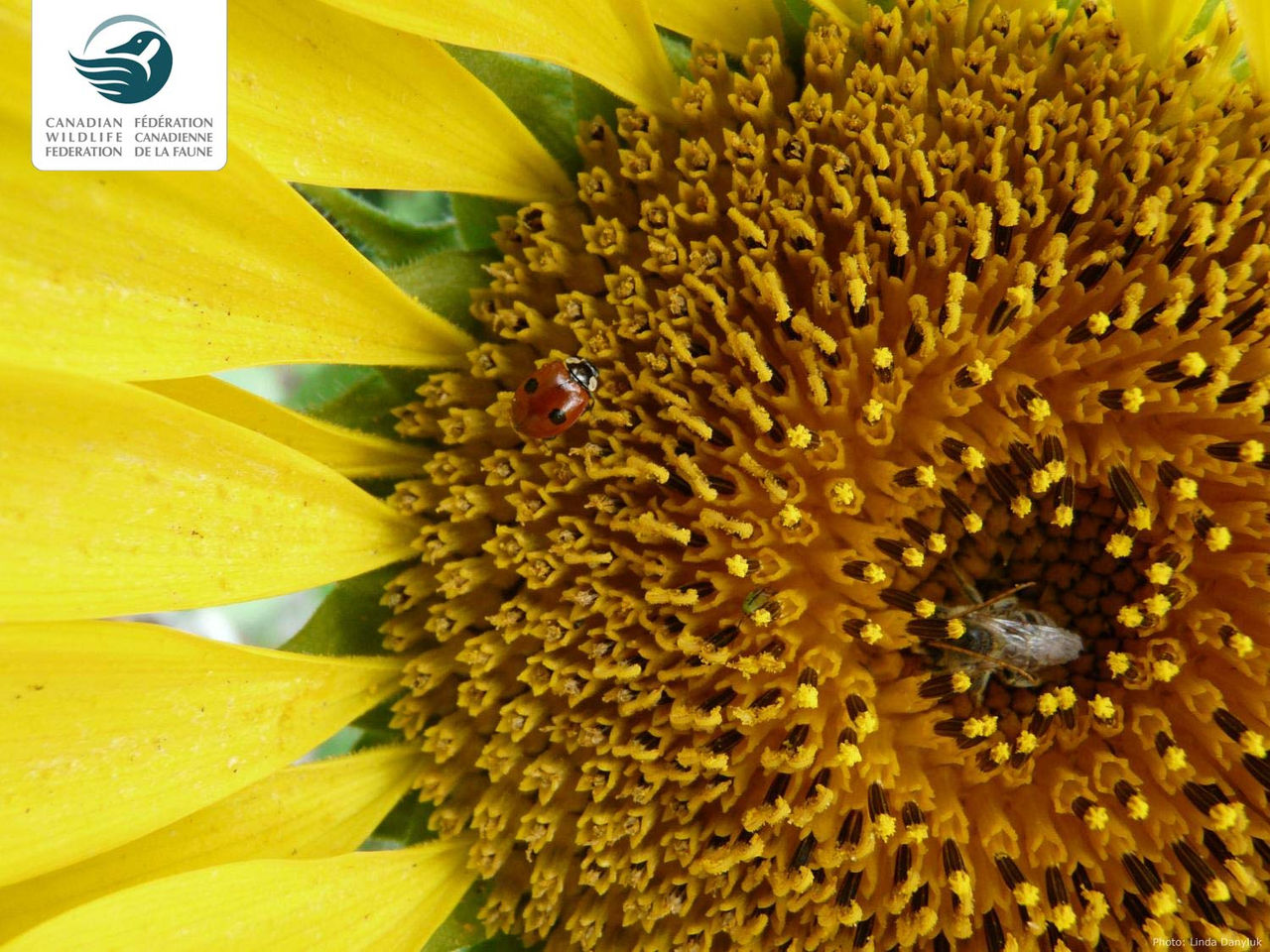


A garden is more than just plants. It is a place where children can discover the wonder of nature as they observe beetles scurrying across a path or butterflies dancing among the flowers. It is an oasis of calm and beauty where we can escape from our busy lives. It’s a space for pets to roam and it provides shelter and food for numerous types of wildlife, such as finches, toads, and ladybugs.
A lot of effort goes into digging, planting, and nurturing your garden. So it can be disheartening when you go out one morning to discover that something has chewed up one of your favourite plants. These spots of damage can seem devastating. A garden, however, is like a small ecosystem — all living organisms exist in balance. If you can tolerate some damage, nature will often take care of the problem. In some cases, though, you may feel the need to intervene.
It may be tempting to reach for chemical pesticides. But while these products can be an effective short-term answer to unwanted plants and insects, they don’t contribute to the long-term health of your garden. They kill off many beneficial bugs that your garden needs to thrive, including microorganisms in the soil that are essential for healthy soil and plants. Chemical pesticides can also harm wildlife and pets and may cause health problems in humans, especially children. Limiting their use is good for the health of your garden, your family, and the environment. With millions of gardens across the country, our choices in garden care can make a real difference.
The Key to a Healthy Garden
Pest and disease problems don’t “just happen” to plants. They occur because a certain chain of events has led to an environment that enables them to exist and thrive. For example, too much nitrogen in the soil causes soft, lush growth that attracts aphids that promote the spread of fungus and mould. Excessive fertilizing has the same effect.
Stress (problems with temperature, light, nutrients, or water) is usually what makes plants more susceptible to problems. Pests seldom affect healthy plants. Stressed plants, on the other hand, become easy prey.
To increase your garden’s resistance to pests:
- Match plants to the conditions of your garden (soil, moisture, light, soil pH, etc.).
- Choose plants native to your area — because they evolved with local wildlife they have natural defences against it.
- Keep your garden soil healthy by adding compost and well-aged manure. These are better than chemical fertilizers.
- Many pests eat only certain plants. Growing a diversity of plants minimizes your garden’s susceptibility to any pest invasion.
- Diversity also provides ample habitat for insect-eating bugs, creating more of a balance between these and plant-eating bugs. Have as many different plants and, of course, insects as you can. Plant a variety of species — trees, shrubs, and perennials.
- Provide adequate spacing between plants for good air circulation. Proper aeration is a must.
- Rotate vegetable crops from year to year.
- Check your garden often to catch problems early.
- Use non-chemical methods, such as hand picking pests, using plant barriers, or setting insect traps.
- Welcome insect predators — such as birds, toads, snakes, spiders, or bats — to your garden by providing shelter, water, and supplemental food sources.
- Attract beneficial insects with a variety of flowering plants, especially those with many small flowers, as a food source when prey is limited. Flowers of the composite family, such as goldenrod, coneflower, sunflower, and coreopsis, are particularly attractive. Flowering herbs, such as dill, cilantro, fennel, yarrow, and parsley, are also great for enticing beneficial insects. Plant them between your perennials and allow them to flower.
- Take advantage of the natural aversion of pests to certain plants by adding them to your garden. Mint, garlic, cloves, nasturtiums, lavender, sage, and thyme repel pest insects.
- Water in the morning. Damp leaves in the evening can lead to fungus and other diseases. Soaker hoses soak the roots instead of the foliage.
Dealing with a Problem
Most insects are ultimately beneficial to the plants in your garden, but a little damage now and again is to be expected. Try to tolerate some damage — the insect involved may be on the attack for a couple of weeks a year. If it is too much to bear, there are environmentally friendly ways of dealing with insect pests that minimize damage to other wildlife.
Be sure to identify the problem first. You have to be sure of the culprit before you choose your defence. If necessary, seek out qualified help to identify the problem. Then choose the least-toxic organic solution. Organic solutions abound for most pest troubles. But choose your remedy carefully. Certain sprays to control pests can actually be toxic to plants, thus causing more damage than the original pest. Even organic pesticides, such as pyrethrum from the chrysanthemum flower, can be harmful to beneficial insects, pets, and other wildlife, so use all of the following suggestions only where and as needed.
Aphids
- Aphids suck juices from the stems, leaves, and flowers of a wide variety of plants. They cause spotty marks, wilting, yellowing, and deformation and curling of leaves and flowers.
+ Although as a gardener it may be hard to imagine aphids in a positive light, they are an important food source for many other creatures — ladybugs, lacewings, flower flies, and even hummingbirds. There is a whole community that depends on the presence of at least some aphids for their survival.
Control
- Attract natural predators such as lady beetles, hover flies, parasitic wasps, green lacewings, rove beetles, and pirate bugs. Birds will also feed on aphids.
- Use a spray of cold water to rid plants of aphids, being careful not to damage flowers or buds. Aphids, whiteflies, and spider mites all hate cold water. You can also pour hot water on the soil to kill the eggs.
- If necessary, insecticidal soaps or garlic mixtures can be used to destroy soft-bodied pests such as aphids, mites, and white flies, but the spray must hit the insect to work. Spray bad infestations every three days over a couple of weeks. Some sensitive plants can be burned from such spraying, so test spray on a small section of the plant first to ensure it won’t be damaged.
- Insecticidal soap can be made by mixing 1 tablespoon of liquid soap with 1 cup of canola oil. Use 1 teaspoon of this mixture in 1 quart of water.
- Garlic spray can be made by crushing 7–8 cloves of garlic (one bulb). You can leave the peel on. Place crushed garlic in one gallon of water. Let the mixture stand at room temperature for 24 hours, shaking or stirring occasionally. Strain and spray. Leftovers can be stored in the refrigerator — clearly marked of course! Spray when there is no wind. Wash sprayed food plants well before they’re eaten.
- You can also try a solution of 50% rubbing alcohol and 50% water on most plants; apply it with a q-tip. Try it on a leaf first to make sure it doesn’t burn the leaves.
Earwigs
- Often blamed for the damage done by snails, slugs, or cutworms, earwigs only occasionally feed on cultivated plants, such as flowers, vegetables, or fruit. In particular, they seem to love clematis, dahlias, gladioli, and peonies.
+ Earwigs eat aphids, mites, and other small insects and their larvae and pupae. They also eat decaying organic wastes.
Control
- Check plants at night to ensure that earwigs are the ones doing the damage.
- Because earwigs tend to hide in cool, damp places during daylight hours, traps are an effective control. A piece of old garden hose (14–20 inches in length) or paper roll makes a simple but very successful trap. Simply set it in the garden and keep the area moist. Each morning, empty the trapped earwigs into soapy water.
- A garden that is too clean can sometimes invite earwig problems. Try placing some vegetable or fruit scraps under a bit of mulch near the earwigs. They will eat this decaying matter while also dining on insect larvae and small insects.
Leaf Beetles
- Leaf beetle adults and larvae feed on the leaves, flowers, roots, and fruit of a wide variety of plants. While a few species are favoured for weed control, most are considered pests.
+ Although fruit and other vegetable matter make up the majority of the diet of both northern bobwhites and cedar waxwings, they are both also partial to leaf beetles. Leaf beetles also provide food for sparrows, nuthatches, and some warblers.
Control
- Inspect plants regularly and shake any adult leaf beetles onto a drop cloth to transfer to a container of soapy water.
- Attract natural predators, such as spined soldier bugs, lady beetles, parasitic wasps, and tachinid flies. Parasitic nematodes help control the larvae.
- If leaf beetles are a problem for your vegetable crops, be sure to rotate them yearly, allowing at least four years before planting them in the same spot.
Lily Leaf Beetle
- Introduced accidentally from Europe, these beetles are the bane of many gardeners. The adults and larvae feed on the leaves, stems, buds, and flowers of true lilies (not daylilies) and Fritillaria species, although they have been found to feed lightly on some other species.
Control
- The flowers and buds of lilies are sensitive to most sprays, so the best control method is to hand pick adults from plants in the early morning. The adults are bright red with black legs. The larvae can be less appealing for hand picking as they carry their excrement on their backs.
- You can also hand pick the eggs, which are reddish-brown and can be found on the underside of lily leaves.
- Start hand picking early in the spring as the lilies are emerging, checking the soil for adults and the leaves for both eggs and adults.
- Lily leaf beetles are easily spread through the shipment of bulbs, so be sure your bulbs come from reputable sources and are free of soil.
Leafhoppers
- Leafhopper adults and nymphs suck juices from the stems and leaves of a variety of plants, especially geraniums (Pelargonium).
+ Leafhoppers are a favourite of many birds including wrens, redpolls, and warblers.
Control
- Keep plants healthy to enable them to withstand some leafhopper feeding.
- Use a spray of water to wash nymphs off plants.
- Attract big-eyed bugs, pirate bugs, damsel bugs, and parasitic wasps.
- Spray insecticidal soap directly on leafhopper nymphs. (Spray a small section of the plant first to ensure it won’t be damaged.)
- Use yellow sticky traps. (Paint a board bright yellow, apply a sticky substance such as petroleum jelly mixed with equal parts of liquid dish soap, and nail the board to a garden stake at plant height. You can also buy commercial traps.)
Plant Bugs
- Plant bugs suck juices from many cultivated plants. This causes wilting, fruit distortion, and stunted growth. Although the great majority of plant bugs are plant eaters, a few species are insect predators.
+ Plant bugs are food for a number of birds including kinglets, blue gray gnatcatchers, and American pipits.
Control
- Attract native predators, such as big-eyed bugs, pirate bugs, damsel bugs, braconid wasps, lacewings, and tachinid flies.
- Protect vulnerable plants with floating row covers.
- Use white sticky traps early in the season. (Apply a sticky substance, such as petroleum jelly mixed with equal parts of liquid dish soap, to a white board. Hang at plant height.)
- Weed garden beds.
Froghoppers
- Froghopper adults and nymphs feed on a great variety of plants. They suck the juices from leaves, stems, and flowers, weakening the plant. You will notice frothy masses of “frog spit” covering small pink or green insects on affected plants.
+ Froghoppers provide food for chickadees, savannah sparrows, and blue grouse, among other birds.
Control
- Keep garden plants healthy to allow them to withstand minor froghopper damage.
- Wash froghoppers off plants with a strong spray of water.
- Attract predatory bugs.
- If your property is in an agricultural area, cover plants with floating row covers when neighbouring hay fields are cut.
Tent Caterpillars
- Some species, such as the eastern or forest tent caterpillar, can defoliate entire trees when population numbers are high. Cherry, apple, and aspens are particular targets. During outbreak years they can completely strip a forest, slowing growth, but generally not killing trees if no other stresses are present.
+ Tent caterpillars are an important food source for many birds, such as the northern oriole. Some bird populations, such as those of the cuckoo, have been found to increase during years of tent caterpillar outbreaks.
Control
- Attract native predators such as spined soldier bugs and parasitic wasps and flies. Don’t kill caterpillars with white eggs on their backs — they will hatch into more predators.
- Destroy tents by pruning branches and burning them. In late fall and winter, remove egg masses from branches — look near the end of branches for shiny brown egg masses.
- If you can’t reach the tents, blast the tree with water from a hose just as the eggs begin to hatch.
- To prevent an infestation, wrap a ring of aluminum foil around tree trunks and smear it with petroleum jelly (or use the commercial product Tacky Toes).
- Defoliated trees produce a second growth of leaves by mid-summer that contain natural defence chemicals making them less susceptible to insect damage.
- For caterpillars in general — Remember that caterpillars become butterflies and moths, which are important pollinators in our garden. Sometimes a little damage is beneficial when looking at the big picture.
Weevils
- Weevils are plant feeders, preferring young plants and those in flower or fruit. The adults focus on leaves, flowers, and fruit, but the larvae will eat any part, including the roots.
+ At certain times of the year, weevils are a significant part of the diet of orioles, killdeer, upland sandpipers, brown creepers, and nuthatches, among others.
Control
- Shake weevils off plants at night onto a drop cloth to transfer to a container of soapy water.
- Cover plants with floating row covers.
- Welcome weevil-eating birds, such as robins, warblers, nuthatches, and meadowlarks.
- With a flashlight, pick off adults in the evening as they come to feed.
- During the day, place a board under the plant — check the board for hiding adults and scrape them off into a bucket of soapy water.
- Place a wrapper at least 6” wide around the trunk of the plant and coat it with sticky substance such as Tanglefoot.
- Use beneficial nematodes to control larvae in the soil in late summer or early fall.
Slugs and Snails
- Though not insects, both slugs and snails are common garden pests. They can make a feast of garden plants and destroy seedlings. Decaying plant matter tends to be their focus, but they can still inflict some serious plant damage, particularly in wet years.
+ Veerys feed slugs to their young. Other birds known to partake of slugs and/or snails include least bitterns and even screech owls. Slugs are a favourite of the sharptail snake and northwestern garter snake, and many other snakes and toads also prey on these soft-bodied creatures.
Control
- Garden organically to welcome such natural predators as toads, snakes, salamanders, and birds. Attract native predators such as ground beetles and rove beetles.
- Hand picking at night is very successful and also environmentally friendly. Use a flashlight in the evening to search your plants for slugs or snails and drop them into soapy water.
- A 10% ammonia solution (one part household ammonia / nine parts water) kills slugs when applied directly. A solution of 50% water and 50% vinegar will do the same. Apply at night or on a cloudy day when slugs are out and active.
- To protect slug-attracting plants, such as hostas, spray the soil around the plants when they are starting to shoot out, before the leaves open, with the 10% ammonia solution. Do this for 4 or 5 days and you should be slug-free for the summer. The solution can also kill beneficial insects and earth organisms, so apply only where and when needed.
- Slugs and snails like to hide out in damp, shady places during the heat of the day. Take advantage of this habit by luring them into “trap nests” made of boards propped up on one corner, lengths of garden hose, or corrugated paper. Check your traps in early evening, before slugs and snails set out to eat, or in the morning.
- Avoid mulching around the base of affected plants.
- Encircle vulnerable plants with a ring of crushed eggshells or diatomaceous earth to discourage these soft-bodied creatures. Reapply often.
Cutworms
- Cutworms cut off the stalks of young plants at or just below the soil surface and also feed on buds and leaves. They feed on the seedlings of many plant species.
+ Cutworms are an important food source for brown thrasher nestlings. They are also food for plovers, song sparrows, and meadowlarks, among others.
Control
- To save young plants from cutworms, place collars around the plants, about 3 cm below the ground and 1 cm above ground. Use toilet paper rolls, paper towel rolls or rolled-up newspaper. If you use metal cans around edible plants ensure that the cans don’t contain aluminum.
- Cutworms can be picked off by hand in the spring when you are preparing the soil for planting. Just watch for them as the soil is turned over. They are grey-brown to black and form a C-shape when disturbed.
- Infestations can begin on weeds, so discourage them from growing in your vegetable garden. Cutworms may already be established in very weedy areas. Allow at least two weeks between weed removal and planting to ensure that the cutworms don’t turn to your seedlings as a food source.
- Place a small stick close to the stem of young plants. This may prevent cutworms from clasping the plant and eating into it.
Any one solution may not work in all situations. Climatic conditions, the species involved, and other factors will affect success rates. If one solution doesn’t work, try another of our suggestions.
For more detailed information on attracting beneficial insects or other insect predators, composting, dealing with problem wildlife, and more, visit www.wildaboutgardening.org or call 1-800-563-9453 ext. 216.
Banner images: The Big Box of Art, Hemera
Insect illustrations: Michel Poirier

Learn More

- 0
- 1
- 2