



-
 Provide Food
Provide Food
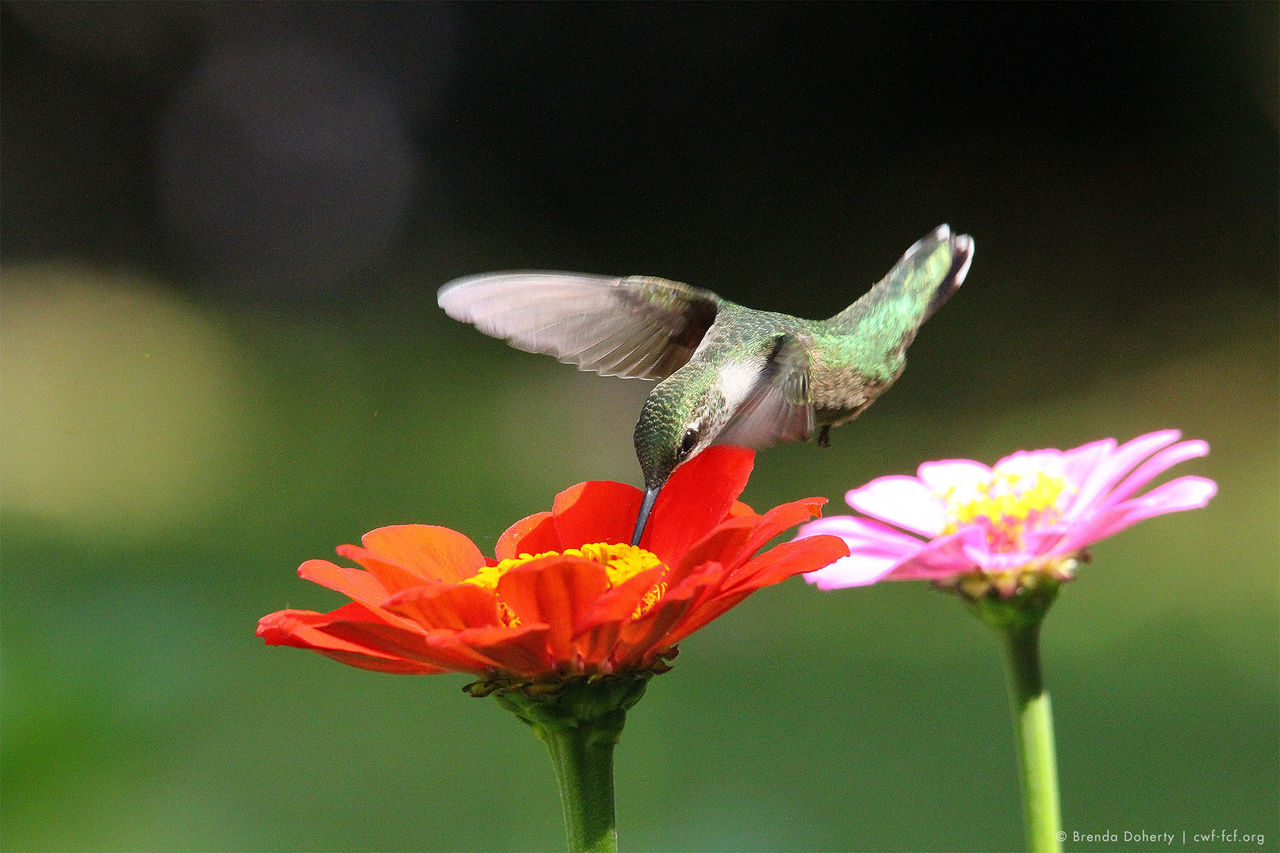
Providing wildlife with their favourite foods is a great start in attracting them to your property.
More -
 Provide Water
Provide Water
Water is the basis for all life. It is necessary for drinking, keeping clean and healthy as well as for cooling off.
More -
 Provide Shelter
Provide Shelter
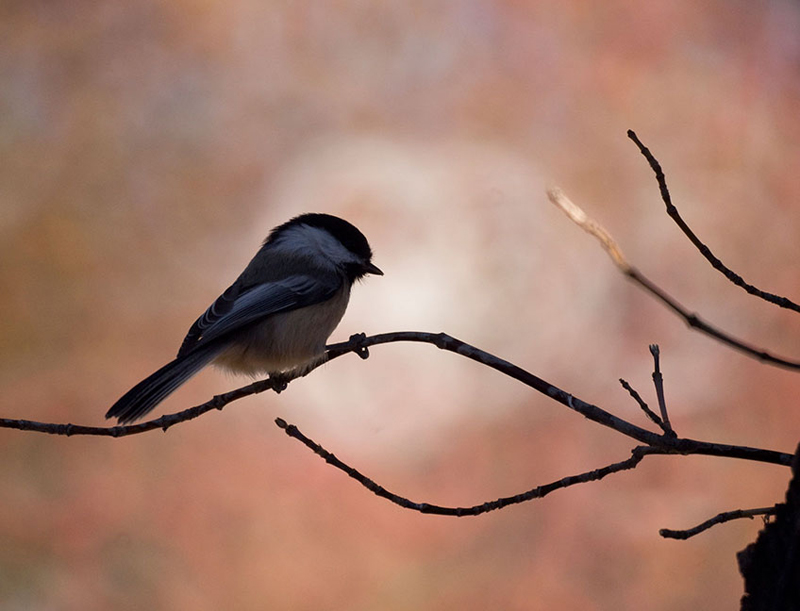
Wildlife needs shelter for many reasons. It offers protection from inclement weather such as extreme cold, rain and heat. It helps them hide from predators.
More -
 Earth-Friendly Gardening
Earth-Friendly Gardening
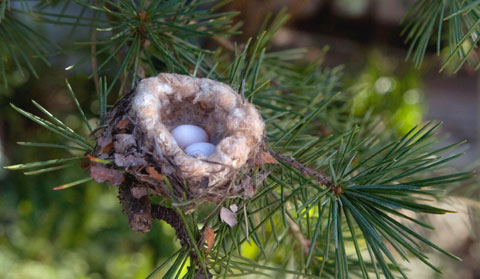
Get earth-friendly tips such as saving water, how to make compost, mulching, compantion planting, caring for the soil and more.
More
Food. Water. Shelter. Earth-friendly gardening. These are the four critical necessities required for species to thrive in any environment. They can be hard to find in urban environments, leaving wildlife to rely on humans to maintain what natural spaces still exist and return viable habitat back to the land on which homes, schools, parks and businesses are made. Here are a few basic pointers to help you along:
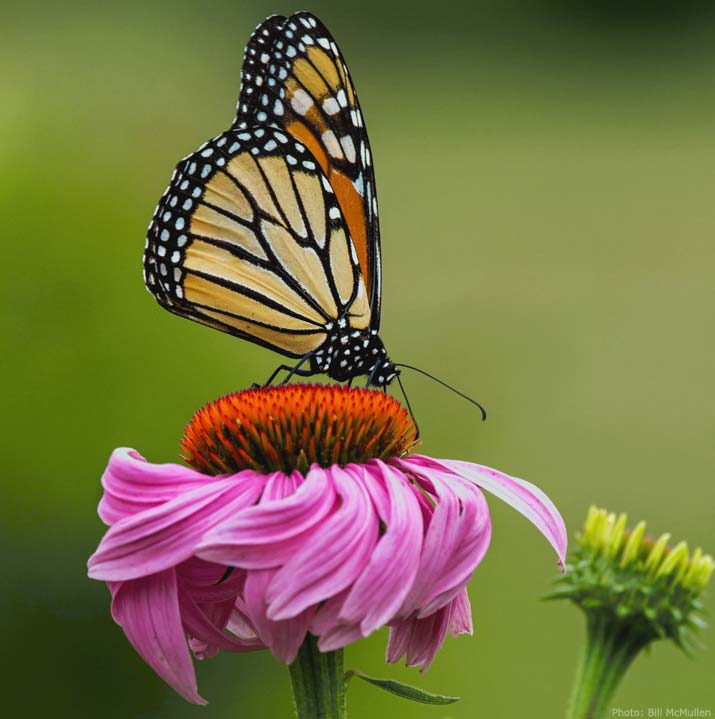
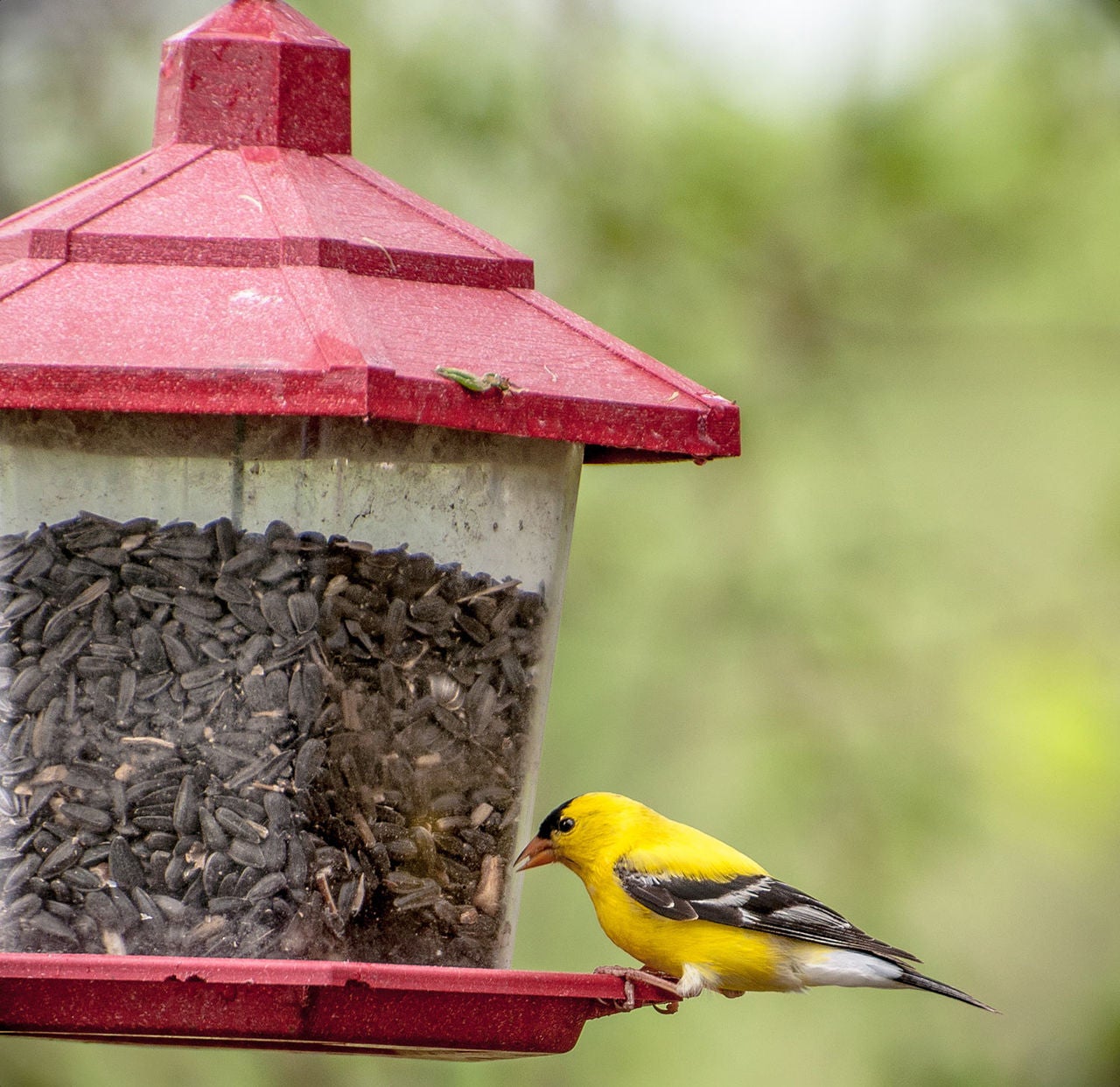
Providing wildlife with the food they need is a great start in attracting them to your property. This can include nectar and pollen, fruit, nuts and seeds, leaves and buds. Grow a variety of plant types, including regionally native ones, to support a diversity of species from songbirds to pollinators. Also important is to have some blooming plants from early spring to late fall for a continuous source of food. Once you have a natural source of food, then feel free to supplement with a healthy option like untreated bird seed or sliced fruit.
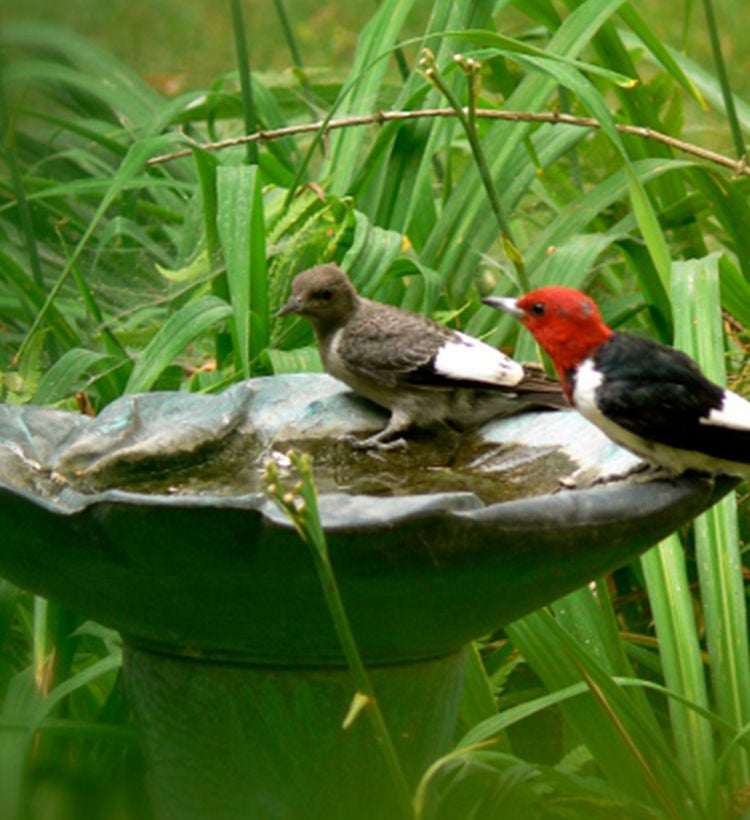
Water
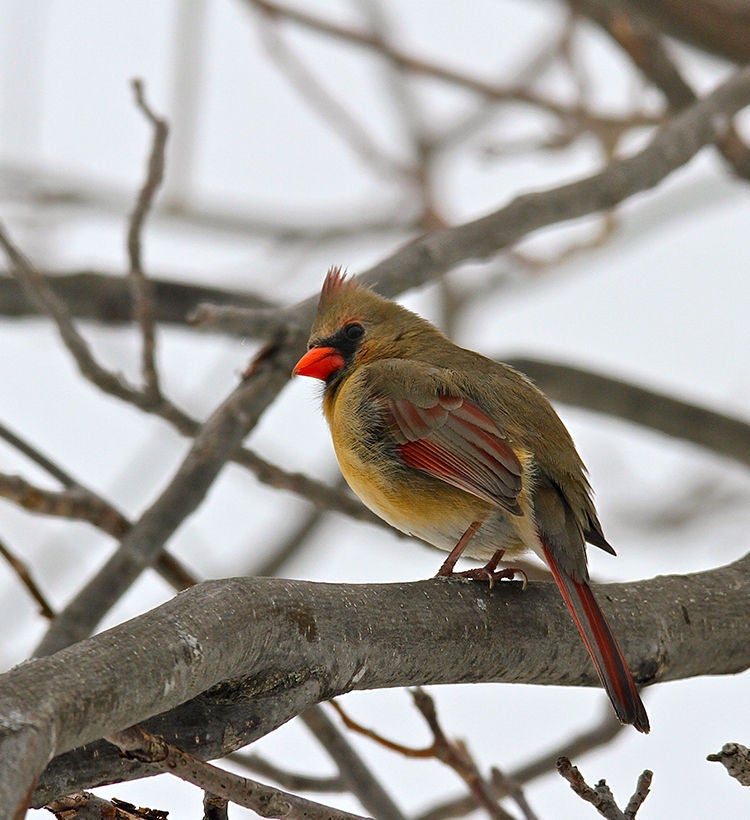
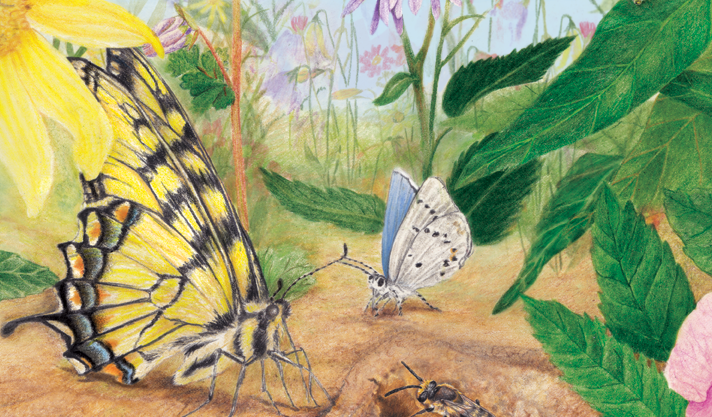
Water is another critically important element to many wildlife species. You can provide water with a shallow dish or stream for birds to bathe and drink or with an insect dish for certain beneficial insects. You can also add a pond for some amphibian, insect and fish species.
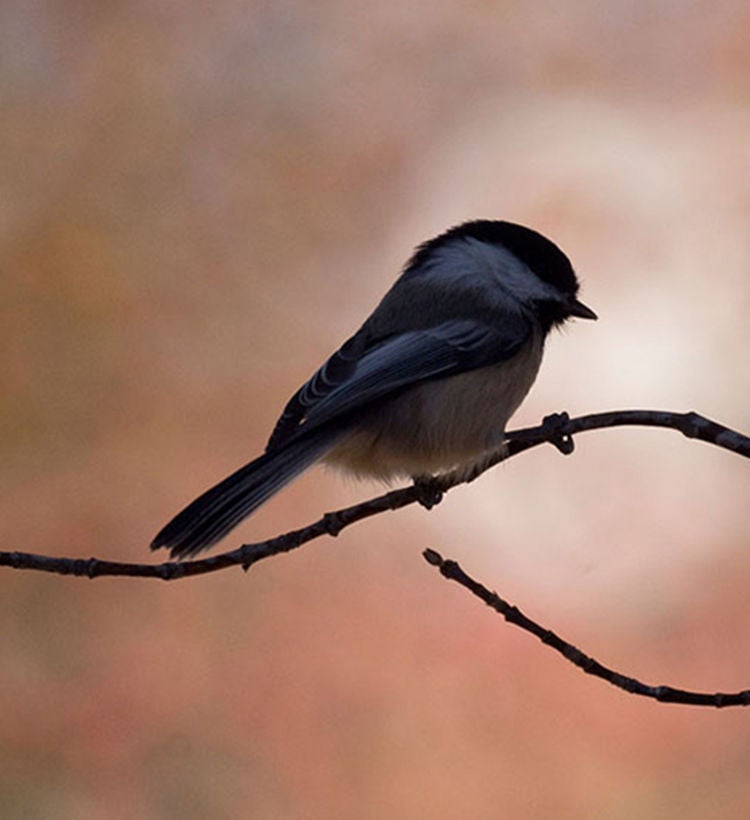
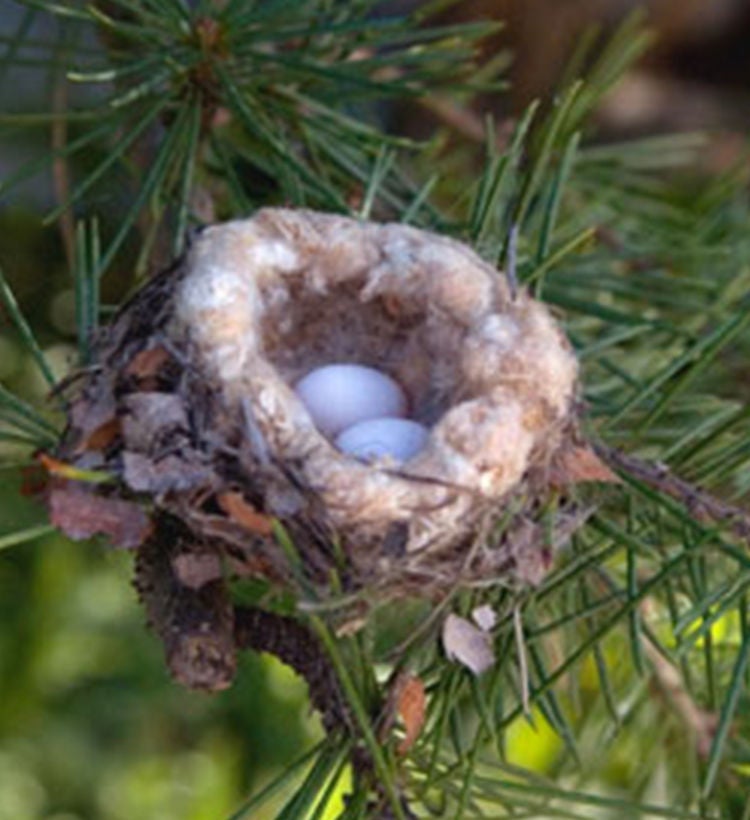
Earth-friendly Gardening
As stewards of land, no matter how small, it's important to consider the effect your gardening choices have on the environment around you and minimize negative impacts where possible. This goes a long way in helping both humans and wildlife alike.
Avoiding pesticides or conserving resources, such as water, may seem like a small thing but with millions of gardens across the country, the potential for positive impact is enormous. This section includes some incredibly beneficial actions you can take to create an environmentally friendly garden.

Learn More
- 0
- 1
- 2