


Animals At-A-Glance
Browse through a few of our Canadian species in these "At A Glance" fact sheets. Each page has basic information on some of our Canadian wildlife, with links to detailed, reputable sources such as Hinterland Who's Who and the Government of Canada. Don't see a species you need? Comments or questions? Let us know!
By Type:
Amphibians & Reptiles | Bees | Birds | Fish | Insects | Mammals | Marine Animals | Pollinators | Backyard Wildlife
-
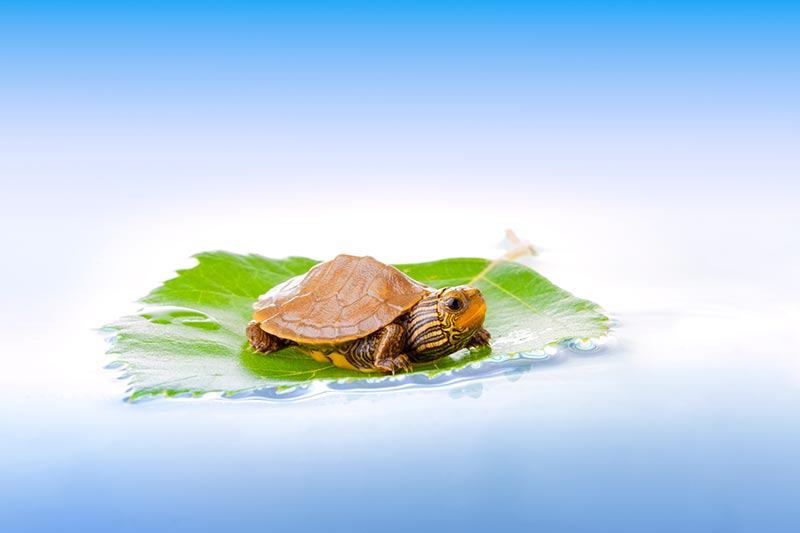
Northern Map Turtle
2026-05-21
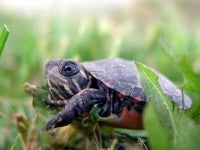
The Northern Map Turtle’s upper shell has a ridge or keel running down the center and has a serrated rear edge. The shell is adorned with a series of faint lines that resemble the lines on a map.
-
Oil-collecting Bees
2026-05-21
Oil-collecting bees are small to medium sized (seven to 12 mm) with a robust body. Females of this genus are characterized by their legs as they are modified for the collection and transportation of floral oil: the hind legs have a wider area covered in fine, feathery hairs.
-
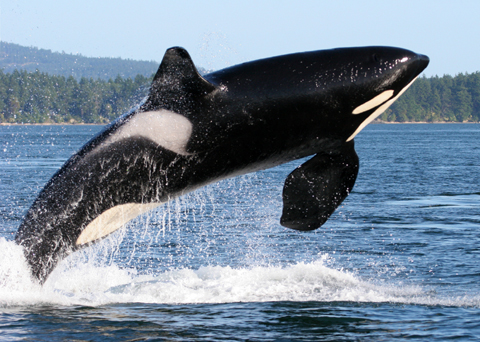
Orca Whale
2026-05-21
The orca (Orcinus orca), often called the killer whale, is actually the largest member of the dolphin family. Orcas are highly social animals that live in stable, family-related groups called pods. Their distinctive black-and-white colouring and large dorsal fin make them easy to spot and identify. As a result of increased water pollution, especially from toxic chemicals, they are listed as threatened under the Species at Risk Act. The average weight of an Ocra whale is 4 to 5 tonnes and measures between 7 to 9 metres. The lifespan for a male in the wild is 17 years and for females it's 29 years.
-
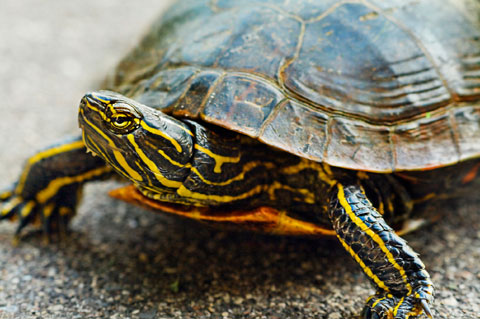
Painted Turtle
2026-05-21
The Painted Turtle has a smooth dark shell with red markings along the outside edge. Its dark skin is adorned with yellow and red strips, most prominently along the head and neck.
-
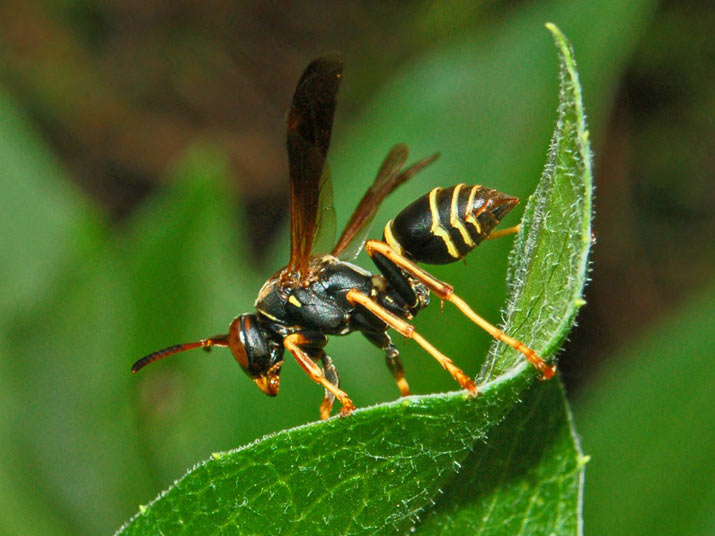
Paper Wasp
2026-05-21
Approximately 17–22 mm. Paper wasps are fairly large. They have long bodies with a broad thorax and abdomen and a tiny, constricted waist. When at rest, their wings fold lengthwise, parallel to the body. The head and thorax are black to brown in colour, while the abdomen is dark with yellow stripes, sometimes with reddish-brown to yellow colouration between the stripes.
-
Pileated Woodpecker
2026-05-21
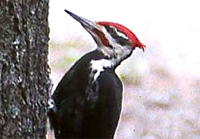
At an average 18" in length, the pileated is the largest woodpecker in Canada. These colossal birds, with their striking red crest and resemblance to prehistoric pterodactyls in flight, are thought to be the inspiration for the once popular cartoon Woody the Woodpecker. As Woody had his loud laugh, pileated woodpeckers also make noise to match their size. Their drumming, reminiscent of construction machinery, can be heard up to a kilometre away. It is fairly easy to recognize a pileated woodpecker by its large size and the red crest on its head. The body is predominantly black, with thick black and white stripes reaching from the bill to the wing and chest area. The red 'moustache' along the cheek distinguishes males from females.
-
Plasterer / Polyester / Cellophane Bees
2026-05-21
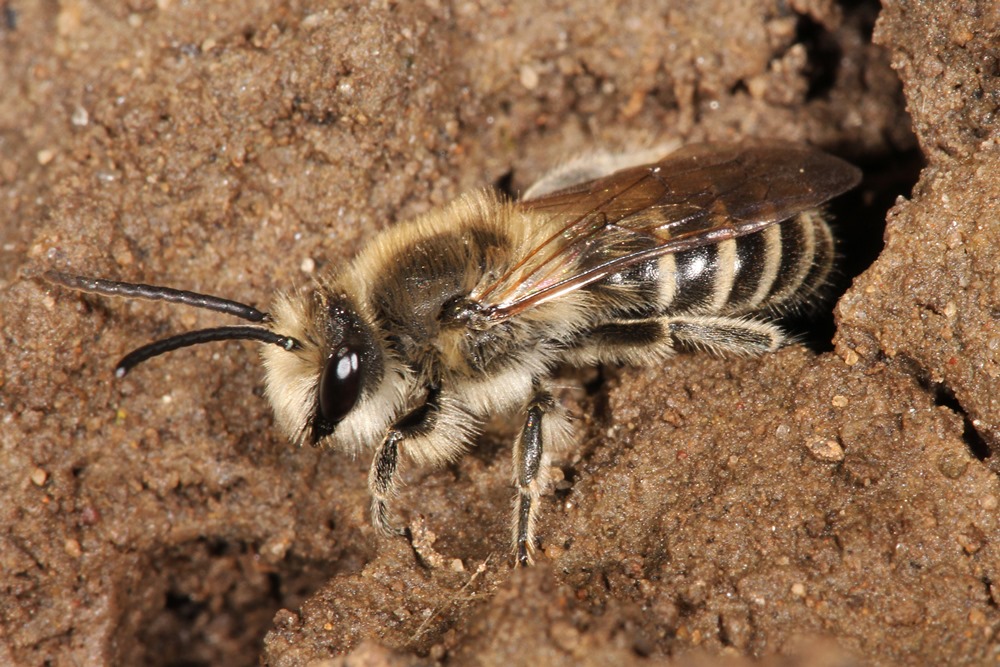
These medium-sized bees (nine to 13 mm), Colletes are generally furry on their upper bodies (head and thorax) with white, grey, or brown hairs and they have a striped abdomen. These bees have a heart shaped face and a short tongue. Similar in size to the Honey Bee, they tend to look like mining bees Andrenas in the Adrenidae family.
-
Polar Bear
2026-05-21
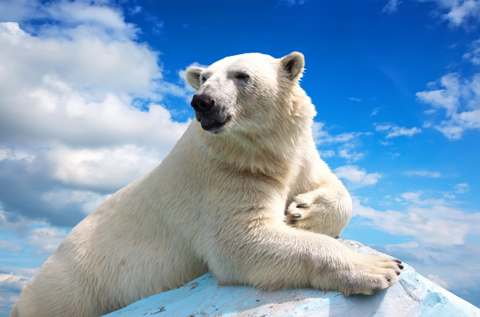
Polar bears are one of the most well-known and recognizable Canadian species. These bears are Canada’s largest land carnivore, with adult males weighing up to 800 kilograms (1763 pounds).
-
Porbeagle Shark
2026-05-21
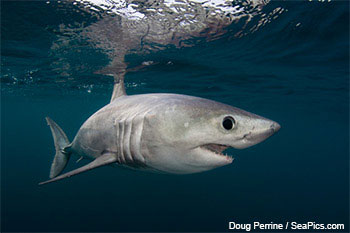
This very active swimmer has a powerful streamlined body that reaches a maximum length of approximately 3 m. The back of the Porbeagle Shark is dark grey to bluish black in colour and its belly is white. The head is stout, the snout is pointed and the eyes are large. The mouth has rather large, pointed blade-like teeth with smooth edges that are identical on both jaws. Males reach maturity at age 8 and females at age 13. The Porbeagle Shark's typical life expectancy is estimated to be between 25 and 46 years.
-
Porcupine
2026-05-21
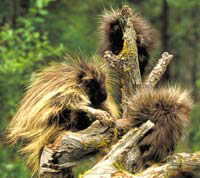
Porcupines have large, chunky bodies and short legs. This results in their slow, waddling manner. With an average weight of 5.5 kg for males and 4.5 kg for females and a total length ranging from 68 to 100 cm, porcupines are Canada's second largest rodents next to beavers. Porcupine's quills are actually modified hairs. They are longest on the back and tail, reaching lengths of 12.5 cm. Quills on the face are much shorter, approximately 1.2 cm long. Despite their prickly appearance, porcupines have soft undercoats with long guard hairs covering the quills. Their undersides, legs, and muzzles have no quills.
For more species, visit Hinterland Who's Who, a joint program of the Canadian Wildlife Federation and Environment Canada.

Learn More
- 0
- 1
- 2
- 3
- 4
- 5


