


Dec 14, 2017
April Overall
How to Reduce Your Energy Usage
- Do let your dishes air-dry. Simply propping the door of your dishwasher open a little will slash your energy use by 15 per cent.
- Don’t keep all your electronic gadgets plugged in 24/7. Even if your TV isn’t on, it’s still drawing power.
- Do use a drying rack or clotheslines instead of your dryer.
- Do protect your doors and windows with caulking or weather-stripping to keep heat from escaping. This simple task can drive down your energy use by nearly 25 per cent!
- Don’t use incandescent bulbs. LEDs have come a long way and if a soft, warm light is what you’re after, you’ll still be able to get that look with LEDs. Plus they’re between 75 and 90 per cent more energy efficient than those old incandescent bulbs!
- Do use the cold setting on your washing machine. Simply by hitting “cold water” will save up to 90 per cent of the machine’s energy.
Is wind power the answer to our energy needs?
I wish I was one of those people who could live off the grid. But if I’m being honest, even the idea of giving up my hairdryer fills me with dread. I know. How vain. And yet I know I’m not alone. The majority of us are all too comfortable with our modern day comforts to give them up. So what’s the answer? We all know that climate change is a great threat and we need to act now. And we realize that having a low carbon footprint is critical. But which is best? Hydro? Solar? Wind power? It turns out we need them all. What we really need is a suite of clean energy options to turn to. Let’s dive into one of these power players – wind power.
How Wind Power Impacts Wildlife
There’s no denying the importance of wind power. It’s a key player to lowering our carbon emissions and researchers predict that Canada will increase our wind power 3.5 fold in the next 15 years. But it’s not perfect and more wind power could have some serious negative impacts on wildlife – in particular birds and bats.
Wind turbines kill plenty of birds every year and of course they aren’t picky about which species they kill so we run the risk of losing songbirds, raptors and waterfowl too. That said, turbines are lower on the list of threats to birds. The primary threats to bird species are still striking buildings, being hit by cars and being killed by cats.
Bats, on the other hand, are horribly affected by wind turbines. Every year, an estimated 47,400 bats are killed by wind turbines here in Canada. Migratory bat species are hardest hit by wind turbines: Hoary Bat, Silver-haired Bat, Eastern Red Bat. The endangered Little Brown Bat and common Big Brown Bat are also at risk. Many of these bats are struck by wind turbine blades but others are killed due to barotrauma. You see, bats have not developed the same lung capacity for flight as birds. When bats fly too close to a wind turbine, pressure can cause blood vessels in the lungs to burst, resulting in internal bleeding. And due to their slow population growth (they usually have just one pup per year), the loss of a single bat can have vast consequences to a species.
Location, Location, Location
It turns out where you place wind turbines can make a huge difference. Many wind turbines are placed in migratory pathways since they’re prime spots for getting ample wind power. However, (this is a recipe for disaster for migratory birds and bats) they’re also the areas that migratory birds and bats use.
Moreover, when you place wind turbines on the ground, you have to build roads to service them. This gives access to areas that previously had little human footprint and can be used by everyday people (for ATVing and more). The problem is that these are often in areas that are wildlife habitat. They’re often found on mountain ridges, forested areas and crown land. This becomes really problematic for wild species because it essentially creates fragmentation and changes the habitat. In the Northern Boreal forest for example, those roads become corridors for predators like wolves and bears and this can affect caribou. Moreover, if roads were created by streams, the use of stream crossings can make it difficult for fish to move along the waterway.
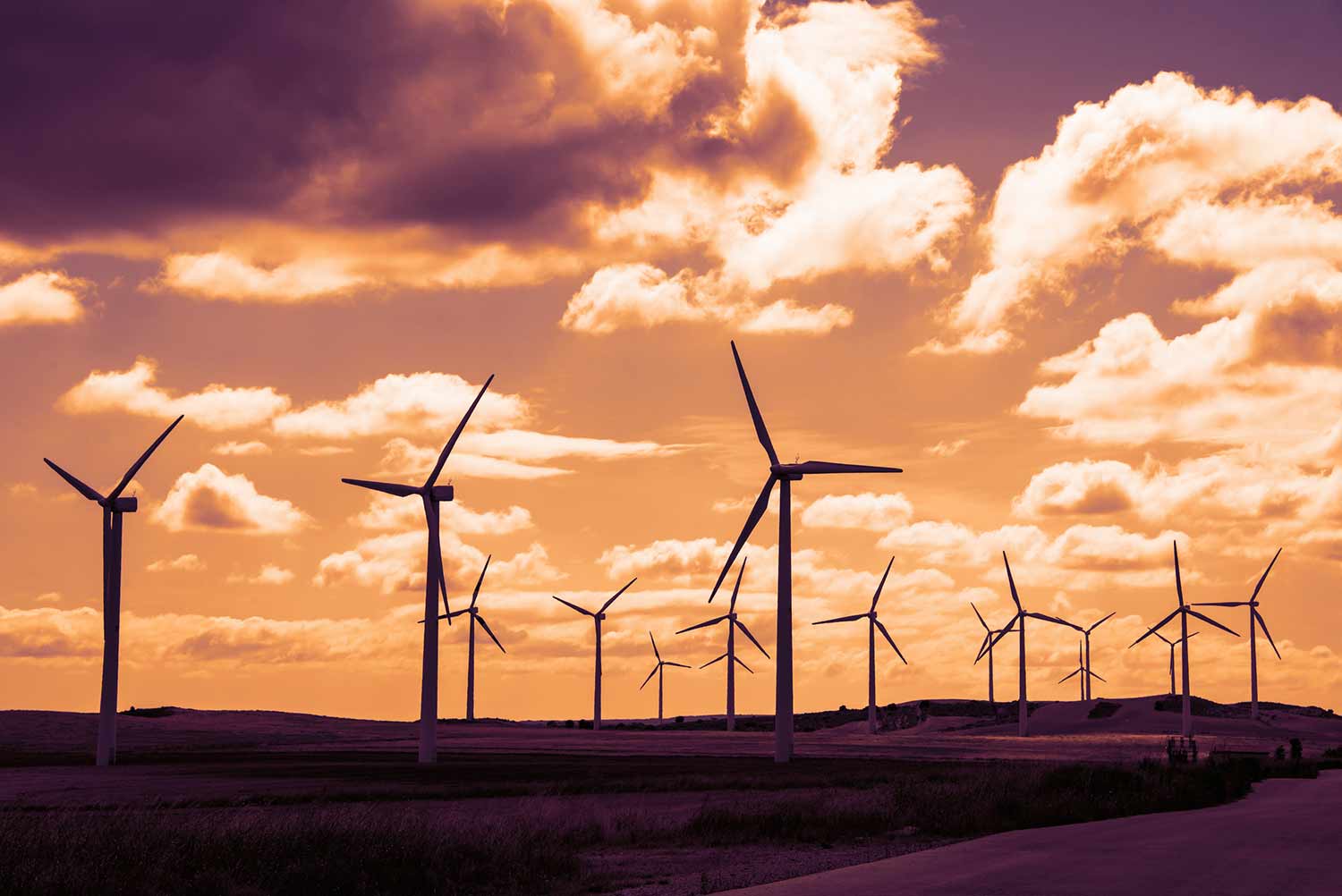

An estimated 47,400 bats are killed by wind turbines here in Canada
While Canada has yet to invest in offshore wind power, there are many European countries that are jumping on board. But offshore wind power has other major disadvantages for wildlife. With ground wind power, there is often evidence that animals were indeed hit by wind turbines. But with offshore wind power, birds and bats will simply sink into the water and there is virtually no evidence of the casualty.
Dialing it Down
Another way we can help our migratory species is by dialing down the speed of the wind turbines and in certain cases, even turning them off entirely at times. It seems that bats tend to migrate when wind conditions are low, so if industry can keep wind turbines turned off at these times, we could save a lot of bats. Considering many of these species are at risk and that bat populations grow so slowly, it’d be worth going the extra mile for these small mammals.
Going Forward
It’s fairly clear that the wind power industry isn’t going anywhere. With that in mind, it would be ideal for researchers to have the opportunity to collect more data on bat species and population densities across Canada so we can get a broader view of how wind power impacts bats.
Once we know the true numbers, we can map out areas across Canada that should be entirely void of wind turbines. These may be migratory pathways that birds and bats use recurrently or they may be habitat for species at risk.

Learn More


- 0
- 1


