

Sarah Coulber
If you want to create a natural feel in your garden, add visual interest or simply help your wild neighbours, consider using stumps, logs and rocks. These natural items may be of more use than you think.
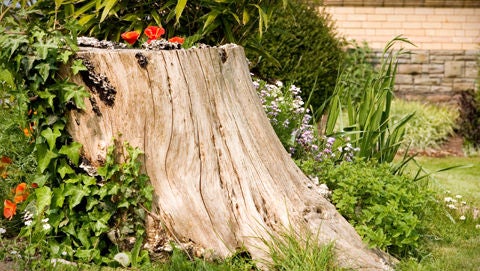
Stumps If you have to cut down a tree and are not able to leave a snag for woodpeckers and other insect-eating or cavity-nesting animals, consider leaving several inches of the stump. It can be an attractive garden accent with flowering plants in a pot on top. Alternatively, grow plants out of the stump by drilling a hole in the centre or wait until the middle starts to naturally decompose. Stumps can also be attractive with plants encircling them. As the stump gradually decomposes, it also will return nutrients to the soil.
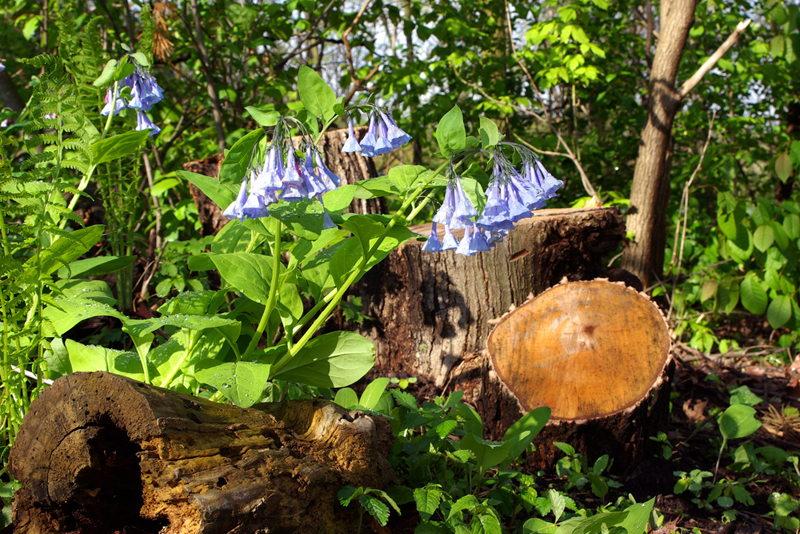
Logs Logs on their sides add an attractive feature to your garden, especially with ferns or flowering plants growing against them. Some will even grow moss, lichen and miniature plants. You can put thicker logs on their ends for sitting or to give varying heights to potted plants. As with stumps, logs will provide nourishment to the soil as they decompose and be a feeding ground for salamanders and other insect-eating animals.
Rocks Large rocks provide visually appealing backdrops or additions to a flower garden. They can also serve as stepping stones through a bed or lawn. For wildlife, rocks absorb the heat from the sun, making them perfect basking spots for cold-blooded animals, such as turtles or snakes. A pile of rocks can also serve as a snake hibernaculum for overwintering.

Learn More
- 0
- 1
- 2


