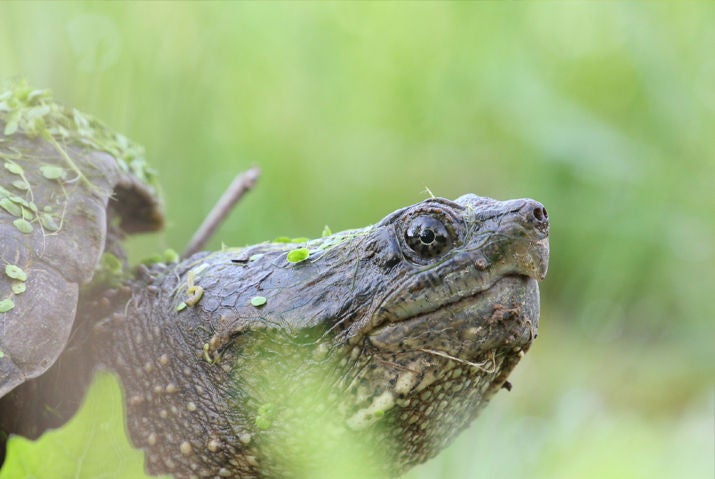
The Eastern Ontario Turtle Project launched in 2017 and is being delivered by Canadian Wildlife Federation staff based in Ottawa. Our turtle egg incubation program has resulted in the release of almost 7,000 hatchlings into the wild.
Project Highlights
The CWF Eastern Ontario Turtle Project continues to work in the greater Ottawa area. We focus on reducing threats to turtle species and their habitat by:
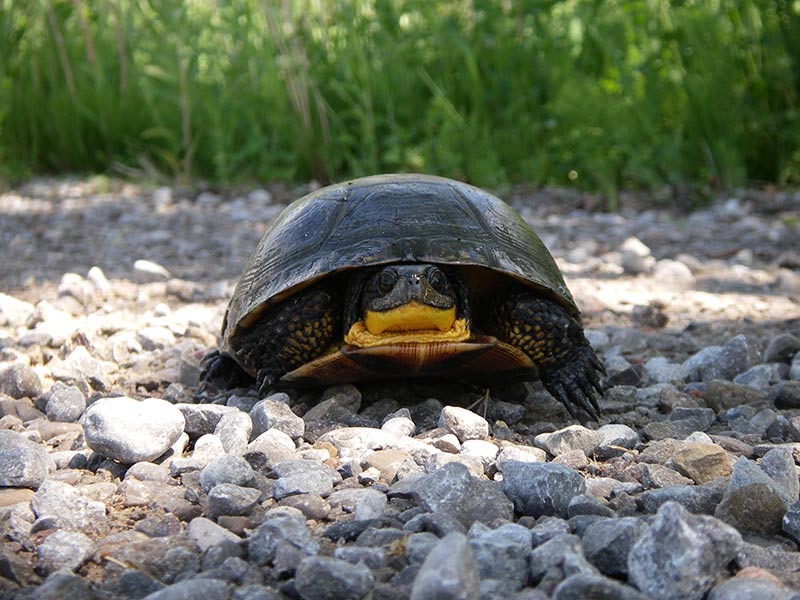
- Protecting wetland habitat: We conduct wetland surveys to find new locations with endangered Blanding’s Turtles.
- Reducing road mortality: We conduct road surveys to locate areas with significant road mortality and work to get road mitigation measures installed.
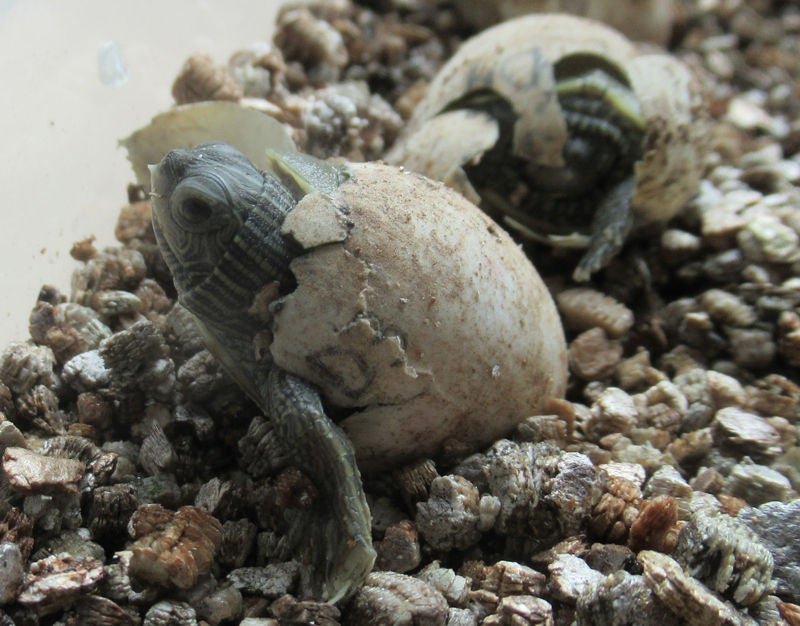
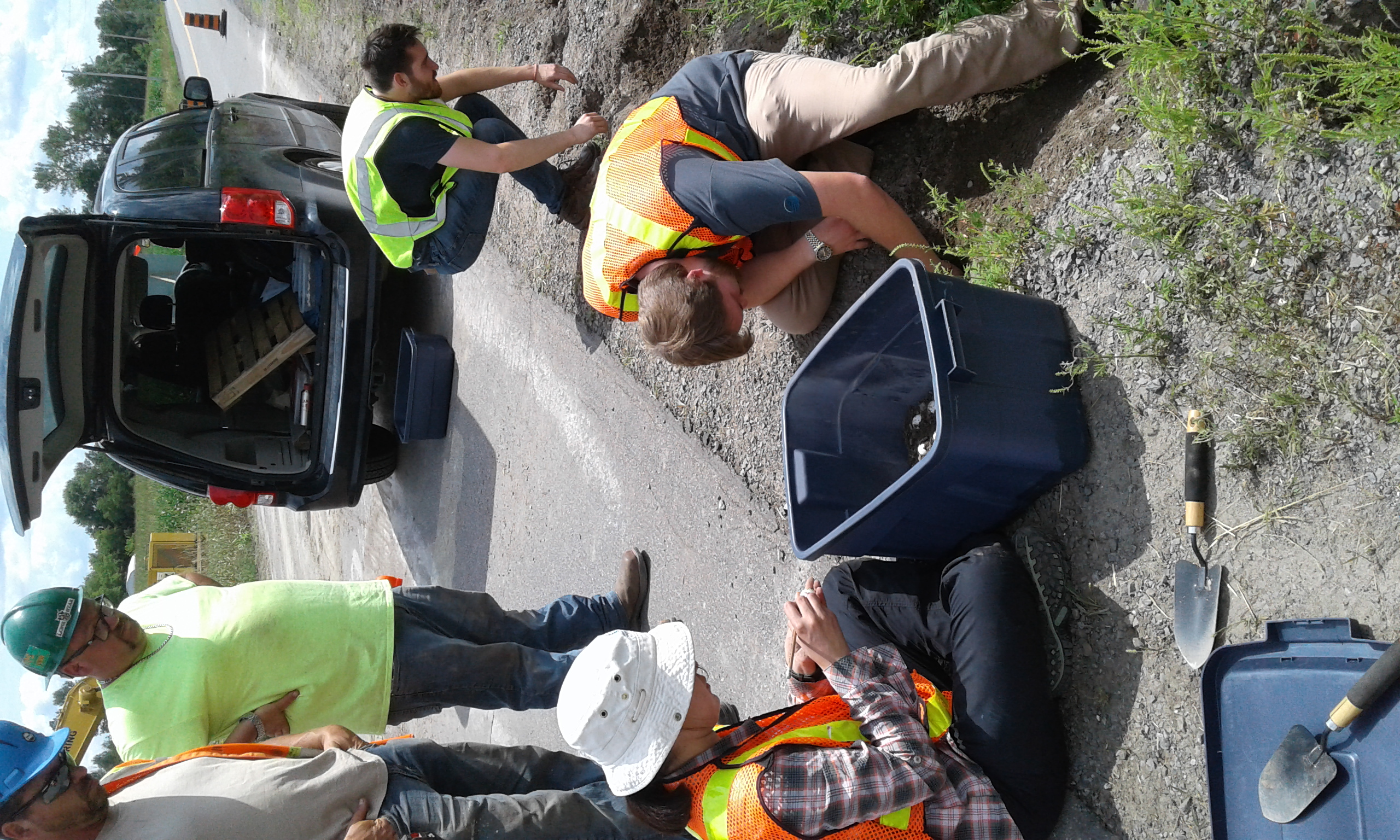
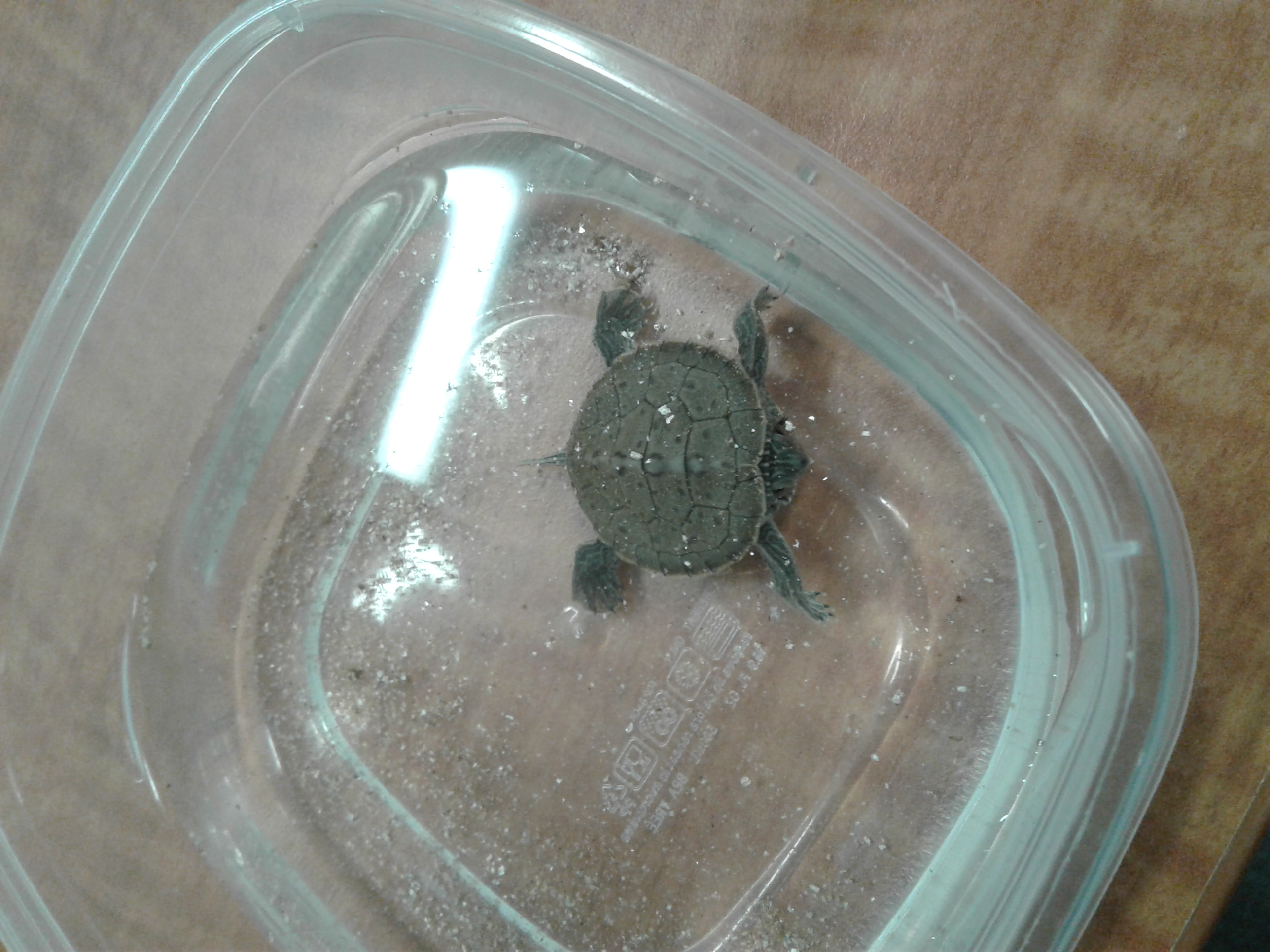
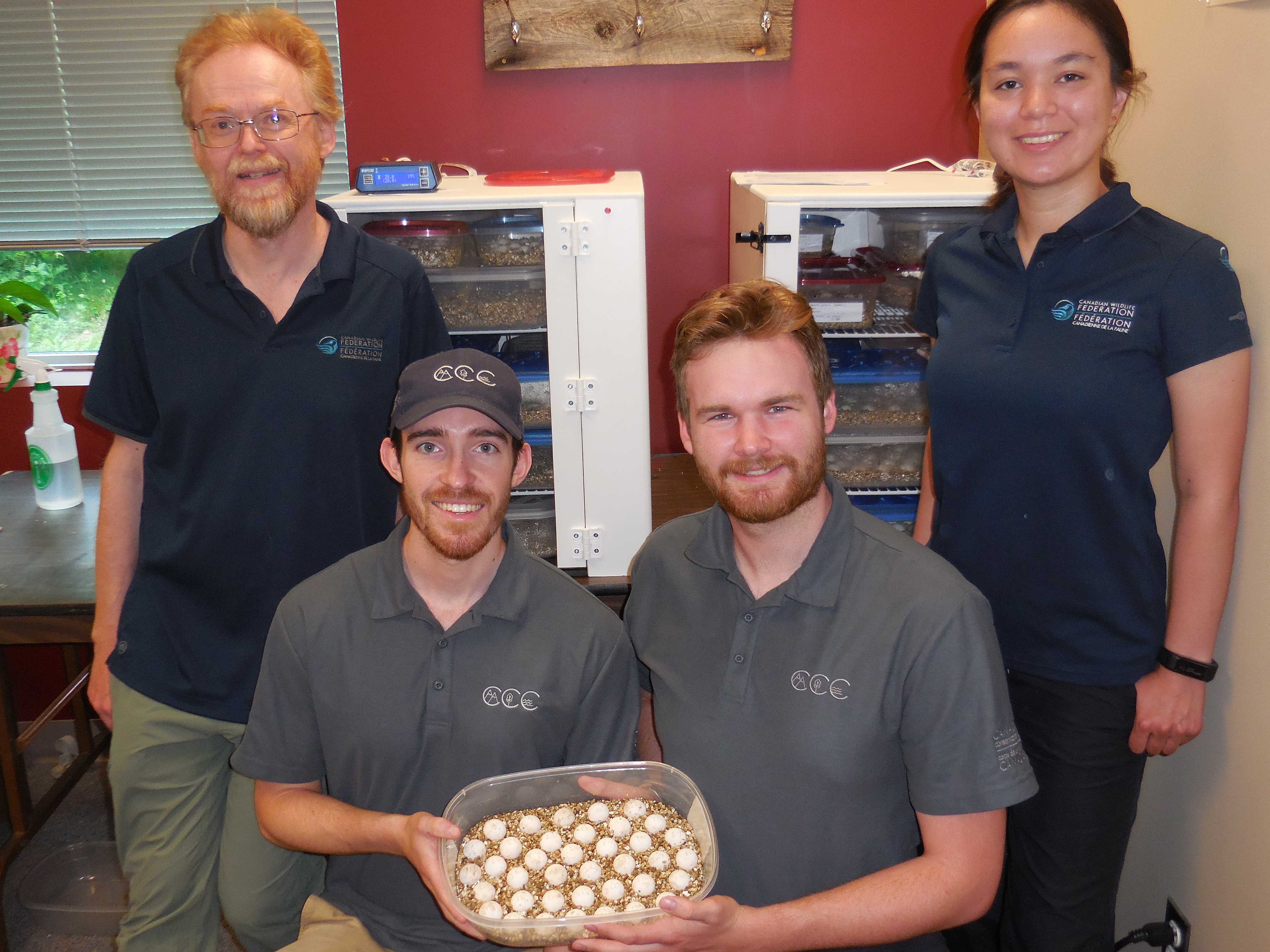
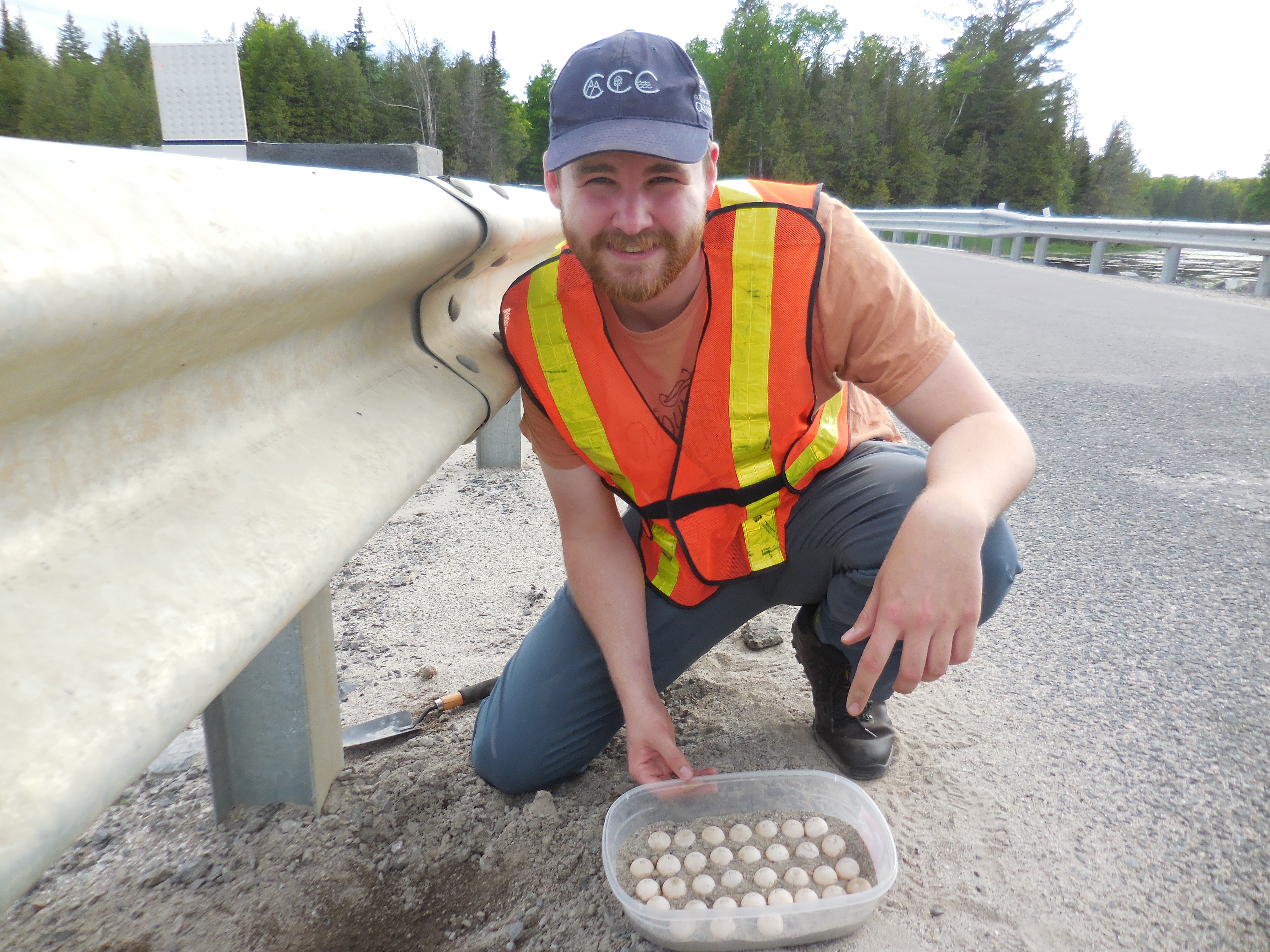
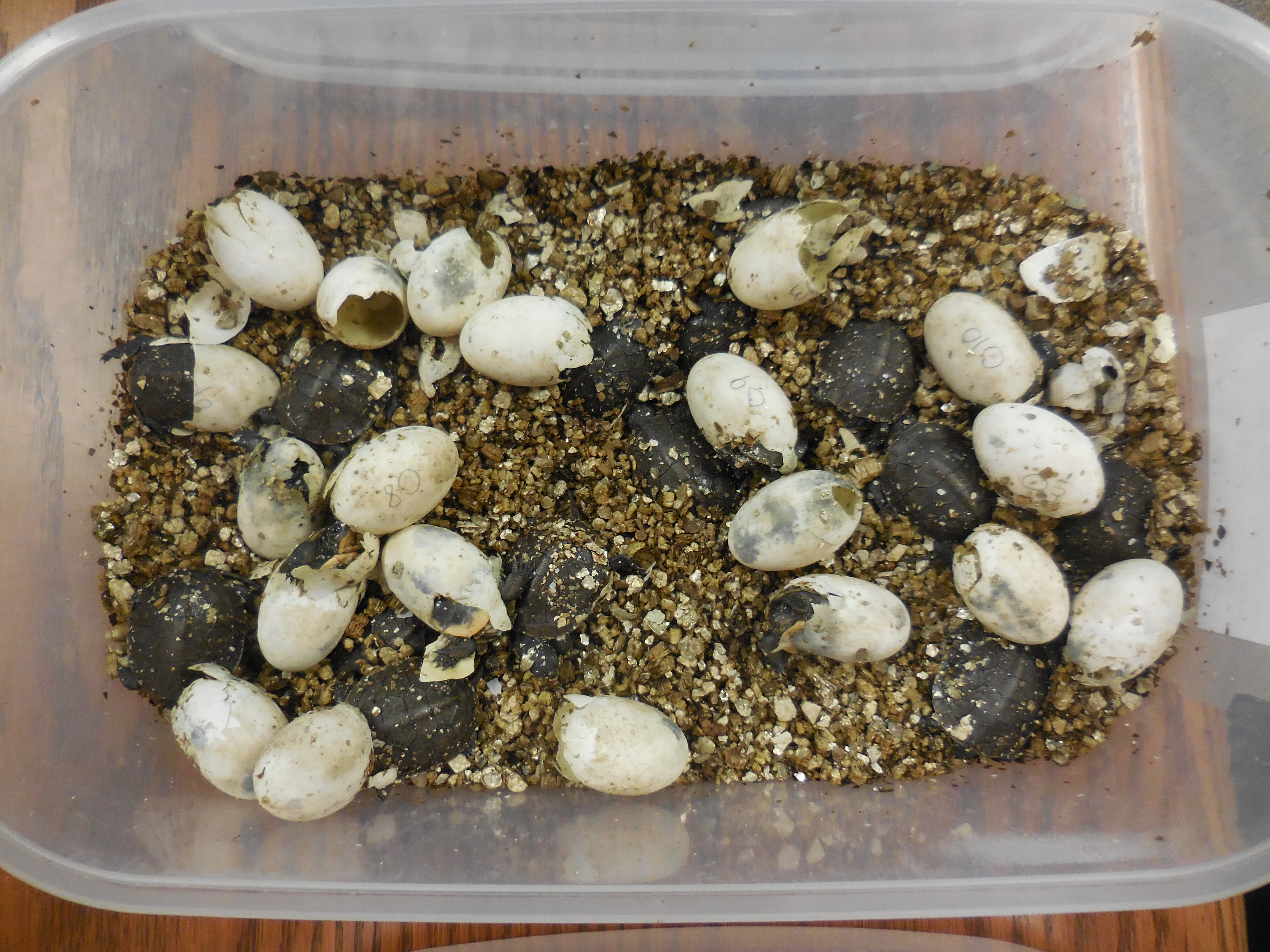
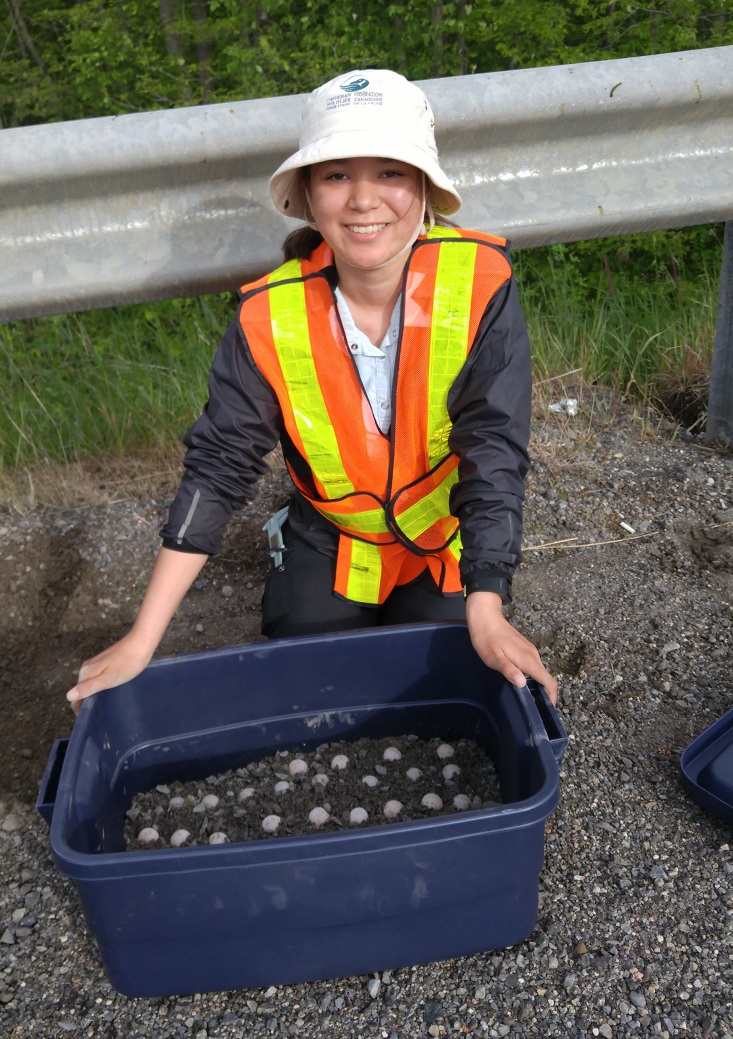
- Boosting declining turtle populations: We collect and incubate turtle eggs from high-risk nests.
Highlights
Habitat Protection
- More than 120 km2 of wetland habitat has been protected over the past the past nine years under the Endangered Species Act
- Unfortunately, in 2025, the Ontario government passed legislation to remove the Endangered Species Act and replace it with the much weaker Species Conservation Act. Details are not completely clear yet, but the amount of protected habitat will be greatly reduced.
Road Results
- More than 2,400 turtles have been found dead on roads during the past nine years
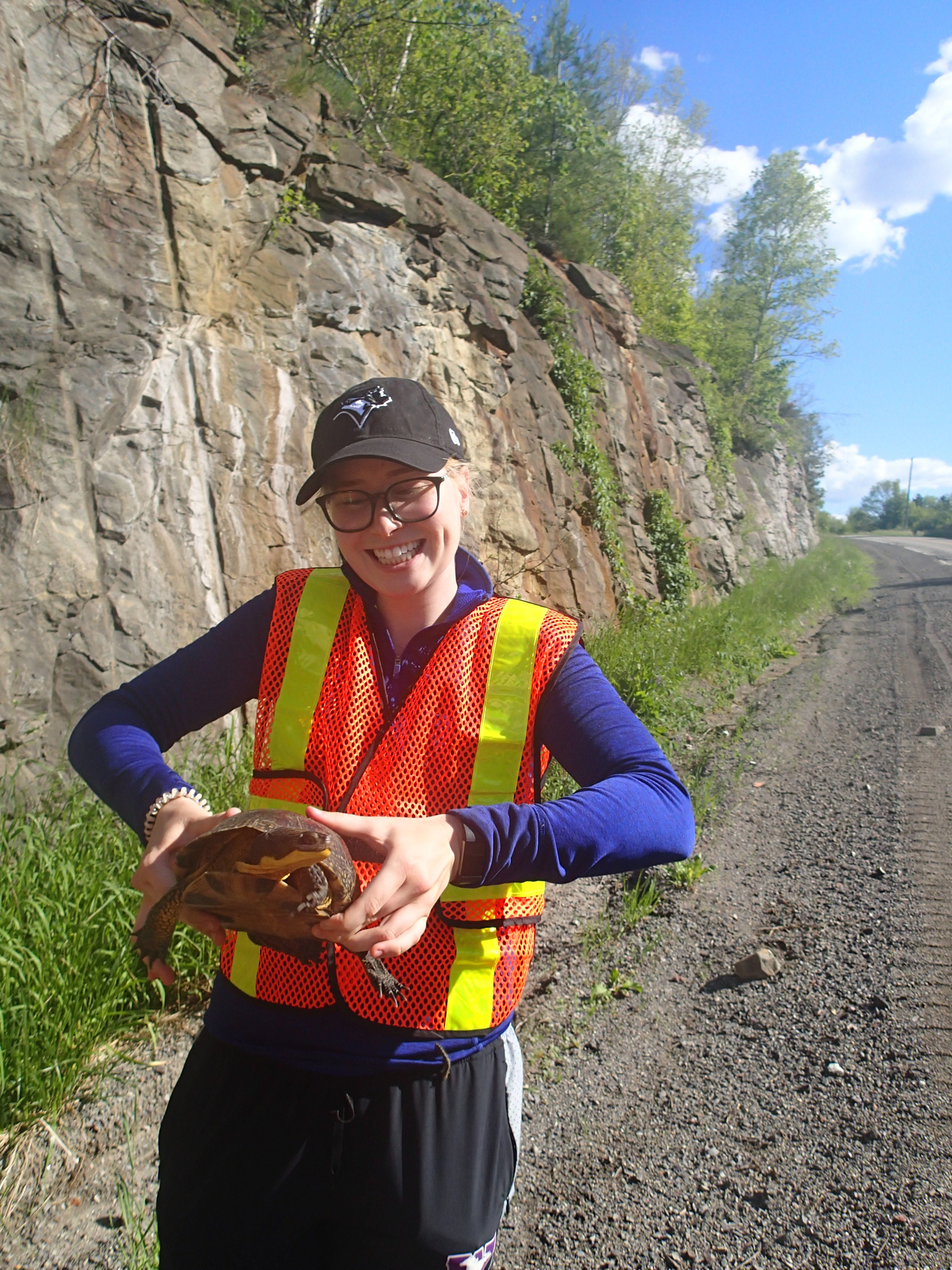
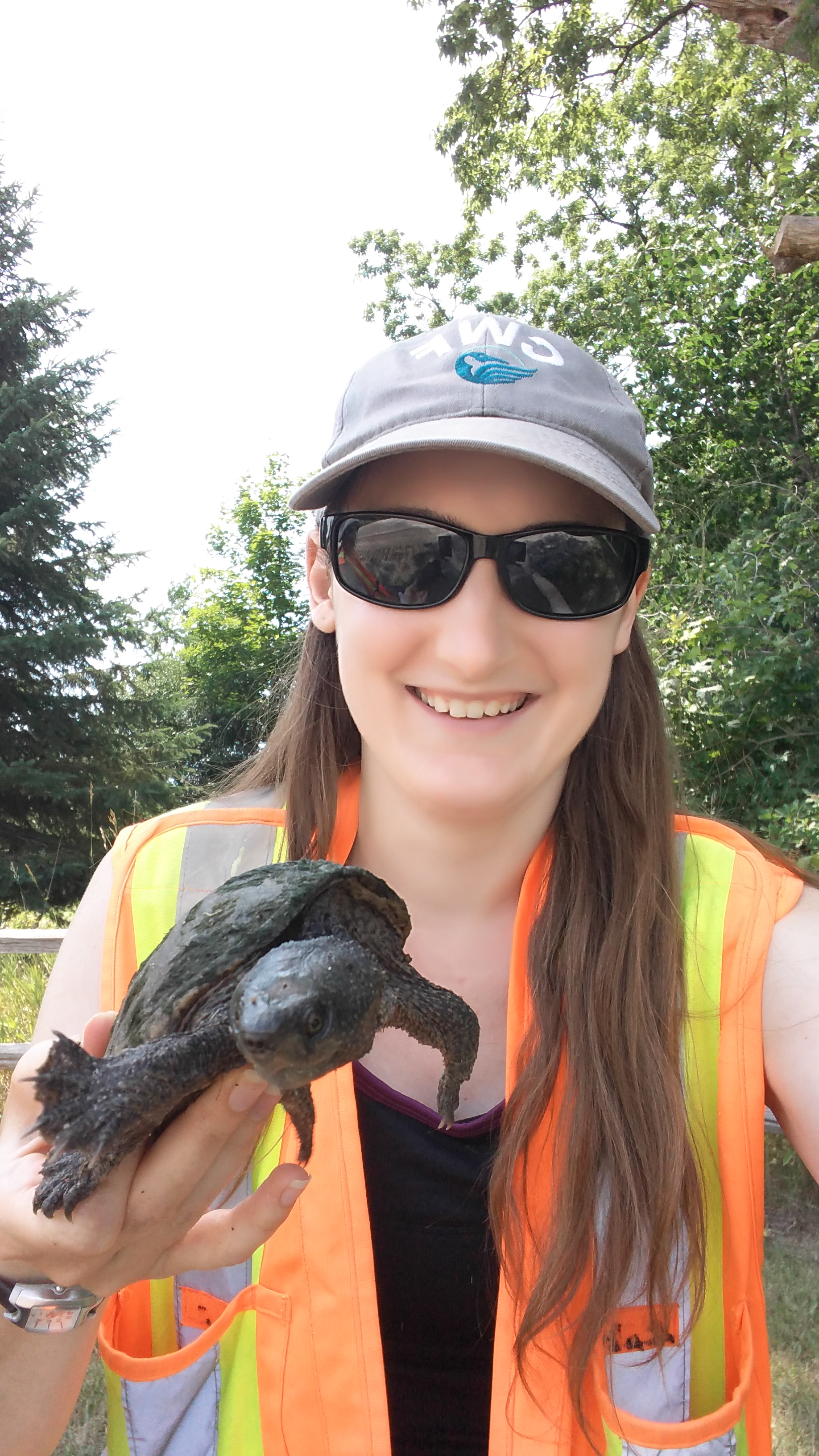
- More than 400 turtles have been safely moved off roads during the same time period
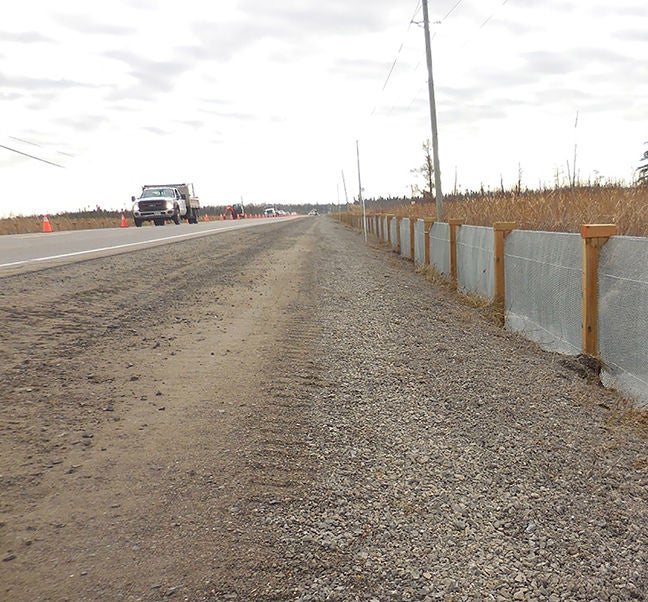
- Wildlife fencing has been installed at four of the worst road mortality areas as a result of our surveys
Egg Incubation
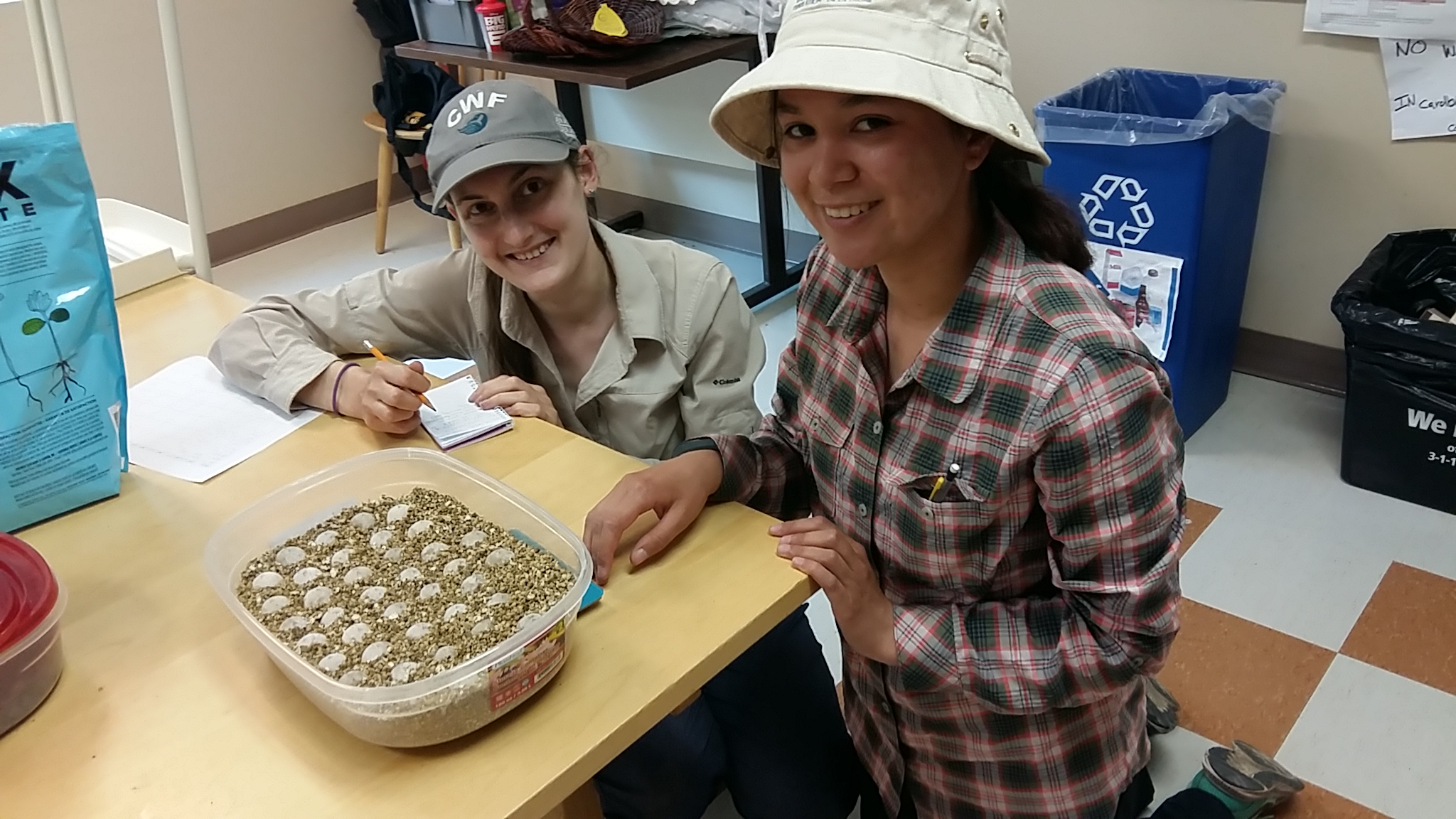
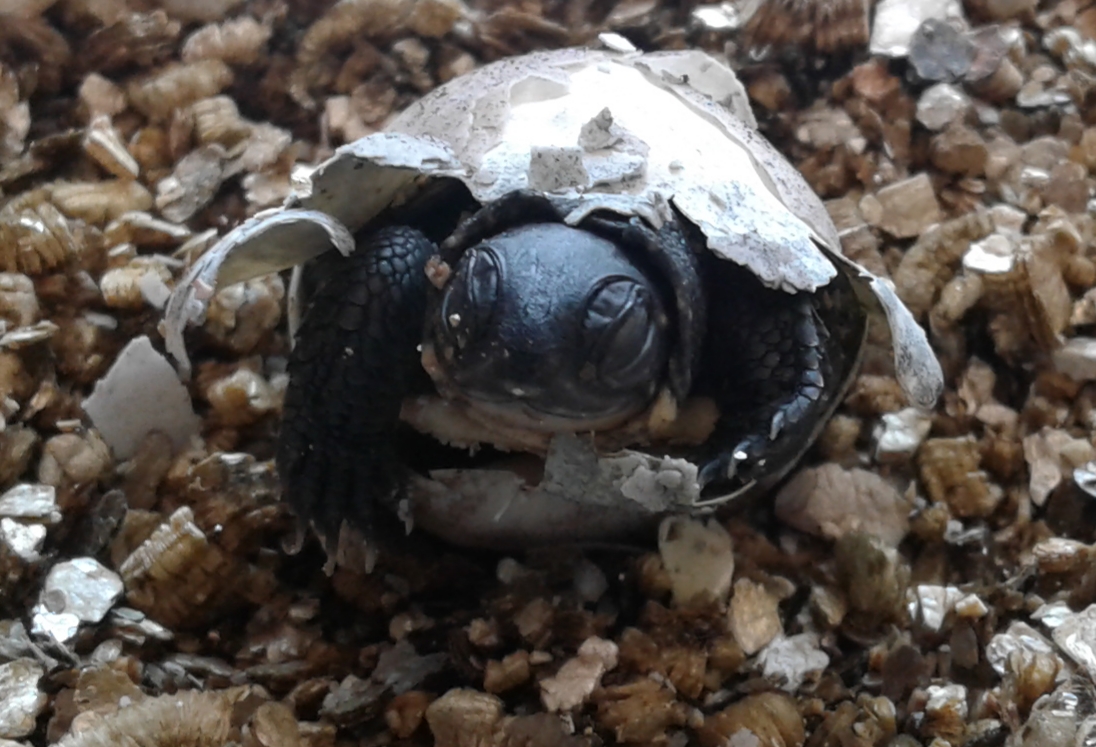
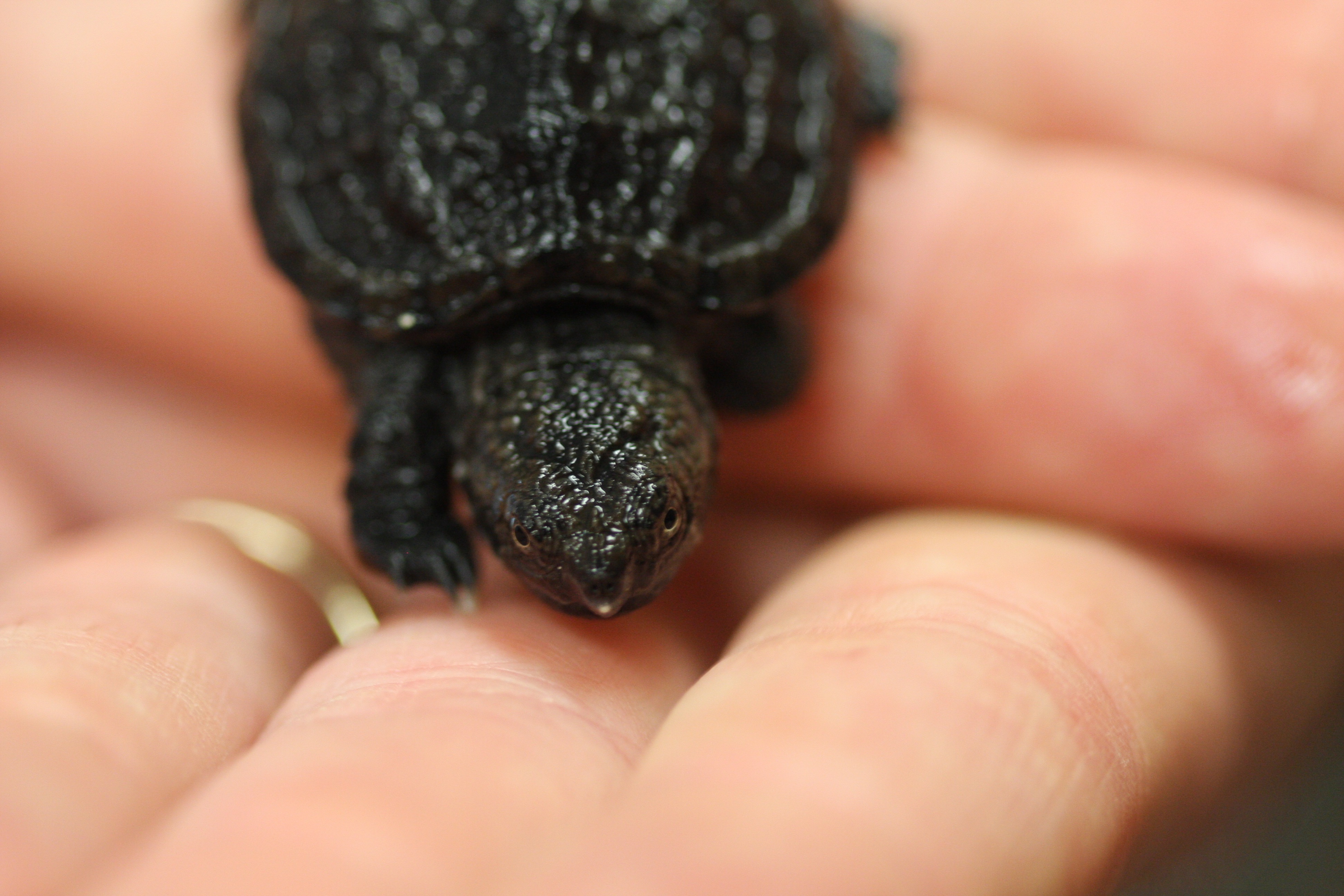
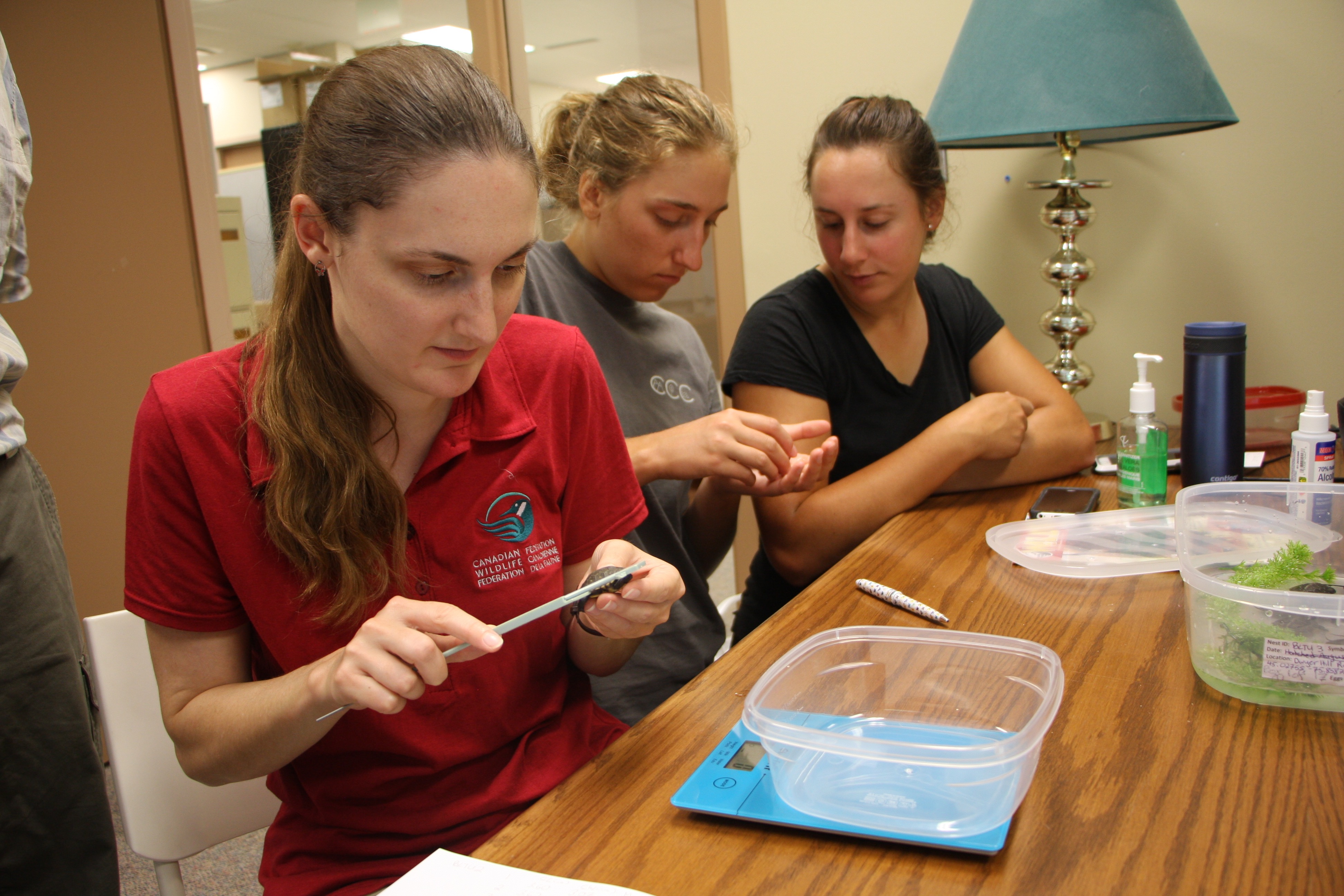
- Turtle eggs are collected each summer and incubated in captivity to help increase wild populations
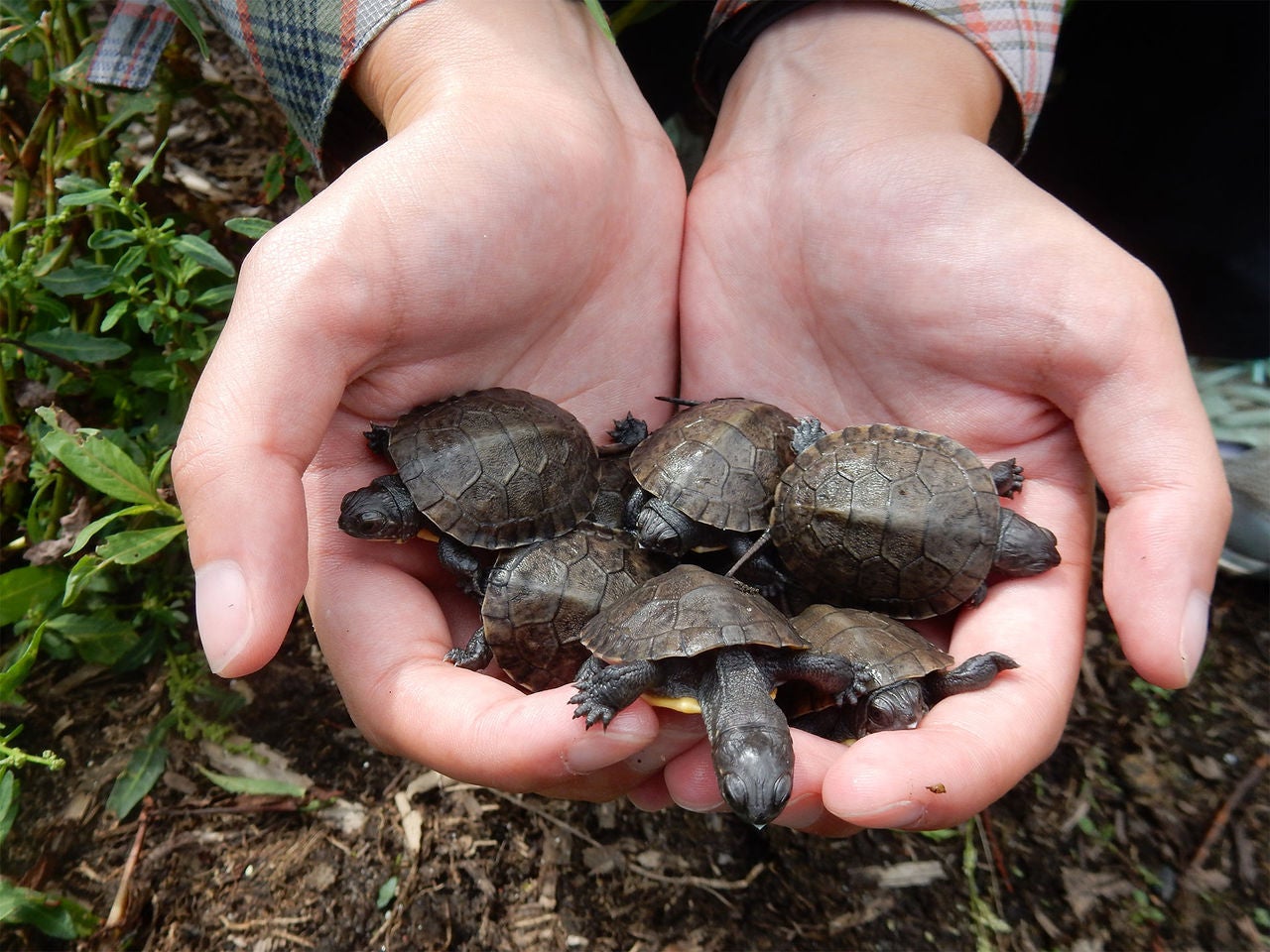
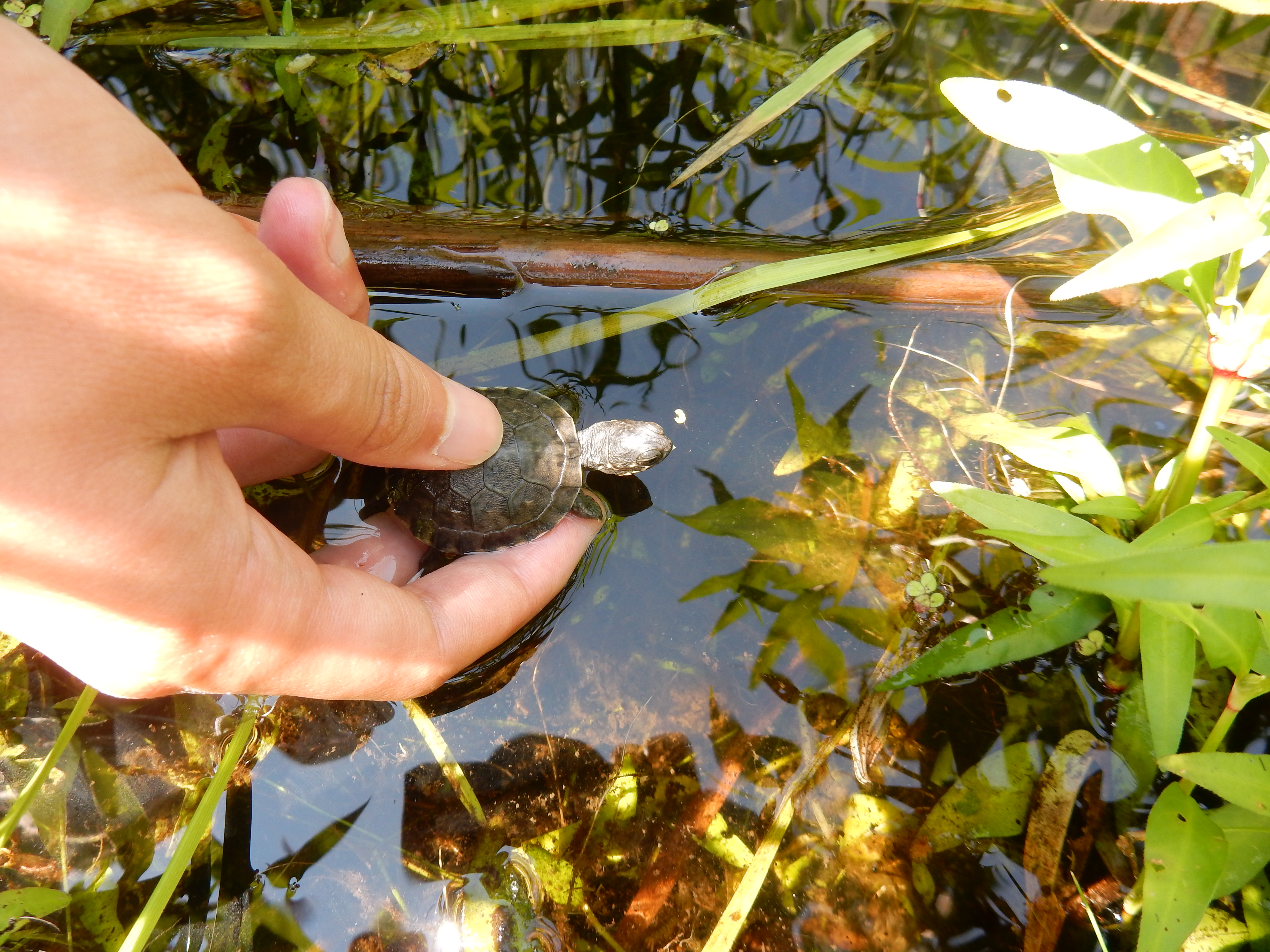
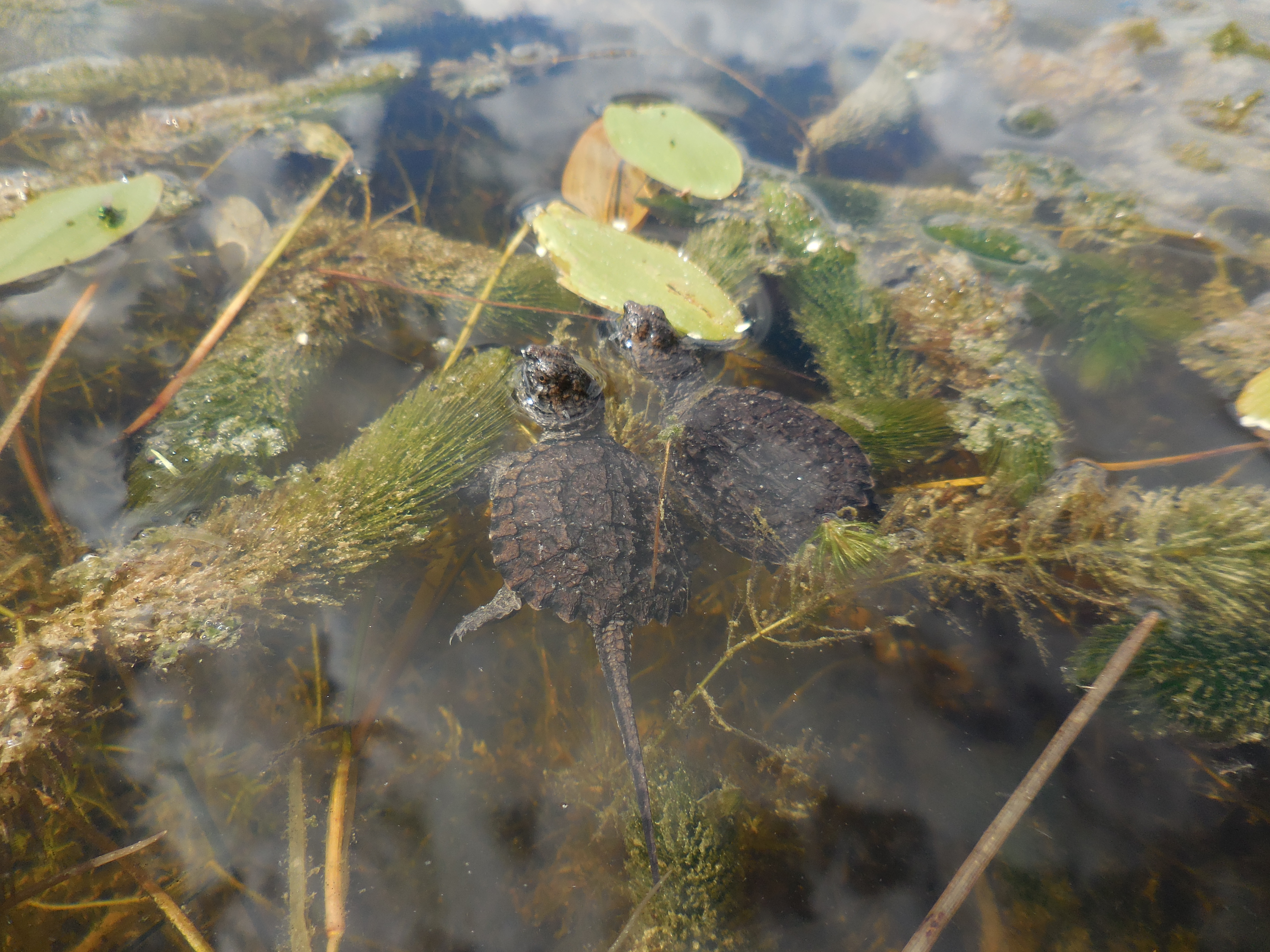
- Roughly 7,000 hatchlings have been released back into the wild over the past eight years
Outreach
- 1.5 million – the number of times our video on how to move a Snapping Turtle off the road has been viewed
- More than half a million people reached through radio and newspaper interviews, social media, and internet material.
What We Are Doing
The Ontario government is implementing dramatic changes to habitat protection for threatened and endangered species. Previously, a confirmed observation of a Blanding’s Turtle resulted in the protection of multiple wetlands, recognizing that individual turtles made use of nearby wetlands. Under the draft guidelines, a confirmed observation will only protect a single wetland, and only part of a large wetland. Ongoing surveys to confirm the presence of Blanding’s Turtles in more wetlands is more important than ever.
Part of our work in the Ottawa area involves identifying important nesting areas for turtles. Protecting turtle nests is critical for two reasons. Firstly, nest predation can be extremely high in certain areas so locating these nests and protecting them either by installing nest protectors or excavating and incubating eggs is of great benefit to the population. Raccoons and other nest predators dig up and eat many of these eggs. In some areas Raccoons consume almost all of the eggs, threatening the survival of turtle populations. Caging these nests can keep out predators and protect the eggs until they hatch. Secondly, nests of Threatened or Endangered turtles result in more stringent legal protection in the immediate vicinity of the nest.
Mitigating Road Mortality
We have found more than 2,000 dead turtles on roads in eastern Ontario over the past nine years.
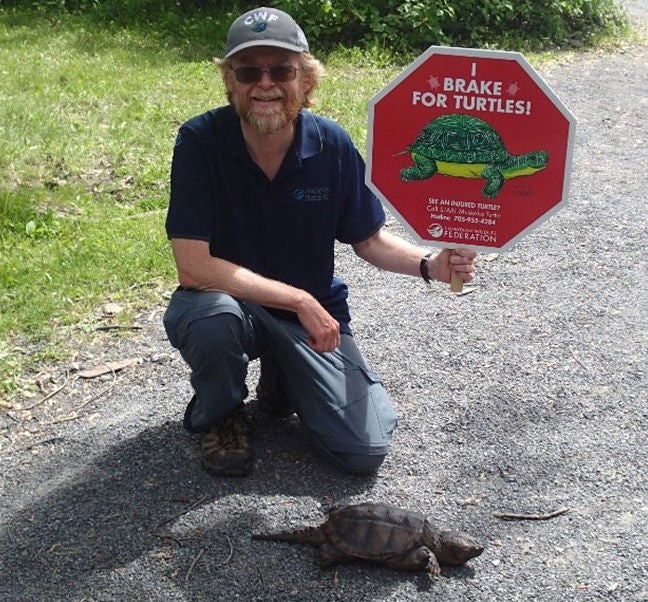
Roads are a major threat to turtles, which is why we are conducting road surveys to identify areas with high concentrations of road mortality. While we all depend upon roads to get where we want to go, we can also make roads safer for wildlife. Fences and crossing structures under roads can allow turtles and other wildlife to get where they want to go. We tested the effectiveness of turtle signs and found they did not reduce road mortality. Wildlife fencing has been installed at four of the worst areas for road mortality as a result of our work.
Community Outreach
Everyone can play a role in turtle conservation. We can all help save turtles.
- Drive slow and watch the road carefully when driving near wetlands – particularly during the month of June, which is turtle nesting season.
- Report your turtle observations to iNaturalist Canada, and while there join our turtle project called HelpTheTurtles. The project will continue to engage the local communities through awareness campaigns, presentations, community events and Turtle Blitz events.
Click here to listen to our radio announcement about turtle road mortality.
Gallery


Learn More
- 0
- 1