Endangered Species & Biodiversity

-

Niagara native recognized for pollinator program
2020-05-20
CWF's Canadian Conservation Corps participant and Niagara Falls resident Caitlin Brant is the developer of Monarch Mayhem program
-
/https://www.thestar.com/content/dam/thestar/news/canada/2020/05/05/first-right-whales-in-gulf-of-st-lawrence-trigger-some-fisheries-closures/right_whale.jpg)
First right whales in Gulf of St. Lawrence trigger some fisheries closures
2020-05-05
North Atlantic right whales made their first appearance of 2020 in Canadian waters last weekend, prompting an immediate but temporary closure of fixed-gear fisheries in the area under new federal rules trying to protect the highly endangered animals.
-

National Wildlife Week challenge in Richmond
2020-04-08
This year, the Canadian Wildlife Federation (CWF) is encouraging Canadians to join their “be on with nature challenge,” while practicing physical distancing during COVID-19.
-

CWF Asks Canadians to Grow It Don’t Mow It
2020-04-02
Recent reports from Mexico show a large decline in overwintering Monarch butterfly populations, just as the Canadian Wildlife Federation (CWF) launches a new campaign encouraging the natural growth of wild flowers and native meadows to restore habitat for Monarch and other pollinators in decline.
-

How COVID-19 shutdowns have affected the animal kingdom
2020-03-26
'Lull' in human movement due to COVID-19 is having unpredictable effect on wildlife
-
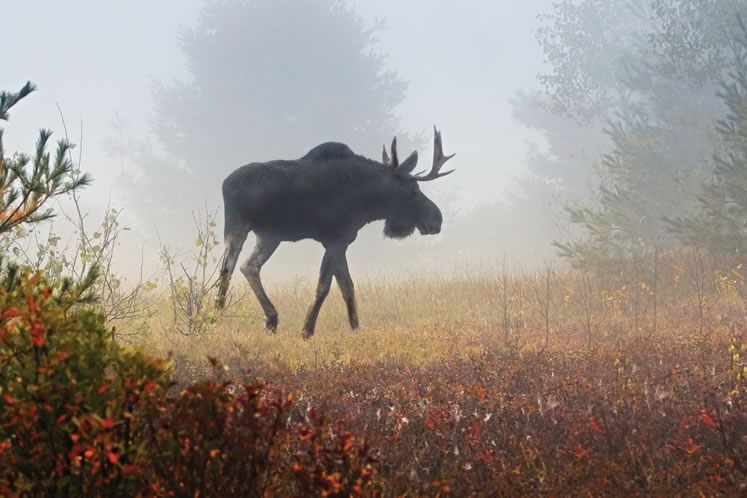
Where the Moose and the Elk Used to Roam
2020-03-24
ildlife populations in Dufferin and Caledon have come and gone over the past few centuries, most dramatically since European settlement. Some species have vanished from the landscape. Others have arrived. Now things are changing again.
-

CWF encouraged but cautious about new measures to conserve right whales
2020-02-27
The federal government’s new measures to conserve right whales are well founded and we are hopeful they will prevent another mortality crisis; however, the Canadian Wildlife Federation (CWF) is urging the development of a ‘Plan B’.
-

First genetic evidence of resistance in some bats to white-nose syndrome, a devastating fungal disease
2020-02-20
A new study from University of Michigan biologists presents the first genetic evidence of resistance in some bats to white-nose syndrome, a deadly fungal disease that has decimated some North American bat populations.
-

10th North Atlantic right whale calf of the season spotted off South Carolina
2020-02-12
We are celebrating the arrival of a new baby North Atlantic whale after it was spotted with its mom off South Carolina.NOAA identified the mom as 31-year-old Palmetto who last gave birth in 2009. This is her fifth calf.
-

Thinking about Habitat
2020-01-13
We were contacted in October by biologists at the Canadian Wildlife Federation. They wanted to meet with us to talk about developing recommendations to promote grassland bird populations and habitat on farms.

Learn More

- 0
- 1