

The Threat
Urban runoff is considered one of the largest water pollution challenges for a city, not to mention a main source of toxic chemicals for urban waterways. As rain and snow melt travels over impermeable surfaces such as roads, driveways, rooftops, parking lots, sidewalks, even lawns it picks up a variety of pollutants such as fuel, oil, rust, road salt, pesticides, fertilizers, sediment and pet wastes.
It should be no surprise that by the time all this runoff reaches a local stream, river or lake that this pollution cocktail contaminates water harming fish and other aquatic organisms.
Because urban runoff is hot, fast and dirty, it can significantly alter our freshwater environments. The many impacts of urban runoff are affecting aquatic plants, insects, fish and other wildlife. Sediment can dislodge aquatic plants, smother insects and fish eggs, damage or clog fish gills, increasing the risk of infection and disease, and decreasing growth rates for fish. Moreover, metals found in urban runoff, like chromium, copper, lead and zinc can be toxic to aquatic organisms. Runoff also does significant damage on aquatic habitat – eroding stream banks and streambeds and destroying spawning areas for fish.
What CWF is Doing
Encouraging lakefront property owners to improve the health of their lake by creating healthier shorelines
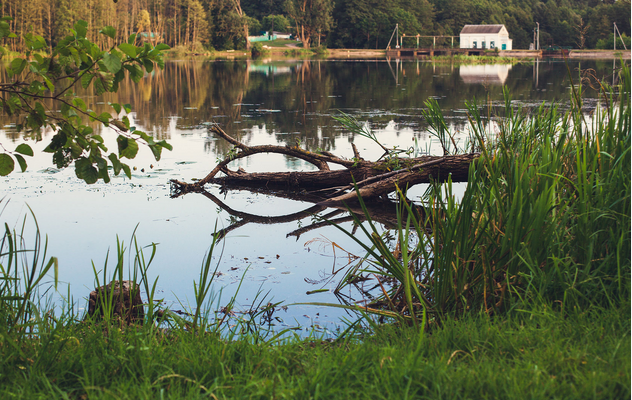
- Love Your Lake is a shoreline evaluation program developed by Watersheds Canada and the Canadian Wildlife Federation and conducted in shoreline communities across the country by local organizations.
The Love Your Lake program connects shoreline property owners with the information they need to make smart land management choices that improve wildlife habitat, water quality, and the overall health of their lake.
To date, 52,252 shoreline properties have been assessed on 225 Canadian lakes.
Learn more >