


-
A Dash to Success Tracking your Restoration Webinar
2024-01-17
How are you tracking and sharing your pollinator habitat restoration success? Discover the Dashboard, a geospatial tool that allows your organization to track, store, and communicate data on your restoration efforts. Along with the ins and outs of navigation, you will learn how the Dashboard can support transparency of your sustainability goals, and streamline your restoration planning.
-
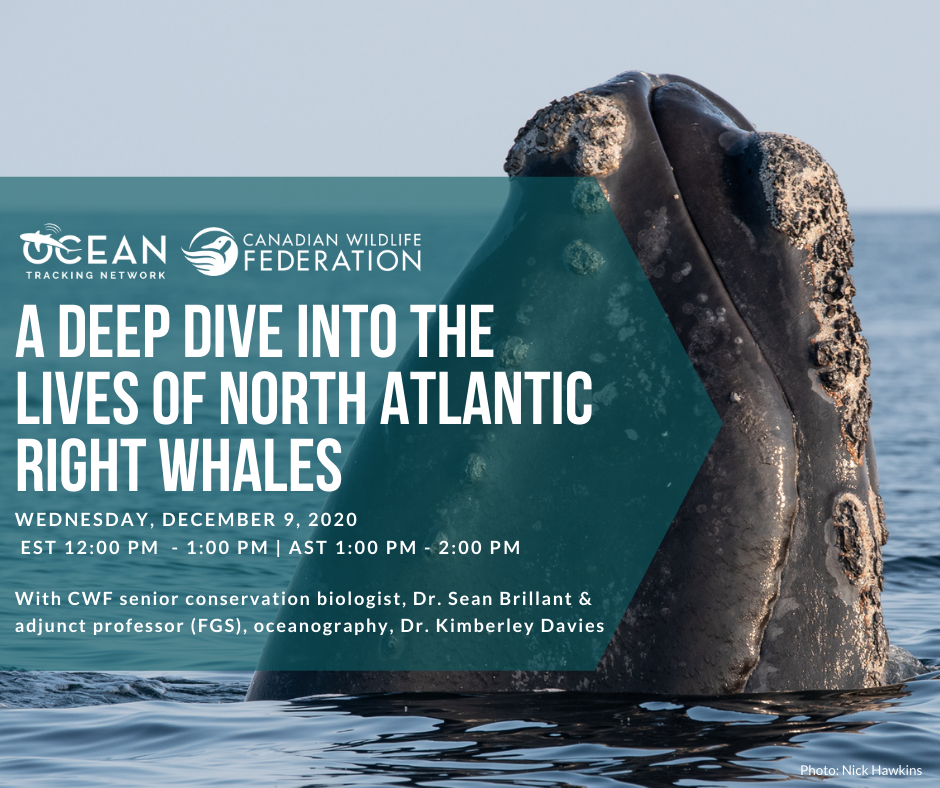
A Deep Dive Into the Lives of North Atlantic Right Whales
2020-12-09
Date: Wednesday, December 9, 2020 at 12:00 p.m. EST | 1:00 p.m. AST Speakers: Dr. Sean Brillant, senior conservation biologist at CWF; Dr. Kim Davies, adjunct professor (FGS), oceanography Join the Ocean Tracking Network (OTN) and the Canadian Wildlife Federation (CWF) for the third live webinar in our North Atlantic right whale series. This time, you’re invited to a conversation and Q&A with Dr. Sean Brillant, senior conservation biologist at CWF, and Dr. Kim Davies, adjunct professor (FGS), oceanography, co-PI MEOPAR-WHaLE.
-
Adventures in Seed Saving
2023-09-12
Join CWF Tuesday, September 12 at 7:00 p.m. ET for tips on using seeds at home and in restoration projects and discover a new and much-needed seed project in Canada. In this webinar our special guest, plant ecologist Stefan Weber, will share easy tips for collecting, storing and germinating seeds of native grasses and wildflowers, as well as some herbs and veggies. He will also speak about the diversity of plants in Canada and efforts to save them via the National Native Seed Strategy project that CWF is leading. Stefan will touch on issues related to seed-sourcing and using local ecosystems to guide your garden choices. We hope to see you there!
-
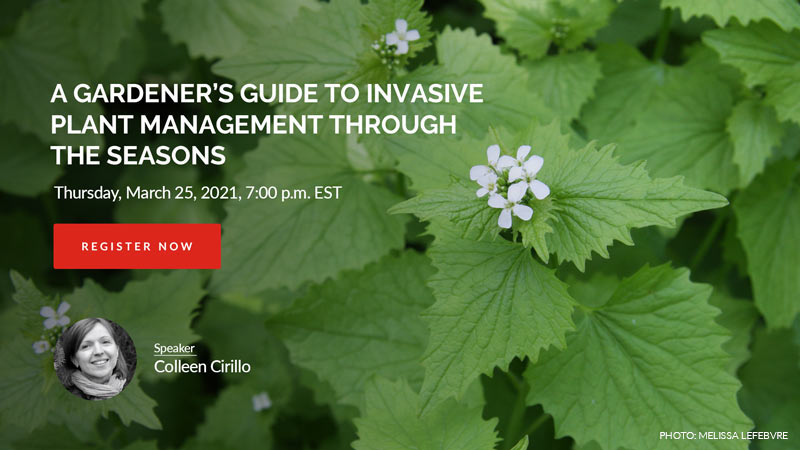
A Gardener's Guide to Invasive Plant Management Through the Seasons
2021-03-25
Gardens contribute to our mental and physical well-being, as well as the ecological health of our communities. If left unchecked, invasive plants can diminish these benefits. Join the Canadian Wildlife Federation on March 25 at 7:00 pm EST as invasive plant expert, Colleen Cirillo, provides guidance for the careful identification and removal of some of Canada's most invasive plants from early spring through to late fall. Species to be addressed include Dog-Strangling Vine, Garlic Mustard, Japanese Knotweed, Common Buckthorn and three invasive groundcovers.
-
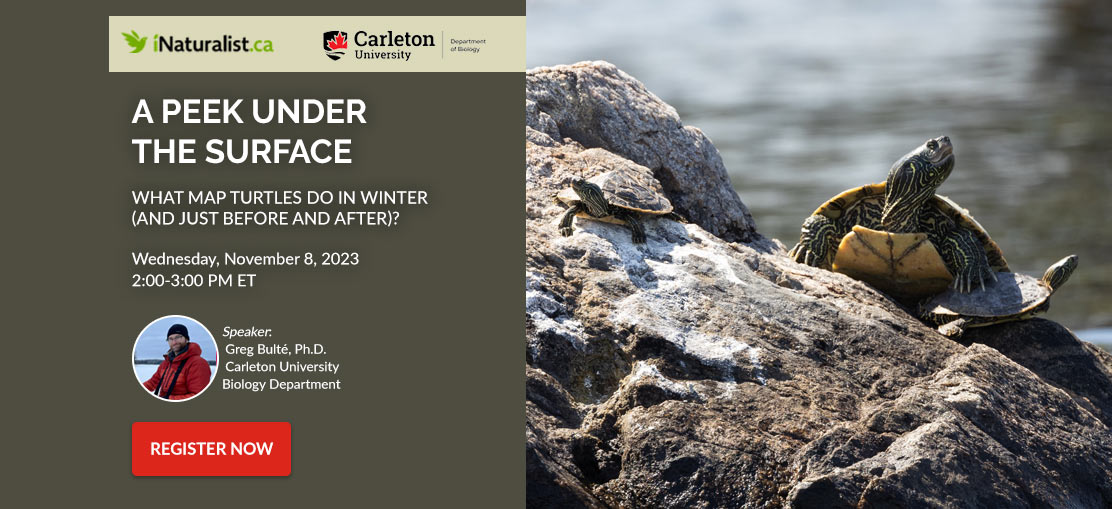
A Peek Under the Surface
2023-11-08
Join us for a look at what map turtles do in winter (and just before and after)? Each fall, Northern Map Turtles get together. In Opinicon Lake, found in eastern Ontario, they come from all over the lake to meet where they will spend the winter months under the ice. From November to April, they are nowhere to be seen. What are they doing under the surface of the water? Under the ice? Contrary to common belief, they are not just buried in the muck waiting for spring. This is a time of love, physiological challenges, and sometimes death.
-
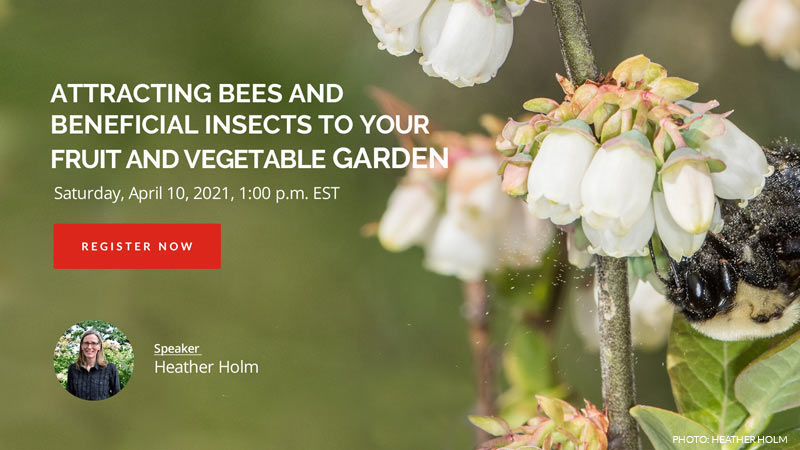
Attracting Bees and Beneficial Insects to Your Fruit and Vegetable Garden
2021-04-10
Saturday, April 10, 2021 at 1:00 p.m. EST. Join the Canadian Wildlife Federation as Heather Holm, researcher and award-winning author, shares her valuable insights on supporting bees and other beneficial insects. Learn about the importance of insect pollination and the bees responsible for pollinating the fruits and vegetables we grow in both home and commercial landscapes. Heather will discuss the genera of bees responsible for the majority of the pollination and the additional forage (flowering plants) you need to provide to ensure that the 'flower buffet' is always open, even when the fruit or vegetable plants are not in flower. You’ll also learn about the beneficial insects that the native flowering plants will attract and how these insects can help reduce insect pest populations in your fruit or vegetable garden.
-
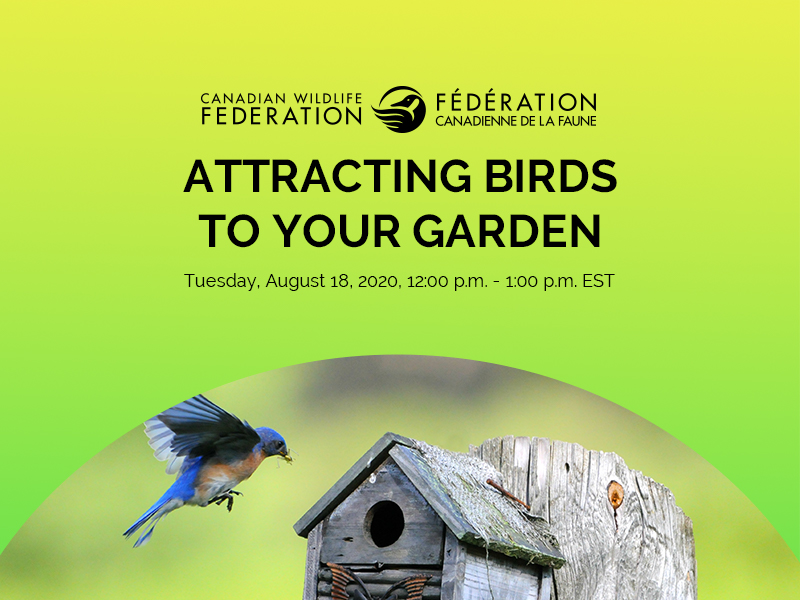
Attracting Birds to Your Garden
2020-08-18
Join the Canadian Wildlife Federation as we share tips and tricks to support your local and migratory birds. Adding certain habitat features to your garden can also enhance the visual appeal of your outdoor space. As a result, we get to enjoy the beauty and antics of our winged neighbours as well as benefit from their important pest control services and, in the case of hummingbirds, some pollination help as well.
-
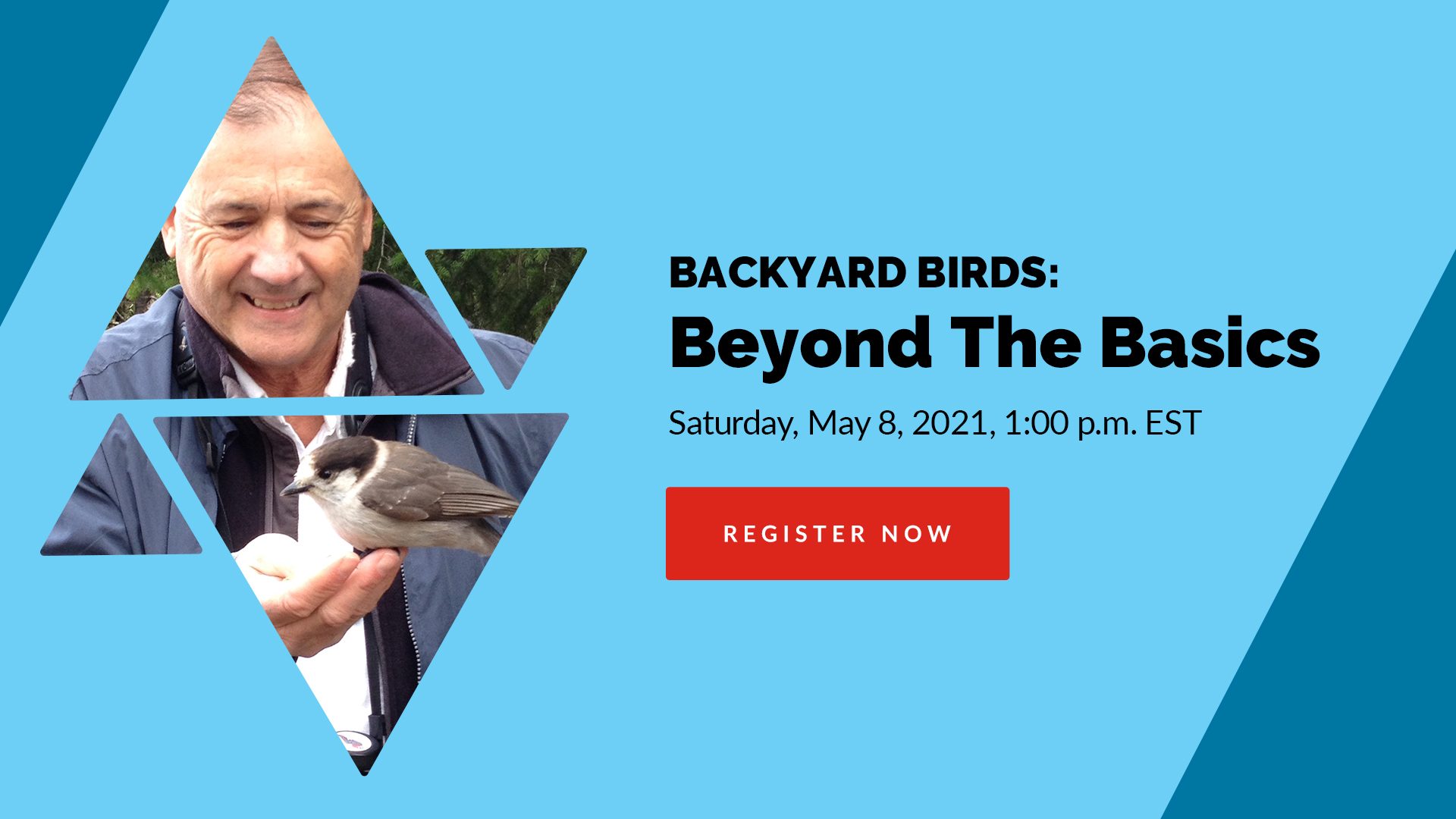
Backyard Birds: Beyond the Basics
2021-05-08
he number of folks deriving pleasure from the birds in their yards is increasing exponentially and they want to know more about these incredible creatures. For example, where do birds sleep at night? How do they deal with extreme cold? However, it is also fair to say that not all interactions with birds are positive. How do you stop birds from hitting windows or woodpeckers from damaging your home? And while a large number of informational books and websites focused on how to attract birds to the backyard does exist, this fun hobby sometimes creates new and vexing problems. Should you provide bath water in the winter? What you should do if you find a baby bird? How shoudl you deal with hawks? Should you offer peanut butter and what things can you add to suet? With at least three decades of experience in teaching ornithology, feeding birds, and writing and lecturing on backyard bird biology and challenges, enjoy a visual presentation by Dr. David M. Bird as he attempts to provide answers to these thought-provoking questions and many more. Please note that this webinar will NOT be recorded.
-
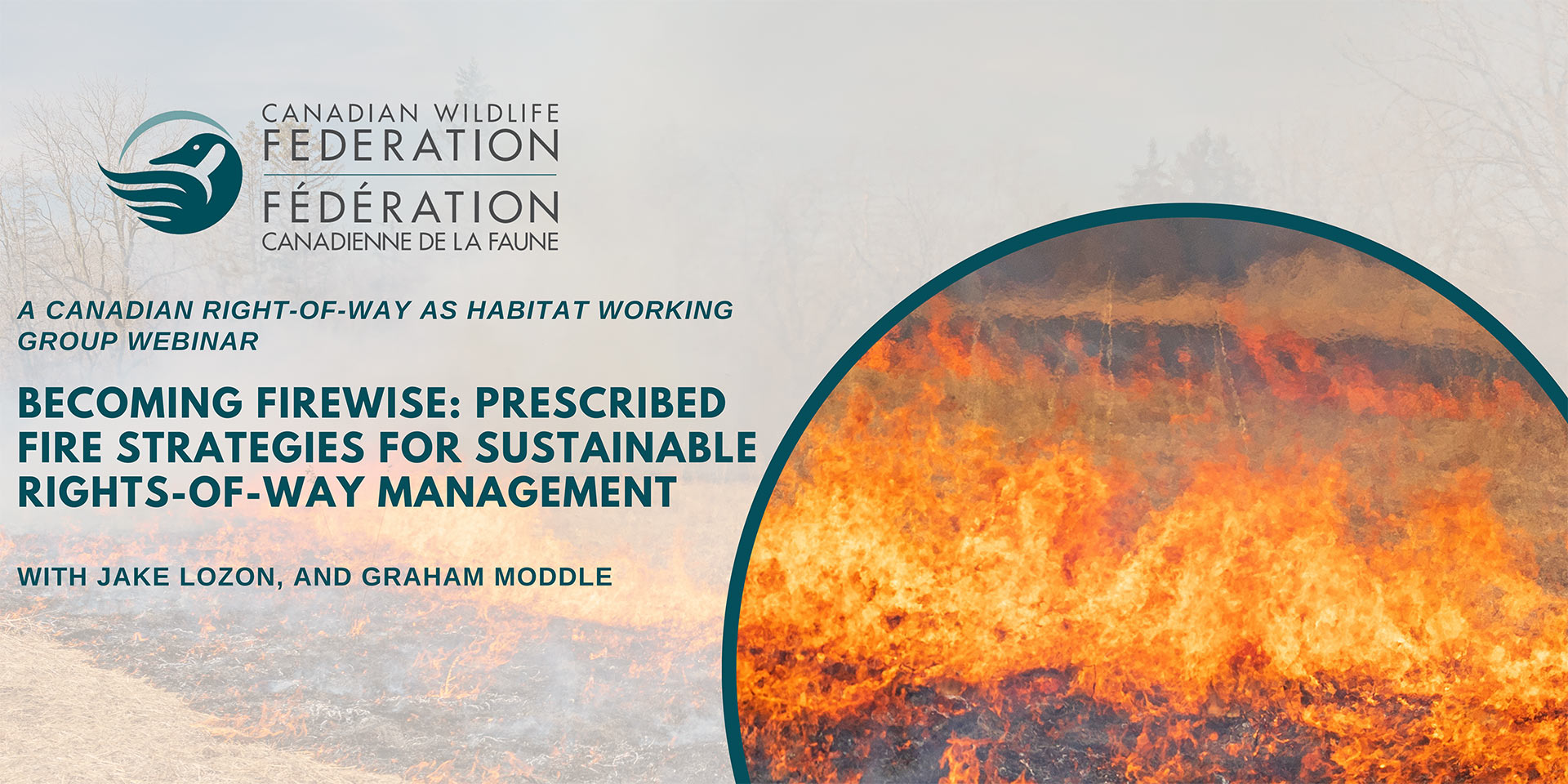
Becoming Firewise: Prescribed Fire Strategies for Sustainable Rights-of-Way Management
2024-02-28
Delve into prescribed fire as a method of rights-of-way management. Discover the strategic use of controlled fires with consideration of invasives species, rejuvenating meadow vegetation, biodiversity and safety. Gain insights from practitioners, explore case studies and equip yourself with the knowledge to navigate the balance between fire management and habitat restoration. Ignite a new understanding of responsible stewardship during this fireside chat.
-
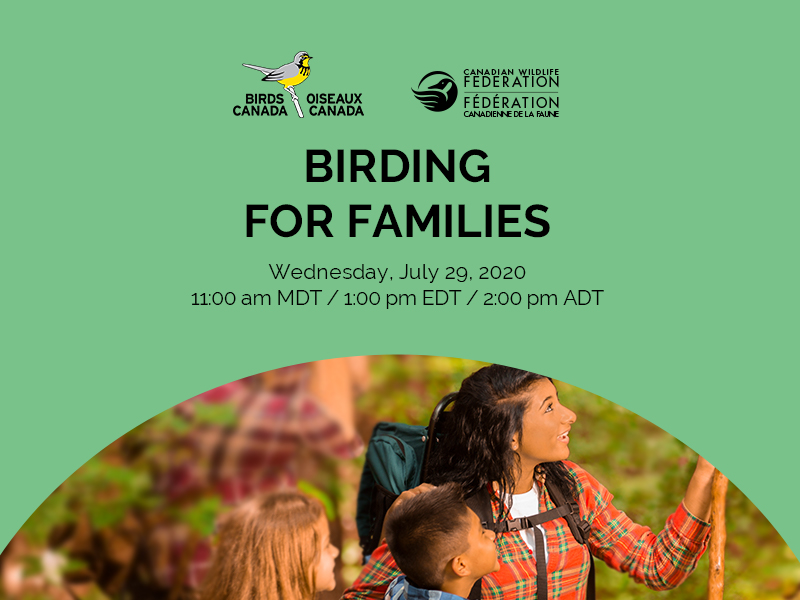
Birding for Families
2020-07-29
Looking for new ways to get outside with your family this summer? Birdwatching offers a great opportunity for you and your kids to connect with nature close to home. The best part? Birds can be found everywhere! Whether you live in a downtown high-rise or in the country, you’ve likely seen or heard one of our feathered friends close by. Join Birds Canada and the Canadian Wildlife Federation for a family-friendly introduction to the world of birds and gain practical tips and resources to help you get started with birding. All that you need is a keen eye, a few basic resources, and your curiosity! Both adults and children are welcome to attend!
-
Canada’s Native Grasslands — Our most endangered ecosystem
2026-03-30
Join the Canadian Wildlife Federation and members of the Canadian Grassland Coalition to highlight the 2026 Native Grassland campaign with a webinar series about Canada’s most endangered ecosystem. Covering a range of topics to inspire every interest, we’ll be joined by Nature Conservancy of Canada, Grasslands Conservation Council of BC, Meewasin Valley Authority, Birds Canada, South of the Divide Conservation Action Program, Saskatchewan Stock Growers Foundation, Canadian Cattle Association, Bee City Brandon, and the kihci-okāwīmāw askiy Knowledge Centre who will help us explore the secret life of Canada’s grasslands with you. Register and join us for this seven webinar series starting on March 25, 2026. Learn more about Canada’s most endangered ecosystem at canadasgrasslands.ca.
-
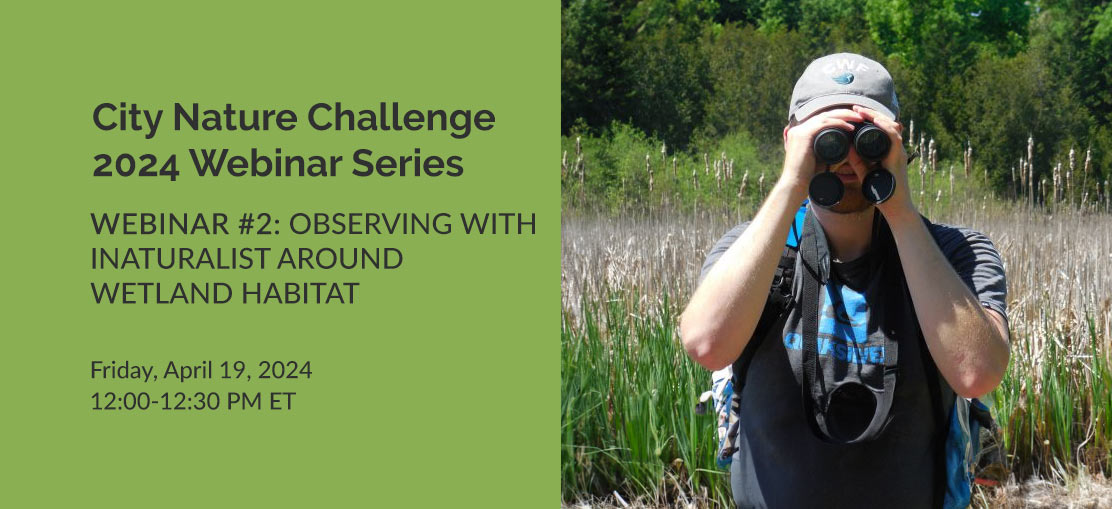
City Nature Challenge 2024 Series: #2 - Observing with iNaturalist Around Wetland Habitat
2024-04-19
Delve into the rich ecosystems of wetlands during our Wetland Focus webinar. From birds to plants, amphibians, and reptiles, uncover the fascinating biodiversity inhabiting these vital environments. Gain insights into photographing wetland species and learn how to make your observations count in the City Nature Challenge.
-
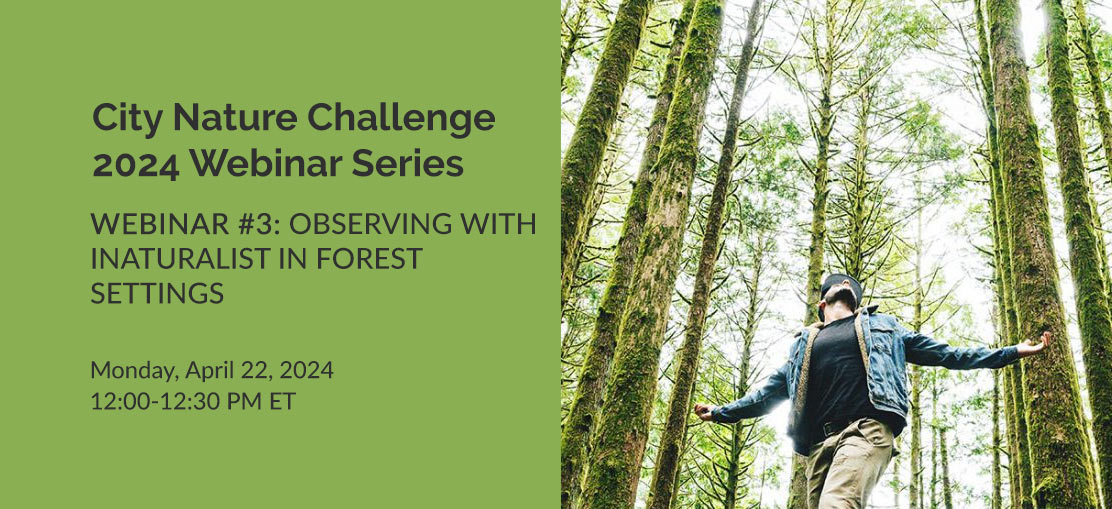
City Nature Challenge 2024 Series: #3 - Observing with iNaturalist in Forest Settings
2024-04-22
Immerse yourself in the tranquility of the forest during our Forest Focus webinar. Explore the world of forest flora and fauna, including plants, fungi, and birds. Discover techniques for capturing the beauty of these ecosystems and prepare to showcase the wonders of the forest in the upcoming City Nature Challenge.
-
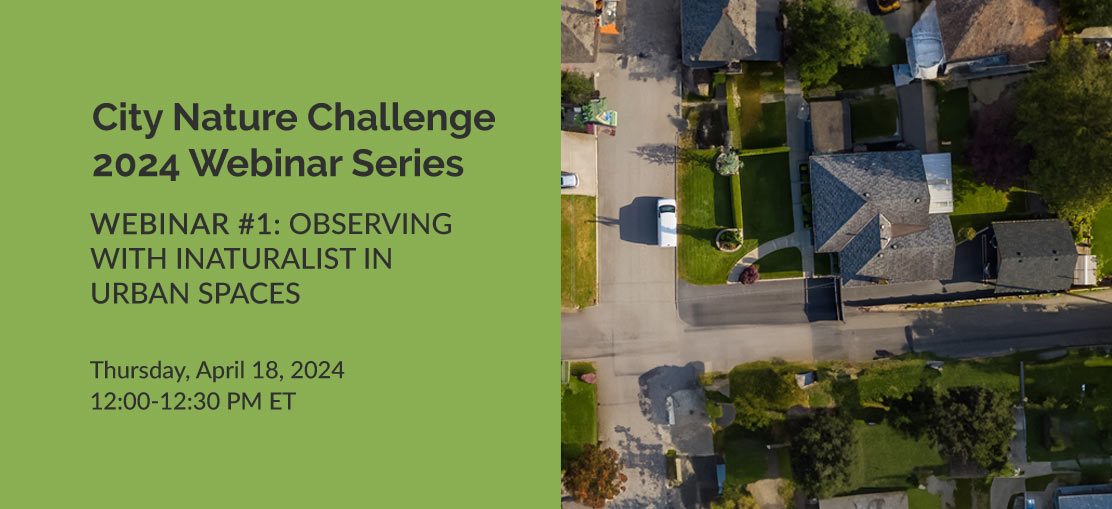
City Nature Challenge 2024 Webinar Series: #1 - Observing with iNaturalist in Urban Spaces
2024-04-18
Explore the vibrant biodiversity thriving in our urban landscapes during our City Focus webinar. Discover the diverse array of species, from plants to birds and mammals, that call the city home. Learn tips and techniques for capturing images to showcase the urban wildlife in the upcoming City Nature Challenge.
-
City Nature Challenge Canada Info Session For Potential City Organizers
2023-10-19
Are you an organization, city, or group with a passion for nature and community engagement? Are you interested in hosting a City Nature Challenge (CNC) event in 2024? If so, this is your chance to discover how you can be part of an exciting initiative that celebrates biodiversity, citizen science, and community collaboration. This session is hosted by James Pagé, Species at Risk Specialist, David DeRocco and Acacia Frempong-Manso, iNaturalist Engagement Coordinator. In this engaging and informative session, the Canadian Wildlife Federation (CWF), the leading organization for CNC in Canada, guides you through the City Nature Challenge. By attending this information session, you will gain a deeper understanding of the City Nature Challenge, discover the potential it holds for your organization or city, and learn how you can make a meaningful impact on biodiversity conservation. This session is tailored for potential organizers, not just participants, so you can gain the knowledge and resources needed to successfully host a CNC event in 2024.
-

Climate and Wildlife
2022-11-30
How is climate change impacting wildlife? Join the Canadian Wildlife Federation for an interactive webinar where we’ll discuss the four components of habitat that wildlife (and humans!) need to survive, and explore what happens when these things are impacted by climate change. We’ll also share some hands-on projects to inspire you to take action for wildlife in your own schools and communities! Nov 30, 2022 - 12:00 PM-13:00 PM (Eastern)
-
Community Science in Action: iNaturalist Case Study with Adopt-A-Pond
2024-09-26
Join the Canadian Wildlife Federation (CWF) for an insightful webinar that showcases how iNaturalist can be a powerful tool for citizen science programs. This session will highlight the Adopt-A-Pond (AAP) program by the Toronto Zoo as a case study, demonstrating the practical application of iNaturalist in conservation efforts. During this webinar we will guide you through the essential features of iNaturalist, using real-world examples from the Adopt-A-Pond program. You'll learn how iNaturalist supports environmental monitoring, enhances data collection, and contributes to research and conservation. Whether you're a seasoned user or new to the platform, this webinar will provide valuable insights and tips for using the iNaturalist app and website effectively. Don’t miss this opportunity to see how iNaturalist can elevate your citizen science initiatives!
-

Connecting People, Planet, and Prosperity: A Webinar Series for Earth Week 2025
2026-03-05
Earth Day 2025 provides an ideal platform to inspire global action and foster collaboration for a sustainable future. To mark this significant occasion, we propose a four-part webinar series during Earth Week, focusing on the intersections between biodiversity and critical global issues. This series will bring together leading experts, practitioners, and stakeholders to explore practical solutions and promote action-oriented dialogue.
-
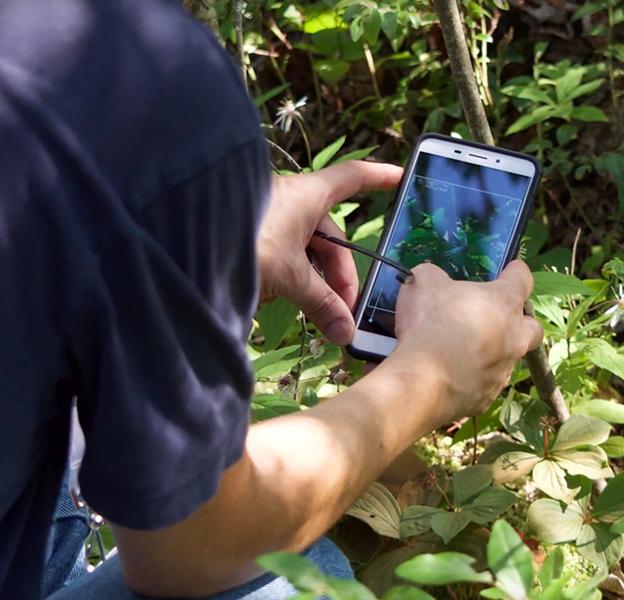
Contributing to a Global Biodiversity Database with iNaturalist Canada
2020-04-06
With the outbreak of COVID-19, the interconnection between people and nature has been brought to the forefront through increased awareness on the impacts we have on wildlife. Some areas in Canada may see an increase in visible wildlife while human activity is temporarily reduced. Whether this is a result of wildlife being more present or people are simply taking notice remains to be seen. You can help answer this question. Uploading photos of wildlife to iNaturalist.ca or using the free iNaturalist app will provide researchers with valuable information on where species are found during this time of decreased human presence on roads, in our towns and on trails. James Pagé, CWF Species At Risk and Biodiversity Specialist, will walk you through the ins and outs of using iNaturalist.ca and the iNaturalist app to record an observation as well as how to learn about what others are seeing around you during this time of isolation and physical distancing. Let’s stay connected with each other and nature.
-
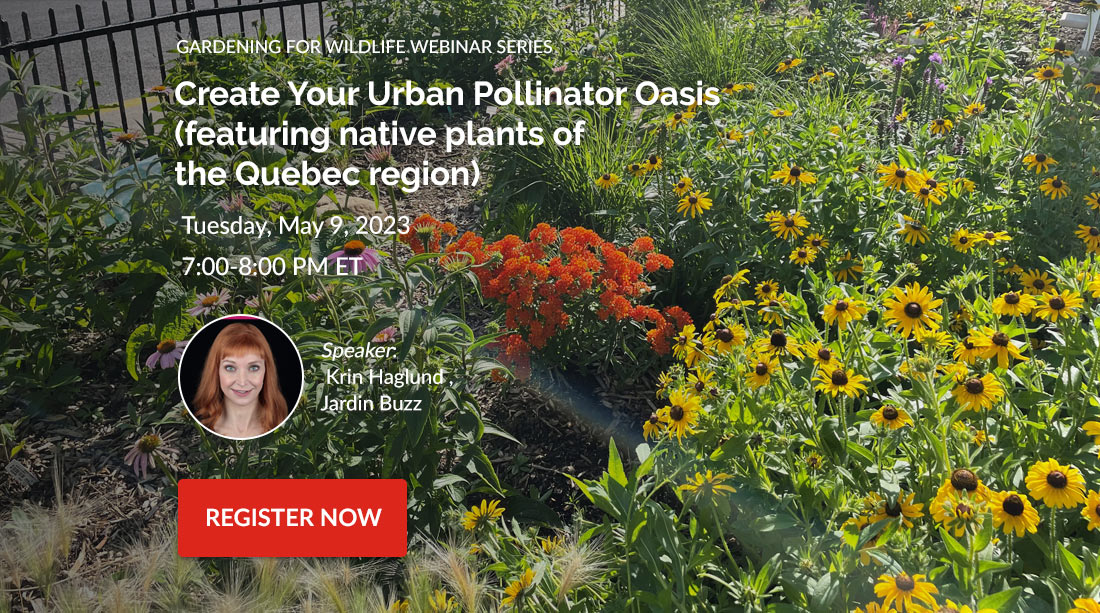
Create Your Urban Pollinator Oasis (featuring native plants of the Quebec region)
2023-05-09
Join CWF May 9 at 7:00 p.m. ET as special guest, Krin Haglund of Jardin Buzz will profile some of Quebec’s beautiful native plants and share how you can use them in your garden. The situation of our native pollinators may be grim, but being part of the solution doesn’t have to be! Let Krin help you bring joy, life and “buzz” to your urban garden! You will learn how to create an exuberant native pollinator garden, even in small spaces. Krin will also share inspiring examples and discuss helpful techniques for special situations such as lawn alternatives and container gardening. You will also learn techniques for saving, starting and planting native plant seeds. While the plants featured are from the Quebec area, the tips and techniques are applicable to all. We hope you can join us! Please note – this webinar will only be available as a recording for those who register for a few days afterwards. Please register to avoid missing out!
-
Create Your Urban Pollinator Oasis (featuring native plants of the Quebec region)
2023-05-09
Join CWF May 9 at 7:00 p.m. ET as special guest, Krin Haglund of Jardin Buzz will profile some of Quebec’s beautiful native plants and share how you can use them in your garden. The situation of our native pollinators may be grim, but being part of the solution doesn’t have to be! Let Krin help you bring joy, life and “buzz” to your urban garden! You will learn how to create an exuberant native pollinator garden, even in small spaces. Krin will also share inspiring examples and discuss helpful techniques for special situations such as lawn alternatives and container gardening. You will also learn techniques for saving, starting and planting native plant seeds. While the plants featured are from the Quebec area, the tips and techniques are applicable to all. We hope you can join us! Please note – this webinar will only be available as a recording for those who register for a few days afterwards. Please register to avoid missing out!
-
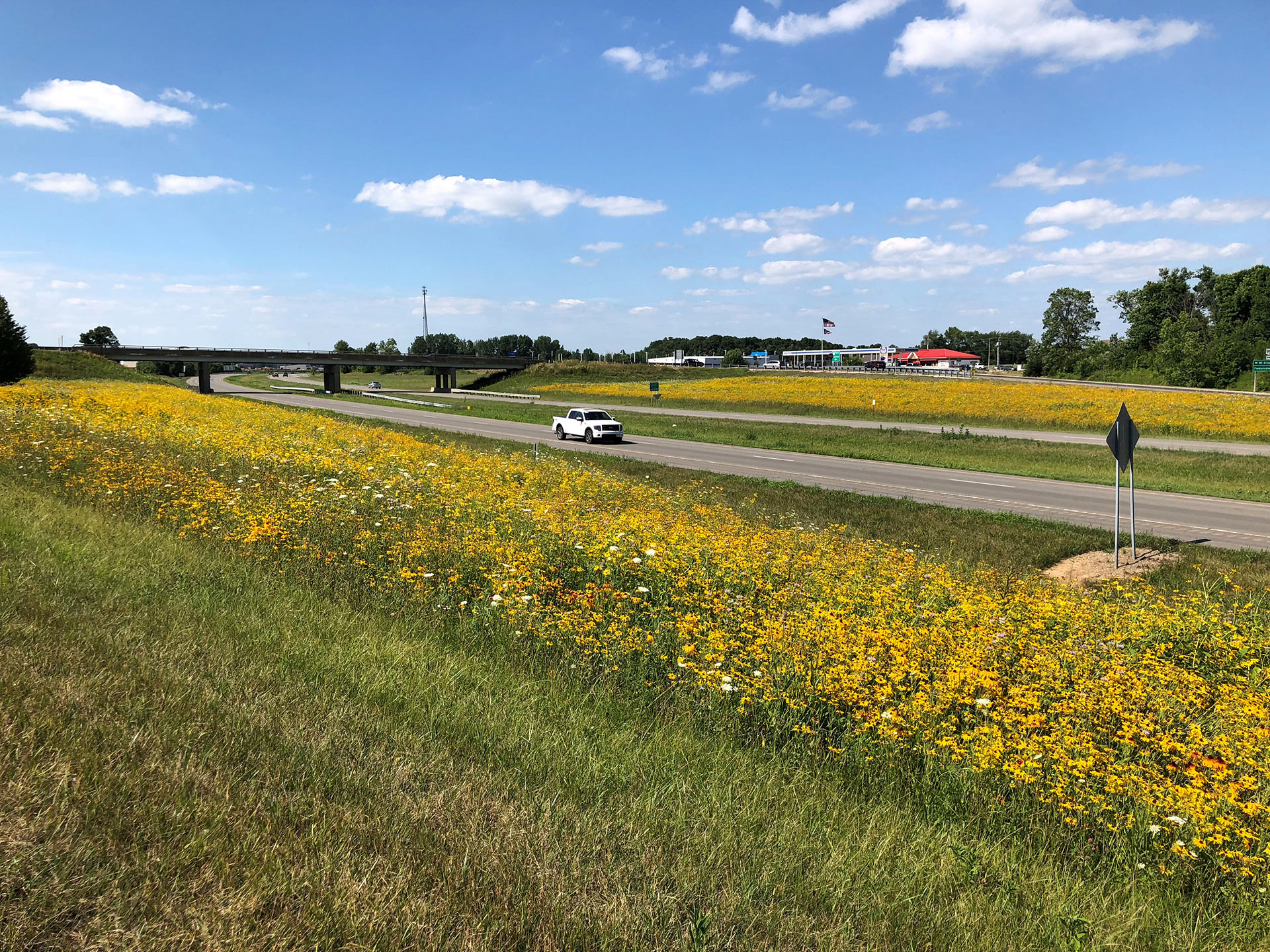
Creating Pollinator Habitat: Opportunities and Examples from Roadsides and other Right-of-Ways
2019-12-12
Pollinating insects are in crisis across North America, with steep declines in some groups. This introductory webinar in our 2019-2020 Pollinator Series will discuss the opportunities that transportation, utility and other corridors present to increase and improve available pollinator habitat across the landscape. Examples from all sectors will be discussed, and the highlights of CWF’s 2019 pilot project in eastern Ontario will be presented.
-
Designing Site-specific Seed Mixes
2022-06-08
When beginning a pollinator habitat restoration project, selecting a native seed mix appropriate to your project region and site conditions is crucial. But how do you know what species to include, and how much of each species? How can you estimate how much seed you might need and what it might cost? Join Botanist and Restoration Ecologist, Stefan Weber, as he leads us through a new tool—a seed calculator that will assist rights-of-way managers conducting pollinator habitat restoration projects.
-
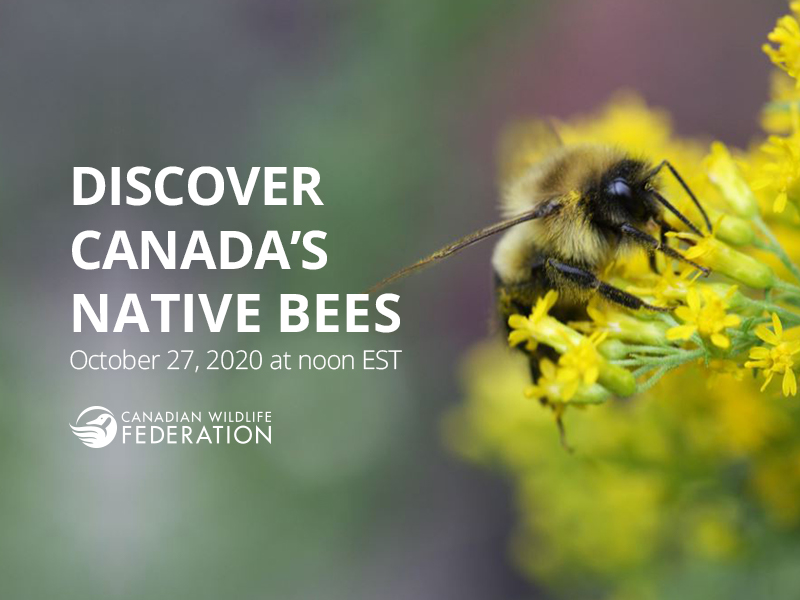
Discover Canada’s Native Bees
2020-10-27
Join Cécile Antoine - PhD Candidate in Biology at UOttawa – in discovering some of Canada’s native bees that you may encounter in your garden or local park. Cécile will speak about the biology and ecology of our native bees. She will also explain her research findings on bees that nest in the ground, which represent 75% of Canada’s bees, and is the focus of her studies. Learn more on how to support our bees by attending this webinar! Cécile presented this topic in French earlier this year and due to popular demand is returning to present it in English. October 27, 2020 at noon EST
-
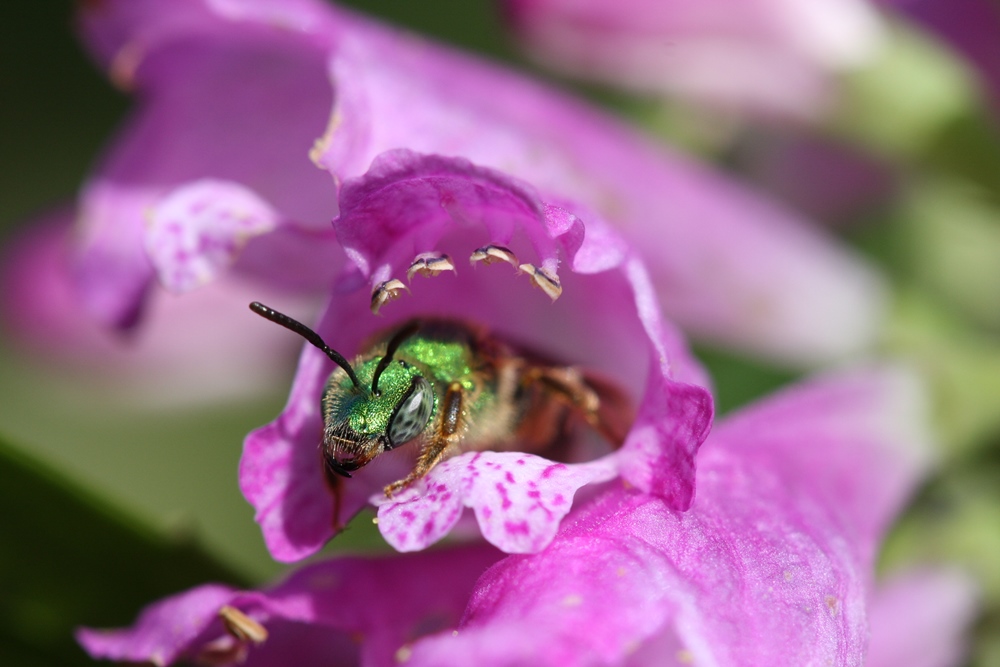
Discover Canada’s Native Bees (French Only)
2020-07-21
Join Cécile Antoine -PhD Candidate in Biology at UOttawa- on her journey to discover native bees that you may encounter in your gardens and parks around Ottawa, or the rest of the country. Cécile will share her passion by giving details on the biology and ecology of wild bees. She will also explain her research findings on bees that nest in the ground, which represent ¾ of the species, and is the focus of her studies. Learn more on how to support wild bees by attending this webinar!
-
Effect of Ecological Restoration on Plant-Pollinator Networks in Urban Meadows
2024-04-02
Learn from Sisley Irwin as she shares her thesis findings on the impacts of urban green space restoration on wild bee communities! Hear her resulting recommendations for consideration in your next urban meadow restoration projects.
-
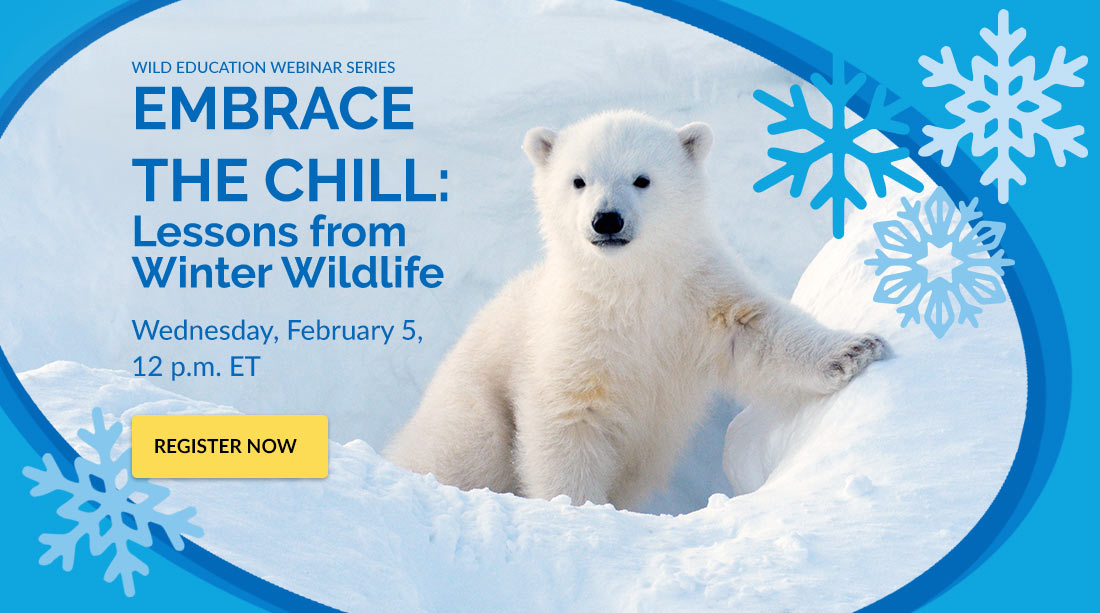
Embrace the Chill: Lessons from Winter Wildlife
2025-02-05
Ever wondered what animals do when the temperature drops? Join us as we dive into the fascinating world of winter wildlife! From hibernation to migration to adaptation, we’ll explore the strategies our furry friends use to thrive in the cold. As humans, we don’t hibernate or migrate (well, some of us do!), but we do adapt to winter conditions in our own unique ways. Get inspired to bundle up and head outside through this interactive lesson with the Canadian Wildlife Federation! All registrants will receive a Winter Resource Kit containing activities to inspire further outdoor exploration!
-
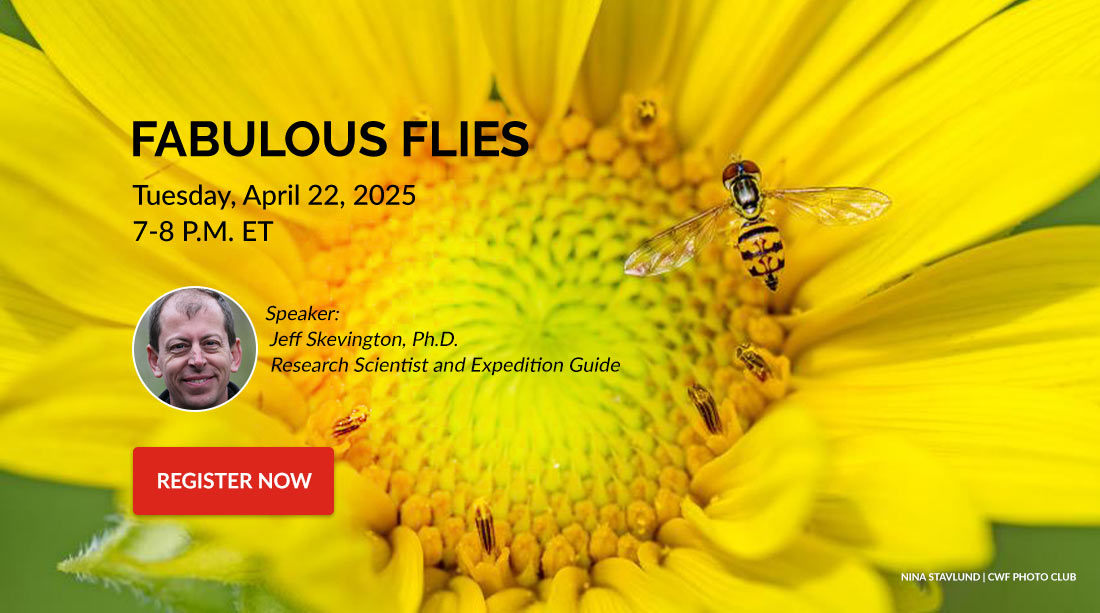
Fabulous Flies
2025-04-22
Join the Canadian Wildlife Federation on Tuesday, April 22 at 7:00 p.m. ET to discover the fascinating world of flies and their critical role on our planet. From pollination to pest control and decomposition services, flies are one of the most diverse and important groups on the planet. Our special guest presenter will be Jeff Skevington, Ph.D., a Research Scientist and Expedition Guide and co-author of a field guide on flower flies. Jeff will speak about fly biology, how they live and their many important ecosystem roles. He will also highlight some of the more easy-to-spot Canadian flies that may be in your yard. We hope you can join us!
-
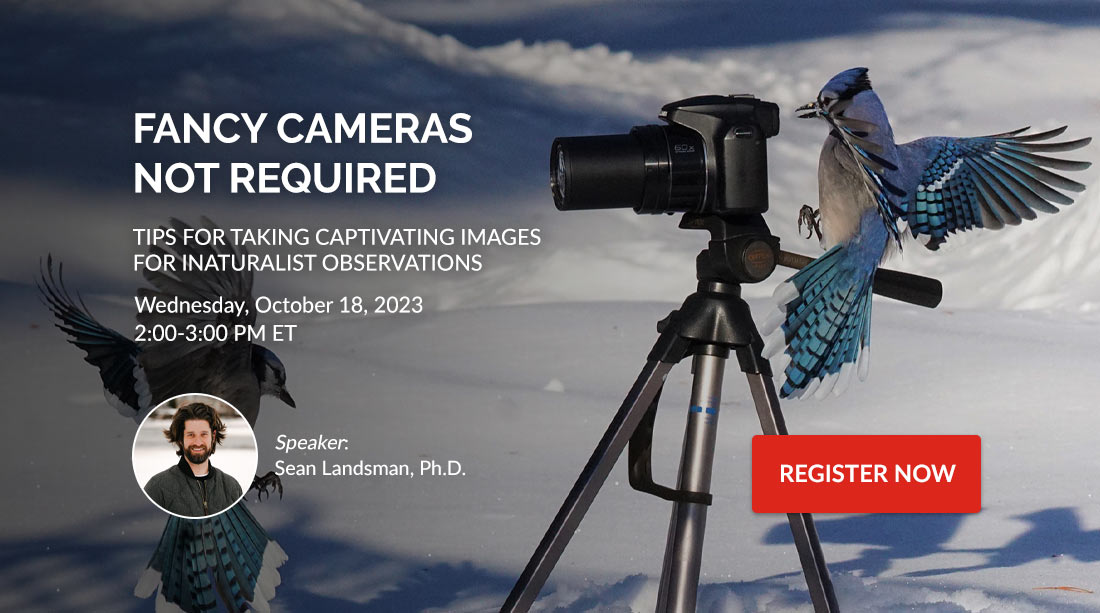
Fancy Cameras Not Required: A Webinar
2023-10-18
October 18, 2023 at 2-3 pm ET, get tips for taking captivating images for iNaturalist observations. "Gear lust” is a term in photography used to describe the feeling people have when they pine after the latest and greatest camera equipment. People often conflate having expensive equipment with being a good photographer, but in reality this thought is mostly a fallacy. Taking strong, captivating images requires knowledge of compositional techniques, a little understanding of psychology, visual processing, and – especially in nature photography – knowledge of your subject. In this talk, I will give you tips and tricks you can use in the field with whatever camera you have at your disposal, no matter its cost.
-
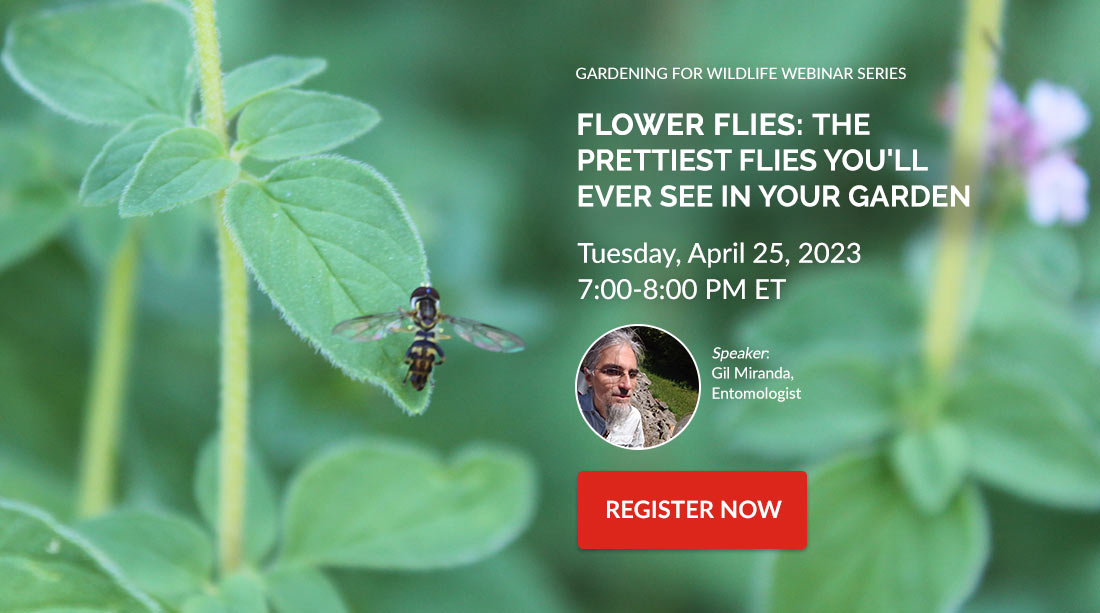
Flower Flies: The prettiest flies you'll ever see in your garden
2023-04-25
Join CWF Tuesday, April 25th at 7:00 p.m. ET to discover the wonderful world of flower flies with our guest entomologist, Gil Miranda. When talking about pollinators in your garden, you might immediately think of a bee going about its business to feed its colony. But often overlooked, if not mistaken for a bee, are the beautiful flower flies. These colorful and variably shaped flies are common flower visitors and can be as abundant and important as bees when it comes to pollinating your flowers. Please join us as Gil gives you some tips on how to spot and identify some common flower flies that might be around your gardens!
-
Freshwater Fish With Nicolas Lapointe
2025-04-07
Nicolas Lapointe works at the Canadian Wildlife Federation as the Senior Conservation Biologist – Freshwater Ecology. Originally from Ottawa, he completed his doctorate at Virginia Tech before returning home to work in Conservation. Nicolas studies aquatic habitat, restoration and invasive species while working to protect freshwater fisheries, biodiversity and species at risk. He spends his free time fishing, hunting, and foraging in Ottawa’s hinterland. Join Nick to learn more about Canada’s migratory fish species and discover what CWF is doing to address barriers and restore freshwater connectivity!
-
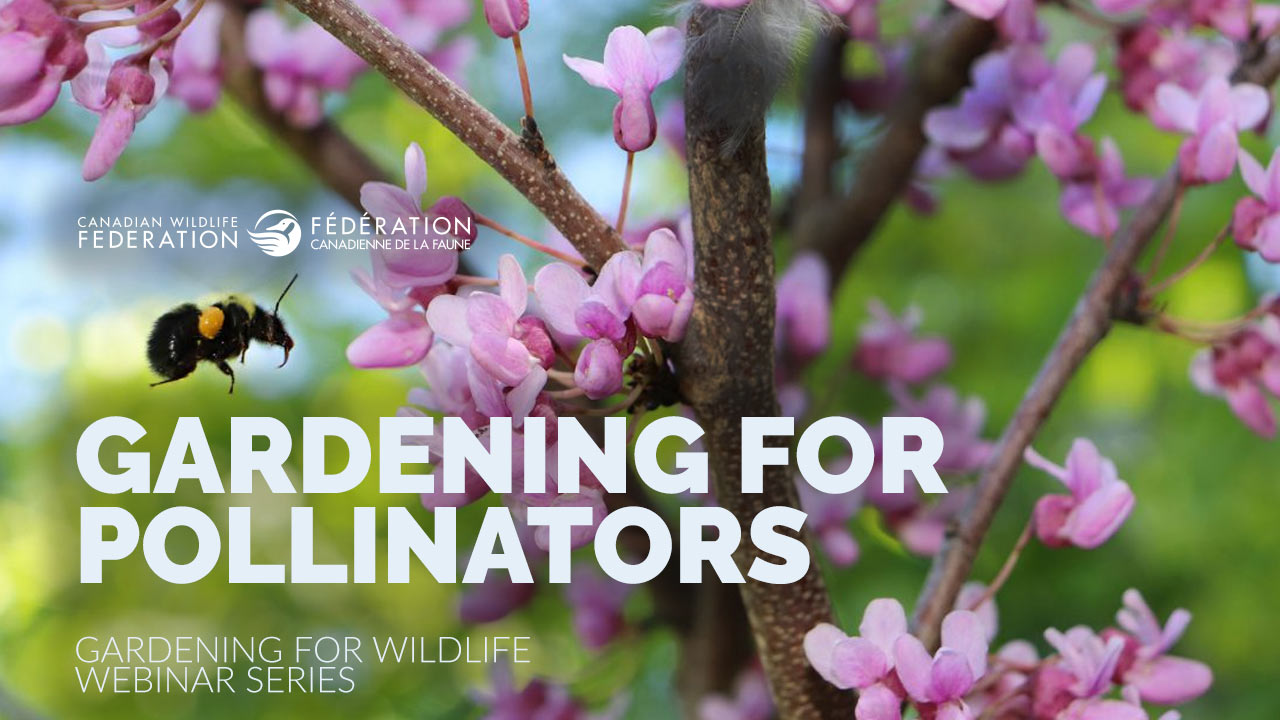
Gardening for Pollinators
2023-03-28
Learn about Canada’s seven kinds of pollinators and their importance in our daily lives. We’ll also give you lots of simple yet powerful tips to help these tiny allies in your garden and resources to help you along. We hope to see you there! Speaker: Sarah Coulber is CWF’s Gardening for Wildlife Program Coordinator, helping Canadians connect to the nearby nature right outside their door. Before CWF, Sarah held a variety of naturalist and environmental roles and has been a gardener and nature lover most of her life.
-
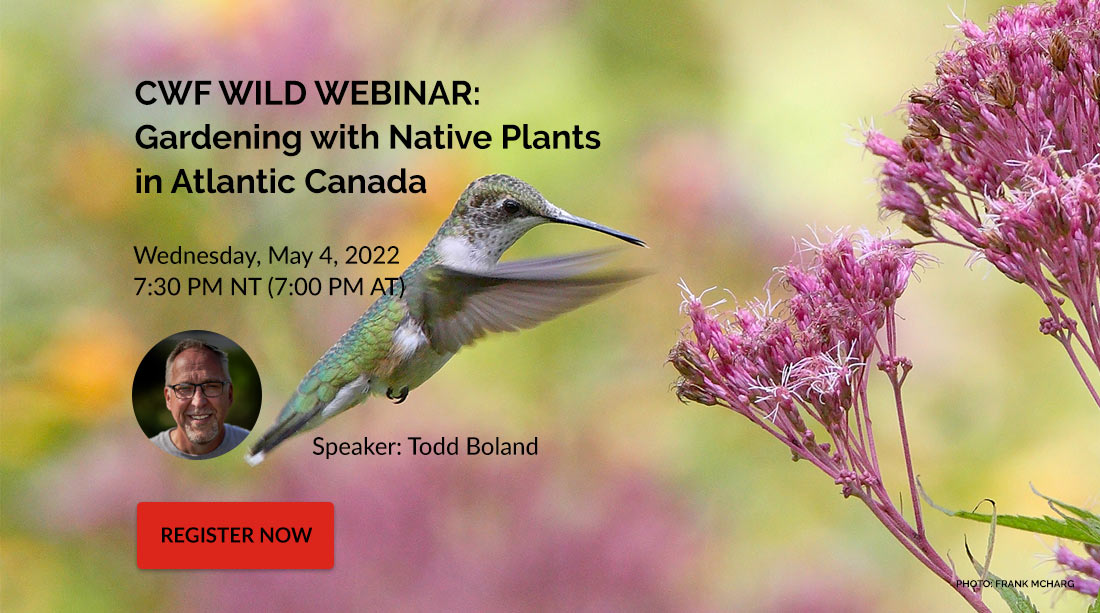
Gardening with Native Plants in Atlantic Canada
2022-05-04
Join CWF Wednesday May 4 for a webinar on using native plants in an Atlantic garden. Special guest, Todd Boland, author and longtime horticulturalist, will introduce Atlantic Canadian gardeners to the attributes of using native plants in their home landscapes and how these plants can benefit pollinators and birds.
-
Gardening with Native Plants in Ontario
2022-06-15
Join CWF for another in our native plant webinar series, Wednesday, June 15, at 7:00 p.m. ET, this time with our special guest, Lorraine Johnson! Highly respected author and long time plant and ecology/sustainability expert, Lorraine will help you appreciate the world of Ontario’s native plants. Discover their many benefits, versatility and how to weave them into your existing garden, to both delight the eye and support birds and beneficial insects alike. Lorraine has been a pioneer in encouraging Canadians to use their outdoor space as an opportunity to support the nature we both need and love. Her newest book, “A Garden for the Rusty-patched Bumblebee – Creating Habitat for Native Pollinators,” co-authored with Sheila Colla, is due in stores this June.
-
Gardening with Native Plants in the Prairies
2022-06-05
Join CWF Sunday, June 5, 2022, 3:00 PM in Manitoba, 2:00 PM in Saskatchewan and Alberta, for another special presentation in our native plants of Canada series. This time we are very grateful to have Lyndon Penner, author, garden designer, former CBC columnist and Head Gardener for Parks Canada’s Riding Mountain National Park. Please note that this webinar will only be recorded and available for one week for those who register.
-
Gardening with Wildlife in Mind
2024-05-22
Join CWF as we explore the key ‘ingredients’ in a beautiful yet beneficial garden that will support local and migratory wildlife right outside your door. In addition to learning these important components, you’ll come away with ideas in how to apply them that will suit any property, lifestyle, budget or space.
-
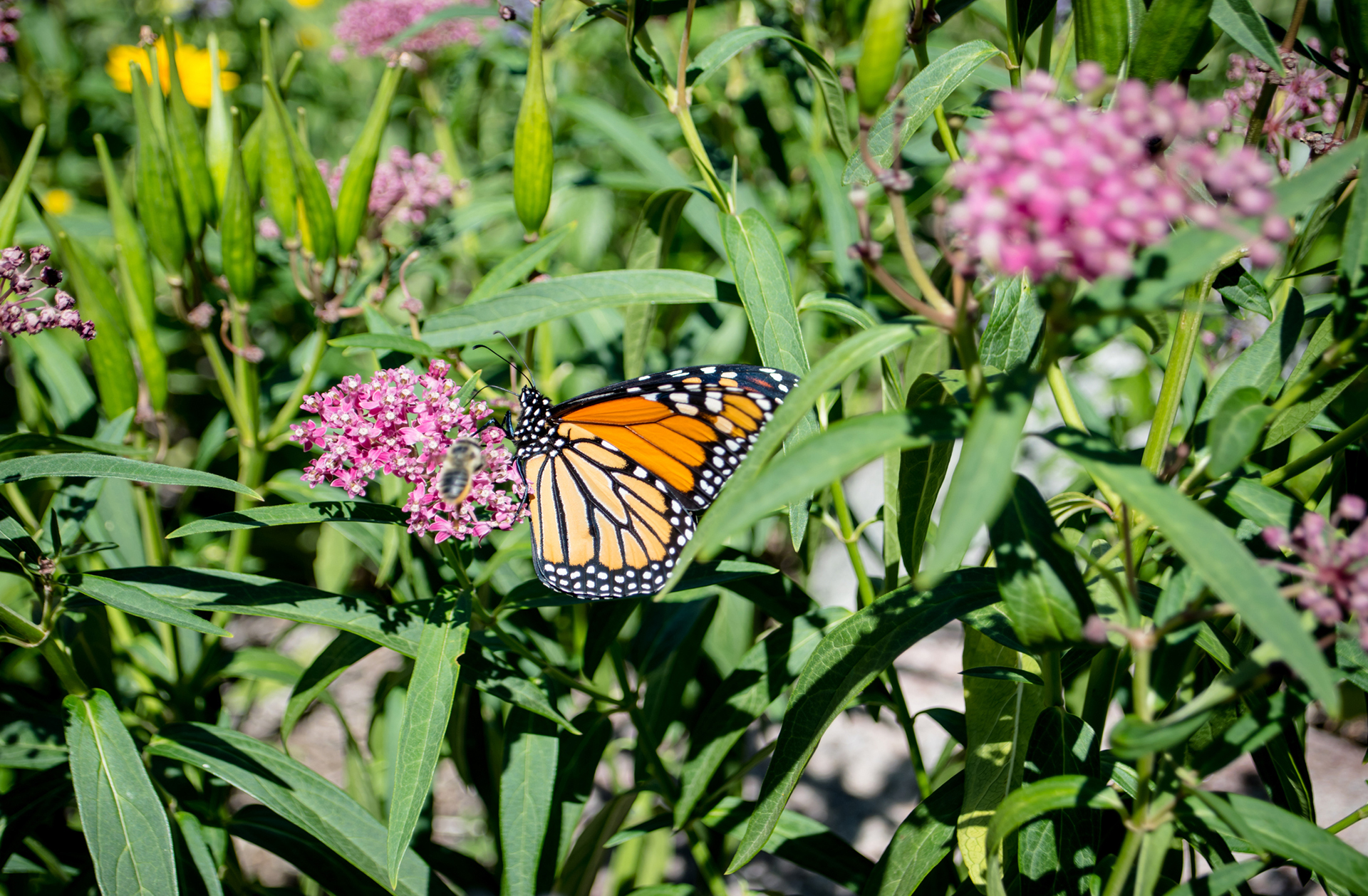
Geospatial Tools to Aid in the Restoration of Rights-of-Way
2022-07-20
Are you committed to pollinator habitat restoration but don't know where or when to start? GIS Analyst, Vincent Fyson, shares the geospatial tools and research that CWF has developed to support pollinator projects on rights-of-way. This webinar includes an overview of the Spring and Fall mowing maps to guide safe dates when mowing is unlikely to directly impact monarch butterflies. You will see how the interactive Rights-of-Way Restoration Dashboard presents potential restoration sites and how it can support tracking your progress. You will also learn of the results of CWF's Habitat Suitability Modelling in Southern Ontario which will help identify priority restoration sites for improving Monarch habitat.
-

Going to Bat for Canada's Bats
2022-10-28
Are you afraid of bats? Many myths and misinformation exist about bats, but did you know they play a vital role in helping control insect populations? Join the Canadian Wildlife Federation just in time for Halloween as we shed some light on this amazing nocturnal creature, and highlight how you can "go to bat” for bats in your own school or community! Don't forget to come dressed as your favourite creepy crawley!
-
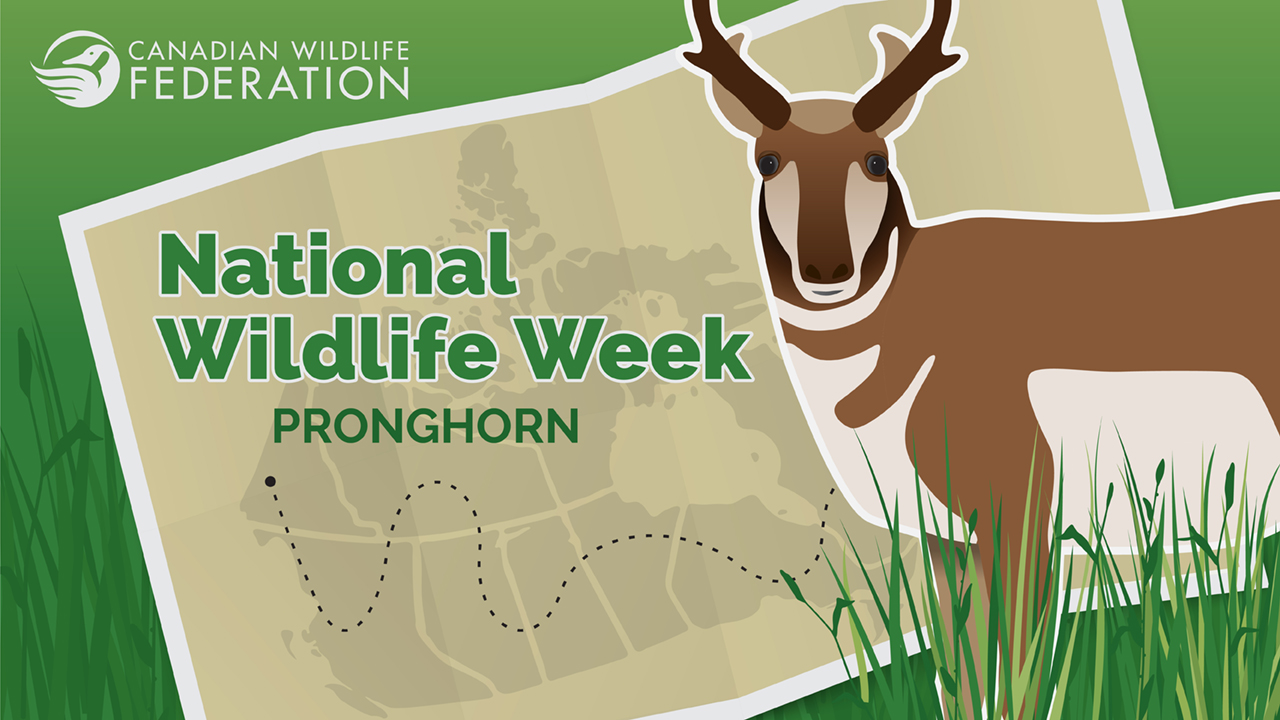
Grassland Migrations With John Wilmshurst
2025-04-08
John is the Native Grassland Conservation Manager for the Canadian Wildlife Federation (CWF). With 35 years’ experience in grassland science and conservation, he’s worked in Canada, Africa, and Europe. John has also studied and collaborated at universities across Canada and worked with Parks Canada as both a grassland ecologist and manager. His current research and conservation focus is on the rangeland ecosystem in southwestern Saskatchewan, partnering with agricultural producers and ecologists to measure interactions among plants, insects, and grassland birds. Join John to learn about the importance of migrations in grassland ecosystems and some of the world’s largest bird and mammal migrations, including Canada’s lesser-known pronghorn!
-
How Land Managers Can Create Pollinator Habitat
2021-03-11
2021 Pollinator Webinar Series. Thursday, March 11 at 11:00 am EST (1 hour). Learn all the ins and outs of site selection, preparation and maintenance of a bare ground restoration to create pollinator habitat. Brittany Dobrzynski from New Jersey Audubon will provide details on how to install (with seeds and/or plugs) and manage your site with native plants for all of the growing season. She will also provide some inspiring meadow habitat project examples.
-
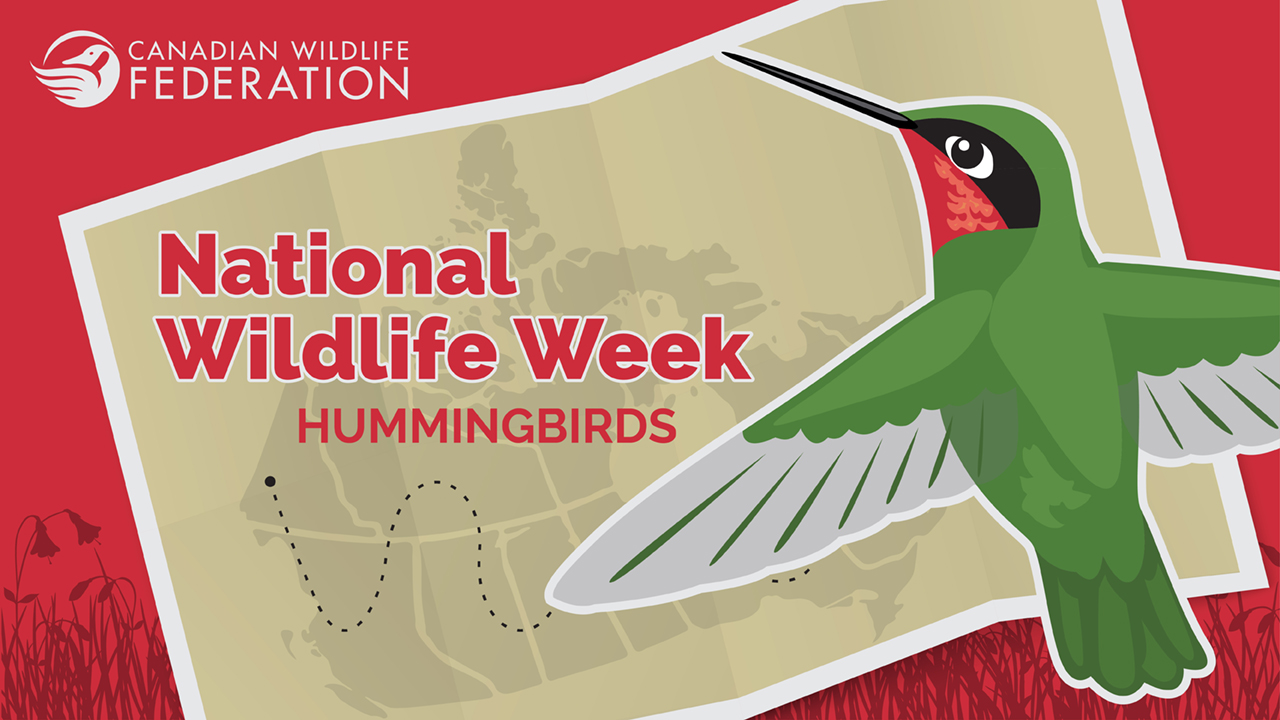
Hummingbirds With Sarah Coulber
2025-04-09
Sarah’s love of nature led to several environmental jobs with municipalities and naturalist volunteer roles before joining the Canadian Wildlife Federation over 20 years ago. Sarah runs the Gardening for Wildlife program where she helps Canadians discover, appreciate and support the incredible nature that surrounds us. Join Sarah to discover the migration, nesting, and feeding habits of Canada’s hummingbird species, and explore simple ways you can help hummingbirds at home or school!
-
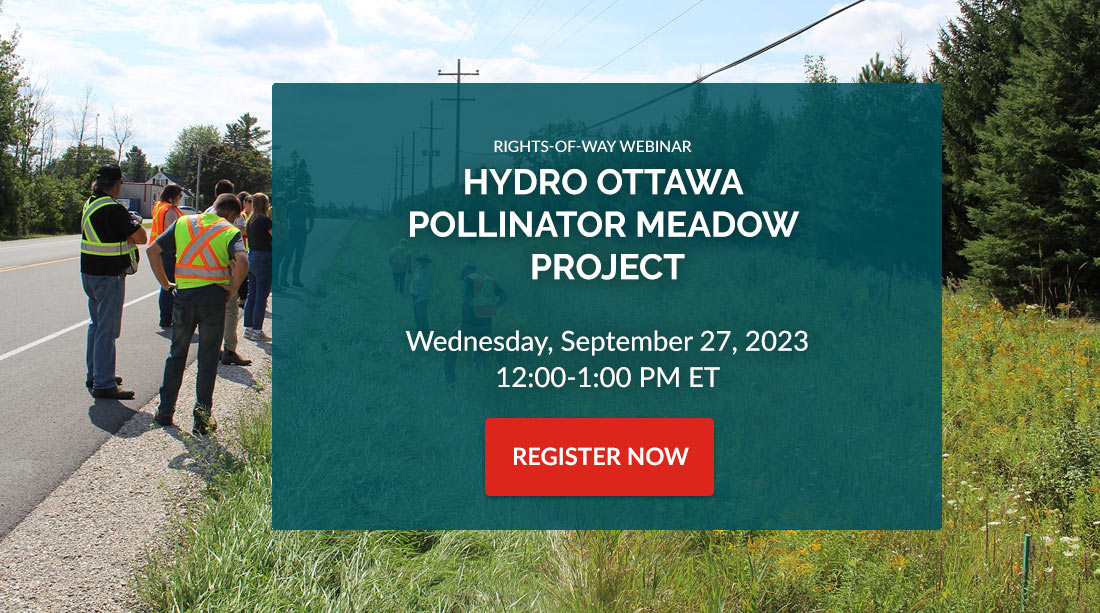
Hydro Ottawa Pollinator Meadow Project Webinar
2023-09-27
Join CWF Sep 27, 2023 12:00 Eastern Time as we host Brandon Holden from Rideau Valley Conservation Authority to talk about the Hydro Ottawa pollinator meadow project. We will talk about the origins, the planning, the monitoring and where the project stands today.
-
iNat CSI: HOW TO IDENTIFY & PHOTOGRAPH BIRDS
2022-09-27
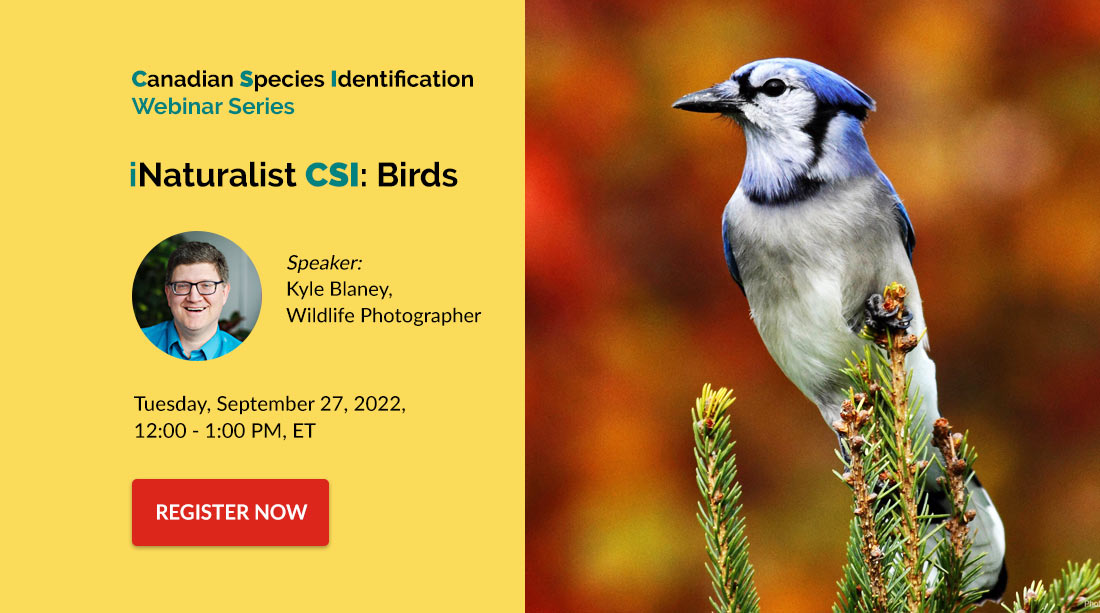
In this presentation, Kyle will discuss how factors such as size, shape, seasonality, habitat, and field marks can help identify birds. He will use his images of common species to provide examples and specify what to be wary of. Finally, he will give tips and tricks that can lead to better bird photos. Tuesday, September 27, 12-1pm ET.
-
iNaturalist.ca Webinar Series: iNaturalist as a classroom resource
2021-08-26
Join Michael Leveille on Thursday, August 26 at 3:00 pm ET as he showcases how he has incorporated iNaturalist into the classroom. During COVID he created an incredible series of 23 virtual fieldtrips around the Ottawa Area for Grades 5 to 8. Come join our CWF webinar to discuss ways to incorporate outdoor learning and iNaturalist into the classroom. Presenter Bio: Michael Leveille (Swampy on iNaturalist.ca) is a science educator and an artist of prehistoric life. Educated at the University of Ottawa, he has worked at the Canadian Museum of Nature and at St-Laurent Academy School in Ottawa. Mr. Leveille believes that experiential learning across multiple disciplines is a valuable education tool. His Macoun Marsh study site and outdoor classroom is used as a center for conservation, geological, and meteorological studies.
-
iNaturalist Canada: Amateurs to Experts Identifying Observations
2021-04-27
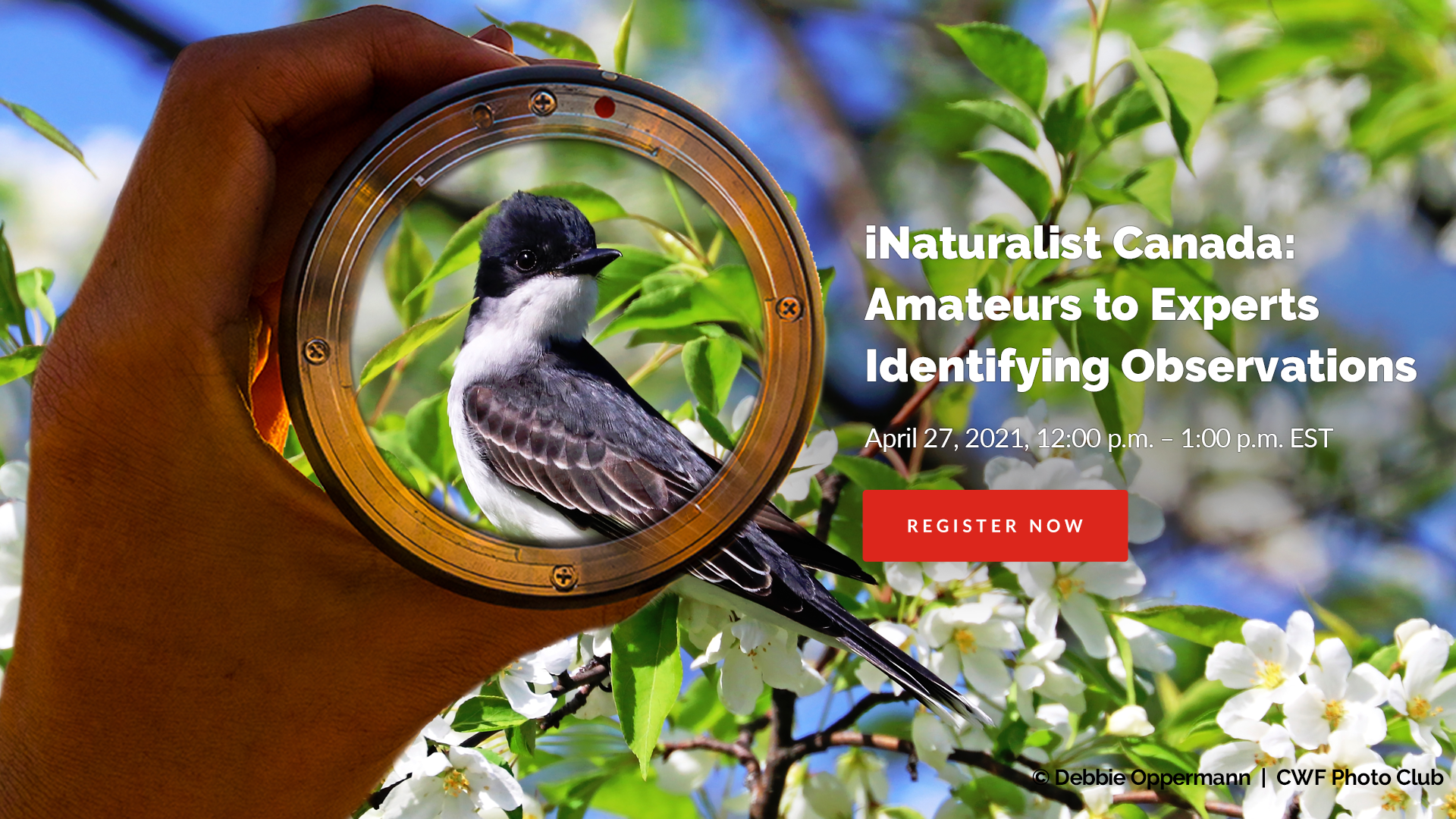
iNaturalist has become one of the world’s most popular nature apps and the Canadian Wildlife Federation has led the charge in bringing it to Canada. But the strength behind iNaturalist is thanks to a wonderful community of people contributing observations and identifications. An observation of a species is most valuable when it comes along with an accurate species ID. And to help with that, thousands of people play an extremely valuable role, helping identify observations across Canada. This webinar will not be teaching how to identify a species, but you don’t have to be an expert to contribute: you can probably tell the difference between an American Robin and a Blue Jay or a squirrel from a chipmunk. But you can be an expert, helping to distinguish between species like an Orange-belted Bumblebee and a Red-belted Bumblebee. You’ll then be equipped and ready to contribute to the City Nature Challenge, the largest annual initiative on iNaturalist, happening April 30 to May 9, 2021.
-
iNaturalist Canada: How to Create Projects and Run Bioblitzes
2021-07-15
July 15, 2021, 12:00-1:00 p.m. ET Join the Canadian Wildlife Federation for a webinar demonstrating how to run your very own Bioblitz using iNaturalist.ca! A Bioblitz is a communal citizen-science effort to record as many species within a designated location and time period. Typically, people gather on a property for a day or more and an event can be as big as a full-scale inventory or as small as a local neighbourhood association. And with the current times, more and more events, including bioblitzes, are going virtual. In this webinar, we will walk through all the steps of running a successful Bioblitz including setting up a project on the website and running a virtual Bioblitz.
-

iNaturalist Canada: How to Record Observations in the App and Online
2021-04-07
iNaturalist has become one of the world’s most popular nature apps and the Canadian Wildlife Federation has led the charge in bringing it to Canada. It’s more than just an app; there’s an entire online platform complete with image recognition technology along with a growing community to support you in your discoveries. Join us in leaning the ins and outs of using the app and iNaturalist.ca to record wildlife observations - from the tiniest bug to the tallest tree and everything in between. You’ll then be equipped and ready to take part in the City Nature Challenge, the largest annual initiative on iNaturalist, happening April 30 to May 3, 2021.
-
iNaturalist Canada Webinar Series: I Spy and Identify — Observe it, Report it
2021-10-08
Join us Friday, October 8, 12:00-1:00 p.m. ET. iNaturalist has become one of the world’s most popular nature apps and the Canadian Wildlife Federation has led the charge in bringing it to Canada. Join the Canadian Wildlife Federation for a webinar with the Canadian Council on Invasive Species (CCIS) to learn how you can help track and report invasive species across Canada through the national I Spy and Identify project and how uploading your observations of nature can have a real-life impact on biodiversity in Canada. Presenter: Kellie Sherman, Operations Supervisor at CCIS.
-
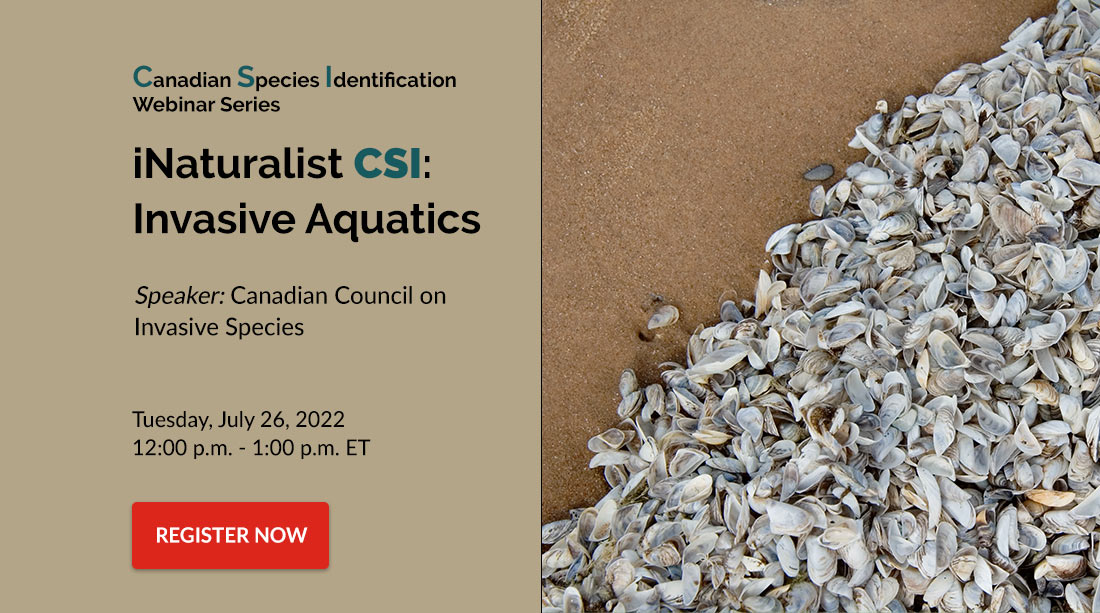
iNaturalist CSI: Invasive Aquatics
2022-07-26
Join the Canadian Wildlife Federation (CWF) July 26th, 12:00-1:00 Eastern for a webinar on how to photograph and identify Canada’s top 10 invasive aquatics using iNaturalist.ca, presented by the Canadian Council on Invasive Species (CCIS). Nearly one-fifth of the Earth’s surface is at risk of plant and animal invasions. Invasive species are threatening Canada’s ecosystems, economy and communities. Climate change is also exacerbating this issue and can make ecosystems more vulnerable to invasive species, and invasive species can worsen the impacts of climate change. The good news is - you can help! Learn how to ID Canada’s top 10 invasive aquatics so you can report them, helping to stop their spread. Every report helps scientists track and protect Canada’s natural spaces and biodiversity from the negative impacts of invasive species. iNaturalist has become one of the world’s most popular nature apps and the Canadian Wildlife Federation has led the charge in bringing it to the forefront of Canadian citizen science.
-
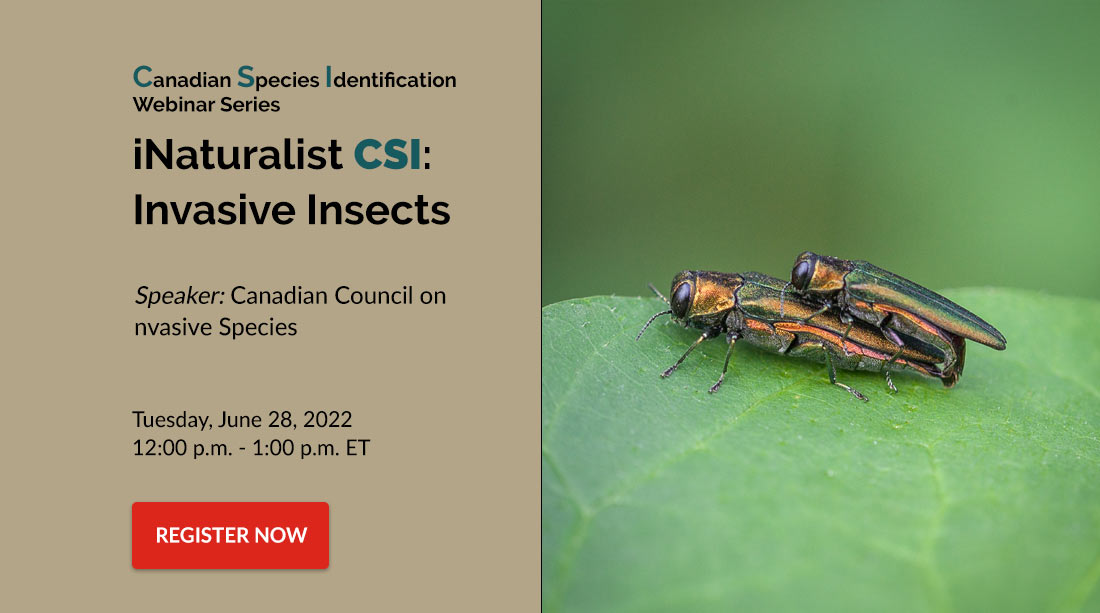
iNaturalist CSI: Invasive Insects
2022-06-28
Join the Canadian Wildlife Federation (CWF) for a webinar on how to photograph and identify Canada’s top 10 invasive insects using iNaturalist.ca, presented by the Canadian Council on Invasive Species (CCIS). Nearly one-fifth of the Earth’s surface is at risk of plant and animal invasions. Invasive species are threatening Canada’s ecosystems, economy and communities. Climate change is also exacerbating this issue and can make ecosystems more vulnerable to invasive species, and invasive species can worsen the impacts of climate change. The good news is - you can help! Learn how to ID Canada’s top 10 invasive insects so you can report them, helping to stop their spread. Every report helps scientists track and protect Canada’s natural spaces and biodiversity from the negative impacts of invasive species. iNaturalist has become one of the world’s most popular nature apps and the Canadian Wildlife Federation has led the charge in bringing it to the forefront of Canadian citizen science. Date: June 28th, 12:00-1:00 Eastern Host: Kellie Sherman, Operations Supervisor at CCIS presenting, James Pagé to host.
-
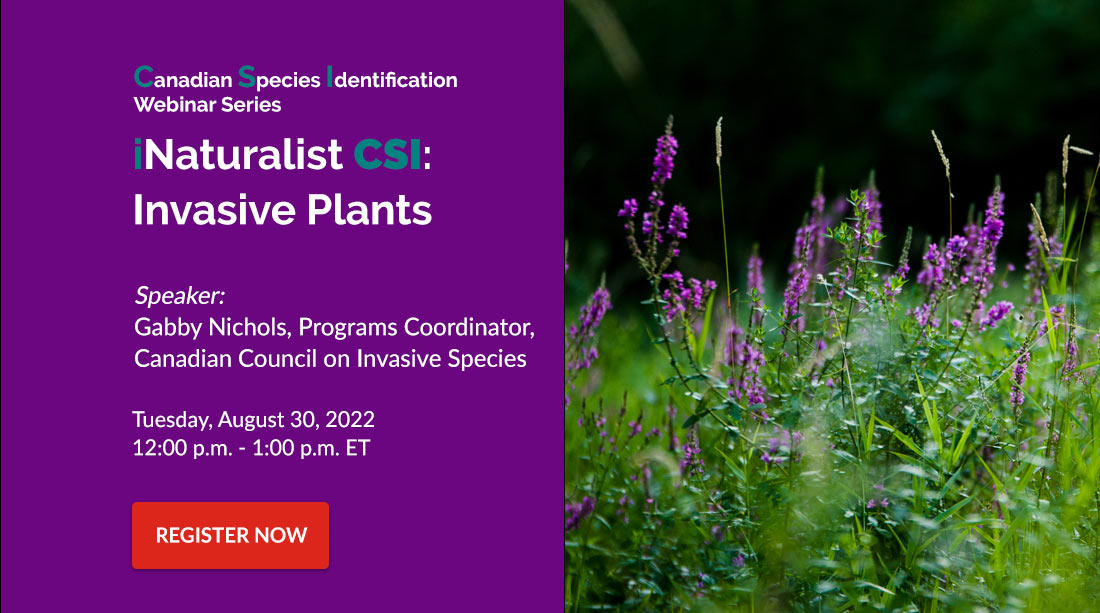
iNaturalist CSI: Invasive Plants
2022-08-30
Join the Canadian Wildlife Federation (CWF) for a webinar on how to photograph and identify Canada’s top 10 invasive plants using iNaturalist.ca, presented by the Canadian Council on Invasive Species (CCIS). Nearly one-fifth of the Earth’s surface is at risk of plant and animal invasions. Invasive species are threatening Canada’s ecosystems, economy and communities. Climate change is also exacerbating this issue and can make ecosystems more vulnerable to invasive species, and invasive species can worsen the impacts of climate change. The good news is - you can help! Learn how to ID Canada’s top 10 invasive plants so you can report them, helping to stop their spread. Every report helps scientists track and protect Canada’s natural spaces and biodiversity from the negative impacts of invasive species. iNaturalist has become one of the world’s most popular nature apps and the Canadian Wildlife Federation has led the charge in bringing it to the forefront of Canadian citizen science. Date: August 30th, 12:00-1:00 Eastern
-
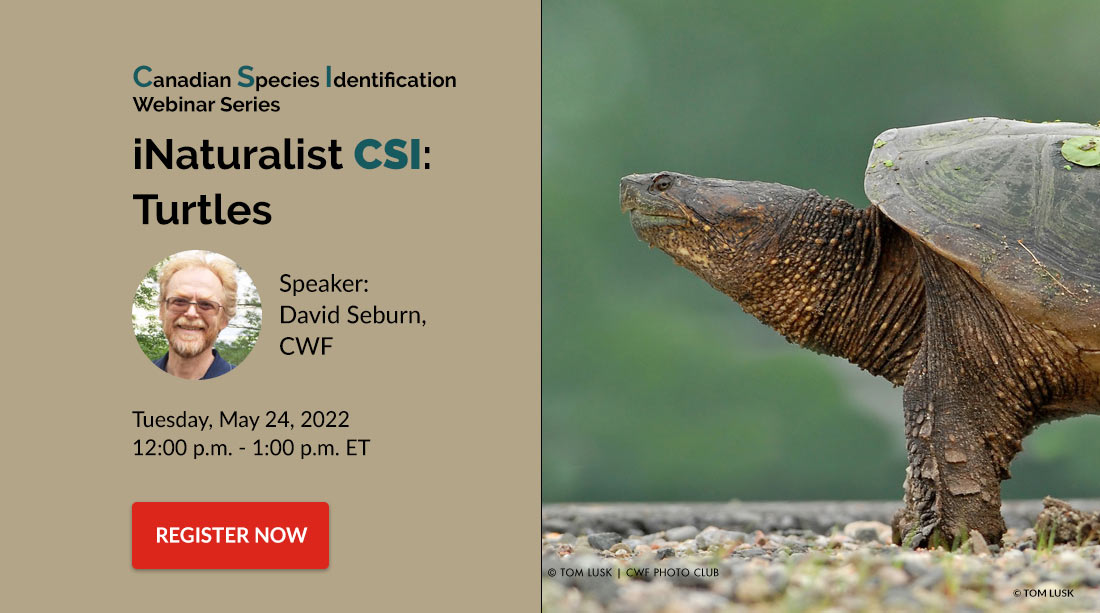
iNaturalist CSI: Turtles
2022-05-24
Join the Canadian Wildlife Federation (CWF) for a webinar in our Canadian Species Identification Webinar Series, demonstrating how to photograph and identify turtles using iNaturalist Canada, with CWF’s very own turtle expert David Seburn in English and CWF’s Annie Belair in French. Freshwater turtles are in decline throughout Canada. CWF’s HelpTheTurtles.ca initiative is working to change this but we need your help! Knowing where turtles are found is an important first step to fixing the problem. Tallying everyone's observations will help us target which roads we need to look at for mitigation measures and which wetlands we need to keep an eye on. By uploading your turtle sightings to iNaturalist.ca, you can directly contribute to turtle conservation. iNaturalist has become one of the world’s most popular nature apps and the Canadian Wildlife Federation has led the charge in bringing it to the forefront of Canadian citizen science. CWF is carrying out our own surveys on roads and in wetlands for at-risk turtles and working with Scales Nature Park, but we can't be everywhere. Your information is critical so we can work with municipalities and transport agencies to reduce the risks to turtles. Learn how to identify turtle species and take identifiable photos of turtles to help us, help them! English Webinar Date: May 24, 2022, 12:00-1:00 ET French Webinar Date: May 26, 2022, 12:00-1:00 ET
-
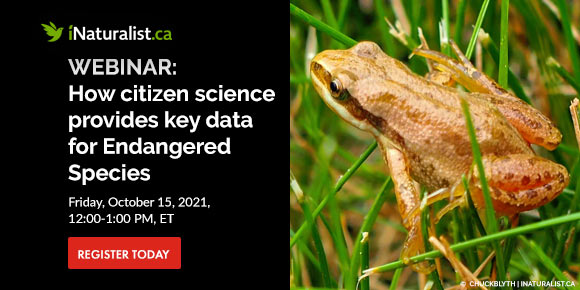
iNaturalist Webinar Series: How citizen science provides key data for Endangered Species
2021-10-15
iNaturalist has become one of the world’s most popular nature apps and the Canadian Wildlife Federation has led the charge in bringing it to Canada. Join us for an insightful webinar with the Committee on the Status of Endangered Wildlife in Canada (COSEWIC) on how iNaturalist can provide key information to help inform the assessment and conservation of endangered species in Canada. Leading the session will be John Reynolds, Chair of COSEWIC as well as Ecology Professor at Simon Fraser University, where he will discuss how citizen science greatly helps in the conservation of nature here in Canada.
-
International Monarch Monitoring Blitz Webinar
2024-08-01
Join us on August 1st, 2024, at noon Eastern Time for an engaging webinar on the International Monarch Monitoring Blitz. The Canadian Wildlife Federation (CWF) and the Commission for Environmental Cooperation will shed light on this incredible tri-national initiative aimed at protecting the endangered monarch butterfly. Discover how you can participate in this vital effort through iNaturalist in Canada, learn about the latest conservation strategies, and find out how you can make a difference in saving this iconic species. Whether you join us live or watch the recording later, this webinar offers valuable insights into the collaborative efforts to conserve monarch butterflies.
-
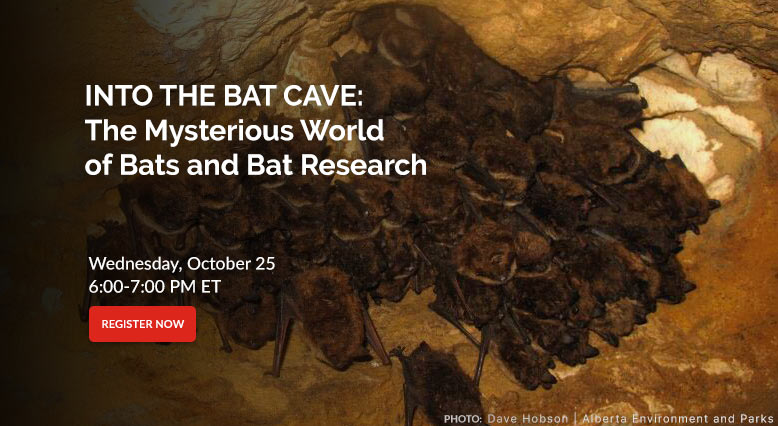
Into the Bat Cave: The Mysterious World of Bats and Bat Research
2023-10-25
As Halloween approaches bats are often depicted as terrors of the night. But the real threat is that bat populations are in steep declines in Canada… and humans are mostly to blame. Bats are much more terrorized by us than we are by them. Join CWF’s Bat Researcher Bailey Bedard to lean about the different Canadian bat species, the amazing abilities they have and the benefits they provide humans and the ecosystem. You will also be able to find out more about CWF’s bat research and how humans, while the primary threat to bats, can also be part of the solution to helping them recover. Date, Time, Time Zone:Wednesday October 25, 6 pm Eastern Time Host: Bailey Bedard, Bat Researcher, James Pagé Species at risk and Biodiversity Specialist, Emily Becker, Bat Researcher
-

Invasive Species: Something Fishy in Canada’s Lakes & Rivers
2020-05-16
Grades 2-9, Science, Animals, Environmental Stewardship Join the Canadian Wildlife Federation (CWF) and the Centre for Global Education as we investigate what's happening in Canadian rivers and oceans. Our conversation will cover the roles of different species, how invasive species impacts local ecology, and what we can do to better support at-risk habitats.
-
Join your community in tracking biodiversity
2023-04-12
April 12, noon -1:00 ET. How to use iNaturalist to participate in the 2023 City Nature Challenge! Learn how to help your city compete on the world stage in the 2023 City Nature Challenge as 42 Canadian cities compete with each other and over 400 other cities worldwide in a friendly biodiversity challenge. In this webinar, CWF’s James Pagé will explain how to contribute to this annual global event by recording as many wild plants and animals as possible using the iNaturalist Canada platform. If you can take a photo, you can contribute to conservation – find out how, as we approach the start of the City Nature Challenge. Not in a participating city? No problem, you can still contribute to iNaturalist anytime from anywhere throughout the year! Plus, we need everyone’s help in identifying what was found, even if it’s as simple as a Canada Goose.
-
Learning and Engagement Dialogue: Cumulative Effects under the Fisheries Act
2021-04-14
This 1:00 p.m. ET event is hosted by Aquatic Habitat Canada, a national network supporting aquatic habitat protection and restoration. This webinar series is based on the consultation topics of the current Fisheries and Oceans Canada’s Fish and Fish Habitat Protection Program (FFHPP) development process. For this first event, we will be hosting expert speakers from multiple sectors to present their involvement and perspectives on cumulative effects. The webinar will also include an open panel discussion and a Q&A period. This outreach event is intended to be informative and educational, while allowing public engagement. We welcome all perspectives and experiences to the event and hope to host productive discussions for those planning to make submissions to the FFHPP consultation process.
-

Learning and Engagement Dialogue: Financing Aquatic Habitat Restoration Initiatives in Canada
2021-07-28
Wednesday, July 28, 2021, 2:00-4:00 PM, ET For this event, we will be hosting expert speakers from multiple sectors to present key challenges, opportunities and issues related to funding aquatic habitat restoration. The webinar will also include an open panel discussion and a Q&A period. This outreach event is intended to be informative and educational, while allowing public engagement. We welcome all perspectives and experiences to the event and hope to host productive discussions regarding options for financing future aquatic habitat restoration initiatives.
-
Learning and Engagement Dialogue: Indigenous Partnerships in Aquatic Habitat Management and Restoration
2022-01-20
This event is hosted by Aquatic Habitat Canada (AHC), a national network supporting aquatic habitat protection and restoration. For this event, we have the pleasure of hosting expert speakers from multiple sectors to present their knowledge on the topic, Indigenous Perspectives in Aquatic Habitat Management and Restoration, and illustrate examples of Indigenous involvement and relationship-building to ensure impactful outcomes in their work. Presentations will highlight Indigenous-led and co-led initiatives and explore how Indigenous values are incorporated in aquatic habitat science. The webinar will also include an open panel discussion and a Q&A period. Our panel speakers include: • Dr. Catherine Febria (Healthy Headwaters Lab) • Jennifer Sylliboy (Unama'ki Institute of Natural Resources) • Kathleen Ryan (Bruce Power) This outreach event is part of AHC’s Learning & Engagement Dialogue webinar series, and is intended to be informative and educational, while allowing for public engagement. We welcome all perspectives and experiences at the event and hope to host a learning forum for our community. We look forward to seeing you there.
-
Let's Talk Turtles
2022-05-18
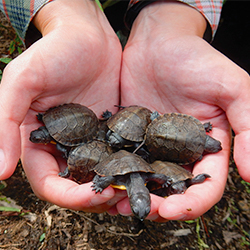
How to help Canada’s At Risk Turtle Populations: Turtles are a vital part of healthy ecosystems. Although they have been around for millions of years, today, all eight of Canada’s freshwater turtles have been designated as Species at Risk. This webinar will discuss why turtles are in danger, how you can make a difference, and how turtles are culturally significant to Indigenous Peoples of North America.
-
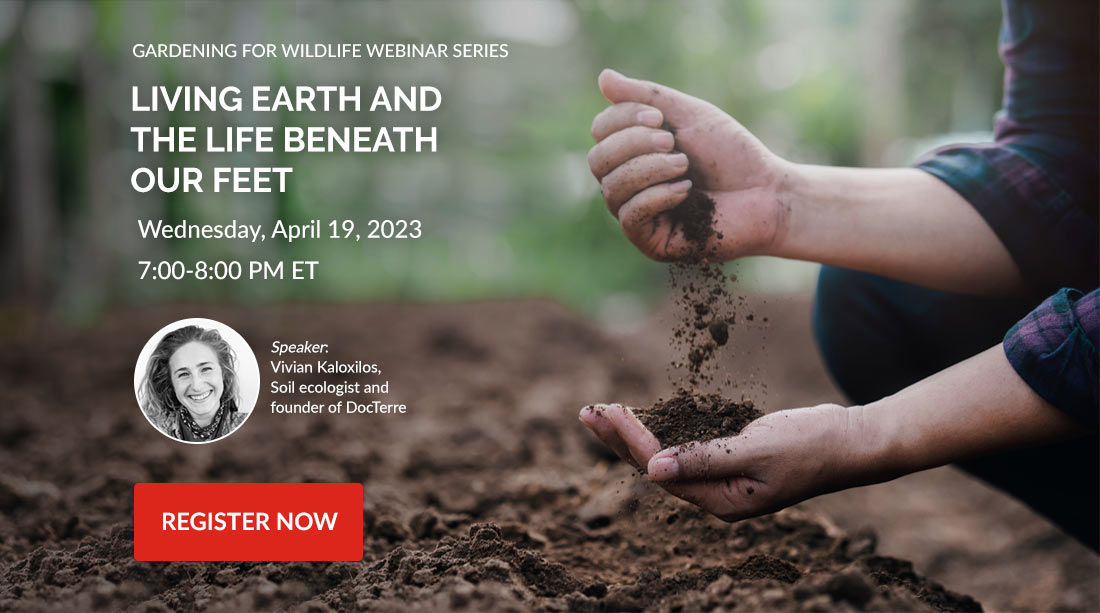
Living Earth and the Life Beneath Our Feet Webinar
2023-04-19
Join CWF Wednesday, April 19th at 7:00 p.m. ET for an eye-opening webinar with Vivian Kaloxilos, soil ecologist and founder of DocTerre, on the incredible interactions between soil organisms and plants. We live on planet Earth, but many people don't understand what soil is and how it functions. We will explore the living ecosystem in the soil and how it supports all life on Earth. You will also discover simple ways you can enhance your plants’ vitality and production in your own outdoor space. We hope you can join us!
-
Managing Rural Roadsides for Pollinator Habitat
2020-03-10
Lanark County Lanark County is a rural municipality in eastern Ontario – to the west of Ottawa, Ontario – managing approximately 600 kilometres of county roads. Since 2016, Lanark County has followed an integrated vegetation management (IVM) plan to control invasive plants, especially wild parsnip, that encroach on pollinator habitat. In addition to controlling invasive plants, the goal of the IVM plan was also to re-establish desirable native vegetation along roadsides. To achieve these goals, Lanark County changed mowing practices, implemented integrated control measures to reduce impact to desirable vegetation (i.e. targeted spot spraying, hand control of invasives, reseeding disturbed sites, etc.), and improved hydroseeding practices with native seed to promote pollinators. Lanark County has been successful in reducing invasive plant infestations and improving pollinator habitat on almost 450 hectares of rural roads, and now has the opportunity to share some lessons learned with other municipalities about how they can help improve pollinator habitat along roadsides.
-
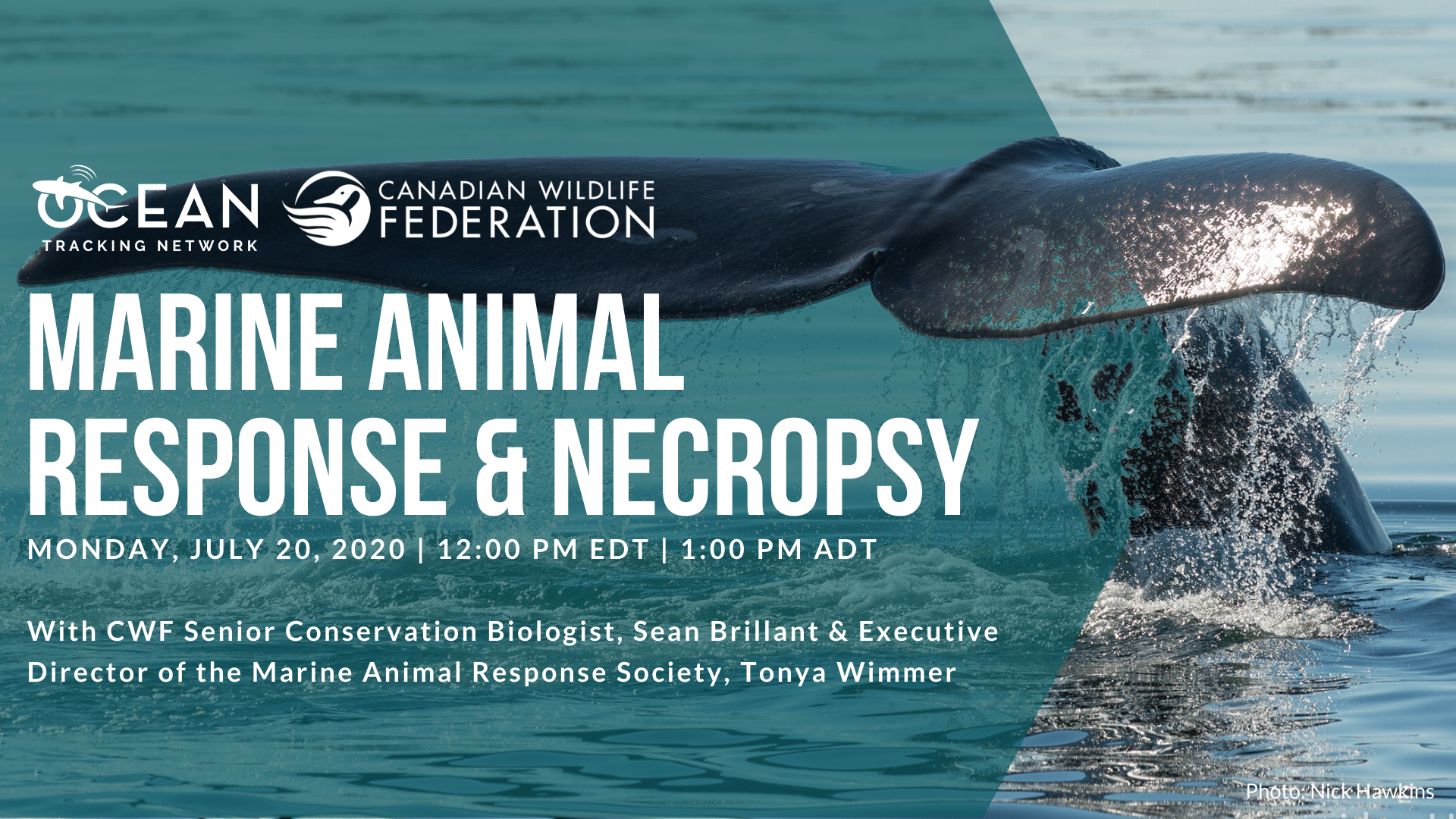
Marine Animal Response & Necropsy Webinar and Q&A
2020-07-20
Every year, more than 1,000 marine animal incidents are reported in Canada. Sean and Tonya will discuss the importance of responding to marine animal emergencies, and the essential conservation role you and other Canadians can play by reporting incidents. Sadly, some of these incidents have tragic endings. When a marine animal dies, a necropsy (or autopsy) can help us better understand and conserve marine wildlife. Tonya will share her experience participating in North Atlantic Right Whale necropsies, and we’ll discuss ways we can work together to conserve this important and critically endangered species.
-
-
Monarch Butterflies With Michelle McPherson
2025-04-10
Michelle is a Wildlife Biologist with the Canadian Wildlife Federation. Her current area of focus is the Right-of-Way (ROW) Pollinator Habitat project, which is focused on the restoration of native meadow along roadsides, utility corridors, and solar farms in conjunction with a network of ROW managers. Join Michelle to learn more about what CWF is doing in collaboration with industry and community partners to restore habitat connectivity for pollinators, including the endangered Monarch butterfly.
-
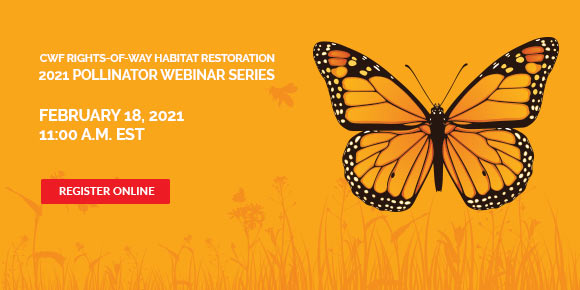
Morgan’s Grant Corridor – A Community Greenspace Opportunity
2021-02-18
Thursday, February 18 at 11:00 am EST (1 hour) Second Webinar in the Rights-of-Way Habitat Restoration: 2021 Pollinator Webinar Series Learn about a multi-partner approach to restoration in rights-of-way. Morgan’s Grant hydro corridor project involves the Briarbrook Brookside Morgan’s Grant Community Association, the Ottawa Stewardship Council, Hydro One with the City of Ottawa and several private sector supporters who are working together to improve the greenspace corridor for all residents. This program is a great model for other municipalities and community associations that want to strengthen community relationships and provide ecological habitat to build resiliency.
-
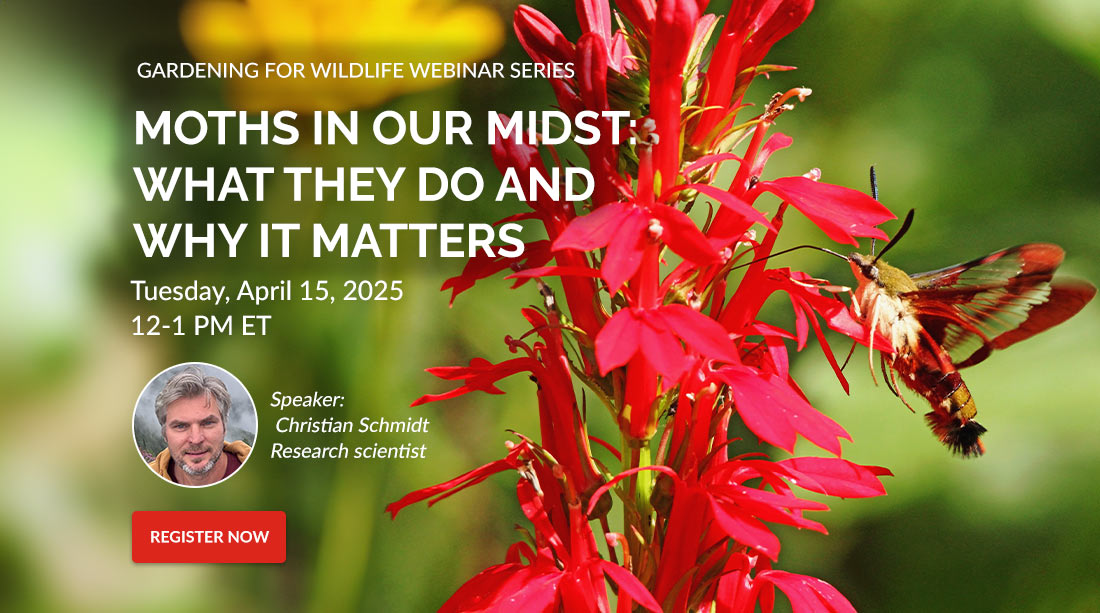
Moths in our Midst: What They Do and Why It Matters
2025-04-15
Join the Canadian Wildlife Federation on Tuesday, April 15 at 12:00 p.m. ET to learn about some of Canada’s moths (and butterflies, too!). Our special guest, Christian Schmidt, Ph.D., a research scientist, will take us into the world of moth biology, how they live and profile some Canadian species. Christian will also share ways we can help these remarkable wild neighbours in our own outdoor spaces. We hope you can join us!
-
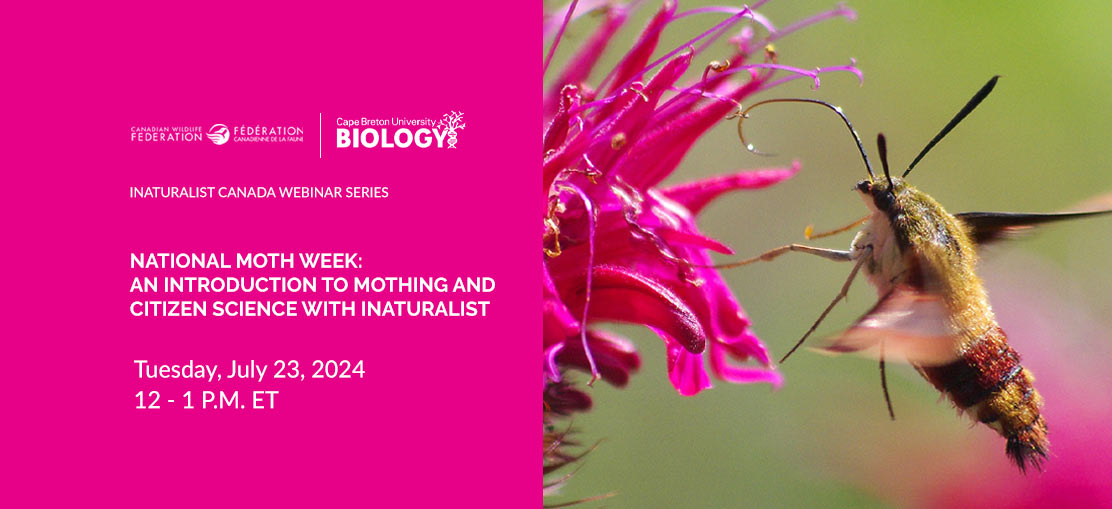
National Moth Week: An Introduction to Mothing and Citizen Science with iNaturalist
2024-07-23
Join us for an enlightening webinar on mothing and citizen science, perfect for beginners eager to explore the fascinating world of moths. Alicia will guide us through the easy steps of mothing, providing tips for taking great photos and identifying key features to differentiate moths from butterflies. She will also share insights on how to recognize general moth groups. Whether you're new to mothing or looking to enhance your skills, this webinar is designed to help you appreciate these incredible insects and contribute to scientific knowledge. Don't miss this opportunity to learn and participate in National Moth Week! For more information, visit the National Moth Week 2024 Canada Umbrella Project on iNaturalist.
-
National Wildlife Week 2024 Webinars
2024-04-08
Join experts from the Canadian Wildlife Federation for a fascinating excursion into the world of wildlife during National Wildlife Week (April 8-12)! From freshwater turtles to grassland birds, you’ll learn about some of Canada’s most captivating – and at-risk – species, get an up-close look at CWF’s conservation research on the ground, and discover ways you can help support their conservation by taking action at home and in your community. Each day will feature a different scientist talking about their specific field of research so mark your calendar and be sure to sign up for all five sessions!
-
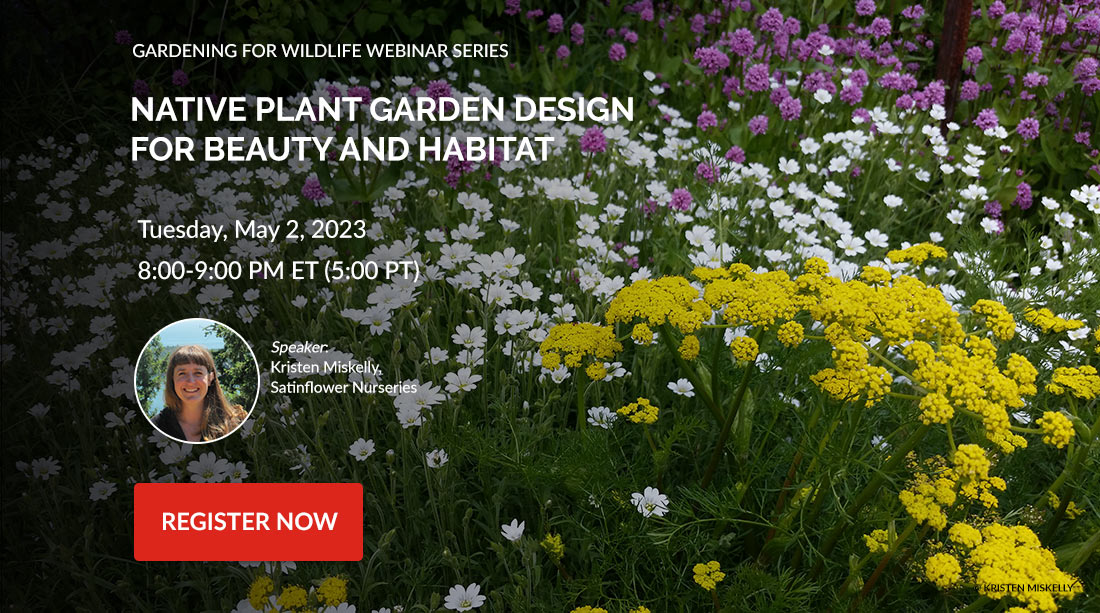
Native Plant Garden Design for Beauty and Habitat
2023-05-02
Join CWF as Kristen Miskelly, biologist and owner of a native plant nursery and consulting business, shares design principles for home gardens. She will also touch upon using native plants in creating green roofs, rain gardens and planting along septic beds and boulevards. Kristen will guide you through various aspects of working with native plants, from choosing the best plants for your spot, site preparation, design considerations, maintenance and timing of activities. Examples from British Columbia will be shared, but the principles can be applied broadly across our Canadian landscapes. We hope you can join us!
-
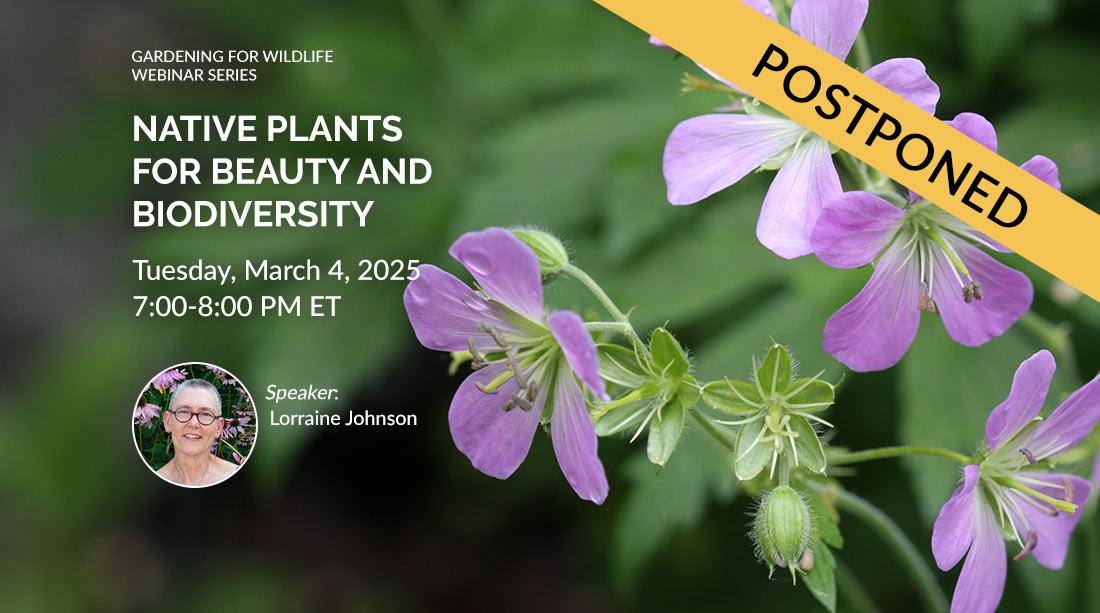
Native Plants for Beauty and Biodiversity
2026-01-23
***Thank you for registering for Native Plants for Beauty and Biodiversity with special guest Lorraine Johnson. Unfortunately, due to unforeseen circumstances, this webinar must be postponed until further notice. We are very sorry for any inconvenience. Once we know if and when it can be rescheduled, we will send you an email with all the details. Please note that we have other webinars coming up that may interest you ***** Join the Canadian Wildlife Federation and special guest, Lorraine Johnson, Tuesday, March 4, 2025 at 7 p.m. ET to discover some of Canada’s beautiful native plants, why they are so important and get great tips on growing them at home. Lorraine is a highly respected Canadian author and longtime native plant and sustainability expert. During our hour together, Lorraine will share the benefits of introducing native plants to the home landscape and community spaces as well as the best tips on how to introduce them to your property. She will focus on easy-to-grow species for conditions from shade to sun, dry to moist and more. Highlights include how to incorporate native plants into existing gardens and gorgeous plant combinations. We hope you can join us!
-
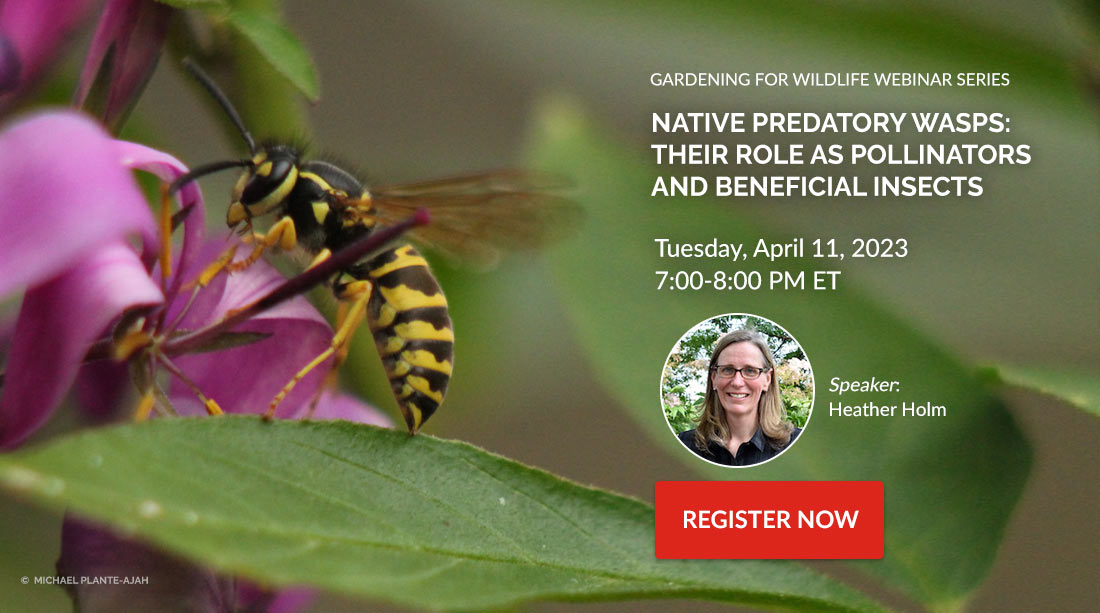
Native Predatory Wasps: Their Role as Pollinators and Beneficial Insects
2023-04-11
Gardening for Wildlife Webinar Series: Join CWF April 11th as Heather Holm, highly-respected researcher and award-winning author, shares her discoveries and beautiful photography of our native wasps. In this webinar, Heather “will highlight many amazing natural history and biology facts about native wasps illustrating their nesting habitat, prey specificity, and the ecosystems services they provide—pest insect population control and pollination.” Please note – this webinar will only be available as a recording for those who register for a few days afterwards. Please register to avoid missing out!
-
Native Shrubs for Beauty and the Birds (and Pollinators, too!)
2021-09-27
Join the Canadian Wildlife Federation and our guest presenter, Colleen Cirillo, to discover the beauty and functionality of Canada's native shrubs. Delicate flowers, showy fruit and colourful fall leaves make these smaller woody plants ideal additions to any garden. But you will get so much more than beauty. These plants will also attract and support a diversity of native insects and birds, thereby helping you counter biodiversity loss right outside your door.
-
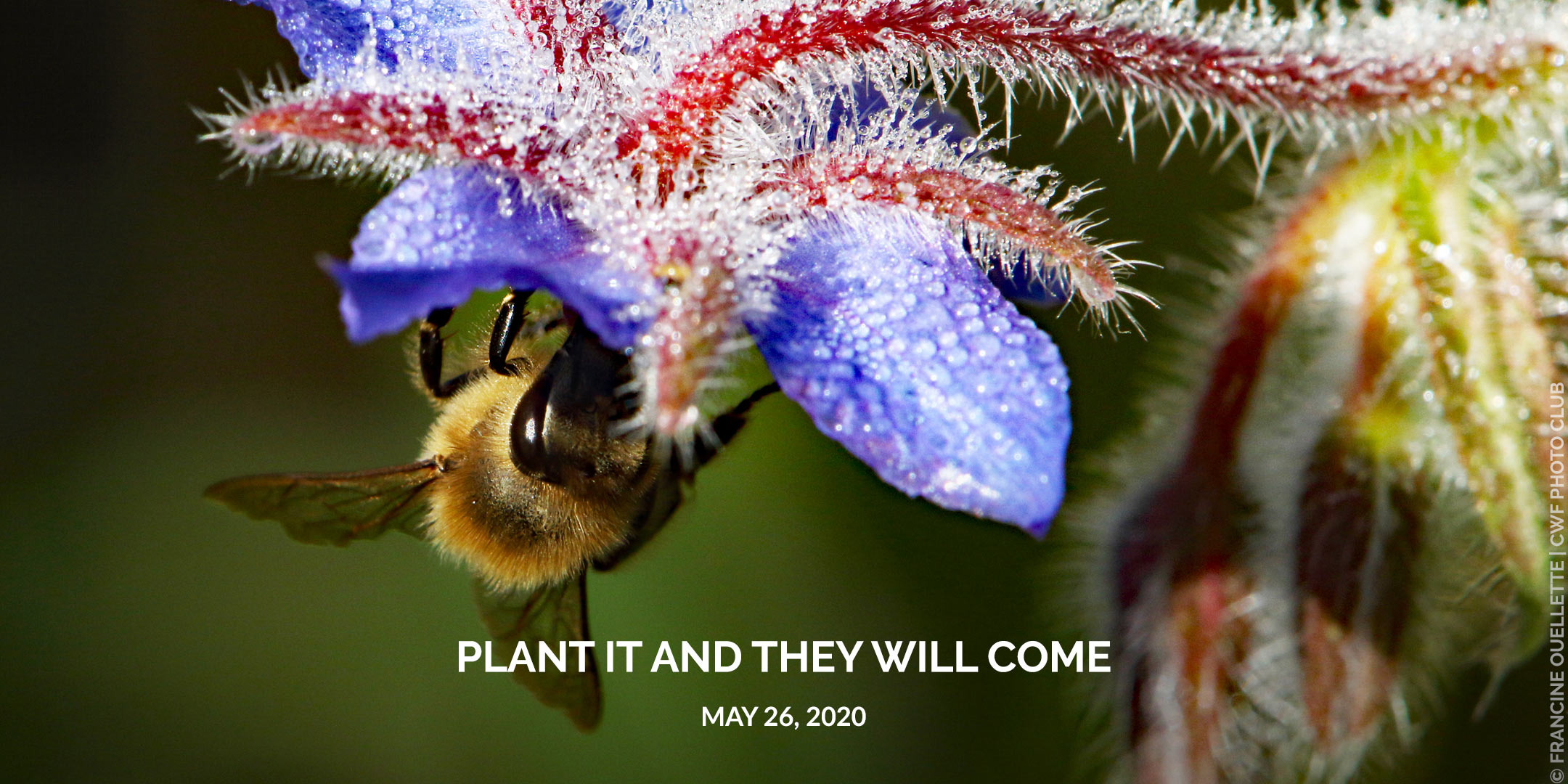
Plant It and They Will Come
2020-05-26
How one woman discovered the joys of creating a wildlife-friendly garden. Join CWF as Berit Erickson, pollinator garden blogger, shares her urban garden’s transformation from ornamental to wildlife-friendly. Discover how much easier it was than she thought and all the benefits she and her family now enjoy. So if the idea of creating a wildlife-friendly garden is daunting to you or you just want to get some new ideas, join us for this informative and inspiring webinar.
-
Pollinator Meadow Monitoring Results
2023-02-16
Roadside maintenance of many municipalities in Eastern Ontario includes boom spraying, and/or regular mowing to control invasive plants. But what is the impact on pollinators? As more rights-of-way managers embark on restoration activities, assessment of the restoration process with respect to the native plant community is an important element of project evaluations. Join this webinar to learn from CWF’s Restoration Ecologist, Tracey Etwell, for the second-year results of monitoring for CWF’s Rights-of-Way Habitat Restoration Program in Eastern Ontario.
-
Pollinator Meadow Monitoring Results
2022-05-25
Roadside maintenance of many municipalities in Eastern Ontario includes boom spraying, and/or regular mowing to control invasive plants. But what is the impact on pollinators? As more rights-of-way managers embark on restoration activities, assessment of the restoration process with respect to the native plant community is an important element of project evaluations. Join this webinar to learn from CWF’s Restoration Ecologist, Tracey Etwell for the results of the first year of monitoring for CWF’s Rights-of-Way Habitat Restoration Program in Eastern Ontario. This is part of the CWF Rights-of-Way Habitat Restoration Program’s 2022 Pollinator Webinar Series.
-
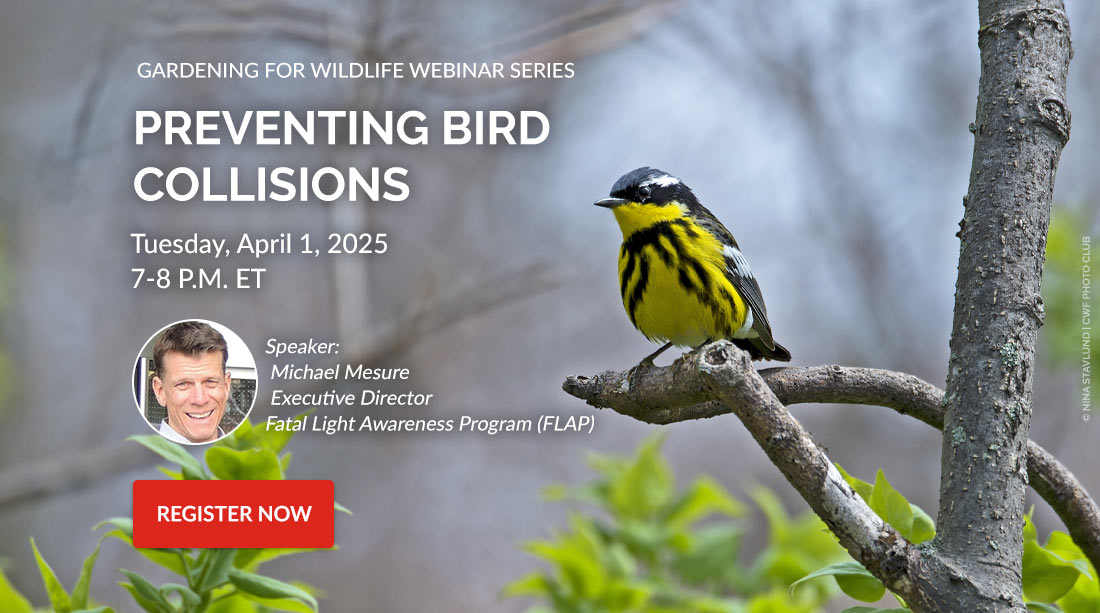
Preventing Bird Collisions
2025-04-01
Each year in Canada approximately 25 million birds die from building collisions. This is not only heartbreaking to witness but is a significant loss to biodiversity and the role these birds play. The good news is that there are solutions! Join the Canadian Wildlife Federation on Tuesday, April 1 at 7:00 p.m. ET to discover effective ways to prevent bird strikes at home, work or at the cottage. Our guest will be Michael Mesure, a founding member and Executive Director of Fatal Light Awareness Program (FLAP) Canada. Michael will speak about the work of FLAP Canada, how human-made structures threatens birds and offer solutions for mitigating building collisions. This will include examples of both effective and ineffective collision deterrent methods and some background on bird-friendly building design guidelines, policies, code and law.
-
-
Rights-of-Way Habitat Restoration: 2021 Pollinator Webinar Series, January 21
2021-01-21
Thursday, January 21 at 11:00 am EST Learn about the New York State DOT’s involvement in the CCAA – a voluntary conservation agreement to protect Monarch habitat and what their transportation department is doing in terms of pollinator-friendly policies, evaluation, mapping, monitoring, research and efforts along their roadsides.
-
Rights-of-Way Habitat Restoration: 2021 Pollinator Webinar Series, January 21
2021-01-21
Thursday, January 21 at 11:00 am EST Learn about the New York State DOT’s involvement in the CCAA – a voluntary conservation agreement to protect Monarch habitat and what their transportation department is doing in terms of pollinator-friendly policies, evaluation, mapping, monitoring, research and efforts along their roadsides.
-
Saving North Atlantic Right Whales
2020-06-08
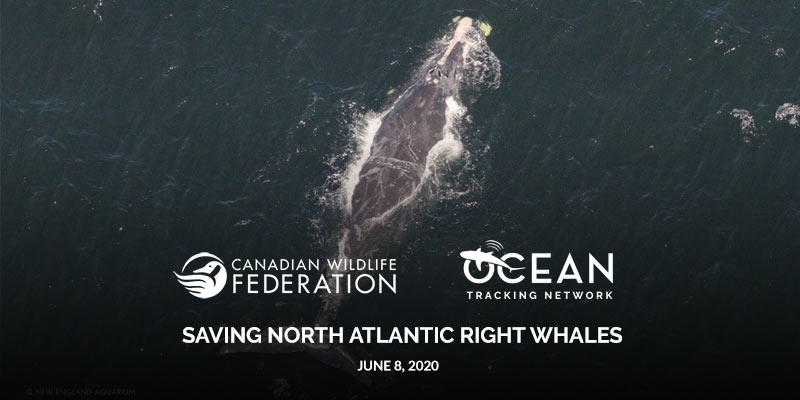
Join the Ocean Tracking Network (OTN) and the Canadian Wildlife Federation (CWF) on World Oceans Day for a talk on the North Atlantic right whale—one of the most endangered whales in the world—that relies on the plankton-rich waters of the Maritimes, and faces dire threats from ship strikes, fishing entanglements and climate-driven changes in food sources and habitat. Historically found throughout the Atlantic Ocean, today North Atlantic right whales overwinter and calve in the south between Georgia and Northern Florida, and move north to Canada to feed in the plankton-rich waters of the Bay of Fundy, off the Scotian Shelf, and in the Gulf of St. Lawrence in the summer. After centuries of whaling, populations of some whale species have rebounded, but entanglements and ship strikes remain a serious problem for the conservation of large baleen whales, including for North Atlantic right whales. Due to human-induced stressors as well as lower calving rates since 2010, experts predict that right whales could become extinct in as little as 20 years. Tune in to learn more from Canadian Wildlife Federation’s right whale expert Sean Brillant about how we can work together to ensure a future for this iconic and critically endangered species.
-
Sketching in Nature
2024-04-10
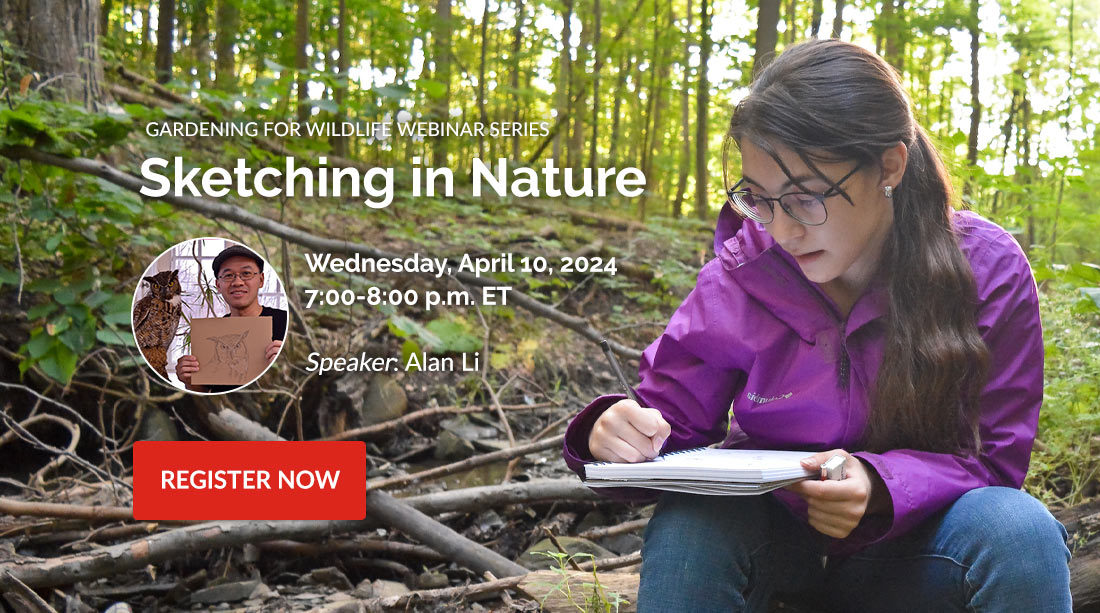
Join CWF for our webinar “Sketching in Nature”, a creative activity that can enrich your understanding of the natural world. Our guest speaker, Alan Li, is both a brilliant artist and a down-to-earth teacher who will share practical advice on sketching outdoors including which art supplies work best in the field. He will also give you a peek inside his sketchbooks and provide tips on how to make expressive sketches of your subjects, whether it’s a perching bird or fallen leaf, without sacrificing accuracy or realism. Sketching is for all ages and all abilities. You do not require an art degree nor do you need to feel intimidated. The best place to begin your sketching adventures is close to home; your local park, a nearby creek or woodlands are wonderful places to explore.
-

Species at Risk in Canada: Lending a Helping Hand with James Pagé
2020-07-02
Join us for an evening all about species at risk with James Pagé from the Canadian Wildlife Federation (CWF)! James will lead a Zoom webinar with a focus on species at risk in Canada, CWF’s recovery work and Citizen Science. Participants will then have the chance to ask their questions through an interactive Q&A session. Begins at 7pm. Approximately 1-1.5 hours. Space is limited.
-
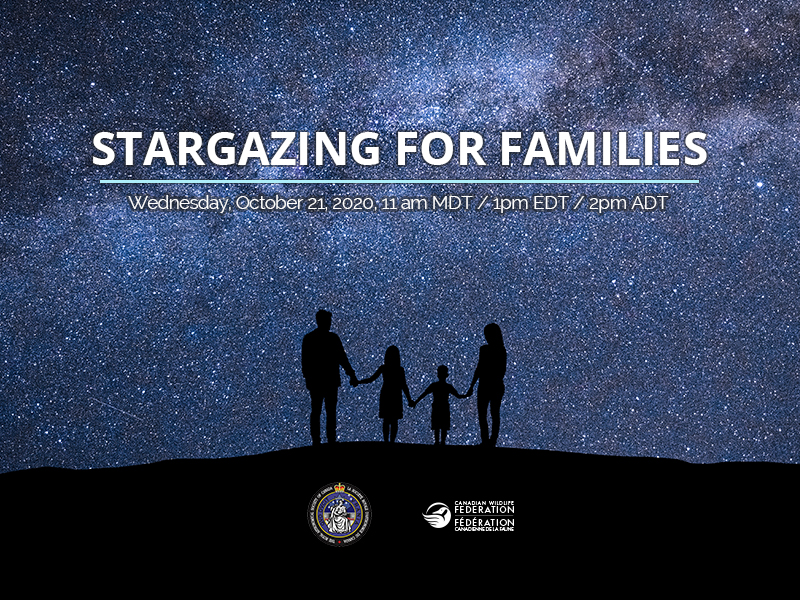
Stargazing for Families
2020-10-21
Wednesday, October 21 11am MT / 1pm ET / 2pm AT Online CWF & RASC Looking for ways to get outside with your family this fall? As the days start to shorten, stargazing offers a great opportunity to take advantage of the early evening hours, connect with nature and learn more about the night sky! Join Ian Wheelband from the Royal Astronomical Society of Canada's Toronto Centre and the Canadian Wildlife Federation (CWF) for a family-friendly introduction to stargazing! Gain practical tips and tools to help you get started and discover what stars, constellations and planets can be seen from your backyard. Family members of all ages are welcome to attend. No experience required - just be sure to bring your curiosity! This webinar is being offered as part of CWF's WILD Family Nature Club program. Check out our online community hub for more family-friendly resources, events and activities!
-
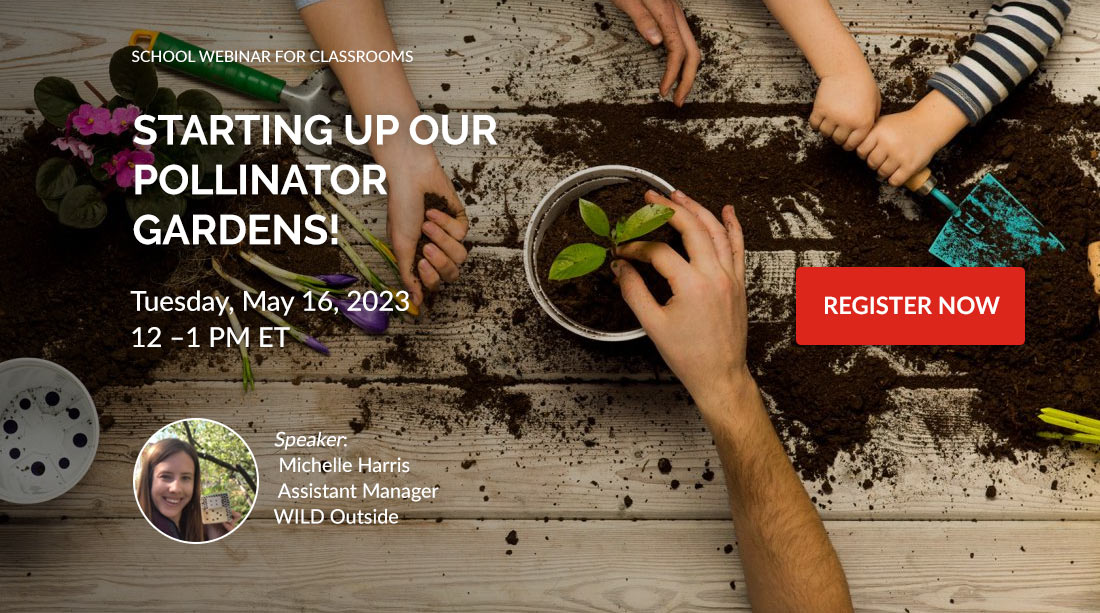
Starting Up Our Pollinator Gardens!
2023-05-16
Calling all grades 3 to 6 teachers! It’s nearly time to start planting in our gardens. This fun and engaging webinar with classes from across Canada will help us learn how to best prepare our gardens before our plants go in, as well as how to take care of our plants so they grow and support pollinators all summer.
-
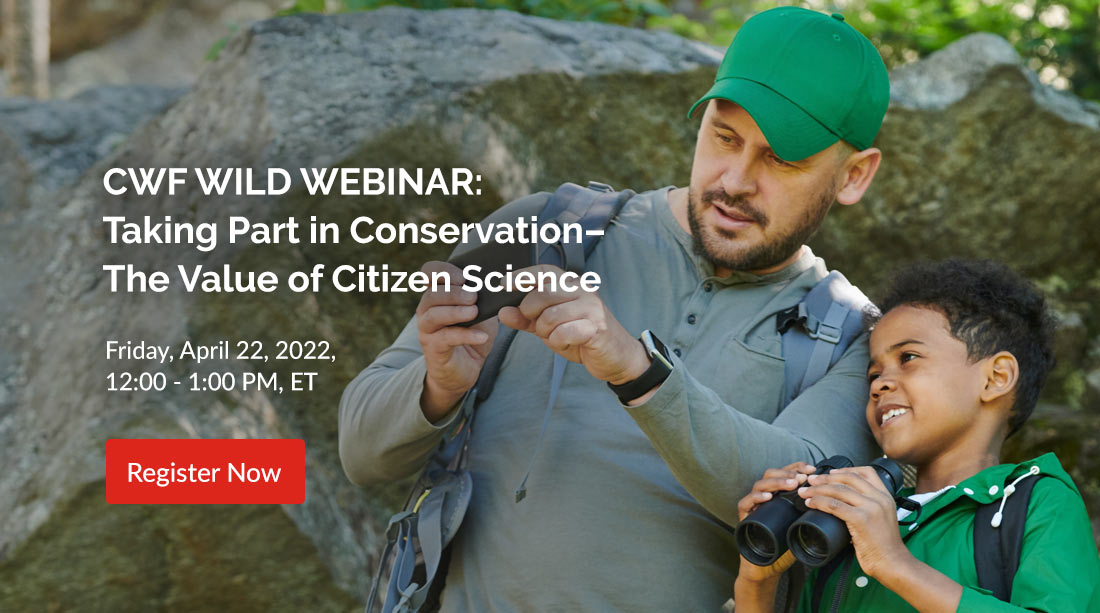
Taking Part in Conservation: The Value of Citizen Science
2022-04-22
April 22, 2022: English 12-1 ET, French 2-3 ET.. Join the Canadian Wildlife Federation in celebration of Earth Day and CWF’s 60th anniversary in learning how you can contribute to conservation using just a phone or digital camera. Ordinary people turned citizen scientists are contributing valuable information every day to help conserve our natural world. Through apps and websites like iNaturalist Canada and initiatives like the City Nature Challenge, thousands of people are contributing millions of observations, filling gaps that scientists can’t accomplish on their own. Join CWF’s English Webinar with James Pagé to hear about the value of citizen science data and how to take part. Join CWF’s French webinar with Alexandre Anctil (of the Centre de données sur le patrimoine naturel du Québec) to hear about the value of citizen science to the Quebec Conservation Data centre and how to take part.
-
Texas Department of Transportation Wildflower Program
2023-03-23
The Texas Department of Transportation has been implementing vegetation management practices in support of pollinators since 1932. From then on, the department has developed a comprehensive wildflower program, particularly in recognition of the state as a key stopover during Monarch migration. Hear from Sam Glinsky, Vegetation Specialist, to learn more about the lifecycle of a Texas roadside, the benefits of the program beyond the road, and the public education and stewardship practices they follow!
-
Thanks for Signing Up for the Webinar!
2025-12-05
Thank you for signing-up for the Canadian Wildlife Federation’s Wildlife-friendly Gardening Webinar. We’ll soon follow-up with an e-mail to confirm your time slot and provide you with a link to join the webinar.
-
The Benefits of Mycorrhizae in Restoration
2023-01-20
Scientists have discovered how important it may be to include locally adapted microbes with your locally adapted plants. Mycorrhizal fungi can improve yield and plant and soil growth by transporting phosphorous and nitrogen and other nutrients from soil, collecting water from the soil, providing resistances from plant herbivores, improving drought tolerance, and decreasing soil erosion. Many restoration environments may have ineffective soil fungi due to moving, tillage or human caused change and could benefit from the addition! Hear from Dr. Liz Koziol to learn the advantages of including mycorrhizae in your rights-of-way restoration plans and techniques for application!
-

The Canadian Aquatic Barriers Database
2021-06-14
June 14, 2021, 12:00 – 1:00 p.m. ET. A Tool to Support Fish Passage and Connectivity Work in Canada. Please join the Canadian Wildlife Federation as we introduce to you the Canadian Aquatic Barriers Database (CABD) — an open web tool to identify, explore and map potential barriers to aquatic connectivity. You will learn how the CABD will support policy and reporting, restoration planning and prioritization, infrastructure management, research and education and outreach.
-
The Canadian Aquatic Barriers Database: an improved tool to support fish habitat connectivity in Canada
2024-09-18
The Canadian Aquatic Barriers Database (CABD) is a standardized, curated, central, and open repository for barrier and connectivity data in Canada. The CABD is an important tool to support work in a variety of fields and sectors related to freshwater connectivity and aquatic barriers. The vision for the CABD is all of Canada’s barrier and connectivity information in one place – easily and openly accessible! CWF is proud to announce new updates to the CABD, adding even more aquatic barrier information and providing new tools to allow Canadians across the country to help us fill information gaps. With the new release, in addition to dams, waterfalls, and fishways, the CABD now includes information on stream crossings nationally, which affords us a more complete picture of the effect these structures are having on fish and fish habitat. We’re also introducing a feature that allows anyone to click on a barrier in CABD webtool and provide us with information updates based on their local knowledge, thereby helping the CABD improve over time and fill data gaps.
-
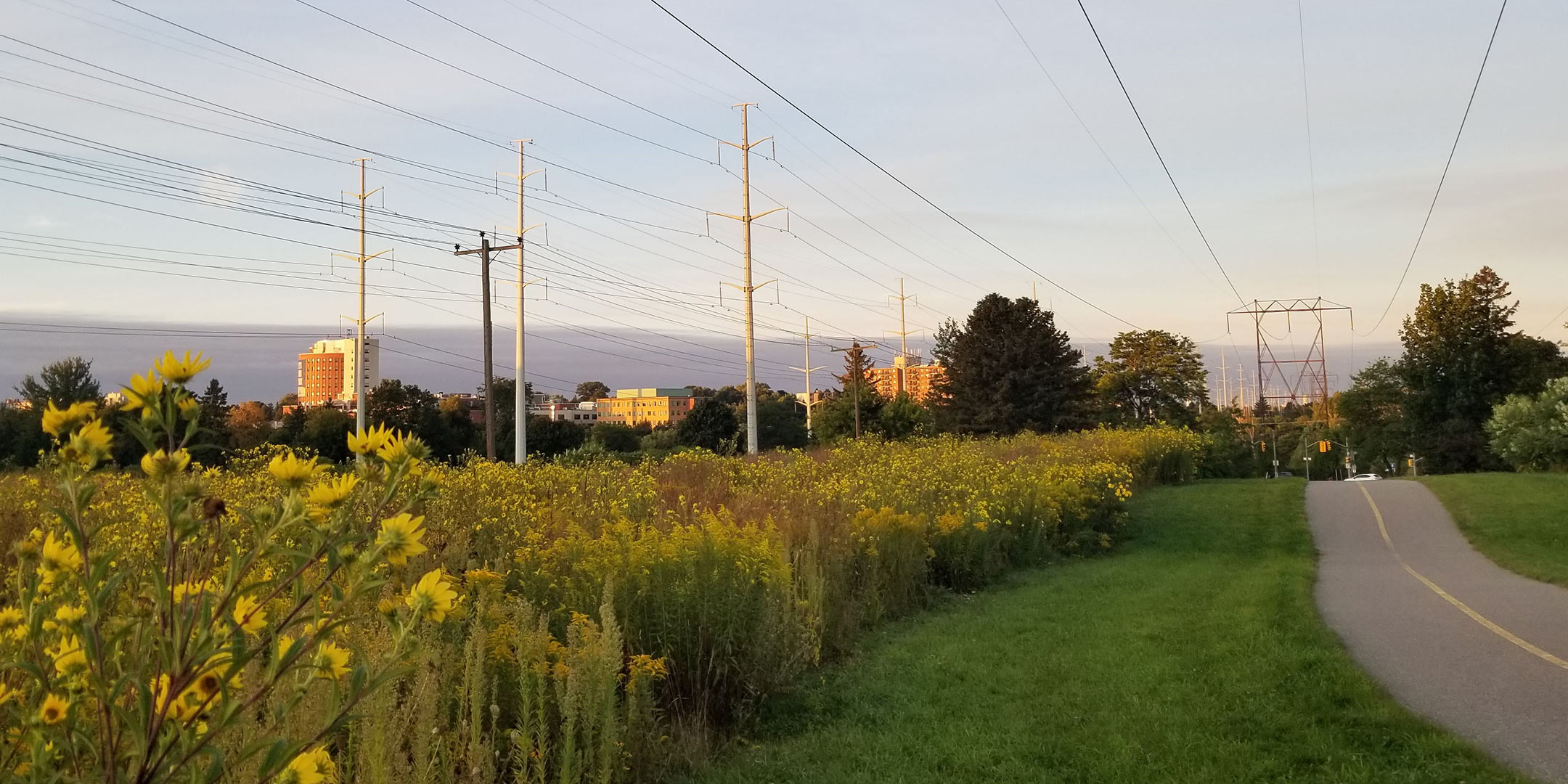
The Meadoway: Planning and Restoring Pollinator Habitat in a utility corridor in Toronto, Ontario
2020-01-30
The Meadoway is transforming a hydro corridor in Scarborough, ON into a vibrant sixteen-kilometre stretch of urban greenspace and meadowlands that will become one of Canada’s largest linear urban parks. Cyclists and pedestrians will soon be able to travel from the heart of downtown Toronto to Rouge National Urban Park without ever leaving nature. Over the next seven years, this site will become a place filled with butterflies, birds and wildflowers – a rich meadow landscape realized on a scale never before seen in Toronto. This webinar will help to showcase and walk you through the overall planning, permits/policies, education/outreach, communication and meadow restoration needed to create a project similar to The Meadoway.
-
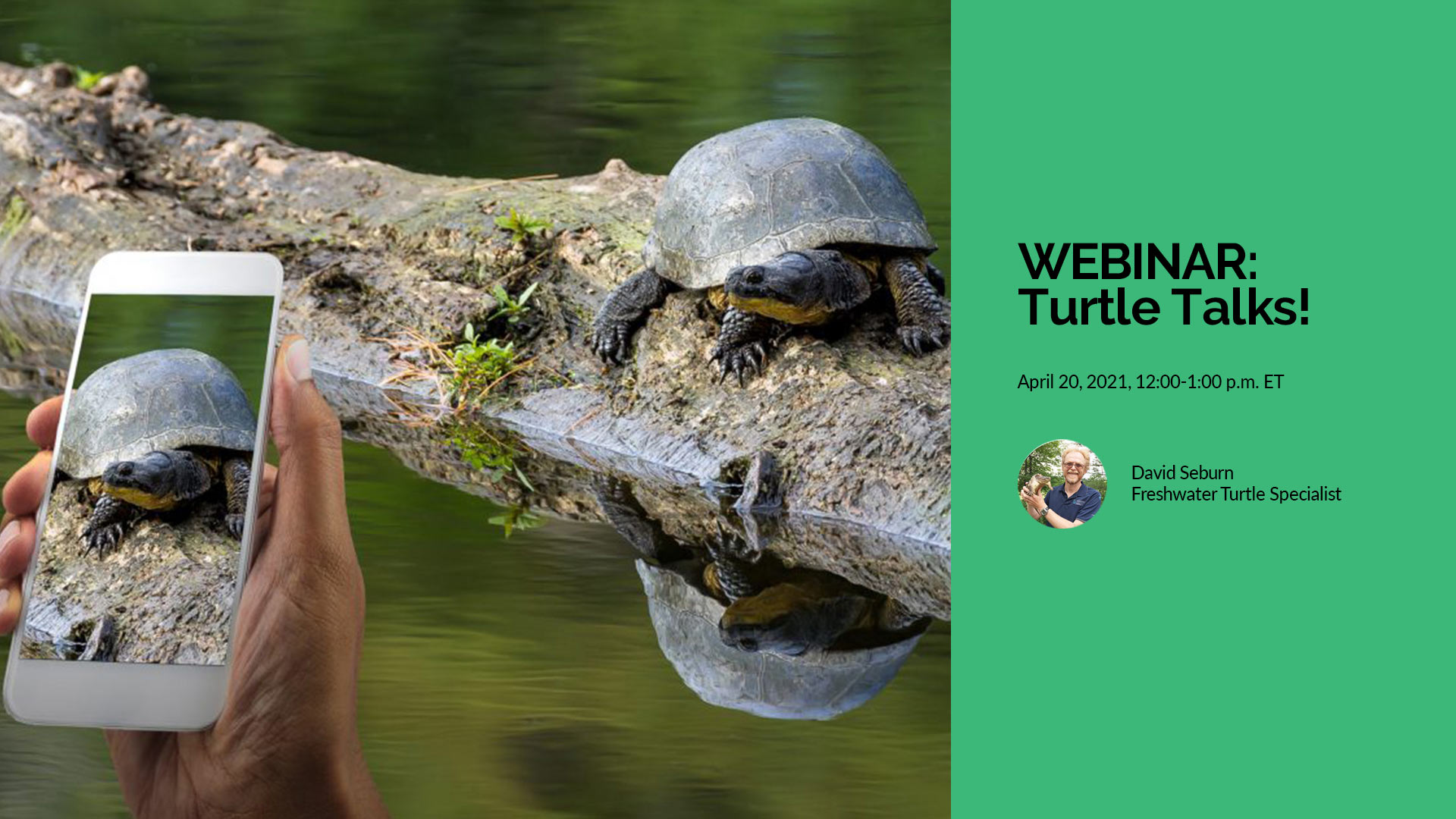
Turtle Talks Webinar
2021-04-20
April 20, 2021, 12:00-1:00 p.m. ET Who doesn’t love turtles?! They’re cute, they’re interesting and they come in so many shapes and size. They’re also one of the most endangered groups of species in Canada. Join us for a webinar all about turtles, and discover what the Canadian Wildlife Federation is doing to help them and what you can do to help, too!
-
Water We Without Oceans?
2021-06-08
June 8, 2021, at 1:00 pm ET /10:00 am PT Join us for a free, educational webinar as we explore our connection to the ocean. Our blue planet is powered by a water cycle that sustains life. Together we’ll dive deep into this cycle to discover how we are all connected to the ocean through our local watersheds.
-
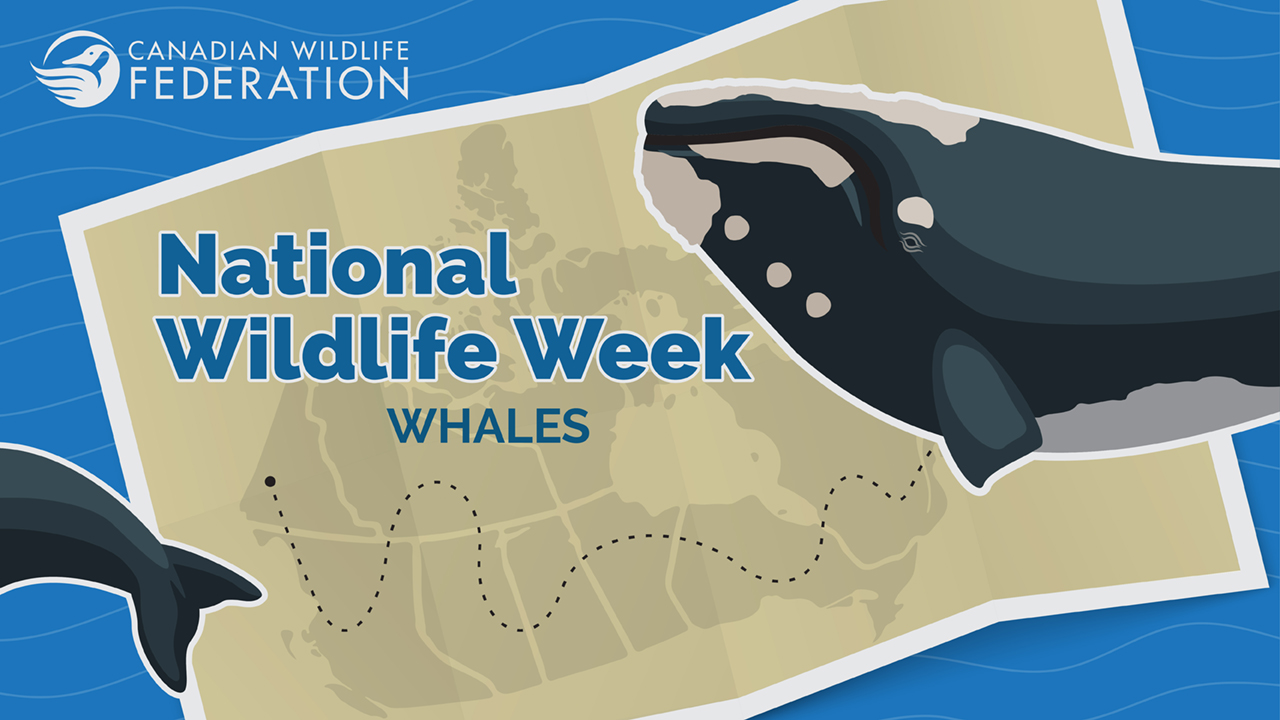
Whales With Shiva Javdan
2025-04-11
Dr Shiva Jian-Javdan is a Research Scientist with the Canadian Wildlife Federation (CWF). For more than a decade, Shiva’s dedication to marine mammal science and conservation has led her to projects with NGOs in Hong Kong, Taiwan, and Greece. Since returning to Canada, Shiva has focused on large whales, the missing piece in her cetacean bingo card, with current projects aimed at assessing entanglement risk of North Atlantic right whales. Join Shiva in a conversation on Canada’s largest migratory animals and learn what CWF is doing to help conserve the most at-risk whale species, the North Atlantic right whale.
-

What’s the Big Eel?
2022-06-07
June 7, 2022, 12:00 – 1:00 p.m. ET. Join CWF’s Senior Conservation Freshwater Ecology Biologist Nicholas Lapointe and Jennifer Sylliboy, Program Manager Unama’ki Institute of Natural Resources, as they discuss the biological and cultural history of the American Eel. Jennifer will present on American Eel in the Bras d’Or Lake, Cape Breton, Nova Scotia and the relationship between Kat (eel) and the Mi’kmaq people. The population of American Eel has declined in the Bras d’Or Lakes over the past 20 to 30 years. While many Mi’kmaw harvesters feel the population is still good and has seen its ups and downs, its future is uncertain. Mi’kmaq people have traditionally harvested adult eel for food and cultural purposes for thousands of years. The value of eels to Mi’kmaq culture is difficult to quantify. The value is not driven by dollars, landings, or economic potential. The value is in the life, culture, health, and spirituality they sustain. With population declines globally, we need to ask ourselves what would our lives be like without the American Eel? And what can or are we doing to ensure that doesn’t happen. Nick will take us through the American Eel’s unique and fascinating life history and their conservation crisis in Canada. Sadly, this life history places them at risk from human activities and has contributed to their global decline. Alarms were first raised in the early 1990s about their decline in Canada due primarily to hydropower dams. But little has changed to address this threat. The federal Fisheries Act and Species at Risk Act should both protect the species, along with provincial legislation, but so far regulators have taken little action. We will explain what has been done to date, what has stalled, and what can be done to change the situation and help American Eel recover.
-
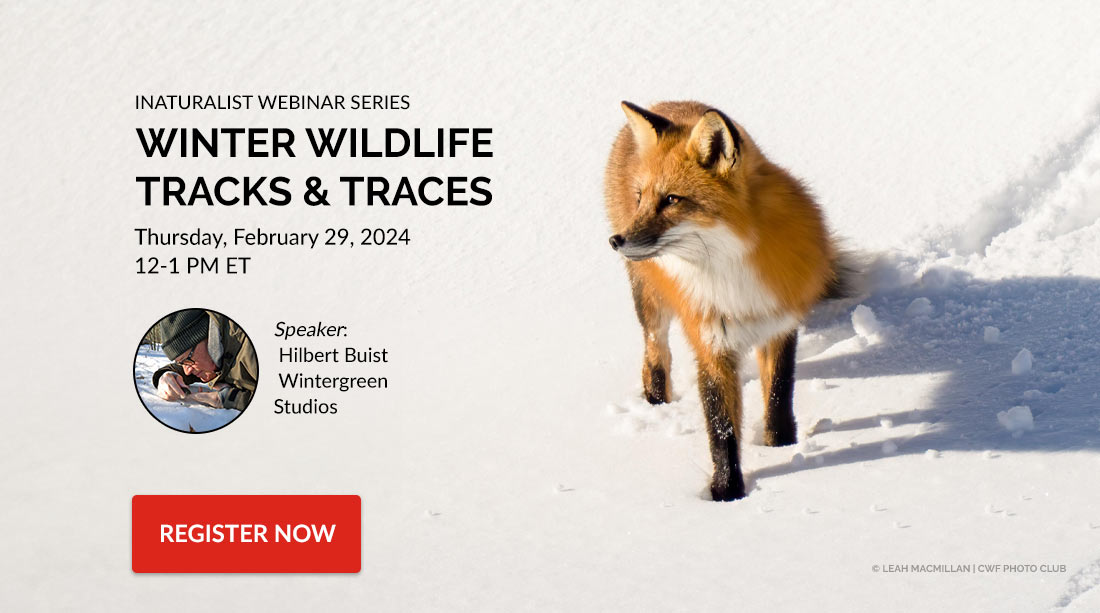
Winter Wildlife Tracks & Traces
2024-02-29
Explore the wide world of winter wildlife in your yard, down the street, in your local park or your favourite hiking wilderness by what they leave behind! Find out how birds and animals move and survive in the winter by examining their tracks and trails, browse and beds and scrapes and scat. Discover the difference between tracks of domestic dogs and cats and the wildlife who live among us but we hardly ever see.
-
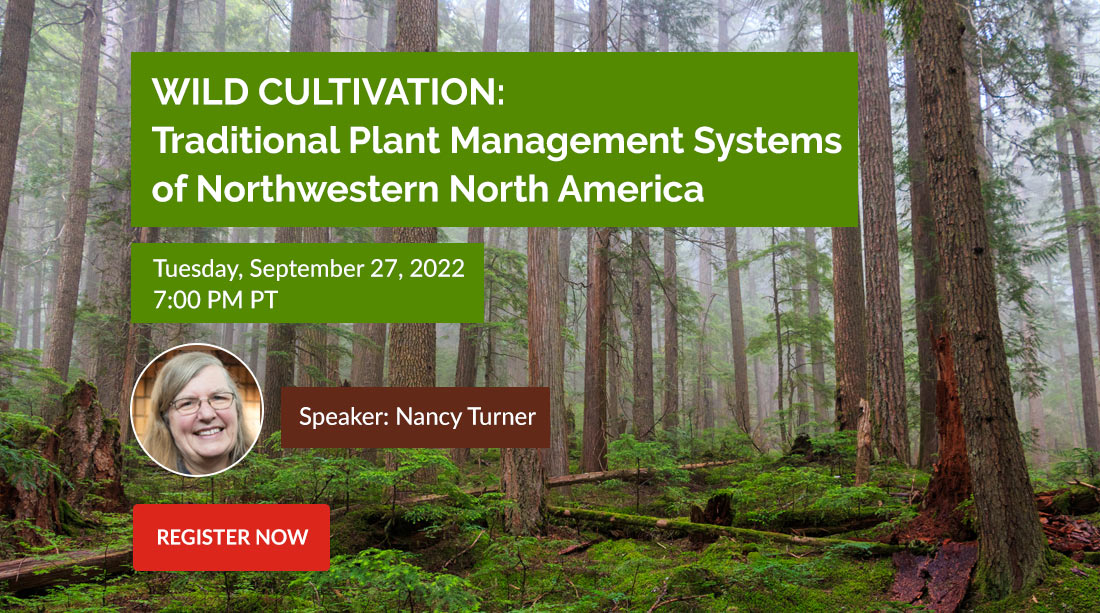
“Wild cultivation”: Traditional Plant Management Systems of Northwestern North America
2022-09-27
Please join CWF Tuesday September 27 at 7:00 p.m. Pacific Time (10 p.m. Eastern Time) for a very special presentation with Nancy Turner, an award-winning ethnobotanist who has worked with Indigenous Elders and knowledge holders in western Canada for over 50 years. Nancy will share her insights on how the cultural values of the Indigenous Peoples in the Northwest have enhanced both the health of the land and their harvests. We hope you will join us for this special event! About Nancy Turner: Nancy Turner is an ethnobotanist, and Distinguished Professor Emerita, School of Environmental Studies, University of Victoria, Canada. She has worked with First Nations elders and cultural specialists in northwestern North America for over 50 years, helping to document, retain and promote their traditional knowledge of plants and environments, including Indigenous foods, materials and traditional medicines. Her two-volume award-winning book, Ancient Pathways, Ancestral Knowledge (July, 2014; McGill-Queen’s University Press), integrates her long-term research. She has authored or co-authored/co-edited 30 other books, including: Plants of Haida Gwaii; The Earth’s Blanket; “Keeping it Living” (with Doug Deur); Saanich Ethnobotany (with Richard Hebda), and Food Plants of Coastal First Peoples, and over 150 book chapters and papers. Her recent edited book is Plants, People and Places: the Roles of Ethnobotany and Ethnoecology in Indigenous Peoples’ Land Rights in Canada and Beyond (2020). She has received a number of awards for her work, including membership in Order of British Columbia (1999) and the Order of Canada (2009), honorary degrees from University of British Columbia, University of Northern British Columbia and Vancouver Island and Simon Fraser Universities.


