What Would You Like to Know?


Canada’s Pollinators
Find Store >



Background About Pollinators
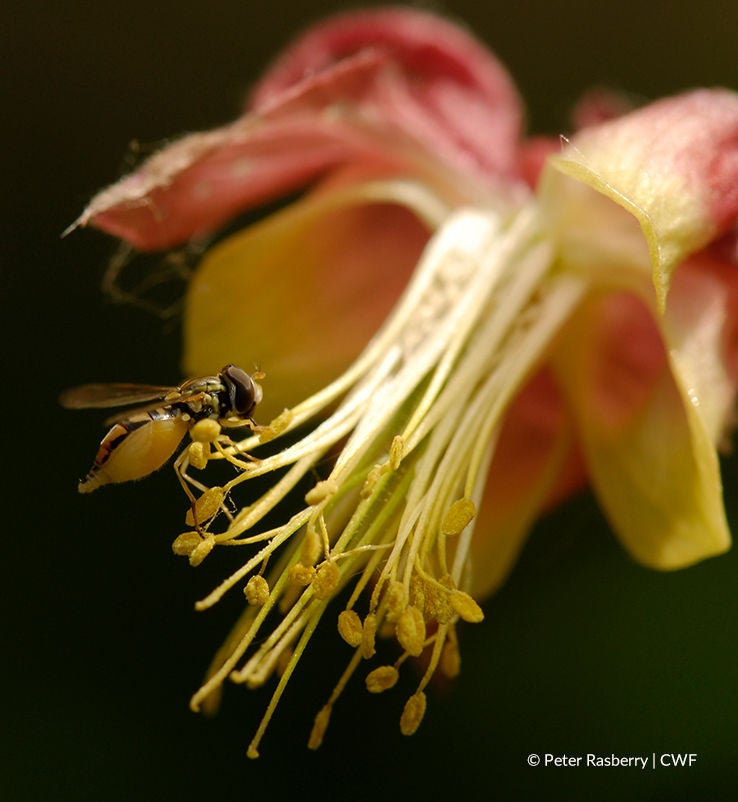
Pollinators are animals that visit flowers for pollen and/or nectar. In doing so, pollen produced by the male part of a flower (anther) gets caught on their bodies which is later brushed off on other flowers that they visit. When the pollen grains are deposited on the female part of the flower (stigma) the flower becomes fertilized (pollinated) and fruit is formed, as a seed, fruit or nut.
While some plants, such as grasses and pine or spruce trees, have very light pollen, which can be transferred by wind, about 80 per cent of flowering plants are dependent on pollinators to help them transfer their pollen.
The Importance of Pollinators
The work of pollinators benefits us all every day, whether it is the smoothie we have at breakfast, the carrots, apples or chocolate we snack on during the day or the flowers we pick or buy to grace our table. Thanks to pollination, we enjoy approximately one-third of the food we eat. This is important for our agricultural industry and our economy. In fact, it is estimated that the services of our pollinators contribute over a billion dollars annually to the Canadian economy. At home and in the community, pollinators are crucial to the food and flowering plants we grow in our gardens. Pollination supports our local and migratory wildlife by providing them with food, in the form of fruit, nuts and seeds as well as the pollinators themselves which are often an important source of nourishment. For instance, many birds need thousands of caterpillars and other insects to feed their young, let alone themselves! Equally important, pollinators help keep ecosystems healthy by maintaining a diversity of plant species (including the genetic diversity within individual species). Some pollinators also help with ‘pest’ control, keeping certain species of insects in check - hummingbirds eat flies and gnats, predacious insect larvae like some firefly species prey on some garden ‘pest’ insects and parasitoid insects, like many solitary wasps, lay eggs that invade the bodies of other insects. In fact, wasps are once again considered beneficial by the agricultural industry for this very service. Thousands of different species act as pollinators. In Canada, our main pollinators are bees and flies but other groups include wasps, butterflies, moths, beetles and hummingbirds. But they are under threat and need our help.
Threats to Pollinators
Across North America, pollinator populations are declining and some crops are showing decreases in production due to a shortage of pollinators.
The main threat facing pollinators is loss and degradation of their habitat. Expanding urbanization is replacing natural habitat with shopping malls, parking lots, landfills and barren housing developments. As exotic garden plants, large expanses of lawn and roadways replace native vegetation, pollinators lose the resources that are necessary for their survival.
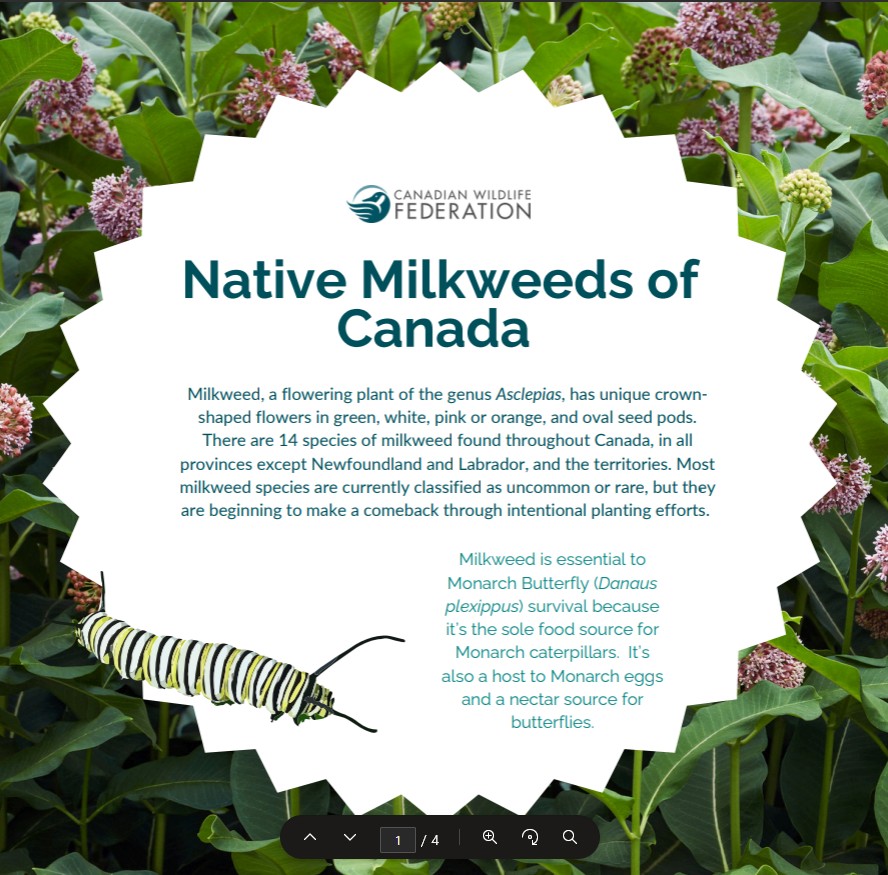
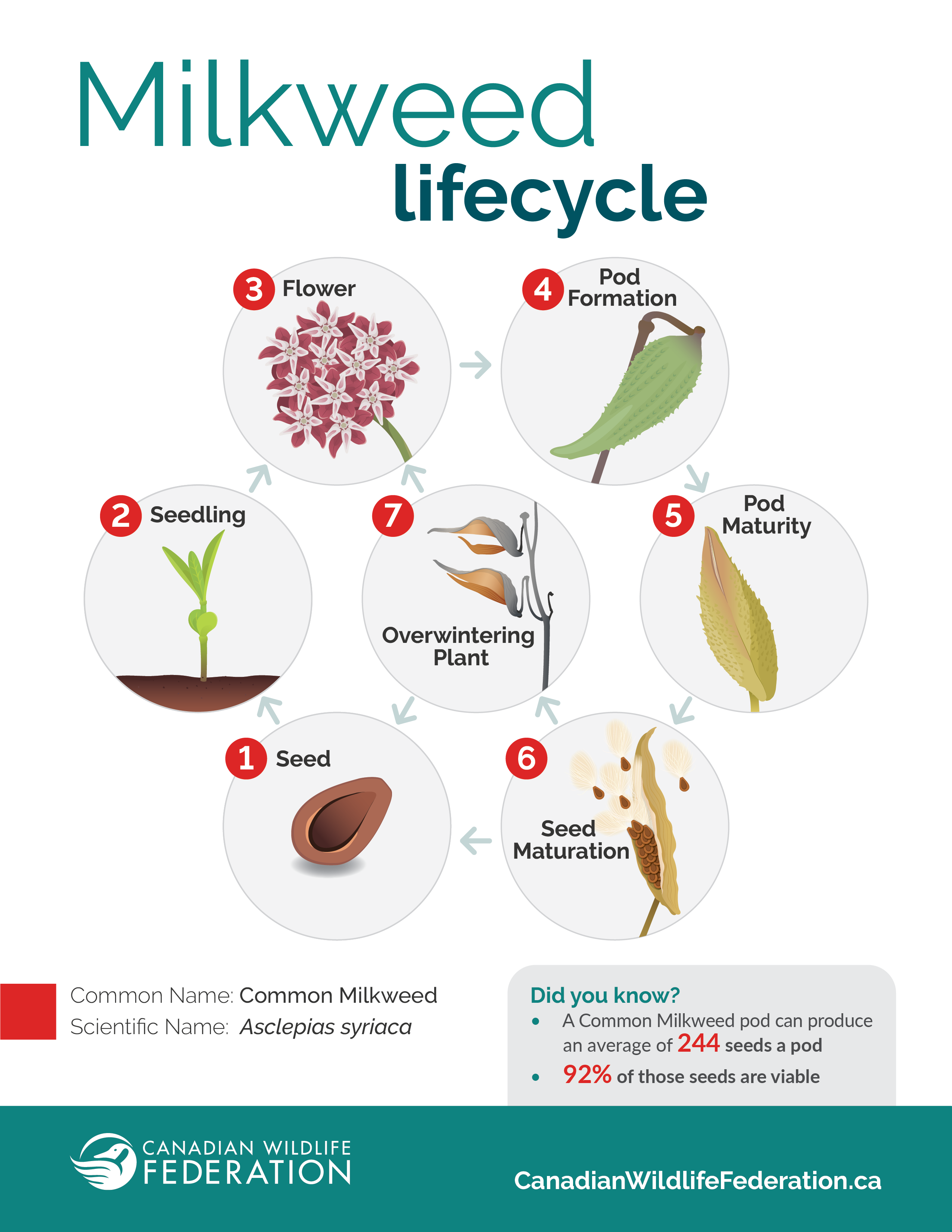
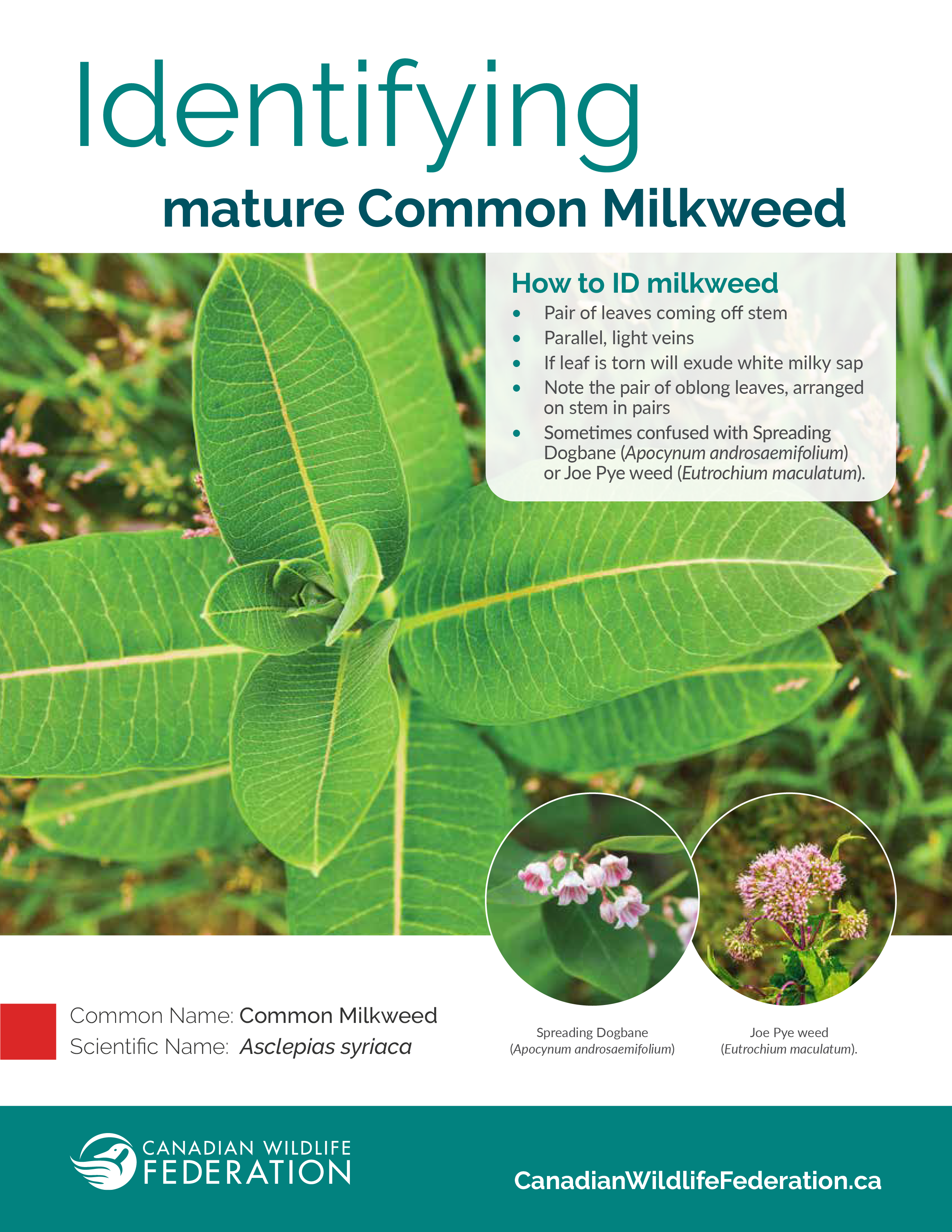
Pesticides are also taking their toll. Insecticides can kill pollinators when sprayed directly, as with sprays targeting mosquitoes in gardens, but can also contaminate the plants that pollinators forage on. Pollinators absorb these toxins as they move from flower to flower. Due to their small size, many pollinators can be killed by even small quantities. The flowers’ pollen and nectar can also become contaminated and, when brought back to the nest by female bees as food for her young, also affects the next generation of bees. Herbicides deplete the landscape of "weeds" essential to the pollinator's survival. This is especially true for butterflies, which are dependent on many "weed" species for the survival of their larvae or caterpillars. The Monarch Butterfly, for example, is unable to survive without the presence of milkweed.
Wild pollinators are also negatively impacted by transfer of disease from domestic bees. Invasive species are also a problem as they push out native plants that many insects have co-evolved to rely on for food.
Pollinator decline requires immediate action to ensure the conservation of the natural environment and Canada’s food system. We can make a difference, however, by raising awareness when we shop by asking questions and telling businesses what we want, as well as demanding industries and government manage our resources wisely. We can also help ease this pressure and create a pollinators' paradise with some thoughtful gardening.
Canada’s Pollinators
Canada has seven main pollinators: bees, flies, wasps, butterflies, moths, beetles and hummingbirds, with bees and flies being the most important ones in Canada. Some bat species are also pollinators, however none of these are found in Canada.
Check out the sections below to see photos of these tiny allies and to learn about their fascinating lifestyles and how you can help them.
Help the Monarchs - https://cwf-fcf.org/en/explore/monarchs/ All About Bees (new section) HWW videos on pollinators and Monarchs...
Fauna profile pages:
CWF Research and Initiatives for Pollinators
The Canadian Wildlife Federation is a national leader in pollinator conservation through our Conservation Science team Which carries out more than seven major initiatives across Canada, some of which operate internationally. CWF also supports educators and gardeners in raising awareness and creating wildlife-friendly gardens. Click here to read more about them or below for Conservation Science initiatives. (link to the other sections for Gardening and Ed? And in those sections, have a brief mention of this and link here?)
Our Conservation Science work includes field research by our own team and through collaboration with major universities, nation-wide projects to support habitat restoration and Species at Risk, networks for land managers that link to international communities, and strategies to improve economic development in industries that support pollinator conservation.
CWF's pollinator projects transfer technical support and knowledge to farmers, develop pollinator-friendly practices, and make agricultural policy recommendations to support the recovery of Canada’s wild pollinators.
We advocate for different levels of government to create pollinator pathways by restoring meadow habitat along roadsides, rights-of-ways and in city parks.
Key Achievements
- 2018 Rights-of-Way project began
- 2018: Pollinator and habitat research on farms in SW Ont began.
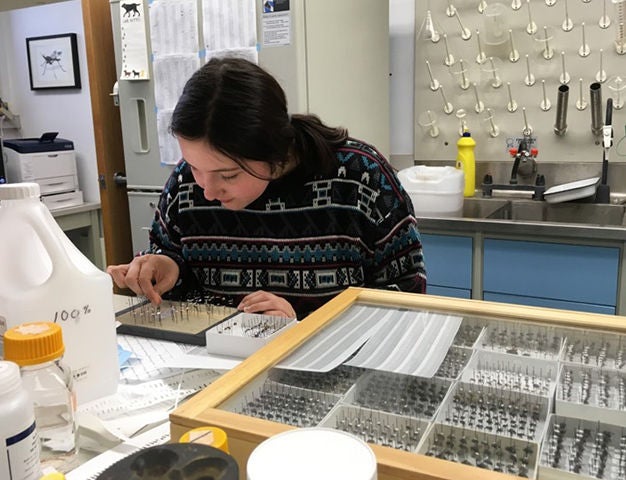
- 2019: Completed a large reference insect collection for insects on farmland edges
- 2020: Advised the Commission for Environmental Cooperation on a framework for a North American (tri-national) pollinator conservation strategy
- 2020, 2021: Recommended a national pollinator habitat strategy through the Green Budget Coalition
- 2021: Established the Canadian chapter of the USA Rights-of-Way as Habitat Working Group
- 2021: Began framing the Canadian Seed Strategy
Projects
Native Pollinator Habitat on Farmland
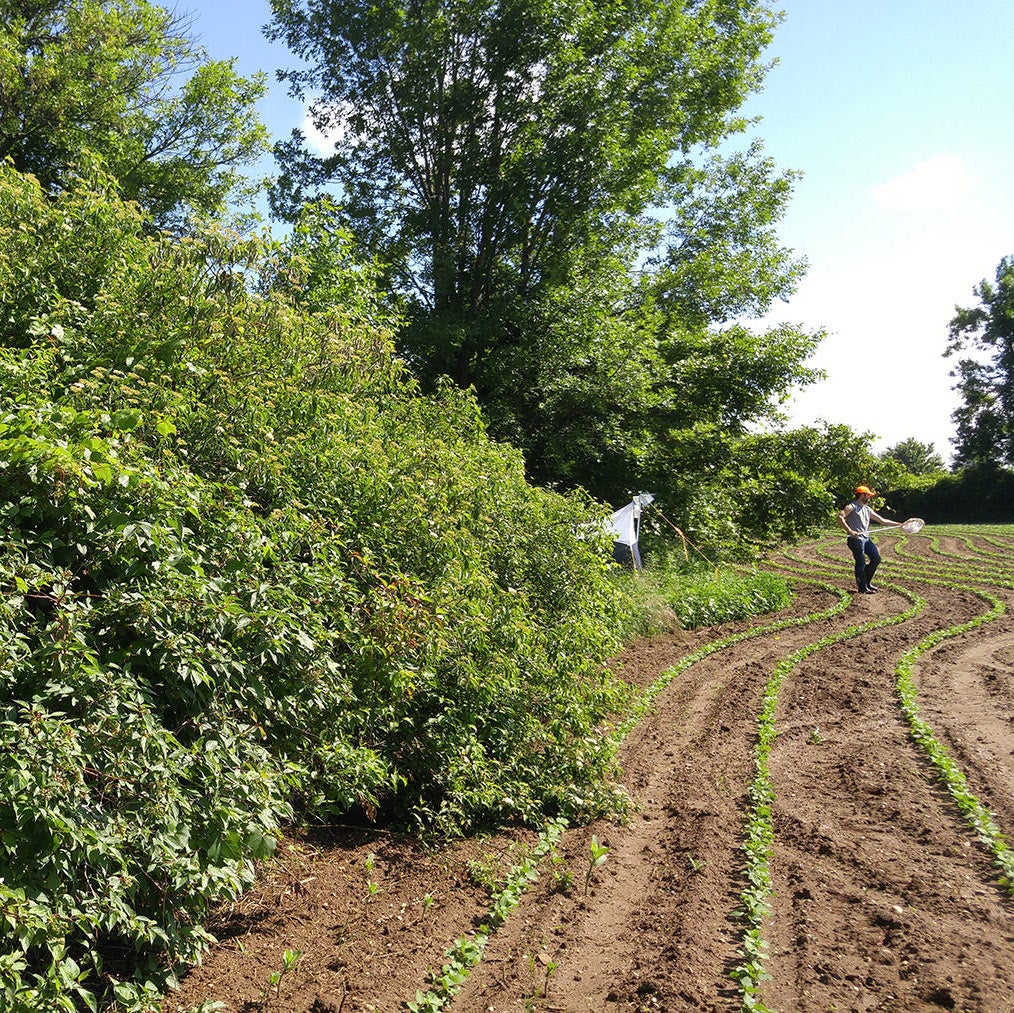
Agricultural landscapes are a mosaic of farmed land and patches of natural habitats - woodlands, meadows, and stream corridors. This research project will help us learn which habitats support the greatest diversity and abundance of wild pollinators. Diversifying wild pollinators on agricultural land is imperative to improve seed quality, encourage cross-pollination, and to reduce our reliance on honey bees for food production. From this work, agricultural policy and programs can be designed to maximize the retention of valuable habitat remnants.
Native Grassland Pollinators in Saskatchewan
This research studies pollinators and grassland birds (and their insect food), in relation to how cattle graze on native grassland. It will help us understand the important role that ranchers play in maintaining biodiversity on native grasslands. For this project, CWF has partnered with the Saskatchewan Stockgrowers Foundation, (SODCAP) South of the Divide Conservation Action Program, the Royal Saskatchewan Museum, Agriculture and Agri-Food Canada, Carleton University, and ranchers of southern Saskatchewan.
Rights-of-Way as Habitat Networks
(Canadian Working Group & Communities of Practice)
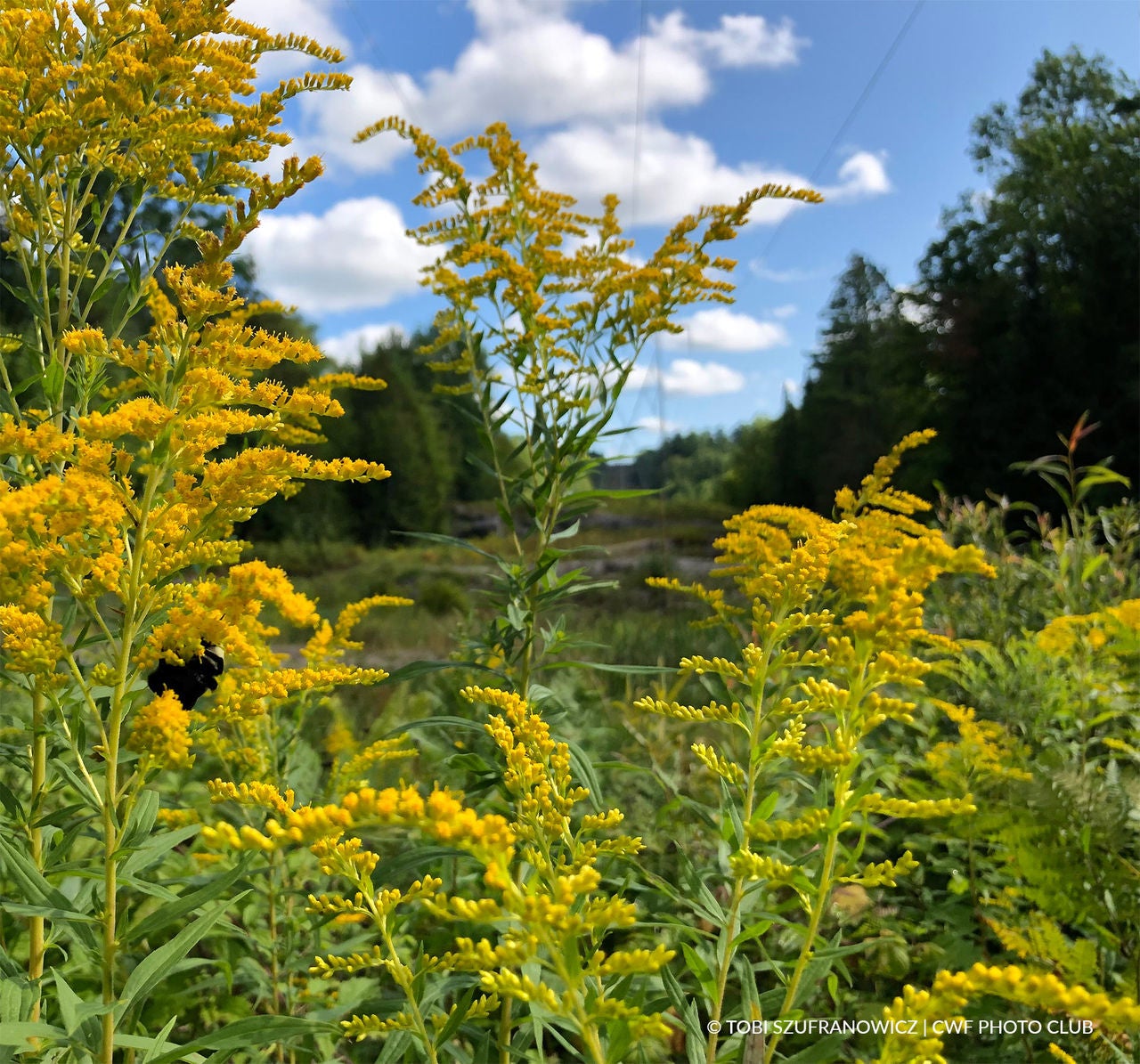
This project creates nectaring and breeding habitat for Monarch Butterflies — an umbrella species for our native pollinators. CWF partners with rights-of-way managers along the Eastern Monarch migratory path to both actively and passively restore native wildflower meadows.
Native Pollinator Habitat Restoration in Ontario
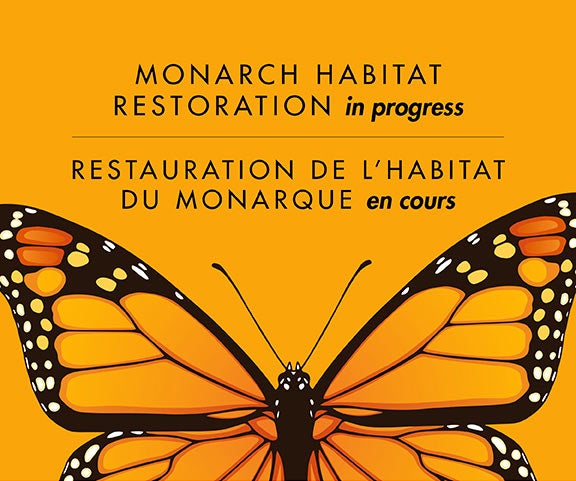
This project, in Southwestern Ontario, creates meadow habitat for Monarch Butterflies - an umbrella species for our native pollinators. CWF sources local native seed, and then partners with other organizations to actively restore wildflower meadows. Lands close to the Great Lake shores are the specific focus for this project, because they are known migration routes for Monarchs.
Canadian Seed Strategy Framework
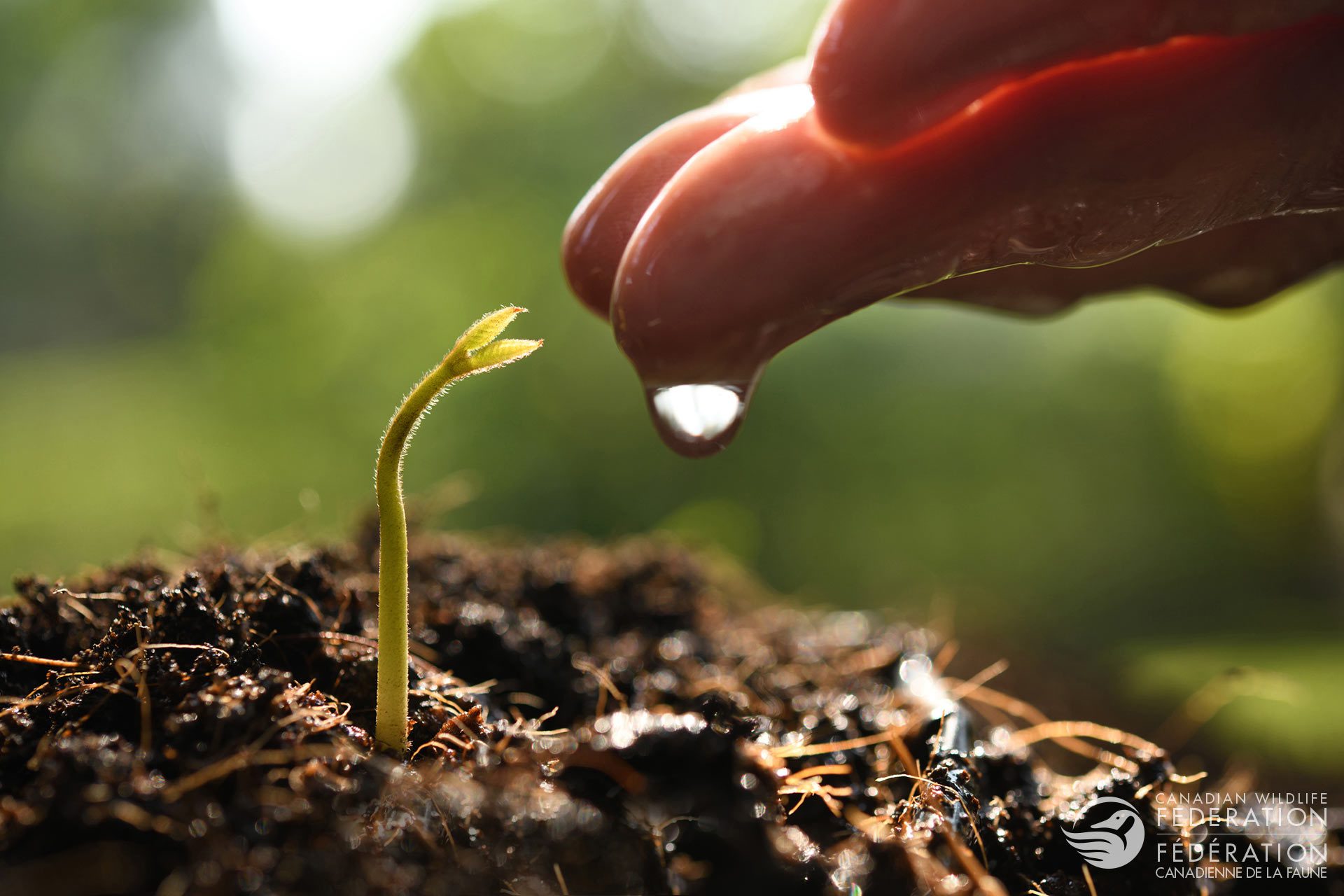
A National Seed Strategy is critically necessary to support a sustainable supply of high-quality native plants (ethical, local, diverse, certified, climate-adaptive) across Canada. As Canadians are progressively interested in nature-based climate solution habit projects, there will be increased demand for native seed and seedlings to do restoration.
Did You Know?

Native Bees
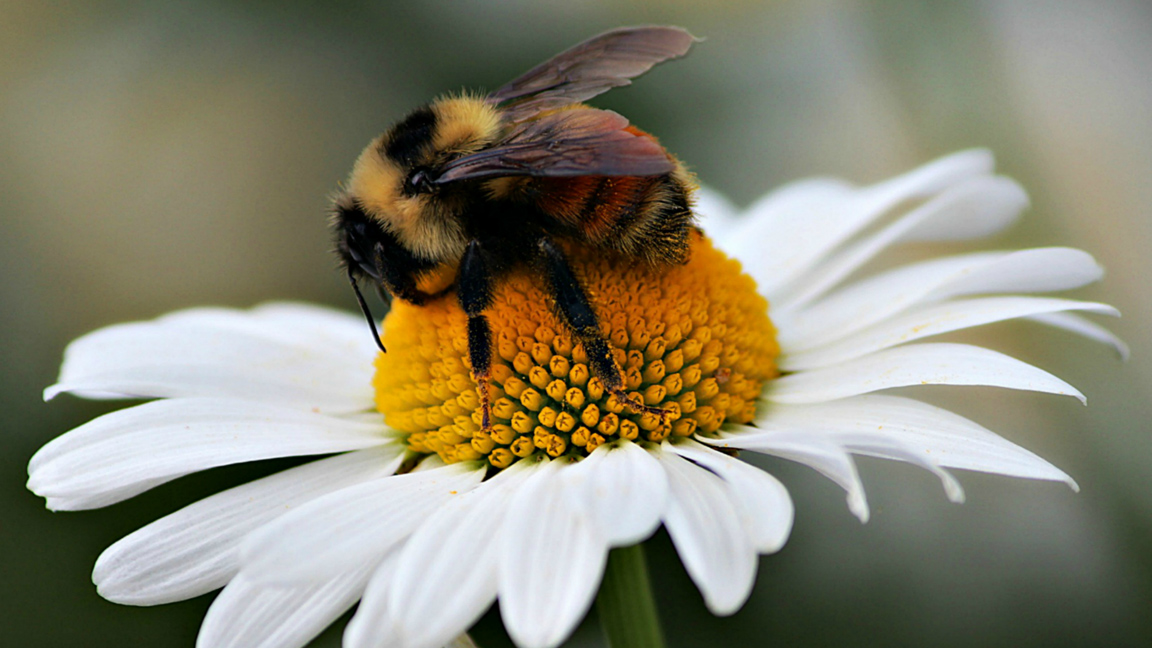
There are over 800 species of native bees in Canada. Most of them are solitary bees, digging burrows and laying their eggs with a food supply of nectar and pollen for the larvae.

Native Flies
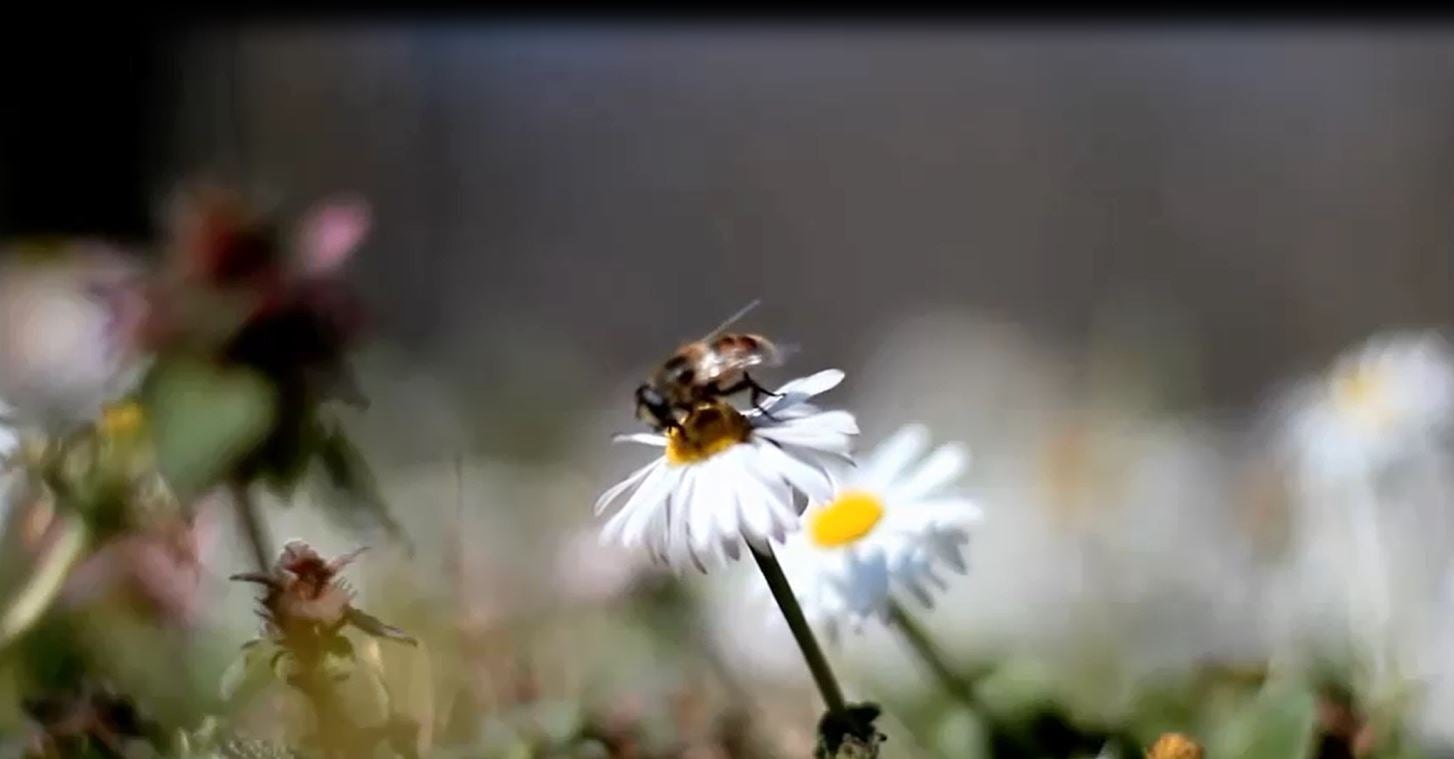
Flies carry out about one-third of pollination services, making them very important to our food and ecosystems. The family Syrphidae (flower flies, hover flies) has over 800 species in continental Canada and USA.

Our Food
Insect pollinators are responsible for the pollination of most of our fruits and vegetables, tree nuts, forage for dairy cows, and coffee. They also improve the yield of soybeans. The economic value of pollination services to agriculture each year is greater than $200 billion USD.
Helping Pollinators in the Garden
Gardens represent a significantly large portion of our country, all of which is within our ability to shape for the better. In fact, some believe that gardeners have the power to tip the scales in the conservation movement. With simple choices in how you plant or maintain your garden, you can make a difference! CWF has been helping Canadians garden in a wildlife-friendly manner, no matter the property size, lifestyle or budget. Learn more about pollinators and help them in your own outdoor space with our programs below.
GARDENING FOR WILDLIFE
This program helps Canadians discover the remarkable wildlife right outside their door, appreciate their importance and have the tools to support them in their own outdoor space. It includes a Wildlife-friendly Demonstration Garden around CWF’s headquarters, posters and handouts, webinars, an online course and a web section with loads of information and resources.
GARDEN HABITAT CERTIFICATION
This program acknowledges the efforts of Canadians who have made wildlife-friendly gardens – of any size, budget or style – with “Wildlife-friendly Habitat” certification. Certified property owners are then eligible to purchase a sign to celebrate your accomplishments, indicate to passer-byers there is purpose to their planting and raise awareness in their community at the same time!
WILD GENERATIONS GARDENING CLUB
This intergenerational program promotes mentorship in gardening for wildlife. The program supports organizations working with youths and seniors with resources to empower them towards enhancing community gardens into wildlife-friendly habitat.
For Educators and Leaders
CWF’s Education department works to support formal educators in the school systems as well as home schoolers and youth leaders. With lesson plans, a pollinator conservation program and a professional development program, CWF supports educators and their youth in discovering, appreciating and supporting our pollinators.
WILD SPACES
This pollinator conservation program for schools aims to connect educators and children to nature and helps protect pollinators through a meaningful learning experience. This program guides teachers to empower elementary students to learn about pollinators, adapt school or community gardens to create pollinator habitat, observe and document pollinators in the garden and share their experiences with others in the program across Canada.
PROJECT WILD
As one component of CWF’s WILD Education professional development program, Project WILD trains educators to become certified instructors with a toolbox of interactive indoor and outdoor activities to engage youth in learning about and taking action for wildlife and the environment. It is based on educational standards, developed by scientists, and reviewed and field-tested by educators. The interdisciplinary WILD guide features 146 complete lesson plans about wildlife and the environment, including some on pollinators, that can each be adapted for any age, grade level or subject.
WILD GENERATIONS GARDENING CLUB
This intergenerational program promotes mentorship in gardening for wildlife. The program supports organizations working with youths and seniors with resources to empower them towards enhancing community gardens into wildlife-friendly habitat.
WILD WEBINARS
BECOME A CITIZEN SCIENTIST
Head to iNaturalist.ca and download your free iNaturalist app. No matter how you connect to nature, use the iNaturalist app in Canada and help us continue to track biodiversity wherever you are. Download Now > Check out our Gardening for Wildlife project where you can share photos of native plants and animals that visit or live in your garden. https://inaturalist.ca/projects/cwf-s-gardening-for-wildlife
Papers & Handouts






Related Resources






Videos
In the News
-
On-demand Gear in the Maritimes
June 22, 2026 - The Canadian Wildlife Federation’s Marine Conservation Science team works to mitigate entanglement risk to large whales.
-
On-demand Gear in the Maritimes
June 22, 2026 - The Canadian Wildlife Federation’s Marine Conservation Science team works to mitigate entanglement risk to large whales.
-
Next Wildlife Video Features… The Banana Slug!
June 10, 2026 - One of the perks of my work is that I get to help choose the wild species we are talking about! We try to show a wide variety of living things from all over Canada. So when my team and I decided we hadn’t been to film in British Columbia’s coastal rainforest is such a long time, I was stoked!
-
Researchers call for more collaboration to stop whale strikes in B.C.
June 2, 2026 - Marine researchers in B.C. say a new collaborative approach to whale sightings being used in part of California could help to prevent whale strikes here too.
-
Unique Calgary fundraiser teaches the joy of reading by having children read to horses
May 31, 2026 - A fundraising event held Saturday north of Calgary combined horses and literacy to raise funds for those who struggle to read.
-
Canada should invest in nature as critical infrastructure
May 31, 2026 - In March, Canadian Prime Minister Mark Carney announced A Force of Nature: Canada’s Strategy to Protect Nature. The government says the strategy will invest $3.8 billion in protecting nature, and aims to “restore critical habitats, ensure industrial strategies complement our conservation efforts, and mobilise new capital for nature.”
Meet The Team