Why Help Wildlife In Your Garden?
As more land is developed for human use, our gardens are needed now more than ever to provide wildlife with habitat that wouldn’t otherwise be there. Every wildlife-friendly garden is a haven that can act as a stepping stone between larger areas of natural habitat. In turn, these animals play a critical role in our own survival, from pollinators that help provide fruits and vegetables to cavity nesting birds which keep mice and insects under control.
When you welcome songbirds, butterflies, bees and other animals to the gardens surrounding your home, cottage, business, school or community garden, you are supporting them with much needed habitat. Anyone with a garden, be it a patio or acres of land, has an amazing opportunity to help our local and migratory wildlife and to enjoy the benefits and beauty they bring. The best part is it can be as simple as you like and suited to any lifestyle, budget or space.
Goal of the Program
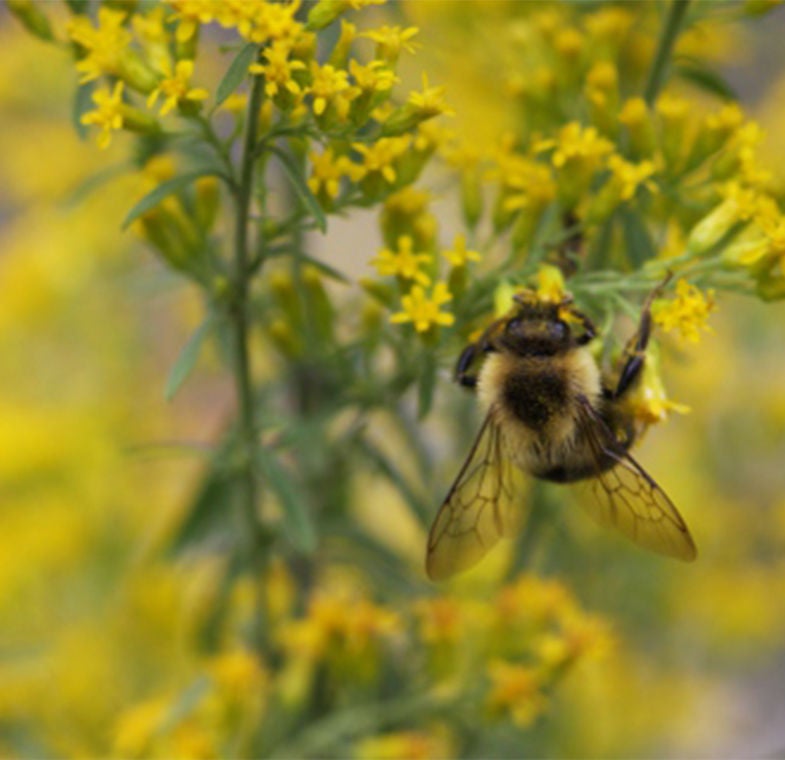
CWF’s Gardening for Wildlife program encourages Canadians to get outside and transform home, school and community gardens into wildlife-friendly habitat. Participants are supported with resources and information on making their gardens suitable for wildlife, can contribute to citizen science when they document garden visitors through iNaturalist and have the support of an online community where they can learn and share. Those who certify their wildlife-friendly gardens receive official recognition from CWF and will motivate others to take action, as they are added to a map of certified properties.
Videos
In the News
-
Municipal bylaw reform needed for biodiversity and community wellbeing
July 22, 2024 - Today, a group of conservationists published an open letter to Canadian municipalities urging municipal bylaw reforms to support development of habitat gardens: places where pollinator-supporting native plants replace traditional, non-native turfgrass. The group consists of the Canadian Society of Landscape Architects, Canadian Wildlife Federation, David Suzuki Foundation, Ecological Design Lab at Toronto Metropolitan University and author and environmental advocate Lorraine Johnson.
-
Futuristic Home Built Like an Industrial Steel Silo
October 22, 2024 - Set on 5 acres, the home is surrounded by wild nature that both complements and contrasts with the high-design environment inside. The land is certified as a Wildlife Friendly Habitat by the Canadian Wildlife Federation, meaning it offers natural sustenance and shelter to local fauna. Along with winding trails and lush forests, the property boasts blooms including sumac, raspberries, and varieties of local wildflowers.
-
Freedom to bee messy: the push to change lawn laws
July 23, 2024 - Municipalities have the power to help pollinator-friendly gardens flourish — but first, they need to nix restrictive bylaws, environmental groups say.
-
Municipal bylaw reform needed for biodiversity and community wellbeing
July 22, 2024 - Today, a group of conservationists published an open letter to Canadian municipalities urging municipal bylaw reforms to support development of habitat gardens: places where pollinator-supporting native plants replace traditional, non-native turfgrass. The group consists of the Canadian Society of Landscape Architects, Canadian Wildlife Federation, David Suzuki Foundation, Ecological Design Lab at Toronto Metropolitan University and author and environmental advocate Lorraine Johnson.
-
Intergenerational Gardening Blooms at Bruyère Village in Orleans
June 8, 2022 - The Canadian Wildlife Federation (CWF) has received funding in part from the Government of Canada’s New Horizons for Seniors Program. The funds will be used to create a WILD Generations Gardening Club pairing tenants of Bruyère Village with Grade 8 students at Terry Fox Elementary School, Orleans, Ont.
-
CWF and Olde Forge Community Centre Create Conservation Garden
June 8, 2022 - The Canadian Wildlife Federation (CWF) has received funding in part from the Government of Canada’s New Horizons for Seniors Program. The funds will be used to create a conservation garden at Olde Forge Community Resource Centre in Ottawa.
What You Can Do






Did You Know?
57% of Canadians are gardening. They grew herbs, vegetables and other flowering plants for at home use in 2013.
Over 80% of the Canadian population lives in urban areas. In these urban settings, gardens are among the most significant places where people interact with nature. Feeling connected to nature is important and the mental and physical health benefits are well established.
Hummingbirds need 20% protein in their diet which they get from spiders and insects.
Wildlife-friendly Gardening
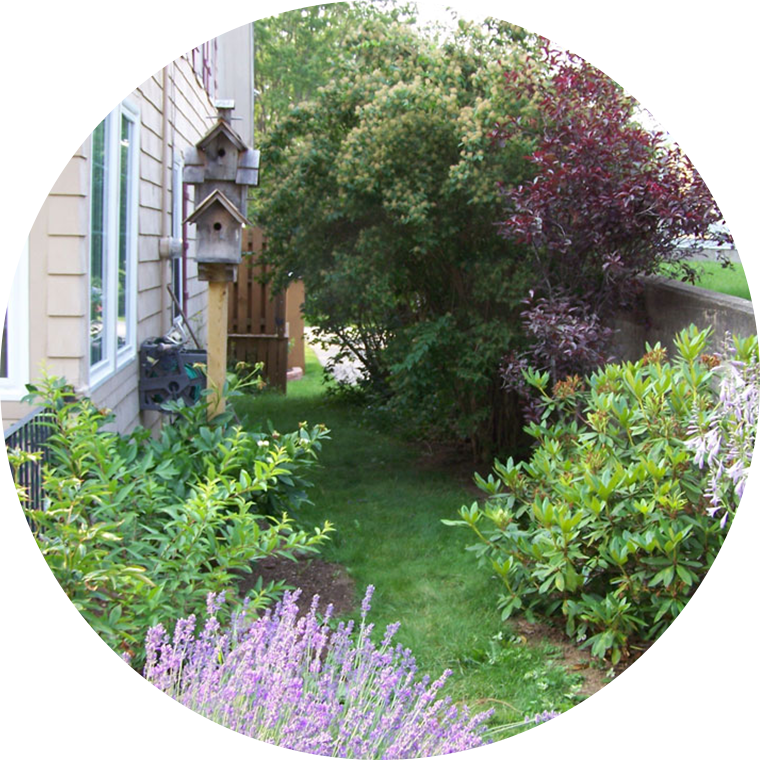
Learn the basics for gardening for wildlife, as well as earth-friendly tips and suggestions.
Plants
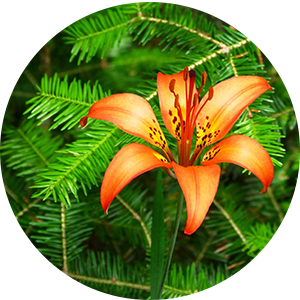
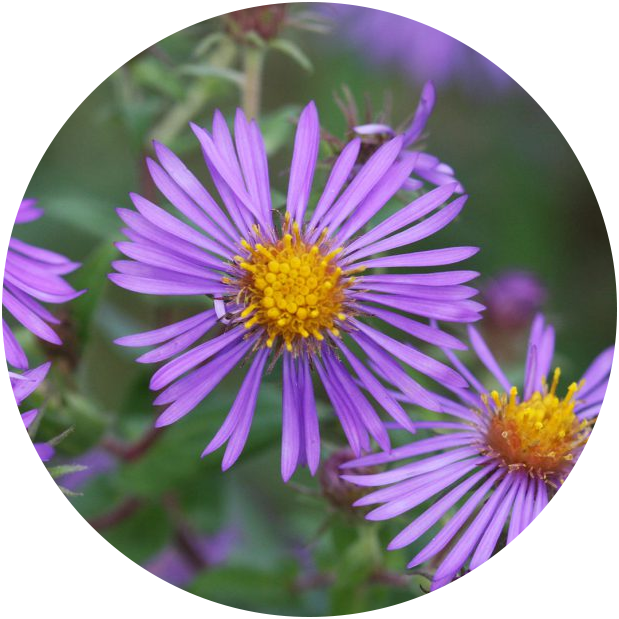
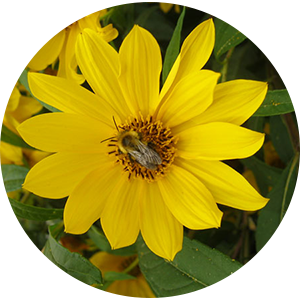
Why choose native plants, where to buy them, identification tools and more!
Animals
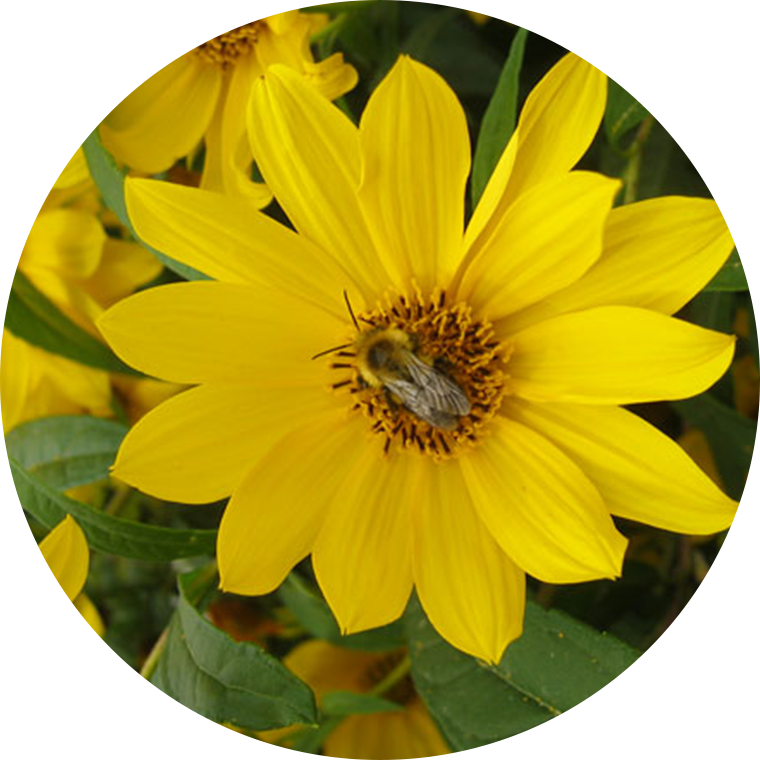
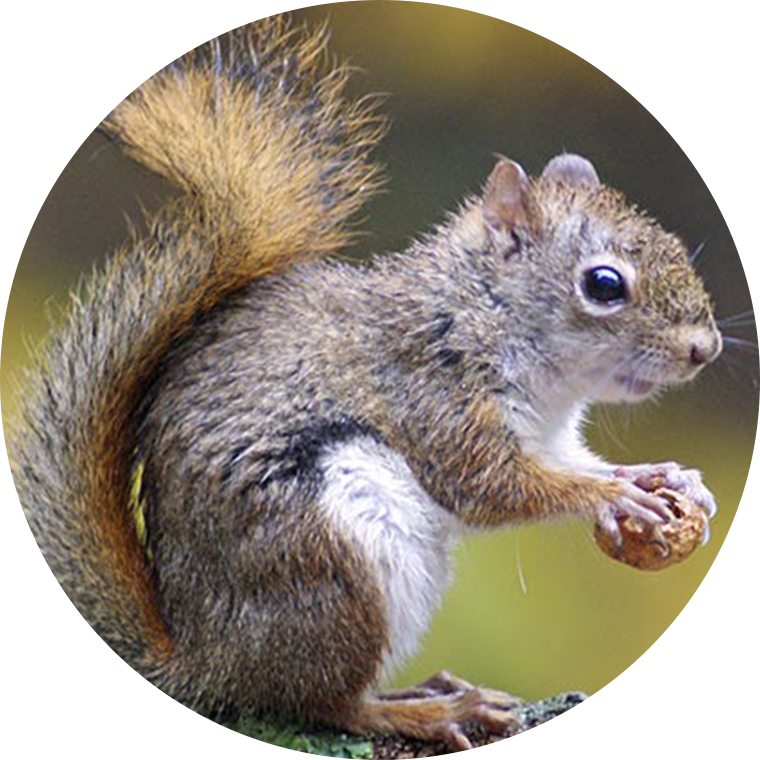
What are beneficial insects? Which small mammals am I most likely to see in my garden? Find this and more.
Gardening Tips & Tools
Get gardening resources here! Design & planning for a garden can be tricky work. Find helpful advice as well as tips on gardening in small spaces, zone maps, how-tos and even demonstration gardens!

Sign Up for Timely Articles and Tips
Our e-newsletter Grow Wild features Canadian animals and plants as well as some edible plants and how to grow them in harmony with nature. It also provides tips, project ideas or family crafts suited to that season as well as sharing photos of wildlife-friendly gardens across the country. Sign up to join over 20,000 readers in this gardening community.
Blogs
 Little Green Sprouts – 3 Toddler-friendly Gardening Projects
Gardens provide a wonderful environment for children to explore, learn and play. By gardening together as a family, you can plant the seed of a life-long love of nature, while reaping the many health benefits of being outside!… Read
Meet The Team
Carole Wheatley, Sarah Coulber and Eneze Baye-Imerion work to ensure that Canadians have the resources and support they need to easily and enjoyably create wildlife-friendly habitat in their gardens.

Learn More

- 0
- 1
- 2
- 3
- 4