


Background
For hundreds of years, farmers have provided grassland birds with important habitat and these birds have provided the service of consuming crop pests. This is a partnership we would like to see continue in perpetuity. The Canadian Wildlife Federation is working to ensure sustainability for producers and for grassland birds.
Grassland bird populations have declined by approximately 67% since the 1970s. In Quebec, about 15 species of farmland birds are now considered at risk. The Canadian Wildlife Federation (CWF) is working collaboratively with beef, lamb and hay producers to develop best practices to support these grassland birds, many of which nest on the ground, such as the Bobolink and Eastern Meadowlark.
Agricultural producers using best practices on the land are key to promoting the recovery of grassland bird populations and their habitats. In addition, beneficial insects will also benefit from this strategy, which encourages farmers to delay haying to give the grassland bird populations the best chance of survival. Other options include practicing rotational grazing, creating refuge plots in less productive pasture sections or installing a flushing bar during mowing operations to reduce bird mortality .
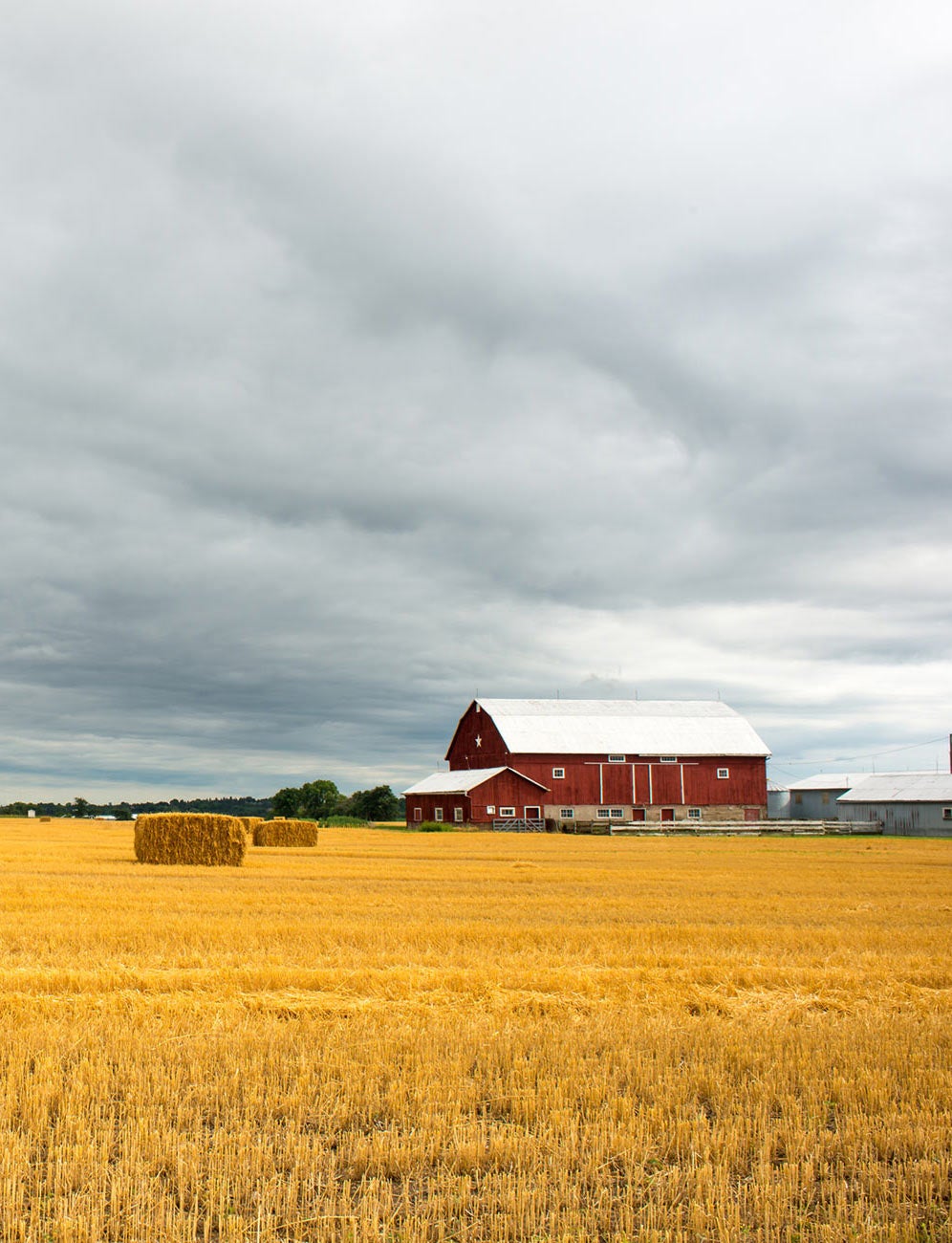
Program Goal
To help recover declining populations of grassland birds on farms producing hay.
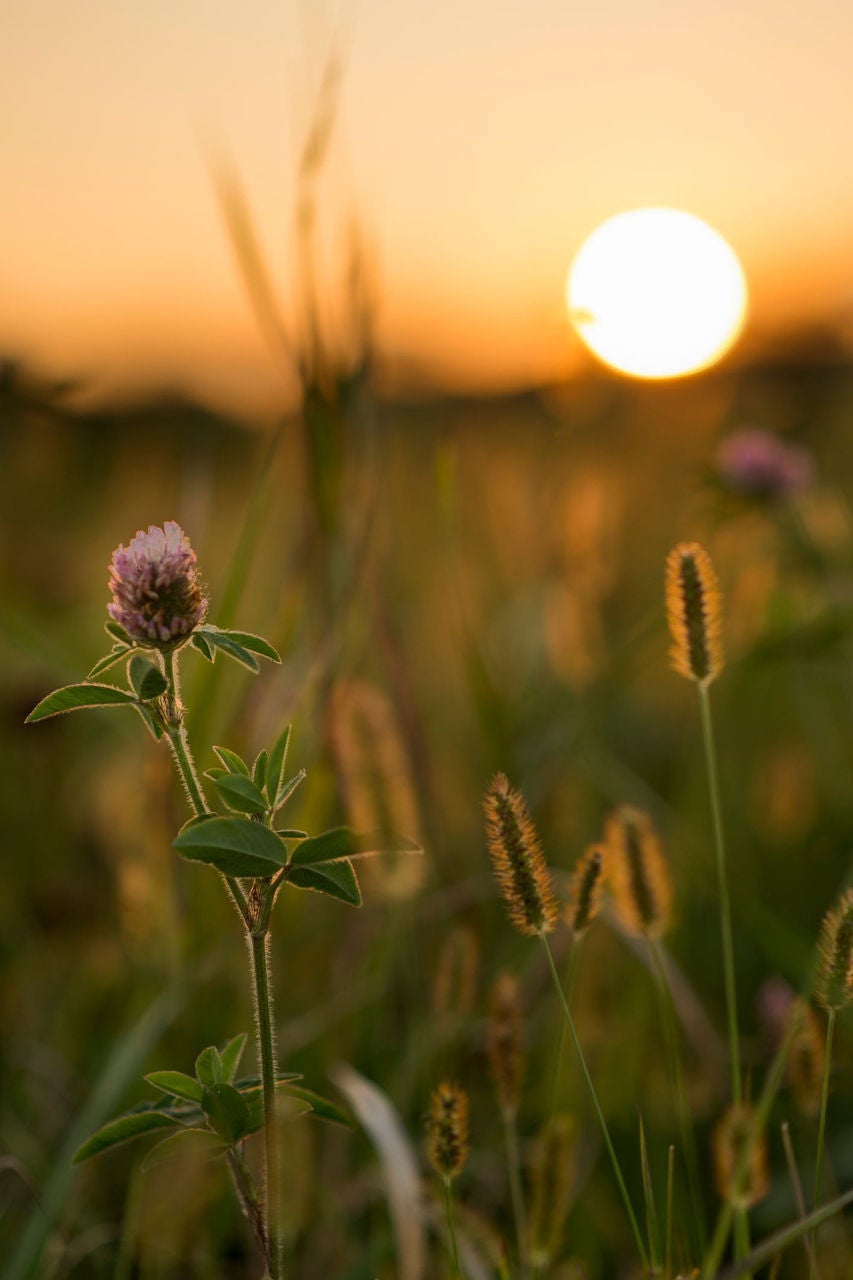
HISTORY: With the support of Environment and Climate Change Canada and the Fondation de la faune du Quebec, CWF launched a project in June of 2019 in the Outaouais region of Quebec. This project will also help producers in other areas of the country to apply good conservation practices which increase biodiversity and sustainability. Phase One of the project includes 20 Outaouais beef, lamb and hay producer partners. Each participant received a landowner guidebook with recommendations tailored to the individual farm operation that were developed collaboratively with CWF staff and the producer. We thank each producer for their partnership on this project.
FUTURE: CWF is gathering information about how voluntary and low-cost best practices could be applied to increase the quality of grassland bird habitat. Food consumers are increasingly willing to buy meat products that come from producers who respect the protection of the environment. While there are many challenges and opportunities in this niche market, pasturelands and hayfields are home to millions of grassland birds that nest only in these environments.
This project was undertaken with the financial support of the Government of Canada through the federal Department of Environment and Climate Change. This project was also supported by of Fondation de la Faune du Quebec and the Captain Richard Lloyd Bird Conservation Program.
About These Birds
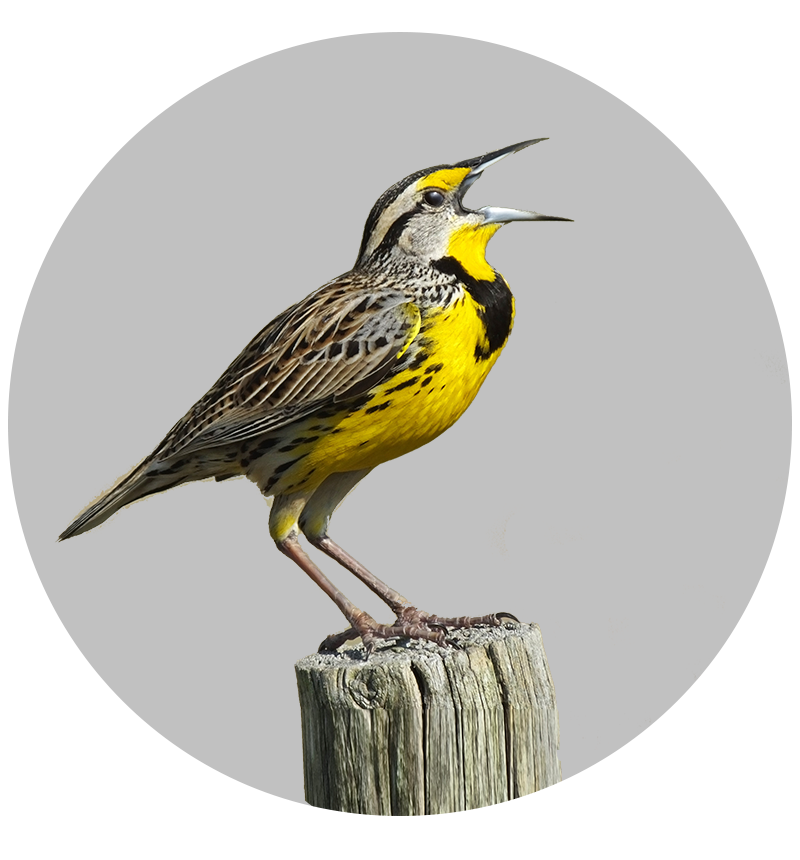
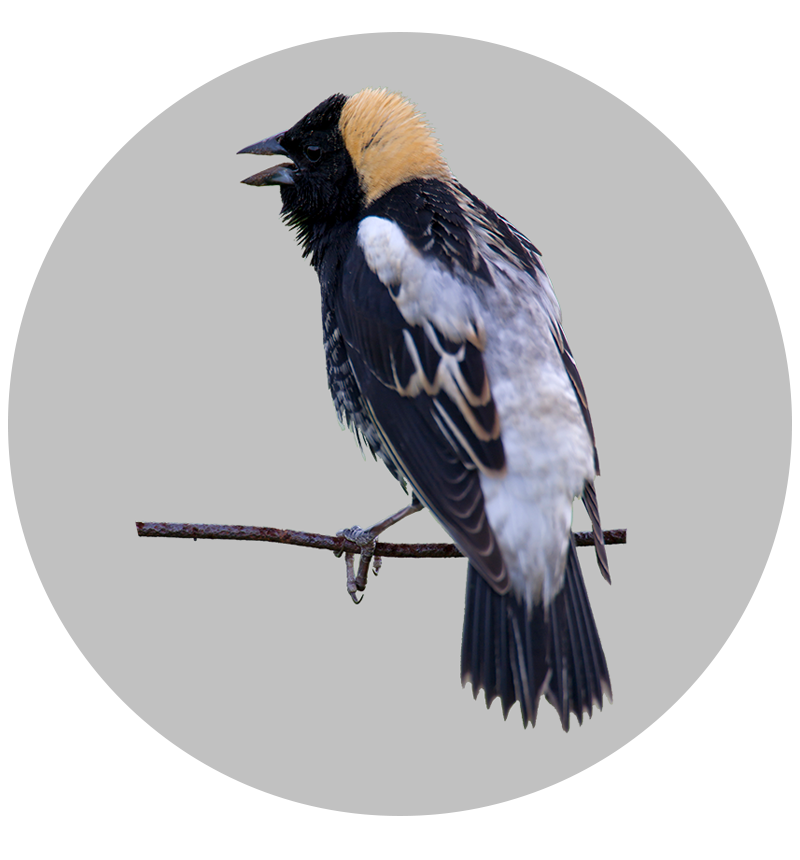
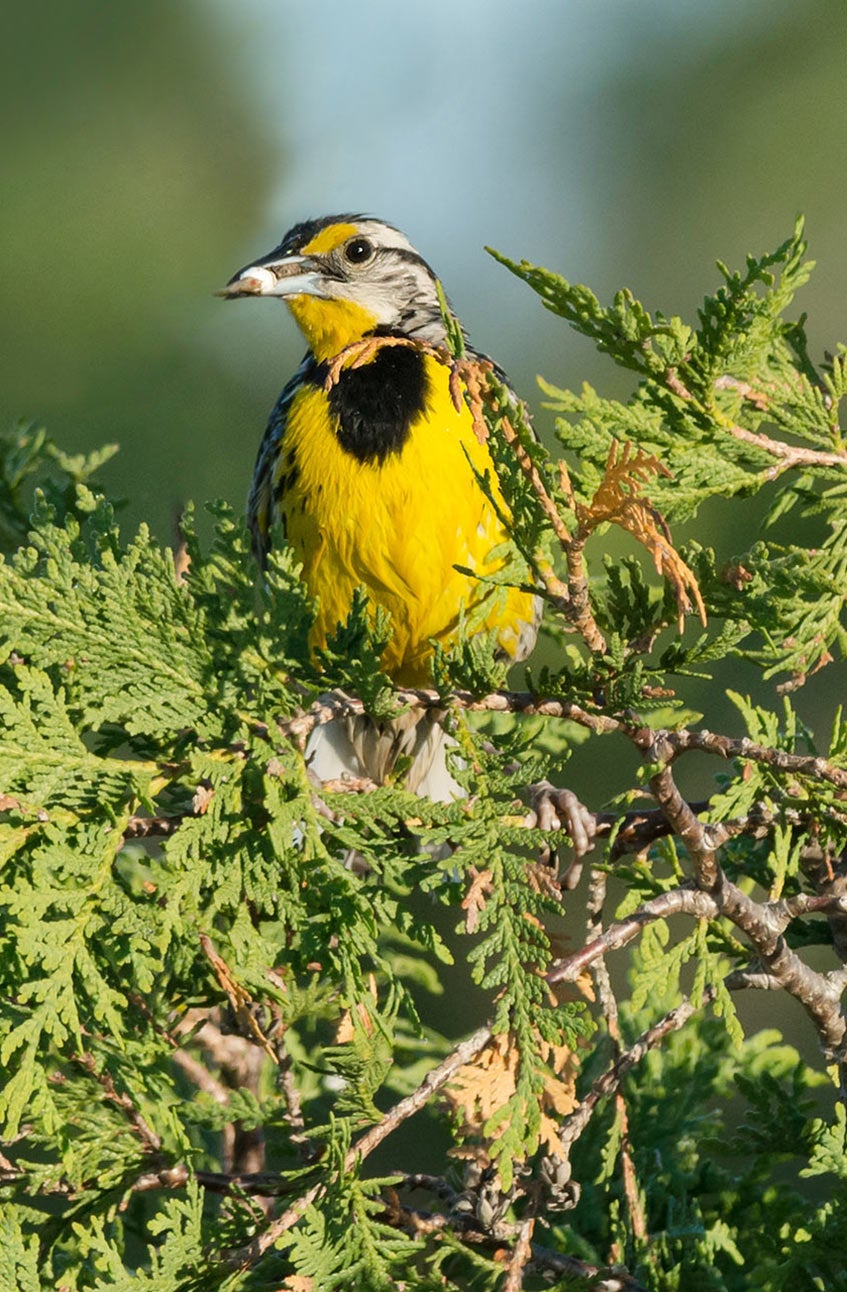
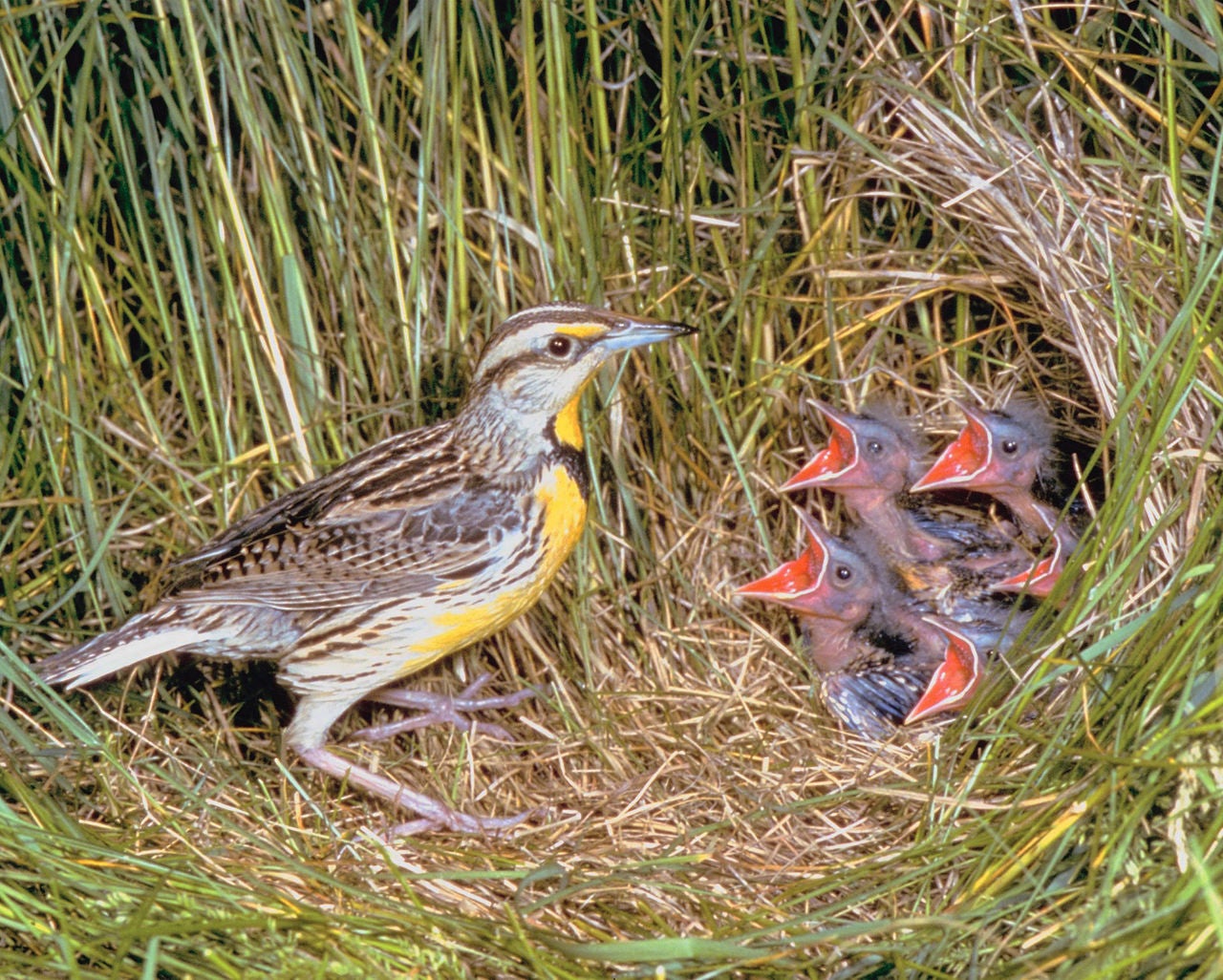
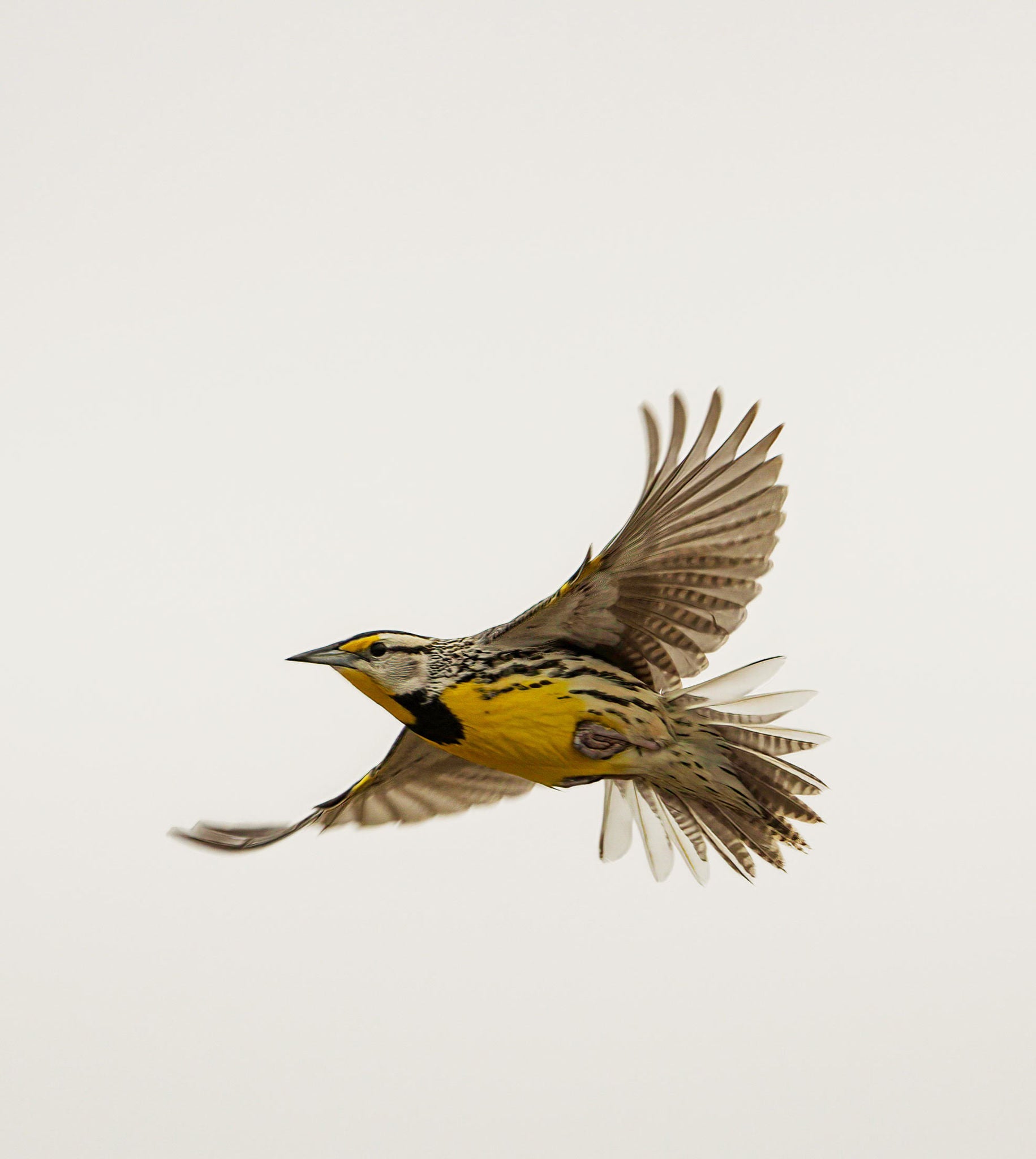
Eastern Meadowlark (Sturnella magma)
Identification
The Eastern Meadowlark is a songbird in the Icteridae family that includes several "black birds" such as the Red-wing Blackbird and Grackle. It has a relatively long, pointed beak and a short tail, but is mostly recognizable by its bright yellow belly marked with a black “V” in the middle of the chest. The males and females have identical plumage. It is most often detected by its melodious, soft singing that is heard from afar.
Conservation Status
The Eastern Meadowlark is listed as Threatened by the federal government. The main causes of population decline include:
- Habitat loss on the breeding grounds caused by large-scale conversion of forage crops to annual crops
- Mortality from early haying operations that destroy nests and kill adults
- A high rate of nest predation
- Overgrazing by livestock
- Mortality due to pesticide use on the breeding and wintering grounds
- Brown-headed Cowbird nest parasitism
Habitat
Like the Bobolink, the Eastern Meadowlark expanded its range in eastern Canada following the conversion of forests to agricultural grasslands with European colonization. The Eastern Meadowlark nests mainly in pastures. The species is said to be “sensitive to the area of its habitat” because it requires much larger grassland areas than the five hectare territory protected by a nesting pair. Meadowlark avoid nesting in row crops such as corn and soybeans and prefer short grasslands such as pasturelands or hayfields where there is good litter cover of dead grass from past years. Grasslands with too much alfalfa are generally avoided by this species.
Fall migration typically occurs starting in late September and can last until the second week of November. This species overwinters in the United States and Central America.
Diet
The Eastern Meadowlark forages for insects by walking on the ground in grasslands. Its diet typically consists of grasshoppers and crickets, but also larvae of several moths harmful to agriculture called "cutworms". In fall and winter, it mainly feeds on threshed grain remaining in fields.
Nesting
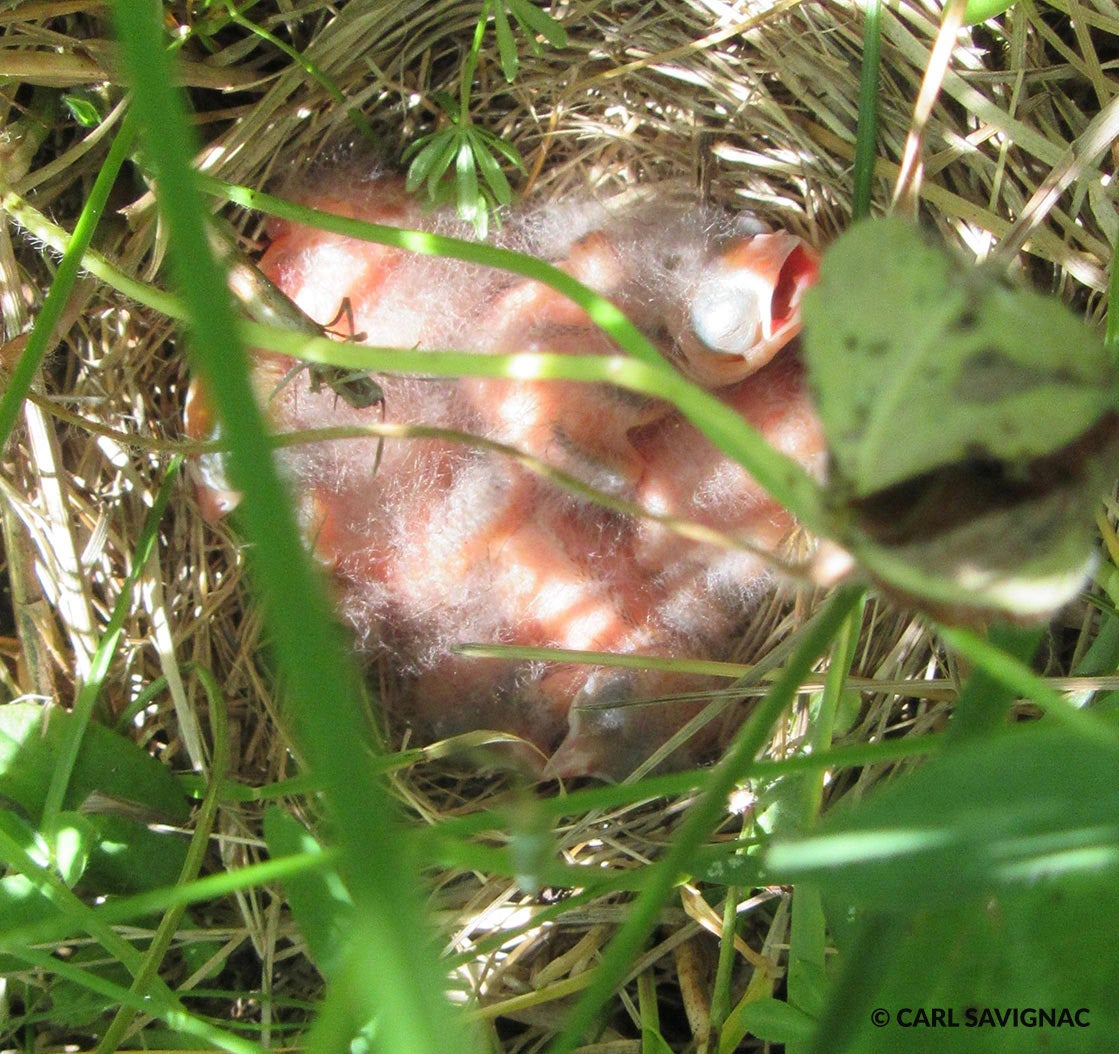
The nest is built directly on the ground. Nestlings stay in the nest for 10 to 12 days. Fledglings continue to be fed by adults for at least another two weeks. Fledglings are vulnerable to mortality from hay cutting equipment until mid-July. The Eastern Meadowlark is known to be very sensitive to human disturbance during the incubation period and will not hesitate to abandon its brood when disturbed. This species will attempt to nest again following nest abandonment.
Conservation Best Practices
Livestock producers who practice rotational grazing or low-density grazing support the Eastern Meadowlark. Maintaining grass at 15 to 30 centimetres high until mid-July is the best practice for this species.
Bobolink (Dolichonyx oryzivorus)
Identification
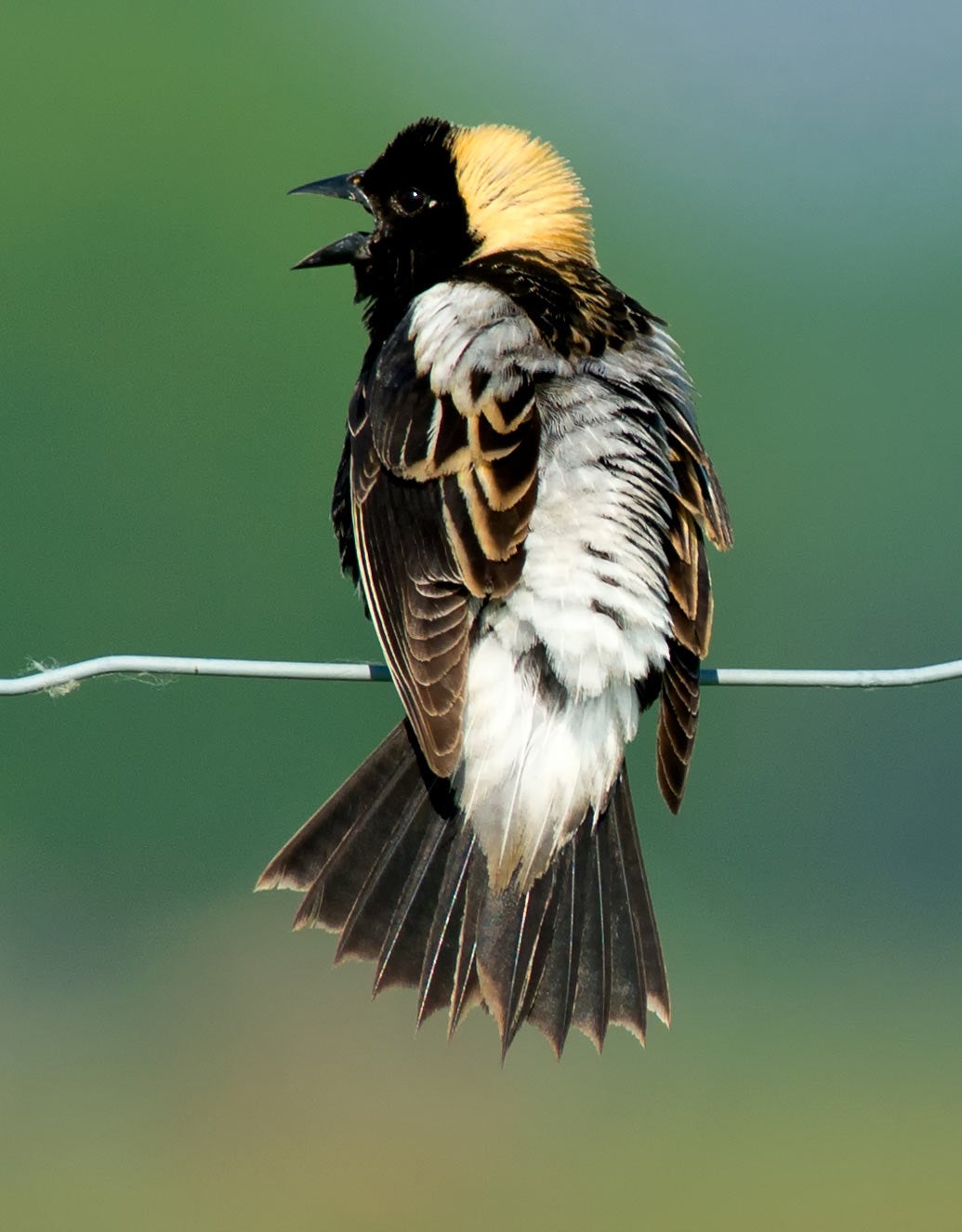
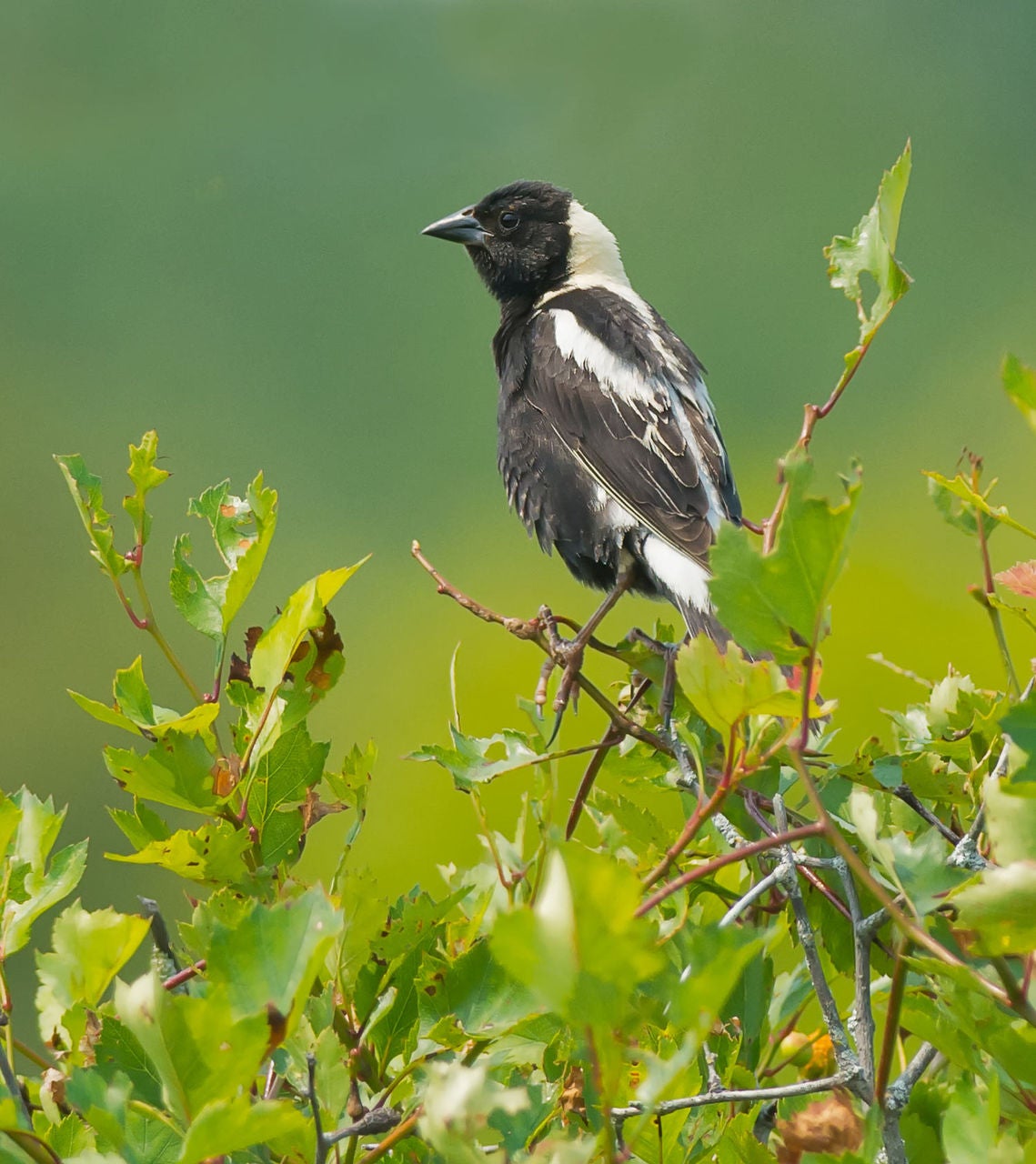
The male Bobolink is a beautiful bird, slightly smaller than an American Robin, and is easily recognizable by its almost entirely black plumage on the front, the creamy yellow nape and white sections on the upper wings and back. Females are light beige streaked with brown. The Bobolink has a cone-shaped beak and a stiff tail of feathers with a pointed tip. The male sings a bubbly, rambling song as it perches on shrubs or trees along fencerows or while flying low over hay fields. This species is part of the same group that includes other black birds such as Red-wing Blackbirds and Grackles.
Conservation Status
The Bobolink is listed as a Threatened species by the federal government. The main causes of the decline in Bobolink populations include:
- Mortality from early haying operations that destroy nests and kill adults
- Habitat loss caused by the conversion of forage crops to annual crops
- Habitat fragmentation, which causes higher rates of nest predation
- Pesticide use on breeding and wintering grounds
Habitat
Before European colonization, the Bobolink was considered a species of the North American Great Plains. Its range expanded as forests were converted to agricultural fields in this region by settlers. In eastern Canada, the Bobolink is found primarily in large hay fields. This species avoids nesting in pastures, annual crop fields, and fields less than five hectares in size.
Diet
The Bobolink nests and rears its young in its northern range, including Canada. During the nesting season, Bobolink feed mainly on insects found by walking on the ground and along the stems of herbaceous plants. Several of these insect species are considered harmful to agriculture. By late summer, the Bobolink migrates to South America, where it overwinters.
Nesting
This is a bird highly faithful to its nesting site. It returns every spring to nest in the same meadow, even if the previous nesting season was unsuccessful. Females build nests on the ground.
Bobolink s generally avoid nesting within 50 to75 metres from the edge of mature woodlands and high traffic roads, probably to reduce the risk of nest predation by predators such as the American Crow, Red Fox, Skunk and Raccoon. Nests can also be found on field edges where tallgrass and dense shrubs are present, such as fence lines, as they provide singing perches for males.
Following hatching, the nestlings are fed by both parents for about 11 days. When they leave the nest, fledglings are fed by their parents for another 25 days. During the first few weeks after fledging, young birds can only fly very short distances but after this period they can sustain flights of 200 metres. The nestlings and fledglings are therefore vulnerable to mortality from hay cutting machinery for at least 25 days, between the third week of May until mid-July.
Conservation Best Practices
Livestock or hay producers can support the Bobolink by delaying hay cutting until July 15. If hay cutting cannot be delayed, the outer half of the field can be cut, leaving an inner reserve (where most birds will nest) until July 15. Producers that must cut their hay before July 15 and cannot leave a reserve, can reduce the number of birds killed by the mower by driving very slowly – 10 kilometres per hour, cutting inside to outside and using a flushing bar.
Did You Know?

67%
Grassland bird populations have declined by approximately 67% since the 1970s.

20,000 km
The Bobolink makes a trans-equatorial migration of about 20,000 km. This is one of the longest annual migrations of any New World songbirds.

50 million
More than 50 million acres of grassland, pasture and hay exist in Canada.
In the News
-
Newsletters
May 8, 2026 - CWF’s publications urge Canadians to make a connection with wildlife in their everyday lives.
-
Newsletters
May 8, 2026 - CWF’s publications urge Canadians to make a connection with wildlife in their everyday lives.
-
Welcome Back, Monarchs!
May 8, 2026 - The Monarch Butterflies are back after a long winter in Mexico!
-
B.C. Ferries alters Northern Expedition schedule amid efforts to avoid hitting humpback whales
April 21, 2026 - B.C. Ferries says it is altering the timing of one of its main routes in northern B.C. in an effort to avoid hitting humpback whales.
-
Volunteers Are What Makes Wildlife Organizations Work
April 21, 2026 - International Volunteer Year (IVY) 2026 is the United Nations’ (UN) call to celebrate all that our volunteers achieve.
-
Electric ferry aims to reduce underwater noise, but threats still remain for humpbacks in B.C.
April 20, 2026 - A company out of Victoria, B.C., has created technology that can detect marine mammals and is piloting it on a new electric passenger ferry.
Next Steps

Food consumer
Support local producers whom you know to be using best practices to support biodiversity.
Horse Owner and/or Hay Purchaser:
Support hay producers who use best practices for grassland birds.

Photographer
Post your photos of Bobolinks, Meadowlarks, Barn Swallow and other farmland wildlife to iNaturalist.ca or submit them to the CWF photo contest.

Program Lead
Carolyn Callaghan, PhD
CWF Senior Conservation Biologist, Terrestrial Wildlife
Carolyn Callaghan is a member of the National Environmental Farm Plan Committee, designed to develop and propose a National Environmental Farm Plan for Canada (currently each province has its own Environmental farm Plan and there is no consistent approach).
“Beneficial grazing and hay production on public and private lands is critical for the maintenance of grassland bird habitat in Canada. CWF works collaboratively with producers and industry to encourage best practices to support these birds and other species at risk”
Sign Up for Timely Articles and Tips
Reports, Posters & Papers
Blogs
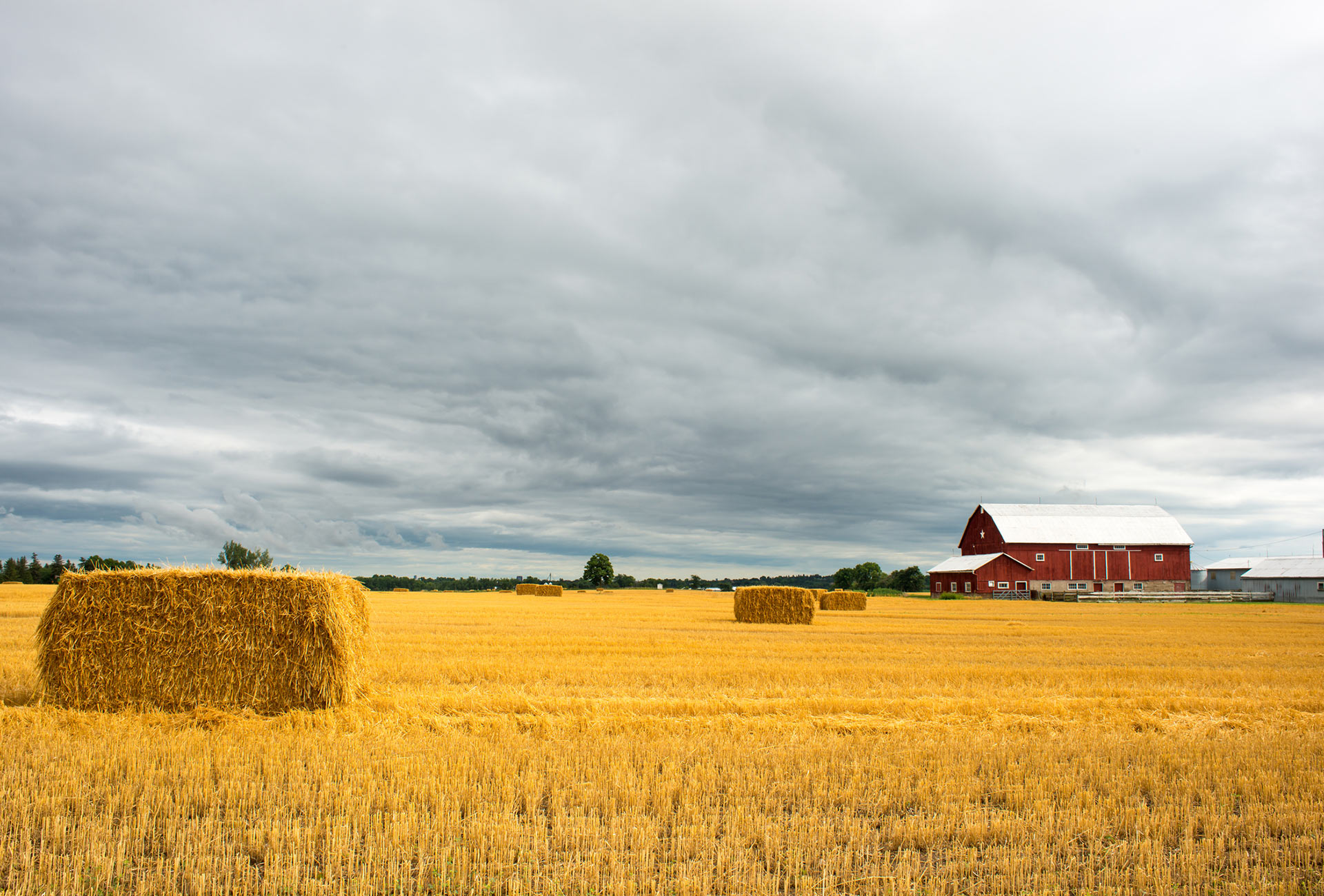 Wild About Farming
Agricultural Land is Home to Hundreds of Wild Species. You can have a hay day learning about all the wildlife on agricultural woodlands, wetlands and pasturelands. There are 313… Read

Learn More
- 0
- 1