




-
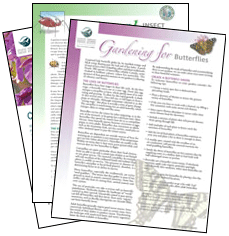 Guides, Infographics & Posters
Guides, Infographics & Posters
Take a closer look at the ways in which we’ll help you access the facts about wildlife. Whether it’s discovering the Hinterland Who’s Who animal fact sheets, or ordering our handy field guide to Canada’s prevalent shoreline species. This content is available to our CWF Supporters and online members. Please sign in to order your free materials.
More -
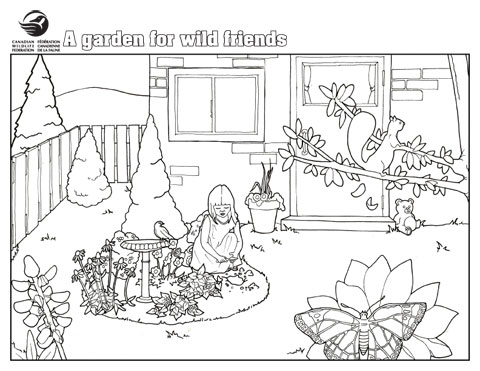
-
Wildlife E-cards
Wildlife E-cards
Send Dad a wildlife e-card! You cherish our wonderful wildlife and now you can send e-greetings that reflect your love of nature. We have developed a wide array of wildlife ecards for every occasion for you to share with your family and friends!
More -
 CWF Wallpapers
CWF Wallpapers
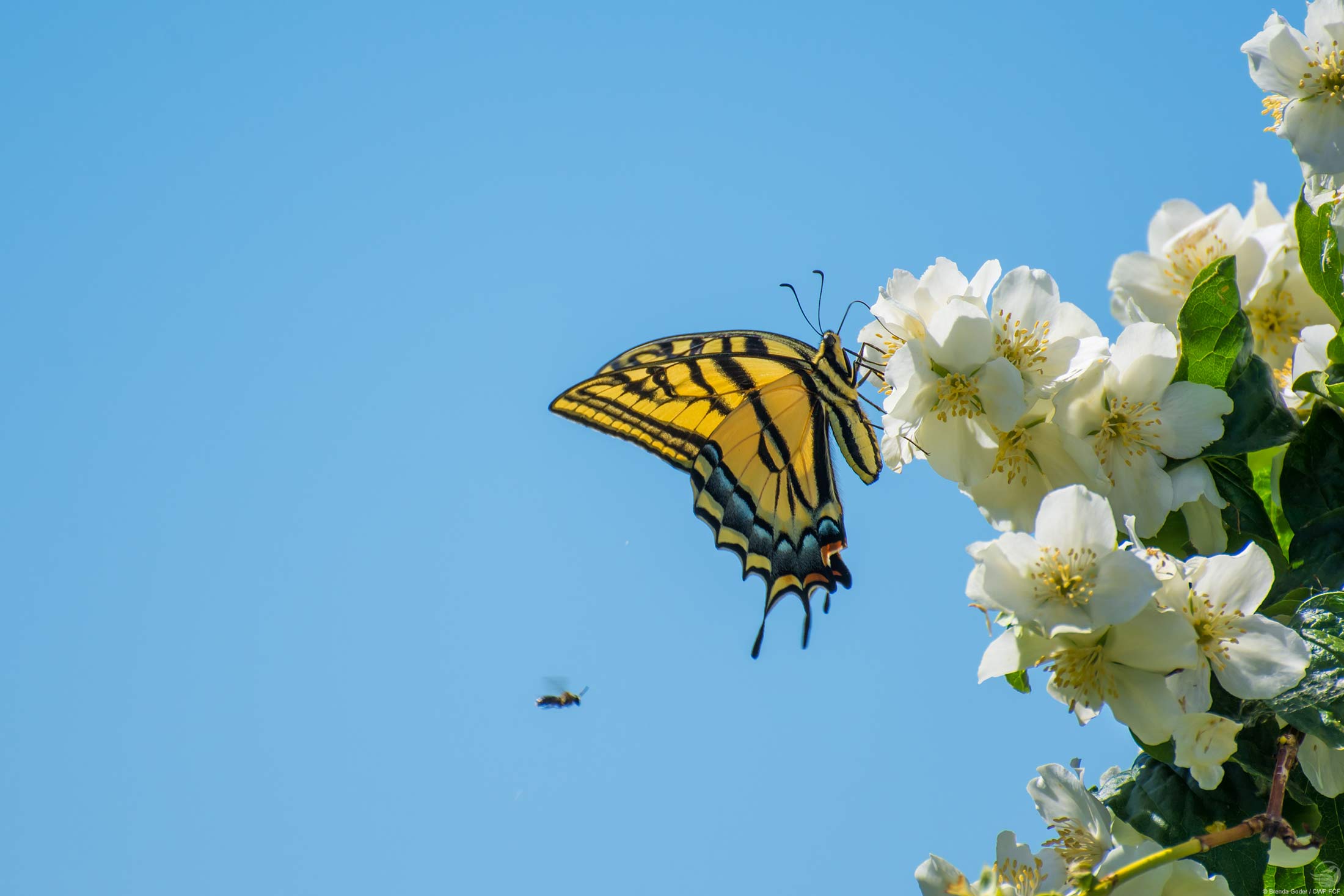
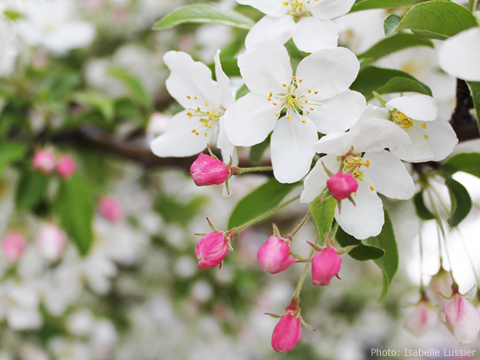
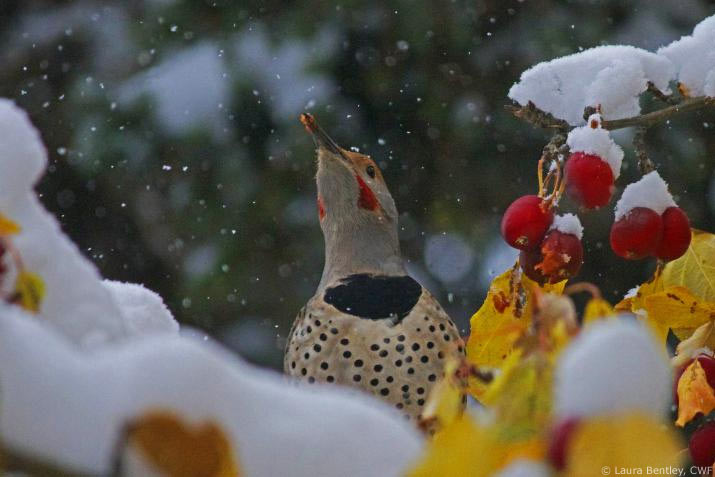
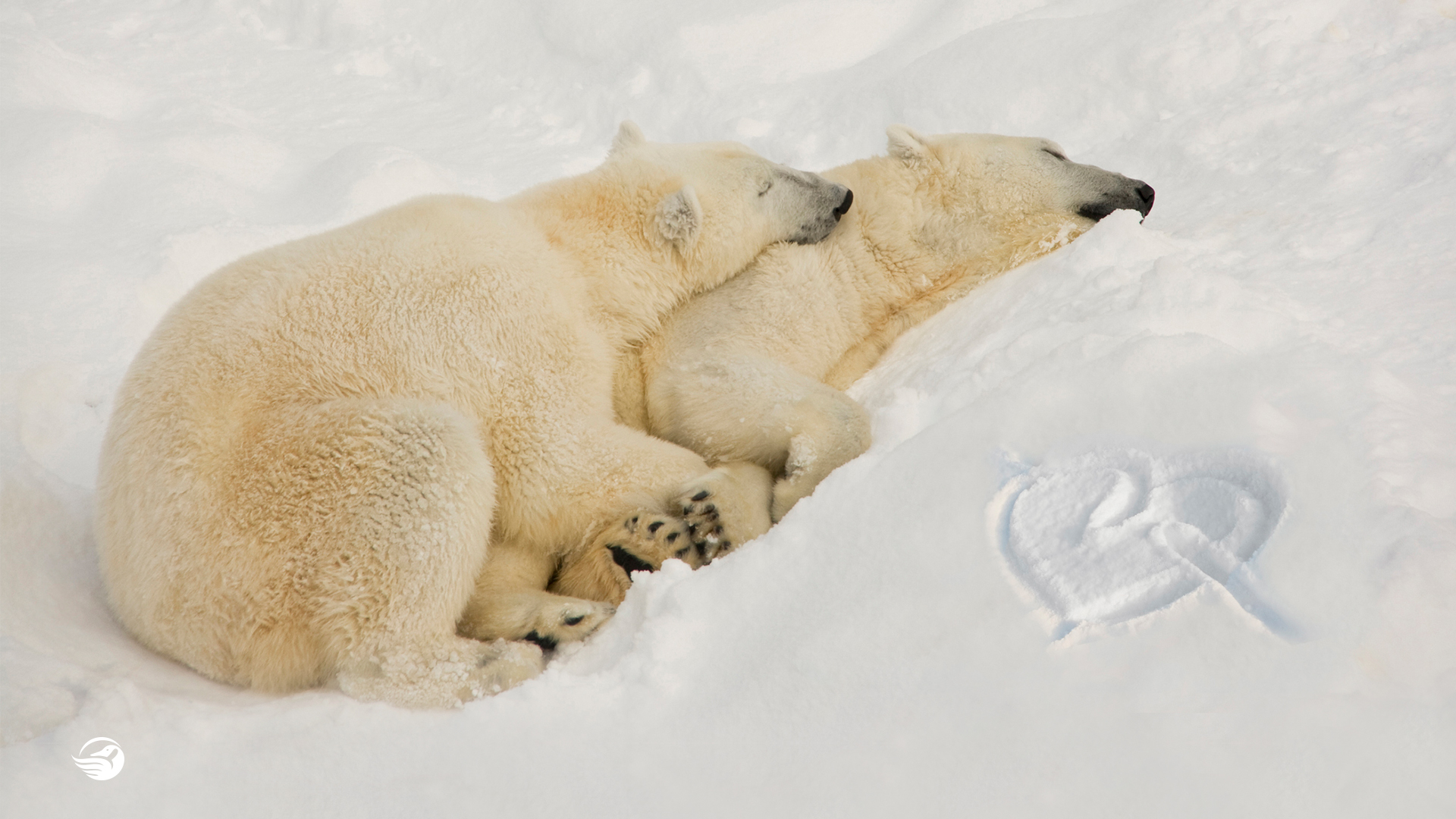
Your desktop is the perfect habitat for this wild wallpaper. Download CWF wallpapers!
More -
 WILD Webinars
WILD Webinars
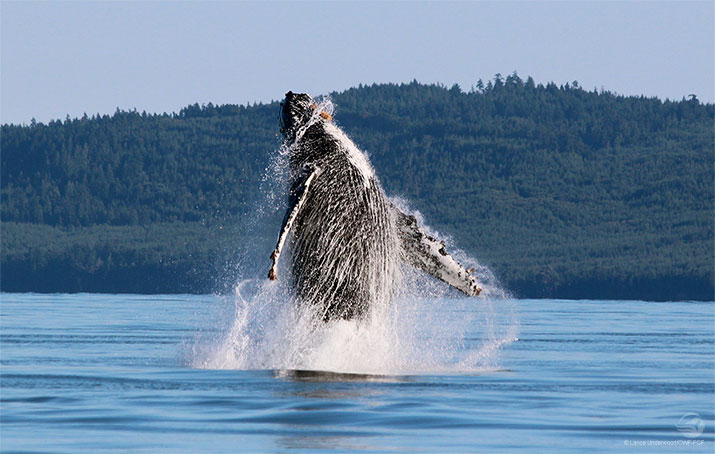
With topics relating to conservation, wildlife and habitat, we provide a relevant online learning platform, typically for grades four to six but of benefit to any age.
More

From easy-to-use apps designed as tools for your citizen science projects to picturesque wallpaper images for your computer, CanadianWildlifeFederation.ca offers a variety of useful downloads for your PC and mobile devices.
Coasts & Oceans
-
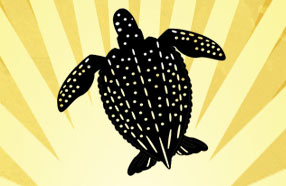
Leatherback Sea Turtle Live Q&A Session
2016-04-22
Celebrate Earth Day with CWF on Friday, April 22nd at 1pm EST with a 30 minute live Q&A session about Leatherback Sea Turtles. Your class will be able to ask the Canadian Wildlife Federation’s Marine Manager, Sean Brillant and Kathleen Martin, from the Canadian Sea Turtle Network, anything they’ve ever wanted to know about endangered Leatherback Sea Turtles!
-
Live with the Africa to Americas Expedition Rowers Webinar
2013-04-18
In this CWF Education webinar, the rowers discuss their incredible adventure, what they learned, their amazing rescue, and what's next.
-
Expedition Nears the Gulf
2014-11-17
Our fourth Adventure Mississippi webinar finds the OAR Northwest team nearing the Gulf of Mexico. The Adobe Connect webinar is a great opportunity for students and teachers to connect with the crew and learn more about the three-month canoeing and rowing expedition. Download related lesson plans here.
-
-

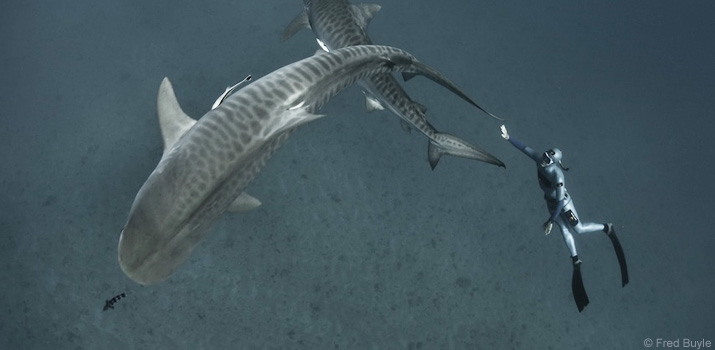
Marine Conservation: What You Can Do
2013-03-11
Marine Conservation: What You Can Do, webinar from the CWF Africa to Americas Expedition webinar series
Connecting With Nature
-

Climate and Wildlife
2022-11-30
How is climate change impacting wildlife? Join the Canadian Wildlife Federation for an interactive webinar where we’ll discuss the four components of habitat that wildlife (and humans!) need to survive, and explore what happens when these things are impacted by climate change. We’ll also share some hands-on projects to inspire you to take action for wildlife in your own schools and communities! Nov 30, 2022 - 12:00 PM-13:00 PM (Eastern)
-
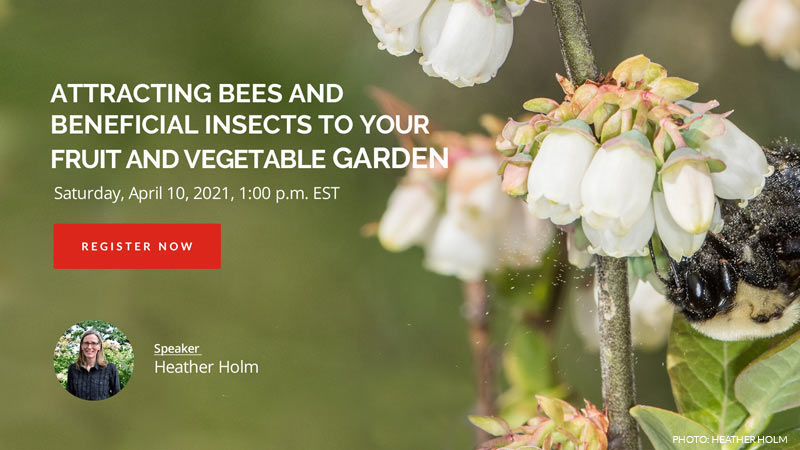
Attracting Bees and Beneficial Insects to Your Fruit and Vegetable Garden
2021-04-10
Saturday, April 10, 2021 at 1:00 p.m. EST. Join the Canadian Wildlife Federation as Heather Holm, researcher and award-winning author, shares her valuable insights on supporting bees and other beneficial insects. Learn about the importance of insect pollination and the bees responsible for pollinating the fruits and vegetables we grow in both home and commercial landscapes. Heather will discuss the genera of bees responsible for the majority of the pollination and the additional forage (flowering plants) you need to provide to ensure that the 'flower buffet' is always open, even when the fruit or vegetable plants are not in flower. You’ll also learn about the beneficial insects that the native flowering plants will attract and how these insects can help reduce insect pest populations in your fruit or vegetable garden.
-
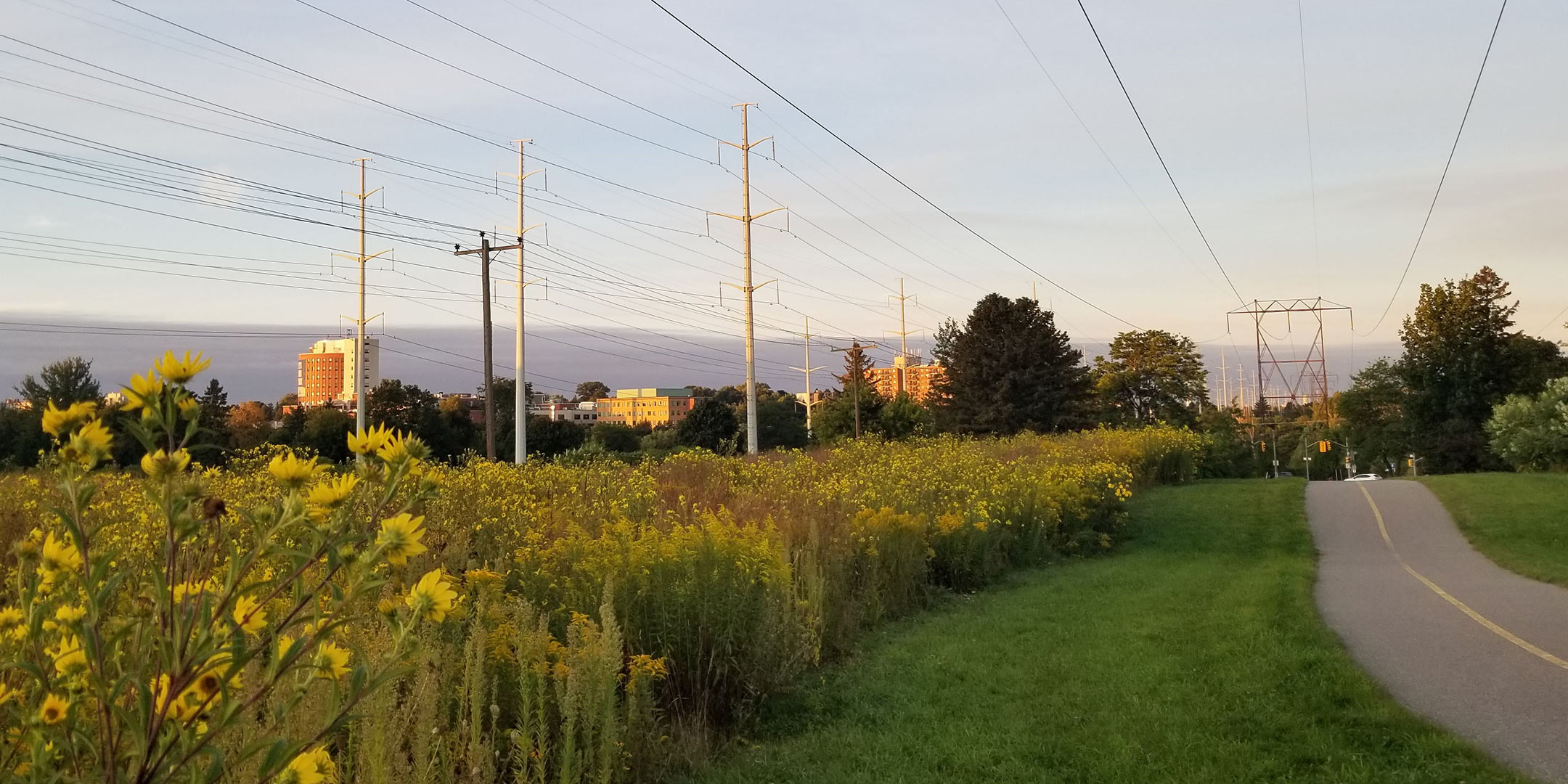
The Meadoway: Planning and Restoring Pollinator Habitat in a utility corridor in Toronto, Ontario
2020-01-30
The Meadoway is transforming a hydro corridor in Scarborough, ON into a vibrant sixteen-kilometre stretch of urban greenspace and meadowlands that will become one of Canada’s largest linear urban parks. Cyclists and pedestrians will soon be able to travel from the heart of downtown Toronto to Rouge National Urban Park without ever leaving nature. Over the next seven years, this site will become a place filled with butterflies, birds and wildflowers – a rich meadow landscape realized on a scale never before seen in Toronto. This webinar will help to showcase and walk you through the overall planning, permits/policies, education/outreach, communication and meadow restoration needed to create a project similar to The Meadoway.
-
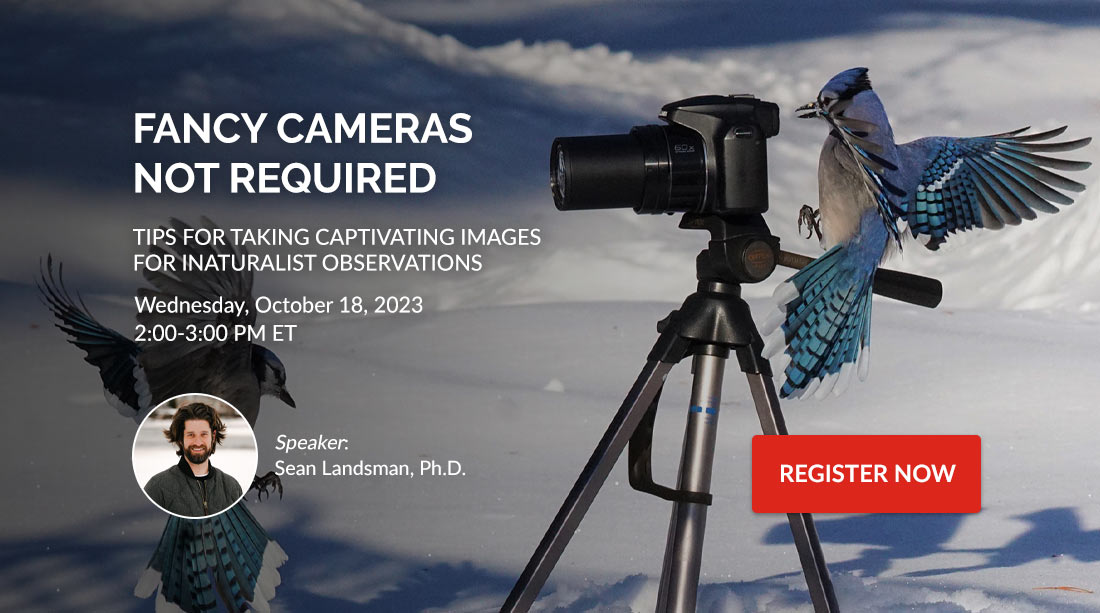
Fancy Cameras Not Required: A Webinar
2023-10-18
October 18, 2023 at 2-3 pm ET, get tips for taking captivating images for iNaturalist observations. "Gear lust” is a term in photography used to describe the feeling people have when they pine after the latest and greatest camera equipment. People often conflate having expensive equipment with being a good photographer, but in reality this thought is mostly a fallacy. Taking strong, captivating images requires knowledge of compositional techniques, a little understanding of psychology, visual processing, and – especially in nature photography – knowledge of your subject. In this talk, I will give you tips and tricks you can use in the field with whatever camera you have at your disposal, no matter its cost.
-
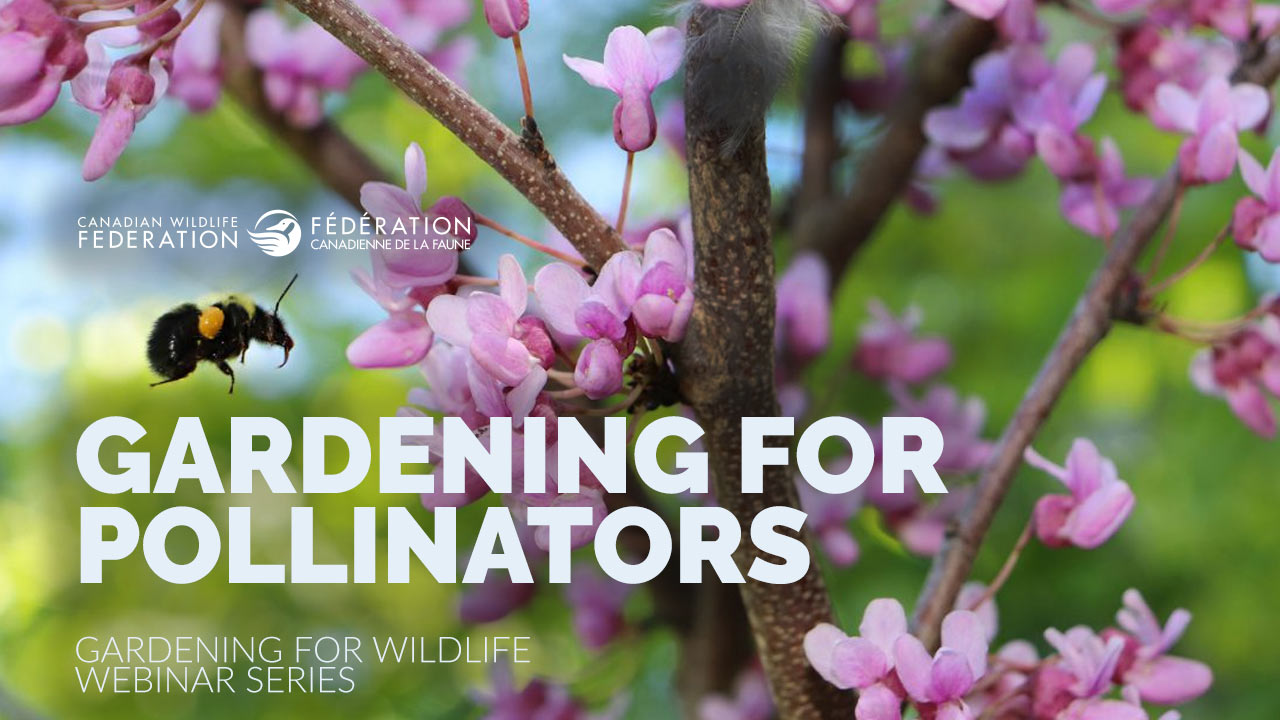
Gardening for Pollinators
2023-03-28
Learn about Canada’s seven kinds of pollinators and their importance in our daily lives. We’ll also give you lots of simple yet powerful tips to help these tiny allies in your garden and resources to help you along. We hope to see you there! Speaker: Sarah Coulber is CWF’s Gardening for Wildlife Program Coordinator, helping Canadians connect to the nearby nature right outside their door. Before CWF, Sarah held a variety of naturalist and environmental roles and has been a gardener and nature lover most of her life.
Education & Leadership
Endangered Species & Biodiversity
-

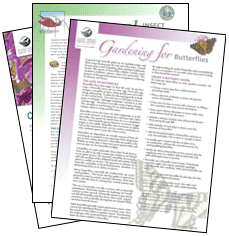
Gardening for Butterflies Handout
2026-04-21
Nearly 300 species of butterflies inhabit Canada, some cloaked in brilliant colours, others less noticeable. The presence of these graceful creatures in our gardens is a blessing of vibrancy and beauty.
-

How To Build a Turtle Nesting Site
2026-04-21
Sometimes turtles nest in problem areas like gardens, driveways or compost piles. To encourage turtles to nest elsewhere, or to create nesting habitat if it is lacking, consider building a nesting site. Keep in mind that turtles will often return to sites where they have nested before, so it may take a few seasons before a new site is used. We also recommend having nest protectors ready to protect any nests laid.
-
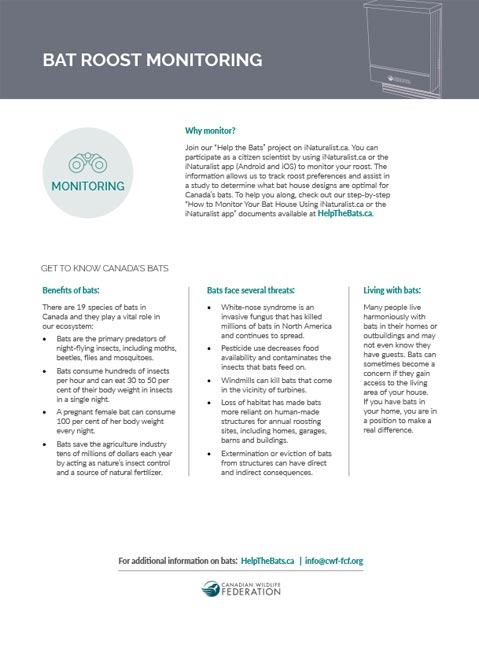
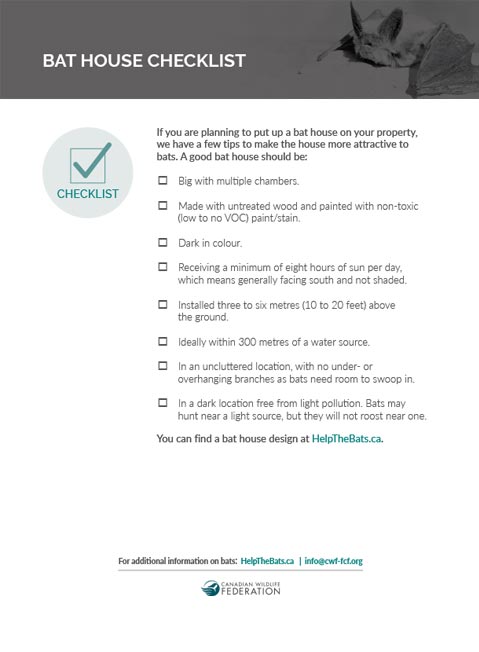
BAT ROOST MONITORING
2026-04-21
oin our “Help the Bats” project on iNaturalist.ca. You can participate as a citizen scientist by using iNaturalist.ca or the iNaturalist app (Android and iOS) to monitor your roost. The information allows us to track roost preferences and assist in a study to determine what bat house designs are optimal for Canada’s bats. To help you along, check out our step-by-step “How to Monitor Your Bat House Using iNaturalist.ca or the iNaturalist app” documents available at HelpTheBats.ca
-
-
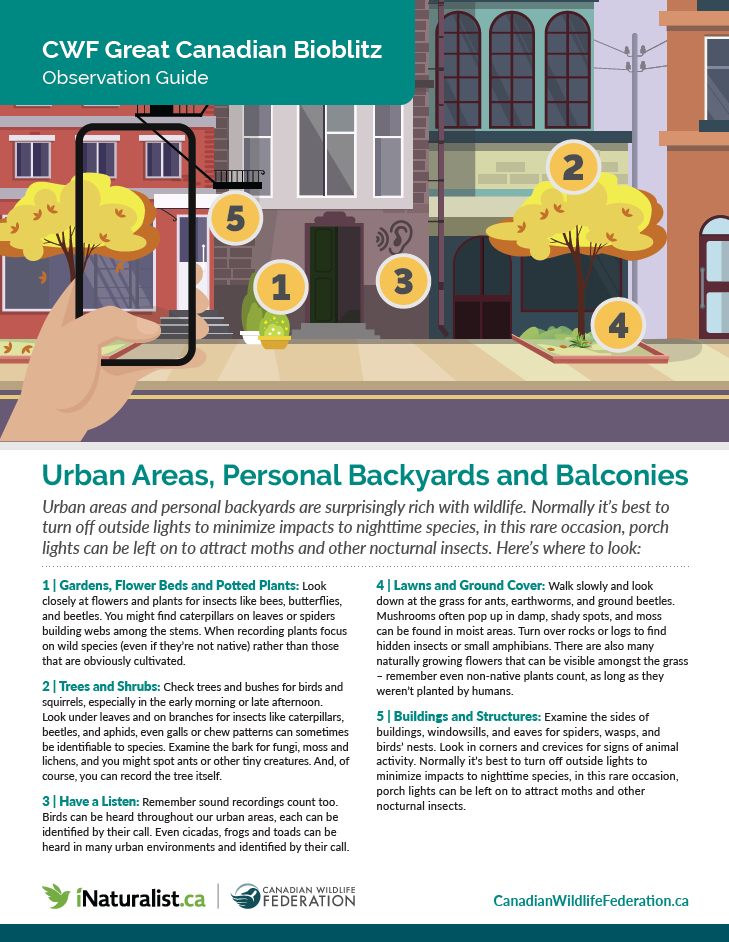
Great Canadian Bioblitz Observation Guide
2026-04-21
Forests & Fields
-
-
-
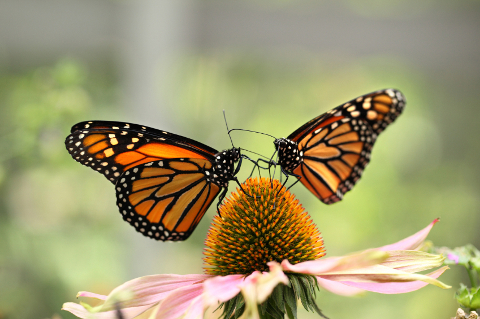
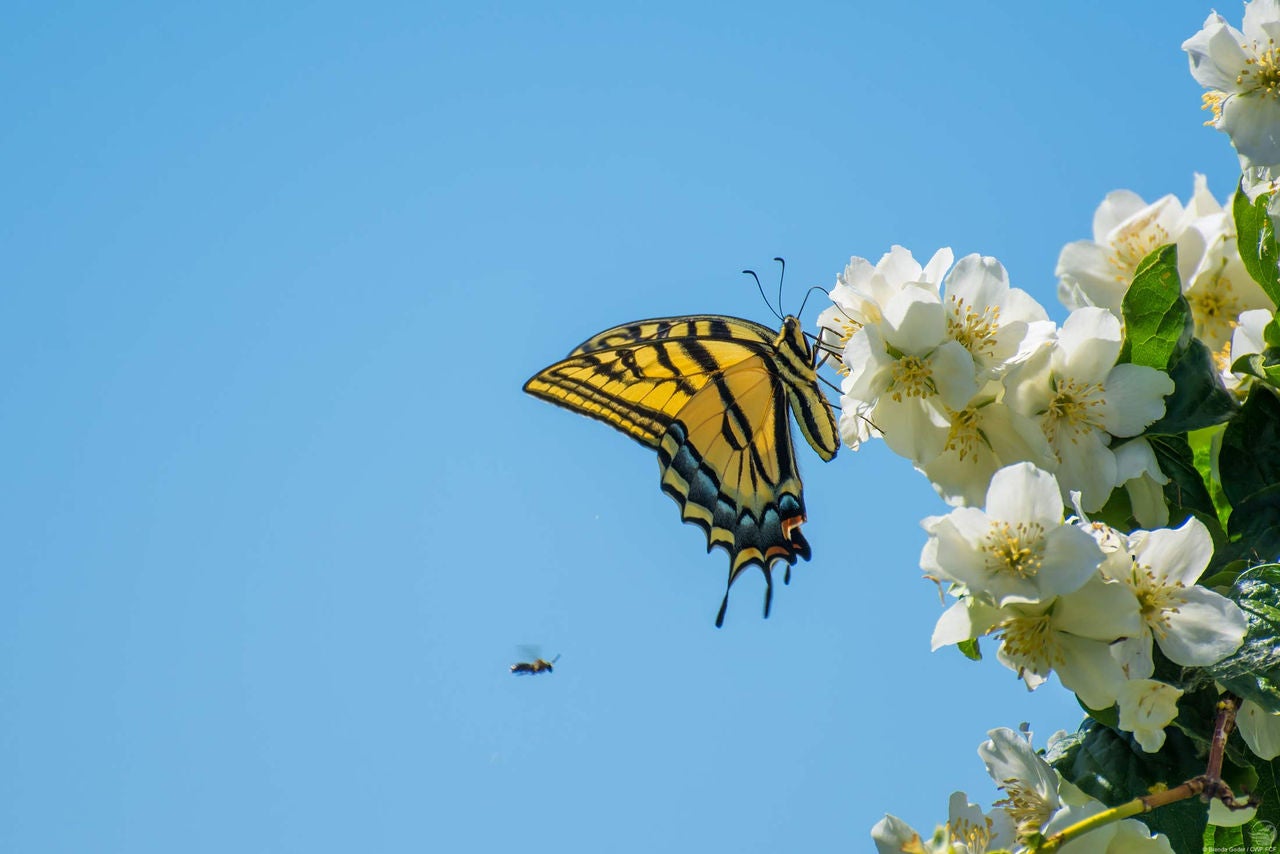
Monarch butterfly
2025-12-05
We’re featuring a monarch butterfly nabbing some nectar for a mid-afternoon snack
-

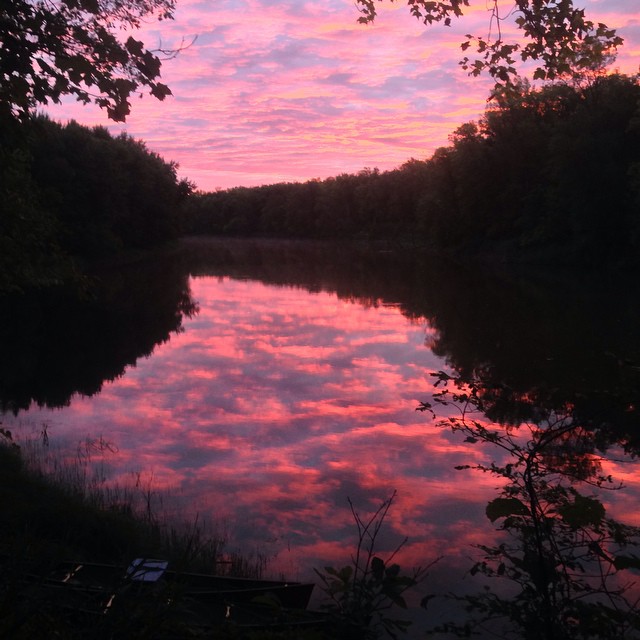
Horseshoe Bay, Pukaskwa National Park, Ontario
2014-07-01
Download this wallpaper of Horseshoe Bay, Pukaskwa National Park, Ontario
-
Lakes & Rivers
-
-
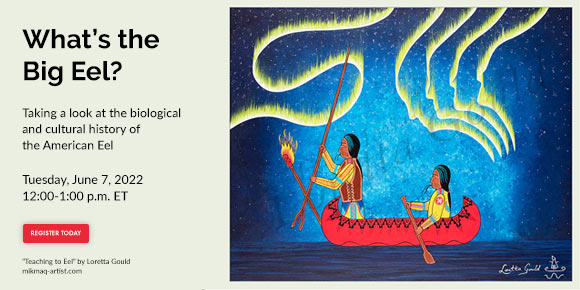
What’s the Big Eel?
2022-06-07
June 7, 2022, 12:00 – 1:00 p.m. ET. Join CWF’s Senior Conservation Freshwater Ecology Biologist Nicholas Lapointe and Jennifer Sylliboy, Program Manager Unama’ki Institute of Natural Resources, as they discuss the biological and cultural history of the American Eel. Jennifer will present on American Eel in the Bras d’Or Lake, Cape Breton, Nova Scotia and the relationship between Kat (eel) and the Mi’kmaq people. The population of American Eel has declined in the Bras d’Or Lakes over the past 20 to 30 years. While many Mi’kmaw harvesters feel the population is still good and has seen its ups and downs, its future is uncertain. Mi’kmaq people have traditionally harvested adult eel for food and cultural purposes for thousands of years. The value of eels to Mi’kmaq culture is difficult to quantify. The value is not driven by dollars, landings, or economic potential. The value is in the life, culture, health, and spirituality they sustain. With population declines globally, we need to ask ourselves what would our lives be like without the American Eel? And what can or are we doing to ensure that doesn’t happen. Nick will take us through the American Eel’s unique and fascinating life history and their conservation crisis in Canada. Sadly, this life history places them at risk from human activities and has contributed to their global decline. Alarms were first raised in the early 1990s about their decline in Canada due primarily to hydropower dams. But little has changed to address this threat. The federal Fisheries Act and Species at Risk Act should both protect the species, along with provincial legislation, but so far regulators have taken little action. We will explain what has been done to date, what has stalled, and what can be done to change the situation and help American Eel recover.
-
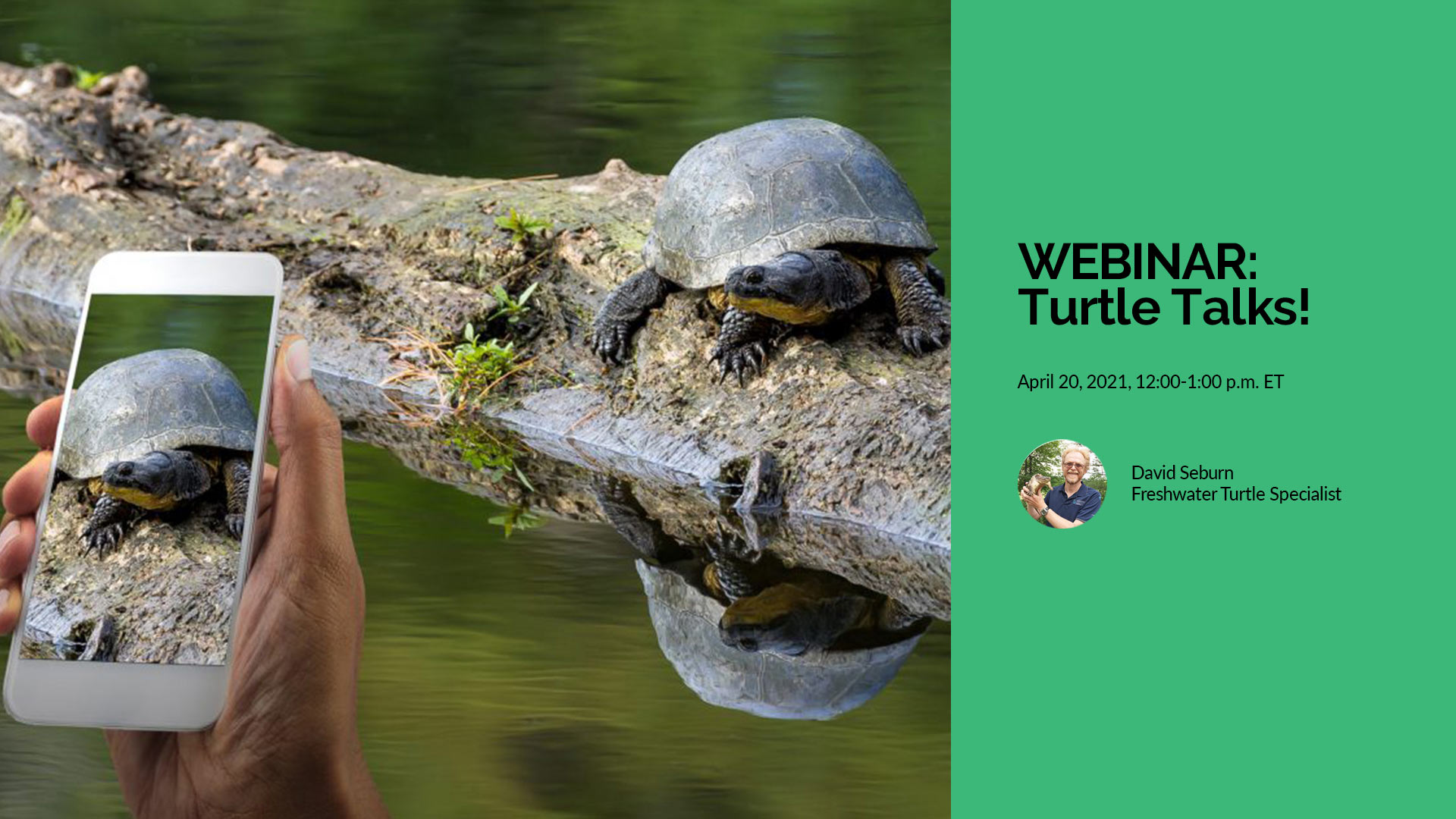
Turtle Talks Webinar
2021-04-20
April 20, 2021, 12:00-1:00 p.m. ET Who doesn’t love turtles?! They’re cute, they’re interesting and they come in so many shapes and size. They’re also one of the most endangered groups of species in Canada. Join us for a webinar all about turtles, and discover what the Canadian Wildlife Federation is doing to help them and what you can do to help, too!
-
Water We Without Oceans?
2021-06-08
June 8, 2021, at 1:00 pm ET /10:00 am PT Join us for a free, educational webinar as we explore our connection to the ocean. Our blue planet is powered by a water cycle that sustains life. Together we’ll dive deep into this cycle to discover how we are all connected to the ocean through our local watersheds.
-
The Canadian Aquatic Barriers Database: an improved tool to support fish habitat connectivity in Canada
2024-09-18
The Canadian Aquatic Barriers Database (CABD) is a standardized, curated, central, and open repository for barrier and connectivity data in Canada. The CABD is an important tool to support work in a variety of fields and sectors related to freshwater connectivity and aquatic barriers. The vision for the CABD is all of Canada’s barrier and connectivity information in one place – easily and openly accessible! CWF is proud to announce new updates to the CABD, adding even more aquatic barrier information and providing new tools to allow Canadians across the country to help us fill information gaps. With the new release, in addition to dams, waterfalls, and fishways, the CABD now includes information on stream crossings nationally, which affords us a more complete picture of the effect these structures are having on fish and fish habitat. We’re also introducing a feature that allows anyone to click on a barrier in CABD webtool and provide us with information updates based on their local knowledge, thereby helping the CABD improve over time and fill data gaps.

Learn More

- 0
- 1
- 2
- 3