WILD Spaces is a CWF education program that aims to connect educators and children to nature. Join us on our journey of helping students to engage with their own WILD Spaces!
1. Connect with outdoor space and foster a deeper relationship with nature.
2. Learn about local wildlife, habitats, and ecological needs.
3. Plan improvements to support pollinators and biodiversity.
4. Act by implementing a plan to enhance a WILD Space.
5. Reflect on the changes made.
Wildlife is everywhere! Every schoolyard is a WILD Space. We share outdoor spaces with a wide variety of plants and animals.
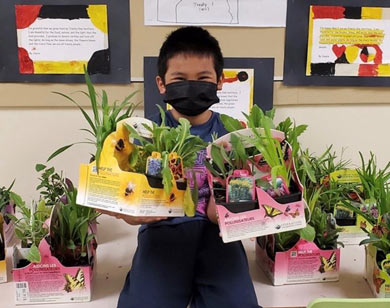
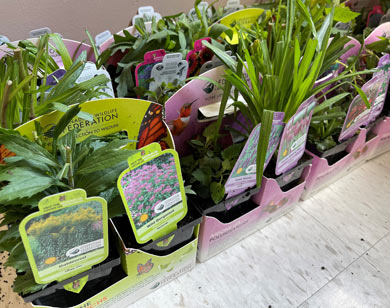
CWF is connecting with native plant nurseries across the country to bring pollinator plants to schools. Tell us about your garden plans, and you could receive 40 pollinator-friendly plants native to your province. To be eligible for plant giveaways, subscribe to our monthly WILD Spaces eblasts, which are sent from January to June 2026.
Sign up today to follow the journey, access educational tools, and join a growing network of schools making space for wildlife.
Impact of WILD Spaces
The Canadian Wildlife Federation has made the following impact since 2015:

868 schools (from 200+ schoolboards)

631 youth groups and families

58,067 Students

37,248 pollinator plants provided.
435 school gardens certified as a wildlife-friendly habitat
Why teach kids about pollinators?
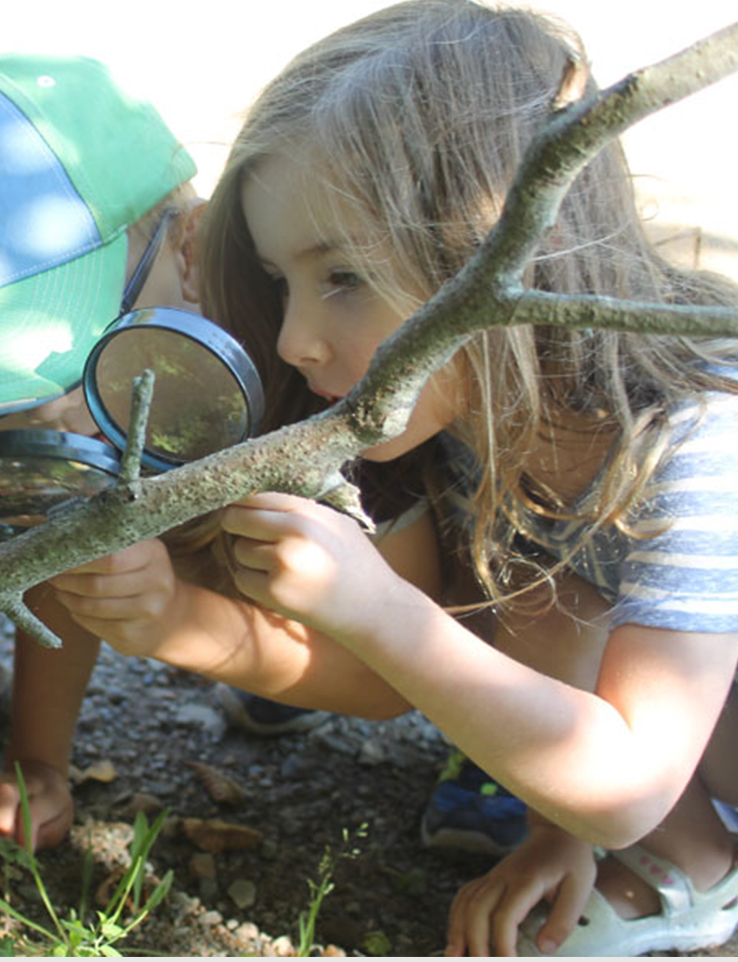
Educators can help native pollinators and connect to nature with their students, shaping the next generation of conservationists.
Pollinators like wild bees, hummingbirds and butterflies are important because they give us delicious foods, keep our ecosystems healthy and provide services that support our economy and wellbeing. However, they face challenges like pesticide use on feeding and breeding areas, habitat loss and climate change. As more land is altered for human activities, it’s important to create pockets of pollinator habitat where people live, work and play.
Children are spending more hours indoors and are becoming disconnected from the natural world to the detriment of their physical and mental health. Evidence shows that teaching outdoors can make educators happier, healthier, less likely to experience teacher burnout and can also help strengthen the bond between teachers and students. Time spent outdoors can increase students’ ability to concentrate, help with symptoms of learning challenges and may even improve overall test scores. Furthermore, children who have positive experiences outdoors with a trusted adult are more likely to develop a strong conservation ethic.
What You Can Do
This program is best suited for children in grades three to six, but can easily be adapted for younger and older participants alike. Explore the program pillars:





Participate in the online classroom
Our online classroom has learning activities designed to help students learn about pollinators. Discover how to create pollinator habitat in a garden and interact with program participants from across the country on a safe platform.
You will have access to the online classroom when you sign-up for the program.
Create a pollinator garden
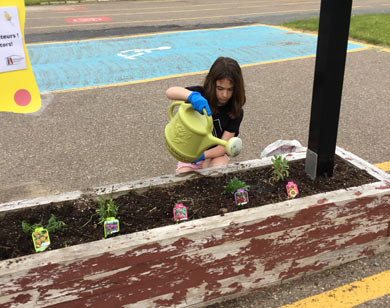
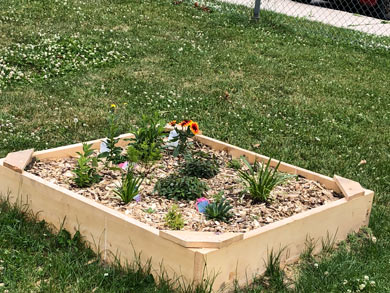
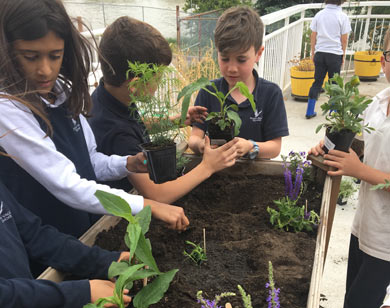
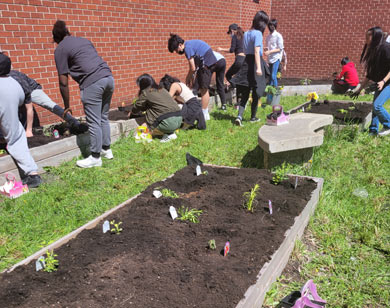
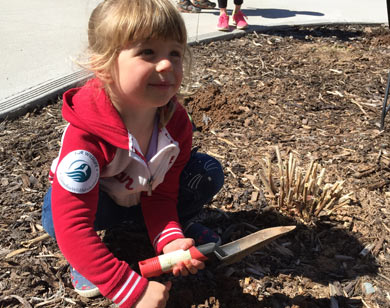
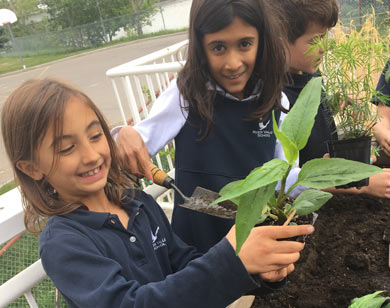
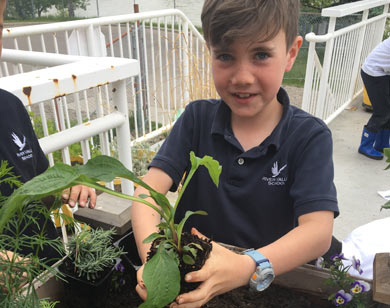
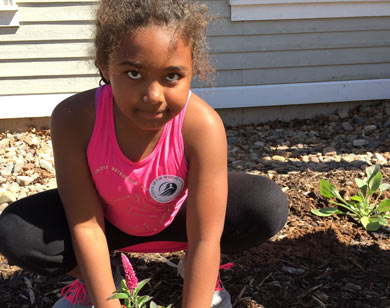
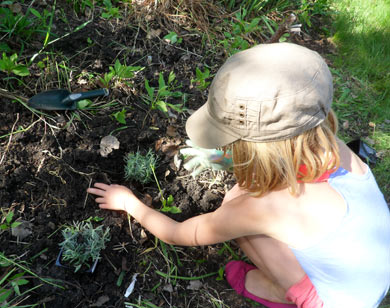
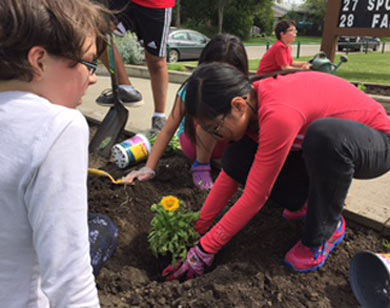
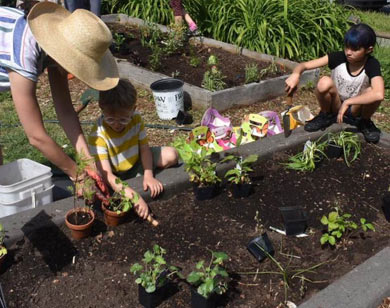
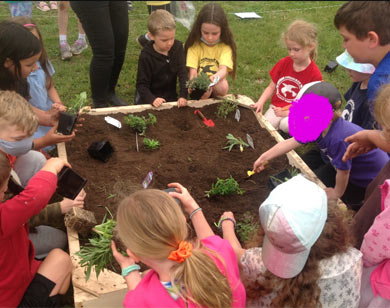
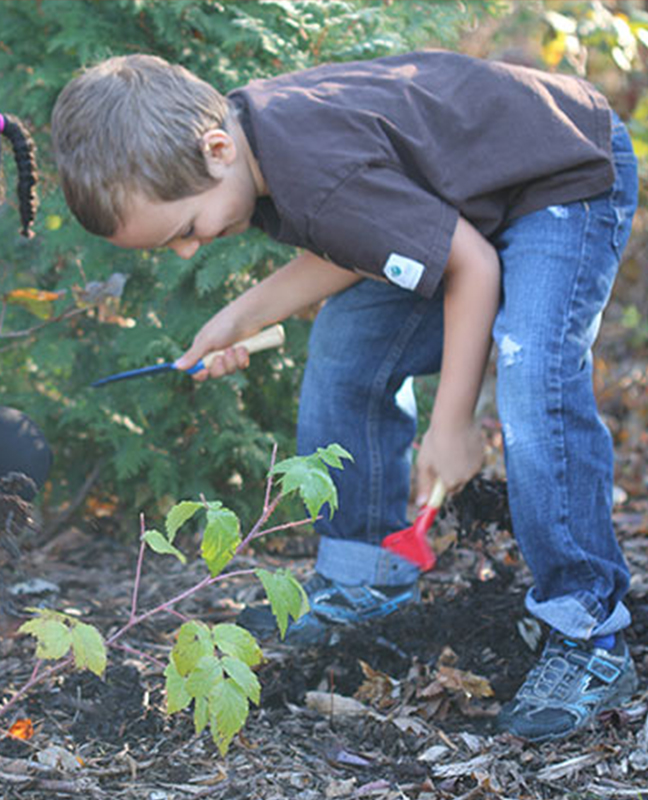
Putting knowledge into action will help students process the information they’ve learned about pollinators and creating habitat. The garden they create will no doubt help pollinators, but what may be more beneficial are the personal learning experiences and opportunities for nature connection that can happen in a garden. These experiences can generate important conversations within your community and instill a lifelong conservation ethic for participants. WILD Spaces will support you with resources to facilitate this learning experience and create a successful pollinator garden.
Engage in citizen science
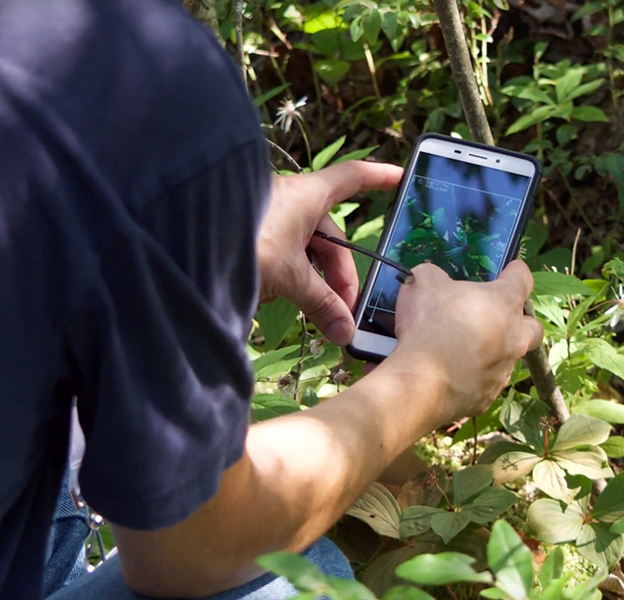
Students document pollinators in the garden with a user-friendly, child-safe digital application by taking photos. The data your group collects will contribute to a growing wealth of knowledge of Canadian wildlife species.
Webinar
Educator Testimonials
Our plants arrived today! Thank you sooooooo much!! This will mean so much to our school community. We are right downtown Toronto, surrounded by concrete and fake grass, plastic and traffic. These plants will go a long way towards naturalizing our playground space and providing our students with hands-on science lessons. It also fits beautifully into our mental health curriculum by providing a calming natural space.
Educator, Beverley PS, ON
Thank you so much for the amazing pollinator plants you sent us at Trinity College School. Our Grade 7's did the first round of planting them in our outdoor classroom immediately beside our building. They have added them to a butterfly garden that previous Grade 7's made 15 years ago. Next week, we're taking the remainder of them to our "pollinator paradise" meadow which is 2 acres on the other side of our campus. We loved the little boxes they came in with the info panels! Such an incredible opportunity for us to do authentic regenerative work! Thank you.
Educator, Trinity College School, ON
Alberta’s native bees (and that wasps and bees don’t always sting, and we don’t need to be scared.).
Your donation of plants helped to make our garden bigger. We are looking forward to seeing more wildlife at our school.
Educator, Collingwood School, AB
Thank you soooooo much for the pollinator flowers. My class (Grade 4/5) planted together with our buddy class (Kindergarten) in our school's "designated pollinator" garden beds. They've been monitoring the flowers and we've been seeing some ladybugs and bees in the garden. Prior to planting, they read about the plants and created a mini-information poster on the pollinator kit.
Educator, William Cook Elementary, BC
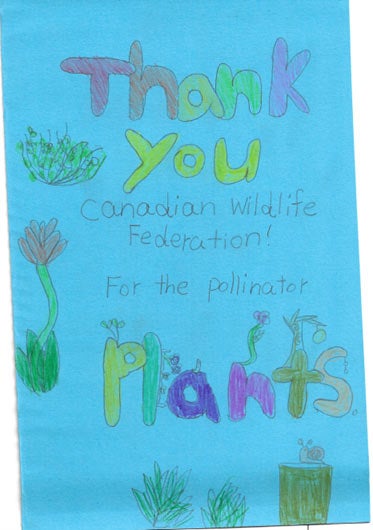
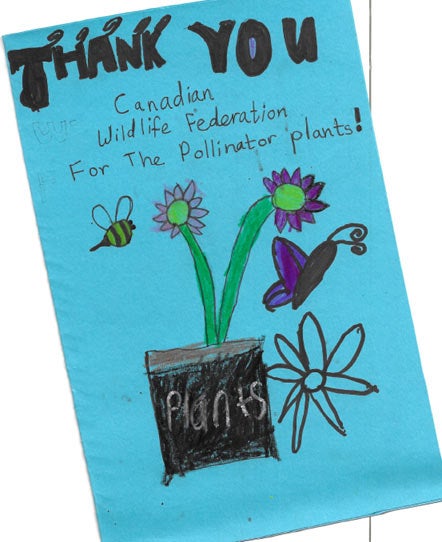
Student Testimonials
View Garden Habitat Certification in a larger map
Certify your pollinator garden with CWF
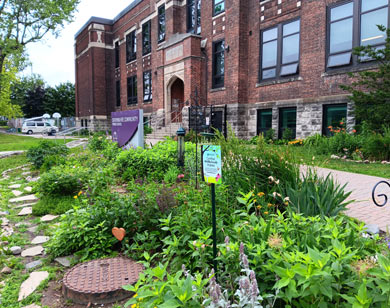
The Canadian Wildlife Federation acknowledges the efforts of Canadians who make their home, school, business or community garden suitable for wildlife by certifying the space as a “Wildlife-friendly Habitat”.
You can showcase your school’s efforts to help pollinators by having the wild spaces you’ve created officially certified by CWF. Applicants who meet the criteria will receive a certificate and window decal in the mail.
Related Resources




Learn More
- 0
- 1