

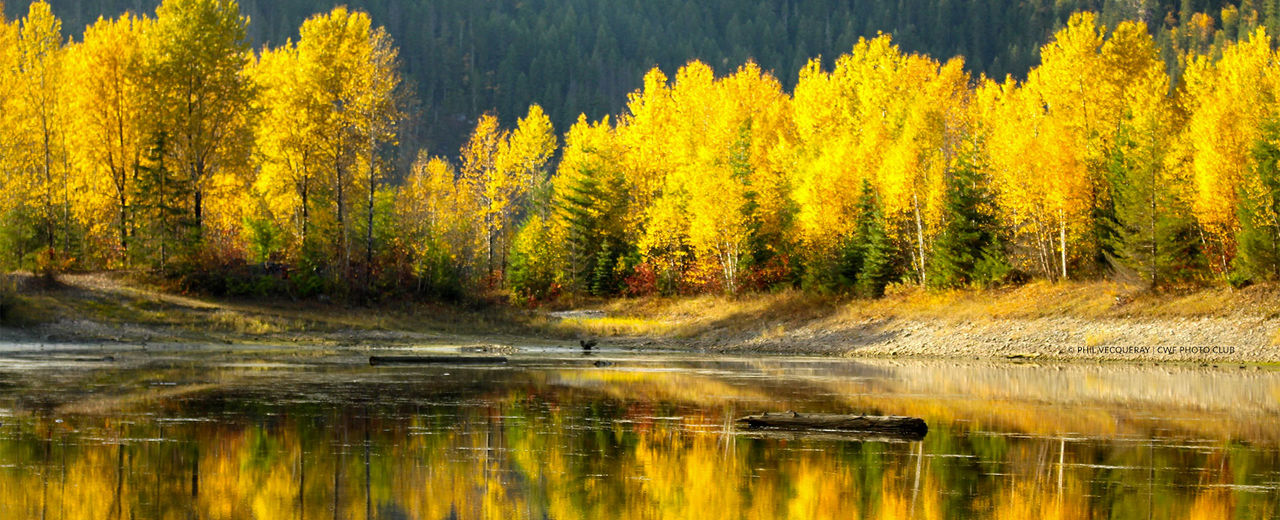
People who spend time outside in a natural setting develop a greater connection to their natural environment and a life-long sense of caring for it. Here are some basic guidelines for taking students on a local field trip where they can develop this important personal connection to nature.
Have a Purpose
Explain to students that this field trip is an educational activity with a purpose, and that they will be responsible for a project related to it and that they must be observant of their surroundings.
Choose a Natural Place Nearby
Nature can be found almost any place where birds fly and plants grow. However, quiet, green spaces that are a little on the wild side are best. Choose a place nearby, such as the schoolyard or a local park.
Safety, Supervision, and Logistics
- Plan for students’ safety before you take them out.
- Seek parental and administrative permission (in writing) and find out if students have medical conditions you should prepare for (e.g., allergies).
- Make sure students are dressed appropriately and that you have adequate supervision, safe transportation routes, a first aid kit, and a contingency plan if the weather turns bad.
- Consider natural hazards, such as deep or moving water or extreme weather that might become an issue when you are out there.
- Seek permission from landowners if you plan to visit private land.
Leave No Trace
Consider the capacity of the natural area to withstand the impact of your activities. The Leave No Trace Centre for Outdoor Ethics promotes seven principles that help you reduce your impact, such as:
- Plan ahead and prepare.
- Travel on durable surfaces.
- Dispose of waste properly.
- Leave what you find.
- Respect and do not feed wildlife.
- Be considerate of other visitors.
Set the Stage
Always brief the students on what they are doing, why, and how. Before the first trip, ask them to talk about their own enjoyable experiences with nature, where they occurred, and what made them special. Have them spend a few minutes thinking about these experiences individually or in pairs before sharing.
Begin Short and Simple
Many students (and teachers) prefer to be moving rather than sitting quietly, so start a series of outdoor activities with a short walk of about 10-15 minutes. You might do this on the way to your field trip site, having the students walk quietly with no talking.
Use Themes to Focus Students
You might ask students to look for specific items related to a theme. Have them look for signs of wildlife, water in the landscape, natural things that benefit humans, places you’d go if you were a rabbit, for example. Discuss their observations afterwards.
Progress to Exploring a Special Wild Space
Take students to a spot where they can choose a personal place to sit, reflect, and do simple exercises that you provide. Students should be at least 5 metres apart, within earshot of the teacher at all times, and in a location that is easily visible to you. Have students share their observations. You can repeat this activity at different times and do different directed activities.
Directed Activities
Give students guidelines, such as those listed below, for exploring the space they have identified as special to them. If you return frequently, they will develop a strong relationship with their special space.
- Sensory Experience: Have students record observations based on each of their senses (except taste, for safety reasons). You may tell them to: Describe what you see. Close your eyes. Describe what you hear. Describe what you smell. How do you feel here?
- Inventory: List plants and animals you can find here. Make a sketch if you can’t identify them. List the signs that show the presence of animals.
- Object Observation: Choose a tree or other natural object at your site and describe it, including its smell, size, shape, colour, special features, and texture.
- Sketching: Do a sketch of your site.
- Mapping: Create a map of your site.
- Journals: Record your thoughts and observations about your site over several visits.
- Creative Writing: Write a poem about your space, or a descriptive story about what might have occurred in your space 200 years ago.
Share Information
Have students share their observations and creations through projects, presentations, classroom or school bulletin boards, or student-run celebrations.
Copyright Notice
© Canadian Wildlife Federation
All rights reserved. Web site content may be electronically copied or printed for classroom, personal and non-commercial use. All other users must receive written permission.


