




-
 Bee Courteous, Bee Safe
Bee Courteous, Bee Safe
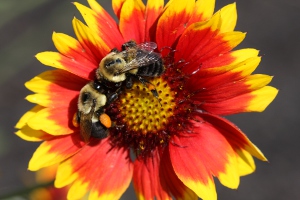
You may attract more than butterflies to your garden — other pollinators, such as bees, may also appreciate your efforts.
More
-
-
Support Soggy Spaces
2025-12-05
Help make way for migrants that rely on watery spots by tackling any of the following habitat projects.
-
Support the World-Wide Web of Life in Your Schoolyard
2025-12-05
Your life is inseparable from the ecosystem you live in. Every species interacts with the air, water, sun, soil, and living things that sustain it in a huge web of interdependency.
-
Sustainability Means Survival
2025-12-05
Sustainability means our ability to survive — to continue living on the Earth — and it depends on our wise use of natural resources.
-
Sustainable Development: The Challenge of the Century
2025-12-05
Sustainable development is a blend of two ideas: development and sustainability. Through development, we attempt to satisfy people's needs. These include such basics as food, water, clothing, jobs, health care and so on. Development also goes beyond the basics to provide a good quality of life.
-
-
Sustain Wildlife Habitat
2025-12-05
The key to creating, nurturing, and sustaining wildlife habitat is to make the most of the people and resources in your entire school and community.
-
Take Action for Oceans
2025-12-05
It's good to teach our children to act on their beliefs. When they understand the importance of oceans and how human activities threaten them, they can respond by taking part in a variety of ocean-supporting actions.
-
-
The Global Aquatic Ecosystem
2025-12-05
All land is divided into watersheds — that is, areas of land that drain into particular bodies of water.
-
The Heat is On
2025-12-05
When we chop down forests, pave over wetlands, and pollute our lakes and seas, we deprive terrestrial and aquatic plants of their power to absorb greenhouse gases and keep the planet's climatic system in balance.
-
-
The Northern Community
2025-12-05
The projects in this section are designed especially — but not exclusively — for residents of northern communities.
-
The Ocean Threats Scavenger Hunt
2025-12-05
How many of these ocean threats can you find in your community?
-
The Science of Pollination Primer
2025-12-05
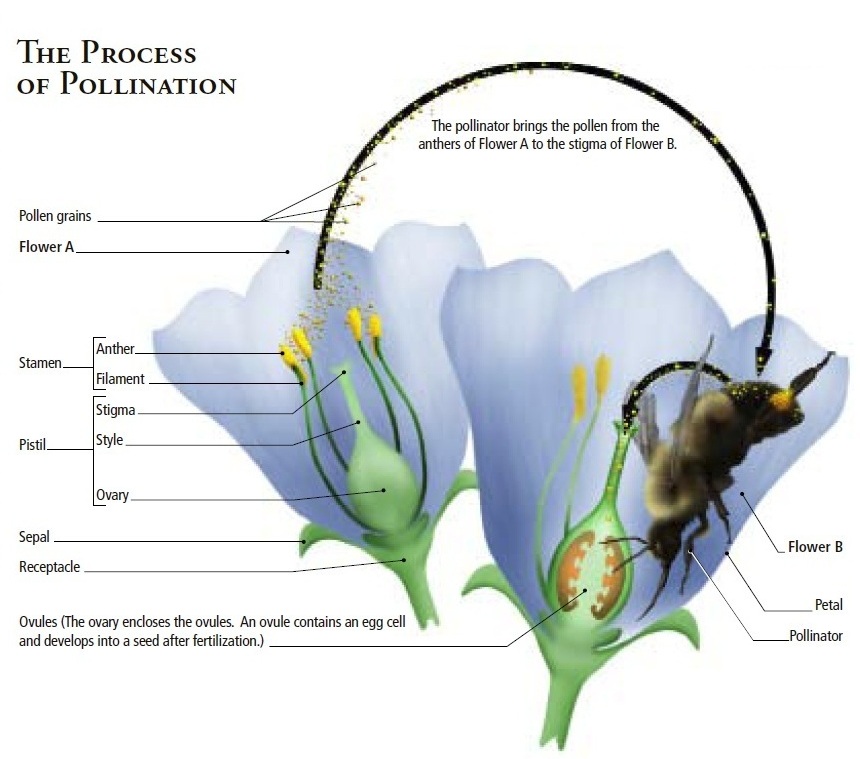
Not all plants are seed-producing plants (known as spermatophytes) but most fall into two major groups: the flowering plants and the conifers. Of the more than 230,000 known species of plants worldwide, about 200,000 are flowering plants; another 500 are conifers while others include such plants as ferns and mosses. Most seed-producers owe their great success, in part, to pollination.
-
Threats to the Ocean from Your Backyard
2025-12-05
Human activities are threatening the world's oceans.
-
Troubled Water, Troubled Times
2025-12-05
Climate change resulting from human activities could be the greatest environmental threat facing life on this planet.
-
Turn Grey Zones into Green Zones
2025-12-05
More than likely, there’s a monoculture near you — even in your schoolyard or a nearby park. Think of ways to boost biodiversity there.
-
Turn the Tide on Pollution
2025-12-05
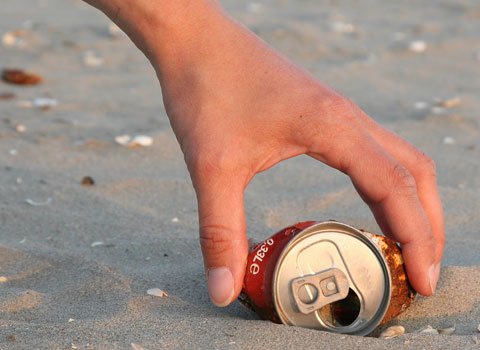
For many marine migrants, the deep blue sea is becoming a deadly obstacle course, as solid waste and land-based pollution become unwelcome travelling companions.
-
Watery Worlds
2025-12-05
Each part of a wetland ecosystem is needed for the whole system, or organism, to work.