

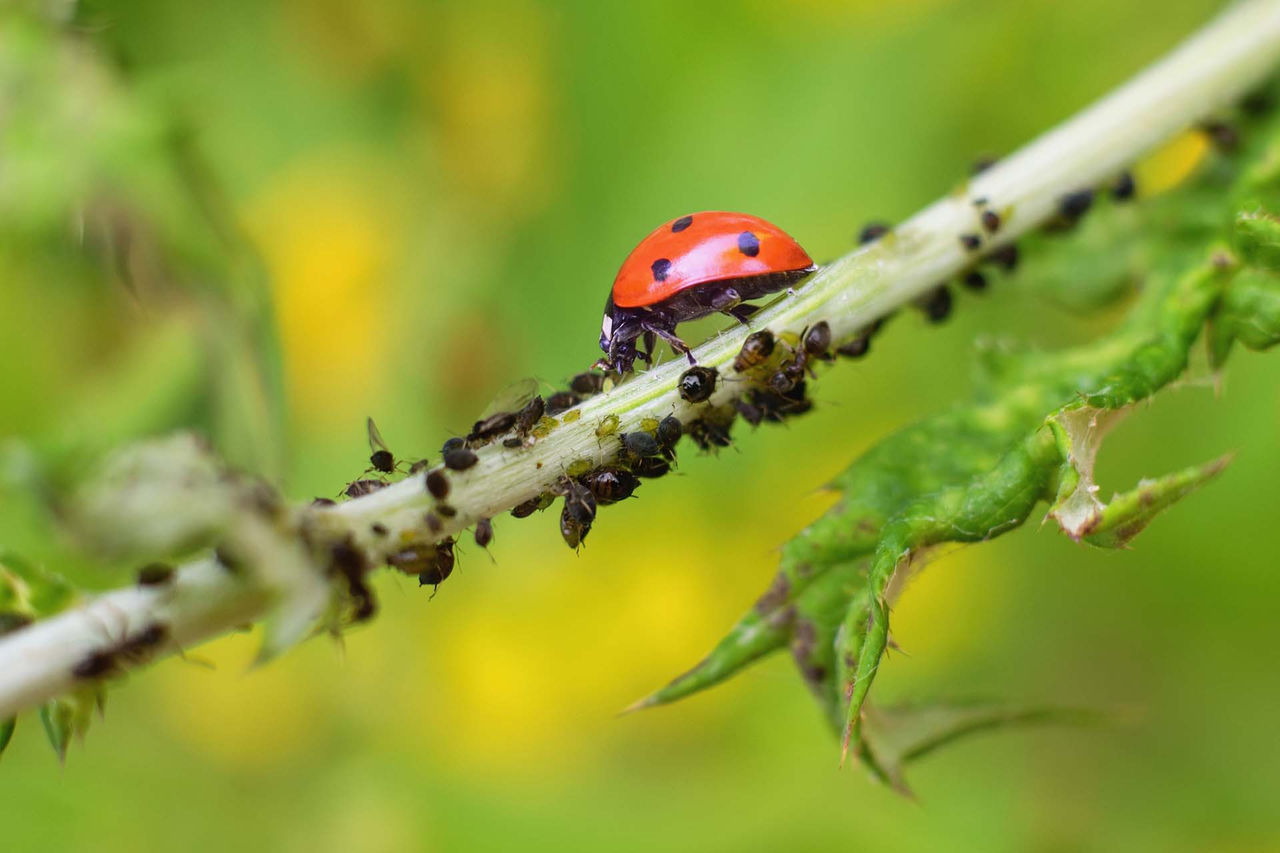


Those beloved red-and-black beetles are more than just beautiful – they’re hardworking helpers that quietly protect our plants.
Those beloved red-and-black beetles are more than just beautiful – they’re hardworking helpers that quietly protect our plants. By making a few simple choices in your yard, you can support ladybugs through every stage of their life cycle and help native species thrive.
Ladybug 101: Getting to Know Canada’s Favourite Beetle
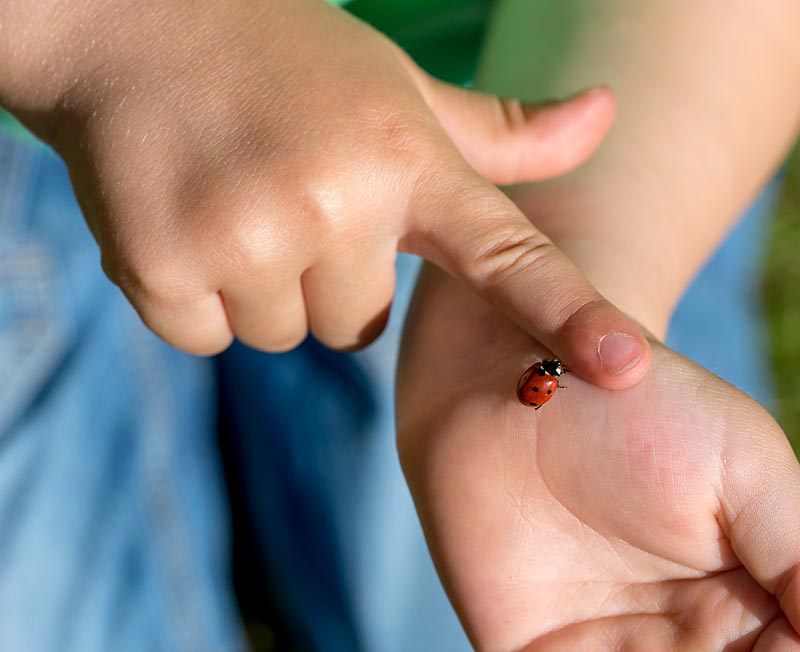
Ladybugs, also known as lady beetles or ladybirds, are a well-known predatory insect that should be encouraged in our gardens. But this might be a surprise: there isn’t just one kind. In fact, there are over 160 species of ladybugs found across Canada and more than 4,000 species worldwide! They come in shades ranging from red to orange, with spots that vary by species (and even fade as they age).
That bold colouring isn’t just for show – it’s a warning. Reds, yellows and oranges tell predators that these insects might taste bad or be toxic.
Native vs. Invasive Ladybugs
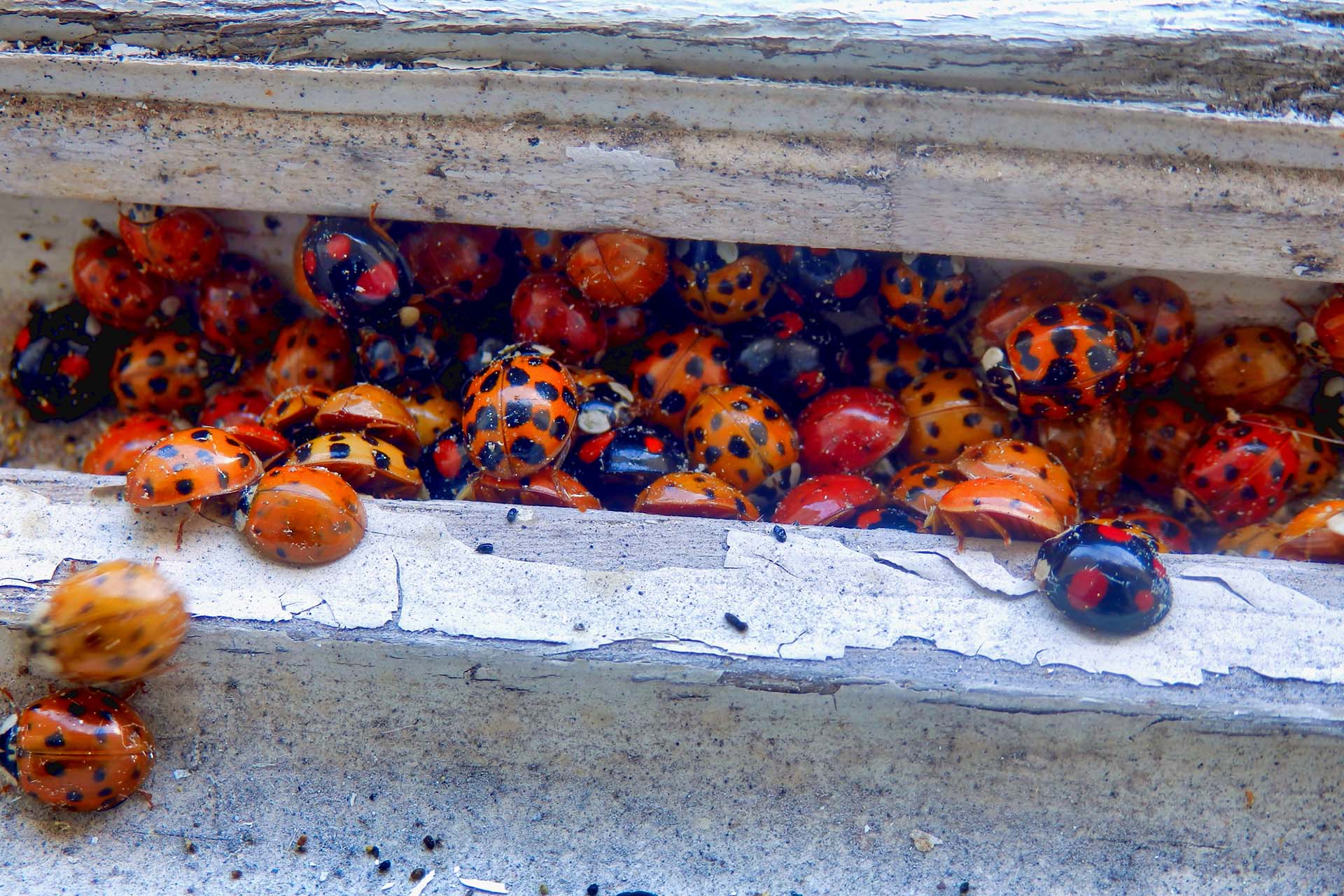
You may have noticed ladybugs that look slightly different – larger, more variable in colour, ranging from mustard yellow to dark reddish orange. These are likely Asian Lady Beetles, an invasive species introduced to North America in the 1970s to help manage aphid populations. Heads up: they bite.
Another invasive species is the Seven-spotted Ladybug and typical of an invasive species, they outcompete native species like the native, but now rare, Nine-spotted Ladybug.
Curious which ladybugs are showing up near you? You can explore real-time observations across the country using the iNaturalist app or at iNaturalist.ca.
Why Gardeners Love Ladybugs
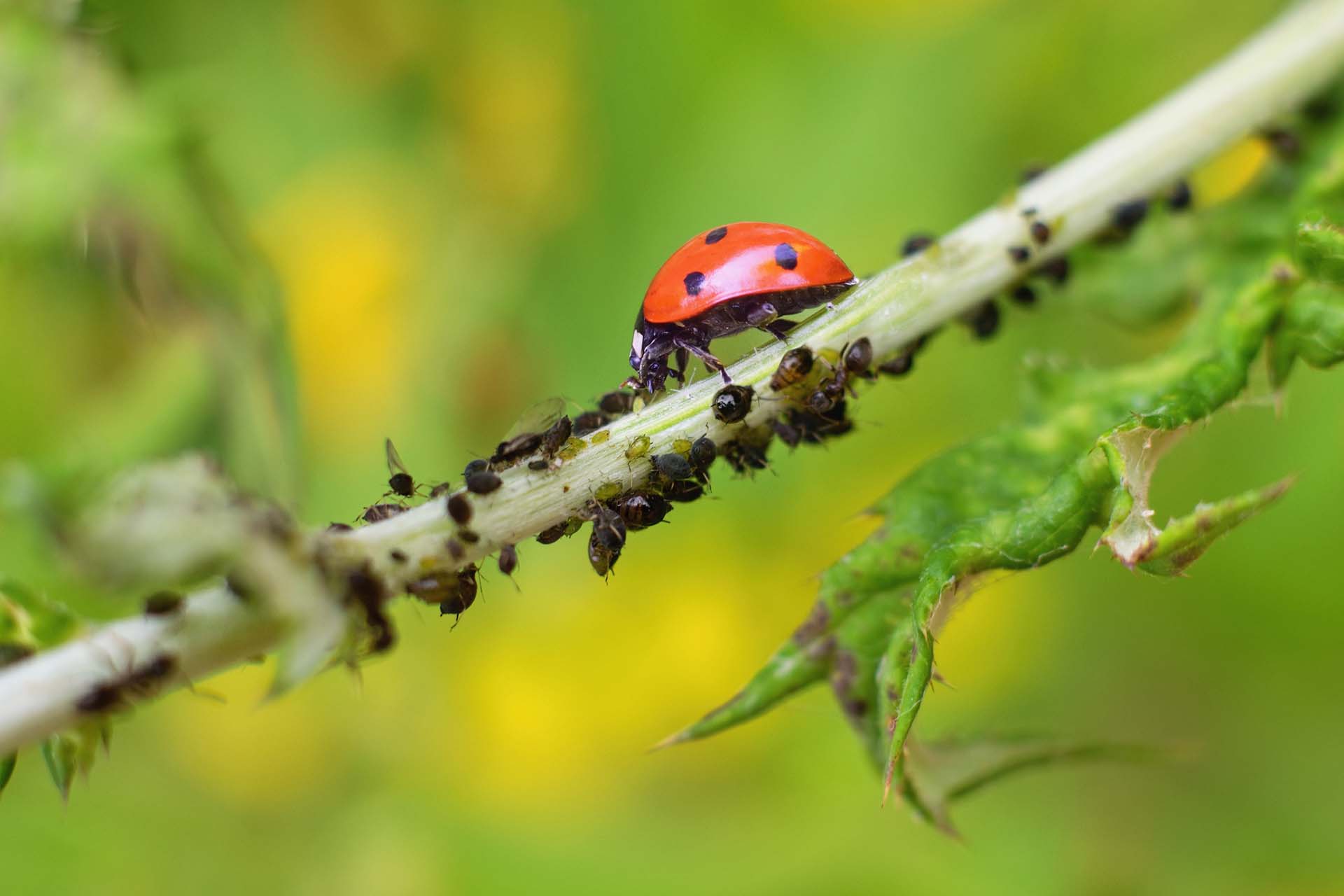
Ladybugs are often called a gardener’s best friend, and for good reason. They mostly eat soft-bodied insects that damage plants, like aphids, which are tiny insects that suck sap from plants. Over a lifetime, a single ladybug can eat up to 5,000 aphids, providing great natural pest control for your garden.
Here are five ways to help the ladybugs in your corner of the world:
1. Wait Before Spring Cleaning
Try to resist that urge to tidy up the garden as soon as the snow melts... at least for a little while. Ladybugs don’t migrate; instead, they hibernate in warm, dry places over the long, cold winter. You can often find them overwintering in leaf litter, hollow plant stems or garden debris. Raking too early can disturb or destroy their winter shelter before they’ve had a chance to wake up. This is also beneficial for many other insect species.
2. Leave a Wild Corner
A perfectly manicured garden isn’t ideal for beneficial insects like ladybugs.
While it is important to garden ecologically in your entire yard, if some areas need to be tidy and have only certain native plants, for instance, consider leaving a small “wild” area perhaps in the corner of your yard. This can provide food and shelter for both birds and insects. Some ideas include growing native plant species that you find less showy than others, letting grasses grow a bit taller (which can provide nesting material for birds and habitat for a myriad of beneficial insects like fireflies) and letting fallen leaves remain on the ground. Also cutting perennial stems from the previous year to 30 to 60 cm can provide nesting spots for some solitary bee species.
3. Avoid Pesticides
This one is big. Ladybugs are very sensitive to pesticides, as are all insects, and won’t thrive in gardens where they’re being used. Pesticides don’t just affect ladybugs on contact; they can also harm them through the insects they eat. Even products labeled as “safe” can do harm, so do your research on any ingredients listed.
A pesticide-free garden gives ladybugs (and their food sources) a fighting chance – and lets nature do the pest control for you.
4. Provide Natural Food Sources
Aphids are a ladybug’s favourite meal, but they don’t live on pests alone. Adults also feed on pollen and nectar, especially from plants with umbrella-shaped flowers such as dill, cilantro and wild carrot. Other favourites include coreopsis, dandelions and scented geraniums. Planting a variety of flowers that offer pollen, nectar and a steady supply of prey helps keep ladybugs thriving.
5. Provide Water and Shelter
Ladybugs need water too. A shallow dish filled with water and pebbles to prevent drowning and placed in a sunny, sheltered spot can make a big difference.
For shelter, consider building an insect hotel! These structures provide a safe, dry place for ladybugs to overwinter and rest year-round. You can even make one yourself by following our step-by-step instructions >
Found Ladybugs Indoors? Here’s What to Do
If ladybugs wander inside while looking for a warm place to hibernate, gently gather and release them outdoors on a mild day. Avoid squishing them — they’re just lost, not causing harm. Learn how >