The Threat
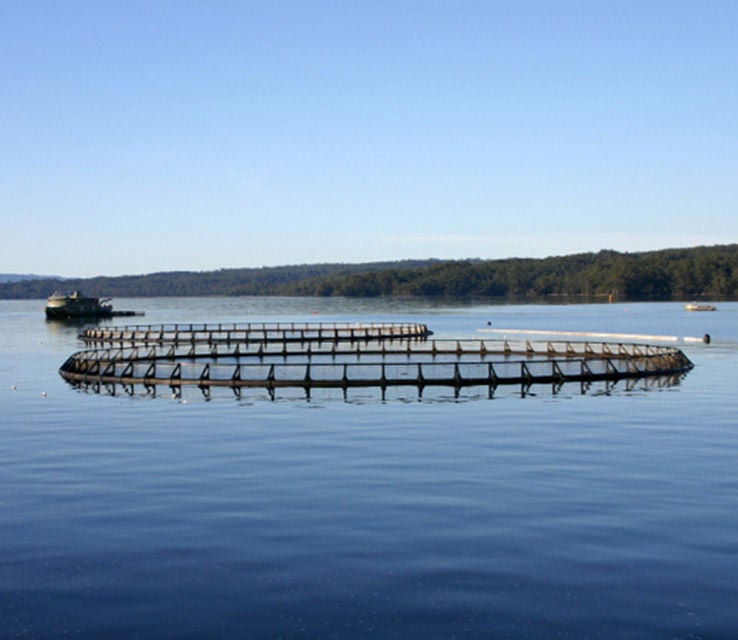
Disease can spread from one species to another relatively easily via open-pen finfish aquaculture (OPFA). Many species of fish, shellfish and seaweed are raised for consumption through aquaculture, but Atlantic salmon species are the most common. When raised within net pens or cages that are open to the natural environment, so many issues can arise, including the spread of disease and parasites.
Farmed fish are a source of disease to wild populations whether or not they escape their pens because they are held in artificially high density. Plus, it’s incredibly easy to transmit pathogens through open pens. Some of the diseases that have been found in OPFA operations include bacterial kidney disease, infectious haematopoietic necrosis, infectious salmon anaemia and viral hemorrhagic septicemia.
They can also spread sea lice to wild salmon populations. Sea lice are parasitic copepods that feed on the skin, mucous and blood of fish that can cause morbidity and even mortality in some populations of salmon.
What CWF Has Done
Saying No to Open-pen Finfish Aquaculture
- CWF has taken a hard stance against open-pen finfish aquaculture. It has called for the end of this practice on both coasts of Canada as well as a moratorium on new finfish aquaculture operations.
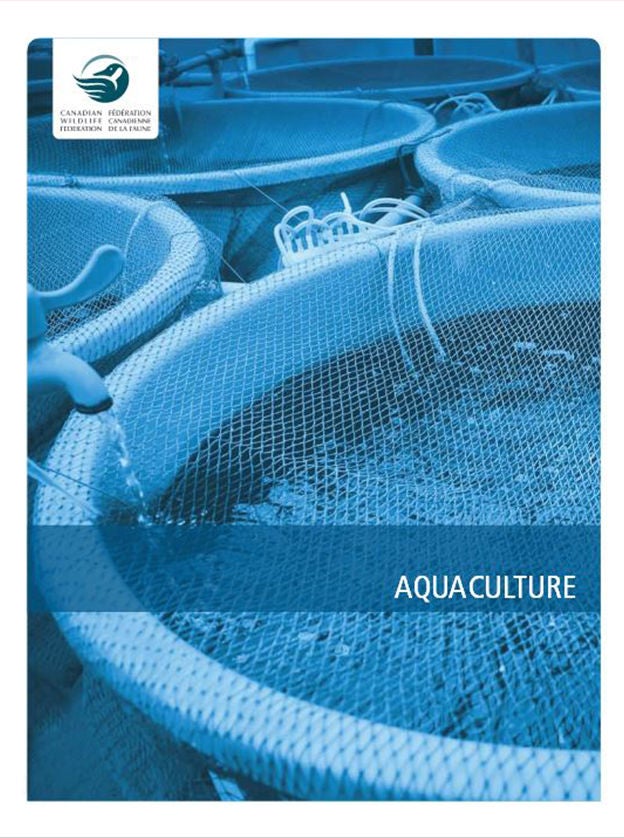
You can read more about our position and the threats that OPFA poses in our report, Aquaculture.
Learn more >
Speak Up for Water & Wildlife
Already added your voice? You can still help!
Pledge to avoid eating open-pen finfish farmed salmon
Moving farming operations to closed containment on land eliminates the threat of aquaculture while still producing fish and profits.
If you discover that the selections at your grocery store are mainly farmed, pipe up and tell your grocery store that you want wild salmon stocked and that you won’t be eating farmed salmon until the aquaculture industry adopts better practices. They will listen!
If your waiter doesn’t know, ask for them to find out for your next visit.
Instead, check on social media platforms to see if anyone else might be looking for a turtle. Reach out to the retailer you purchased your turtle from to see if they have a surrender program or if they know of a local organization that takes in unwanted pet turtles.
About You
Province/Territory