Background
With over two million lakes and rivers and 20 per cent of the world’s freshwater, Canada has an incredible abundance of aquatic natural resources. Canadians share a deep historical connection to freshwater; we rely on it for transportation, for resources, for employment, for food and for recreation — swimming, boating, fishing or simply admiring the scenery of a natural lake or wild river.
Unfortunately, many of Canada’s freshwaters are no longer the pristine ecosystems they once were. At CWF, we are working to encourage a better balance between the needs of our society and of the ecosystems that sustain us.
Did You Know?
200
Canada has 200 species of freshwater fish; one third are considered at-risk.
$8 BILLION
Recreational fishing contributes $8 billion annually to the Canadian economy.

40,000
CWF’s Love Your Lake program has assessed 40,000 shoreline properties.
Freshwater Turtles
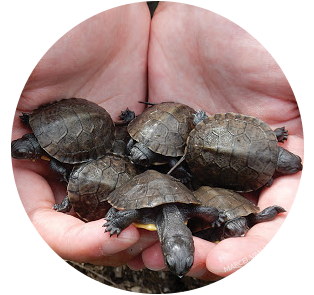
From ground surveys to highway hotspots to releasing rescued turtles, the Canadian Wildlife Federation works with regional partners, community groups, lake associations and individuals to reduce risks to Canada's freshwater turtles.
Love Your Lake
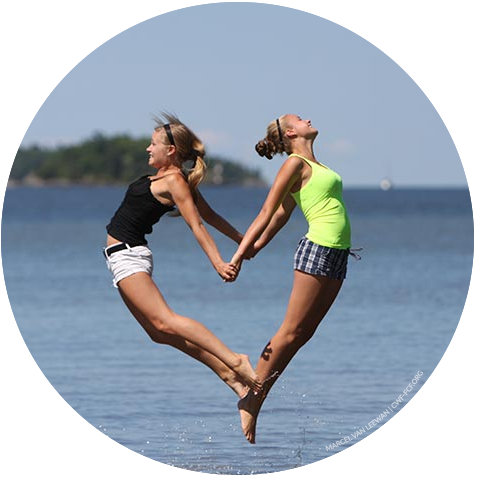
Love Your Lake — a joint program between the Canadian Wildlife Federation and Watersheds Canada — invites lake associations and organizations to volunteer their lake as a participant in the program. If accepted, every property on the lake will be assessed using a standardized assessment protocol, and landowners will get a personalized property report with details on the state of their shoreline and recommended actions for improving lake health for people and wildlife.
American Eel
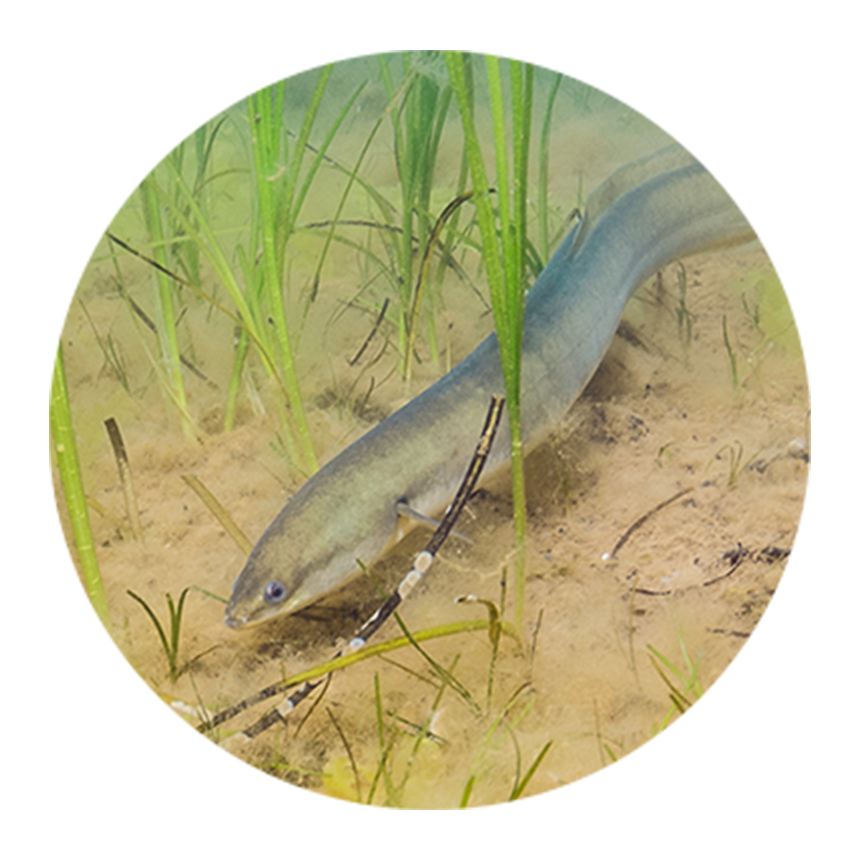
The Canadian Wildlife Federation is using research and advocacy to learn more about American Eel behaviour, to develop mitigation options for the species, and to increase support for protecting and recovering the species.
Salmon
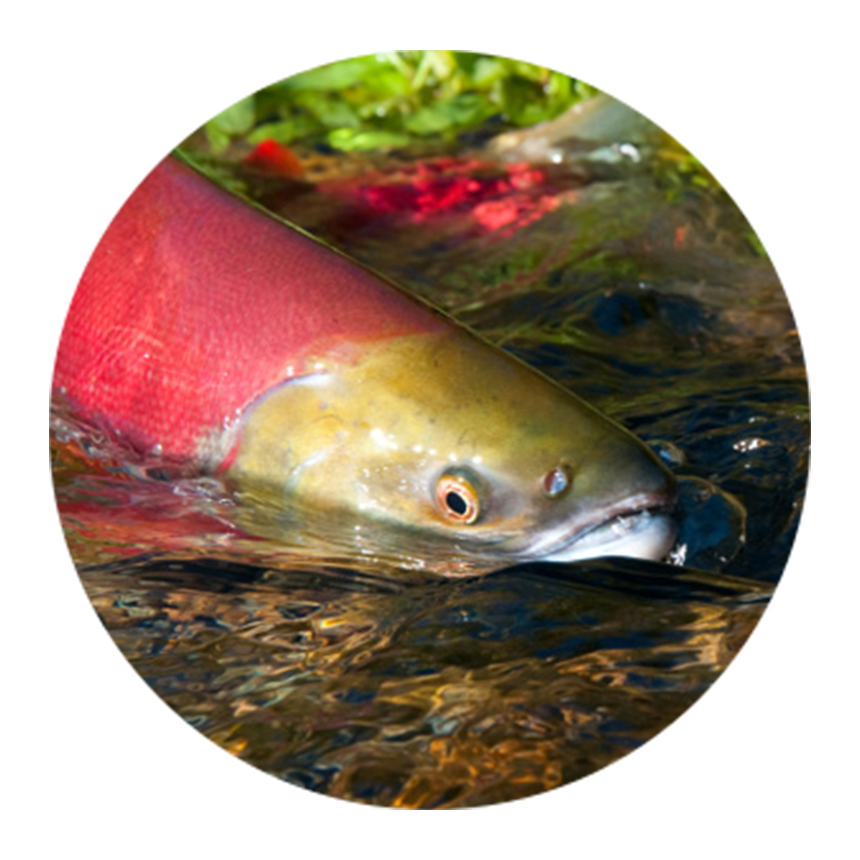
The Canadian Wildlife Federation is using research and advocacy to learn more about Chinook Salmon behaviour, to identify important habitats for the species, and to increase support for protecting and recovering the species.
River Barriers
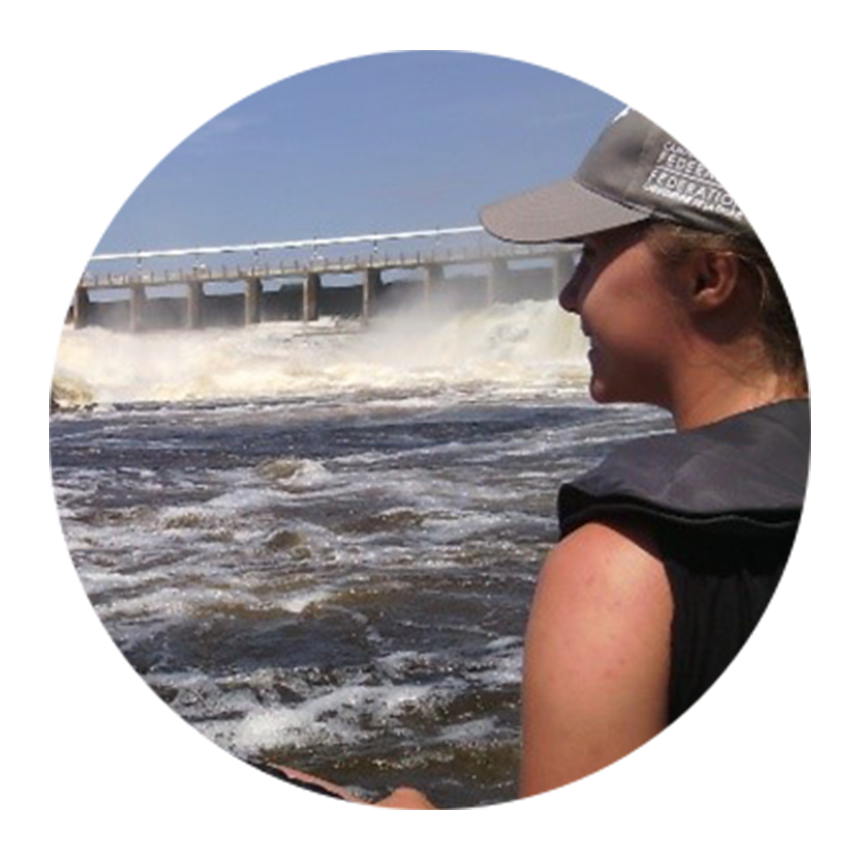
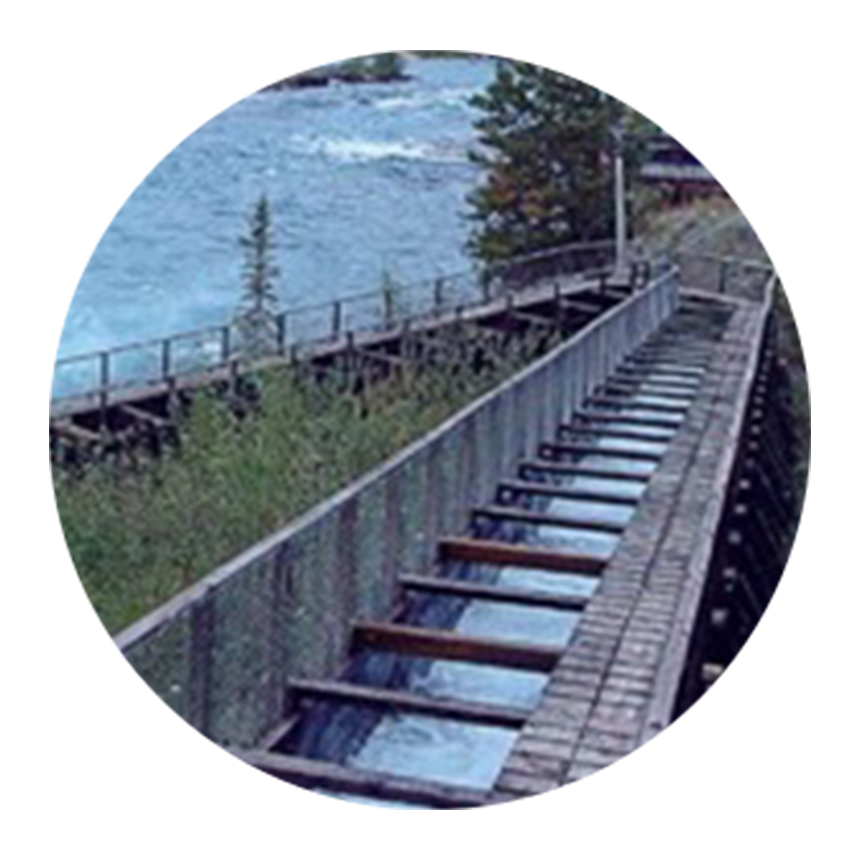
Some of our treasured aquatic wildlife are being stopped dead in their tracks along their migratory paths. Dams, culverts, levees and road crossings have been creating barriers for wildlife species for decades. We at the Canadian Wildlife Federation think that’s a problem for Canada’s critters and we know these barriers need to be addressed.
Fish Passage
CWF’s goal is to reconnect freshwater ecosystems by remediating barriers such as rail and road crossings, weirs, levees and dams. CWF is working to improve connectivity within Canada’s waterways using two major strategies.
Aquatic Habitat Canada
Aquatic Habitat Canada is a national network focused on helping governments, local communities, Indigenous organizations, industry stakeholders and conservation organizations to more effectively protect and restore healthy and resilient aquatic ecosystems.

Hinterland Who’s Who
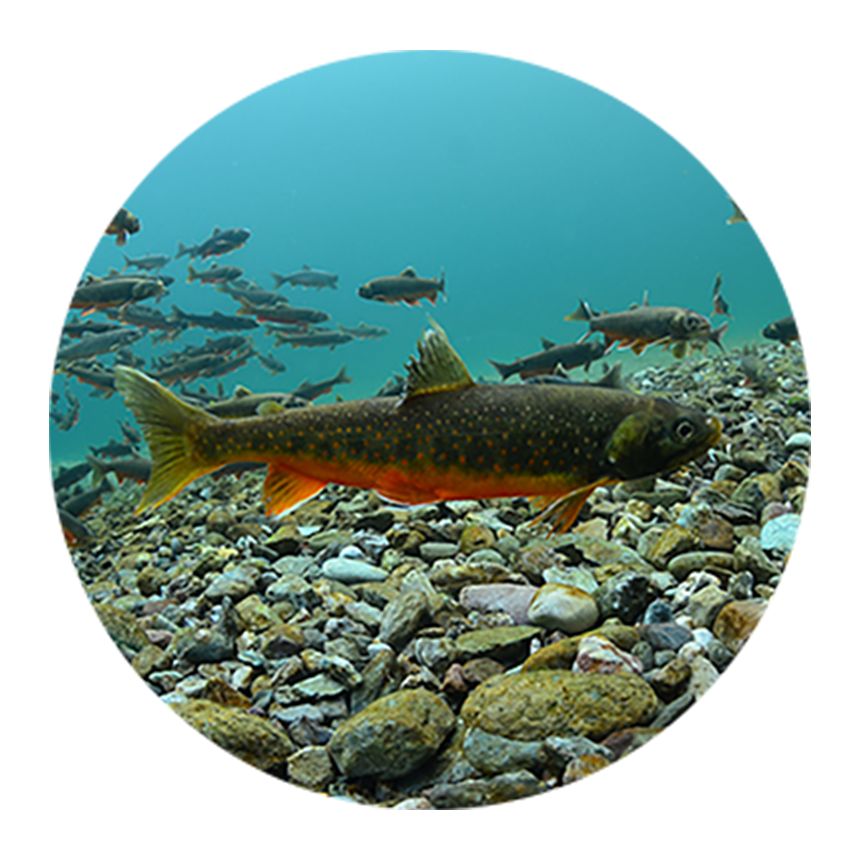
It all started in 1963 with black-and-white vignettes about the loon, the moose, the gannet and the beaver. For more than 50 years, Hinterland Who’s Who has been proudly bringing Canada’s iconic wildlife directly into Canadians’ homes.
Bioblitz
With the help of Canadians like you, we hope to catalogue as much of Canada as possible so that we can make informed decisions about our land use, environmental policies and wildlife.
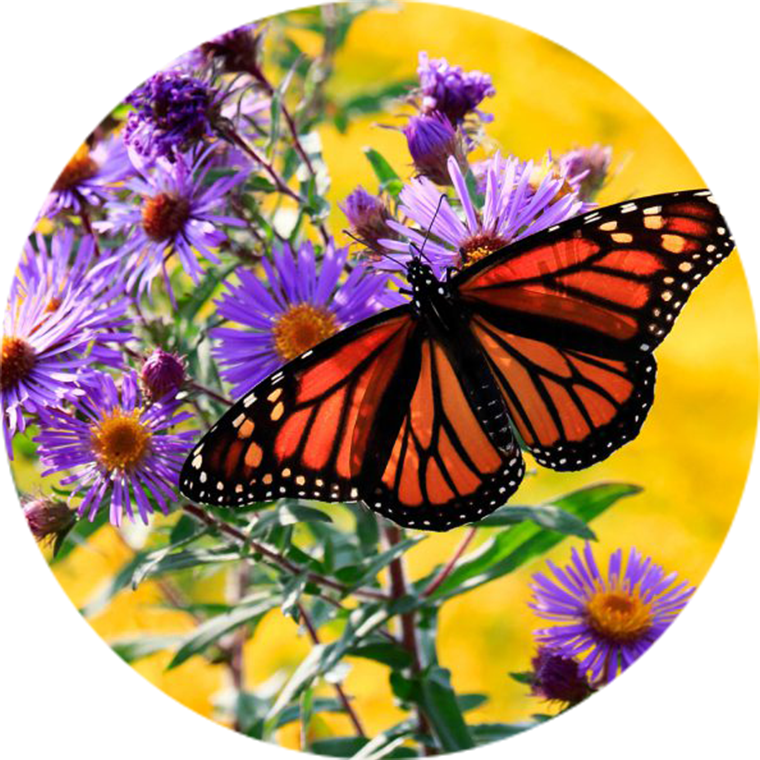
iNaturalist
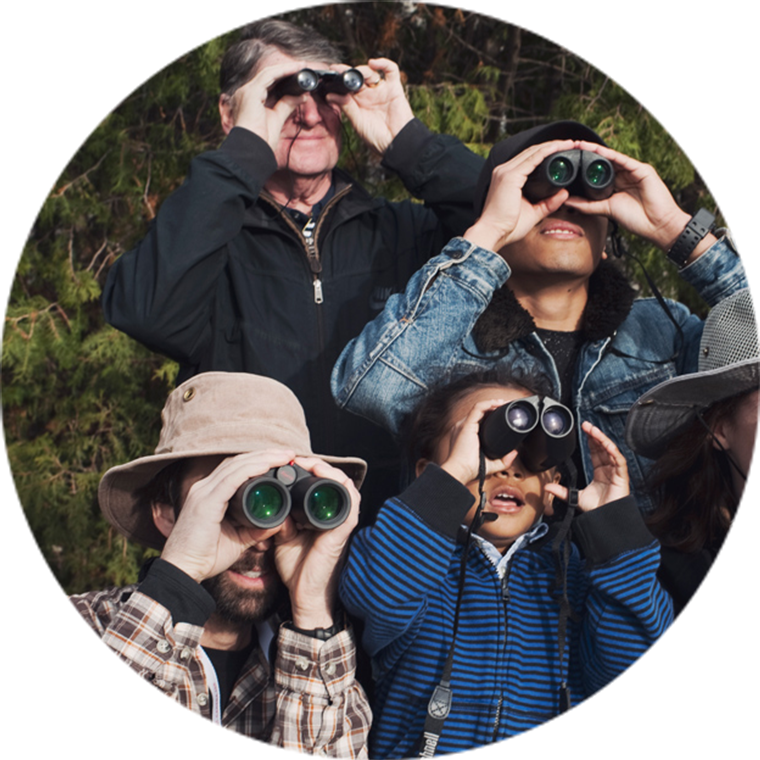
If enough people record their observations in iNaturalist Canada, we can make a difference for Canada’s wildlife. We can build a living record of life in Canada that scientists and environmental managers can use to monitor changes in biodiversity, and that anyone can use to learn more about Canada’s amazing natural history.
A Changing Climate Can Impact Your Shoreline and Lake
With an increase in extreme weather events, many areas are seeing an increase in temperatures, drought or heavier rainfall. All of this can take a toll on our lakes and shorelines resulting in an increase in erosion, more runoff, more algal blooms, higher lake temperatures, and changes in water levels.
Having a natural shoreline is a great defence in protecting your shoreline and lake from climate change. A shoreline rich with native vegetation and natural features will help with carbon sequestration, reduce runoff, filter nutrients and other contaminants, reduce erosion, create wildlife habitat, help with flooding, and help maintain property values.
Let Love Your Lake show you how to create a resilient natural shoreline to help protect the health of your shoreline and lake.
Sign Up for Timely Articles and Tips
The Canadian Wildlife Federation's free monthly e-newsletter Wildlife Update features current issues facing Canada's wildlife, DIY and Q&As, quizzes and more. Sign up to join over 80,000 readers in this wildlife conservation community. You can unsubscribe at any time.