

The Participants
Andrea Fried
Christina Nguyen
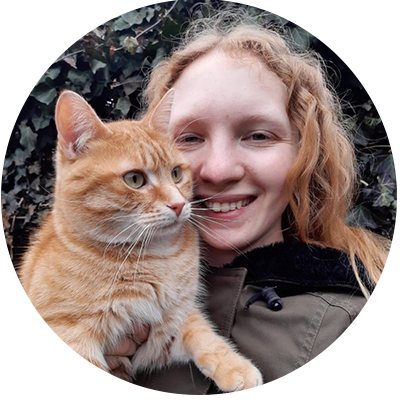
Colleen Todd
Eleonore Robbins
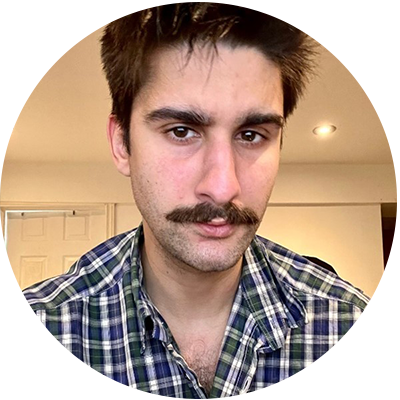
Ferenc Varga
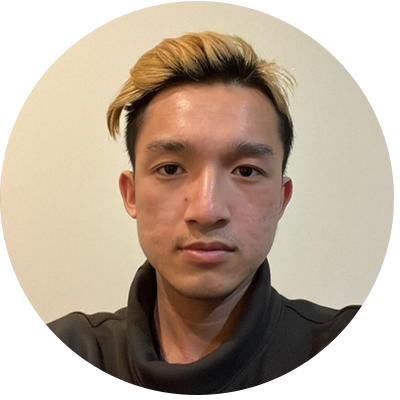
Jeffrey Nguyen
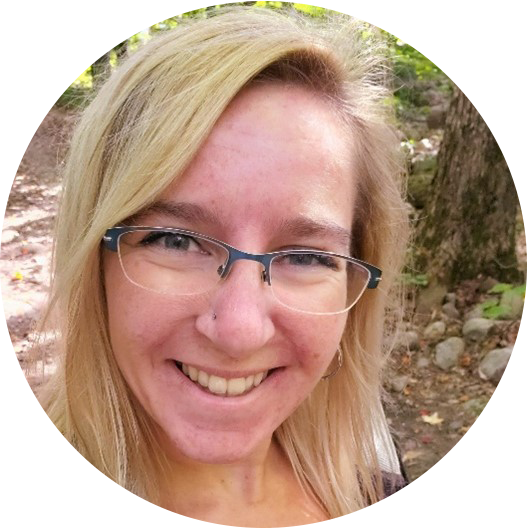
Meghan Birch
Paula Torti
Sophie Lessard
Sumia Ali
Stage 1:
Flatwater Canoeing Temagami
Stage 2: Conservation
Field Learning
During Stage 2, members of this group spend three months in individual field learning placements with partners in conservation across Canada. Learn more about their placements below.
Canadian Wildlife Federation
Kanata, ON
The Canadian Wildlife Federation conducts its activities through a cooperative approach – working with people, corporations, non-government organizations, and governments to inspire collaboration in achieving wildlife conservation. We will use the best available science-based information to develop our policies, programs and communications. CWF prides itself in being accountable and transparent in fulfilling our mission.
Huron Stewardship Council
Goderich, Ontario
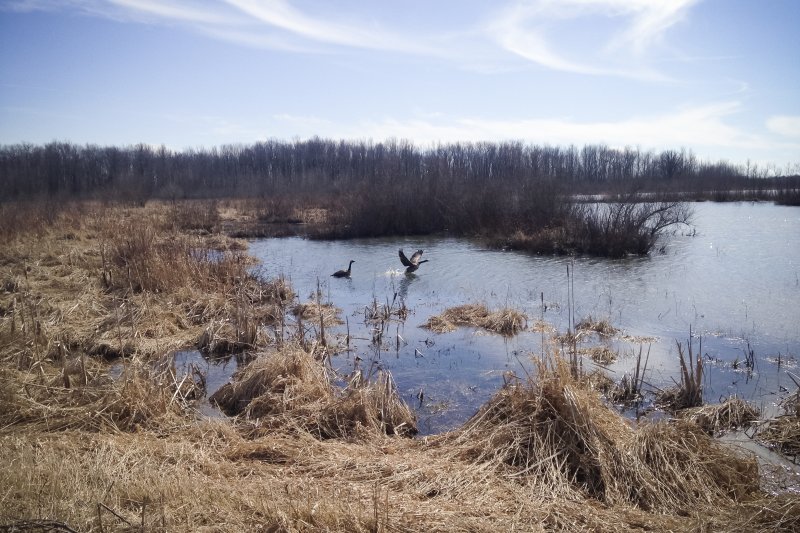
The Huron Stewardship Council has been active in the Huron County community since 1995, originally beginning as a Provincial program, and officially becoming incorporated as a not-for-profit in 2011. We encourage responsible ecosystem level management of our natural resources, through collaboration with the Huron County community. Our ultimate goal is to create a healthy natural landscape that is valued by the community, managed sustainably by landowners, and used in a way that balances multiple benefits for the community.
Swim, Drink, Fish
Toronto, ON
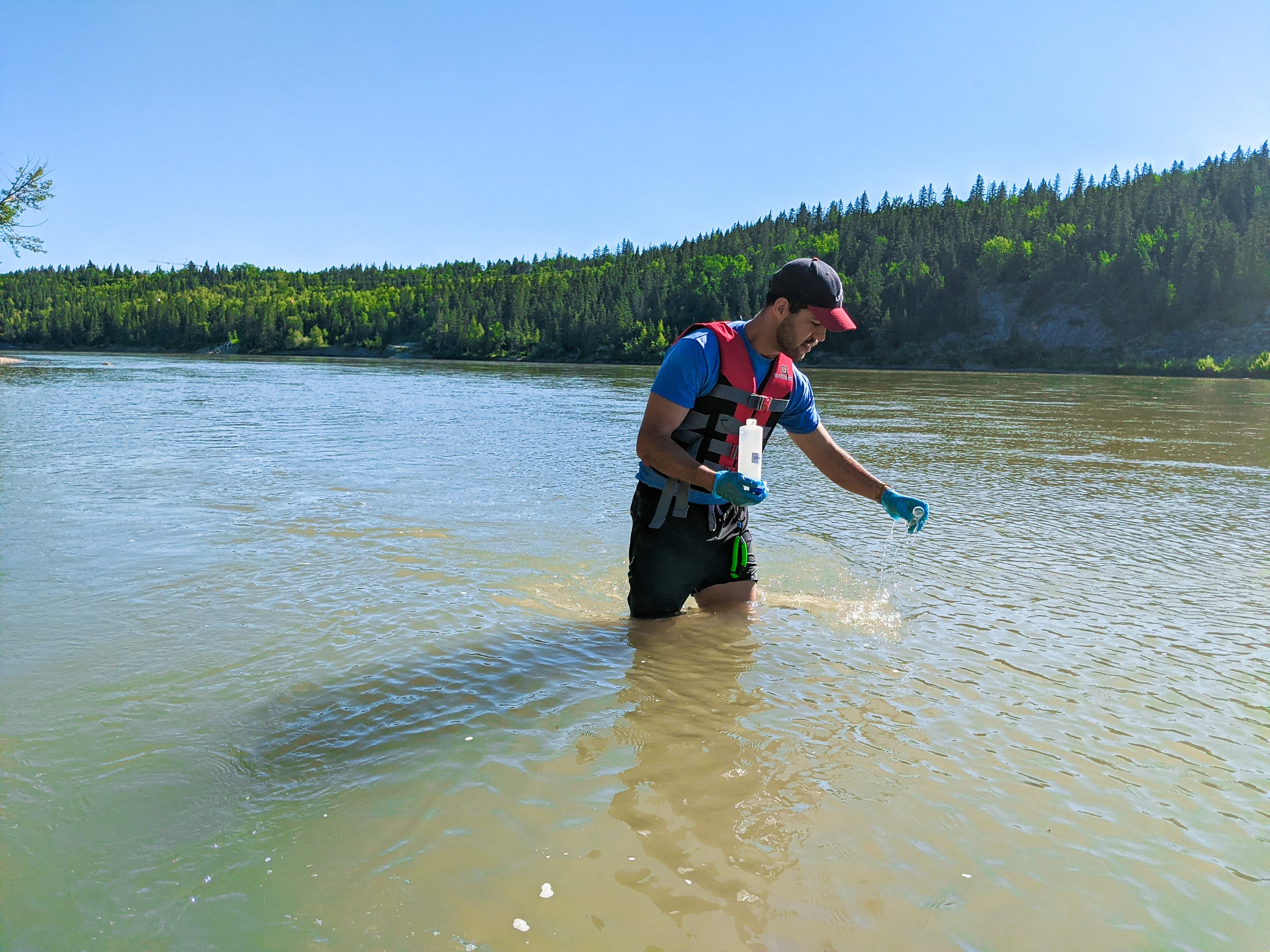
Swim Drink Fish works at the confluence of water, people, and technology. We focus on water because all communities need swimmable, drinkable, fishable water to thrive. We empower people because it takes a community to protect water. We create communications tech tools because the web has the power to engage enough people to protect all waters.
Algonquin Wildlife Research Station
Whitney, Ontario
AWRS: The AWRS (est. 1944) is a small not-for-profit organization operating in Algonquin Provincial Park with a focus on long-term ecological and wildlife studies, student training in the sciences, and environmental education. Our organization is operated by a small but dedicated team of staff and a volunteer board of directors. Our mission is to inspire, to educate, and to conserve. Our vision is to be a leader in wildlife research through experiential learning.
Rare Charitable Research Reserve
Cambridge, ON
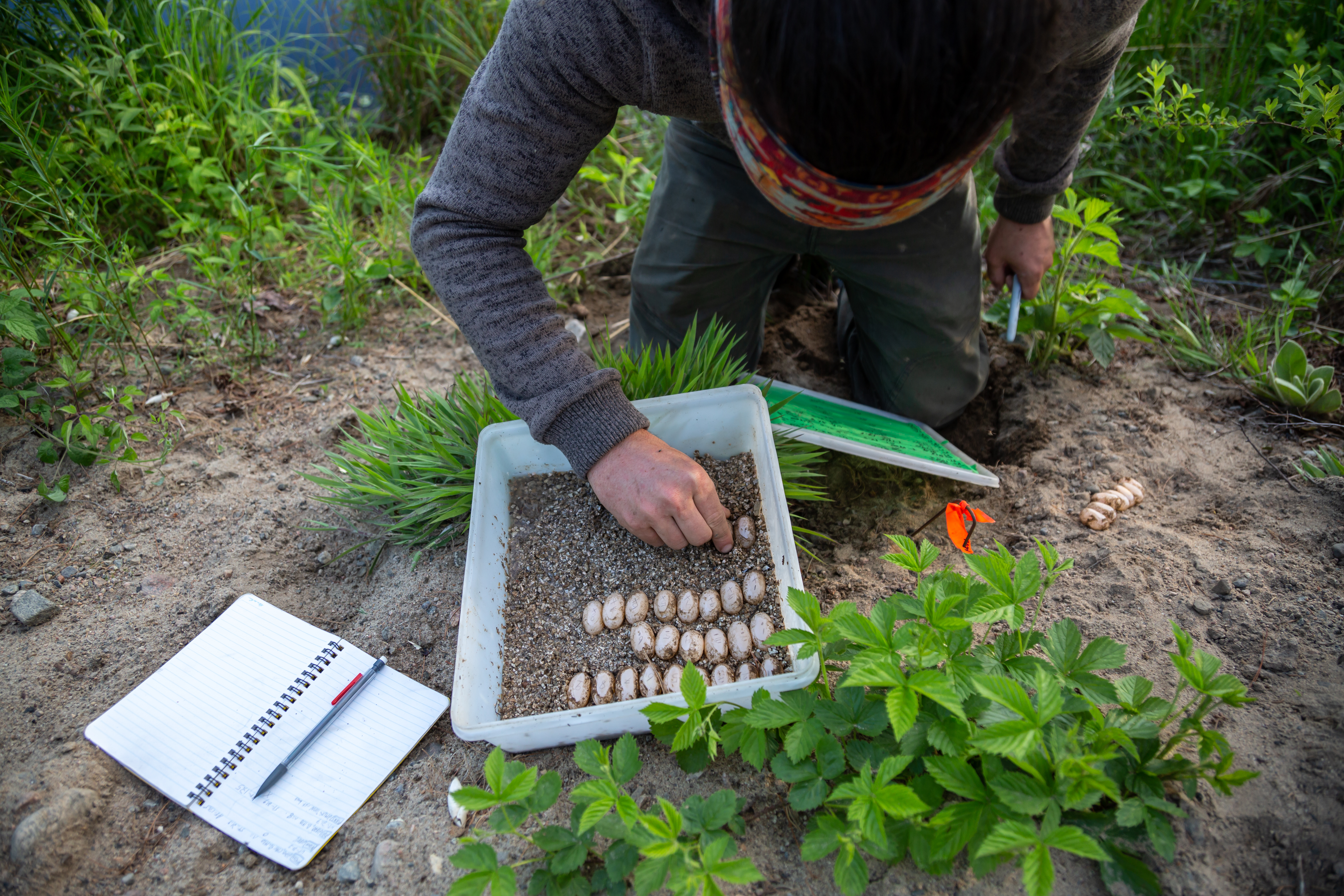
The rare reserve has several ongoing conservation and research projects, including Vegetation Sampling Protocols (VSP), invasive plant management, native plant propagation, salamander and insect monitoring, and the turtle nursery project. We strive for a healthy, positive, and effective workplace in an environment that fosters independence, creativity, and flexibility.

Stage 3: Outreach, Service and Community Impact Development
In this stage, CCC participants will be able to take what they’ve learned in the first two stages and incorporate that knowledge into meaningful community outreach and impactful service projects. From developing pollinator education programs for the classroom to hosting informative podcasts that expose new audiences to discussions on the top environmental issues of the day, these projects are developed and delivered by CCC participants with the goal of having a positive impact on both their home communities and Canada. Explore every completed CCC project here to see the impact our program is having across Canada and to get inspiration for how you can better your community and local wildlife.

Learn More
- 0
- 1