




-
 Guides, Infographics & Posters
Guides, Infographics & Posters
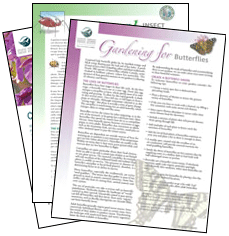
Take a closer look at the ways in which we’ll help you access the facts about wildlife. Whether it’s discovering the Hinterland Who’s Who animal fact sheets, or ordering our handy field guide to Canada’s prevalent shoreline species. This content is available to our CWF Supporters and online members. Please sign in to order your free materials.
More -
-
Wildlife E-cards
Wildlife E-cards
Send Dad a wildlife e-card! You cherish our wonderful wildlife and now you can send e-greetings that reflect your love of nature. We have developed a wide array of wildlife ecards for every occasion for you to share with your family and friends!
More -
 CWF Wallpapers
CWF Wallpapers
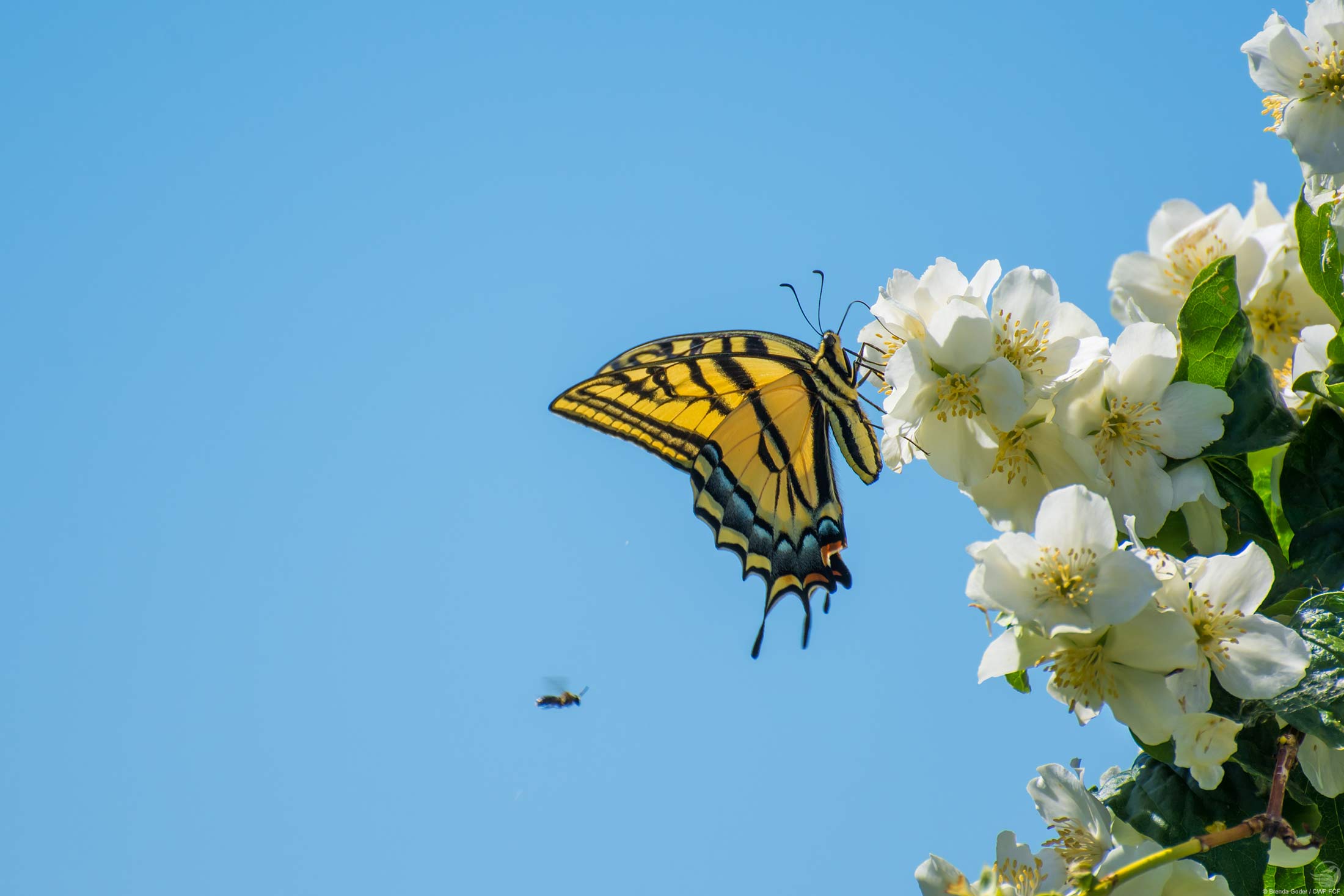
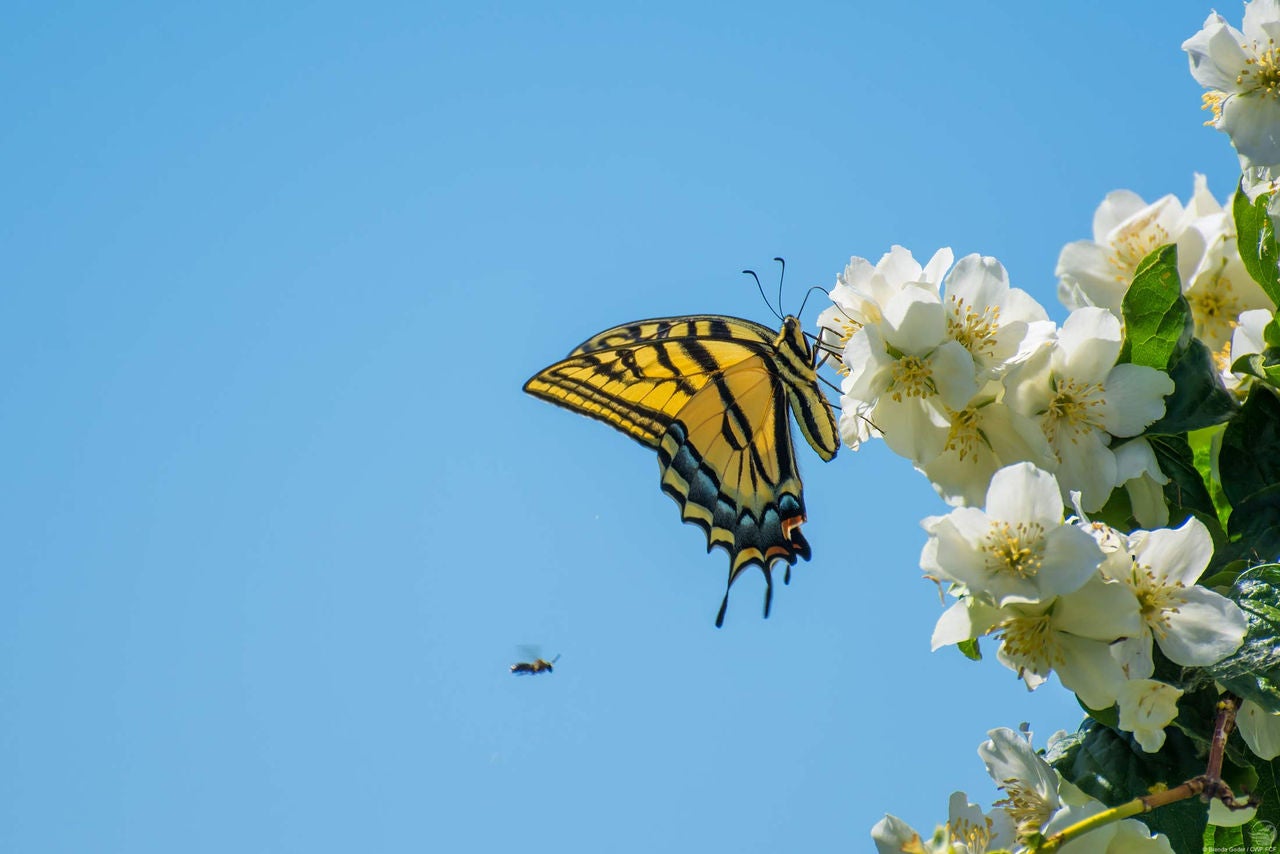
Your desktop is the perfect habitat for this wild wallpaper. Download CWF wallpapers!
More -
 WILD Webinars
WILD Webinars
With topics relating to conservation, wildlife and habitat, we provide a relevant online learning platform, typically for grades four to six but of benefit to any age.
More

From easy-to-use apps designed as tools for your citizen science projects to picturesque wallpaper images for your computer, CanadianWildlifeFederation.ca offers a variety of useful downloads for your PC and mobile devices.
Coasts & Oceans
Connecting With Nature
-
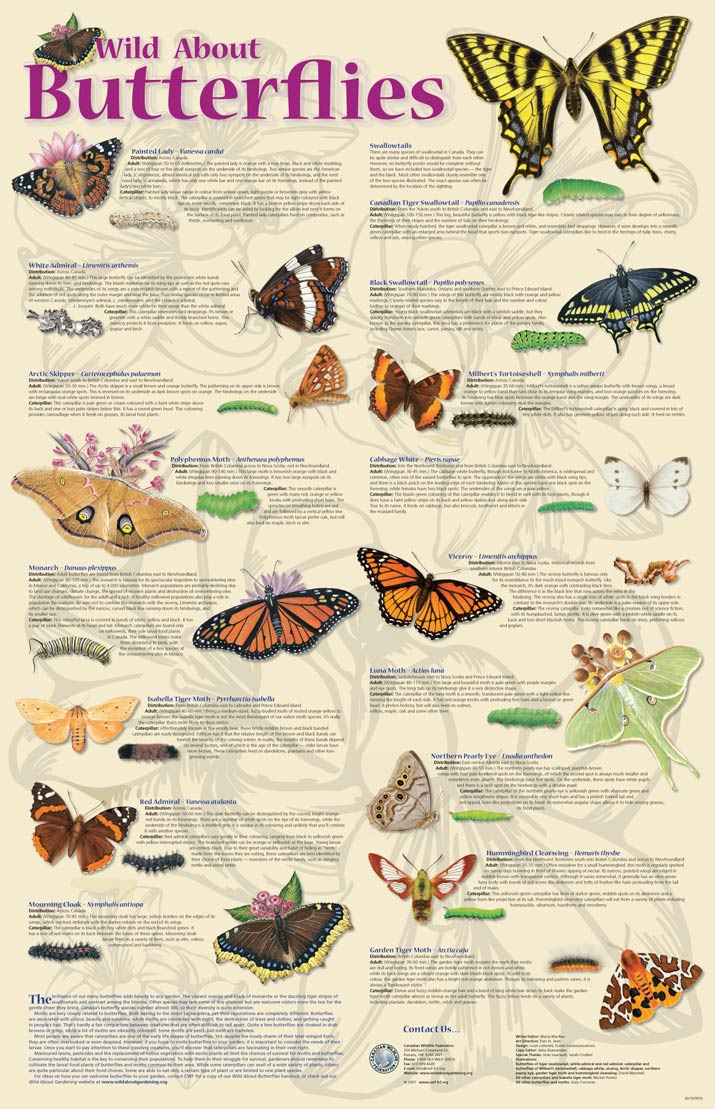
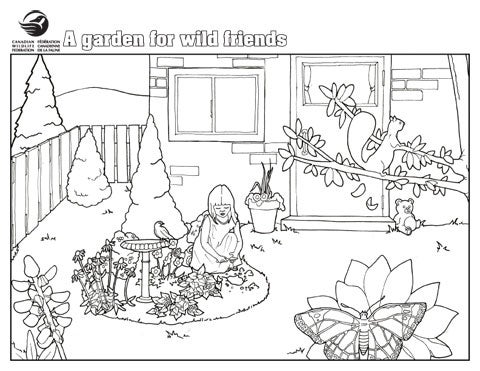
Gardening for Wildlife Handouts and Posters
2026-06-26
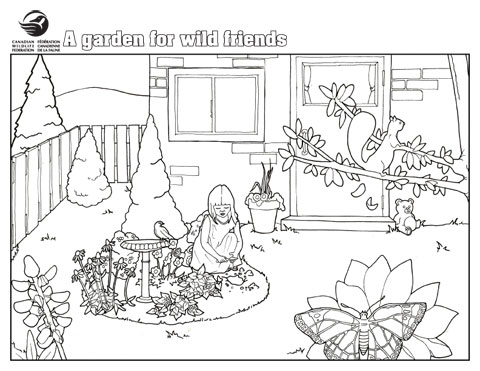
Download a variety of handouts including Gardening for Pollinators and Natural Insect Control. Or order a poster on Canada’s birds, bees, butterflies and much more!
-
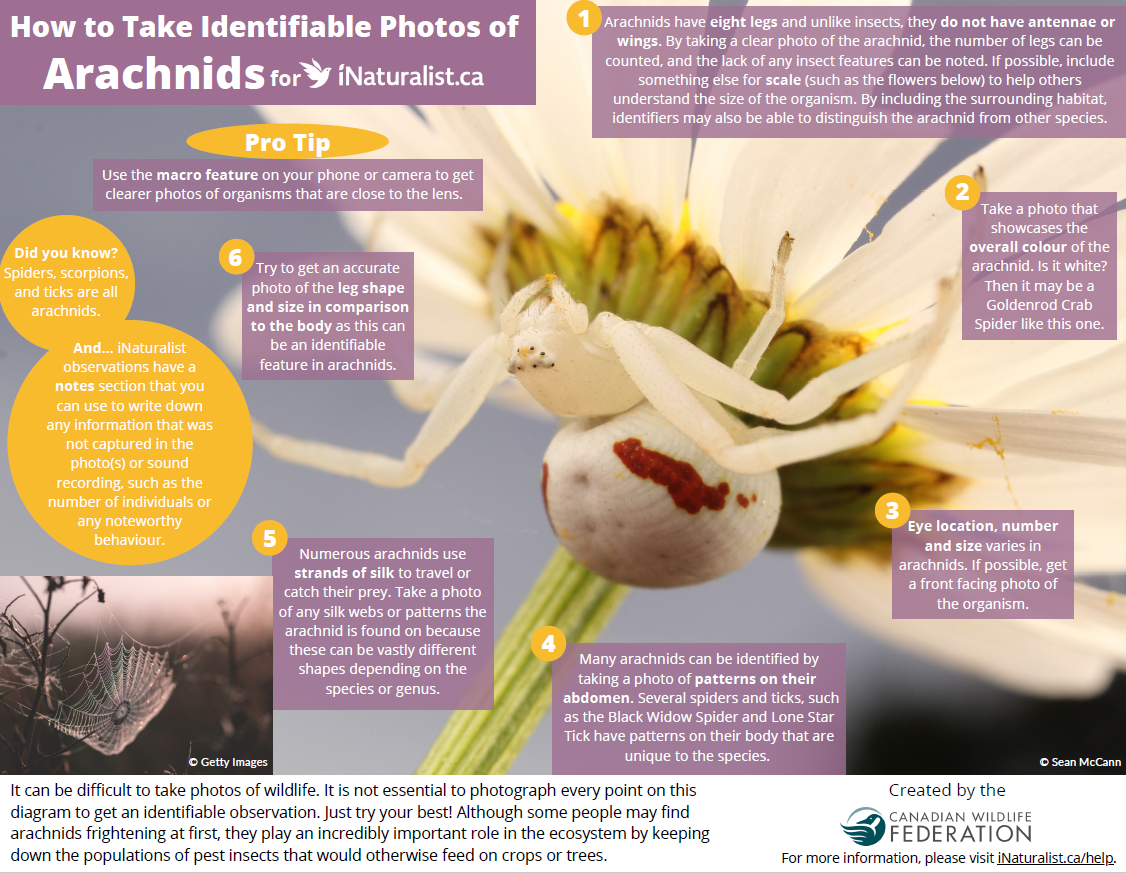
How to Take Identifiable Photos of Arachnids
2026-06-26
It can be difficult to take photos of wildlife. It is not essential to photograph every point on this diagram to get an identifiable observation. Just try your best! Although some people may find arachnids frightening at first, they play an incredibly important role in the ecosystem by keeping down the populations of pest insects that would otherwise feed on crops or trees.
-

Bioblitz in a Box
2021-09-24
Bioblitz-in-a-box is a lasting legacy from the Bioblitz Canada 150 project that took place in 2017, made possible in part by the Government of Canada, as a Canada 150 Signature Project. These tips and tools for organizing a bioblitz were compiled by the Canadian Wildlife Federation based on various online bioblitz guides, and professional and personal experiences. Feel free to browse around to find something to help with your own bioblitz plans!
-
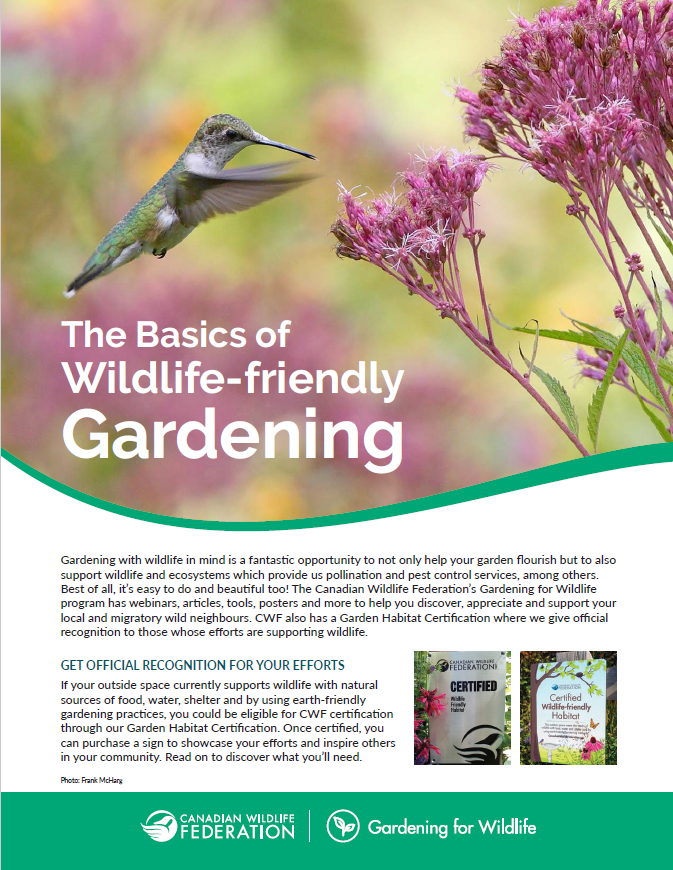
The Basics of Wildlife-friendly Gardening (printer-friendly version)
2026-06-26
Gardening with wildlife in mind is a fantastic opportunity to not only help your garden flourish but to also support wildlife and ecosystems which provide us pollination and pest control services, among others. Best of all, it’s easy to do and beautiful too! The Canadian Wildlife Federation’s Gardening for Wildlife program has webinars, articles, tools, posters and more to help you discover, appreciate and support your local and migratory wild neighbours. CWF also has a Garden Habitat Certification where we give official recognition to those whose efforts are supporting wildlife.
-

Helping Monarchs and Pollinators: Rethinking Mowing
2019-05-07
Pollinators are a priority resource concern for many conservationists and farmers. The Xerces Society conducted field trials throughout the Easter, Midwestern and Western United States to inform best practices.
Education & Leadership
Endangered Species & Biodiversity
-
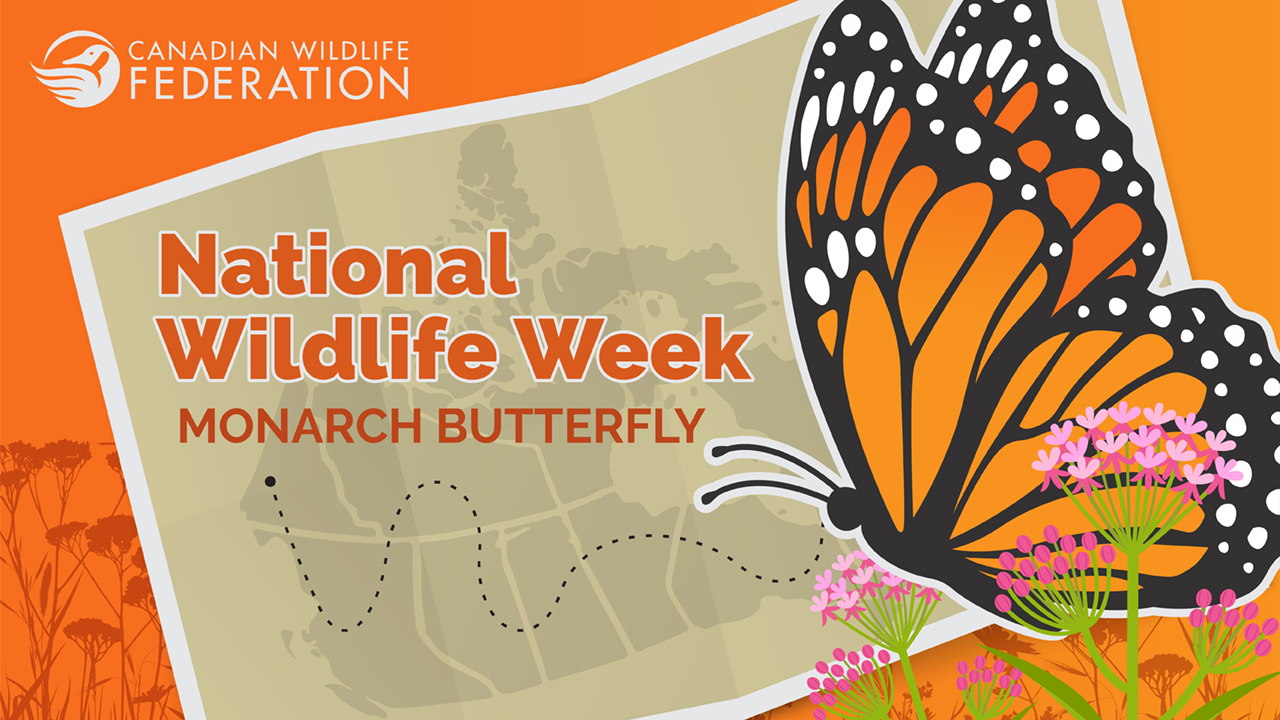
Monarch Butterflies With Michelle McPherson
2025-04-10
Michelle is a Wildlife Biologist with the Canadian Wildlife Federation. Her current area of focus is the Right-of-Way (ROW) Pollinator Habitat project, which is focused on the restoration of native meadow along roadsides, utility corridors, and solar farms in conjunction with a network of ROW managers. Join Michelle to learn more about what CWF is doing in collaboration with industry and community partners to restore habitat connectivity for pollinators, including the endangered Monarch butterfly.
-
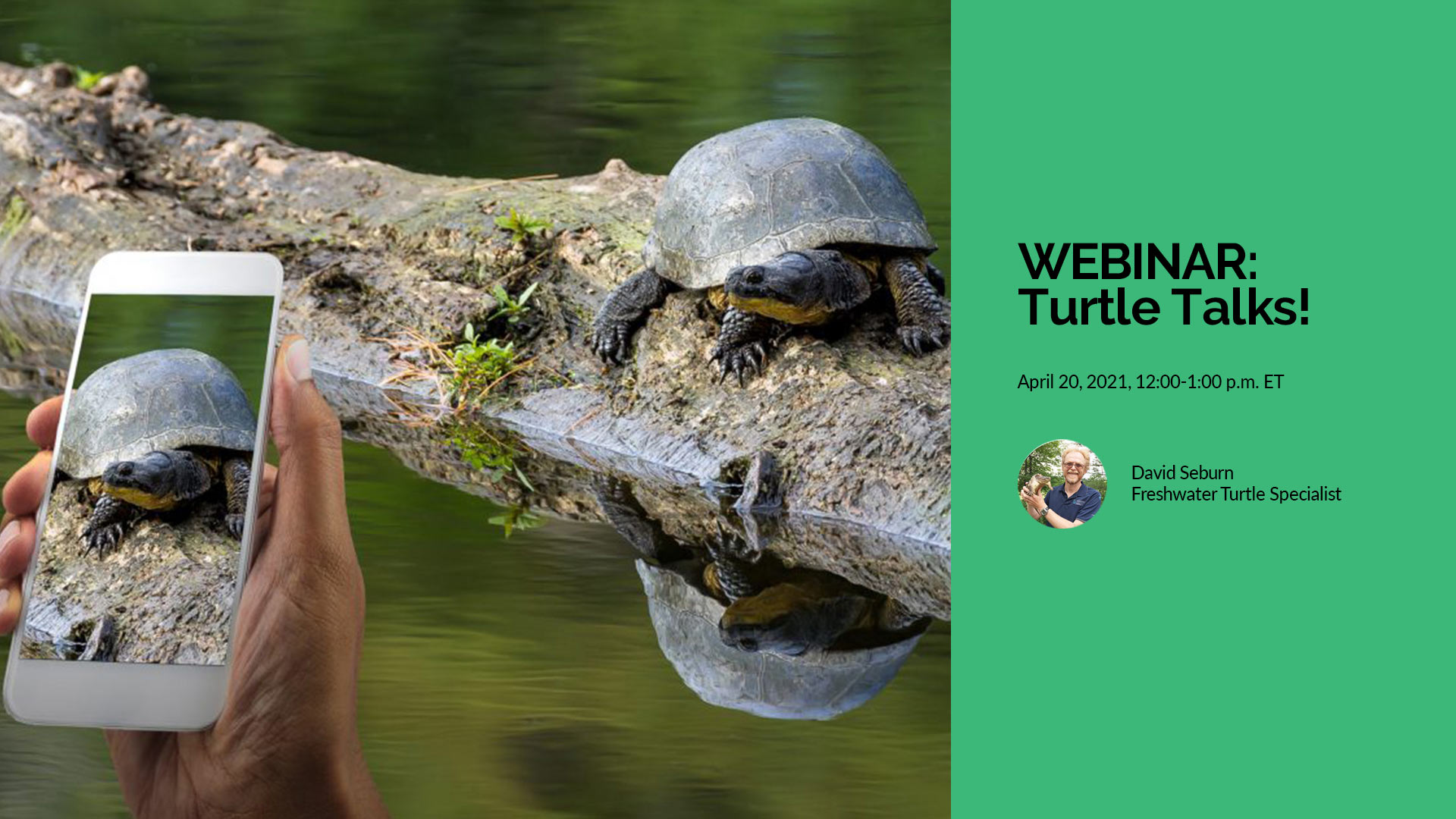
Turtle Talks Webinar
2021-04-20
April 20, 2021, 12:00-1:00 p.m. ET Who doesn’t love turtles?! They’re cute, they’re interesting and they come in so many shapes and size. They’re also one of the most endangered groups of species in Canada. Join us for a webinar all about turtles, and discover what the Canadian Wildlife Federation is doing to help them and what you can do to help, too!
-
Managing Rural Roadsides for Pollinator Habitat
2020-03-10
Lanark County Lanark County is a rural municipality in eastern Ontario – to the west of Ottawa, Ontario – managing approximately 600 kilometres of county roads. Since 2016, Lanark County has followed an integrated vegetation management (IVM) plan to control invasive plants, especially wild parsnip, that encroach on pollinator habitat. In addition to controlling invasive plants, the goal of the IVM plan was also to re-establish desirable native vegetation along roadsides. To achieve these goals, Lanark County changed mowing practices, implemented integrated control measures to reduce impact to desirable vegetation (i.e. targeted spot spraying, hand control of invasives, reseeding disturbed sites, etc.), and improved hydroseeding practices with native seed to promote pollinators. Lanark County has been successful in reducing invasive plant infestations and improving pollinator habitat on almost 450 hectares of rural roads, and now has the opportunity to share some lessons learned with other municipalities about how they can help improve pollinator habitat along roadsides.
-
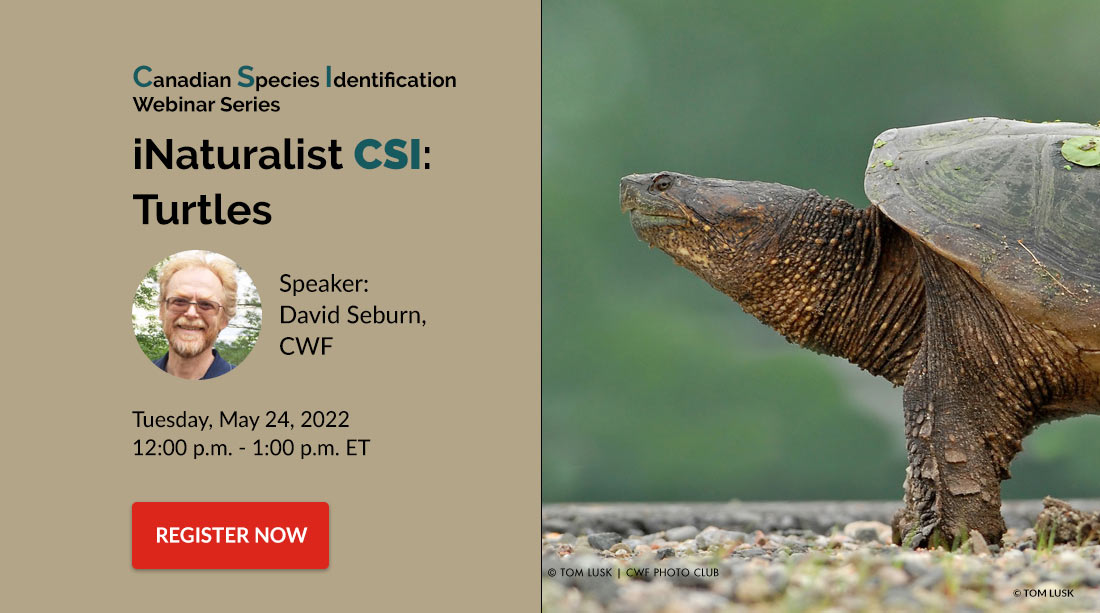
iNaturalist CSI: Turtles
2022-05-24
Join the Canadian Wildlife Federation (CWF) for a webinar in our Canadian Species Identification Webinar Series, demonstrating how to photograph and identify turtles using iNaturalist Canada, with CWF’s very own turtle expert David Seburn in English and CWF’s Annie Belair in French. Freshwater turtles are in decline throughout Canada. CWF’s HelpTheTurtles.ca initiative is working to change this but we need your help! Knowing where turtles are found is an important first step to fixing the problem. Tallying everyone's observations will help us target which roads we need to look at for mitigation measures and which wetlands we need to keep an eye on. By uploading your turtle sightings to iNaturalist.ca, you can directly contribute to turtle conservation. iNaturalist has become one of the world’s most popular nature apps and the Canadian Wildlife Federation has led the charge in bringing it to the forefront of Canadian citizen science. CWF is carrying out our own surveys on roads and in wetlands for at-risk turtles and working with Scales Nature Park, but we can't be everywhere. Your information is critical so we can work with municipalities and transport agencies to reduce the risks to turtles. Learn how to identify turtle species and take identifiable photos of turtles to help us, help them! English Webinar Date: May 24, 2022, 12:00-1:00 ET French Webinar Date: May 26, 2022, 12:00-1:00 ET
-
Let's Talk Turtles
2022-05-18
How to help Canada’s At Risk Turtle Populations: Turtles are a vital part of healthy ecosystems. Although they have been around for millions of years, today, all eight of Canada’s freshwater turtles have been designated as Species at Risk. This webinar will discuss why turtles are in danger, how you can make a difference, and how turtles are culturally significant to Indigenous Peoples of North America.
Forests & Fields
-
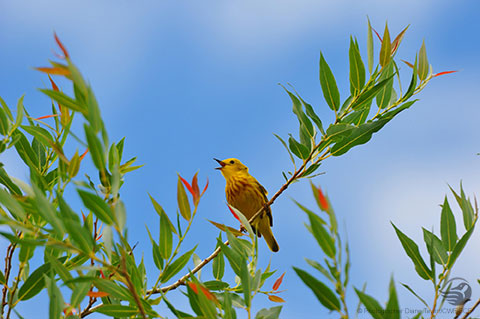
Yellow Warbler on the South Saskatchewan River
2014-03-01
Download this wallpaper of a Yellow Warbler on the South Saskatchewan River
-

-
-
-
Lakes & Rivers

Learn More

- 0
- 1
- 2
- 3