


While there are many control methods that can be bought for use against yellow jackets, many of these applications aren’t specific to just yellow jackets and can harm other insects as well. The good news is that there are alternatives! But first a word of caution – if you are allergic to wasp stings, specifically yellow jackets, then it may be best for you to phone a friend to help you tackle this project or call a professional.
Some experts encourage patience if the yellow jackets and their nest don’t present any health risks. Did you know that wasps are actually beneficial? Not only are they pollinators but because they feed their young, they also help control some insect pests.
However, it’s understandable if you’d like to discourage wasps from using your house as their own! Hopefully some of the tips and tricks below will help you out!
Prevention:
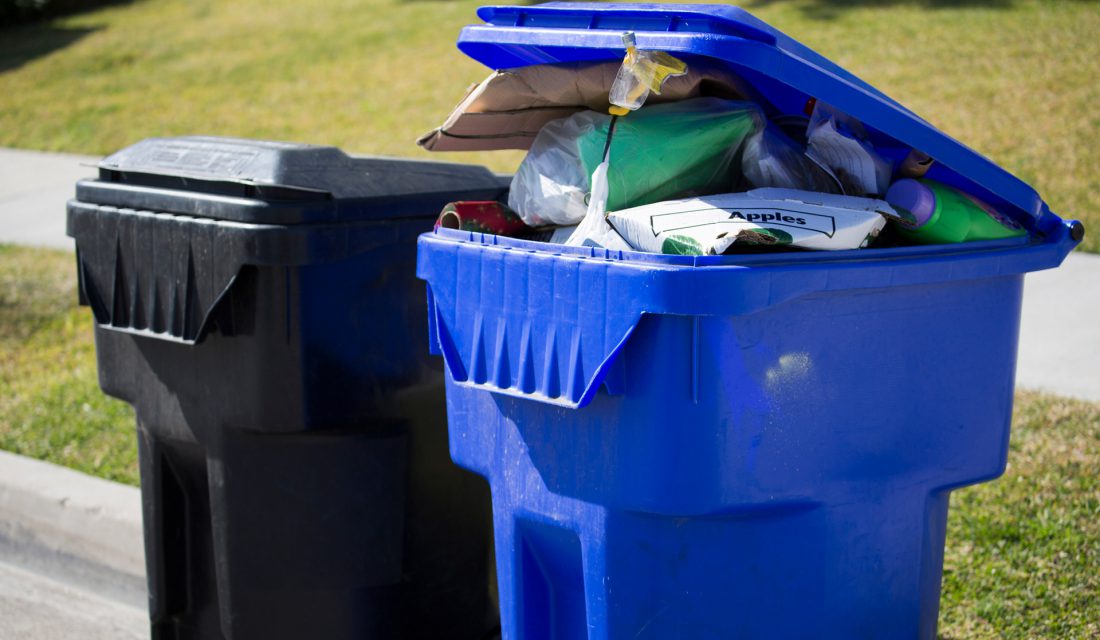
- Keep garbage cans, compost bins and recycling containers well covered.
- Because yellow jackets are territorial it’s said that they won’t build a nest where they think a nest already is. Hang a fake wasp nest where they’re showing interest.
- A study has shown that mixing several drops of clove, geranium and lemongrass essential oils in a spray bottle with water and dish soap and spraying potential nesting areas, such as under eaves, will work to repel wasps.
- Slicing cucumbers and putting them in a single layer on an aluminum pie plate is said to keep yellow jackets away. The cucumber reacts with the aluminum and gives off a chemical scent that wasps don’t like. I also read that it’s the acidic properties of the cucumber juice that keeps them away. Either way, it’s supposed to work!
- Place some pennies or dimes in a baggie filled with water and hang about every one metre around the area you’re trying to keep free of yellow jackets. One explanation is that wasps think the bag is a spider web and won’t go near it; another thought is that the coins reflect light which acts to deter them.
- Lemons and cloves can also be used to repel wasps. Cut a lemon in half and stick about 12 whole cloves in each lemon half. You can either set your prepared lemons on a surface or hang them up.
- Place peppermint oil-soaked cotton balls under your eaves to keep yellow jackets away.
- Another mixture that can be sprayed outside to ward off yellow jackets is to mix:
- o 1.5 teaspoons of Lavender Oil
o 5 teaspoons of Eucalyptus Oil
o 5 teaspoons of Pennyroyal Oil
o 3 teaspoons of Citronella Oil
o 5 teaspoons of Tea Tree Oil
o 2 cups of Vodka
- o 1.5 teaspoons of Lavender Oil
Mix this in a 16-ounce spray bottle and spray outside each day for a week and then once a week after that.
Control Methods

If yellow jackets are indeed posing a safety concern, you could consider these options below.
Option 1:
You’ll need a 20-litre bucket that you’ll fill with soapy water. If it’s spring or summer, hang a piece of protein – canned white chicken is said to work really well – about five centimetres above the water. When yellow jackets try and take a piece of the meat it will be too heavy, and they will end up falling in the soapy water.
Option 2:
Take an empty two-litre plastic bottle, remove the cap, and cut approximately the top one-fifth off the bottle. Place the neck of the bottle (looks like a funnel) into the bottom part of the bottle and tape the pieces together using a strong tape, such as duct tape. Apply some vegetable oil on the insides of the trap to keep the yellow jackets from climbing out. Put a piece of meat inside the bottle with a sweet sugary liquid to act as bait. Adding a splash of vinegar in the bottle is reported to keep bees away from the trap. Wasps should fly into the trap but they shouldn’t be able to get out. Hopefully these suggestions will help keep yellow jackets from making a nest under your eaves or in other places. If they do make a nest that needs to be removed, it is best to leave the removal to a professional, especially if you are allergic. If you plan on removing it yourself however, consider:
- Removing the nest when it is just being built. It is much smaller at this stage and will house far fewer yellow jackets.
- Removing the nest at night. This is when most, if not all, wasps should be inside. They are less aggressive at night and don’t move quite as fast!
- Wearing protective clothing from head to toe, taping clothing around ankles and wrists so wasps don’t fly up your clothes. Don’t forget to cover your face and head!


