


While it may be exciting to receive a gift of seeds in the mail you weren’t expecting, it is important to ask yourself a few questions before you plant them!
Seeds from other countries:
Last year hundreds of people from across Canada received packages of seeds in their mailboxes from China, seeds they did not order and from a place they did not recognize. If this happens to you, you are advised not to plant them. These seeds could be an invasive species, they may contain pests or diseases that could affect our native species, they could alter ecosystem functions, and have agricultural impacts.
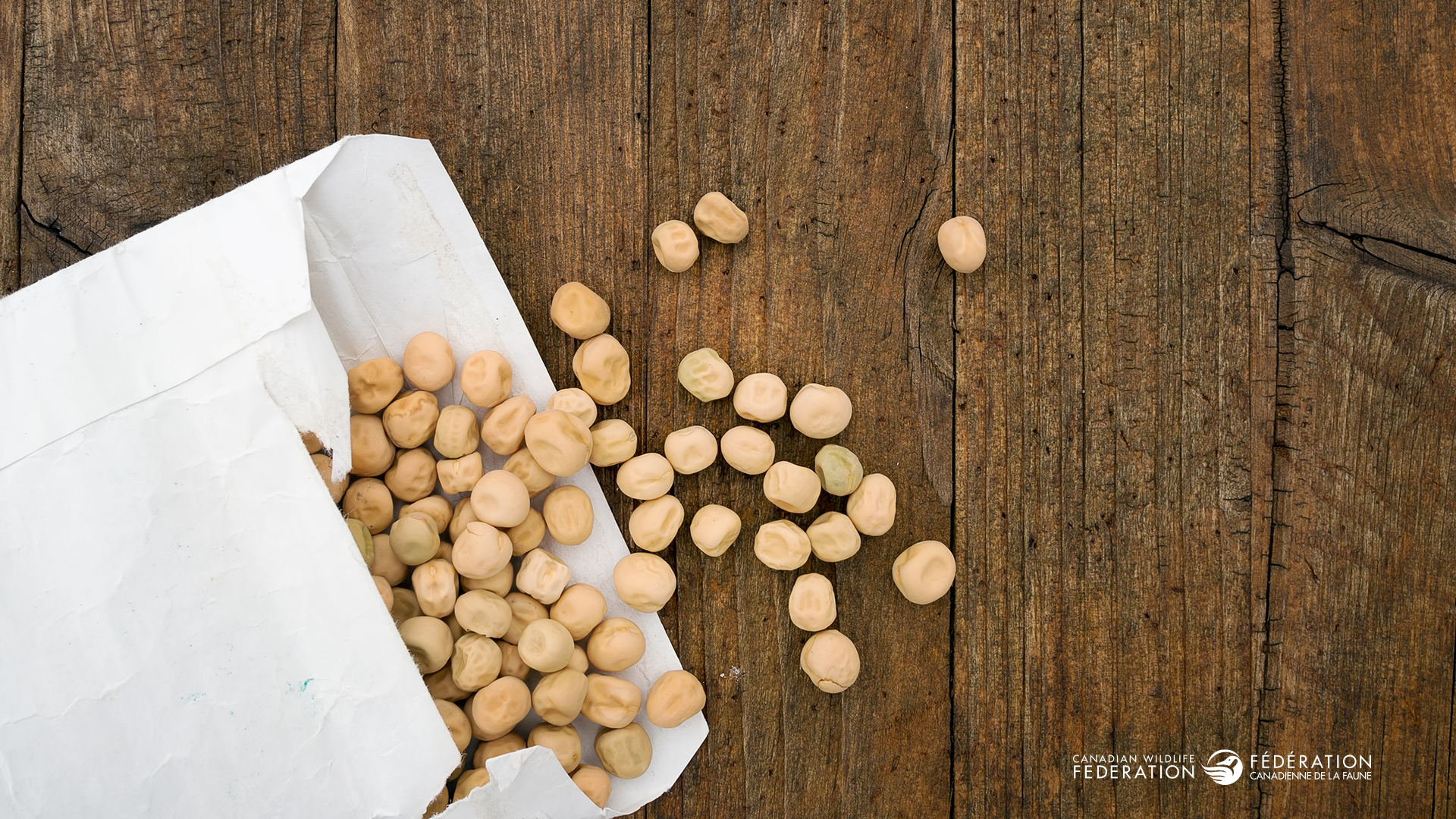
The Canadian Food and Inspection Agency (CFIA) is asking Canadians who receive seeds in this type of situation to:
- Not open the seed packets. Place the seeds, packaging and
mailing label in a sealed bag - Report it to a regional CFIA office
- Wait to hear back from the CFIA
- To prevent the seeds from growing and spreading, do not plant, compost or even flush the seeds.
Seeds from fundraising organizations:
Sometimes organizations (like ours!!) that you may be familiar with mail seeds as a fundraising initiative. If you have any questions about the organization or the seeds, always exercise caution and feel free to reach out to the organization to find out more about the seeds. Check the package or accompanying material to see if the plant species are provided. If they’re not, contact the organization to find out. Also remember that it’s best to avoid seeds that have been treated with neonicotinoid pesticides as they can harm and kill pollinators. Do your own research and remember that native plants are typically better adapted to local environmental conditions, require less maintenance, and are better suited to meet the needs of wildlife.


