

By: Terri-Lee Reid
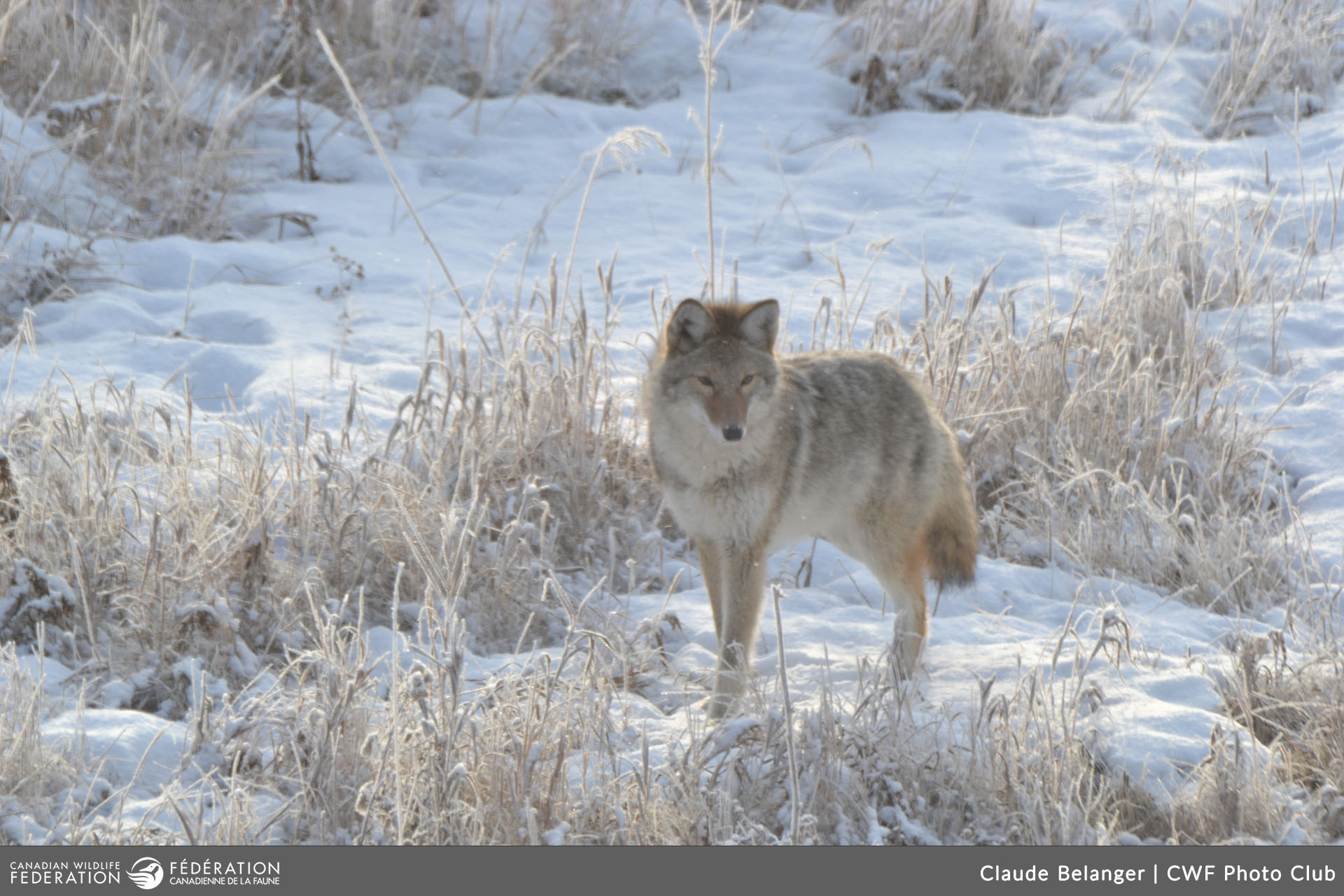
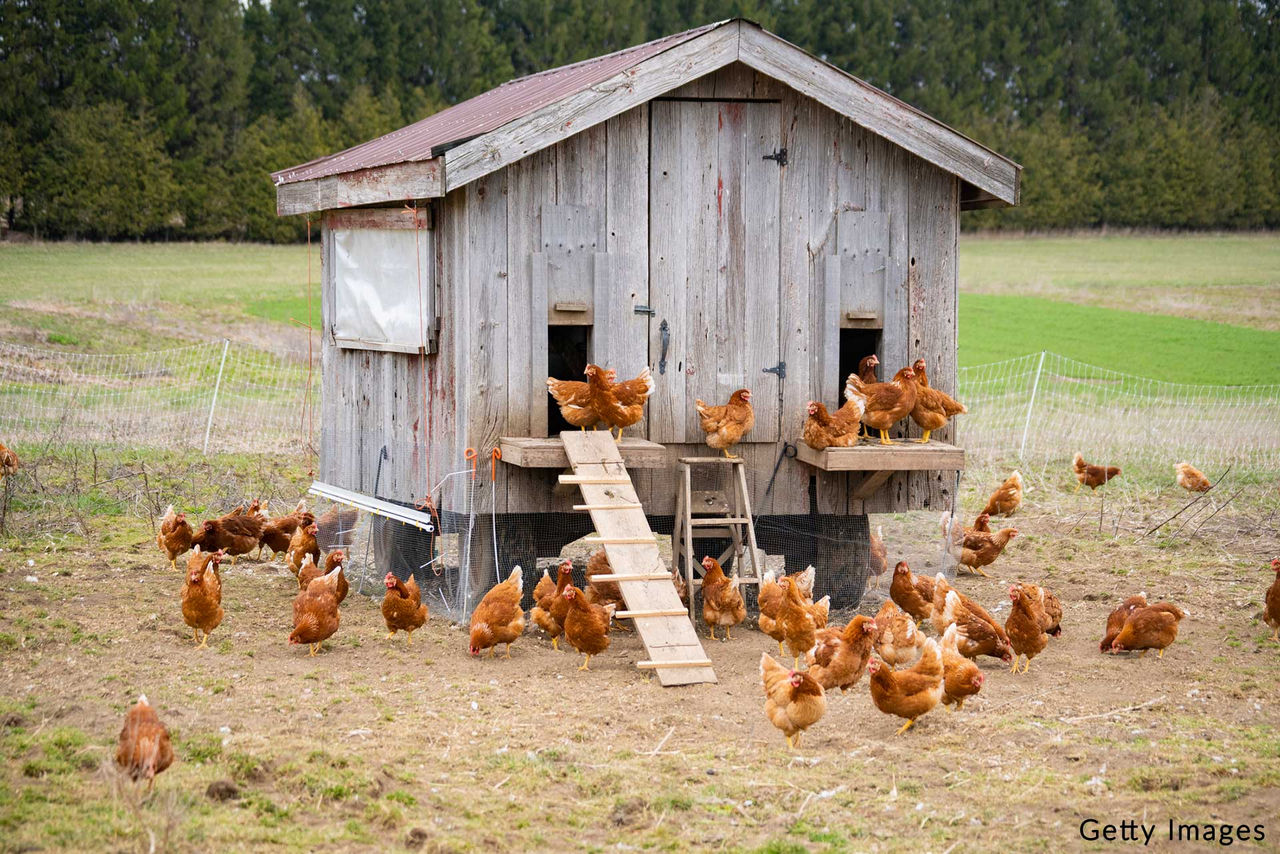
There are many predators that will prey on chickens, and/or their eggs, including coyotes, foxes, raccoons, skunks, birds of prey, rats and weasels. And who can blame them, really? To them your backyard coop houses a tasty meal!
If you have lost chickens or eggs, it may come in handy to know which species is to blame. This can help with your animal proofing. Below are some signs that may help:
- If adult chickens have gone missing it could have been a fox or a coyote. These predators are big enough to kill chickens and take them away, leaving no evidence behind.
- Hawks typically attack during the day whereas owls are more active at night. Depending on the size of the chicken they may carry their meal away or eat it there, leaving behind some feathers.
- While not a pretty sight, sometimes the body of the chicken remains but the head or legs are missing. Raccoons may be to blame in these instances. Raccoons can pull the chicken’s head or legs through the wires but aren’t able to get the rest. They’ll also take the eggs.
- Weasels may be the culprit if the chickens have been attacked but not eaten.
- Skunks and rats are more likely to go after the eggs but at times may go after smaller/younger chickens.
However, there are steps you can take to protect your backyard poultry from hungry predators:

- Make sure you have a secure floor, one that predators can’t dig into.
- One of the easiest things you can do is corral your chickens into their coop at night.
- Make sure you use predator-safe latches. Some predators, like raccoons, are talented at opening latches. Basically, you want to make sure that a two-year-old wouldn’t be able to open them. You can buy some latches that have a two-step process for locking and unlocking.
- To keep your chickens safe in their coop/enclosure, you need to protect them from animals that can dig under the structure and gain access. To do this, dig a trench about 30 centimetres deep and then outwards toward you about another 30 cm around the entire coop/enclosure. Secure ½ inch welded wire mesh (also known as hardware cloth) to the bottom of the coop/enclosure and line your trench, dropping the mesh down into your trench and bending it out towards you. This should thwart the efforts from any digging animal! Chicken wire is not sturdy enough. While it might keep chickens in, it definitely won’t keep predators out.
- If your chickens are fenced in, the space under your fence will need to be animal proofed in the same manner as mentioned above – digging a trench around the fence, securing and lining the trench with ½ inch welded wire mesh.
- If you have a fence, determine how high your fence needs to be. You not only have to consider how high your chickens can fly but also how high predators can jump. A fence that is at least 1.8 metres high should be enough to keep coyotes out.
- If you have screens on your coop windows and vents, reinforce them with ½ inch welded wire mesh.
- If you find any openings fix them right away as it won’t take long for a hungry animal to find it.
- To protect your chickens from birds of prey and climbing predators, put a secure roof over your enclosure.
- Reduce the number of hiding places for predators around your coop/enclosure – remove debris and don’t place the structures too close to trees where birds of prey can sit and wait.
- Only feed chickens what they can typically consume in one feeding, picking up any feed that is left over. Leaving extra food around is a sure-fire way of attracting potential rodents, which in turn attracts their predators. Be sure to store the chicken feed in a well-sealed container.
- Motion-sensor lights may also work to scare off any night-time predators. Some people have had good luck with Nite Guards. These are solar powered lights that look like the eyes of a predator, meant to scare off your predator.
- And while you might not be in the market for another bird, some people rely on a rooster to keep their chickens safe.
Note that it isn’t always wildlife that may see your chickens as their next meal. There are some dogs that will attack chickens; and cats - although it might be rare for them to kill an adult chicken, they may not be able to resist the eggs or small chicks.


